
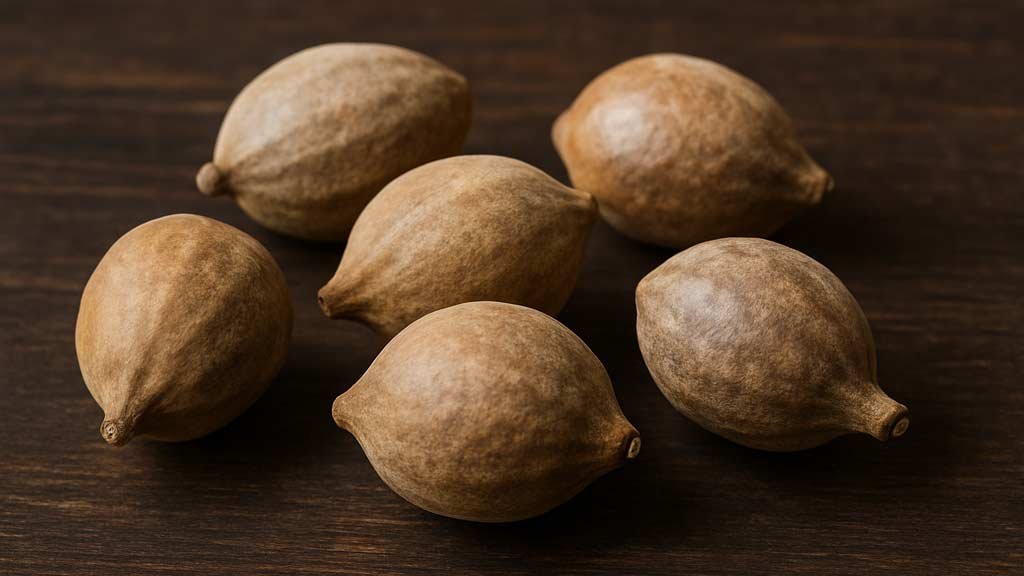
Bibhitaki, also known by its botanical name Terminalia bellirica, is one of the three fruits that make up the famous Ayurvedic blend Triphala. While its partners—Haritaki and Amalaki—often get the spotlight, Bibhitaki carries its own weight with a remarkable ability to cleanse, balance, and protect. In the Sanskrit texts, Bibhitaki is said to mean “the fruit that keeps away disease.” That kind of name doesn’t come out of nowhere.
If you’ve ever held the dried fruit in your hand, you’d notice its tough shell and earthy aroma. It’s not the sort of thing you’d eat casually like a raisin. Instead, its power lies in the preparation—ground into a fine powder, simmered in decoctions, or blended into Triphala.
Table of Contents

The Ayurvedic Perspective on Bibhitaki
Ayurveda always looks at plants through the lens of balance. Bibhitaki is described as having astringent and bitter qualities, which help dry excess Kapha and clear lingering Ama—those sticky, toxic residues that build up when digestion isn’t working smoothly.

- For Kapha imbalance: It clears mucus, eases heaviness, and supports the lungs.
- For Pitta imbalance: Its cooling, detoxifying nature helps calm heat and inflammation.
- For Vata imbalance: Though more drying, when combined in Triphala it works harmoniously without aggravating Vata too much.
That’s the beauty of Ayurveda—it’s not about “this herb cures this,” but about restoring the inner rhythms. Bibhitaki is particularly renowned for its effects on the digestive and respiratory systems.
Bibhitaki in Triphala
You can’t talk about Bibhitaki without talking about Triphala. The blend of Amalaki, Haritaki, and Bibhitaki is like a perfectly tuned trio—each one correcting the other’s extremes. Bibhitaki is the cleansing arm of the mix, pulling out waste and stagnation. Without it, Triphala would lose much of its detoxifying edge.
Some practitioners will even emphasize Bibhitaki when they want to focus on purging old residues. It’s the heavy-lifter in clearing sluggish digestion and helping the gut reset.
Traditional Uses of Bibhitaki
Across centuries, Bibhitaki has been used in many ways. It isn’t just about detox; its influence spreads widely across systems.
- Digestive health: Helps ease constipation, bloating, and sluggish elimination.
- Respiratory support: Used in Ayurvedic formulations for cough, sore throat, and bronchial issues.
- Liver cleansing: Supports bile flow and detoxification pathways.
- Skin health: Traditionally applied in powders or pastes to soothe skin conditions.
- Vision and eyes: Some old texts describe its use in maintaining sharp eyesight.
One interesting note: in villages across India, Bibhitaki fruit shells were sometimes used as a natural “soap nut” for washing hair. That cleansing property is reflected both internally and externally.
What Modern Research Says
Science has started to confirm what Ayurveda has known. Bibhitaki fruit contains powerful compounds—tannins, gallic acid, ellagic acid, and flavonoids—that give it antioxidant and anti-inflammatory effects.
Studies suggest it may:
- Reduce oxidative stress and free-radical damage.
- Support blood sugar regulation.
- Improve cholesterol profiles by lowering LDL and triglycerides.
- Protect the liver against toxins.
- Show antimicrobial activity against certain bacteria and fungi.
Of course, research is still growing, and much of it is in early stages. But the overlap between traditional claims and modern findings is striking.
The Experience of Taking Bibhitaki
If you’ve ever tried pure Bibhitaki powder, you’ll know it’s not exactly pleasant. Bitter, astringent, and drying—your mouth puckers almost instantly. That’s why most people prefer it in Triphala, where Amalaki’s sourness and Haritaki’s more balanced taste soften the harsh edges.
Some Ayurvedic practitioners recommend Bibhitaki at night, usually with warm water, to support elimination in the morning. Others prefer it in oil form, where it’s used externally for massage or even hair care.
Safety and Considerations
Like any potent herb, Bibhitaki isn’t for everyone at all times. A few considerations:
- Because it’s detoxifying and mildly laxative, overuse can lead to loose stools or depletion.
- Pregnant or breastfeeding women should avoid it unless guided by a practitioner.
- People on medications, especially for the heart, diabetes, or blood pressure, should consult a physician before regular use.
- It’s best taken in balanced formulas like Triphala rather than alone in large amounts.
Ayurveda always emphasizes the “right herb, right dose, right person.” Bibhitaki’s strength lies in its precision when matched properly.
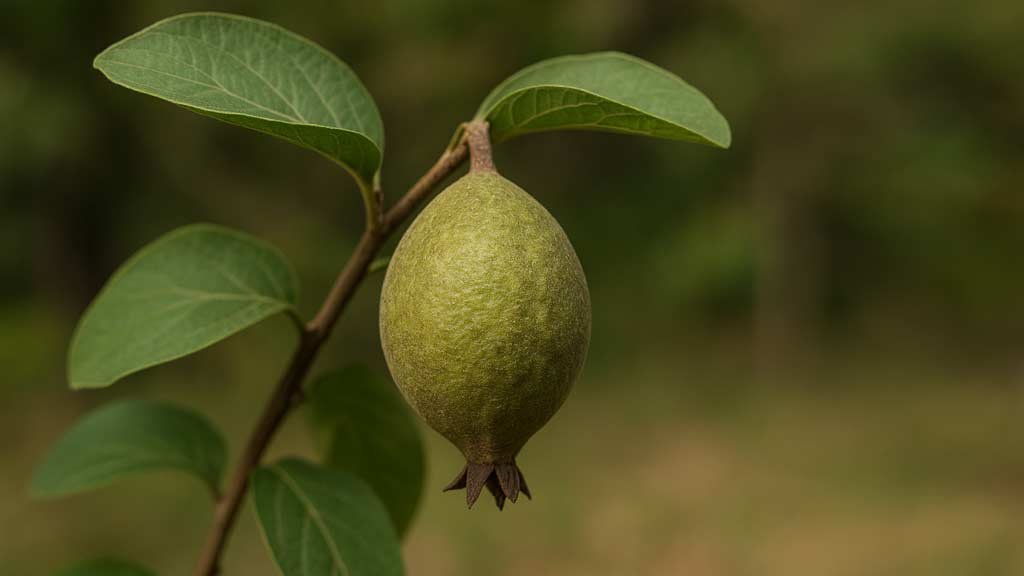
Beyond Detox: A Broader View of Bibhitaki
Detoxification is just one face of this fruit. If you step back, Bibhitaki embodies the idea of resilience—keeping the channels of the body clear so that energy, blood, and breath can flow freely. When that happens, the body naturally heals and maintains itself.
In my own experience, Triphala with a strong note of Bibhitaki has a way of lightening the load—literally and figuratively. It’s like clearing out a cluttered attic. You don’t always notice the difference right away, but a week or two in, you feel space open up.
Practical Ways to Use Bibhitaki
- Triphala powder: The most common, mixed with warm water before bed.
- Capsules: Easier for those who can’t stand the taste.
- Decoction: Simmered fruit powder for deeper cleansing rituals.
- Topical use: Powdered fruit mixed with honey or oils for skin applications.
If you’re new, starting with Triphala is the gentlest introduction. Pure Bibhitaki can be intense.
Best Selling Bibhitaki Supplements





Closing Thoughts
Bibhitaki isn’t glamorous. It doesn’t have the sweet taste of Amalaki or the balanced reputation of Haritaki. But its quiet strength lies in its ability to sweep the corners, to keep the house in order. Ayurveda valued it for exactly that reason—because long-term wellness isn’t built on flashy cures, but on steady cleansing and balance.
Maybe that’s the lesson of Bibhitaki: sometimes the medicine we need isn’t sweet or easy to swallow, but it does the work we can’t ignore.
Article Sources
At AncientHerbsWisdom, our content relies on reputable sources, including peer-reviewed studies, to substantiate the information presented in our articles. Our primary objective is to ensure our content is thoroughly fact-checked, maintaining a commitment to accuracy, reliability, and trustworthiness.
- Gupta, A., Kumar, R., & Srivastava, S. (2017). In vitro antioxidant, antimicrobial and antidiabetic activities of Terminalia bellirica. BMC Complementary and Alternative Medicine, 17(1), 110. https://bmccomplementmedtherapies.biomedcentral.com/articles/10.1186/s12906-017-1635-0
- Jaggi, R. K., Madaan, R., & Singh, B. (2016). Bioactive constituents and medicinal importance of Terminalia bellirica Roxb. (Bahera). Indian Journal of Natural Products and Resources, 7(4), 295–306. https://nopr.niscpr.res.in/handle/123456789/39258
- Kumar, N., & Dubey, N. K. (2021). Phytochemistry and pharmacology of Terminalia bellirica (Gaertn.) Roxb.: A review. Journal of Ayurveda and Integrative Medicine, 12(4), 698–709. https://www.sciencedirect.com/science/article/pii/S0975947620301574
- Sabu, M. C., & Kuttan, R. (2002). Anti-diabetic activity of medicinal plants and its relationship with their antioxidant property. Journal of Ethnopharmacology, 81(2), 155–160. https://doi.org/10.1016/S0378-8741(02)00034-X
- Saleem, A., Husheem, M., Härkönen, P., & Pihlaja, K. (2002). Inhibition of cancer cell growth by crude extract and phenolics of Terminalia chebula, Terminalia bellerica and Emblica officinalis. Journal of Ethnopharmacology, 81(3), 327–336. https://doi.org/10.1016/S0378-8741(02)00099-2

- Phosphatidic Acid: Supporting Muscle Growth and Strength - July 31, 2026
- Ceramides: Supporting Healthy Skin From Within - July 31, 2026
- Synbiotics: Combining Prebiotics and Probiotics Together - July 31, 2026