
A Plant with a Past That Won’t Let Go
Calamus, also called sweet flag (Acorus calamus), is one of those herbs that seems to pop up in every old herbal text you can get your hands on. From Ayurveda and Traditional Chinese Medicine to European folk traditions, calamus root has had a way of weaving itself into countless cultural threads. People have chewed it for fresh breath, brewed it for stomach aches, carried it as a charm, and even burned it like incense. That kind of staying power makes you wonder—what is it about this reed-like plant with sword-shaped leaves that’s made it such a staple for thousands of years?
You don’t find that kind of devotion for no reason.
Table of Contents

The Look and Feel of Calamus
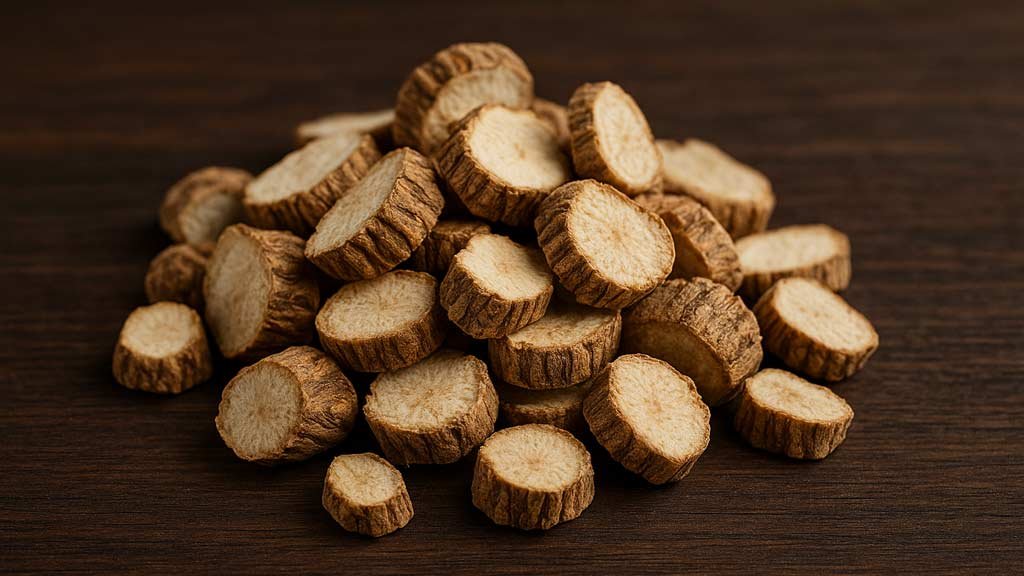
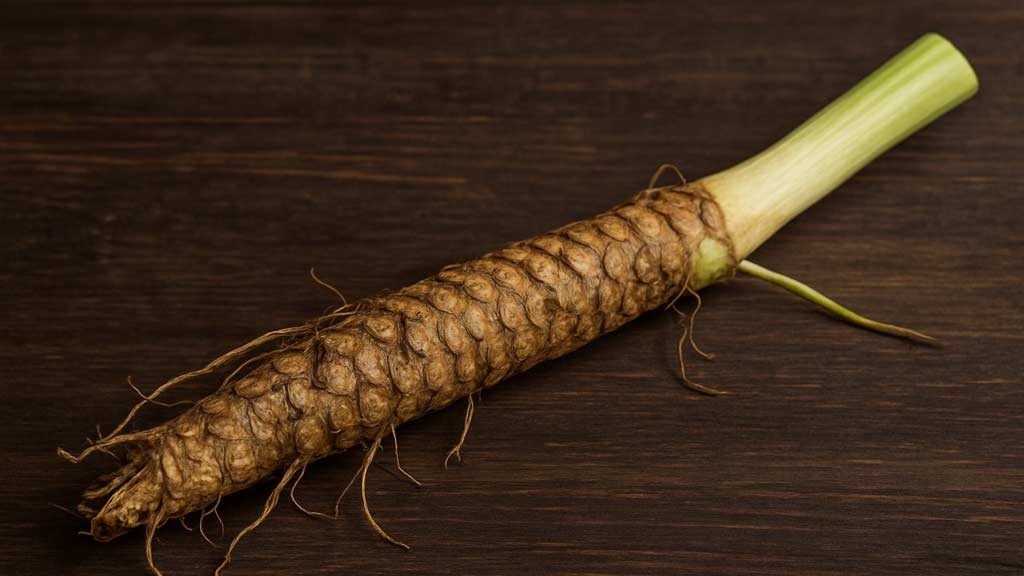
Calamus grows in wetlands, its stiff, sword-like leaves pushing up through shallow water. If you’ve ever walked along a marsh edge and seen reeds with a faint spicy-sweet aroma when crushed, you may have brushed against it without knowing. The rhizome, or underground stem, is the part that herbalists prize most. Freshly dug, it smells warm and spicy, almost like a blend of ginger, cinnamon, and a faint whiff of pine. Chew a piece, though, and the bitterness hits hard. There’s a lingering heat too, the kind that clears your head and leaves your mouth tingling.

That sensory punch is part of why calamus root became such a multi-use herb. It was never bland. It demanded attention.
Calamus in Ancient Medicine Systems
Ayurveda
In Ayurveda, calamus is known as Vacha, meaning “speech.” That name isn’t random—calamus was believed to sharpen clarity, support communication, and even strengthen memory. Practitioners used it to clear mental fog and improve focus. It was also prescribed for sluggish digestion, coughs, and as a general tonic for balancing vata dosha.
Traditional Chinese Medicine
In TCM, calamus is called Shi Chang Pu. It’s used to “open the orifices,” which is a poetic way of saying it helps clear the mind and improve consciousness. Chinese herbalists often turned to it for confusion, poor memory, seizures, or even for supporting recovery after a stroke. Its warming, aromatic quality made it useful for dispelling dampness and harmonizing the stomach.
Western Folk Traditions
Early European herbalists saw calamus as a digestive stimulant and breath freshener. In the American herbal tradition, chewing calamus root was recommended for colds, sore throats, and fatigue. In some Indigenous practices, it was considered a protective plant, worn or carried to ward off illness.
You start to see a pattern: digestion, mind, and breath. Those three threads run through almost every culture’s use of calamus.
Modern Science Meets Tradition
When researchers analyzed calamus, they found a mix of essential oils, tannins, and bitter compounds. The main one that grabs attention is beta-asarone, a compound with both promise and controversy. Some studies suggest it may have neuroprotective and calming effects, while others point out toxicity at high levels. It’s worth noting that not all calamus varieties contain the same amount of beta-asarone—North American types have much less than some Asian varieties.
That complexity explains why the herb has such a double-edged reputation. Some herbalists praise it for sharpening the mind and soothing the stomach, while regulatory bodies in places like the U.S. restrict it in food products because of safety concerns.
The truth is somewhere in between: calamus root can be a powerful herb, but it’s not one to use carelessly.
Digestive Ally
Chew a small slice of calamus root, and you’ll immediately feel your saliva glands kick in. That bitterness works as a digestive stimulant, signaling your body to get ready for food. Herbalists have long recommended it for sluggish digestion, bloating, and even nausea.
People also turned to calamus as a carminative—an herb that helps ease gas. The warming nature of its oils makes it helpful when digestion feels cold and heavy. Think of the way a bit of ginger tea can bring comfort after a heavy meal; calamus works in a similar but stronger way.
Some even used it during fasting or detox rituals. The idea was that calamus could reset the stomach, balance appetite, and keep energy moving without the dullness that often comes when food is reduced.
Focus and Mental Clarity
One of the most fascinating sides of calamus is its reputation as a nootropic long before the word existed. Students, monks, and healers alike used it to cut through mental haze. In Ayurveda, chewing a piece of root was said to bring clarity to the mind and improve speech.
Modern studies suggest calamus may influence neurotransmitters like acetylcholine, which play a role in memory and learning. Its aroma alone—sharp, spicy, invigorating—can feel like a wake-up call. If you’ve ever smelled a strong essential oil and felt instantly more alert, you know the effect.
There are stories of singers and speakers using calamus to steady nerves and sharpen their voice. The idea that chewing it could align breath, focus, and speech explains its enduring association with communication.
Breath Freshener and Respiratory Aid
Before chewing gum and breath mints, there was calamus. A small piece of root was carried in the pocket, ready to chew before a meeting or gathering. Its aromatic oils didn’t just mask odor—they actively freshened the mouth and supported oral health.
For colds and congestion, calamus tea or smoke was sometimes inhaled to clear phlegm. Its warming quality gave relief when the chest felt heavy or the sinuses clogged. Even today, herbalists may suggest it as part of a blend for seasonal respiratory support.
Other Traditional Uses
- Pain relief: Poultices of calamus root were applied to sore joints or muscles.
- Fever support: In some traditions, calamus tea was used to help regulate fevers.
- Skin applications: The antimicrobial properties of its oils made it useful in washes for wounds or infections.
Not every use holds up under modern scrutiny, but they show how versatile this root was in daily life.
Safety and Cautions
Here’s where it gets tricky. While calamus has a long track record of use, modern regulators have flagged concerns. High doses of beta-asarone, especially from certain Asian varieties, have shown carcinogenic potential in lab studies. Because of this, the FDA bans calamus as a food additive.
That doesn’t mean every form is equally risky. North American calamus varieties, with lower beta-asarone levels, may carry less concern. Still, it’s not an herb to self-experiment with casually. Small, occasional use in traditional contexts is different from concentrated extracts or long-term dosing.
Pregnant women, children, and those with liver conditions should avoid calamus. Anyone considering it for regular use should consult an experienced herbal practitioner.
The Spirit of Calamus
Herbs aren’t just chemical cocktails. They’re cultural symbols, carriers of meaning. Calamus has always been more than its compounds—it’s been a plant of clarity, speech, protection, and transformation. That intangible layer is part of why it still holds intrigue.
Imagine carrying a piece of root, knowing generations before you did the same to steady their mind and settle their stomach. It connects you to a lineage of herbal wisdom, even if modern science adds new layers of caution.
Practical Ways People Still Use Calamus
- Chewing a tiny sliver of dried root for fresh breath and clarity
- Brewing a light tea for sluggish digestion (with caution and proper identification of variety)
- Burning as incense for its spicy, uplifting aroma
- Adding to traditional herbal formulas in Ayurveda or TCM under practitioner guidance
It’s not a mainstream kitchen spice, and it probably won’t ever be, but calamus holds a quiet, enduring place in the herbal world.
Best Selling Calamus Supplements




Closing Thoughts
Calamus is one of those herbs that fascinates precisely because it’s not simple. It’s been praised and restricted, revered and doubted. Some call it dangerous; others call it indispensable. The truth likely lies in balance.
Used with respect, calamus root shows why ancient people valued it: a bitter yet aromatic ally for digestion, clarity, and breath. But it also reminds us that tradition and modern science must walk together. We honor the past, but we learn from the present.
Maybe that’s the ultimate lesson of calamus—clarity comes not from choosing sides, but from holding complexity with focus and care.
Article Sources
At AncientHerbsWisdom, our content relies on reputable sources, including peer-reviewed studies, to substantiate the information presented in our articles. Our primary objective is to ensure our content is thoroughly fact-checked, maintaining a commitment to accuracy, reliability, and trustworthiness.
- Akhondzadeh, S., Noroozian, M., Mohammadi, M., Ohadinia, S., Jamshidi, A. H., & Khani, M. (2003). Salvia officinalis extract in the treatment of patients with mild to moderate Alzheimer’s disease: A double blind, randomized and placebo-controlled trial. Journal of Clinical Pharmacy and Therapeutics, 28(1), 53–59. https://doi.org/10.1046/j.1365-2710.2003.00463.x
- Al-Snafi, A. E. (2015). The pharmacological importance of Acorus calamus – A review. International Journal of Phytotherapy, 5(1), 22–38. https://www.ijpnonline.com/
- Bhatnagar, M., & Kaur, M. (2015). Pharmacological review on Acorus calamus: An endangered medicinal herb. International Journal of Green Pharmacy, 9(4), 223–229. https://greenpharmacy.info/
- Gupta, R., & Singh, D. (2019). Medicinal and therapeutic potential of Acorus calamus Linn. Journal of Drug Delivery and Therapeutics, 9(3-s), 774–779. https://doi.org/10.22270/jddt.v9i3-s.2895
- U.S. Food and Drug Administration. (2020). Substances prohibited from use in human food: Calamus and its derivatives. Code of Federal Regulations Title 21. https://www.ecfr.gov/current/title-21
- World Health Organization. (2004). WHO monographs on selected medicinal plants: Acorus calamus. WHO Press. https://apps.who.int/medicinedocs/en/d/Js4927e/

- Phosphatidic Acid: Supporting Muscle Growth and Strength - July 31, 2026
- Ceramides: Supporting Healthy Skin From Within - July 31, 2026
- Synbiotics: Combining Prebiotics and Probiotics Together - July 31, 2026