
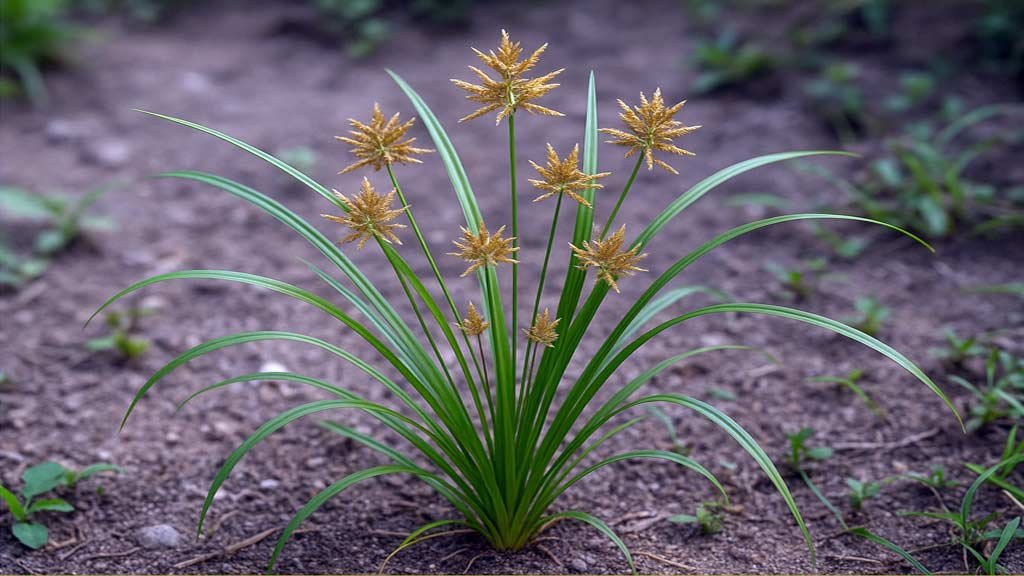
The Humble Root with Powerful Benefits
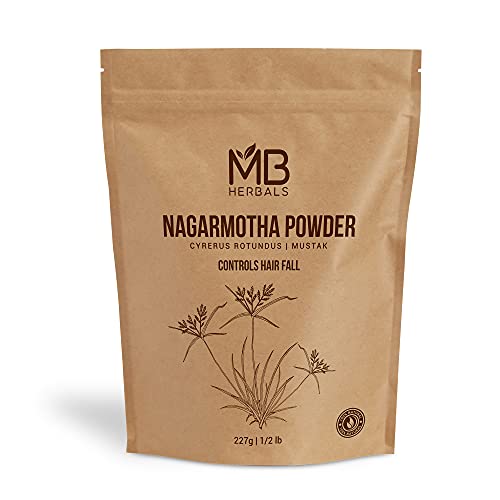
Nagarmotha, also known as Nut Grass (Cyperus rotundus), is one of those plants that often goes unnoticed. In the wild, it looks like a simple grassy weed with thin, wiry leaves and tiny flowers that blend into the earth. But Ayurvedic medicine has long recognized it as “Musta,” a powerful herb with far-reaching benefits.
It’s fascinating how something so unassuming can hold such potent medicinal properties. From the digestive system to skin health, Nagarmotha has earned its place as a staple in traditional healing systems across India, China, and other parts of Asia. Ancient texts describe it as a cooling, bitter, and astringent herb, perfect for balancing the body’s digestive fire and calming excess bile.
Table of Contents

Traditional Uses in Ayurveda
Ayurveda values Nagarmotha for its capacity to treat what it calls “ama” — the toxic byproducts of improper digestion. When digestion slows down, toxins accumulate, leading to bloating, indigestion, and even skin issues. Musta has long been used to:

- Stimulate appetite and improve digestion
- Alleviate bloating, gas, and diarrhea
- Purify the blood and support skin health
- Reduce inflammation in both skin and internal organs
- Manage fevers and mild infections
It’s interesting to note that the root’s bitterness isn’t just for taste. Bitter herbs in Ayurveda are considered digestive stimulants. They activate enzymes, enhance bile flow, and tone the intestines.
Phytochemistry: What Makes Nagarmotha Work?
Modern science helps explain why Nagarmotha has such a wide range of effects. Its essential oils contain compounds like cyperene, cyperol, and mustakone. These chemicals have been studied for:
- Anti-inflammatory effects: Soothing irritation in the gut and on the skin
- Antimicrobial properties: Helping fend off infections
- Antioxidant activity: Protecting cells from oxidative stress
- Digestive stimulation: Supporting healthy enzyme function
In essence, this unassuming root contains a cocktail of bioactive compounds that work synergistically to bring harmony to the body.
Digestive Benefits
Nagarmotha is particularly famous as a digestive aid. People struggling with bloating, indigestion, or irregular bowel movements have traditionally turned to it. Ayurveda classifies it as “Deepana” and “Pachana,” meaning it ignites digestive fire and helps metabolize accumulated toxins.
Some common applications include:
- Decoctions and teas: Boiling the dried root in water and sipping it before meals
- Powdered form: Mixed with honey or warm water for better digestion
- Formulated powders: Often combined with other digestive herbs like ginger or fennel
For centuries, it’s been recommended for those who experience a sluggish gut, occasional nausea, or abdominal discomfort after heavy meals. Anecdotally, people note that a cup of Nagarmotha tea can ease bloating almost immediately, leaving the stomach feeling light and comfortable.
Skin Health and Anti-Inflammatory Uses
Nagarmotha isn’t just about digestion. Its astringent and antimicrobial qualities make it a natural ally for the skin. Traditional medicine has used it to:
- Reduce acne and blemishes
- Calm inflammation and redness
- Promote healing of minor cuts and wounds
- Tone and purify the skin, giving it a natural glow
For topical use, powdered root or oil extracts are mixed into pastes and applied directly to affected areas. Some people swear by a simple decoction rinse to soothe irritated skin or as a gentle cleanser that won’t strip natural oils.
Supporting Overall Wellness
Beyond the gut and skin, Nagarmotha is considered a versatile herb with systemic benefits:
- Fever management: Used traditionally to bring down mild fevers
- Hormonal balance: Some practitioners incorporate it for menstrual regulation and female reproductive health
- Antioxidant protection: The plant’s polyphenols help neutralize free radicals
- Mood and stress: Its grounding aroma in essential oils is mildly calming and can reduce tension
It’s worth noting that these effects are subtle and cumulative. Unlike pharmaceuticals, Nagarmotha works in harmony with your body, encouraging balance rather than forcing change.
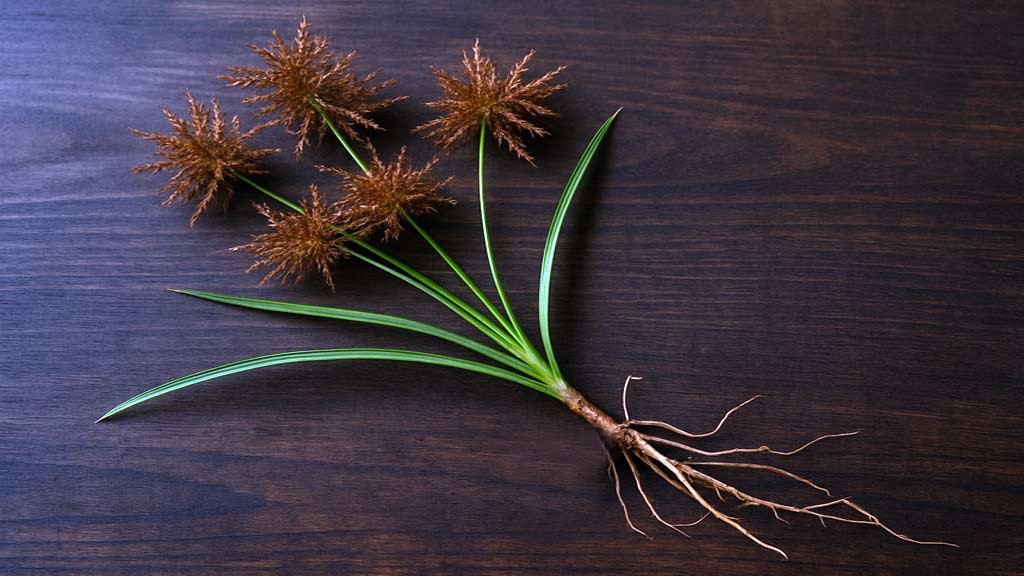
How to Incorporate Nagarmotha
People can use Nagarmotha in several ways:
- Decoction: Boil dried roots in water, strain, and sip warm
- Powder: Mix with honey or ghee for digestive support
- Essential oil: Added to massage oils or diluted for skin application
- Formulations: Combined with other herbs in Ayurvedic powders and capsules
It’s gentle but effective. Even small, consistent doses tend to yield noticeable improvements over time, especially for digestion and skin vitality.
My Thoughts on Nagarmotha
When I first tried Nagarmotha tea, I wasn’t sure what to expect. The taste is earthy, slightly bitter, and intensely herbal—definitely not the sugary teas we’re used to. But the effects were subtle yet unmistakable: my stomach felt lighter, digestion smoother, and a sense of calm spread through the body.
I’ve also seen it work for friends with minor skin irritations. A simple root paste applied for twenty minutes seemed to reduce redness and itching. There’s a quiet, understated power in this herb, a reminder that nature often hides its most potent remedies in plain sight.
Precautions and Considerations
While Nagarmotha is generally safe, a few points are worth noting:
- Avoid excessive doses, especially in powdered form, as it may overstimulate digestion
- Pregnant or nursing women should consult an Ayurvedic practitioner before use
- People with severe liver or kidney conditions should seek professional guidance
Like all herbs, it works best when used mindfully, respecting both the body and traditional preparation methods.
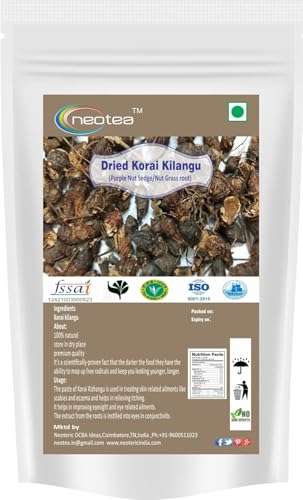
Best Selling Nut Grass Supplements



Conclusion
Nagarmotha, the humble Nut Grass, is a prime example of how Ayurveda finds extraordinary value in ordinary plants. From supporting digestion to soothing the skin, it offers a natural path toward balance and vitality.
It’s not flashy. It doesn’t promise instant miracles. But for those willing to engage with it patiently, Nagarmotha rewards with gentle, pervasive improvements that touch multiple aspects of health.
Whether brewed as tea, taken as powder, or used topically, this herb remains a testament to the depth and wisdom of traditional medicine—a simple root with a remarkable story.
Article Sources
At AncientHerbsWisdom, our content relies on reputable sources, including peer-reviewed studies, to substantiate the information presented in our articles. Our primary objective is to ensure our content is thoroughly fact-checked, maintaining a commitment to accuracy, reliability, and trustworthiness.
- Singh, B., & Chaudhuri, S. K. (2013). Pharmacological review on Cyperus rotundus (Nut Grass): An important medicinal plant. Journal of Pharmacognosy and Phytochemistry, 2(4), 60–65. https://www.phytojournal.com/archives/2013/vol2issue4/PartA/2-4-12
- Patel, S., & Patel, R. (2012). Anti-inflammatory and antimicrobial activities of Cyperus rotundus Linn. International Journal of Pharmaceutical Sciences and Research, 3(8), 2601–2607. https://ijpsr.com/bft-article/anti-inflammatory-and-antimicrobial-activities-of-cyperus-rotundus-linn/?view=fulltext
- Kumar, R., & Singh, A. (2010). Effect of Cyperus rotundus on gastrointestinal disorders: An experimental study. Asian Pacific Journal of Tropical Biomedicine, 1(3), 243–247. https://www.sciencedirect.com/science/article/pii/S222116911060045X
- World Health Organization (WHO). (2004). Guidelines on safety monitoring of herbal medicines in pharmacovigilance systems. WHO Press. https://apps.who.int/iris/handle/10665/43034
- Chopra, R. N., Nayar, S. L., & Chopra, I. C. (1956). Glossary of Indian Medicinal Plants. CSIR, New Delhi. https://www.csir.res.in/legacy/glossary-indian-medicinal-plants

- Phosphatidic Acid: Supporting Muscle Growth and Strength - July 31, 2026
- Ceramides: Supporting Healthy Skin From Within - July 31, 2026
- Synbiotics: Combining Prebiotics and Probiotics Together - July 31, 2026