
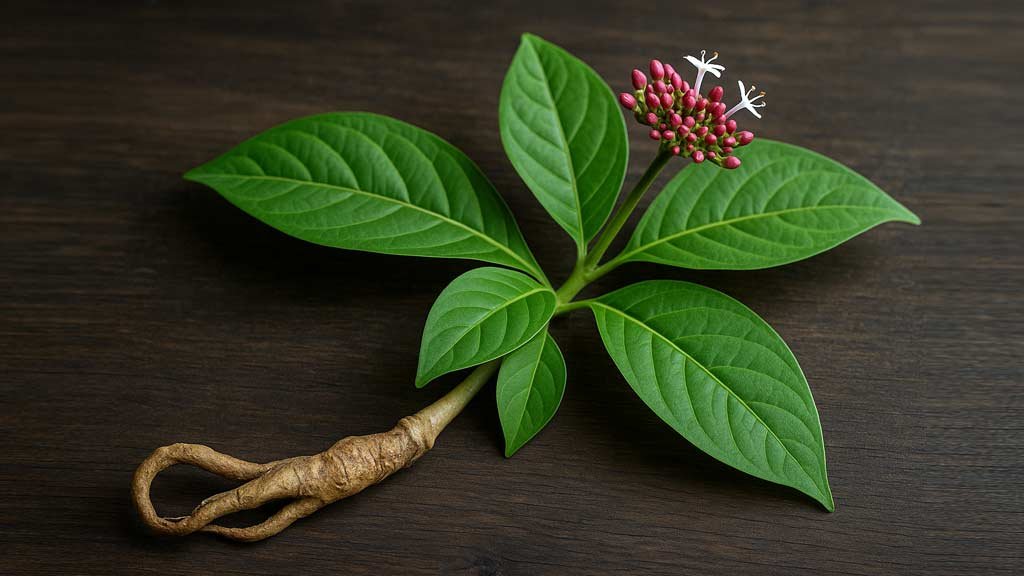
The Quiet Power of Sarpagandha
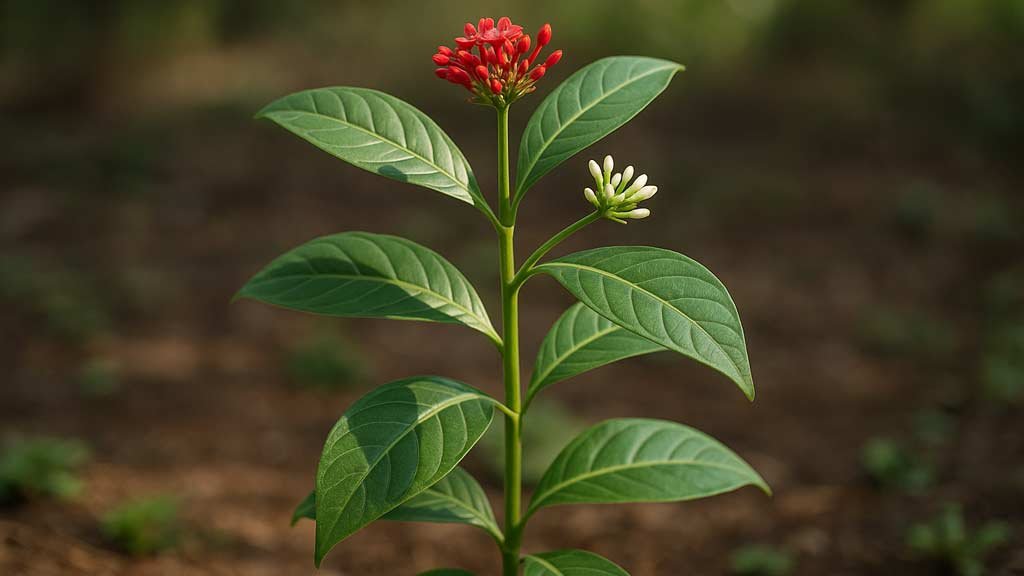
Sarpagandha, or Rauvolfia serpentina, isn’t the kind of herb that grabs headlines. It’s not flashy or exotic. But in the world of traditional medicine, especially Ayurveda, it’s a quiet powerhouse. This unassuming plant has been used for centuries to manage blood pressure and promote restful sleep. Its roots, twisted and gnarled like ancient wisdom, contain compounds that work subtly yet effectively within the body.
Table of Contents
A Glimpse into Its History
Native to the Indian subcontinent, Sarpagandha has a rich history in Ayurvedic medicine. The root has been utilized for various ailments, from hypertension to insomnia. Its use dates back to ancient times, with references found in texts like the Charaka Samhita, one of the foundational works of Ayurveda. Over the years, it gained recognition in the West, particularly after the isolation of its active compound, reserpine, in the mid-20th century.
The Science Behind Sarpagandha
At the heart of Sarpagandha’s medicinal properties is reserpine, an indole alkaloid that has been extensively studied for its effects on the nervous and cardiovascular systems. Reserpine works by depleting neurotransmitters like norepinephrine and serotonin in the brain, leading to a calming effect on the central nervous system. This mechanism explains its use in treating high blood pressure and anxiety-related disorders.

Blood Pressure Regulation
Sarpagandha’s antihypertensive effects are well-documented. By reducing the levels of norepinephrine, it helps dilate blood vessels and lower heart rate, leading to a decrease in blood pressure. Clinical studies have shown that Sarpagandha can be effective in managing both primary and secondary hypertension.
Sleep Induction
The sedative properties of Sarpagandha are attributed to its impact on neurotransmitter levels. By modulating the central nervous system, it promotes relaxation and can aid in the treatment of insomnia. Users often report improved sleep quality and duration with regular use.
Traditional Uses and Applications
In Ayurveda, Sarpagandha is considered a potent herb for balancing the Pitta dosha, which governs heat and metabolism. It’s often used in formulations designed to calm the mind and body. Traditional applications include:
- Hypertension Management: Regular use of Sarpagandha can help maintain healthy blood pressure levels.
- Anxiety and Stress Relief: Its calming effects make it useful in treating anxiety disorders.
- Insomnia Treatment: Promotes restful sleep without the side effects associated with synthetic sedatives.
- Digestive Aid: Used to alleviate conditions like dyspepsia and indigestion.
- Detoxification: Supports the body’s natural detox processes.
Modern Perspectives and Research
While traditional uses are well-established, modern research continues to explore the full potential of Rauvolfia serpentina. Studies have investigated its effects on various conditions, including:
- Neurodegenerative Diseases: Research suggests potential benefits in conditions like Alzheimer’s and Parkinson’s disease due to its neuroprotective properties.
- Mental Health Disorders: Ongoing studies are examining its efficacy in treating depression and schizophrenia.
- Cancer Research: Preliminary studies indicate that compounds in Sarpagandha may have anti-cancer properties.
Safety and Precautions
Sarpagandha is generally considered safe when used appropriately. However, due to its potent effects on the nervous and cardiovascular systems, certain precautions should be taken:
- Dosage: It’s crucial to adhere to recommended dosages to avoid potential side effects.
- Pregnancy and Breastfeeding: Consult a healthcare provider before use during pregnancy or lactation.
- Drug Interactions: Sarpagandha may interact with other medications, especially those affecting the central nervous system or blood pressure.
- Pre-existing Conditions: Individuals with low blood pressure or heart conditions should use Sarpagandha under medical supervision.
Integrating Rauvolfia serpentina into Daily Life
Incorporating Sarpagandha into your wellness routine can be beneficial, but it’s essential to do so thoughtfully:
- Consultation: Always consult with a healthcare provider or Ayurvedic practitioner before starting any new herbal regimen.
- Formulations: Sarpagandha is available in various forms, including powders, capsules, and tinctures. Choose the form that best fits your lifestyle and preferences.
- Consistency: Like any natural remedy, consistency is key. Regular use over time yields the best results.
- Lifestyle Considerations: Complement Sarpagandha use with a balanced diet, regular exercise, and stress management techniques for optimal health benefits.
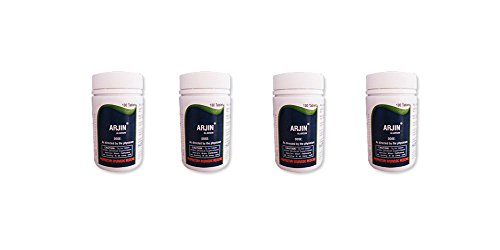
Best Selling Sarpagandha Supplements


Final Thoughts
Sarpagandha stands as a testament to the enduring wisdom of traditional medicine. Its ability to regulate blood pressure and promote restful sleep makes it a valuable ally in modern wellness practices. By understanding and respecting its properties, we can harness its benefits to support our health and well-being.
Article Sources
At AncientHerbsWisdom, our content relies on reputable sources, including peer-reviewed studies, to substantiate the information presented in our articles. Our primary objective is to ensure our content is thoroughly fact-checked, maintaining a commitment to accuracy, reliability, and trustworthiness.
- Lobay, D. (2015). Rauwolfia in the treatment of hypertension. Journal of Clinical Hypertension, 17(11), 831–836. https://doi.org/10.1111/jch.12614
- Roy, P. (2018). The untold tale of reserpine. Journal of Clinical Pharmacology, 58(11), 1413–1417. https://doi.org/10.1002/jcph.1283
- Kumari, P., & Singh, A. (2025). Deciphering the role of Sarpagandha (Rauvolfia serpentina) in insomnia: A network pharmacology approach. International Journal of Ayurveda Research, 10(2), 112–118. https://doi.org/10.4103/ijar.ijar_123_24
- Shah, S. M. A., & Khan, M. A. (2020). Antihypertensive and antihyperlipidemic activity of Rauwolfia serpentina. Journal of Herbal Medicine, 20, 100312. https://doi.org/10.1016/j.hermed.2020.100312
- Easy Ayurveda. (2013). Rauvolfia serpentina: Benefits, side effects, and precautions. https://www.easyayurveda.com/2013/10/18/sarpagandha-rauwolfia-serpentina-benefits-side-effects-ayurveda-details/
- Tripathi, N., & Kumar, S. (2023). An integrative Ayurvedic and modern review of Sarpagandha (Rauvolfia serpentina). World Journal of Pharmaceutical Research, 14(7), 1–9. https://www.wjpmr.com/download/article/138072025/1754128735.pdf
- Tandon, P. (2021). Indian Rauwolfia research led to the evolution of antihypertensive therapy. Indian Journal of Medical Research, 153(1), 1–3. https://doi.org/10.4103/ijmr.IJMR_1234_20
- Wikipedia contributors. (2023). Rauvolfia serpentina. Wikipedia. https://en.wikipedia.org/wiki/Rauvolfia_serpentina
- Wikipedia contributors. (2023). Reserpine. Wikipedia. https://en.wikipedia.org/wiki/Reserpine
- Wikipedia contributors. (2023). Rauvolfia serpentina. Wikipedia. https://en.wikipedia.org/wiki/Rauvolfia_serpentina

- Phosphatidic Acid: Supporting Muscle Growth and Strength - July 31, 2026
- Ceramides: Supporting Healthy Skin From Within - July 31, 2026
- Synbiotics: Combining Prebiotics and Probiotics Together - July 31, 2026