
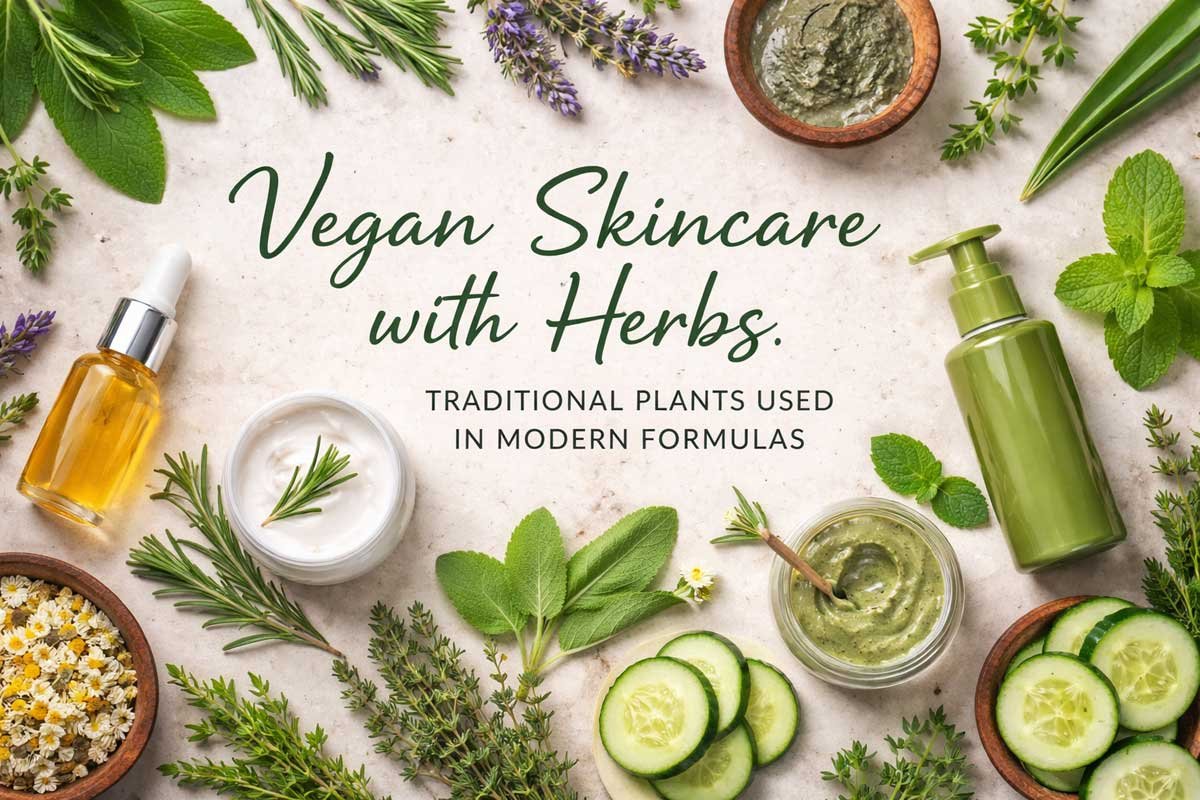
Botanical Beauty: Why Vegan Skincare Is More Than a Trend
Vegan skincare isn’t just a buzzword on the shelves of health stores or a passing social media trend—it’s a philosophy that merges plant-based wisdom with modern beauty science. At its core, it’s about looking after your skin with ingredients that come from the earth rather than animals. That might sound simple, but when you dig into it, the story becomes richer, more nuanced, and surprisingly diverse. It’s a field where centuries-old herbal traditions meet cutting-edge cosmetic innovation, and the results can feel both luxurious and ethically satisfying.
The shift toward plant-based skincare has roots in more than ethics. Consumers are increasingly aware of what they apply to their skin. The human skin is a remarkably absorbent organ; it interacts with every substance it touches. Many people are asking questions like: “Why use animal-derived ingredients when plant alternatives can do the job?” and “How can natural botanicals enhance skin’s resilience without synthetic additives?” These questions reflect a broader movement toward mindfulness in self-care. It’s not about rejecting science—it’s about choosing sources that align with environmental responsibility, sustainability, and personal values.
Table of Contents

Herbs have always been at the heart of this approach. Calendula, chamomile, green tea, aloe vera—these are not just names on a label; they represent centuries of empirical knowledge about how plants interact with skin. Traditional herbalists observed the soothing, protective, and balancing effects of these plants long before the concept of “vegan skincare” existed. What’s new is the ability to harness these effects in concentrated, stable formulations suitable for daily routines. You’re not limited to infusions or home-made remedies; modern vegan creams, serums, and masks can deliver the same plant power more efficiently and safely.

Another driving force is sustainability. The skincare industry has a significant environmental footprint, from sourcing raw materials to packaging and production. Vegan skincare tends to emphasize renewable, biodegradable ingredients and reduces reliance on animal agriculture, which is resource-intensive. It’s a choice that resonates with those who want their beauty routine to reflect a broader ecological consciousness. In many ways, using herbal-based vegan products is a small but meaningful way to participate in a larger environmental dialogue.
But let’s be honest—vegan skincare isn’t just ethical; it’s sensory. Plant-based products often bring textures, scents, and ritualistic elements that feel inherently connected to nature. A cream enriched with chamomile and calendula has a subtle, comforting aroma; a green tea serum feels refreshing and light, while aloe-based gels carry that cooling, almost medicinal touch that reminds you the plant is alive with activity. These sensory cues can transform a mundane skincare routine into something meditative, connecting body and mind in a way that heavily processed alternatives rarely do.
This growing field also reflects a shift in consumer sophistication. People are no longer content with generic “moisturizers” or “anti-aging creams.” They are reading labels, investigating sources, and seeking transparency about production methods and ingredients. Vegan skincare, especially when herbal, aligns perfectly with this mindset because its ingredients are recognizable, traceable, and often multifunctional. A single plant extract can hydrate, soothe, and provide antioxidant protection, reducing the need for a laundry list of chemicals in one product.
Moreover, there’s a social dimension. Choosing vegan skincare can be a form of ethical self-expression. It signals a commitment to compassion, sustainability, and mindful living. But it’s also about joining a broader cultural conversation about wellness, holistic health, and conscious consumption. People are discovering that their skincare choices can reflect values without compromising performance, texture, or pleasure. And that’s a subtle but powerful shift: the idea that personal care products can be both enjoyable and principled.
Interestingly, this movement isn’t limited to boutique or niche brands. Major players in the cosmetic industry are investing heavily in plant-based, vegan lines, often integrating traditional herbal knowledge into modern formulations. From cold-pressed oils to tincture-infused creams, the market is recognizing that herbal vegan ingredients are not a gimmick—they’re a legitimate way to meet the modern consumer’s expectations for efficacy, safety, and ethics.
Ultimately, the appeal of vegan skincare lies in its ability to blend tradition with innovation. It respects the lessons of herbal medicine while leveraging contemporary technology to improve formulation stability, absorption, and sensory experience. It’s a field where ancient knowledge meets modern curiosity, where ethical considerations meet tangible benefits, and where every jar, bottle, or serum carries a story about plants, people, and conscious choice.
In short, vegan skincare with herbs is more than a trend because it addresses multiple layers of concern: health, ethics, sustainability, and sensory pleasure. It invites you to rethink not only what you put on your skin but how you interact with nature and the larger world. The simple act of choosing plant-based ingredients can be a declaration of values, a commitment to sustainability, and a celebration of botanical beauty—all in one. And for anyone curious about making the shift, it offers a wealth of options, from tried-and-true herbal infusions to high-performance, modern plant-based formulas that deliver real results.
Herbal Foundations of Vegan Skincare
When you start exploring vegan skincare, one thing becomes clear: herbs aren’t just decorative—they’re foundational. They carry centuries of wisdom about how plants interact with the skin, and modern formulations have learned to respect and amplify these effects. In vegan skincare, where synthetic stabilizers and animal-derived ingredients are absent, herbs become multifunctional players: soothing, hydrating, protecting, and even naturally preserving formulas. Let’s dive into some of the most influential plants shaping this movement.
Calendula: The Soothing Classic
Calendula, often called marigold, has been used for centuries in European folk medicine as a gentle skin soother. Its bright orange petals are rich in flavonoids, carotenoids, and triterpenoids, compounds known for their calming and protective properties. In vegan skincare, calendula extracts appear in creams, ointments, and serums, offering a comforting touch for sensitive or irritated skin.
One reason it’s so widely used is its versatility. Calendula can be infused in oils to create gentle moisturizers, extracted in alcohol for tinctures that stabilize other herbal ingredients, or powdered and incorporated into masks. The plant has a subtle, natural scent and a golden hue that signals both its origin and its mild, nurturing nature. For those experimenting with homemade vegan formulations, calendula is often the first herb people reach for because it’s effective, forgiving, and pleasant to work with.
Research supports its traditional use. Studies have found that calendula extracts can improve skin hydration and reduce redness, particularly in mild irritation contexts. This combination of sensory comfort and measurable effect makes it a mainstay in both artisanal and commercial vegan skincare lines.
Chamomile: Gentle Care for Sensitive Skin
Chamomile is another herb whose reputation has endured for generations. Often recognized by its small white and yellow blooms, chamomile is valued for its calming properties, particularly for delicate or reactive skin types. The key active compounds—apigenin, bisabolol, and chamazulene—provide a combination of mild anti-inflammatory and soothing activity, making chamomile a favorite in products designed to reduce redness, calm irritation, and support skin balance.
In vegan skincare, chamomile is frequently used as an infusion in creams, toners, and facial mists. Its gentle aroma contributes to a sensory experience that encourages mindful application, which can be just as important as the botanical effects themselves. Chamomile is often paired with other soothing herbs like calendula or aloe vera, enhancing its benefits without introducing animal-derived stabilizers or fragrances.
Studies highlight chamomile’s potential to support skin comfort and integrity. While research is cautious about making direct claims, the data indicates that chamomile extracts can assist in mitigating mild inflammation and maintaining skin’s overall softness. This makes it a reliable ingredient in vegan formulations that aim to prioritize gentle care without compromising efficacy.
Aloe Vera: Hydration and Comfort
Few plants are as universally recognized for skincare as aloe vera. Its succulent leaves contain a gel rich in polysaccharides, vitamins, and minerals, which provide hydration, cooling effects, and a subtle protective layer on the skin. Aloe vera’s appeal in vegan skincare stems from its ability to enhance texture and deliver a refreshing, almost therapeutic sensation upon application.
Vegan creams, gels, and serums often feature aloe vera as a base ingredient, supporting other botanicals while offering its own benefits. Its compatibility with various extraction methods—cold pressing, gel isolation, or tincture incorporation—makes it versatile in formulation. Aloe vera pairs seamlessly with other plant actives like green tea or chamomile, reinforcing hydration and comfort while maintaining a clean, plant-based profile.
Scientific research confirms aloe’s moisturizing properties and its role in supporting the skin barrier. Its polysaccharides form a light protective layer that helps retain moisture, while other constituents contribute to a soft, smooth feeling. For anyone exploring vegan skincare, aloe vera is often a foundational plant because it supports both the sensory and functional aspects of daily routines.
Green Tea: Antioxidant Power
Green tea has evolved from a beverage with historical significance to a cornerstone of modern plant-based skincare. The leaves contain polyphenols—particularly catechins—which are renowned for their antioxidant potential. In skincare, these compounds help neutralize free radicals on the skin’s surface, supporting overall skin resilience and protecting against environmental stressors.
Vegan formulations often include green tea extracts in serums, creams, and masks, either alone or combined with other herbal antioxidants. Its mildly astringent nature can balance oily skin, while its antioxidant content adds a layer of environmental defense. The color and aroma of green tea extracts lend products a natural vibrancy, aligning with the ethos of using plants not just as fillers but as functional, active ingredients.
Research supports the inclusion of green tea in topical applications. Studies suggest that polyphenols can help maintain skin integrity, reduce oxidative stress markers, and contribute to a healthier surface appearance. For vegan skincare, green tea exemplifies how traditional plants can meet modern expectations for efficacy, safety, and ethical sourcing.
Rosemary and Thyme: Herbal Preservatives
While most herbs in skincare focus on soothing, hydrating, or protecting the skin directly, rosemary and thyme occupy a slightly different niche—they help preserve the product itself. Both herbs contain essential oils rich in phenolic compounds that exhibit antimicrobial and antioxidant activity. This makes them valuable in vegan formulations, which often avoid synthetic preservatives derived from petroleum or animal sources.
Rosemary extract is commonly used in oils, serums, and lotions to slow oxidation, maintaining product stability and extending shelf life. Thyme, with its phenolic thymol content, can provide mild antimicrobial support, complementing other preservative strategies. These herbs allow formulators to maintain clean, plant-based formulations while ensuring products remain safe and effective over time.
Scientific studies validate these uses. Rosemary and thyme extracts demonstrate antimicrobial and antioxidant properties in controlled testing, supporting their functional role in formulations beyond fragrance or aesthetic contribution. For vegan skincare, this dual role—as both a botanical and a stabilizer—highlights how herbal ingredients can address multiple formulation challenges naturally.
These five herbal groups—calendula, chamomile, aloe vera, green tea, and rosemary/thyme—illustrate the richness and versatility of plant-based skincare foundations. Each brings a combination of sensory pleasure, functional support, and ethical alignment, showing that vegan skincare is not a compromise but a carefully considered, evidence-informed choice. These herbs offer more than tradition; they provide tangible benefits that form the backbone of modern plant-based beauty.
Modern Plant-Based Formulations and Techniques
The modern vegan skincare industry thrives on innovation, but it still leans heavily on time-tested botanical principles. Herbs and plants are no longer just steeped in oil or water; they are transformed, concentrated, and stabilized using techniques that maximize their benefits while keeping formulations fully plant-based. Understanding how these techniques work can help anyone appreciate why vegan skincare is more than a simple trend—it’s a sophisticated merging of tradition, science, and sustainability.
Infusions, Tinctures, and Extracts
Herbal infusions, tinctures, and extracts form the backbone of many vegan skincare products. Infusions involve soaking fresh or dried plant material in water or oil to draw out water-soluble or lipid-soluble compounds. For instance, a calendula flower infusion in sunflower oil can create a gentle, soothing base for a moisturizer. The process is slow, allowing the plant’s active constituents—like flavonoids and carotenoids—to migrate into the carrier without the need for chemical solvents.
Tinctures, on the other hand, rely on alcohol or glycerin to extract phytochemicals that may not be easily drawn out by water or oil alone. Chamomile tinctures, for example, capture the herb’s soothing compounds in a concentrated form that can then be incorporated into creams or serums. While tinctures are sometimes thought of as medicinal preparations, in skincare they are prized for their ability to deliver consistent, potent plant power in a small volume.
Extracts represent the most refined form of plant-derived actives. Standardized herbal extracts—like green tea catechins or aloe polysaccharides—ensure that each batch contains predictable levels of bioactive compounds. This standardization is especially important for modern vegan skincare because it provides reliability without relying on synthetic additives. Extracts can be added to everything from serums to masks, boosting efficacy while maintaining a clean, ethical ingredient list.
Cold-Pressed Oils and Butters
Cold-pressed plant oils and butters are another cornerstone of vegan skincare. Unlike refined oils that undergo high heat or chemical processing, cold-pressed oils retain more of their natural nutrients, antioxidants, and essential fatty acids. Coconut, jojoba, avocado, and shea butters are commonly used as moisturizing bases, carriers for herbal infusions, or active ingredients themselves.
These oils serve multiple purposes: they hydrate, protect the skin barrier, enhance sensory appeal, and act as solvents for lipid-soluble botanical compounds. Cold pressing preserves delicate phytonutrients, ensuring that the therapeutic potential of plants like calendula or rosemary is not compromised during processing. For example, a calendula-infused jojoba oil can simultaneously nourish, calm irritation, and deliver subtle antioxidant support in a single formulation.
Butters add texture and structure. Shea and cocoa butters, for instance, provide a creamy, emollient base that can carry both oil- and water-soluble extracts. Their slow absorption and rich feel make them ideal for night creams, balms, or thicker moisturizers, adding a tactile dimension to the skincare experience that feels both luxurious and natural.
Innovative Vegan Carriers: From Aloe to Coconut
Modern vegan skincare has also expanded the concept of carriers—ingredients that transport active compounds to the skin while maintaining stability. Beyond traditional oils and butters, aloe vera gel has emerged as a versatile carrier. Its high water content allows for infusion of hydrophilic compounds, and its polysaccharide network enhances absorption and skin feel. Aloe can be used alone or combined with plant oils to create hybrid formulations, bridging hydration and lipid nourishment in one product.
Other innovative carriers include coconut oil, squalane derived from olives, and plant-based emulsifiers like sunflower lecithin. These carriers solve a fundamental challenge: delivering botanical actives in a stable, effective, and fully vegan form. They can replace animal-derived ingredients like lanolin, beeswax, or collagen while offering similar texture, consistency, and absorption. This flexibility allows formulators to craft complex products—serums, lotions, masks—that feel high-end and perform effectively without compromising vegan principles.
Encapsulation and Stability Without Animal Ingredients
One of the most impressive modern advances in plant-based skincare is encapsulation. This technique involves encasing active botanical compounds in a protective shell, often made from plant-derived polymers, to enhance stability, control release, and prevent oxidation. Green tea catechins, vitamin-rich extracts, and essential oils can all be encapsulated, preserving potency over time and ensuring the skin receives a consistent dose of beneficial compounds.
Encapsulation is particularly important in vegan formulations because the absence of conventional synthetic stabilizers or animal-derived emulsifiers can make plant-based products more prone to degradation. By protecting sensitive compounds, encapsulation extends shelf life, prevents rancidity, and allows for more precise delivery. The result is a product that feels modern and sophisticated while remaining fully plant-based and ethically aligned.
Stability is further supported by natural antioxidants and mild herbal preservatives like rosemary and thyme. These compounds work synergistically with encapsulation and plant-based carriers to maintain product integrity, reducing the need for artificial preservatives or chemical stabilizers. In practice, this means that a vegan serum or cream can stay effective, safe, and pleasant to use for months—without compromising ethical or plant-based standards.
Modern plant-based formulations are far more than simple herbal infusions. They reflect a careful orchestration of extraction methods, cold-pressed oils, innovative carriers, and advanced stabilization techniques. Each approach serves a dual purpose: maximizing the botanical benefits while ensuring a clean, ethical, and effective product. For anyone exploring vegan skincare, understanding these methods sheds light on why plant-based formulations can perform as well—or even better—than conventional alternatives, all while honoring the plants and ethical principles at their core.
Integrating Herbs Into Daily Vegan Skincare
Vegan skincare becomes truly transformative when it’s woven into daily routines rather than used occasionally. Herbs and plants are most effective when their benefits are consistently applied, and modern formulations make it easy to incorporate them into both morning and evening rituals. Beyond convenience, using plant-based ingredients daily allows you to connect with your skin in a thoughtful, intentional way, turning a routine into a small act of self-care.
Crafting a Morning Ritual
Starting the day with vegan skincare can be simple yet invigorating. A light herbal cleanser or a green tea-infused toner can awaken the skin while offering antioxidant support. For instance, a few drops of chamomile or calendula extract in a morning lotion can provide gentle soothing effects, preparing the skin for exposure to environmental stressors.
Many people find that pairing a plant-based serum with a cold-pressed oil or aloe-based moisturizer creates a layered approach: hydrating first, then sealing in moisture. This combination mirrors the natural function of skin’s protective barrier and ensures that the bioactive compounds in the herbs are absorbed efficiently. Morning routines can also include targeted treatments, like green tea or rosemary-infused formulations, which offer subtle environmental protection without the need for synthetic additives. The key is consistency; using these products daily allows the skin to adapt, respond, and gradually benefit from the herbs’ properties.
Evening Care With Herbal Support
Evening routines in vegan skincare often focus on repair and nourishment. After cleansing, a chamomile or calendula toner can calm the skin, reducing any minor inflammation accumulated during the day. Layering in a lightweight aloe-based gel or an oil infused with soothing herbs helps to restore hydration and maintain the skin barrier overnight.
This is also the time to introduce more concentrated herbal treatments. Plant extracts with antioxidant properties, like green tea catechins, can help the skin recover from oxidative stress. Overnight masks or richer vegan creams allow longer contact with active ingredients, enhancing absorption and efficacy. The evening ritual becomes a quiet, restorative experience—a moment to reconnect with your skin while letting plant-based compounds work undisturbed.
Simple DIY Options That Work
Not all vegan skincare has to come from a jar. Many herbs are easily incorporated into simple at-home routines, offering flexibility and affordability. Calendula and chamomile flowers can be steeped in water or oil to create infusions for toners or facial oils. Aloe vera leaves can be harvested, blended, and applied directly as a soothing gel. Even green tea bags, after steeping, can be cooled and used as compresses or infused into homemade masks.
DIY options encourage experimentation while remaining safe and ethical. Using fresh or dried herbs, you can create formulations tailored to your skin’s needs. A small batch of calendula-infused coconut oil can double as a lip balm and hand moisturizer, while a green tea and aloe mask can be a weekly ritual to refresh tired skin. These practices make plant-based skincare personal and interactive, reinforcing the connection between your daily routine and the natural world.
Reading Labels: Spotting Non-Vegan Additives
Even when buying pre-made products, label literacy is crucial. Not all skincare labeled “natural” or “plant-based” is fully vegan. Ingredients such as beeswax, lanolin, carmine, collagen, or keratin are animal-derived and may be hidden under technical names. Herbal extracts and essential oils are generally safe, but always check carrier oils and emulsifiers—sometimes they can be derived from animal sources.
Look for certifications like “Certified Vegan” or “Plant-Based,” but don’t rely solely on logos. Reading the ingredient list gives clarity, especially for herbal components. If a product lists “rosmarinus officinalis leaf extract” or “aloe barbadensis leaf juice,” it’s likely plant-derived. Question ambiguous additives or proprietary blends; brands that provide transparency often share sourcing information online. Becoming familiar with ingredient terminology empowers you to choose products that align with both your skin needs and ethical standards.
In practice, integrating herbs into daily vegan skincare isn’t about complexity—it’s about intention. A thoughtful morning routine, a restorative evening ritual, simple DIY experiments, and attentive label reading combine to create a holistic approach. Over time, these practices reinforce skin health, connect you to natural ingredients, and ensure that your daily self-care reflects both efficacy and values. With consistent, mindful use, herbal vegan skincare becomes a lifestyle rather than just a set of products.
Nature Meets Nurture: Embracing Herbal Skincare With Confidence
There’s a quiet confidence that comes with choosing vegan skincare built on herbs and plants. It’s not just about ethics or trends—it’s about aligning your daily self-care with principles that feel authentic, effective, and sustainable. When you understand the ingredients, methods, and routines, you move from passive consumer to informed practitioner. That awareness transforms the way you interact with your skin, turning ordinary application into an intentional act that respects both your body and the plants that nourish it.
Using herbal vegan products allows you to embrace a rhythm that mirrors natural processes. Skin responds differently to plant-based formulations than it does to synthetic or animal-derived alternatives. There’s a subtle gentleness, a slower unfolding of benefits, that encourages patience. Calendula or chamomile doesn’t produce instant transformation in the dramatic way some chemical actives promise—but it supports resilience, hydration, and balance over time. Aloe and green tea provide immediate sensory pleasure, cooling and refreshing, while their long-term contribution to skin integrity becomes apparent with consistent use. The result is a relationship with your skin that feels more like a conversation than a task.
Confidence also comes from understanding what goes into your products. Transparency is easier with vegan skincare because most ingredients are plant-based and recognizable. Knowing that your moisturizer contains cold-pressed oils, herbal extracts, and natural stabilizers provides reassurance. You’re not relying on hidden chemicals or animal derivatives to achieve results. Instead, you’re trusting a combination of traditional wisdom and modern formulation science. This blend of heritage and innovation is empowering—it allows you to make choices rooted in evidence and ethics, rather than marketing or hype.
Another facet of confidence is control. Integrating herbs into your daily routine, experimenting with DIY formulations, or selecting from thoughtfully labeled commercial products gives you agency. You can adjust your routine to suit your skin’s changing needs: a calendula-infused oil in the winter for extra hydration, a green tea serum in the summer for light antioxidant protection. Each decision is informed, intentional, and plant-focused. This adaptability is something few conventional products offer, and it reinforces a sense of mastery over your own self-care.
Vegan skincare also fosters a broader awareness of sustainability and environmental impact. Every product you choose sends a signal about resource use, ethical sourcing, and ecological responsibility. Using plant-based, herbal-rich formulations reduces reliance on animal-derived ingredients, synthetic stabilizers, and heavily processed additives. Over time, this awareness becomes part of your skincare philosophy: it’s not only about what benefits your skin but also about the footprint your routine leaves on the planet. Confidence here is holistic—it encompasses personal care, ethics, and mindfulness.
Finally, embracing herbal vegan skincare encourages a slower, more mindful approach to beauty. The textures, scents, and rituals of plant-based products make the experience enjoyable in a way that routine-focused chemical products rarely achieve. Applying a chamomile toner, massaging in a calendula-infused oil, or smoothing an aloe-based gel becomes a meditative practice. You notice the feel, the aroma, and even subtle changes in your skin. That kind of sensory engagement nurtures confidence because it turns self-care into a dialogue with your body rather than a checklist.
In essence, herbal vegan skincare allows you to step into a space where nature and nurture coexist. It’s about trusting plants, respecting your skin, and making choices that reflect both ethical standards and practical benefits. You gain confidence from knowing what’s in your products, understanding how herbs work, and incorporating routines that support long-term skin health. Beyond aesthetics, this approach fosters mindfulness, agency, and a sense of connection to the natural world.
Choosing vegan skincare is ultimately a statement: that you value integrity, transparency, and plant-based wisdom. It’s not a compromise—it’s a deliberate, informed, and rewarding path. By embracing herbal formulations, understanding their role, and applying them consistently, you cultivate not just healthier skin but also a more intentional, confident approach to daily care. In this space, beauty becomes holistic: informed, ethical, and deeply personal.
Best-selling Vegan Skincare Products


![[PKY] Pyunkang Yul Calming Skincare Gift Set with Premium Gift Wr...](https://m.media-amazon.com/images/I/41r2myYxixL._SL500_.jpg)

Article Sources
At AncientHerbsWisdom, our content relies on reputable sources, including peer-reviewed studies, to substantiate the information presented in our articles. Our primary objective is to ensure our content is thoroughly fact-checked, maintaining a commitment to accuracy, reliability, and trustworthiness.
- Sangiovanni, E., Brivio, P., Dell’Agli, M., & Calabrese, F. (2017). Botanicals as Modulators of Neuroplasticity: Focus on BDNF. Neural plasticity, 2017, 5965371. https://doi.org/10.1155/2017/5965371
- Chiu, C.-F., Huang, Y.-C., & Chen, C.-H. (2020). Plant-based skincare: Efficacy of botanical extracts in skin care formulations. Journal of Cosmetic Dermatology, 19(9), 2242–2250. https://doi.org/10.1111/jocd.13495
- Kumar, S., & Goel, N. (2019). Herbal extracts in modern cosmetics: A review. International Journal of Pharmaceutical Sciences and Research, 10(11), 4946–4957. https://doi.org/10.13040/IJPSR.0975-8232.10(11).4946-57
- Escobar-Chávez, J. J., López-Cervantes, M., Naik, A., Kalia, Y. N., Quintanar-Guerrero, D., Ganem-Quintanar, A., & Vázquez-Torres, H. (2010). Skin delivery of herbal actives: Current trends and future perspectives. Journal of Controlled Release, 146(2), 92–105. https://doi.org/10.1016/j.jconrel.2010.05.028
- World Health Organization. (2019). WHO traditional medicine strategy 2014–2023. https://www.who.int/publications/i/item/9789241506090
- Liu, Y., Chen, C., & Wu, L. (2018). Antioxidant and anti-inflammatory activities of herbal extracts used in skin care: A systematic review. Journal of Ethnopharmacology, 219, 120–135. https://doi.org/10.1016/j.jep.2018.03.018
- Kaur, S., & Arora, R. (2021). Modern trends in plant-based skincare formulations. International Journal of Cosmetic Science, 43(2), 101–118. https://doi.org/10.1111/ics.12679

- Phosphatidic Acid: Supporting Muscle Growth and Strength - July 31, 2026
- Ceramides: Supporting Healthy Skin From Within - July 31, 2026
- Synbiotics: Combining Prebiotics and Probiotics Together - July 31, 2026