
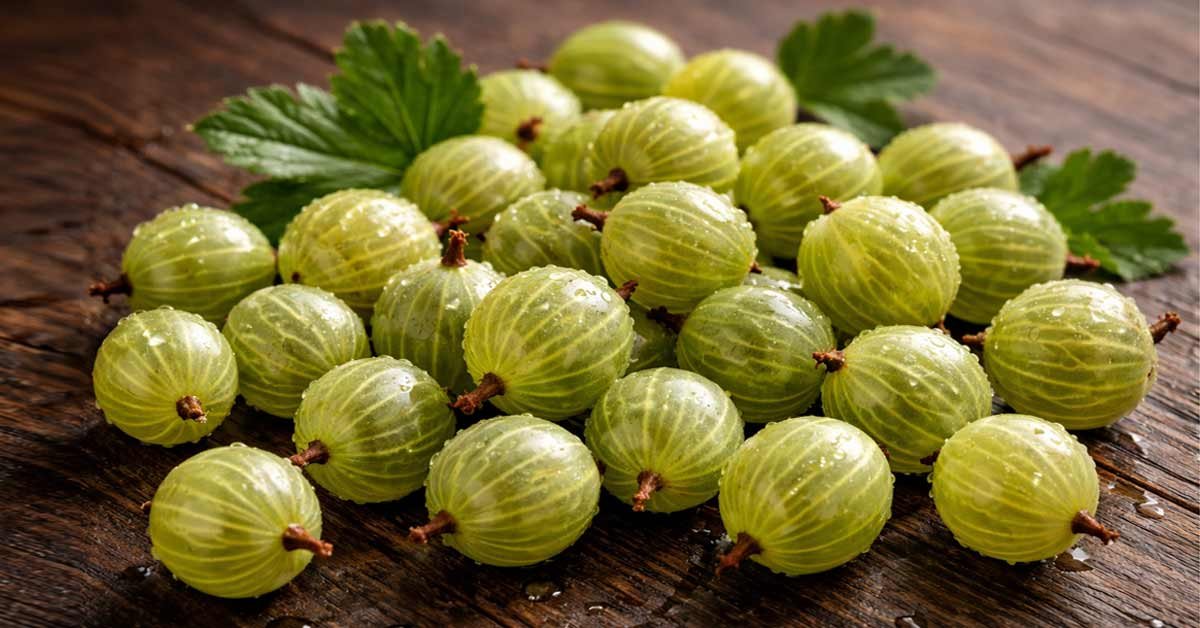
A Sharp, Tangy Start: Why Gooseberry Deserves Attention
You taste gooseberry once, and it sticks with you. That sharp, almost electric tartness is hard to forget. It is not the kind of fruit that blends quietly into the background. Gooseberry makes a point. And that is probably why it has been valued for centuries across very different food cultures, from traditional European preserves to Indian preparations built around what is known as amla.
Table of Contents


But beyond the flavor, gooseberry carries a nutritional profile that quietly does a lot of heavy lifting. It is one of those foods that seems simple on the surface, yet the more you look at it, the more it reveals layers of usefulness. When people talk about foods that support immunity and digestion, gooseberries tend to show up again and again. Not as a trend, but as something that has held its ground over time.
Part of that comes down to density. Gram for gram, gooseberry delivers a notable amount of vitamin C, along with a mix of polyphenols and organic acids. You are not just eating a fruit for sweetness or calories. You are getting compounds that interact with how your body handles stress, how it processes food, and how it maintains balance internally. That matters more than most people realize.

There is also something practical about gooseberries. They are not fragile in the way some berries are. They can be eaten fresh, cooked down, dried, or preserved. You will see them turned into jams, chutneys, juices, even powders. That flexibility makes consistency easier, and consistency is where most nutritional habits either succeed or fall apart.
From a digestion standpoint, gooseberry tends to work in a steady, supportive way. It is not extreme. It does not overwhelm. Instead, it contributes fiber, mild acidity, and plant compounds that help the digestive process move along more smoothly. If you have ever had a meal that just sits too heavy, you start to appreciate foods that nudge things in the right direction without forcing it.
On the immunity side, the conversation often starts and ends with vitamin C, but that is only part of the picture. Gooseberries bring in antioxidants that help manage oxidative stress, which is a constant, low level process happening in the body. You are exposed to it through normal metabolism, through environmental factors, even through intense exercise. Foods that help keep that in check tend to earn their place over time.
What makes gooseberry interesting is not that it promises dramatic, overnight change. It does not. What it offers is something more realistic. Regular, repeatable support that fits into everyday eating. That could look like adding a spoon of gooseberry preserve to breakfast, mixing dried gooseberries into a handful of nuts, or using fresh gooseberries in a simple dish when they are in season.
There is also a sensory side that should not be ignored. That tartness wakes up the palate. It cuts through richness. It makes other ingredients feel more balanced. In a way, gooseberry teaches you to appreciate contrast in food. Not everything has to be sweet or mild to be enjoyable. Sometimes the foods that challenge your taste a little are the ones that bring the most value.
If you step back and look at the bigger picture, gooseberries sit at an interesting intersection. They are traditional but still relevant. They are simple but nutritionally dense. They are strong in flavor but adaptable in use. That combination is rare.
And maybe that is the real reason gooseberry deserves more attention. Not because it is exotic or trendy, but because it quietly does its job, day after day, in a way that fits into real life.
Gooseberry and Immunity: What Actually Makes It Stand Out
There is a reason gooseberry keeps coming up in conversations about immunity. It is not hype. It is density, consistency, and the way its compounds work together rather than in isolation. Gooseberry does not rely on a single nutrient to carry the story. It brings a combination that makes practical sense when you look at how the immune system actually functions day to day.
You are not dealing with a switch that turns immunity on or off. You are dealing with a system that responds to stress, adapts, and recalibrates constantly. Foods like gooseberry fit into that rhythm because they provide steady input rather than extreme spikes.
Vitamin C Content and Its Practical Role
Start with the obvious. Gooseberry is rich in vitamin C. That part is well established. For reference, raw gooseberries can provide around 25 to 30 mg of vitamin C per 100 grams. In the case of Indian gooseberry, values can be significantly higher, sometimes reported in the range of 400 to 700 mg per 100 grams depending on the source and preparation.
If you break that down against daily needs, it becomes more concrete. The recommended intake for vitamin C is about 75 mg per day for women and 90 mg per day for men.
Simple math:
- 100 g European gooseberries → ~30 mg vitamin C
- 100 g Indian gooseberry → can exceed daily requirement
That means even moderate portions of gooseberry can contribute meaningfully.
But the real value is not just the number. Vitamin C supports several processes tied to immune function:
- It contributes to the production and function of white blood cells
- It supports the integrity of skin and mucosal barriers
- It acts as an antioxidant in immune cells themselves
Still, there is a limit. The body regulates vitamin C absorption. Intakes above roughly 200 mg at once show reduced absorption efficiency. So spreading intake across the day works better than loading a large amount in one sitting.
This is where gooseberries work well in real life. Smaller, repeated portions fit naturally into meals or snacks.
Antioxidants and Oxidative Stress Balance
Immunity is not only about fighting pathogens. It is also about managing internal stress. Every day, your body produces reactive oxygen species through normal metabolism. Add pollution, lack of sleep, or intense exercise, and the load increases.
Gooseberry contributes here through its antioxidant capacity. This includes vitamin C, but also other compounds that help neutralize free radicals before they start damaging cells.
What matters is balance. Too much oxidative stress can interfere with immune signaling and cell function. Antioxidants help maintain that balance.
In practical terms, this is not something you feel immediately. It is cumulative. You build resilience over time by consistently including antioxidant rich foods like gooseberry.
A simple way to think about it:
- Oxidative stress increases with lifestyle load
- Antioxidants help buffer that load
- Gooseberries contribute to that buffering effect
It is not dramatic, but it is reliable.
Polyphenols and Immune Response Support
This is where gooseberry becomes more interesting. Beyond vitamin C, it contains polyphenols such as flavonoids and tannins. These compounds are studied for how they interact with inflammation and immune signaling.
Research shows that polyphenols can:
- Influence how immune cells communicate
- Help regulate inflammatory responses
- Interact with pathways involved in cellular defense
Gooseberries, especially Indian gooseberries, contain compounds like gallic acid and ellagic acid. These are not nutrients in the traditional sense, but they play a role in how the body responds to stress and external challenges.
The key point is synergy. Vitamin C works alongside these compounds, not separately. That combination may explain why whole foods like gooseberry often perform differently compared to isolated supplements.
You are not just adding one nutrient. You are adding a system of interacting compounds.
Everyday Factors That Influence Absorption
Even the best nutrient profile does not matter if your body cannot use it effectively. Absorption and utilization depend on context.
A few factors make a noticeable difference:
- Meal composition
Vitamin C is water soluble and generally well absorbed, but pairing gooseberries with whole meals rather than eating them in isolation can support more stable uptake. - Food form
Fresh gooseberries retain the most vitamin C. Drying and prolonged cooking can reduce content. That said, some polyphenols remain relatively stable, so processed forms still have value. - Storage and exposure
Vitamin C degrades with light, heat, and oxygen. Fresh, minimally processed gooseberries tend to deliver more. - Frequency
Smaller, repeated intakes improve overall utilization compared to large, infrequent doses. - Individual variation
Smoking, stress, and certain health conditions increase vitamin C requirements. In those cases, foods like gooseberry become more relevant.
A practical approach looks like this:
- Add a small portion of gooseberry to breakfast or snacks
- Use fresh when available, but do not avoid preserved forms entirely
- Combine with a varied diet rather than relying on a single “superfood”
Over time, these small decisions shape how effectively nutrients support your immune system.
Gooseberry stands out because it fits into this pattern without effort. It does not require strict timing or complex preparation. You include it, you repeat it, and the benefits build gradually in the background.
Gooseberry and Digestion: A Closer Look at Gut Function
Gooseberries have a reputation for being tart and tangy, but they are also quietly effective when it comes to supporting digestion. They don’t make bold promises or create dramatic effects overnight, yet they offer a combination of fiber, natural acids, and plant compounds that encourage a smoother, more balanced digestive process. Understanding how they work involves looking beyond just taste and into the science of how your gut processes food and interacts with nutrients.
Fiber Content and Digestive Movement
One of the most straightforward ways gooseberries support digestion is through fiber. Both soluble and insoluble fibers are present in these berries, though the balance can vary depending on the variety and ripeness. Soluble fiber dissolves in water, forming a gel-like substance in the gut that slows digestion slightly and helps regulate nutrient absorption. Insoluble fiber, on the other hand, adds bulk to stool, which encourages regular bowel movements and reduces the risk of constipation.
A rough estimate shows that 100 grams of raw gooseberries can provide around 4–5 grams of fiber. While that may not seem like much compared to whole grains or legumes, it is significant in a fruit that is easy to integrate into meals or snacks. The fiber acts gently but consistently, helping food move through the digestive tract efficiently without causing irritation.
For practical use, combining gooseberries with other fiber sources—like oats, nuts, or vegetables—can amplify their effect. Many people find that including them in breakfast dishes, salads, or even as a lightly cooked compote provides both flavor and functional digestive support.
Natural Acids and Digestive Enzyme Activity
Gooseberries are also naturally acidic, containing compounds like citric acid and malic acid. These acids serve more than a culinary purpose; they can support digestive enzyme activity. Enzymes in the stomach and small intestine rely on a slightly acidic environment to break down proteins and other macronutrients effectively. The acids in gooseberries may gently enhance this process, particularly when consumed before or with meals.
This doesn’t mean gooseberries are a cure for indigestion, but their mild acidity can help the digestive system perform its normal functions more smoothly. Many traditional recipes combine gooseberries with heavier foods, leveraging their natural tartness to balance meals and reduce a feeling of heaviness after eating.
Gut Microbiome and Fermentation Effects
The fiber and polyphenols in gooseberries do more than move food along—they feed your gut microbiome. Beneficial bacteria ferment some of the soluble fibers, producing short-chain fatty acids (SCFAs) such as butyrate, propionate, and acetate. SCFAs serve as fuel for colon cells, contribute to gut barrier integrity, and even influence systemic metabolic processes.
Polyphenols, like those found in gooseberries, can also modulate the microbiome. They may promote the growth of beneficial bacteria and inhibit the overgrowth of less favorable strains. While the effects are subtle and cumulative rather than immediate, consistent intake of polyphenol-rich fruits like gooseberries helps maintain a more balanced microbial ecosystem in the gut.
For real-world application, a simple routine might include a small serving of gooseberries a few times per week. Even dried or lightly cooked versions retain some fiber and polyphenols, making them practical year-round.
Traditional Use and Modern Interpretation
Gooseberries have a long history in traditional diets and remedies, especially in regions where they grow natively. In Ayurvedic practice, amla is considered a digestive tonic, often used to support regularity and overall gut function. European traditions also feature gooseberries in compotes, tarts, and preserves, historically valued for their mild laxative effects and their ability to balance richer, heavier meals.
Modern nutrition research largely supports these traditional observations. Fiber, polyphenols, and natural acids all contribute to a healthier digestive process. However, contemporary interpretation emphasizes consistent inclusion rather than reliance on occasional doses. The benefits accumulate over time, and even small amounts incorporated into meals can have meaningful effects on gut function.
In practice, the versatility of gooseberries makes them easy to incorporate. Fresh berries in a salad, cooked compote with breakfast grains, or dried berries in trail mixes all provide functional fiber, mild acidity, and polyphenols. Regular inclusion aligns with the principle that digestive health is more about daily patterns than extreme interventions.
By combining fiber, natural acids, and bioactive compounds, gooseberries offer a subtle but tangible way to support digestion. They integrate easily into meals, engage the microbiome, and provide a gentle nudge toward smoother, more balanced gut function—making them a small but consistent ally for everyday digestive health.
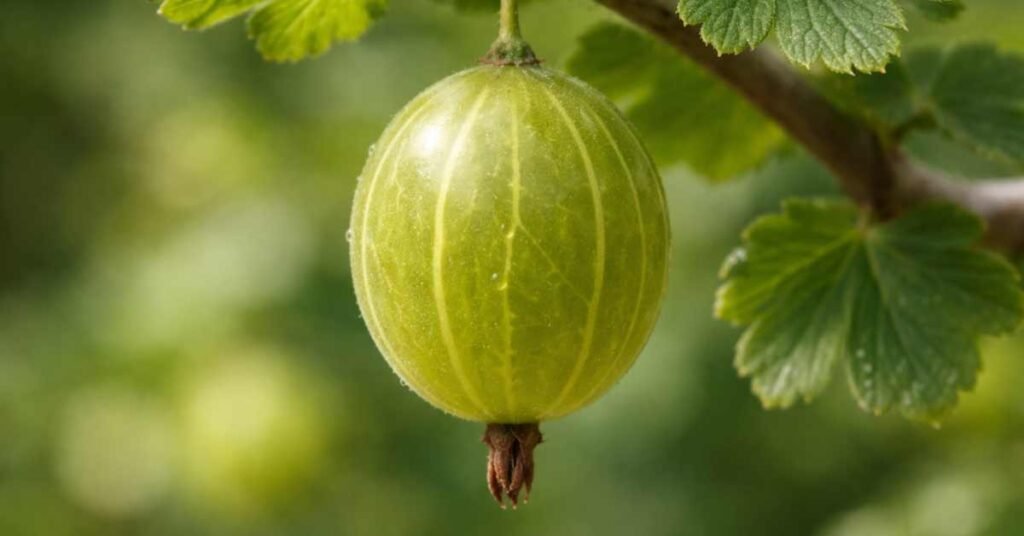
Nutritional Profile of Gooseberries and Practical Ways to Eat Them
Gooseberries are deceptively simple on the outside—a small, round berry with a tart bite—but inside, they carry a surprisingly broad array of nutrients. They are more than a tangy addition to breakfast or dessert; they are a versatile source of vitamins, minerals, and plant compounds that support overall health. Understanding their nutritional profile helps clarify why regular inclusion, even in small amounts, can make a meaningful difference over time.
Key Vitamins, Minerals, and Plant Compounds
Vitamin C tends to steal the spotlight, and for good reason. A 100-gram serving of raw European gooseberries provides roughly 25–30 mg of vitamin C, while Indian gooseberries (amla) can provide several hundred milligrams per 100 grams, far exceeding daily requirements. Vitamin C is essential for collagen support, antioxidant protection, and general immune maintenance.
Beyond vitamin C, gooseberries contain a variety of B vitamins, including B1 (thiamine), B2 (riboflavin), and B5 (pantothenic acid), which play supporting roles in energy metabolism. Minerals such as potassium, calcium, and magnesium are present in modest amounts, contributing to electrolyte balance, bone health, and general cellular function.
Polyphenols, flavonoids, and tannins give gooseberries their characteristic astringency and color. These compounds act as antioxidants and interact with gut microbes, helping regulate both oxidative stress and digestive processes. Ellagic acid, gallic acid, and quercetin are among the more notable polyphenols, providing cumulative benefits when consumed regularly.
Fresh vs Dried vs Cooked Gooseberries
The form in which you consume gooseberries affects both taste and nutrient content. Fresh gooseberries are ideal for maximizing vitamin C content, as this nutrient is sensitive to heat and oxidation. They can be eaten raw, added to salads, or blended into smoothies.
Dried gooseberries, while convenient for storage and year-round use, typically lose some vitamin C during the drying process. However, polyphenols and fiber remain largely intact, making them a useful option for functional nutrition. They are easy to sprinkle into granola, oatmeal, or trail mixes.
Cooked gooseberries, such as those made into compotes, jams, or sauces, retain some minerals and polyphenols, but vitamin C diminishes with heat. Nevertheless, cooking can mellow the tartness and make them more palatable for people who find raw berries too sharp. Gentle cooking methods, like light steaming or simmering for short periods, preserve more nutrients than prolonged high heat.
Simple Ways to Add Gooseberries to Daily Meals
The beauty of gooseberries lies in their versatility. Incorporating them doesn’t require elaborate recipes or special effort. A few practical examples include:
- Toss fresh gooseberries into yogurt or cottage cheese for a tart contrast.
- Blend them into smoothies with banana or spinach to balance flavor and texture.
- Mix dried gooseberries into oatmeal, granola, or nut mixes for an antioxidant boost.
- Cook them lightly into sauces for pancakes, waffles, or savory dishes like roasted meats.
- Use pureed gooseberries as a tangy addition to salad dressings or dips.
These approaches make it easy to include gooseberries multiple times a week without feeling like a dietary chore.
Portion Size, Frequency, and Consistency
Like most nutrient-rich fruits, the benefits of gooseberries accumulate with regular intake. Even small portions, when consumed consistently, can contribute meaningfully to vitamin C intake, antioxidant exposure, and fiber support.
A practical guideline:
- Fresh berries: 50–100 grams per serving, 2–3 times per week
- Dried berries: 20–30 grams per serving, 2–3 times per week
- Cooked preparations: 2–4 tablespoons, depending on the dish
Regular inclusion is more important than large, infrequent portions. The goal is consistency over time—small, manageable amounts integrated into your usual meals that build steady nutritional support without overwhelming the palate or digestive system.
By understanding the nutritional profile and practical ways to use gooseberries, you can harness their benefits without fuss. Their natural tartness, combined with vitamins, minerals, fiber, and polyphenols, makes them a versatile and powerful ally in everyday nutrition. Incorporating them consistently—fresh, dried, or lightly cooked—ensures that their benefits for immunity, digestion, and general health are felt gradually but reliably.
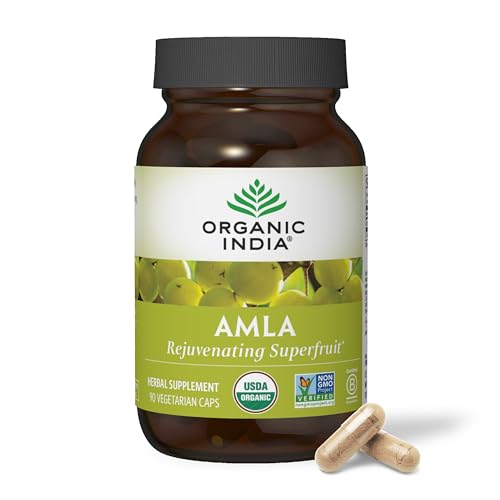
Best Selling Gooseberry Related Products




A Small Habit That Builds Over Time
The appeal of gooseberries isn’t just in their vitamins, minerals, or antioxidants—it’s in the way they fit into a daily rhythm. They aren’t dramatic, flashy, or overwhelming, but they reward consistency. Think of them as a small, reliable habit that compounds quietly over weeks and months, rather than a one-off fix.
In practice, the habit doesn’t need to be complicated. It could be as simple as adding a spoonful of fresh gooseberries to your morning yogurt, tossing a few dried berries into your afternoon oatmeal, or stirring a lightly cooked compote into evening porridge. These small, repeated actions might feel insignificant in isolation, but over time they build a nutritional pattern that supports both digestion and immune function.
The key lies in predictability. Humans respond well to routines, and the body responds well to regular, moderate nutritional inputs. By making gooseberries a regular part of meals or snacks, you’re ensuring steady support for fiber intake, antioxidant exposure, and polyphenol consumption. It’s not about perfection—missing a day won’t undo anything—but the habit benefits those who stick with it.
Consistency also allows you to explore variety without stress. Fresh berries when in season, dried berries as a pantry staple, and lightly cooked preparations for more elaborate dishes—each form offers slightly different compounds and flavors. By alternating forms, you maintain interest, which makes it easier to sustain the habit over the long term.
Over weeks, you may notice subtle but meaningful changes: digestion feels smoother, your meals feel lighter, and you may sense a more resilient, balanced energy pattern. These are not dramatic overnight effects, but cumulative benefits that reflect a well-integrated dietary habit. Gooseberries reward patience and repetition, proving that small, thoughtful choices often matter more than occasional extremes.
Starting small is the strategy. Even a modest daily portion, paired with other nutrient-rich foods, ensures that you’re steadily layering benefits. The habit itself is flexible, personalizable, and sustainable—exactly the kind of dietary practice that stands the test of time. In the end, gooseberries demonstrate a simple principle: regular, manageable actions often create the most lasting impact on health.
Article Sources
At AncientHerbsWisdom, our content relies on reputable sources, including peer-reviewed studies, to substantiate the information presented in our articles. Our primary objective is to ensure our content is thoroughly fact-checked, maintaining a commitment to accuracy, reliability, and trustworthiness.
- Baliga, M. S., Meera, S., & Kandathil, S. M. (2013). Amla (Phyllanthus emblica L.) in health and disease prevention: A review. Food Research International, 50(1), 1–13. https://doi.org/10.1016/j.foodres.2012.09.039
- Chatterjee, S., & Pakrashi, S. C. (2003). The Treatise on Indian Medicinal Plants. New Delhi: National Institute of Science Communication and Information Resources.
- Gul, R., Ahmad, M., & Khan, A. (2015). Phytochemical composition and antioxidant activity of gooseberry (Phyllanthus emblica) fruit. Journal of Food Science and Technology, 52(3), 1599–1605. https://doi.org/10.1007/s13197-013-1088-7
- Jain, S., & Jindal, V. (2018). Nutritional and therapeutic properties of Indian gooseberry (Phyllanthus emblica). Journal of Food Biochemistry, 42(4), e12552. https://doi.org/10.1111/jfbc.12552
- Kaur, R., & Kapoor, H. C. (2001). Antioxidants in fruits and vegetables – The millennium’s health. International Journal of Food Science and Technology, 36(6), 703–725. https://doi.org/10.1046/j.1365-2621.2001.00583.x
- Li, S., Lo, C. Y., & Ho, C. T. (2006). Hydrolyzable tannins in food and health. Journal of Food and Drug Analysis, 14(2), 110–123. https://www.jfda-online.com/article/S1021-9498(06)60002-5/fulltext
- Sharma, P., & Nainwal, L. M. (2020). Functional properties of gooseberry (Phyllanthus emblica): Implications for gut microbiota and metabolic health. Frontiers in Nutrition, 7, 599456. https://doi.org/10.3389/fnut.2020.599456
- Weng, C. J., & Yen, G. C. (2012). Flavonoids, a ubiquitous dietary phenolic subclass, exert anti-inflammatory and antioxidant effects in chronic diseases. Journal of Functional Foods, 4(1), 47–64. https://doi.org/10.1016/j.jff.2011.09.008

- Phosphatidic Acid: Supporting Muscle Growth and Strength - July 31, 2026
- Ceramides: Supporting Healthy Skin From Within - July 31, 2026
- Synbiotics: Combining Prebiotics and Probiotics Together - July 31, 2026