
The Bright Green Ingredient That Deserves More Attention
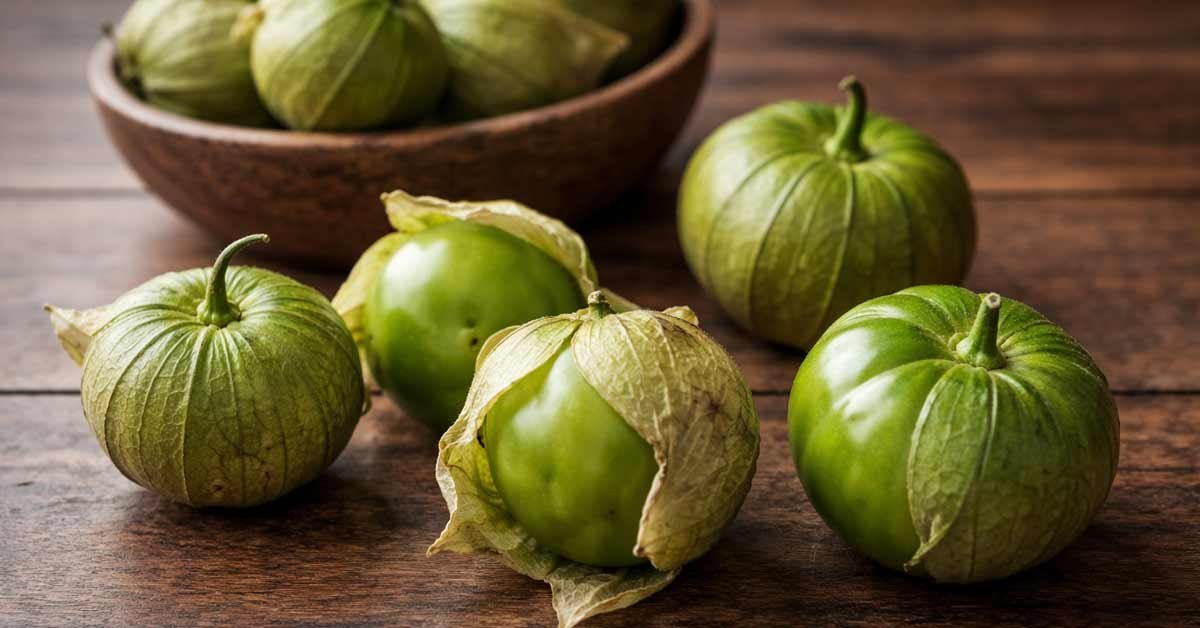
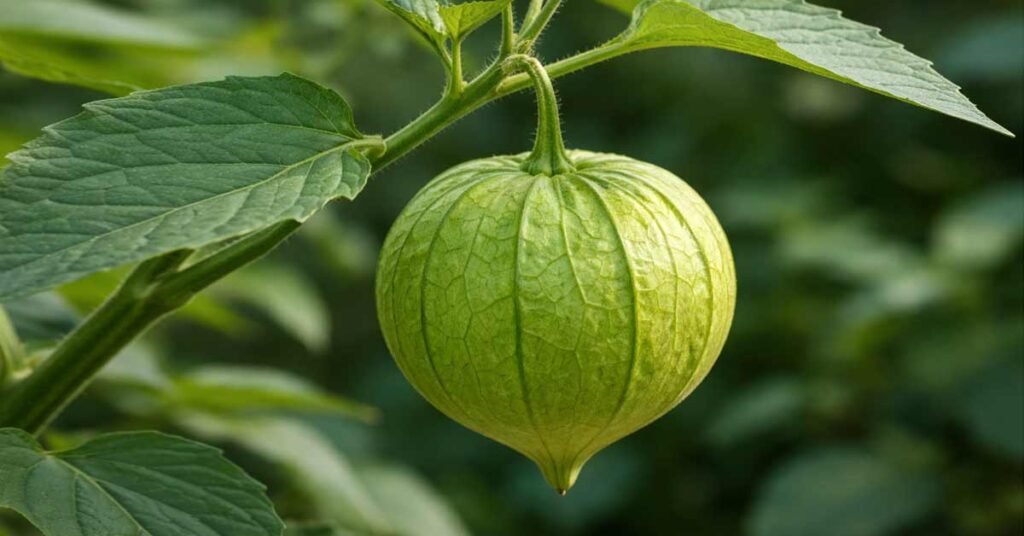
Tomatillo tends to sit in the background. You see it at the store, wrapped in that thin, papery husk, slightly sticky to the touch, and easy to pass by. Most people do. It does not have the instant familiarity of tomatoes, and it does not try to compete. But once you actually start using tomatillo, it becomes one of those ingredients you keep coming back to without really planning to.
There is something direct about it. You peel off the husk, rinse away that slightly tacky surface, and you are left with a firm, bright green fruit that smells fresh and sharp. Not sweet. Not heavy. Clean. That alone tells you how it is going to behave in food.
Table of Contents

Tomatillo has a natural acidity that cuts through richness in a way that feels balanced, not aggressive. It does not overpower a dish. It adjusts it. A simple sauce made with tomatillos can take something flat and give it structure. You notice it especially when food feels too heavy or too one-dimensional. Add tomatillo, and suddenly everything makes more sense.

People often confuse tomatillos with unripe green tomatoes. That assumption misses the point entirely. They belong to different plant groups, and the difference shows up in both taste and composition. Tomatillo brings a slightly citrus-like edge, while green tomatoes tend to be more neutral and sometimes even a bit bitter when raw. That distinction matters when you are thinking beyond flavor and into how foods interact with your body.
Nutritionally, tomatillo sits in a useful spot. It provides vitamin C and a range of antioxidants without adding many calories or heaviness. That combination makes it easy to include regularly. You are not forcing it into your diet. It fits naturally.
Here is what that looks like in real life.
You make a quick salsa with tomatillos, onion, and a bit of salt. It takes five minutes. That small addition changes the entire meal. It adds freshness, a bit of acidity, and quietly increases your intake of vitamin C and plant compounds. You did not think about nutrition while making it. But it is there.
Or maybe you roast tomatillos alongside peppers and garlic. The flavor softens. It becomes deeper, slightly smoky. You blend it into a sauce and pour it over something simple like rice or eggs. Again, no complexity. Just a small shift that improves both taste and nutritional density.
That is the pattern with tomatillo. It does not demand attention. It rewards consistency.
Tomatillos also have a practical side that makes them easy to keep around:
- They store well in the fridge when left in their husk
- They hold their structure during cooking
- They work in both raw and cooked forms
- They pair easily with herbs, proteins, and grains
That flexibility matters more than people think. If an ingredient is difficult to use, it gets ignored. Tomatillo avoids that problem.
There is also a sensory aspect that people underestimate. Food is not just about nutrients. It is about how it feels to eat something. Tomatillo adds brightness. It sharpens flavors. It creates contrast. That makes meals more satisfying, which in turn makes it easier to stick with whole foods over time.
And then there is the quiet nutritional layer underneath it all. Tomatillo contributes antioxidants that interact with normal metabolic processes, along with vitamin c that supports everyday functions in the body. Nothing exaggerated. No dramatic claims. Just steady input that becomes meaningful through repetition.
That is really the core idea. Tomatillo works best when it becomes part of your routine, not an occasional addition. You use it without thinking too much about it. You reach for it because it improves the way food tastes and feels. The nutritional side takes care of itself.
It is easy to underestimate ingredients like this because they do not come with strong claims or trends attached to them. But if you look closely at how people actually eat over long periods of time, it is these small, consistent choices that shape the overall picture.
Tomatillo fits right into that pattern. Quiet. Reliable. And far more useful than it first appears.
What Makes Tomatillo Nutritionally Interesting
Tomatillo does not rely on extremes. It sits in that middle ground where things actually work in real life. Not overloaded with any single nutrient, but balanced enough to contribute across multiple areas when you eat it often.
That balance is what makes tomatillo useful. You are not depending on it for a single benefit. You are using it as part of a broader pattern where small inputs stack over time.
Vitamin C Content and Why It Matters
Tomatillo provides a moderate amount of vitamin c. Not the highest you will find in fruits or vegetables, but enough to matter when it shows up regularly in your meals.
To put it into perspective, raw tomatillos contain roughly 11 to 15 mg of vitamin c per 100 grams, based on USDA data. The general daily reference intake for adults is about 75 mg for women and 90 mg for men.
Here is the math:
- 100 g tomatillo gives about 12 mg vitamin c
- 12 mg divided by 90 mg equals about 13 percent of daily needs
That means a simple serving already contributes a noticeable portion without requiring effort.
Vitamin c plays several roles that are easy to overlook because they happen in the background:
- Supports normal immune system activity
- Contributes to collagen formation for skin and connective tissue
- Helps the body absorb non heme iron from plant foods
- Acts as an antioxidant in its own right
What matters here is consistency. The body does not store large amounts of vitamin c. It depends on regular intake. That is where tomatillo becomes practical. You are more likely to eat it often compared to something you treat as occasional.
There is also a difference between raw and cooked tomatillos. Vitamin c is sensitive to heat. Some of it breaks down during cooking. But not all of it disappears.
A quick comparison:
- Raw tomatillo keeps most of its vitamin c
- Light roasting reduces some, but still contributes
- Long cooking lowers the content further
In real terms, this just means variety helps. Use tomatillos raw sometimes. Cook them other times. You still get value either way.
One detail people often miss is how vitamin c interacts with the rest of the meal. If you eat tomatillos alongside beans, grains, or leafy greens, the vitamin c can improve iron absorption from those foods. That interaction is small in a single meal, but repeated over time, it becomes meaningful.
Antioxidants in Tomatillos
Tomatillos contain a mix of plant compounds that function as antioxidants. These include flavonoids and other polyphenols that are naturally present in many fruits and vegetables.
You will also find compounds specific to the Physalis family, such as withanolides. These have been studied for their biological activity, particularly in relation to oxidative processes.
What does that actually mean in practice?
Your body constantly produces reactive molecules as part of normal metabolism. External factors add to that load:
- Air pollution
- Processed foods
- Intense exercise
- Psychological stress
Antioxidants help manage this by interacting with those reactive molecules. They do not stop the process. They help regulate it.
Tomatillo contributes to this system in a subtle way. It does not flood the body with antioxidants. It adds to the overall pool you get from a varied diet.
That matters because antioxidant effects are not about single foods. They depend on total intake across the day.
There is also a difference between getting antioxidants from whole foods versus isolated supplements. Whole foods like tomatillos provide a combination of compounds that can work together. This is often referred to as a synergistic effect.
In simple terms:
- One compound alone does something
- Multiple compounds together often do more
Tomatillos fit into that second category. You are getting a mix, not a single isolated nutrient.
Another point worth noting is how preparation affects these compounds. Some antioxidants remain stable during cooking, while others change form but stay active.
For example:
- Roasting can reduce water content and concentrate certain compounds
- Blending preserves most of the original structure
- Prolonged boiling may reduce some levels
Again, this supports a simple approach. Use tomatillos in different ways. Do not rely on a single preparation method.
Fiber and Supporting Digestion
Tomatillo also contributes dietary fiber, though in moderate amounts. Around 1.5 to 2 grams per 100 grams, depending on the source.
On its own, that is not a high fiber food. But that is not how it is typically eaten.
Tomatillos are almost always part of mixed meals. That is where their fiber becomes more relevant.
Fiber supports digestion in several ways:
- Adds bulk to stool, helping regular bowel movements
- Slows down digestion, which can stabilize energy levels
- Serves as a substrate for gut bacteria
- Contributes to a feeling of fullness
The key here is accumulation. You are not relying on tomatillo alone to meet fiber needs. You are adding it to meals that already include other fiber sources.
Think about a simple dish:
- Beans provide a significant amount of fiber
- Vegetables add more
- Tomatillos contribute an extra layer
That combined effect is what supports digestion, not any single ingredient.
There is also a textural component that matters more than it seems. Tomatillos have a firm structure when raw and soften when cooked, but they do not disappear into mush immediately. That helps maintain some physical bulk in the meal, which plays a role in how food moves through the digestive system.
From a practical standpoint, this makes tomatillo easy to integrate:
- Chop into fresh salsas for a raw fiber source
- Roast with other vegetables for a softer texture
- Blend into sauces while still contributing some fiber
You are not changing your eating habits dramatically. You are just increasing the density of what is already there.
Over time, that is what makes the difference. Not large, isolated changes. Small, repeatable ones.
Tomatillo fits that model almost perfectly.
How Tomatillos Interact With Everyday Health
Tomatillo does not act like a switch you turn on. You do not eat it once and feel anything noticeable. Its value shows up through repetition. Small amounts, used often, layered into meals that already make sense.
That is how most foods actually work when you look at long term patterns. Not dramatic. Just consistent.
Tomatillos fit into that rhythm easily. They bring vitamin c, antioxidants, and a bit of fiber into meals without forcing changes. Over time, those inputs start shaping how your body handles everyday demands.
Supporting Immune Function Through Routine Intake
The immune system depends on steady input, not occasional spikes. Vitamin c is part of that system. It supports normal immune cell function, helps with signaling, and contributes to how the body responds to everyday challenges.
Tomatillo provides a practical way to keep that intake steady.
You are not relying on it as your only source. You are adding it into meals where it fits naturally. That matters more than trying to get large amounts from a single food.
A simple breakdown:
- One serving of tomatillo gives around 10 to 15 mg of vitamin c
- Daily needs are about 75 to 90 mg
- Regular use covers a portion without effort
If you eat tomatillos three or four times a week, alongside other fruits and vegetables, you create a stable baseline.
There is also a timing aspect that people tend to ignore. The body does not store large reserves of vitamin c. Intake needs to be regular. That makes foods like tomatillo more useful than something you eat occasionally in large quantities.
In real life, this looks simple:
- A spoon of tomatillo salsa with lunch
- A cooked green sauce with dinner
- A fresh mix added to a weekend meal
Nothing complicated. Just repetition.
Over time, this kind of pattern supports normal immune function without requiring attention or tracking.
Managing Oxidative Stress Through Food Choices
Oxidative stress is a constant process. It happens as a result of normal metabolism, but it increases with external factors.
Common contributors include:
- Air pollution
- Smoking or secondhand exposure
- Highly processed foods
- Poor sleep
- High intensity physical stress
The body has its own systems to manage this. Diet supports those systems.
Tomatillos contribute antioxidants that interact with these processes. Not in a way that cancels them out, but in a way that helps maintain balance.
This is where context matters.
If your overall diet is low in plant foods, adding tomatillos alone will not change much. But if they are part of a pattern that includes vegetables, fruits, legumes, and whole grains, they add to the cumulative effect.
That cumulative effect is what influences how the body handles oxidative load over time.
Tomatillos work well here because they are easy to include:
- Blended into sauces that replace processed options
- Mixed into fresh dishes that increase plant intake
- Cooked into meals that already exist in your routine
You are not making a separate effort to “eat antioxidants.” You are adjusting the structure of your meals.
Another detail that matters is frequency. Smaller, repeated exposures to antioxidant rich foods tend to be more useful than occasional large amounts. Tomatillos support that simply because they are easy to use often.
A Role in Heart Friendly Eating Patterns
Tomatillo does not target heart health directly. It supports eating patterns that are associated with better cardiovascular outcomes.
That distinction is important.
It is low in calories. It contains no significant fat. It provides plant compounds and fiber. On its own, that does not mean much. In the context of a full diet, it becomes relevant.
Here is where tomatillos make a practical difference.
They can replace ingredients that are less aligned with heart friendly patterns:
- Heavy cream based sauces replaced with tomatillo based sauces
- Processed condiments replaced with fresh tomatillo salsa
- High sodium packaged options replaced with homemade alternatives
These are small swaps. But they shift the overall composition of meals.
For example:
You have a basic meal of grilled protein and grains. Adding a tomatillo-based sauce instead of a processed one changes several variables at once:
- Reduces added fats
- Lowers reliance on processed ingredients
- Increases intake of plant compounds
- Adds fiber and vitamin C
No single change is dramatic. Together, they move the meal in a different direction.
There is also a behavioral side to this. Foods that improve flavor without adding heaviness make it easier to stick with simple meals. Tomatillos do that well. They add brightness and contrast, which keeps food interesting without relying on excess salt, sugar, or fat.
Over time, that influences how you eat.
You start choosing meals that feel lighter but still satisfying. You rely less on processed options because your food already tastes good.
That shift matters more than any isolated nutrient.
Tomatillos are not the center of that change. They are part of the structure that makes it possible.
Simple Ways to Use Tomatillos Without Overthinking It
Tomatillo works best when you stop treating it like a special ingredient. It is not. It is practical. It fits into meals you already make, and once you get used to it, you start reaching for it without thinking.
A lot of people get stuck because they assume they need a recipe. You do not. Tomatillos are flexible enough to handle simple preparation. In fact, that is where they shine.
Raw Uses That Keep It Fresh
Raw tomatillo has a sharp, clean taste. Slightly acidic, a bit citrus like, with a crisp texture. That makes it perfect for adding contrast to heavier foods.
First step is always the same. Remove the husk and rinse well. The surface feels sticky because of natural residues. If you skip this step, the flavor will be off.
Once cleaned, you can use tomatillo in its simplest form.
Some easy ways:
- Chop and mix with onion, salt, and a bit of chili for a quick salsa
- Blend with herbs like cilantro and a splash of water for a light sauce
- Dice and add to salads where you would normally use something acidic
No precision needed. Taste as you go. Adjust.
A quick real world example:
You have grilled meat or a basic rice dish. It feels heavy. You add a raw tomatillo salsa on top. Suddenly, the whole plate feels lighter. You did not change the core meal. You just balanced it.
That is the role tomatillo plays when used raw. It brings freshness without complexity.
Cooking Methods That Change the Flavor
Cooking tomatillos shifts their profile. The sharpness softens. The flavor becomes deeper and slightly sweeter, while still keeping that underlying acidity.
Roasting is the easiest method to start with.
- Cut tomatillos in half
- Place them on a tray with onions or garlic
- Roast until slightly charred and softened
This does two things:
- Reduces the sharp edge of the raw fruit
- Adds a mild smoky note
Blending roasted tomatillos creates a sauce that feels more rounded and less aggressive than the raw version.
Another option is simmering.
- Add tomatillos to a pot with water, garlic, and spices
- Cook until soft
- Blend into a smooth sauce
This method gives you a cleaner, lighter taste compared to roasting.
Cooking affects vitamin c content to some degree. Heat reduces it, especially with longer cooking times. But not all of it disappears. The trade off is flavor and versatility. In practice, using both raw and cooked forms gives you the best balance.
There is no need to overthink which method is better. Rotate them. Let the meal decide.
Easy Meal Ideas That Actually Work
This is where tomatillos prove their value. They fit into meals you already know.
No complicated recipes. Just small adjustments.
A few examples that are easy to repeat:
- Grilled chicken with roasted tomatillo sauce
- Scrambled eggs with a spoon of fresh tomatillo salsa
- Rice bowls with beans, vegetables, and blended tomatillo dressing
- Simple wraps with protein, greens, and chopped tomatillos for acidity
- Baked vegetables finished with a tomatillo based sauce
These are not “recipes.” They are patterns.
You take a basic structure:
- Protein
- Carbohydrate
- Vegetables
Then you use tomatillo to tie everything together.
Another practical angle is substitution.
Instead of:
- Heavy cream sauces
- Bottled dressings
- Processed condiments
You use:
- Fresh or cooked tomatillo sauces
This changes the nutritional profile of the meal without making it feel restrictive.
One more detail that matters. Tomatillos pair well with strong flavors:
- Garlic
- Chili
- Lime
- Herbs
That makes them easy to integrate. You do not have to force combinations.
Storage and Practical Tips
Tomatillos are low maintenance, which makes them easy to keep around.
Storage basics:
- Keep them in the fridge with the husk on
- Store them in a loose bag or container
- Use within one to two weeks for best quality
The husk protects the fruit. Removing it too early shortens shelf life.
Before using:
- Peel off the husk
- Rinse thoroughly to remove the sticky layer
If the tomatillo feels too soft or looks dull and wrinkled, it is past its peak.
You can also prep in advance.
- Roast a batch and store it in the fridge for a few days
- Blend sauces and keep them ready to use
- Chop raw tomatillos and store them for quick meals
This reduces friction. And that is what makes consistency possible.
If something is easy, you use it. If it requires effort, you skip it.
Tomatillo fits on the easy side. That is why it works so well in everyday cooking.
Best Selling Tomatillo Related Products


A Small Ingredient That Quietly Changes Your Routine
Tomatillo does not ask for attention. It does not come with strong claims or complicated rules. That is exactly why it works.
Most people look for big changes when they think about improving how they eat. New plans. Strict structures. Foods they are not used to. That approach rarely lasts. What actually sticks are small shifts that fit into what you already do.
Tomatillo falls into that category.
You are not building meals around tomatillo. You are adjusting meals with it. That difference matters. It removes friction. It keeps things realistic.
Think about how most days look. You are not cooking elaborate dishes. You are putting together something quick. Something familiar. That is where tomatillo slides in without effort.
A spoon of sauce added to a basic plate. A handful chopped into something simple. A roasted batch sitting in the fridge, ready to use. These are small actions. Easy to repeat.
Over time, repetition is what changes patterns.
You start noticing subtle shifts:
- Meals feel lighter without losing flavor
- You rely less on packaged sauces
- You add more plant based ingredients without planning it
- Food feels more balanced, less heavy
None of these changes come from a single moment. They build gradually.
There is also a sensory side to this that often gets ignored. Tomatillo adds brightness. It sharpens flavors. That makes simple meals more satisfying. When food tastes good, you are less likely to reach for extras that do not add much value.
That alone can influence how you eat across an entire week.
There is also the consistency factor.
Tomatillo is easy to keep:
- It stores well
- It works raw or cooked
- It pairs with most basic ingredients
Because of that, it becomes part of your routine without effort. You do not have to remind yourself to use it. It is just there.
And when something becomes automatic, it starts shaping outcomes.
From a nutritional point of view, tomatillo contributes vitamin c, antioxidants, and fiber in modest amounts. On paper, that might not look impressive. In practice, consistency changes the picture.
Small amounts, used often, become significant.
If you add tomatillo to meals four times a week, every week, over months, the cumulative intake becomes meaningful. Not because of a single serving, but because of repetition.
This is how most dietary patterns evolve.
Not through extremes, but through stable habits that are easy to maintain.
There is also a psychological side to it.
When you rely on simple ingredients that improve meals without effort, you reduce decision fatigue. You do not have to think as much about what to cook or how to make it better. You already have a solution.
Tomatillo becomes one of those default options.
And that is where the real shift happens. Not in the ingredient itself, but in how it changes your behavior around food.
You start building meals that are:
- Less processed
- More balanced
- Easier to repeat
Without forcing it.
That is what makes something sustainable.
Tomatillo is not essential. You can eat well without it. But when you include it regularly, it nudges your routine in a direction that is easier to maintain over time.
No complexity. No pressure. Just a small ingredient doing its job quietly, every time you use it.
Article Sources
At AncientHerbsWisdom, our content relies on reputable sources, including peer-reviewed studies, to substantiate the information presented in our articles. Our primary objective is to ensure our content is thoroughly fact-checked, maintaining a commitment to accuracy, reliability, and trustworthiness.
- United States Department of Agriculture. (2019). Tomatillos, raw. FoodData Central. https://fdc.nal.usda.gov/fdc-app.html#/food-details/169910/nutrients
- Carr, A. C., & Maggini, S. (2017). Vitamin C and immune function. Nutrients, 9(11), 1211. https://doi.org/10.3390/nu9111211
- Liu, R. H. (2013). Health-promoting components of fruits and vegetables in the diet. Advances in Nutrition, 4(3), 384S–392S. https://doi.org/10.3945/an.112.003517
- Slavin, J. L. (2013). Fiber and prebiotics: mechanisms and health benefits. Nutrients, 5(4), 1417–1435. https://doi.org/10.3390/nu5041417
- Dillard, C. J., & German, J. B. (2000). Phytochemicals: nutraceuticals and human health. Journal of the Science of Food and Agriculture, 80(12), 1744–1756. https://doi.org/10.1002/1097-0010(20000915)80:12<1744::AID-JSFA725>3.0.CO;2-W
- Kaur, C., & Kapoor, H. C. (2001). Antioxidants in fruits and vegetables – the millennium’s health. International Journal of Food Science and Technology, 36(7), 703–725.https://doi.org/10.1046/j.1365-2621.2001.00513.x

- Phosphatidic Acid: Supporting Muscle Growth and Strength - July 31, 2026
- Ceramides: Supporting Healthy Skin From Within - July 31, 2026
- Synbiotics: Combining Prebiotics and Probiotics Together - July 31, 2026