
The Quiet Power of a Simple Summer Fruit
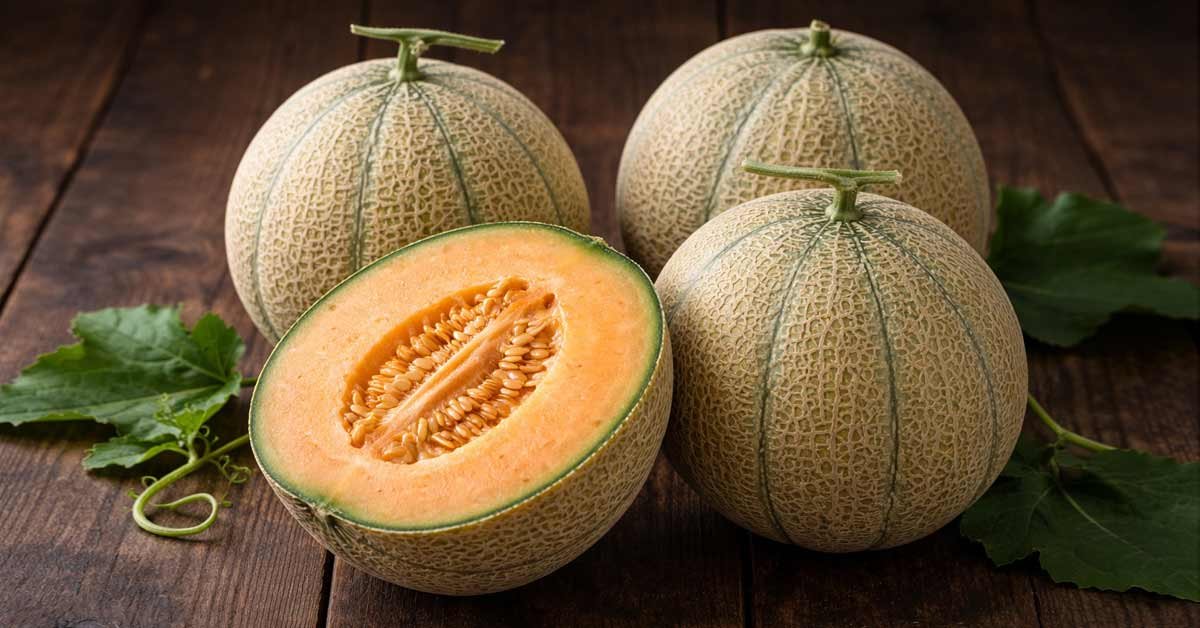
When you think of cantaloupe, you probably picture a juicy, orange wedge on a hot summer day, dripping with sweetness. But cantaloupe is more than a seasonal treat—it’s a quietly powerful fruit that brings hydration, gentle sweetness, and nutrients your body actually uses. Unlike flashy superfoods that come with long lists of claims, cantaloupes work subtly, in ways you notice over time rather than overnight. Their appeal lies in simplicity: a fruit that is easy to eat, easy to enjoy, and surprisingly effective in supporting daily health, especially when it comes to the eyes and vitamin A intake.
Part of cantaloupe’s power comes from its high water content. About 90% of this melon is water, which makes it inherently hydrating. But it’s not just the water—it’s the way the fruit delivers water along with natural sugars, fiber, and electrolytes, allowing your body to absorb and use hydration more efficiently than plain water alone. Eating cantaloupe doesn’t feel like a chore; it’s a sensory experience. You bite into the soft, fibrous flesh, and there’s that first burst of sweet, almost floral juice, followed by a lingering smoothness that feels refreshing down to your core.
Table of Contents
Beyond hydration, cantaloupe is a notable source of beta-carotene, the precursor to vitamin A. This is the nutrient most closely associated with eye health, supporting functions like vision in low light and overall retinal integrity. Unlike a pill or supplement, beta-carotene from cantaloupes comes packaged with other compounds—vitamin C, fiber, potassium, and various antioxidants—that help your body use it efficiently. There’s a synergy here that whole foods often provide, a kind of natural “teamwork” that isolated nutrients rarely achieve.

Cantaloupes are also versatile. They work just as well in a breakfast smoothie as they do sliced for a midday snack, diced into a salad, or even roasted lightly to add depth to savory dishes. This adaptability makes them easy to integrate into daily routines without forcing dramatic dietary changes. People often underestimate the cumulative effect of small habits, and adding cantaloupe is exactly that: small, simple, and quietly effective. Over weeks and months, this small choice adds up, supporting hydration, nutrient intake, and overall well-being without the stress of overcomplicated meal planning.
In many ways, cantaloupe embodies a principle that often gets lost in modern nutrition: real benefits don’t need to be complicated. You don’t have to juice it, pair it with super-special ingredients, or follow a strict schedule. Just enjoy it. Slice it, scoop it, or toss it in a bowl with a few other fruits, and you’ve already made a choice that nudges your body toward better hydration and nutrient status. There’s a comforting simplicity in that, a kind of everyday wellness that doesn’t scream for attention but quietly shapes your health over time.
Cantaloupe may not dominate headlines or viral social media posts, but its understated contributions to your daily health—hydration, gentle energy, and nutrients that support the eyes—make it a fruit worth noticing. It’s not flashy, and it doesn’t need to be. Its quiet power is in the way it fits naturally into life, offering benefits that accumulate in subtle, tangible ways. Next time you hold a wedge of cantaloupe, consider it not just as a snack, but as a small, consistent act of care for your body and eyes.
Cantaloupe and Hydration: More Than Just Water
When most people think about hydration, they think of drinking water. But the truth is, the fluids your body uses come from more than just a glass of water. Cantaloupe, with its roughly 90% water content, is a prime example of how food itself can keep you hydrated, and in a way that feels natural and nourishing. Eating cantaloupe isn’t just about quenching thirst—it’s about delivering water in a form your body can absorb and use efficiently, along with nutrients that help maintain fluid balance, energy, and overall well-being.
Water Content and What It Actually Does for You
Cantaloupe’s water content isn’t just filler. That juice you taste with the first bite works at a cellular level. Hydration from food enters your system gradually, giving your body a steady stream of fluids instead of a sudden intake. This slow absorption helps maintain blood volume, supports healthy skin, and even aids digestion. The fiber in cantaloupe plays a subtle but important role here: it slows digestion just enough to make fluid absorption more efficient, while also supporting gut regularity. This means you’re not just hydrated for a few minutes—you’re helping your body maintain balance over the course of the day.
Hydration impacts more than skin and digestion. Every cell in your body relies on water to function. Muscles need it for contraction, your brain needs it for focus and memory, and enzymes require it for countless metabolic reactions. Cantaloupe delivers hydration alongside natural sugars, which provide a gentle energy boost without the crash associated with caffeinated or sugary drinks. This combination makes it a quietly effective ally in maintaining stamina and alertness throughout the day.
Electrolytes, Fluid Balance, and Daily Energy
Beyond water, cantaloupes contain potassium, magnesium, and small amounts of sodium—key electrolytes your body needs to maintain fluid balance. Potassium, in particular, helps regulate nerve signals and muscle contractions, while supporting healthy blood pressure. When you eat cantaloupe, you’re not just sipping water; you’re giving your body the tools it needs to retain that water in the right places and make it usable for energy production. This is why a bowl of cantaloupe can feel surprisingly refreshing and revitalizing after activity or on a hot day: it restores both water and electrolytes simultaneously, something plain water alone can’t achieve.
Electrolytes also play a role in preventing the subtle fatigue that often comes from dehydration. Even mild fluid loss can cause headaches, reduced alertness, and sluggishness. Integrating cantaloupe into your routine provides a gentle buffer against these effects, offering hydration and micronutrients together. Unlike sports drinks, which often come with excess sugar and artificial ingredients, cantaloupe provides a natural, balanced alternative that fuels energy without overloading the body.
Why Hydration From Whole Foods Feels Different
There’s something about eating a water-rich fruit that feels different from drinking water. The combination of texture, flavor, and nutrients creates a sensory experience that your body responds to more holistically. Eating cantaloupe slows down the process of hydration: each bite requires chewing, stimulates saliva, and engages digestion. This process sends signals to your body that hydration is coming, improving overall absorption and satisfaction. Psychologically, it’s also more satisfying—hydrating through food can reduce cravings for sugary drinks, while still giving your body a noticeable boost.
Whole food hydration also introduces phytonutrients, antioxidants, and fiber, which water alone cannot provide. These compounds support cellular function and reduce oxidative stress, meaning the water you get from cantaloupe isn’t just wet—it’s functional. Your body processes it as part of a complete nutrient package, not as an isolated fluid, which makes a tangible difference in how you feel day to day.
In short, cantaloupe isn’t just a juicy treat for the summer; it’s a practical hydration strategy wrapped in a sweet, easy-to-eat package. By delivering water alongside electrolytes, fiber, and natural sugars, cantaloupe helps your body stay balanced, energized, and nourished. The next time you reach for a glass of water, consider pairing it with a few slices of cantaloupe—you’ll notice the difference not only in hydration but in how your body feels overall.
Vitamin A in Cantaloupe: What Your Eyes Really Use
Cantaloupe isn’t just a refreshing summer snack—it’s a surprisingly effective way to deliver nutrients your eyes need, especially vitamin A. Unlike pills or supplements, cantaloupes provide this nutrient in a form your body can naturally absorb, along with other compounds that make it easier to put to work. If you’ve ever wondered why cantaloupes have that bright orange flesh, the answer is beta-carotene, the very compound that your body transforms into vitamin A. This is the same nutrient linked to supporting healthy vision and overall eye function over time.
Beta Carotene and Its Conversion to Vitamin A
The orange pigment in cantaloupe comes from beta-carotene, a plant-based compound classified as a carotenoid. Beta-carotene itself isn’t vitamin A, but your body converts it into retinol, the active form of vitamin A, depending on your needs. This conversion process is efficient for most people, though it depends on factors like dietary fat intake, genetics, and overall nutrient status. One advantage of beta-carotene from cantaloupe is that it’s fat-soluble, meaning a small amount of healthy fat—like nuts, seeds, or a drizzle of olive oil—can significantly improve absorption. Unlike high-dose supplements, beta-carotene from whole foods is self-regulating: your body only converts what it needs, which reduces the risk of toxicity.
Beta-carotene doesn’t just contribute to vitamin A status—it’s also an antioxidant. This means it helps neutralize free radicals that can damage eye tissues over time. While you won’t notice a sudden change in vision after a single serving, regular intake supports the body’s natural defenses, creating a cumulative effect that helps maintain eye health.
How Vitamin A Supports Vision Over Time
Vitamin A plays a key role in maintaining the retina, particularly in low-light conditions. The nutrient is involved in forming rhodopsin, a protein in the eye that allows you to see in dim lighting. Without enough vitamin A, your ability to adjust from light to dark can be compromised. Over time, consistent intake of vitamin A—through foods like cantaloupe—supports the structural integrity of the cornea and conjunctiva, helping your eyes stay resilient to daily environmental stressors like sunlight, screen exposure, and minor irritants.
Beyond night vision, vitamin A contributes to overall cellular function in the eye. It supports the maintenance of epithelial tissues, which line the surface of the eye and act as a barrier against infections. While cantaloupe alone isn’t a cure-all, incorporating it into your diet provides a steady supply of beta-carotene that your body can use efficiently, complementing other nutrients that support eye health, such as vitamin C and lutein found in leafy greens.
Cantaloupes Compared to Other Vitamin A Sources
Cantaloupe holds its own among vitamin A sources for several reasons. Compared to carrots or sweet potatoes, it provides a lighter, water-rich option that doubles as hydration. Unlike animal-derived sources such as liver, which deliver preformed vitamin A in high amounts, cantaloupe delivers beta-carotene in a dose your body can manage safely over time. This makes it easy to include regularly without worrying about excessive intake. Additionally, cantaloupe pairs well with a variety of meals and snacks, whether diced into a morning fruit salad, blended into smoothies, or eaten alone as a mid-afternoon treat. Its mild sweetness and hydrating properties make it more appealing for daily consumption, increasing the likelihood that you’ll get consistent beta-carotene intake.
Eating cantaloupe doesn’t require complex preparation or strict portioning. A few slices each day are enough to contribute meaningfully to your vitamin A intake when combined with other colorful fruits and vegetables. Over weeks and months, these small, consistent servings can help your eyes function optimally and stay nourished in a natural, sustainable way.
In the context of diet, cantaloupe offers a simple, enjoyable approach to supporting vision and eye health—hydrating, nutrient-rich, and versatile, it makes getting vitamin A feel effortless rather than clinical.
Cantaloupe in Everyday Eating: Practical and Sustainable
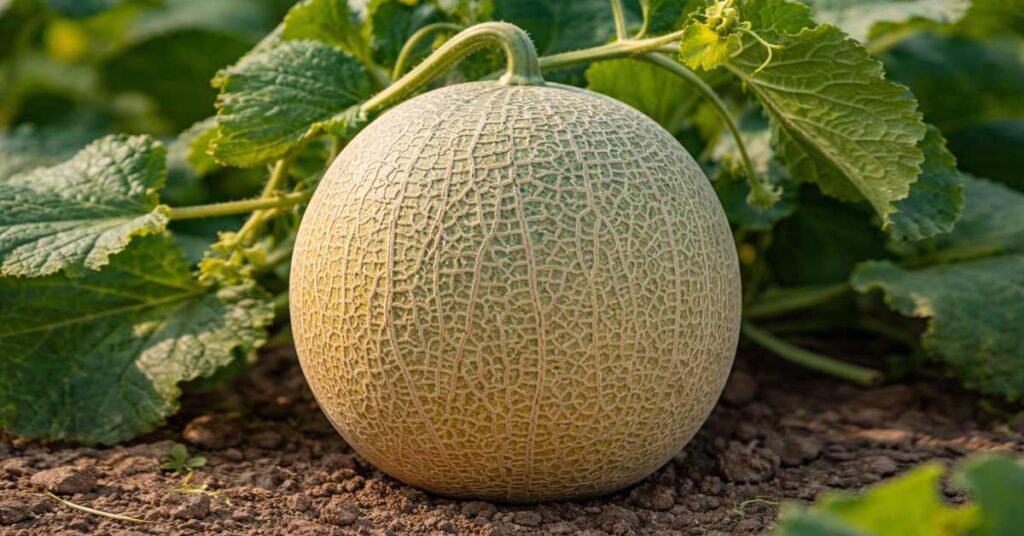
Cantaloupe isn’t just a seasonal indulgence—it’s a fruit that fits into everyday life with minimal effort and maximum benefit. Its natural sweetness, hydrating properties, and nutrient profile make it easy to include in your routine, whether you’re looking for a refreshing snack, a breakfast addition, or a subtle boost of vitamins. The key is finding practical ways to eat it without turning it into a project, so the habit sticks naturally over time.
Fresh vs Pre Cut: What Changes Nutritionally
Fresh cantaloupe straight from the melon tends to retain the highest levels of nutrients, particularly vitamin C and beta-carotene, both of which are sensitive to light and air. Cutting the melon in advance exposes it to oxygen, which can gradually reduce antioxidant levels. Pre-cut cantaloupe in plastic containers is convenient, but the longer it sits, the more vitamin C may degrade. Flavor and texture can also shift: the juiciness diminishes, and the flesh may become slightly softer or watery.
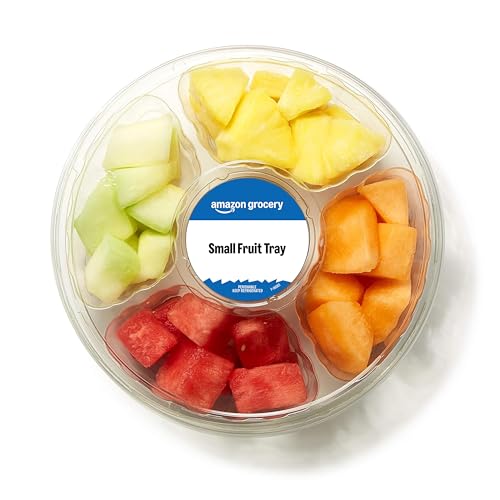
That said, pre-cut cantaloupe still provides hydration, fiber, and beta-carotene, and for many people, convenience outweighs slight nutrient losses. If your goal is practicality, buying or preparing pre-cut pieces and storing them properly in airtight containers in the fridge can make cantaloupe an accessible daily habit without requiring a fresh-cut melon each time.
Easy Ways to Add Cantaloupe Without Thinking Too Much
Incorporating cantaloupe doesn’t need to be elaborate. A few simple strategies make it effortless:
- Slice or cube a melon wedge and eat it as a standalone snack while working or studying.
- Blend cantaloupe into smoothies with a handful of spinach or a small scoop of yogurt for extra protein.
- Add diced cantaloupe to morning oatmeal or overnight oats for a natural sweetness boost.
- Toss cubes into a salad with cucumber, mint, and a light drizzle of lime juice for a refreshing side dish.
- Freeze pieces for icy snacks in hot weather—frozen cantaloupe retains much of its beta-carotene and water content, making it a quick, portable option.
These strategies make cantaloupe an “automatic” part of your day. You don’t need to follow complicated recipes or measure precise portions—just integrating it alongside other meals or snacks is enough to see cumulative benefits over time.
Storage, Ripeness, and Portion Consistency
Knowing when and how to store cantaloupe preserves both taste and nutrients. Whole cantaloupes should be kept at room temperature until ripe. A ripe melon gives slightly under gentle pressure at the blossom end and emits a subtle, sweet aroma. Once cut, store pieces in airtight containers in the fridge and consume within three to five days to maximize freshness and nutrient retention.
Portion consistency matters less than habit. A small bowl of diced cantaloupe or a single wedge per day is enough to provide meaningful beta-carotene intake alongside hydration. The goal is regular inclusion rather than overconsumption. By keeping portions manageable, you reduce waste, maintain flavor, and make it easy to eat without thinking too much.
Cantaloupe’s strength lies in its simplicity. With minimal planning, you can integrate it into multiple meals, use it in various forms, and enjoy its taste and nutrients year-round. By focusing on practical storage, ripeness awareness, and effortless preparation, you turn a seasonal fruit into a sustainable part of your daily eating habits, supporting hydration, vitamin A intake, and overall well-being without extra effort or stress.
Best Selling Cantaloupe Related Products




A Small Habit That Supports Your Eyes Without Effort
Sometimes the simplest changes have the biggest impact. Eating cantaloupe doesn’t need to be a carefully measured ritual or a strict part of a diet plan—it can be a small, consistent habit that quietly supports your eyes over time. A few slices in the morning or a wedge with lunch might seem trivial, but it adds up, supplying beta-carotene, hydration, and antioxidants in a way your body can readily use.
The beauty of cantaloupe is its effortless integration into daily routines. You don’t need to track exact servings or pair it with specific foods every time. Just having cantaloupe accessible—pre-cut in the fridge, diced in a bowl, or even frozen for a quick snack—creates a natural cue for eating it regularly. Over weeks and months, this small, repeated action contributes to your vitamin A intake and supports the cellular maintenance of your eyes.
It also pairs well with other healthy habits without demanding attention. For instance, including cantaloupe in a breakfast smoothie alongside yogurt and leafy greens combines hydration, protein, and fiber—all without extra effort. Or keeping a small container on your desk or in the fridge allows you to reach for it instead of sugary snacks, supporting eye health while also nourishing your body overall.
The key is consistency rather than perfection. Even modest amounts daily can provide steady beta-carotene supply, and your body naturally regulates how much it converts to vitamin A. This means you can enjoy cantaloupe casually, without stress, and still reap the benefits over time. The habit doesn’t feel like work—it feels like adding a small pleasure to your day, a burst of sweetness that also nourishes your vision.
In practice, this could be as simple as:
- Starting your day with a cantaloupe wedge alongside your morning coffee or tea.
- Packing a small container of diced cantaloupe for a mid-morning or afternoon snack.
- Adding cantaloupe cubes to salads or overnight oats a few times a week.
No complicated routines, no strict schedules—just repeated, easy choices. Over time, these small actions quietly support your eyes, contribute to vitamin A intake, and help maintain hydration, all while becoming a natural part of your daily rhythm. It’s a reminder that health doesn’t always require big, dramatic changes; sometimes it’s the small, consistent habits that make the most difference.
Article Sources
At AncientHerbsWisdom, our content relies on reputable sources, including peer-reviewed studies, to substantiate the information presented in our articles. Our primary objective is to ensure our content is thoroughly fact-checked, maintaining a commitment to accuracy, reliability, and trustworthiness.
- Sangiovanni, E., Brivio, P., Dell’Agli, M., & Calabrese, F. (2017). Botanicals as Modulators of Neuroplasticity: Focus on BDNF. Neural plasticity, 2017, 5965371. https://doi.org/10.1155/2017/5965371
- National Institutes of Health. (2023). Vitamin A. Office of Dietary Supplements. https://ods.od.nih.gov/factsheets/VitaminA-Consumer/
- World Health Organization. (2021). Micronutrients: Vitamin A. https://www.who.int/news-room/fact-sheets/detail/vitamin-a
- U.S. Department of Agriculture. (2024). FoodData Central: Cantaloupe, raw. https://fdc.nal.usda.gov/fdc-app.html#/food-details/169910/nutrients
- Biesalski, H. K., & Nohr, D. (2008). Vitamin A: Its Role in Vision and Immunity. Nutrition & Metabolism, 5, 13. https://doi.org/10.1186/1743-7075-5-13
- Slavin, J. L., & Lloyd, B. (2012). Health benefits of fruits and vegetables. Advances in Nutrition, 3(4), 506–516. https://doi.org/10.3945/an.112.002154
- Ramakrishnan, U., & Stoltzfus, R. J. (2005). Nutritional factors and early child development. Journal of Nutrition, 135(8), 2167–2172. https://doi.org/10.1093/jn/135.8.2167
- Gibson, R. S. (2005). Principles of Nutritional Assessment. Oxford University Press.
- National Eye Institute. (2022). Nutrition and Your Eyes. https://www.nei.nih.gov/learn-about-eye-health/healthy-vision/nutrition-and-your-eyes
- van het Hof, K. H., & West, C. E. (2006). Carotenoids in human nutrition and health. Annual Review of Nutrition, 26, 45–65. https://doi.org/10.1146/annurev.nutr.26.061505.111258

- Phosphatidic Acid: Supporting Muscle Growth and Strength - July 31, 2026
- Ceramides: Supporting Healthy Skin From Within - July 31, 2026
- Synbiotics: Combining Prebiotics and Probiotics Together - July 31, 2026