
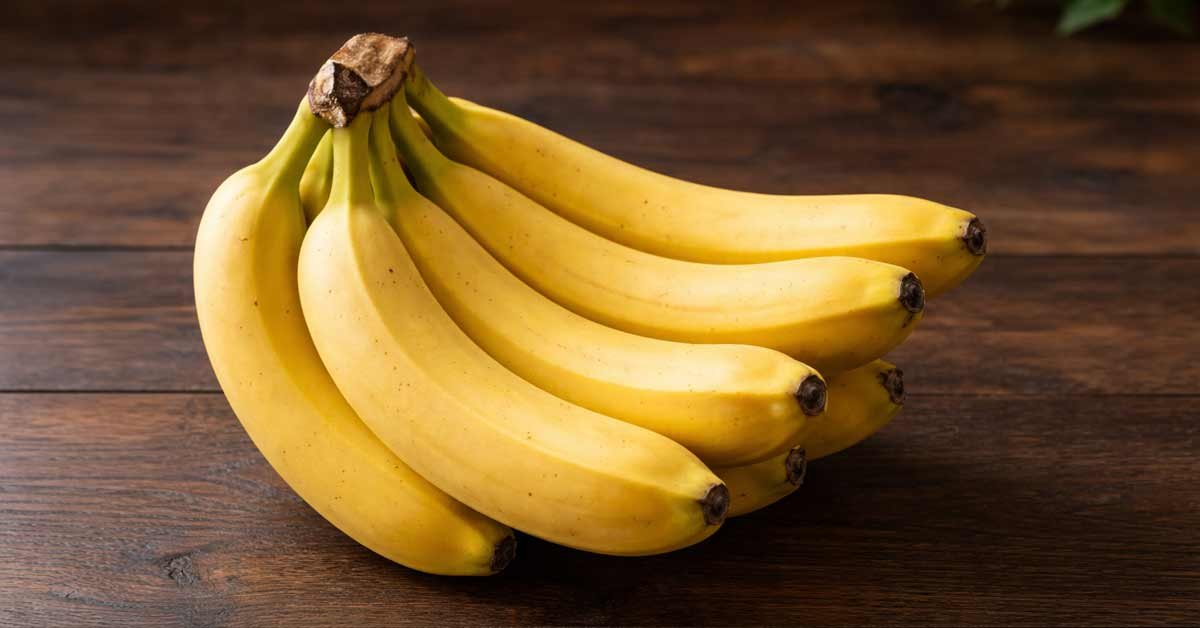
A Simple Fruit with More Going On Than You Think
There’s something almost too familiar about a banana. It sits on kitchen counters, gets tossed into gym bags, ends up in smoothies without much thought. It’s easy to overlook it precisely because it’s always there. But the banana earns that quiet presence. It’s one of those foods that does a lot behind the scenes without asking for attention.
If you stop and think about it for a second, bananas check a surprising number of boxes. They are portable. They require no prep. They are consistent in taste and texture. And more importantly, they deliver nutrients that actually matter in day to day function, especially potassium, which plays a central role in how your body regulates fluid balance, nerve signals, and muscle contractions.
Table of Contents
Most people associate a banana with a quick snack or a post workout bite. That’s fair, but it’s only part of the picture. What makes bananas interesting is not just what they contain, but how reliably they fit into real life. You don’t need a special recipe. You don’t need a specific time of day. You just need to eat one often enough for it to count.
From a nutritional standpoint, a medium banana typically provides around 400 to 450 milligrams of potassium. If you compare that to general daily intake recommendations, which sit around 2,600 mg for adult women and 3,400 mg for adult men according to the National Institutes of Health, you start to see the role a single banana can play.
Here is a simple breakdown:
- One medium banana: about 422 mg potassium
- Daily recommendation (men): about 3,400 mg
- Daily recommendation (women): about 2,600 mg
That means one banana covers roughly:
- 12.4 percent of daily needs for men
- 16.2 percent of daily needs for women
422 divided by 3400 equals 0.124
422 divided by 2600 equals 0.162
It’s not everything. But it’s not insignificant either. And that’s kind of the point. No single food needs to carry the whole load. What matters is how easily it becomes part of a pattern.
Bananas also bring along other nutrients that tend to get less attention but still matter. Vitamin B6, for example, supports normal metabolism and helps the body process amino acids. There’s also a small but meaningful amount of fiber, which contributes to digestive comfort and satiety. Nothing extreme, nothing dramatic. Just steady, useful support.
And then there’s the energy side of things. A banana contains natural sugars, mainly glucose, fructose, and sucrose, combined with fiber. That combination creates a release of energy that feels smooth rather than sharp. It’s not the same as grabbing something heavily processed where you feel a quick spike followed by a drop. With bananas, the experience tends to be more even.
You see this play out in small, everyday moments:
- Grabbing a banana before leaving the house and realizing you’re not thinking about food for a while
- Eating one mid afternoon and avoiding that sluggish feeling that usually creeps in
- Adding it to breakfast and noticing you stay satisfied longer
It’s subtle, but it adds up.
Another thing worth mentioning is how bananas fit across different eating styles. Whether someone leans toward plant based eating, mixed diets, or just tries to keep things simple, bananas rarely create friction. They don’t require adjustments. They don’t complicate decisions. That alone increases the likelihood of consistency, and consistency is where most nutritional benefits actually come from.
There’s also a practical side people don’t talk about enough. Bananas are relatively affordable, widely available year round, and predictable in quality. That combination matters more than it seems. A food can be incredibly nutritious on paper, but if it’s expensive, hard to find, or inconvenient, it rarely becomes part of a routine. Banana avoids that problem entirely.
Of course, none of this means bananas are some kind of perfect food. They are just one piece of a larger picture. But they are a piece that fits easily, which is often what people need most. You don’t build better habits by relying on complicated systems. You build them by repeating simple actions that don’t feel like effort.
And that’s where the banana quietly stands out. It doesn’t demand attention, but it consistently delivers value. Whether you care about potassium, heart health, or just having a reliable source of energy that doesn’t require planning, bananas tend to meet you where you are.
It’s easy to underestimate something that feels this ordinary. But sometimes the most effective choices are the ones that don’t feel like choices at all.
Why Banana Stands Out for Potassium Intake
People often hear that bananas are high in potassium and just leave it there. It becomes one of those facts that floats around without much context. But when you actually look at the numbers and how potassium functions in your body, the role of a banana becomes a lot more practical and a lot less abstract.
Potassium is not a trendy nutrient. It doesn’t get the same attention as protein or vitamins. Yet it is involved in some of the most basic processes that keep you functioning from one hour to the next. And the reality is simple. Most people do not get enough of it.
That’s where the banana earns its reputation. Not because it is the highest potassium food available, but because it is one of the easiest ways to consistently increase intake without changing your entire diet.
How Much Potassium You Actually Get
Let’s get specific. A medium banana provides about 422 mg of potassium. This number comes from standard USDA nutrient data and is widely used in nutritional analysis.
Now compare that to daily intake recommendations:
- Adult men: about 3,400 mg per day
- Adult women: about 2,600 mg per day
If you do the math:
- 422 ÷ 3,400 = 0.124 → about 12.4 percent of daily needs for men
- 422 ÷ 2,600 = 0.162 → about 16.2 percent of daily needs for women
That means one banana gives you a meaningful portion of your daily potassium without requiring any effort beyond peeling it.
But here’s where things get more interesting. Most dietary surveys show that average potassium intake falls below these recommendations. In other words, people are not just slightly off. They are consistently under-consuming it.
So instead of thinking in terms of “Is a banana enough?”, a better question is “What helps close the gap?”
A banana does exactly that. It moves you in the right direction without forcing you to rethink your meals.
And if you stack small habits, the effect compounds:
- One banana a day: about 422 mg
- Two bananas: about 844 mg
- Add a few other potassium rich foods and you are much closer to target without noticing the effort
It’s not about chasing perfection. It’s about making the baseline better.
Potassium and Everyday Body Function
Potassium plays a role in processes that are happening constantly, whether you pay attention to them or not.
At a basic level, potassium helps regulate:
- Fluid balance inside and outside cells
- Nerve signal transmission
- Muscle contraction, including the heart
That last point matters more than people realize. The heart is a muscle that relies on electrical signals to maintain rhythm. Potassium helps support the balance of those signals. It works alongside sodium, creating a system that keeps things stable.
When potassium intake is consistently low, the body compensates, but not always efficiently. Over time, this imbalance can influence how the body handles blood pressure and fluid retention. That is why potassium is often discussed in the context of heart health.
There’s also a more immediate, practical side.
You might notice:
- Muscle fatigue that feels disproportionate to your activity
- Mild cramping, especially after physical effort
- A general sense of low energy that is hard to explain
These are not specific symptoms tied to one cause, but potassium intake can be part of the picture, especially when combined with other dietary gaps.
Bananas help here in a quiet way. They provide potassium in a form that is easy to absorb, alongside carbohydrates that support energy. It is not a dramatic shift. It is more like removing a small obstacle that was slowing things down.
And because bananas are easy to eat before or after activity, they naturally fit into moments where potassium and energy both matter.
Why Consistency Matters More Than Quantity
There is a tendency to think in extremes. People either ignore a nutrient completely or try to fix everything in one go. Potassium does not work well with that approach.
Your body does not store large amounts of potassium for long periods. It relies on regular intake. That means consistency matters more than occasional high doses.
Eating a very high potassium meal once in a while does not balance out days of low intake. What actually works is steady, repeatable intake that becomes part of your routine.
This is where the banana stands out again. Not because it is unique nutritionally, but because it is easy to repeat.
Think about what usually happens with more complex foods:
- You need to plan meals
- You need time to prepare them
- You need the ingredients available
With bananas, none of that applies. You can keep them visible on a counter. You can carry them without thinking. You can eat one in less than a minute.
That simplicity increases frequency. Frequency improves consistency. And consistency is what supports long term intake.
A simple pattern might look like this:
- One banana in the morning or mid afternoon
- Another potassium source later in the day, like vegetables or legumes
- Repeat most days without overthinking it
No tracking apps. No complicated planning. Just repetition.
And there is another benefit that often gets overlooked. When you build a habit around something easy, it tends to anchor other habits. Someone who regularly eats bananas might also start paying more attention to hydration or meal timing. Small actions tend to cluster.
So when people ask whether bananas are the best source of potassium, the question misses the point.
The better question is: what are you actually going to eat regularly?
Because the best nutrient source is the one that shows up in your life often enough to matter. And in that sense, the banana does something many foods fail to do. It turns a nutritional recommendation into something practical, repeatable, and sustainable.
Banana and Heart Health: What the Evidence Suggests
When people connect a banana to heart health, they usually point straight to potassium. That’s not wrong, but it’s incomplete. The relationship between bananas and heart health is less about a single nutrient and more about how a few modest contributions, repeated consistently, influence systems that run in the background all day.
You are not going to feel your heart getting “healthier” after eating a banana. That’s not how this works. The effects are subtle, cumulative, and tied to patterns over time. The interesting part is that bananas fit into those patterns without forcing major changes.
Potassium and Blood Pressure Balance
Potassium has a well documented relationship with blood pressure regulation. It works in opposition to sodium, helping the body maintain fluid balance and supporting the relaxation of blood vessel walls.
Here’s the practical mechanism in simple terms:
- Sodium tends to pull water into the bloodstream, which can increase pressure
- Potassium helps the body excrete excess sodium through urine
- It also supports vasodilation, meaning blood vessels can relax more easily
This balance matters. Diets high in sodium and low in potassium are consistently associated with higher blood pressure levels. On the other hand, increasing potassium intake, especially through whole foods, is linked with improvements in blood pressure control.
A banana contributes about 422 mg of potassium. On its own, that is not a dramatic intervention. But place it in context:
- If someone is consuming 2,000 mg of potassium daily and needs closer to 2,600 to 3,400 mg
- Adding one banana closes about 12 to 16 percent of that gap
422 ÷ 2,600 = 0.162
422 ÷ 3,400 = 0.124
Now imagine that change happening daily rather than occasionally. Over weeks and months, the intake profile shifts in a measurable way.
Clinical dietary patterns such as the DASH diet, which emphasize potassium rich foods like fruits and vegetables, consistently show reductions in blood pressure. Bananas fit naturally into that framework. They are not the centerpiece, but they are a reliable contributor.
There is also a behavioral advantage. Foods that are easy to consume regularly tend to have a greater real world impact than foods that are theoretically superior but rarely eaten. A banana lowers the barrier to consistent potassium intake, and that matters more than chasing extremes.
Fiber and Cardiovascular Support
Bananas are not usually highlighted as a fiber powerhouse, but they still contribute in a meaningful way. A medium banana provides about 3 grams of dietary fiber, depending on size and ripeness.
That might not sound impressive, but again, context matters.
Daily fiber recommendations are roughly:
- 25 grams for women
- 38 grams for men
So a banana provides around:
- 3 ÷ 25 = 0.12 → 12 percent for women
- 3 ÷ 38 = 0.079 → about 8 percent for men
Fiber supports cardiovascular health through several mechanisms:
- It helps regulate cholesterol levels, particularly LDL cholesterol
- It slows digestion, which supports stable blood sugar responses
- It contributes to satiety, which can influence overall eating patterns
There is also a type of fiber in bananas called resistant starch, especially in slightly underripe bananas. This starch resists digestion in the small intestine and is fermented in the large intestine, supporting gut bacteria.
Why does that matter for heart health?
Because emerging research links gut health with metabolic and cardiovascular markers. The connection is complex, but the direction is consistent. A healthier gut environment tends to align with better systemic outcomes.
Again, bananas are not an extreme source here. But they contribute without effort, and that contribution adds up when combined with other fiber sources.
What Regular Consumption Looks Like in Real Life
It’s easy to talk about nutrients in isolation. It’s harder to translate that into something you actually do every day.
Most people don’t sit down and calculate potassium and fiber targets before eating. They follow habits. And those habits are shaped by convenience, taste, and routine more than anything else.
This is where bananas quietly support heart health. Not because they are exceptional in isolation, but because they are easy to repeat.
In real life, regular consumption often looks simple:
- Eating a banana in the morning alongside breakfast
- Grabbing one in the afternoon instead of a more processed snack
- Adding it to yogurt, oatmeal, or a smoothie without changing the rest of the meal
There’s no strict rule. The value comes from frequency.
You might notice small shifts over time:
- Fewer gaps between meals because energy feels more stable
- Less reliance on heavily processed snacks
- A gradual increase in overall fruit intake without trying to force it
These are indirect effects, but they matter. Heart health is influenced by patterns, not isolated choices.
There’s also a psychological aspect that often gets ignored. When a habit feels easy, it sticks. When it feels like effort, it fades. Bananas sit firmly in the “easy” category.
And that simplicity removes friction:
- No preparation time
- No decision fatigue
- No special conditions required
So instead of asking whether a banana can improve heart health on its own, it makes more sense to look at how it fits into a broader pattern.
A pattern where:
- Potassium intake is consistently higher
- Fiber intake gradually improves
- Processed food intake may decrease without strict rules
That’s where the real impact shows up.
It’s not dramatic. It’s not immediate. But it is measurable over time, and it aligns with what long term research continues to support. Small, repeatable dietary choices tend to shape outcomes more reliably than occasional, intense efforts.
And the banana, simple as it is, fits into that model almost perfectly.
Banana as a Reliable Energy Source
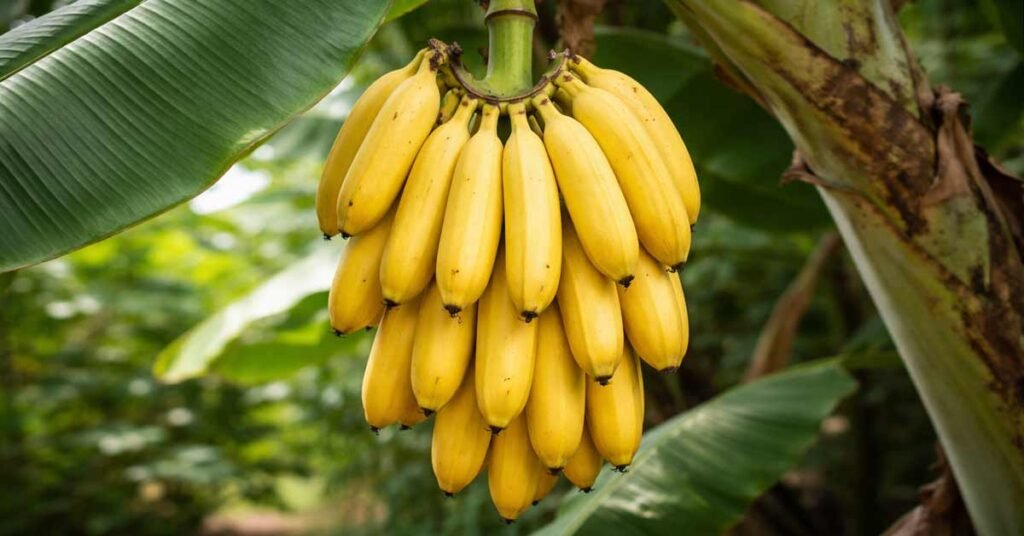
Bananas are often seen as a go-to snack for energy, and for good reason. They are convenient, portable, and provide a quick source of fuel without the crash associated with highly processed foods. But the way bananas deliver energy is subtle and practical, not flashy. It’s the kind of steady support that keeps daily routines running smoothly without forcing you to overthink nutrition.
The first thing to understand is the composition of a banana. They contain primarily natural sugars—glucose, fructose, and sucrose—paired with fiber. That combination creates a release pattern that feels gradual rather than spiking your blood sugar abruptly. A medium banana typically contains roughly 14 grams of sugar and about 3 grams of fiber. It’s enough to notice a difference in energy but not enough to overwhelm your system.
Natural Sugars and Energy Release
Energy from food comes in two forms: immediate and sustained. Bananas manage both. The glucose is readily absorbed, giving a quick pick-me-up. The fructose and fiber slow absorption slightly, which helps maintain that energy over a longer period. It’s not rocket science, but the result is reliable: a snack that fuels short bursts of activity while also keeping you from feeling wiped out a half hour later.
For example:
- Grab a banana before a mid-morning meeting and notice that you don’t slump into the usual hunger fog.
- Eat one before a workout; you get fuel that’s easy to digest and doesn’t sit heavy in your stomach.
- Include one in breakfast alongside protein and fat; the sugar provides a gentle lift while the fiber moderates absorption.
The predictability of this release is why athletes, hikers, and busy professionals often reach for bananas instinctively. They are portable, forgiving, and easy to consume in almost any environment.
Pairing Banana for Sustained Energy
Alone, a banana gives a moderate energy boost. Pairing it strategically can make that energy last even longer. A banana with protein, fat, or complex carbs slows digestion further, stabilizes blood sugar, and helps avoid sudden dips in energy.
Some practical combinations:
- Banana and a spoonful of peanut butter: protein and fat slow absorption
- Banana in oatmeal: fiber from the oats plus the banana fiber extends satiety
- Banana with yogurt: protein and probiotics add sustained support and digestive benefits
These small tweaks don’t require planning or fancy ingredients. They are simple, repeatable, and effective for anyone who wants to maintain energy without relying on stimulants or sugary snacks.
Timing also matters. Bananas work best when placed around natural energy slumps:
- Mid-morning: helps bridge the gap between breakfast and lunch
- Pre-workout: provides immediate fuel without heaviness
- Afternoon: a gentle lift when post-lunch fatigue typically hits
The key is to recognize that energy isn’t about single moments. It’s about patterns. A banana, consumed regularly, fits into these patterns without requiring a strict schedule or complicated routine.
Timing and Practical Use Throughout the Day
Because bananas are easy to eat anywhere and require no prep, they naturally lend themselves to consistency. You don’t need to measure or track calories meticulously; the fruit does its job quietly. People tend to snack when it’s convenient, and bananas meet that need perfectly.
Consider real-world usage:
- Slip one in a backpack or purse in the morning
- Keep a few on the kitchen counter at home
- Use as a topping for cereal, toast, or yogurt without additional effort
The practical advantage is obvious: they are ready when you are. This makes it easier to maintain energy levels, prevent extreme hunger, and avoid grabbing less nutritious options out of convenience.
Over time, this consistent energy support can subtly influence behavior. You might notice fewer sugar crashes from processed snacks or better focus in the mid-afternoon slump. You’re not overhauling your diet; you’re just stacking small, repeatable choices that reinforce stable energy patterns.
Bananas also offer a psychological comfort. They are familiar, non-intimidating, and almost universally accepted. You don’t have to think too hard about whether they “fit” with the rest of your day. That mental ease makes it more likely you’ll reach for them consistently, which is where the real benefit lies.
The banana is less about dramatic bursts and more about quiet reliability. Its combination of natural sugars, fiber, and versatility creates energy that is practical, sustainable, and compatible with everyday life. That’s why, for millions of people, it becomes a go-to solution—not because it’s trendy or exotic, but because it works.
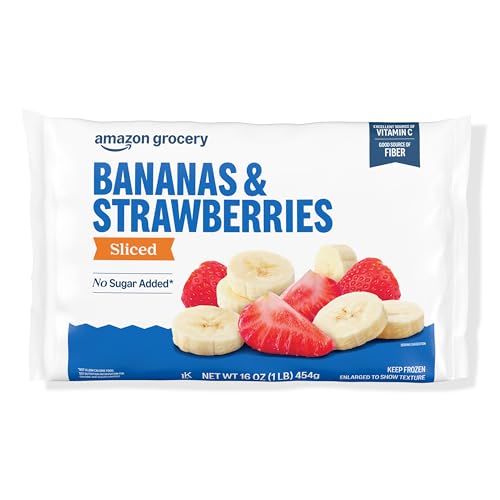
Best Selling Banana Related Products





The Everyday Power of Keeping It Simple
There’s a tendency to overcomplicate nutrition. People read articles, compare lists of superfoods, and feel like every meal needs to be a calculation. The banana quietly undermines that complexity. It is effective precisely because it doesn’t demand strategy, timing, or preparation. You don’t need a special recipe, a blender, or a “superfood plan” to get consistent benefits.
The real power of bananas lies in the simplicity of integrating them into daily life. They are forgiving. They travel well. They don’t spoil your workflow or force you to make a production out of eating. That ease lowers the mental friction that often makes healthy habits so hard to maintain.
Consider small, everyday scenarios:
- Grabbing one before heading out for errands or a commute
- Tucking one into a child’s lunchbox
- Tossing a sliced banana on top of cereal in the morning
- Using a banana to curb a mid-afternoon sweet craving
In each case, the impact is subtle. You’re adding potassium, fiber, and natural energy without consciously “doing health.” Over time, these small actions accumulate. They create patterns that influence overall nutrient intake, energy consistency, and even mood in ways that are hard to quantify but easy to notice.
There’s a psychological benefit too. When you know there’s an easy, reliable option, decision fatigue decreases. You spend less time debating snacks, reaching for less optimal choices, or feeling guilty about your diet. The banana becomes a default, practical choice that aligns with your goals without requiring willpower or motivation spikes.
Simplicity also encourages repetition. Consistency, as discussed earlier, is what matters more than extreme interventions. One banana a day may seem trivial, but when repeated over weeks, months, and years, it becomes a foundation for habits that actually stick.
It’s not about perfection or making the banana a miracle food. It’s about accessibility, reliability, and the cumulative effect of small, repeatable decisions. While complex meal plans and exotic ingredients have their place, the quiet, unassuming banana demonstrates that effectiveness doesn’t always need to be flashy.
Even more, simplicity encourages flexibility. A banana works in the morning, afternoon, or evening. It fits in breakfast, snacks, or dessert. It pairs with a variety of foods without conflict. That versatility reduces the friction that often causes people to abandon dietary goals.
Ultimately, the everyday power of bananas is not in a single nutrient, a flashy health claim, or immediate effect. It is in the repeated, effortless choice—the act of doing something simple, reliably, and consistently. That is what drives long-term benefit. That is why a small, unassuming fruit can quietly contribute to heart health, energy, and overall well-being without ever needing to take center stage.
It’s a reminder that sometimes, the most effective strategies are the ones that feel almost too easy.
Article Sources
At AncientHerbsWisdom, our content relies on reputable sources, including peer-reviewed studies, to substantiate the information presented in our articles. Our primary objective is to ensure our content is thoroughly fact-checked, maintaining a commitment to accuracy, reliability, and trustworthiness.
- National Institutes of Health. (2023). Potassium: Fact Sheet for Health Professionals. U.S. Department of Health and Human Services. https://ods.od.nih.gov/factsheets/Potassium-HealthProfessional/
- Mente, A., O’Donnell, M. J., Rangarajan, S., McQueen, M. J., Poirier, P., Wielgosz, A., … Yusuf, S. (2014). Associations of urinary sodium excretion with cardiovascular events in individuals with and without hypertension: a pooled analysis of data from four studies. The Lancet, 383(9934), 465–475. https://doi.org/10.1016/S0140-6736(13)62074-9
- He, F. J., & MacGregor, G. A. (2008). Beneficial effects of potassium. BMJ, 336(7636), 1202–1205. https://doi.org/10.1136/bmj.39587.612275.KE
- Slavin, J. L. (2013). Fiber and Prebiotics: Mechanisms and Health Benefits. Nutrients, 5(4), 1417–1435. https://doi.org/10.3390/nu5041417
- DASH Collaborative Research Group. (1997). Effects on blood pressure of reduced dietary sodium and the Dietary Approaches to Stop Hypertension (DASH) diet. New England Journal of Medicine, 336(16), 1117–1124. https://doi.org/10.1056/NEJM199704173361601
- USDA FoodData Central. (2023). Banana, raw. U.S. Department of Agriculture. https://fdc.nal.usda.gov/fdc-app.html#/food-details/173944/nutrients
- Brosnan, J. T., & Brosnan, M. E. (2006). The role of dietary potassium in cardiovascular health. Journal of Clinical Hypertension, 8(3), 154–160. https://doi.org/10.1111/j.1524-6175.2006.04837.x
- Slavin, J. L., & Lloyd, B. (2012). Health benefits of fruits and vegetables. Advances in Nutrition, 3(4), 506–516. https://doi.org/10.3945/an.112.002154
- Gibson, R. S., & Heath, A.-L. M. (2011). Fruit and vegetable intake, nutritional status and health: a global overview. Public Health Nutrition, 14(11), 1957–1967. https://doi.org/10.1017/S1368980011002016

- Phosphatidic Acid: Supporting Muscle Growth and Strength - July 31, 2026
- Ceramides: Supporting Healthy Skin From Within - July 31, 2026
- Synbiotics: Combining Prebiotics and Probiotics Together - July 31, 2026