
The Sharp, Fresh Edge of Everyday Nutrition
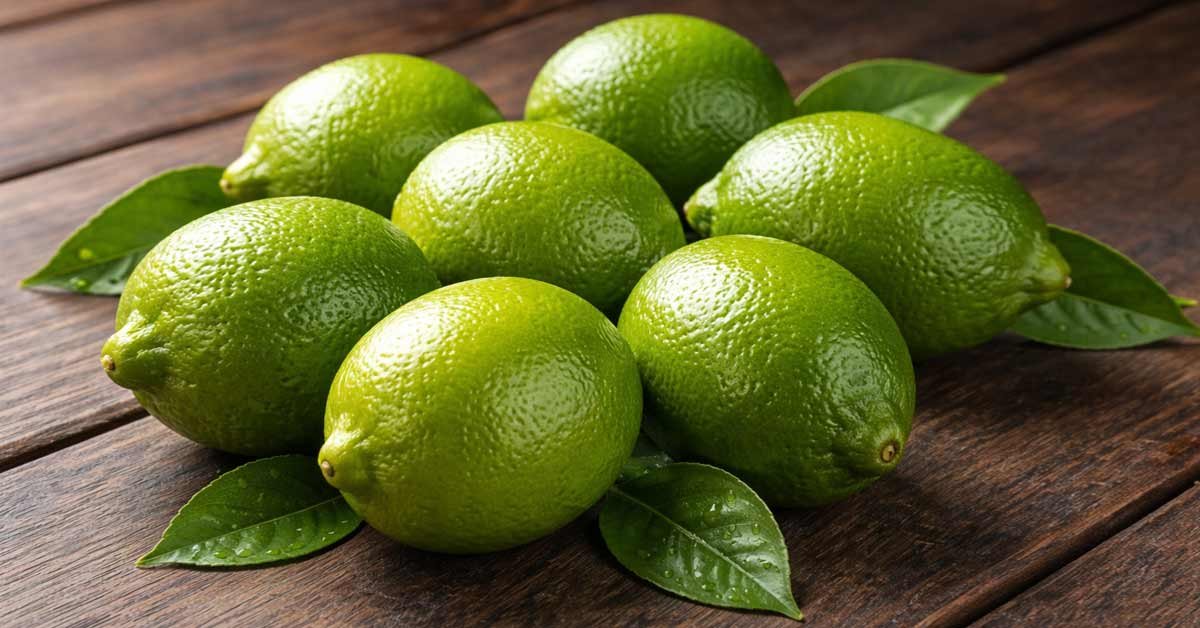
There is something about lime that cuts through the noise of modern nutrition advice. No branding. No inflated promises. Just a small, bright citrus fruit that has been sitting quietly in kitchens for generations, doing more than most people give it credit for.
You probably already use lime without thinking much about it. A squeeze over grilled food. A splash in water. Maybe stirred into a quick dressing. It feels like a finishing touch, not the main event. But that’s exactly where lime starts to matter. Not as a miracle ingredient, but as a consistent presence that nudges your daily habits in a better direction.
Table of Contents
When you look closer, lime carries a combination of nutrients and plant compounds that align well with two areas people tend to struggle with: immunity and digestion. Not in a dramatic, overnight way. More like a steady background effect that builds over time. That distinction matters. Most of what actually supports your body does not come from extremes. It comes from repetition.

The first thing people usually associate with lime is vitamin C. That’s fair. Citrus fruits have built that reputation for a reason. But reducing lime to just vitamin C misses the bigger picture. There is a layered mix of naturally occurring compounds in lime, including flavonoids and organic acids, that interact with your body in ways that are subtle but meaningful when they show up regularly in your diet.
Think about how you actually eat across a normal week. Meals are not perfectly balanced. Some are rushed. Some are heavier than you intended. Some lack freshness entirely. This is where lime starts to earn its place. It has a way of bringing balance back into food without requiring effort.
A squeeze of lime can:
- Brighten flavors without adding sugar or heavy sauces
- Encourage you to eat more whole foods like vegetables or fish
- Add acidity that changes how food feels and digests
- Increase overall meal satisfaction with almost no calories
That last point is easy to overlook. Satisfaction matters. When food tastes better, you are more likely to stick with simple, balanced meals instead of reaching for processed alternatives. Lime plays a quiet role in that shift.
There is also a sensory side to lime that people rarely talk about in practical nutrition. The sharp aroma, the immediate salivation it triggers, the way it wakes up your palate. These are not just pleasant side effects. They are part of how your digestive system prepares itself for food. Even before you take a bite, your body starts responding.
You might notice this if you have ever added lime to a meal that felt heavy or dull. Suddenly, it feels lighter. Easier to eat. Less like something you have to push through. That shift is not just in your head. Acidity and aroma both play a role in how your digestive process gets going.
From an immunity perspective, lime fits into a bigger pattern rather than acting as a standalone solution. No single food builds or fixes your immune system. What matters is the consistency of nutrient intake across days and weeks. Lime contributes to that pattern in a way that is simple enough to maintain.
Instead of asking, “What superfood should I add?”, a more useful question is, “What small habit can I repeat without effort?” Lime answers that question well. It does not require preparation. It does not require planning. It fits into what you are already doing.
There is also a practical advantage here. Lime is widely available, relatively affordable, and easy to store for short periods. You do not need a complex routine to use it effectively. In a world where nutrition advice often feels complicated, that simplicity is worth holding onto.
A common mistake is to look for immediate, noticeable results from small dietary changes. With lime, the effect is quieter. You are more likely to notice indirect shifts:
- Meals feel easier to digest
- You naturally include more fresh foods
- Your overall eating pattern becomes lighter and more balanced
These are not dramatic changes, but they are reliable ones. And reliability is what builds long term outcomes.
There is also something worth saying about restraint. Lime works best when it stays in its role. It is not meant to replace whole meals or act as a shortcut. It supports what is already there. It enhances. It complements. When used that way, it fits seamlessly into everyday eating habits.
If you step back, lime represents a broader idea that often gets lost. Health is rarely about adding something extreme. It is about refining what you already do. Small adjustments. Repeated often enough to matter.
So instead of thinking of lime as an ingredient you occasionally use, it helps to see it as part of your baseline. Something that shows up regularly, without effort, quietly supporting both immunity and digestion through consistency rather than intensity.
That is where lime does its best work. Not in isolation. Not as a trend. But as a simple, repeatable habit that makes everyday food just a little bit better, and over time, that starts to add up.
Why Lime Quietly Supports Immune Function
Lime does not announce itself as an immune-support food, but it fits naturally into that role when you look at how immunity actually works. Your immune system does not respond to single events. It responds to patterns. Daily intake. Repeated exposure to nutrients your body knows how to use.
That is where lime becomes useful. It is not powerful because of one dramatic property. It works because it is easy to use often, and it delivers a combination of compounds that support normal immune function without requiring effort or planning.
Most people think about immunity in moments. Cold season. Travel. Stressful periods. But the immune system does not switch on and off like that. It is always active, always adjusting. What you eat consistently shapes how well it does that job. Lime fits into that rhythm better than most foods simply because it is so easy to keep around.
Vitamin C Content and What It Actually Does
Lime is a source of vitamin C, and that matters, but not in the exaggerated way it is often presented. Vitamin C does not act like a shield that blocks illness. Its role is more fundamental and less dramatic.
In practical terms, vitamin C contributes to several processes that keep your immune system functioning normally:
- It supports the production and activity of white blood cells
- It acts as an antioxidant, helping manage oxidative stress
- It plays a role in maintaining the integrity of skin and mucosal barriers
Those barriers are your first line of defense. Skin, respiratory lining, digestive tract. They are not passive. They actively prevent unwanted pathogens from entering deeper into the body. Nutrients like vitamin C help maintain their structure.
Now, here is where context matters. A single serving of lime does not deliver massive amounts of vitamin C compared to larger citrus fruits. But that is not the point. The value comes from frequency.
If you use lime regularly, small amounts add up. A squeeze in water. A bit over food. A dressing. Over the course of a day or a week, you build a steady intake without needing to think about it.
That steady intake aligns with how vitamin C works in the body. It is water soluble. Your body does not store large amounts of it. What you consume regularly matters more than occasional high doses.
There is also a behavioral effect that often goes unnoticed. When you use lime, you tend to pair it with foods that already support immune health. Vegetables, legumes, fish, simple cooked meals. Lime rarely shows up in heavily processed foods. So indirectly, it nudges your overall diet in a better direction.
Plant Compounds Beyond Vitamin C
Focusing only on vitamin C misses a large part of what lime brings to the table. Like most citrus fruits, lime contains a range of plant compounds, especially flavonoids, that interact with your body in quieter ways.
These compounds are not classified as essential nutrients, but they still influence how your body manages stress at a cellular level. That matters because immune function is closely tied to how well your body handles oxidative stress and inflammation.
In lime, some of the most studied compounds include flavonoids such as hesperidin and eriocitrin. You do not need to memorize those names, but it helps to understand what they do in simple terms:
- They contribute to antioxidant activity in the body
- They help regulate cellular responses to stress
- They interact with signaling pathways involved in inflammation
Again, none of this is dramatic on its own. You will not feel these processes happening. But over time, they support a more balanced internal environment, which is exactly what your immune system relies on.
There is also something interesting about how these compounds work together. Whole foods like lime provide a combination of nutrients and phytochemicals that interact in ways isolated supplements often cannot replicate. This is why adding lime to real meals tends to be more effective than trying to extract one “active” component.
Another detail that tends to get overlooked is where these compounds are concentrated. Some are found in the juice, but others are more present in the zest and peel. Even small amounts of zest in cooking can slightly increase the diversity of compounds you are getting, without changing how you eat.
What Regular Intake Looks Like in Real Life
This is where things either work or fall apart. You can understand the theory, but if it does not translate into daily habits, it does not matter.
The advantage of lime is that it fits into real life without friction. You do not need a new routine. You just adjust what you already do.
A few examples that actually hold up over time:
- Add lime juice to water once or twice a day
- Use lime over cooked vegetables instead of heavier sauces
- Finish grilled or roasted foods with a squeeze of lime
- Mix lime into simple dressings with olive oil and salt
- Add lime to soups or stews right before serving
None of these require planning. They take seconds. That is why they stick.
Portion size does not need to be precise. Most people end up using anywhere from a quarter to one whole lime across a day, depending on preference. That is enough to contribute meaningful amounts of vitamin C and plant compounds when repeated consistently.
There is also a timing aspect that people notice over time. Using lime earlier in the day, especially in water or with lighter meals, tends to feel more refreshing. Later in the day, it works well with heavier meals, where the acidity helps balance richness.
You might also notice that once lime becomes part of your routine, your overall eating pattern shifts slightly. Meals feel less heavy. You rely less on overly processed condiments. Freshness becomes part of the default.
That is the real impact. Not a sudden change in how you feel, but a gradual shift in how you eat.
Consistency is what turns lime from an occasional ingredient into something that actually supports immunity. Not because it is powerful on its own, but because it is easy to use often enough to matter.
Lime and Digestion: Subtle Shifts You Can Feel
Digestion is one of those things you only notice when it is off. Too heavy, too slow, too unpredictable. Most people do not think about how small habits shape it over time, but they do. And lime has a way of slipping into that process without asking for attention.
It does not fix digestion overnight. That is not how your digestive system works. What lime does is adjust the environment your body works in. Slight shifts in acidity, enzyme activity, and how food moves through your system. Nothing dramatic, but enough to feel different when it becomes part of your routine.
If you have ever added lime to a meal and thought, “this just feels easier to eat,” you have already noticed the effect. It is subtle, but it is real.
How Acidity Interacts with Digestive Processes
Lime is naturally acidic, mostly due to citric acid. That acidity plays a direct role in how digestion begins and continues through the stomach.
When you taste something acidic like lime, your body responds immediately:
- Saliva production increases
- Digestive enzymes begin to activate
- Your stomach prepares to release gastric juices
This is not a guess. It is a built-in response. Your digestive system is designed to react to sensory signals before food even reaches the stomach. Lime triggers that early phase effectively.
Once food reaches the stomach, acidity continues to matter. The stomach relies on a low pH environment to break down food, especially proteins. Adding lime does not replace stomach acid, but it can support the overall acidic environment, especially in meals that might otherwise feel heavy or slow to digest.
There is also a mechanical effect. Acidic components can help soften food textures slightly, making them easier to break down. This is why lime is often used in marinades. The same principle applies, on a smaller scale, when you add it to cooked food.
What you notice in practice is not a dramatic change, but a smoother experience:
- Less heaviness after meals
- Food feels like it “moves” better
- Reduced sense of stagnation after eating
These are small signals, but they add up.
Lime, Bile Flow, and Fat Breakdown
Fat digestion is where many people start to feel discomfort. Meals rich in fats can sit heavy, especially if your body is not responding efficiently.
This is where lime plays a supporting role again.
Bile, produced by the liver and stored in the gallbladder, is essential for breaking down fats. It acts like a natural emulsifier, helping your body process and absorb dietary fats more effectively.
Acidic foods like lime are thought to stimulate digestive activity, including bile flow. The mechanism is not about forcing bile production in a direct way, but about enhancing the overall digestive response to food.
In practical terms, adding lime to meals that contain fats can help balance how those meals feel. Think about where lime naturally shows up:
- Over grilled fish
- With avocado or olive oil based dishes
- In dressings that combine fat and acidity
- Alongside richer meats
This is not accidental. Traditional food combinations often reflect what works at a sensory and digestive level, even if people did not describe it in biochemical terms.
When lime is part of these meals, you might notice:
- Fats feel less heavy
- Meals feel more balanced
- You are less likely to feel overly full after eating
Again, these are not extreme effects. They are adjustments that make digestion feel more efficient.
There is also an indirect benefit. When meals feel lighter and easier to process, you are less likely to overeat. That alone can improve digestion over time.
Everyday Signs Your Digestion Is Working Better
You do not need lab tests to notice when your digestion improves. Your body gives you clear signals. The challenge is paying attention to them.
When lime becomes a regular part of your meals, the changes tend to show up in simple, repeatable ways:
- You finish meals without feeling overly full
- There is less bloating or pressure after eating
- Hunger returns in a more predictable rhythm
- You feel more comfortable between meals
- Your appetite feels more stable
These are the kinds of shifts that are easy to dismiss because they are not dramatic. But they are exactly what functional digestion looks like.
There is also a timing element. Good digestion has a rhythm. You eat, you feel satisfied, and after a few hours, hunger comes back naturally. When that rhythm is off, people often experience either constant hunger or prolonged fullness. Small dietary adjustments, including the use of lime, can help bring that rhythm back into balance.
Another detail worth noticing is how lime influences food choices indirectly. Once you get used to adding lime, you tend to build meals around it. Fresher ingredients. Simpler preparations. Less reliance on heavy sauces. That shift alone can improve digestion, independent of lime’s direct effects.
A simple example. Compare two meals:
- A heavy dish with processed sauce
- The same base ingredients with lime, olive oil, and basic seasoning
The second option usually feels easier to eat and easier to digest. Lime is not doing all the work, but it is part of why the meal feels different.
There is also a practical limit. More lime is not always better. Excess acidity can feel harsh, especially on an empty stomach for some people. The goal is balance. Enough to enhance digestion, not so much that it becomes uncomfortable.
Most people naturally settle into a range that works for them. A squeeze here, a slice there. It does not require measuring or tracking.
That is what makes lime effective in the long run. It fits into your meals without forcing change. It supports digestion through small, repeatable actions that shape how your body responds to food over time.
You do not feel a sudden transformation. You just start noticing that meals sit better, digestion feels smoother, and your body handles food with less resistance. That is the kind of change that actually lasts.
Making Lime a Practical Part of Your Routine
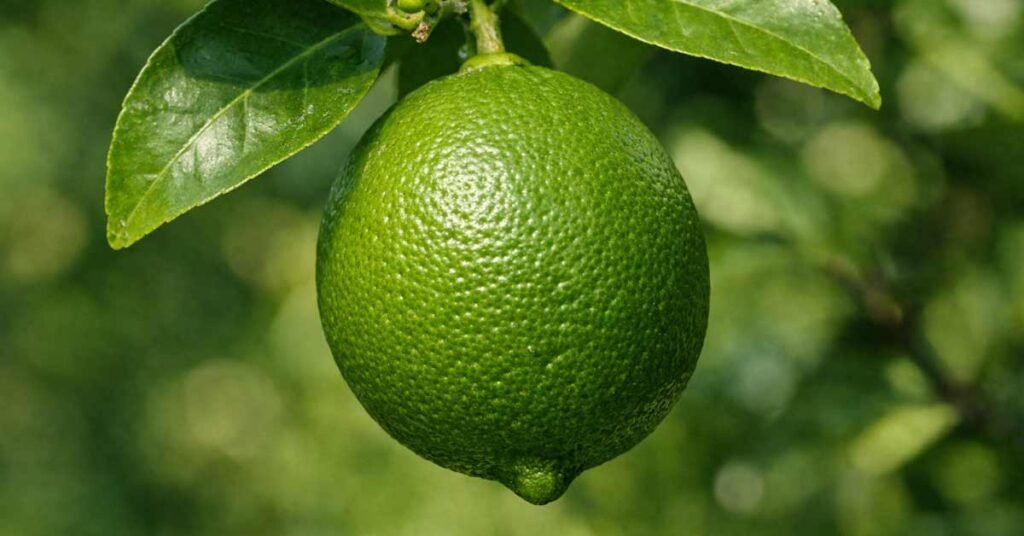
Most nutrition advice falls apart at one point. It asks you to change too much at once. New foods, new timing, new rules. That is usually where consistency breaks. Lime works differently. It slips into what you already do and quietly improves it.
The real value of lime shows up when it becomes automatic. No tracking. No measuring. No second guessing. Just something you reach for without thinking, the same way you use salt or olive oil.
If you keep lime visible and accessible, you will use it. If you hide it in the back of the fridge, you will forget it exists. That small detail matters more than any nutrient profile.
Simple Ways to Use Lime Without Overthinking It
You do not need recipes. You need habits that repeat without effort. The easiest way to build that is to attach lime to things you already eat or drink.
A few patterns that tend to stick:
- Add lime to water once in the morning or early afternoon
- Squeeze lime over cooked vegetables right before eating
- Use lime instead of heavy dressings when meals feel too dense
- Finish grilled foods with lime to cut through richness
- Stir lime into simple sauces with olive oil and salt
That is enough. You do not need more complexity than that.
There is also a timing element that people figure out naturally. Lime earlier in the day feels refreshing. It can make water easier to drink, especially if you struggle with plain water. Later in the day, it works better with meals, especially ones that feel heavier.
If you cook even occasionally, lime becomes even more useful. A quick squeeze at the end of cooking can change how a dish feels without changing the ingredients themselves. It adds contrast. It sharpens flavors. It makes simple food more satisfying.
And satisfaction matters. When meals taste better, you are less likely to reach for extra snacks or overly processed additions. Lime supports that shift without forcing it.
There is also no need to be precise. Some days you use half a lime. Some days none. Some days more. The benefit comes from repetition over time, not from hitting a perfect daily target.
Pairing Lime for Better Nutrient Balance
Lime rarely works alone. It shows up next to other foods, and that is where things get more interesting.
One of the simplest ways to improve how you eat is to combine elements that balance each other. Lime does this naturally because of its acidity and flavor intensity.
Here are a few combinations that make practical sense:
- Lime and vegetables
The acidity makes vegetables more appealing, especially bitter or bland ones. You are more likely to eat a full portion when they taste better. - Lime and healthy fats
Think olive oil, avocado, nuts, seeds. Lime cuts through richness, making these foods feel lighter. This often leads to better portion control without thinking about it. - Lime and protein sources
Fish, legumes, chicken. Lime enhances flavor and can make these foods easier to eat regularly, especially if you get bored with plain preparations. - Lime and iron-rich plant foods
Beans, lentils, leafy greens. Vitamin C from lime helps improve the absorption of non-heme iron. This is one of the few direct nutrient interactions that is both simple and useful.
That last point is one of the more practical benefits. If you are eating plant based meals, adding lime is an easy way to support iron uptake without changing your diet structure.
Another detail people overlook is how lime influences overall meal composition. When you rely on lime for flavor, you often reduce the need for heavy sauces that contain added sugars or refined oils. Over time, that shifts your intake in a meaningful way.
You are not just adding lime. You are replacing less helpful components.
How Much Lime Makes Sense Day to Day
This is where people tend to overcomplicate things. They look for exact numbers, ideal doses, perfect timing. Lime does not require that level of control.
A practical range for most people is simple:
- Around half a lime to one whole lime across a day
- Spread across meals or drinks, not consumed all at once
This range provides a steady contribution of vitamin C and plant compounds without being excessive.
If you want to think about it in rough numbers, one medium lime typically provides around 20 to 30 milligrams of vitamin C. Daily needs for adults are generally in the range of 75 to 90 milligrams. Lime alone does not cover that, but it contributes meaningfully, especially when combined with other foods.
A quick breakdown:
- Half a lime: roughly 10 to 15 mg vitamin C
- One lime: roughly 20 to 30 mg vitamin C
You can verify this using standard nutrition databases such as USDA FoodData Central. The exact number varies slightly depending on size and variety, but the range is consistent.
There are also a few practical limits to keep in mind, based on how your body responds:
- Too much lime on an empty stomach may feel harsh for some people
- Frequent exposure to acidic juice can affect tooth enamel over time
- Balance matters more than quantity
Most people naturally adjust based on comfort. If it tastes good and feels good, you are likely in the right range.
The key point is not precision. It is consistency.
If lime shows up in your meals most days, even in small amounts, it becomes part of your nutritional baseline. It supports digestion. It contributes to immunity. It improves how your meals feel and taste.
And it does all of that without requiring effort.
That is what makes it sustainable. Not the nutrient profile on paper, but the fact that you will actually keep using it.
Best Selling Lime Related Products


When a Simple Citrus Habit Is Enough
There is a point where adding more does not improve anything. More supplements. More rules. More complexity. You reach a limit, and beyond that, it becomes noise. This is where something like lime stands out. It stays small, repeatable, and grounded in how people actually eat.
You do not need lime to carry your entire approach to immunity or digestion. That would miss the point. What lime does well is reinforce what is already working. It fills gaps. It sharpens habits. It adds consistency where most routines tend to drift.
And for many people, that is enough.
There is a tendency to underestimate small habits because they do not feel powerful in the moment. A squeeze of lime does not feel like progress. It feels like a detail. But details repeated daily shape outcomes in a way occasional big changes never do.
Think about how most eating patterns look over time. They are not extreme. They are just inconsistent. Some days feel balanced. Others drift toward convenience and heavier foods. Lime helps stabilize that pattern without forcing you into rigid rules.
A simple citrus habit starts to matter when it becomes part of your baseline. Not something you remember occasionally, but something that shows up without effort.
You begin to notice a few shifts:
- Meals feel more complete without adding extra ingredients
- You rely less on processed sauces or flavor boosters
- Fresh foods become easier to eat regularly
- Digestion feels more predictable across the week
None of these changes are dramatic on their own. Together, they create a pattern that supports both immunity and digestion in a steady, reliable way.
There is also a psychological side to this that rarely gets mentioned. Simple habits reduce friction. When something is easy to repeat, you stop negotiating with yourself. You just do it.
Lime works because it does not compete with your routine. It fits into it.
You are not replacing meals. You are not following a strict plan. You are making a small adjustment that improves what is already there. That kind of change tends to stick because it does not feel like effort.
It is also worth being honest about limits. Lime will not compensate for a diet built around highly processed foods. It will not override chronic lack of sleep or constant stress. It is not designed to do that.
What it can do is strengthen a decent routine.
If your meals already include whole foods, even imperfectly, lime enhances them. If you are trying to eat more vegetables, lime makes that easier. If heavy meals tend to sit poorly, lime helps balance them.
That is where it earns its place.
There is a moment where you stop looking for something new to add and start refining what you already do. That shift changes how you approach food. You move from searching for solutions to building consistency.
Lime fits naturally into that mindset.
It is also flexible. You can use it differently depending on the day:
- On lighter days, it keeps meals fresh and easy
- On heavier days, it balances richness
- During busy periods, it maintains some structure in otherwise rushed meals
You are not locked into a system. You are adjusting in real time.
Another thing that becomes clear over time is that lime encourages simplicity. When you rely on it for flavor, you start needing fewer ingredients overall. Meals become cleaner, more direct. That alone can improve how your body responds to food.
There is a difference between a meal that is overloaded and one that is balanced. Lime tends to push things toward balance.
And balance is what supports long term outcomes. Not extremes. Not short bursts of effort. Just a steady pattern that your body can rely on.
If you look at populations with stable eating habits, you will often find small, consistent elements like this. A squeeze of citrus. Fresh herbs. Simple preparations. Nothing dramatic, but repeated daily.
That is the level lime operates on.
So when is a simple citrus habit enough?
It is enough when:
- Your overall diet is reasonably balanced
- You are consistent more often than not
- You focus on small improvements instead of constant changes
In that context, lime becomes a tool that reinforces everything else.
You do not feel a sudden transformation. What you notice is that things stop feeling off. Meals sit better. Your routine feels easier to maintain. You are not constantly adjusting or correcting.
That quiet stability is usually a sign that you are doing enough.
And in most cases, enough done consistently will take you further than any complicated approach you cannot maintain.
That is where lime belongs. Not as a solution on its own, but as part of a simple system that works because you actually stick to it.
Article Sources
At AncientHerbsWisdom, our content relies on reputable sources, including peer-reviewed studies, to substantiate the information presented in our articles. Our primary objective is to ensure our content is thoroughly fact-checked, maintaining a commitment to accuracy, reliability, and trustworthiness.
- Carr, A. C., & Maggini, S. (2017). Vitamin C and immune function. Nutrients, 9(11), 1211. https://doi.org/10.3390/nu9111211
- Grosso, G., Stepaniak, U., Topor-Mądry, R., Szafraniec, K., & Pająk, A. (2013). Estimated dietary intake and major food sources of polyphenols in the Polish arm of the HAPIEE study. Nutrition, Metabolism and Cardiovascular Diseases, 24(12), 1391–1398. https://doi.org/10.1016/j.numecd.2014.04.012
- U.S. Department of Agriculture, Agricultural Research Service. (2019). FoodData Central: Limes, raw. https://fdc.nal.usda.gov/fdc-app.html#/food-details/1102647/nutrients
- Johnston, C. S., & Cox, S. K. (2001). Plasma-saturating intakes of vitamin C confer maximal antioxidant protection to plasma. The Journal of Nutrition, 131(12), 368–371. https://doi.org/10.1093/jn/131.12.368
- Liu, R. H. (2013). Dietary bioactive compounds and their health implications. Journal of Food Science, 78(s1), A18–A25. https://doi.org/10.1111/1750-3841.12101
- Manach, C., Scalbert, A., Morand, C., Rémésy, C., & Jiménez, L. (2004). Polyphenols: Food sources and bioavailability. The American Journal of Clinical Nutrition, 79(5), 727–747. https://doi.org/10.1093/ajcn/79.5.727
- National Institutes of Health, Office of Dietary Supplements. (2022). Vitamin C Fact Sheet for Health Professionals. https://ods.od.nih.gov/factsheets/VitaminC-HealthProfessional/
- Slavin, J. L., & Lloyd, B. (2012). Health benefits of fruits and vegetables. Advances in Nutrition, 3(4), 506–516. https://doi.org/10.3945/an.112.002154
- Widmer, R. J., Flammer, A. J., Lerman, L. O., & Lerman, A. (2015). The Mediterranean diet, its components, and cardiovascular disease. The American Journal of Medicine, 128(3), 229–238. https://doi.org/10.1016/j.amjmed.2014.10.014
- World Health Organization. (2020). Healthy diet. https://www.who.int/news-room/fact-sheets/detail/healthy-diet

- Phosphatidic Acid: Supporting Muscle Growth and Strength - July 31, 2026
- Ceramides: Supporting Healthy Skin From Within - July 31, 2026
- Synbiotics: Combining Prebiotics and Probiotics Together - July 31, 2026