
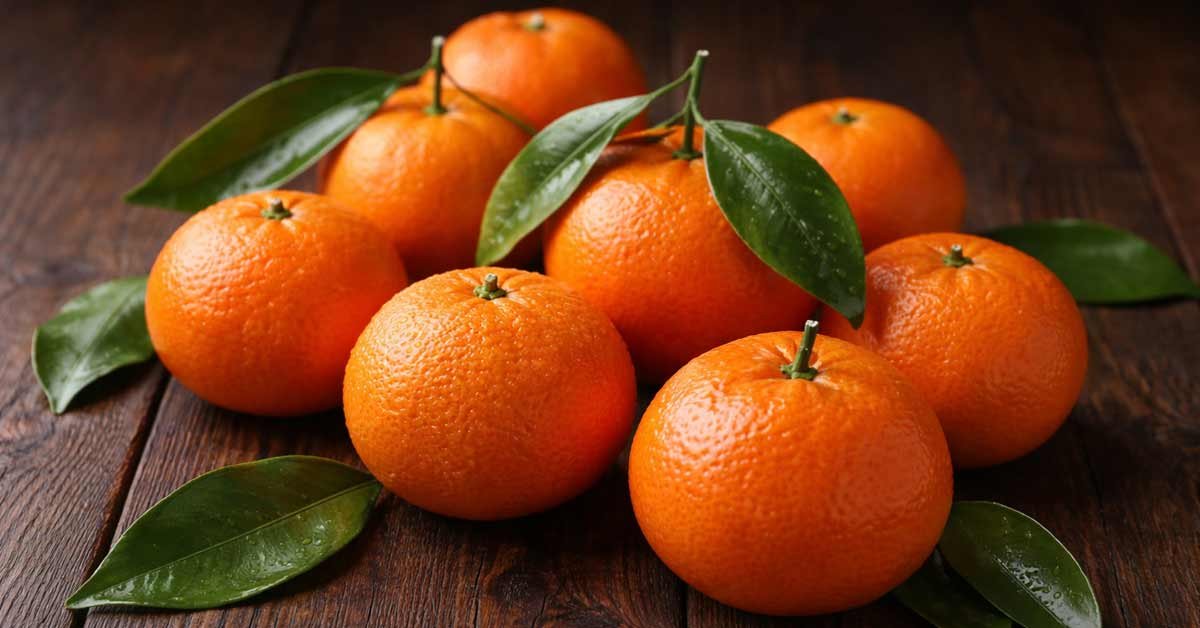
The Bright Simplicity of Tangerine in Everyday Health
There is something almost disarming about a tangerine. You peel it without thinking. The scent hits first, sharp and sweet at the same time. Then the segments come apart easily, no knife, no effort, no planning. It feels casual. Almost too simple to matter. And yet, this is exactly where the tangerine earns its place.
You do not need a complicated system to support your health. You need consistency. You need foods that show up in your life without friction. The kind you reach for without negotiating with yourself. Tangerine fits into that space quietly, but with more substance than people tend to give it credit for.
Table of Contents

At its core, tangerine is a citrus fruit rich in vitamin C, water, and a mix of plant compounds that work together in ways that are easy to overlook. Most people associate vitamin C with immunity, and that connection is not random. The human body depends on a steady intake of vitamin C because it cannot produce or store it in large amounts. That means what you eat regularly matters more than what you take occasionally.

A single tangerine typically provides around 20 to 30 milligrams of vitamin C. If you look at recommended daily intake levels, which sit around 75 milligrams for women and 90 milligrams for men according to established nutrition guidelines, one tangerine does not cover everything. But that is not the point. The point is accumulation.
You eat one. Then another later in the day. Maybe one more the next morning. Without effort, you are building a consistent intake pattern. This is where tangerine starts to make sense. Not as a superfood. Not as a fix. Just as a reliable contributor.
And then there is the part people rarely think about. The experience of eating it.
Tangerine slows you down just enough. You peel it. You separate it. You eat it piece by piece. That small pause matters more than it seems. It shifts eating from automatic to intentional, even if only for a minute. In a day filled with rushed meals and distracted snacking, that alone changes your relationship with food in subtle ways.
From a nutritional perspective, tangerine brings more than vitamin C. It contains small amounts of fiber, which helps regulate digestion and supports a more stable release of sugars into the bloodstream. It also carries flavonoids and carotenoids, compounds that contribute to its color and play a role in protecting cells from oxidative stress. These are not headline-grabbing effects, but they add up over time.
If you think about immunity in practical terms, it is not a switch you turn on. It is a system that reflects your daily habits. Sleep, stress, movement, and food all feed into it. Tangerine fits into that system in a straightforward way. It supports, but it does not replace.
There is also a seasonal rhythm to it. Tangerines tend to appear more frequently in colder months, right when people start thinking more about immunity. That is not a coincidence. Historically, citrus fruits were valued because they provided vitamin C when other fresh foods were less available. Today, we have access to a wider variety of foods year round, but the logic still holds. When your diet becomes narrower or heavier, something like a tangerine can bring balance back in a very simple way.
You might notice this yourself. After a heavier meal, a tangerine feels different than a processed dessert. It is lighter. Cleaner. It satisfies without pushing you further into that sluggish feeling. That is not a dramatic transformation. It is a small correction. But repeated often enough, small corrections shape long term patterns.
There is also a practical side that should not be ignored:
- Tangerine requires no preparation
- It travels easily
- It stores well for several days
- It is naturally portioned
These details matter. Most healthy eating advice fails because it ignores friction. If something is inconvenient, it will not last. Tangerine removes that barrier almost entirely.
At the same time, it is worth keeping expectations grounded. Eating tangerine will not prevent illness on its own. It will not override poor sleep or chronic stress. But it does something more realistic. It strengthens the baseline. It contributes to a pattern where your body consistently gets what it needs in manageable amounts.
And that is often enough.
If you zoom out and look at how people actually eat, it is rarely about one perfect choice. It is about hundreds of small, repeatable ones. Tangerine fits into that framework without demanding attention. It does not require discipline. It becomes part of your day almost by accident.
That is the quiet strength of it.
You do not have to rethink your entire diet. You do not have to track every nutrient. Sometimes, you just need to keep a bowl of tangerines within reach and let repetition do the work.
Tangerine and Vitamin C: What You Actually Get
Tangerine sits in that middle ground where expectations tend to get distorted. Some people treat it like a minor snack with little nutritional weight. Others assume it delivers the same punch as heavier citrus options like oranges or grapefruits. The truth is more grounded, and honestly, more useful.
A tangerine gives you a steady, repeatable dose of vitamin C. Not extreme. Not negligible. Just enough to matter when it becomes part of your routine.
Vitamin C Content in Tangerine Compared to Other Citrus
If you look at the numbers, a typical tangerine weighing around 85 to 100 grams provides roughly 20 to 30 milligrams of vitamin C. That range depends on variety, ripeness, and storage, but it holds up consistently across food composition databases.
Now compare that to other citrus fruits:
- Orange: about 70 milligrams per medium fruit
- Grapefruit: about 35 to 40 milligrams per half fruit
- Lemon: around 30 milligrams per whole fruit, though rarely eaten that way
- Tangerine: about 20 to 30 milligrams per fruit
So yes, tangerine sits lower than oranges in absolute terms. That part is accurate. But focusing only on peak values misses how people actually eat.
You are more likely to eat two or three tangerines in a day than two or three whole oranges. The ease of peeling and the smaller size change behavior. This is where the math becomes practical.
If one tangerine gives you 25 milligrams of vitamin C:
- 2 tangerines = ~50 milligrams
- 3 tangerines = ~75 milligrams
That already approaches or meets daily intake recommendations for many adults. No effort. No planning. Just repetition.
So the better question is not “Which fruit has more vitamin C?” It is “Which fruit do you actually eat consistently?” In many cases, tangerine wins that argument.
How Vitamin C Functions in the Body
Vitamin C does not act in isolation, and it does not sit in storage waiting for emergencies. It is constantly being used, recycled, and excreted.
At a basic level, vitamin C supports several core functions:
- It contributes to the production of collagen, which supports skin, blood vessels, and connective tissue
- It acts as an antioxidant, helping neutralize reactive molecules generated through normal metabolism
- It supports immune cell function, particularly in how certain cells respond to stress and infection
- It improves non heme iron absorption from plant foods
That last point often gets overlooked. If you eat lentils, beans, or leafy greens, adding a tangerine nearby in the meal can increase how much iron your body actually absorbs. This is not theoretical. It is a well documented interaction.
The antioxidant role is also worth keeping in perspective. Vitamin C does not “boost” immunity in a dramatic sense. What it does is help maintain normal cellular function, especially under stress. It keeps systems running efficiently rather than pushing them beyond baseline.
And then there is turnover. Vitamin C is water soluble. Your body does not store large reserves. Excess amounts get excreted through urine. That means intake needs to be regular.
This is where tangerine aligns well with how the body works. Smaller amounts, consumed frequently, match the way vitamin C is used and cleared.
Absorption, Bioavailability, and Real World Impact
Absorption of vitamin C follows a pattern that most people never think about. It is not a simple “more is better” equation.
At lower intakes, absorption efficiency is high. Your body takes in a large percentage of what you consume. As intake increases, absorption rates drop. At very high doses, much of the excess passes through without being used.
This has a practical implication.
Eating one or two tangerines spaced throughout the day can be more efficient than taking a large single dose of vitamin C all at once. The body handles moderate, repeated intake better than spikes.
Bioavailability from whole foods like tangerine also comes with context. You are not just getting isolated vitamin C. You are getting a mix of compounds, including flavonoids such as hesperidin and naringenin. These compounds interact with vitamin C and may influence how it functions in the body, particularly in antioxidant activity.
This is one of the reasons whole fruits often behave differently than supplements. Not stronger in a dramatic sense, but more integrated.
Then there is the real world factor that tends to override everything else: consistency.
You can know all the numbers, all the mechanisms, all the pathways. It does not matter if the habit does not stick.
Tangerine works because it removes friction:
- No preparation means no delay
- Natural portion size reduces decision making
- Taste encourages repetition without effort
So instead of thinking in terms of maximizing vitamin C in a single moment, it makes more sense to think in terms of maintaining a steady baseline.
If your daily intake looks like this:
- A tangerine mid morning
- Another one in the afternoon
- Maybe one more after dinner
You are supplying your body with vitamin C in a way that aligns with absorption patterns and daily use. Not perfect. Just effective.
And that is where the real value sits. Tangerine does not overwhelm with high numbers. It supports a pattern that holds up over time.
Tangerine and Immunity: What It Really Means
Immunity gets framed in extremes. Either you are “boosting” it or you are neglecting it. That framing misses how the immune system actually behaves. It is not a switch. It is a network that reflects your daily inputs. Food plays a role, but only as part of a broader pattern.
Tangerine fits into this picture in a steady, unremarkable way. And that is exactly why it works. It contributes to immune function without demanding attention or forcing change. You eat it, you move on, and over time the effect accumulates.
The Link Between Vitamin C and Immune Response
Vitamin C is one of the most studied nutrients in relation to immunity. The connection is real, but often exaggerated in how it is presented.
At a functional level, vitamin C supports several immune processes:
- It contributes to the function of white blood cells such as neutrophils and lymphocytes
- It plays a role in the skin barrier, which acts as the first line of defense
- It supports cellular signaling during immune responses
- It helps regulate oxidative stress during infection
When your body encounters stress, whether from pathogens or environmental factors, immune cells generate reactive molecules as part of their response. Vitamin C helps manage that process so it does not damage surrounding tissue unnecessarily.
There is also evidence that low vitamin C levels are associated with impaired immune function. In practical terms, this means deficiency weakens the system. Adequate intake supports normal function. That distinction matters.
Eating a tangerine contributes to that adequacy. Not in a dramatic way, but in a reliable one. If one tangerine gives you around 25 milligrams of vitamin C, then:
- 2 tangerines provide about 50 milligrams
- 3 tangerines provide about 75 milligrams
This places you within or close to daily intake recommendations, depending on your baseline diet. The immune system does not need excess. It needs enough, consistently.
What vitamin C does not do is act as an immediate shield. It does not prevent exposure, and it does not eliminate the need for sleep, stress management, or overall nutrition. It supports the system that handles those challenges.
Antioxidants Beyond Vitamin C
Focusing only on vitamin C in tangerine misses part of the picture. The fruit contains a range of plant compounds that contribute to its overall effect.
Tangerine provides flavonoids such as hesperidin and naringenin, along with carotenoids that give it that deep orange color. These compounds act as antioxidants, but their role is broader than neutralizing free radicals.
They influence how cells respond to stress.
For example:
- Flavonoids can modulate inflammatory signaling pathways
- Carotenoids contribute to cellular protection in tissues exposed to oxidative stress
- The combination of compounds may enhance overall antioxidant capacity beyond what vitamin C does alone
This is not about creating a stronger immune system in a measurable, immediate way. It is about maintaining balance. The immune system needs to respond when necessary, but also needs to resolve that response without excessive inflammation.
Whole foods like tangerine support that balance because they deliver a mix of compounds that work together. You do not get that same interaction from isolated nutrients in the same way.
There is also a pattern here worth noticing. Foods that support immunity tend to do it indirectly. They support the environment in which the immune system operates, rather than targeting the system itself.
Tangerine fits into that category.
Consistency Over Quantity: What Actually Makes a Difference
This is where most people go off track. They focus on quantity in a single moment instead of consistency over time.
You will get more practical benefit from eating one or two tangerines daily than from consuming a large amount once and then forgetting about it for days. This comes back to how vitamin C behaves in the body.
It is water soluble. It is used and excreted continuously. Large, infrequent doses do not maintain stable levels.
Think about it in simple terms. If your body uses a portion of vitamin C every few hours, then intake needs to follow that rhythm. Tangerine makes that easy because it is convenient enough to repeat without effort.
A realistic pattern might look like this:
- One tangerine in the morning with or after breakfast
- One in the afternoon when energy dips
- Another in the evening as a light, refreshing option
That pattern gives you steady input without forcing any change in your routine. It also aligns with how appetite works. You are not adding something heavy. You are replacing or complementing existing habits.
There is also a behavioral side to this.
Tangerine is easy to keep visible. A bowl on the table. A few in your bag. No preparation required. That visibility increases the chance you will actually eat it. And that matters more than nutritional theory.
If a food is not eaten consistently, its benefits remain theoretical.
So when you think about tangerine and immunity, it helps to shift the question.
Not “How much can this fruit do?”
But “How easily can this become part of what I already do every day?”
That is where the real impact sits.
Making Tangerine a Practical Part of Your Routine
Most nutrition advice fails at the point of execution. It sounds reasonable, even convincing, but it asks for too much change all at once. Tangerine avoids that problem. It slips into your day without negotiation.
You do not need a plan. You need a few small defaults that repeat without effort. Once that happens, the benefits take care of themselves.
Simple Ways to Eat Tangerine Without Overthinking It
The easiest way to eat more tangerine is to remove decisions. If you have to think about it, you will skip it. If it is within reach, you will eat it.
Start with placement.
- Keep a bowl of tangerine where you spend time
- Put a couple in your bag before leaving the house
- Store some at eye level in the fridge, not hidden in a drawer
These sound like minor details, but they shape behavior more than intention does.
Then there is timing. Tangerine works best when it replaces something, not when it gets added on top of an already full routine.
A few natural moments where it fits:
- Mid morning, when you would usually reach for something quick
- Afternoon, when energy drops and focus slips
- After a heavier meal, when you want something lighter
There is also a sensory aspect that people underestimate. Tangerine resets your palate. The acidity and sweetness cut through that dull, heavy feeling you get after processed snacks. That makes it easier to shift habits without forcing it.
If you prefer a bit more variety, you can work tangerine into simple combinations:
- Toss segments into a bowl of yogurt
- Add it to a basic salad with greens and nuts
- Mix it into cottage cheese for contrast
Nothing elaborate. The goal is not to create recipes. The goal is to make tangerine show up more often without adding friction.
And sometimes, the simplest approach is still the most effective. Peel it. Eat it. Move on.
Pairing Tangerine for Better Nutrient Balance
Tangerine on its own is light. That works in its favor, but pairing it with other foods can make it more balanced and useful in certain situations.
The key is understanding what it brings and what it lacks.
Tangerine provides:
- Vitamin C
- Water content
- Natural sugars
- Small amounts of fiber
What it does not provide in meaningful amounts:
- Protein
- Fat
- Significant calories for sustained energy
So pairing fills those gaps.
For more stable energy:
- Tangerine with a handful of nuts
- Tangerine alongside Greek yogurt
- Tangerine with a slice of cheese
This combination slows down digestion slightly and prevents quick spikes and drops in energy.
For better iron absorption:
- Tangerine with lentils or beans
- Tangerine after a meal with leafy greens
- Tangerine alongside whole grains
Vitamin C enhances non heme iron absorption. This is one of the most practical reasons to include tangerine regularly, especially if your diet leans more plant based.
For a lighter, balanced snack:
- Tangerine with a boiled egg
- Tangerine with cottage cheese
- Tangerine with a small portion of dark chocolate
These pairings are not about perfection. They are about covering more nutritional ground without complicating your day.
You are not building a meal plan. You are building combinations that happen naturally.
Portion Size, Frequency, and Practical Use
Portion size with tangerine is rarely the issue. The fruit comes in its own natural serving size, which removes most of the guesswork.
A typical tangerine weighs around 85 to 100 grams and provides about 20 to 30 milligrams of vitamin C. From a practical standpoint, eating one or two at a time makes sense.
If you want to look at it more concretely:
- 1 tangerine gives you a moderate intake of vitamin C
- 2 tangerines bring you closer to daily needs
- 3 tangerines can meet or approach recommended intake levels
This is not a strict rule. It is a useful reference point.
Frequency matters more than quantity in a single sitting. Since vitamin C is water soluble and not stored in large amounts, spreading intake across the day aligns better with how your body uses it.
A simple pattern could look like this:
- One tangerine in the first half of the day
- One in the afternoon
- Optional third if it fits naturally
There is no need to force it beyond that. More is not necessarily better, especially if it replaces more balanced foods.
It is also worth paying attention to context.
If your overall diet already includes other sources of vitamin C, such as peppers, berries, or leafy greens, then even one tangerine adds to that baseline. If your diet is more limited, then two or three become more relevant.
Storage and quality play a role as well. Tangerine holds up well at room temperature for a few days and longer in the fridge. But like most fruits, freshness affects taste and, to some extent, nutrient content. Buying smaller amounts more frequently tends to work better than stocking up and forgetting about them.
In the end, the value of tangerine comes down to this: it is easy to repeat.
No preparation. No cleanup. No barrier to entry.
That is what turns a simple fruit into something that actually supports your routine.
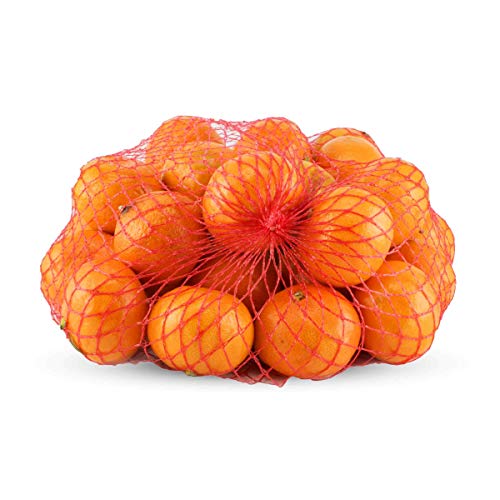
Best Selling Tangerine Related Products





When a Simple Citrus Habit Quietly Works
There is a point where you stop looking for visible results and start trusting patterns. That shift changes how you see something as simple as a tangerine.
Most people expect feedback they can notice. More energy. Fewer sick days. Clear signals that something is working. But with something like tangerine, the effect is quieter. It shows up in what does not happen as much as in what does.
You do not feel a surge after eating a tangerine. You feel normal. And over time, that steady normal starts to matter more than occasional highs and lows.
A consistent tangerine habit supports a baseline. It helps you avoid dips rather than creating peaks. That might sound underwhelming, but in practice, it is what holds everything together.
Think about how most routines fail. They rely on motivation. They depend on effort. They ask you to change too many things at once. Tangerine does the opposite. It fits into what you already do.
You reach for something quick. A tangerine is there.
You want something light after a meal. A tangerine works.
You need something portable. A tangerine is already portioned.
No decision fatigue. No preparation. No clean up.
That ease is not a small detail. It is the entire reason the habit sticks.
And once it sticks, a few things begin to shift in the background.
Your intake of vitamin C becomes consistent without tracking it. Instead of thinking about numbers, you are simply covering your needs through repetition. Since the body uses vitamin C continuously, this steady intake supports normal function without spikes or gaps.
Your food choices start to rebalance. When a tangerine replaces a processed snack even a few times a week, the overall pattern changes. Fewer added sugars. More fiber. More micronutrients. Not because you forced it, but because the easier option became the better one.
Your appetite adjusts in subtle ways. Whole fruits tend to satisfy differently than highly processed foods. The combination of water, natural sugars, and fiber changes how quickly you feel done eating. Over time, this influences portion control without any deliberate restriction.
And then there is the seasonal rhythm again. When tangerine shows up more often in colder months, it naturally aligns with a time when people think more about immunity. You do not need to engineer that habit. It tends to happen on its own if the fruit is available and visible.
None of this is dramatic. That is the point.
A simple citrus habit works because it does not try to do too much.
There is also a psychological layer that is easy to overlook. Small, repeatable actions build a sense of control. Not in an abstract way, but in a very direct one. You did something consistent today. You made one choice that supports your health. That matters more than occasional extreme efforts that never last.
You might not connect that feeling to something as ordinary as a tangerine, but it is there. Habits shape identity quietly.
At the same time, it helps to keep expectations grounded. Eating tangerine does not replace other factors that influence immunity and overall health. Sleep quality, stress levels, and overall diet still carry more weight. The value here is not substitution. It is support.
So where does that leave you in practical terms?
You do not need a target that feels rigid. You need a pattern that feels natural.
- Keep tangerine within reach
- Eat one when it fits without forcing it
- Let repetition build over days and weeks
If that turns into one tangerine most days, that already moves you in the right direction. If it becomes two or three on some days, even better. If you skip a day, nothing breaks.
That flexibility is part of what makes the habit sustainable.
There is also a point where you stop thinking about it entirely. Tangerine becomes part of your environment rather than a deliberate choice. You buy it without planning. You eat it without tracking. It blends into your routine the same way a cup of coffee or a glass of water does.
That is when it is working.
Not because you feel different overnight, but because you have removed friction from doing something that supports your body. And when enough of those low effort habits stack together, they create a pattern that holds up without constant attention.
Tangerine does not need to stand out to be useful. It just needs to show up, often enough, for long enough.
Article Sources
At AncientHerbsWisdom, our content relies on reputable sources, including peer-reviewed studies, to substantiate the information presented in our articles. Our primary objective is to ensure our content is thoroughly fact-checked, maintaining a commitment to accuracy, reliability, and trustworthiness.
- Carr, A. C., & Maggini, S. (2017). Vitamin C and immune function. Nutrients, 9(11), 1211. https://doi.org/10.3390/nu9111211
- National Institutes of Health, Office of Dietary Supplements. (2023). Vitamin C Fact Sheet for Health Professionals. https://ods.od.nih.gov/factsheets/VitaminC-HealthProfessional/
- U.S. Department of Agriculture, Agricultural Research Service. (2024). FoodData Central: Tangerines, raw. https://fdc.nal.usda.gov/
- Hemilä, H., & Chalker, E. (2013). Vitamin C for preventing and treating the common cold. Cochrane Database of Systematic Reviews, 2013(1), CD000980. https://doi.org/10.1002/14651858.CD000980.pub4
- Lee, J., & Kader, A. A. (2000). Preharvest and postharvest factors influencing vitamin C content of horticultural crops. Postharvest Biology and Technology, 20(3), 207–220. https://doi.org/10.1016/S0925-5214(00)00133-2
- Del Rio, D., Rodriguez Mateos, A., Spencer, J. P. E., Tognolini, M., Borges, G., & Crozier, A. (2013). Dietary polyphenolics in human health: Structures, bioavailability, and evidence of protective effects against chronic diseases. Antioxidants & Redox Signaling, 18(14), 1818–1892. https://doi.org/10.1089/ars.2012.4581
- World Health Organization. (2004). Vitamin and mineral requirements in human nutrition (2nd ed.). https://www.who.int/publications/i/item/9241546123
- Slavin, J. L., & Lloyd, B. (2012). Health benefits of fruits and vegetables. Advances in Nutrition, 3(4), 506–516. https://doi.org/10.3945/an.112.002154

- Phosphatidic Acid: Supporting Muscle Growth and Strength - July 31, 2026
- Ceramides: Supporting Healthy Skin From Within - July 31, 2026
- Synbiotics: Combining Prebiotics and Probiotics Together - July 31, 2026