
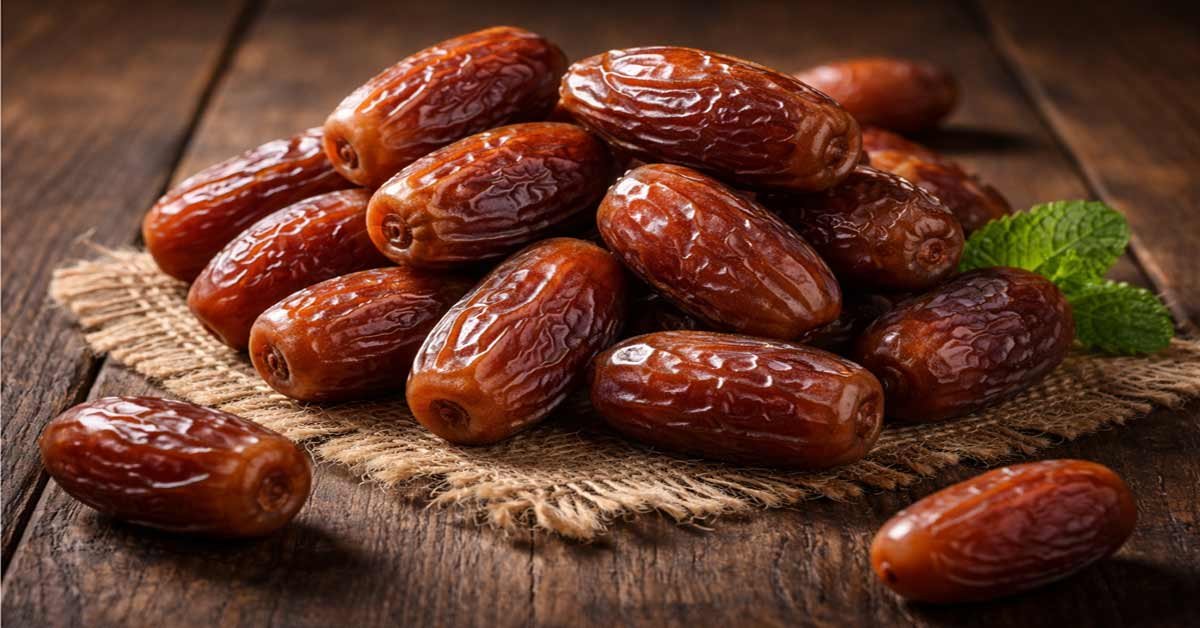
Sweet Energy in a Tiny Package: Discovering Date Fruit
Think of a food that’s been shared around campfires and in homes for thousands of years, that’s been a seasonal staple from North Africa to the Middle East and beyond, and yet still feels like a treat today. That’s date fruit — small in size, sweet in taste, and surprisingly rich in history and nutrients. Humans have cultivated the date palm (Phoenix dactylifera L.) for millennia, largely because its fruit is easy to store, provides quick sustenance in harsh climates, and fills a nutritional gap in everyday diets.
The texture of date fruit can almost surprise you. Imagine a ripe date, its skin slightly wrinkled, the flesh tender but with a gentle chew, and a taste that blends caramel and honey notes into each bite. That sweetness isn’t just enjoyable — it’s reflective of what’s inside. Date fruit contains a high proportion of natural sugars, mostly glucose and fructose, which make up roughly 60–75 percent of the mature fruit’s composition. These sugars provide a ready source of fuel whenever you need it.
Table of Contents


But date fruit isn’t just sugar in disguise. Its nutritional profile goes deeper, with a blend of carbohydrates, dietary fiber, minerals, vitamins, and bioactive compounds. These components work together to give date fruit its unique place in human food culture and make it interesting to researchers exploring functional foods — that is, foods with potential health-promoting effects beyond basic nutrition.

Let’s talk about that nutrition in a way you can almost taste. When you bite into a date, you’re experiencing:
- Carbohydrates and natural sugars. These are the main drivers of energy supply from date fruit. They’re the reason ancient travelers and athletes have turned to dates before long journeys or workouts. The sugars are rapidly available to the body’s energy systems, yet the presence of fiber can help temper how quickly they’re used.
- Dietary fiber. Beyond sweetness, dates are a good source of fiber, including both soluble and insoluble forms. Fiber adds bulk that the digestive system can’t break down, which slows the release of sugar into the bloodstream and helps keep your gut moving along more smoothly.
- Vitamins and minerals. While not abundant enough to rely on dates as your sole source of micronutrients, the fruit contains beneficial minerals like potassium, magnesium, and trace amounts of vitamins that contribute to general nutrient diversity in your diet.
What’s fascinating is how these elements interact, forming what researchers sometimes call “functional food.” The carbohydrates provide a burst of energy; the fiber makes the energy release more sustained and helps with digestion; and the other plant compounds — like phenolics and carotenoids — offer antioxidant properties, which is part of why date fruit continues to appear in scientific studies of food and health.
Despite its sweet reputation, date fruit isn’t a simple snack like candy. The fiber in dates slows the digestion of their natural sugars, which means the fruit can supply energy more steadily rather than causing a quick spike then crash in blood sugar. That’s one reason some people choose dates as a quick pre‑activity snack rather than processed sweets.
Imagine you’re hiking through a dry landscape. You reach for a couple of dates stashed in your pack. They’re easy to chew, they don’t spoil quickly simply because of how little moisture they contain, and they give you a quick shot of fuel. At the same time, the fiber gently nudges your digestive system, keeping things balanced on the trail. That mix of sweet and sustained energy is more than anecdote — it’s a big part of why date fruit has been valued across cultures for so long.
In short, date fruit feels small in your hand but carries a complex nutritional story: a blend of energy‑supplying carbohydrates, digestively supportive fiber, and an impressive scientific legacy stretching back thousands of years. Whether you’re biting into a date straight from the bunch or tossing a few into your morning bowl of oats, you’re engaging with food that has sustained countless generations.
Nutritional Power of Date Fruit: Fuel for Energy
When you pick up a date fruit, it’s easy to underestimate what’s packed into that small, sweet morsel. The fruit has a reputation for being just sugary and indulgent, but beneath its caramel-like sweetness is a nutrient profile that’s surprisingly functional, especially when it comes to energy. People have relied on dates for centuries not just for their flavor but for their ability to fuel the body in a natural, sustained way.
Natural Sugars That Sustain You
Dates are naturally rich in sugars, primarily glucose, fructose, and sucrose. Together, these sugars make up about 60–75 percent of a ripe date’s weight. That combination is key because each sugar is processed slightly differently by the body. Glucose is absorbed rapidly and provides a quick energy boost, while fructose takes a bit longer to metabolize, helping to extend the feeling of fuel. Sucrose bridges the two, giving both an immediate kick and a more gradual release.
This balance is why dates are often favored as a pre-workout snack or a midday energy booster. Unlike refined sugar found in candies or sodas, the natural sugar in dates comes with fiber and micronutrients that moderate absorption. A couple of dates before a long walk, a morning workout, or even a mentally demanding task can provide a gentle, steady lift.
Vitamins and Minerals That Enhance Vitality
Dates are more than just sugar carriers. They contain important minerals like potassium, magnesium, and small amounts of calcium and iron. Potassium, in particular, plays a key role in maintaining fluid balance and proper muscle function, which is essential when your body is active and burning energy. Magnesium supports energy metabolism at the cellular level, helping convert the food you eat into usable energy efficiently.
B vitamins, present in trace amounts in dates, also contribute to energy production. They act as co-factors in metabolic reactions, helping your body turn carbohydrates, fats, and proteins into fuel. Even if the quantities are modest, when combined with the natural sugars, fiber, and minerals, these nutrients make dates a compact package that supports both quick and sustained energy.
Fiber’s Role in Slow-Release Energy
One of the reasons date fruit doesn’t spike blood sugar as sharply as candy is its fiber content. Dates contain both soluble and insoluble fiber, each serving a role in digestion and energy release. Soluble fiber forms a gel-like substance in the gut, slowing the absorption of sugar and providing a more gradual rise in blood glucose. Insoluble fiber adds bulk to stool and supports regularity, which keeps the digestive system functioning smoothly.
This combination allows your body to enjoy the sweetness of dates without a dramatic energy crash. Fiber essentially acts as a buffer, transforming what could be a sharp sugar spike into a steady source of vitality that can last for hours. That’s why incorporating dates into snacks, oatmeal, or smoothies can make a noticeable difference in how sustained your energy feels.
In practical terms, a few dates paired with nuts, yogurt, or whole grains create a snack that balances natural sugar, fiber, and micronutrients. You’re not just eating sugar; you’re consuming a natural fuel source designed by nature to deliver energy thoughtfully and efficiently. Over time, small habits like including dates in your routine can help you maintain energy levels throughout the day without reaching for processed sweets.
In essence, the nutritional power of date fruit lies in its synergy: natural sugars that provide immediate fuel, minerals and vitamins that support the body’s energy systems, and fiber that regulates the pace of energy release. This makes date fruit an accessible, functional, and genuinely satisfying option whenever you need a boost.

Date Fruit and Digestion: Gentle Support for Your Gut
While the sweetness of date fruit is what draws most people in, its contribution to digestion is equally impressive. For a food that feels like a treat, dates quietly provide support for gut health, helping regulate the digestive system and offering compounds that may interact positively with the gut microbiota. Understanding these mechanisms helps explain why this humble fruit has been a staple across cultures for thousands of years.
Fiber Content and Digestive Health
Dates are naturally high in dietary fiber, which is central to their digestive benefits. The fiber is a mix of soluble and insoluble types, each serving complementary roles. Soluble fiber absorbs water and forms a gel-like substance in the intestines. This can help soften stool, making bowel movements smoother and less strained. Insoluble fiber adds bulk to the stool, helping it move efficiently through the digestive tract.
Regular consumption of dates can contribute to maintaining consistent bowel patterns. A few dates each day can provide a gentle nudge for digestion without discomfort. Many people notice that incorporating them into breakfast bowls, snacks, or desserts helps prevent sluggish digestion that can occur from diets low in fiber. Because fiber slows the absorption of sugars, it also contributes to a steadier release of energy, reinforcing the dual benefit of fueling the body while supporting the gut.
Polyphenols and Gut Microbiota
Beyond fiber, dates contain bioactive compounds called polyphenols. These plant-derived molecules have antioxidant properties, and emerging research suggests they may interact positively with gut bacteria. Polyphenols can act as substrates for certain beneficial microbes, helping maintain a diverse and balanced gut microbiota. A healthy microbiome contributes not only to digestive efficiency but also to overall metabolic and immune function.
Eating dates regularly introduces these polyphenols into the gut environment. While dates aren’t a probiotic food in the traditional sense, their polyphenols may help create conditions that favor the growth of friendly bacteria. This subtle, indirect support can enhance the overall health of your digestive system, especially when dates are combined with other fiber-rich foods like whole grains, legumes, or vegetables.
Practical Ways to Enjoy Dates for Digestion
Incorporating dates into your routine doesn’t have to be complicated. Here are some practical approaches that make the most of their digestive benefits:
- Morning oatmeal or porridge: Chop dates into your breakfast bowl for natural sweetness and extra fiber.
- Smoothies: Blend a couple of dates with yogurt, fruits, and leafy greens to create a gut-friendly beverage.
- Snack pairing: Dates with nuts or seeds offer a combination of fiber, protein, and healthy fats, slowing digestion and keeping you full longer.
- Stuffed dates: Filling dates with nut butter or soft cheese turns them into a balanced snack that’s easy on the stomach.
- Baking with whole dates: Using chopped dates in muffins or energy bars preserves fiber while enhancing flavor naturally.
The key is moderation. A handful of dates daily is sufficient to reap digestive benefits without overwhelming the system with sugar. Spread throughout the day or incorporated into meals, they work quietly to keep your gut moving and support healthy microbiota balance.
The digestive support offered by date fruit is both functional and enjoyable. Its combination of fiber and polyphenols makes it a natural choice for anyone looking to maintain smooth, comfortable digestion while enjoying a sweet, energizing snack.
Best Selling Date Fruit Related Products




A Sweet Habit That Makes a Difference
It’s easy to underestimate the impact of small, consistent choices, and date fruit is a perfect example. A handful of these naturally sweet, chewy fruits each day can quietly support both your energy and digestion without forcing major changes to your routine. Over time, what starts as a simple habit can create meaningful patterns in your diet and lifestyle.
The beauty of incorporating dates is their ease. They don’t require cooking, complicated preparation, or refrigeration. You can keep a small container on your desk, in your bag, or in the kitchen, and reach for one whenever you need a lift. That accessibility is part of what makes them a sustainable addition to daily life. Because they are sweet and satisfying, they often replace less nutritious snacks, creating a natural improvement in your overall dietary quality.
Habitual inclusion of dates also trains your body to receive energy in a steady, balanced way. Their fiber content slows the absorption of natural sugars, helping maintain more stable energy levels throughout the day. For someone who struggles with mid-morning crashes or late-afternoon fatigue, adding dates as a snack can feel surprisingly effective. Pairing them with a few nuts, a spoonful of yogurt, or a small portion of whole grains transforms a simple snack into a well-rounded mini-meal that supports both energy and digestion.
Dates also offer a gentle reminder to be mindful of your eating patterns. Because they are naturally sweet, a small portion is often satisfying enough to curb sugar cravings without overdoing it. Over weeks and months, this kind of habit can subtly shift how you approach snacking, encouraging choices that nourish rather than spike and crash your energy.
Even the act of preparing dates for your routine can become part of a mindful practice. Chopping them into oatmeal, blending them into smoothies, or stuffing them with nut butter creates moments of engagement with your food that go beyond just eating. These rituals reinforce both enjoyment and awareness, making the habit more sustainable and meaningful.
The value of date fruit lies in consistency. A small, daily habit—two or three dates in the morning or as a mid-afternoon snack—adds up over time. It provides natural energy, supports digestion, and encourages a thoughtful approach to sweet foods. When incorporated deliberately, date fruit can be more than a treat; it becomes a sweet habit that quietly supports your overall wellness in a sustainable, enjoyable way.
Article Sources
At AncientHerbsWisdom, our content relies on reputable sources, including peer-reviewed studies, to substantiate the information presented in our articles. Our primary objective is to ensure our content is thoroughly fact-checked, maintaining a commitment to accuracy, reliability, and trustworthiness.
- Al Farsi, M., & Lee, C. Y. (2008). Nutritional and functional properties of dates: a review. Critical Reviews in Food Science and Nutrition, 48(10), 877–887. https://doi.org/10.1080/10408390701724264
- Al-Shahib, W., & Marshall, R. J. (2003). The fruit of the date palm: its possible use as the best food for the future? International Journal of Food Sciences and Nutrition, 54(4), 247–259. https://doi.org/10.1080/09637480310001620392
- Zhang, H., Li, X., & Zhang, Q. (2021). Bioactive compounds and health-promoting properties of date fruit (Phoenix dactylifera L.): A review. Food Science & Nutrition, 9(8), 4316–4328. https://doi.org/10.1002/fsn3.2425
- Al-Farsi, M., Alasalvar, C., Morris, A., Baron, M., & Shahidi, F. (2005). Comparison of antioxidant activity, anthocyanins, carotenoids, and phenolics of three native fresh and sun-dried date (Phoenix dactylifera L.) varieties grown in Oman. Journal of Agricultural and Food Chemistry, 53(19), 7592–7599. https://doi.org/10.1021/jf050627v
- Bamousa, A. M., & El-Sohaimy, S. A. (2020). Date palm fruit (Phoenix dactylifera L.) as a functional food: Nutritional composition and health benefits. Journal of Functional Foods, 75, 104246. https://doi.org/10.1016/j.jff.2020.104246
- Mellinas, C., Jiménez, A., & Garrigós, M. C. (2019). Polyphenols in dates: Their role in gut microbiota and antioxidant capacity. Food Research International, 125, 108564. https://doi.org/10.1016/j.foodres.2019.108564
- Alkaabi, J., Al-Dabbagh, B., Al-Nuaimi, A., Al-Haddad, R., & Shahidi, F. (2013). Effects of date consumption on glycemic control and gut health: A systematic review. Nutrients, 5(12), 4791–4806. https://doi.org/10.3390/nu5124791

- Phosphatidic Acid: Supporting Muscle Growth and Strength - July 31, 2026
- Ceramides: Supporting Healthy Skin From Within - July 31, 2026
- Synbiotics: Combining Prebiotics and Probiotics Together - July 31, 2026