
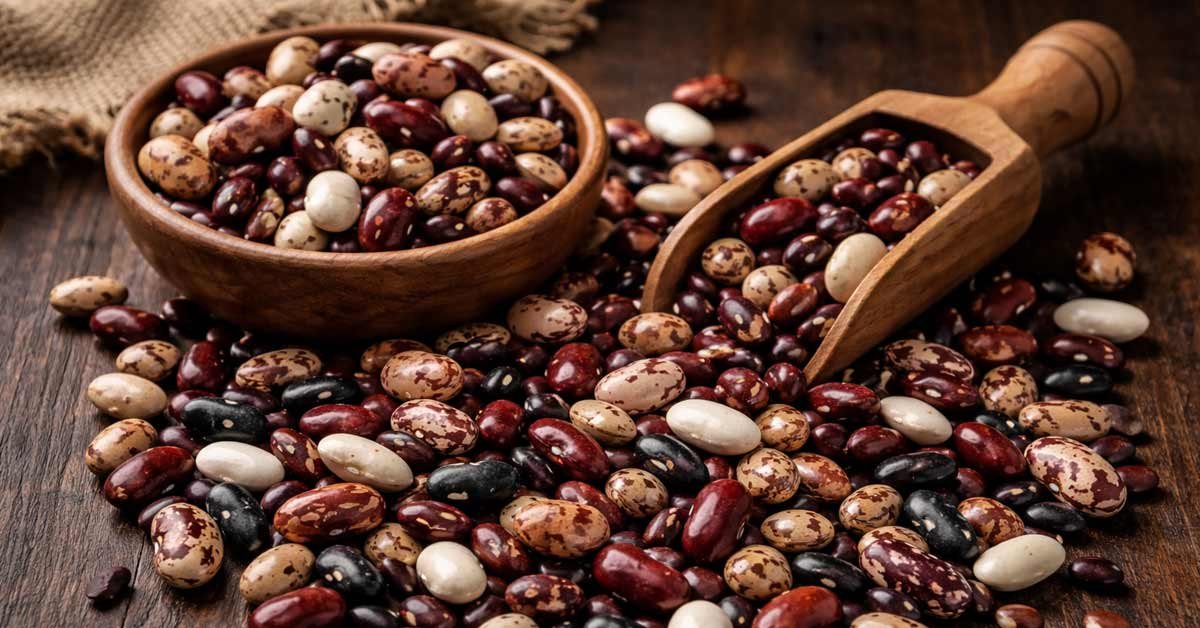
Why Bean Keeps Showing Up in Healthy Diets
There’s a reason bean keeps quietly showing up in every serious conversation about food that actually supports your body. It doesn’t rely on trends. It doesn’t need clever branding. You’ll find bean in traditional diets across continents, from simple rural kitchens to structured clinical nutrition plans. That kind of consistency usually points to something real.
What stands out first is how much bean delivers without asking much in return. It’s inexpensive, widely available, and adaptable to almost any style of eating. But more important than convenience is what’s inside. Bean brings together plant protein, fiber, and a range of micronutrients in a way that feels…complete. Not perfect, but solid. Reliable.
Table of Contents
You can look at it from a numbers perspective. A typical serving of cooked bean, around 150 grams, provides roughly:

- 7 to 10 grams of protein
- 6 to 9 grams of fiber
- Meaningful amounts of potassium, magnesium, and iron
That combination matters. Protein supports structure and repair. Fiber influences digestion and metabolic processes. Minerals like potassium and magnesium play a role in maintaining cardiovascular balance. Bean doesn’t specialize in just one thing. It covers multiple bases at once, and that’s part of why it keeps coming up.
There’s also something interesting about how bean fits into long term eating patterns. Populations that regularly include bean in their meals tend to show more stable markers related to heart health and digestion. It’s not because bean is doing something dramatic overnight. It’s because it becomes part of a steady rhythm. A bowl of lentils here, a chickpea stew there, a handful of beans folded into a salad without much thought.
That’s where the real value starts to show. Not in isolated moments, but in repetition.
The Quiet Strength of Nutrient Density
If you compare bean to many processed foods, the contrast is hard to ignore. You’re getting a high nutrient return for relatively low caloric cost. That’s what nutrient density actually means in practice. More substance, less excess.
But even compared to whole foods, bean holds its ground. It brings fiber levels that many people simply don’t reach in a typical day. Most diets fall short here, often by a wide margin. Adding bean regularly starts to close that gap without forcing major changes.
There’s also the protein angle. Plant protein doesn’t always get the same attention as animal sources, but in the context of a balanced diet, bean contributes meaningfully. Especially when combined with other foods like grains, it forms a more complete amino acid profile. Nothing complicated. Just basic food combinations that have worked for generations.
Why It Keeps Coming Back to Heart Health
When people think about heart health, they often jump to restrictions. Less fat. Less salt. Less of this, less of that. But bean shifts the focus slightly. It adds rather than removes.
The fiber in bean, particularly soluble fiber, interacts with cholesterol metabolism. Over time, regular intake can support healthier lipid profiles. Not in a dramatic, overnight way, but in a steady, measurable direction.
Then there’s potassium. Many people consume more sodium than they realize, and not enough potassium to balance it. Bean helps correct that imbalance. It supports normal blood pressure regulation simply by being included regularly.
It’s not flashy. It’s not immediate. But it’s consistent. And consistency is what actually moves the needle when it comes to heart health.
Digestion: The Part People Notice First
If there’s one area where bean makes its presence known quickly, it’s digestion. Sometimes a little too quickly.
You add bean to your meals, and within a day or two, you feel something shift. Maybe more regularity. Maybe a bit of bloating at first. That reaction tends to shape people’s opinions early on. Some stick with it. Others back off too soon.
The reality is that bean feeds the gut in a way that many modern diets don’t. The fiber isn’t just bulk. It interacts with the microbiota, the community of bacteria in your digestive system. That interaction produces compounds that influence gut function and, indirectly, other systems in the body.
But here’s the part people don’t always hear: your system needs time to adjust. If fiber intake has been low, suddenly increasing it through bean can feel uncomfortable. That doesn’t mean bean is the problem. It usually means the baseline was off.
Once intake becomes regular, digestion tends to settle into a more predictable rhythm. Less effort. More consistency. That’s when the benefits become noticeable in a way that feels natural rather than forced.
A Staple That Doesn’t Try Too Hard
There’s something refreshing about food that doesn’t need to prove itself. Bean doesn’t promise quick fixes. It doesn’t come with a complicated protocol. You cook it, you eat it, you repeat.
And over time, small things start to shift:
- Meals feel more satisfying
- Energy levels stay more stable
- Digestion becomes more predictable
Nothing extreme. Just steady improvements that build on each other.
That’s probably why bean keeps showing up, generation after generation. Not because it’s perfect, but because it works well enough, often enough, for long enough to matter.
And once it becomes part of your routine, it tends to stay there without much effort.
Bean and Heart Health: What Actually Moves the Needle
There’s a tendency to overcomplicate heart health. People start tracking single nutrients, cutting entire food groups, chasing precision that rarely holds up in real life. Then you look at how bean fits into the picture, and it feels almost too simple. Add it consistently, and several key markers begin to shift in the right direction.
That’s the part that matters. Not isolated effects, but how bean influences multiple systems at once. Cholesterol, blood pressure, dietary balance. None of these move dramatically overnight, but together they create a steady trend that’s hard to ignore.
Fiber and Cholesterol Regulation
This is where bean does some of its most measurable work. The soluble fiber in bean interacts with cholesterol metabolism in a very direct way.
Here’s the mechanism, stripped down to what actually matters. Soluble fiber forms a gel-like substance in the digestive tract. That gel binds to bile acids, which are made from cholesterol. When those bile acids are excreted instead of reabsorbed, your body needs to use circulating cholesterol to produce more. Over time, that process can lower LDL cholesterol.
You don’t need extreme intake to see an effect. A daily addition of bean, even in moderate amounts, contributes meaningfully to total fiber intake.
To make this concrete:
- If one serving of cooked bean provides about 7 grams of fiber
- And daily recommendations often sit around 25 to 38 grams
- Then one serving covers roughly 18 to 28 percent of that target
Calculation example:
7 ÷ 25 = 0.28 → 28%
7 ÷ 38 ≈ 0.18 → 18%
That’s not trivial. Most people fall short of fiber intake, sometimes by half. Bean helps close that gap without needing a full diet overhaul.
Over weeks and months, this shows up as gradual improvements in cholesterol markers. Not dramatic drops, but consistent downward movement that supports heart health in a practical, sustainable way.
Plant Protein and Cardiovascular Balance
Protein is often framed as a quantity issue. How much you’re getting. But the source matters just as much, especially when you zoom out and look at long term heart health.
Bean provides plant protein without the saturated fat that often comes with certain animal sources. That alone changes the equation. When bean replaces part of the animal protein in a diet, you’re not just adding something beneficial. You’re also reducing something that can be problematic when consumed in excess.
This kind of swap happens naturally in many traditional eating patterns:
- A meat heavy dish becomes bean based a few times a week
- Ground meat gets partially replaced with bean in stews or sauces
- Bean becomes the main protein in soups or salads
You don’t need perfection here. Even partial replacement can shift overall intake in a meaningful way.
There’s also the satiety factor. Bean tends to keep you full longer. That’s not just about protein. It’s the combination of protein and fiber working together. When meals are more satisfying, people tend to snack less on ultra processed foods that often work against heart health.
So the effect is layered:
- Lower saturated fat intake
- Higher fiber intake
- More stable eating patterns
That combination supports cardiovascular balance in a way that feels natural, not forced.
Potassium, Magnesium, and Blood Pressure Support
Blood pressure is heavily influenced by mineral balance. Sodium usually gets the spotlight, but potassium and magnesium deserve just as much attention.
Bean delivers both.
Potassium helps regulate fluid balance and supports normal blood vessel function. When potassium intake is adequate, it helps counteract the effects of excess sodium. Many diets skew heavily toward sodium and fall short on potassium. Bean helps correct that imbalance.
Magnesium plays a quieter role, but it’s just as important. It contributes to vascular tone and supports the relaxation of blood vessels. Low magnesium intake has been associated with less favorable blood pressure patterns.
Let’s look at rough numbers again. A serving of cooked bean can provide:
- Around 400 to 600 mg of potassium
- Around 40 to 80 mg of magnesium
Daily targets:
- Potassium: about 2,600 to 3,400 mg depending on the individual
- Magnesium: about 310 to 420 mg
So one serving of bean can cover:
- Potassium: roughly 12 to 23 percent
- Magnesium: roughly 10 to 25 percent
These aren’t small contributions. And when bean shows up regularly, those percentages stack.
Blood pressure doesn’t respond well to extremes. It responds to consistent patterns. Adequate mineral intake, steady hydration, balanced meals. Bean fits into that pattern without requiring special effort.
Real-World Eating Patterns That Support Heart Health
This is where things either work or fall apart. You can understand all the mechanisms in the world, but if it doesn’t translate into daily eating, it doesn’t matter.
Bean works because it integrates easily into real meals.
Think about how it actually shows up:
- A bowl of bean soup that replaces a heavier, processed meal
- A salad with bean added for substance, not just texture
- A simple dish of rice and bean that feels complete without being complicated
These aren’t “health foods” in the trendy sense. They’re just normal meals that happen to support heart health.
Across different cultures, similar patterns appear:
- Mediterranean diets include bean regularly alongside vegetables and olive oil
- Latin American meals often center around rice and bean combinations
- Middle Eastern cuisine uses bean in spreads, stews, and salads
What these patterns have in common is consistency. Bean isn’t occasional. It’s routine.
And that’s the part that actually moves the needle. Not a single “perfect” meal, but repeated exposure to foods that support heart health over time.
If you step back, the appeal of bean becomes obvious. It doesn’t require strict rules. It doesn’t depend on expensive ingredients. It just needs to show up on your plate often enough to matter.
Do that, and the effects on heart health stop being theoretical. They become part of your baseline.
Bean and Digestion: Subtle Effects That Add Up Over Time
Bean has a reputation for being good for digestion, but it’s not the instant “fix” that marketing sometimes suggests. The effects are subtle, cumulative, and often surprising. What happens isn’t just about moving food along—it’s about feeding your system in a way that supports balance, resilience, and long-term gut function.
When you introduce bean regularly, you start noticing differences that aren’t flashy but feel significant. Meals feel more satisfying, your bowel movements may become more predictable, and your body starts to settle into a rhythm that seems effortless. That’s the quiet magic of consistent fiber and plant-based nutrients working over time.
Fiber Diversity and Gut Motility
One of the main ways bean affects digestion is through fiber. But not all fiber is created equal. Bean offers both soluble and insoluble fiber, and the combination matters more than you might think.
- Soluble fiber forms a gel in the gut, slowing digestion slightly and helping regulate blood sugar. It also softens stool, making it easier to pass.
- Insoluble fiber adds bulk and supports regular bowel movements, helping prevent constipation.
A serving of cooked bean delivers roughly 6 to 9 grams of fiber. That’s a significant chunk of the recommended daily intake (25–38 grams), especially when you consider that many people fall short without realizing it. Adding bean gradually helps the gut adapt, improving motility over weeks and months.
It’s not a dramatic change at first. You won’t suddenly notice a perfectly timed digestive clock. But over time, the consistency adds up. Your gut learns to handle more fiber, and the combination of soluble and insoluble fibers in bean keeps things moving smoothly.
Prebiotic Effects and Gut Microbiota
The influence of bean doesn’t stop at bulk. Some components of bean act as prebiotics—substances that feed beneficial bacteria in the gut. These bacteria ferment certain fibers, producing short-chain fatty acids like butyrate, which support the intestinal lining and overall gut health.
Think of it like gardening. The fiber is the fertilizer, and your gut microbiota are the plants. Regularly adding bean encourages a more diverse and balanced ecosystem. That diversity doesn’t just help digestion. Research suggests it may influence inflammation and even metabolic processes throughout the body.
Even small, consistent servings matter. A single portion of bean can feed beneficial bacteria and contribute to a more robust microbiome. Over weeks, this quiet influence can lead to noticeable differences in how your digestive system feels and functions.
Why Bean Can Feel Hard to Digest at First
If you’ve ever eaten too much bean too quickly, you know it can cause bloating, gas, or even mild cramping. That’s usually because the gut is not yet adapted to the type and amount of fiber, along with oligosaccharides in bean that ferment in the large intestine.
It’s important to recognize that this initial discomfort is normal. It’s not a sign that bean is bad for digestion. It’s a signal that your system needs time to adjust. The bacteria responsible for fermenting these fibers need to grow in response to the new food source. Once they adapt, the bloating diminishes and digestion becomes smoother.
The takeaway is patience. Gradual introduction works far better than trying to eat a large amount at once. The benefits accumulate over time, and once your gut adapts, the initial side effects usually fade.
Practical Ways to Improve Digestive Tolerance
There are simple strategies to make the adjustment easier without sacrificing the benefits:
- Soaking and Rinsing: Soaking dry beans for several hours or overnight before cooking reduces some of the fermentable compounds, making them gentler on the gut.
- Cooking Thoroughly: Fully cooked beans are easier to digest. Pressure cooking can also help break down fiber structures.
- Start Small, Increase Gradually: Begin with half a serving and slowly work up to a full portion over several days or weeks. This gives gut bacteria time to adapt.
- Combine with Other Foods: Adding beans to mixed dishes with grains or vegetables can slow fermentation and ease digestive load.
- Mind Hydration: Fiber works best when there’s adequate water in the digestive system, so pairing bean meals with sufficient fluids helps motility.
With these steps, most people find that the benefits of bean for digestion outweigh the initial discomfort. Over time, fiber intake becomes more manageable, gut microbiota diversity increases, and bowel regularity improves naturally.
Bean isn’t about dramatic, immediate shifts in digestion. Its strength lies in slow, steady influence. By showing up regularly on your plate, it creates a foundation for digestive resilience, feeding both your gut and your overall health in ways that add up quietly but meaningfully.
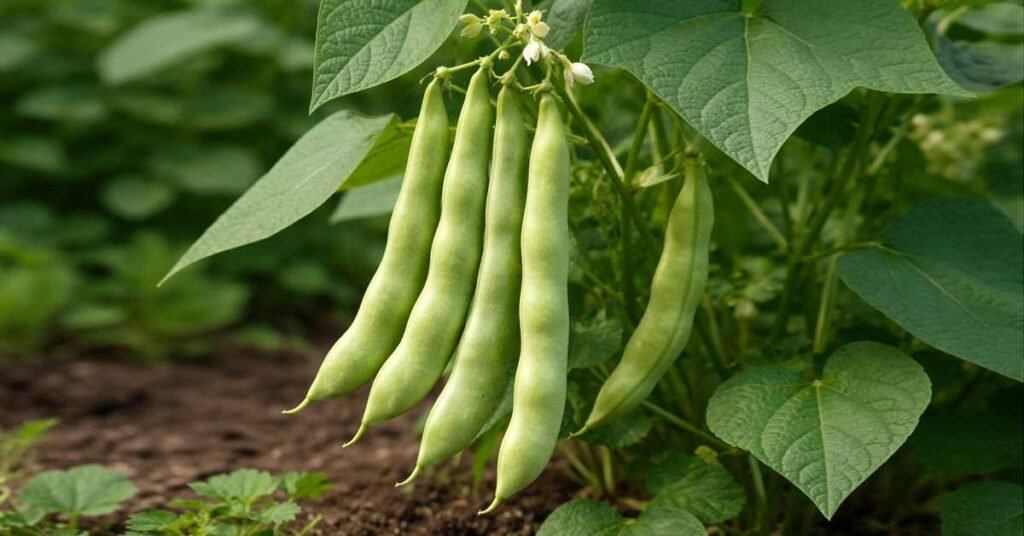
Making Bean Part of Your Routine Without Overthinking It
Bean works best when it becomes a natural part of your daily rhythm, not a chore or a rigid health task. The goal isn’t to obsess over servings or timing—it’s to make small, consistent choices that stack over time. Once you approach bean as a versatile, approachable ingredient, it stops feeling like an extra step and starts feeling like a foundational component of everyday meals.
Buying, Storing, and Preparing Bean
The first step is understanding what you’re working with. Bean comes in several forms, each with its own pros and cons.
- Dry beans: Cost-effective, shelf-stable, and extremely versatile. They require soaking or longer cooking, but the payoff is rich texture and flavor. Dry beans also let you control sodium and additives.
- Canned beans: Convenient and ready-to-use, though often higher in sodium. Rinsing them under water removes much of the excess salt and some of the compounds that can cause gas.
Storage is simple: dry beans last for years in a cool, dry place; canned beans are good until the expiration date. Once cooked, beans can be refrigerated for up to five days or frozen in portions for easy access. Preparing beans in bulk is an underrated strategy—cook a large batch and use them throughout the week in different dishes, saving time and mental energy.
Cooking methods vary, but basic principles remain the same: soak if dry, cook until tender, season afterward. Pressure cookers or slow cookers make the process nearly effortless. The goal isn’t perfection; it’s making bean ready and available so you can toss it into meals without second-guessing.
Easy Meal Ideas That Don’t Feel Forced
Once bean is ready, incorporating it doesn’t need to feel like a “health project.” The key is versatility and familiarity.
- Soups and stews: Add cooked beans to broths or vegetable-based soups. They thicken the dish and provide protein and fiber without changing the flavor drastically.
- Salads: Toss a handful of beans into salads. They add substance, texture, and satiety without taking over.
- Stir-ins and skillet dishes: Beans can complement grains, vegetables, or lean proteins in a single-pan meal.
- Spreads and dips: Mash beans into hummus-style dips or bean spreads. They work well with whole-grain bread, crackers, or as a vegetable dip.
The trick is not to force them into every dish. A few well-placed servings each week are enough to deliver tangible benefits.
Pairing Bean for Better Nutrient Balance
Bean is a strong foundation, but pairing it thoughtfully amplifies its impact. Combining bean with grains like rice, quinoa, or whole-wheat pasta provides complementary amino acids for more complete protein. Adding vegetables introduces additional fiber, antioxidants, and micronutrients. Including healthy fats like olive oil or avocado supports nutrient absorption and satiety.
The idea is simple: let bean be part of a balanced plate rather than the sole focus. Meals that include beans alongside other nutrient-dense foods tend to be more satisfying and nutritionally balanced, which increases the likelihood that the habit sticks long-term.
How Much Bean Makes Sense Day to Day
Intake doesn’t need to be exact. Realistically, one to two servings of bean per day is sufficient for most people to notice digestive and heart health benefits without feeling overwhelmed.
- One serving: roughly 150 grams of cooked bean, or about three-quarters of a cup
- Two servings: closer to 300 grams, or one and a half cups, which can be distributed across meals
Starting with one serving a day and gradually increasing allows your digestive system to adjust while still delivering meaningful fiber, protein, and mineral intake. Consistency matters more than volume—showing up with a moderate portion daily or a few times per week is enough to create lasting effects.
By focusing on simple storage, preparation, and integration strategies, bean stops being an “extra” food and becomes part of the normal flow of meals. The more effortless it feels, the more likely it is to stick. Over time, these small additions accumulate into tangible improvements in digestion, satiety, and heart health markers without requiring rigid planning or overthinking.
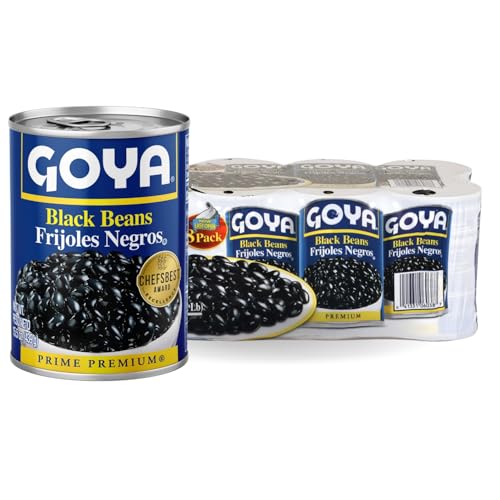
Best Selling Beans Related Products




When a Simple Bean Habit Starts to Show Results
At first, adding bean to your routine feels like a quiet experiment. You toss some into a salad, fold it into a stew, or make a batch of bean soup over the weekend. Nothing dramatic happens immediately. Then, slowly, the subtle benefits begin to accumulate in ways you can actually feel.
One of the first changes people notice is digestion. Regular intake of bean helps maintain more predictable bowel movements. You may feel lighter, less bloated, and generally more comfortable after meals. That steady effect is the outcome of fiber diversity and gut adaptation. It isn’t about instant results or extreme reactions—it’s the cumulative shift that makes everyday life feel smoother.
Heart health changes also emerge quietly. Over weeks, the combination of soluble fiber, plant protein, and minerals like potassium begins to support cardiovascular balance. Your diet doesn’t need perfection for these benefits to appear. Replacing just a portion of animal protein with bean and adding a few servings across the week is enough to produce measurable, long-term effects. These aren’t dramatic leaps; they’re incremental improvements that stack over time.
Satisfaction and satiety are additional, often overlooked benefits. Meals that include bean tend to keep you fuller for longer, reducing the urge for mindless snacking. That stability in appetite can indirectly reinforce heart-healthy choices and improve overall energy management. You start noticing that you’re less drawn to overly processed options because your meals simply “hold” you better.
Beyond the physiological impacts, there’s a psychological shift. Seeing how easily bean integrates into daily routines without demanding constant attention builds confidence. It proves that meaningful dietary improvements don’t require complex protocols or restrictive rules—they just need consistent, simple habits. This is where small, repeatable actions become surprisingly powerful: one batch of bean soup on Sunday can influence your week in practical, measurable ways.
Over months, the cumulative effects of a simple bean habit extend beyond digestion and heart health markers. You may notice steadier energy levels, a greater variety in meals without extra effort, and a subtle sense of overall well-being. That’s the real strength of bean: it doesn’t demand perfection, it doesn’t promise instant change, but it quietly supports foundational aspects of health that matter day to day.
At this stage, habit and results feed each other. The more you include bean, the easier it becomes to maintain, and the benefits continue to compound. What started as a small adjustment becomes a seamless part of your lifestyle. And when you look back, it’s clear that these simple, consistent choices—sometimes as modest as one serving of bean a day—are the ones that actually move the needle in meaningful, lasting ways.
Article Sources
At AncientHerbsWisdom, our content relies on reputable sources, including peer-reviewed studies, to substantiate the information presented in our articles. Our primary objective is to ensure our content is thoroughly fact-checked, maintaining a commitment to accuracy, reliability, and trustworthiness.
- Sangiovanni, E., Brivio, P., Dell’Agli, M., & Calabrese, F. (2017). Botanicals as Modulators of Neuroplasticity: Focus on BDNF. Neural Plasticity, 2017, 5965371. https://doi.org/10.1155/2017/5965371
- Slavin, J. L. (2013). Fiber and Prebiotics: Mechanisms and Health Benefits. Nutrients, 5(4), 1417–1435. https://doi.org/10.3390/nu5041417
- Bazzano, L. A., Thompson, A. M., Tees, M. T., Nguyen, C. H., & Winham, D. M. (2011). Non-soy legume consumption lowers cholesterol levels: A meta-analysis of randomized controlled trials. Nutrition, Metabolism & Cardiovascular Diseases, 21(2), 94–103. https://doi.org/10.1016/j.numecd.2009.10.014
- Micha, R., Peñalvo, J. L., Cudhea, F., Imamura, F., Rehm, C. D., & Mozaffarian, D. (2017). Association Between Dietary Factors and Mortality From Heart Disease, Stroke, and Type 2 Diabetes in the United States. JAMA, 317(9), 912–924. https://doi.org/10.1001/jama.2017.0947
- World Health Organization. (2020). Healthy diet. https://www.who.int/news-room/fact-sheets/detail/healthy-diet
- McRorie, J. W., & McKeown, N. M. (2017). Understanding the Physics of Functional Fibers in the Gastrointestinal Tract: Insights for Health Benefits. Journal of Nutrition, 147(5), 859–870. https://doi.org/10.3945/jn.116.242493
- Harvard T.H. Chan School of Public Health. (n.d.). The Nutrition Source: Beans and Legumes. https://www.hsph.harvard.edu/nutritionsource/food-features/beans-and-legumes/
- Thompson, L. U., Chen, J., Li, T., Strasser-Weippl, K., & Goss, P. E. (2016). Diet, Gut Microbiome, and Cardiovascular Health: The Role of Plant Protein and Fiber. Current Atherosclerosis Reports, 18(12), 70. https://doi.org/10.1007/s11883-016-0615-0
- Hu, F. B., & Willett, W. C. (2002). Optimal diets for prevention of coronary heart disease. JAMA, 288(20), 2569–2578. https://doi.org/10.1001/jama.288.20.2569

- Phosphatidic Acid: Supporting Muscle Growth and Strength - July 31, 2026
- Ceramides: Supporting Healthy Skin From Within - July 31, 2026
- Synbiotics: Combining Prebiotics and Probiotics Together - July 31, 2026