
When a Simple Pod Starts Doing More Than Expected
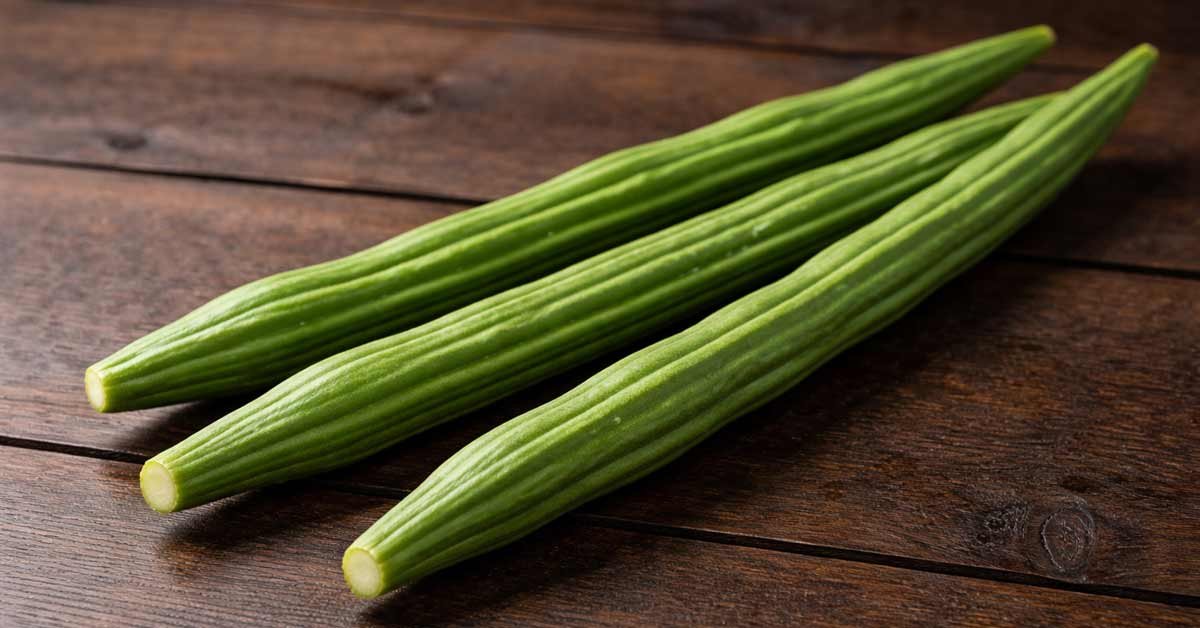
There’s a moment that happens with certain foods. You don’t plan it. You’re not chasing a health trend. You just start using something regularly, almost out of habit, and then one day you notice things feel… smoother. Digestion isn’t something you think about as much. Meals sit better. Energy feels more stable. That’s often how drumstick, the long, slightly ridged pods of the moringa tree, quietly enters the picture.
Drumstick doesn’t announce itself the way some “superfoods” do. It’s not flashy. It doesn’t come with bold claims on packaging. In many parts of the world, especially across South Asia and parts of Africa, drumstick has been used in everyday cooking for generations. It ends up in soups, stews, lentil dishes. Not as a supplement. Just food. That alone says something worth paying attention to.
Table of Contents


When you look at drumstick from a practical, food-first perspective, two things stand out immediately: its relationship with digestion and its contribution of vitamin C. These aren’t isolated traits. They tend to show up together in ways that feel more integrated than what you get from isolated nutrients or fortified products.

Take digestion first. Drumstick has a kind of texture that tells you something before you even think about nutrients. When cooked, the outer layer softens but keeps structure, while the inside becomes tender and fibrous. Eating it isn’t passive. You chew it, work through it. That mechanical aspect matters more than most people realize. It slows things down just enough, encourages better chewing, and sets the stage for the rest of the digestive process to do its job properly.
Then there’s the internal composition. Drumstick contains a mix of soluble and insoluble fiber, which tends to create a more balanced digestive response than foods that lean heavily in one direction. Some fibers help move things along. Others help feed gut bacteria. With drumstick, you’re not forcing one effect. You’re supporting a system that already knows what to do when given the right inputs.
People who start including drumstick regularly often describe subtle changes rather than dramatic shifts:
- Meals feel lighter afterward
- Less bloating after heavier dishes
- More predictable digestion day to day
These aren’t dramatic transformations. They’re small corrections that add up over time. And that’s usually how real dietary change works when it’s sustainable.
Now layer vitamin C into that picture. It’s easy to think of vitamin C only in terms of citrus fruits or supplements, but drumstick brings it in a different context. You’re not consuming it in isolation. You’re getting it alongside fiber, plant compounds, and water content that influence how it’s handled in the body.
Vitamin C plays a role in maintaining the integrity of tissues, supporting normal immune function, and helping with the absorption of certain nutrients. But when it comes from whole foods like drumstick, it tends to arrive in a steadier, less concentrated way. That matters. Instead of a spike, you get a more gradual contribution that fits into the rhythm of a normal diet.
There’s also something to be said about how drumstick is usually cooked. It’s rarely eaten raw. It’s simmered, stewed, or pressure-cooked into dishes that already contain spices, fats, and other vegetables. That environment affects how nutrients behave. Some vitamin C is sensitive to heat, yes, but the overall dish often becomes easier to digest and more satisfying, which changes how often you actually want to eat it. Consistency beats perfection here.
If you’ve ever had a bowl of lentil soup with drumstick pieces in it, you know the experience. You don’t rush through it. You pause to scrape the soft inner pulp from the pod with your teeth. It slows the meal down. That alone can shift digestion in a meaningful way. Eating speed, chewing, attention, these things aren’t usually listed in nutrition charts, but they shape outcomes just as much as vitamins and minerals.
Another detail that tends to get overlooked is how drumstick fits into real routines. It’s not a snack food. It’s not something you grab on the go. You cook it. You sit down with it. That creates a different relationship with food. Meals become more deliberate, less reactive. Over time, that shift supports digestion in ways that go beyond any single nutrient.
From a broader nutritional standpoint, drumstick also carries small amounts of minerals and plant compounds that complement its main roles. Nothing extreme. Nothing isolated. Just a steady background presence that supports the body’s existing processes. That’s a theme you’ll notice if you pay attention to traditional diets. Foods aren’t used for one function. They’re part of a pattern.
There’s a tendency to look for standout ingredients that solve specific problems quickly. Drumstick doesn’t really fit that model. It works better when you stop expecting immediate results and start noticing patterns. How do you feel after a week of including it a few times? What changes after a month? Those are the questions that actually matter.
And then there’s the practical side. Drumstick is accessible in many markets, often sold fresh or frozen. It stores reasonably well. It adapts to different cooking styles. You don’t need a complicated recipe to make it work. In fact, the simpler the preparation, the more clearly you notice its effects.
So when you think about drumstick, it helps to shift the perspective slightly. Instead of asking what it promises, look at what it consistently does when it becomes part of your routine. Better digestion isn’t usually the result of one dramatic change. It’s the outcome of small, repeatable choices. Drumstick just happens to be one of those choices that quietly supports that process, while bringing along a steady contribution of vitamin C in a form your body already knows how to use.
It’s not about adding something exotic to your diet. It’s about recognizing when a simple food starts pulling more weight than expected.
Why Drumstick Has a Real Impact on Digestion
You can usually tell when a food genuinely supports digestion because the effects are consistent. Not dramatic. Not unpredictable. Just steady. Drumstick falls into that category. When it shows up regularly in meals, digestion tends to become more reliable, less reactive. That alone is worth paying attention to.
The reason sits in how drumstick is built. Not just nutritionally, but physically. The structure of the pod, the type of fiber it carries, and the way it’s eaten all contribute to how it behaves once it reaches your digestive system.
Fiber Structure and Gut Movement
Drumstick is one of those foods where texture and function line up almost perfectly. The outer pod contains more structured, fibrous material. The inner pulp is softer, more soluble. You end up getting both types of fiber in a single bite, and that combination matters.
In simple terms:
- Insoluble fiber adds bulk and helps move food through the digestive tract
- Soluble fiber absorbs water and forms a gel-like consistency, slowing digestion slightly
Drumstick doesn’t overload either side. It balances them.
That balance tends to create a more natural rhythm in digestion. Not too fast. Not sluggish. Just consistent movement. People often notice that meals feel more complete when drumstick is included, especially in dishes that might otherwise feel heavy.
There’s also a mechanical side that gets overlooked. Eating drumstick usually involves chewing through the pod and scraping the inner pulp. It takes effort. That slows down how quickly you eat, which gives your digestive system a head start.
Better chewing leads to:
- Smaller food particles entering the stomach
- More efficient enzyme activity
- Less strain during later stages of digestion
You don’t need to measure anything to notice this. It’s built into the experience of eating drumstick. And over time, that small shift in eating behavior can have a real impact.
Another detail that stands out is how drumstick behaves in cooked dishes. When simmered, it absorbs liquid but doesn’t collapse completely. It holds structure. That means it continues to contribute bulk as it moves through the digestive tract, supporting regular movement without feeling harsh or irritating.
This is where many processed fiber sources fall short. They often push digestion in one direction. Drumstick supports the system more evenly.
How Drumstick Interacts with Gut Bacteria
Digestion isn’t just about movement. It’s also about what happens at a microbial level. Your gut bacteria rely on certain types of fiber to function properly, and drumstick provides material that these microbes can actually use.
The soluble portion of drumstick fiber acts as a substrate for fermentation. In plain terms, gut bacteria break it down and produce compounds that support the environment inside the colon.
These compounds, often referred to as short-chain fatty acids, play a role in:
- Supporting the lining of the gut
- Helping maintain a balanced microbial environment
- Contributing to overall digestive stability
You don’t feel this happening directly. What you notice instead are the indirect effects. Less fluctuation. Fewer moments where digestion feels off.
There’s also something interesting about how drumstick is typically consumed. It’s rarely eaten alone. It shows up in meals that include legumes, spices, and fats. That combination creates a more diverse input for gut bacteria.
For example, a simple dish with drumstick and lentils brings together:
- Different fiber types
- Resistant starches
- Plant compounds from spices
That diversity matters. Gut bacteria respond better to a varied diet than to isolated nutrients. Drumstick fits into that pattern naturally.
Another point worth noting is tolerance. Some high-fiber foods can cause discomfort if introduced too quickly. Drumstick tends to be gentler, especially when cooked properly. The fiber is softened, partially broken down, and easier for the body to handle.
That makes it more practical for regular use. You don’t have to approach it cautiously once you’re used to it. It becomes part of the routine rather than something you manage carefully.
Traditional Use and What It Suggests
If you want to understand how a food affects digestion, it helps to look at how it’s been used over time. Drumstick has a long history in traditional diets, especially in Indian cooking, where it’s a common ingredient in dishes like sambar.
What stands out isn’t just that it’s used. It’s how it’s used.
- It’s often combined with lentils, which already support digestion
- It’s cooked slowly, allowing fibers to soften
- It’s paired with spices like turmeric, cumin, and mustard seeds
These combinations aren’t random. They reflect patterns that have been refined over generations based on how foods feel and perform in the body.
There’s also a consistency in how often drumstick appears. It’s not treated as an occasional addition. It’s part of regular meals. That frequency is important. Digestive support doesn’t come from isolated servings. It comes from repetition.
Traditional preparation methods also reduce potential friction in digestion. Cooking breaks down tougher plant structures, making nutrients and fibers more accessible. At the same time, the overall dish becomes easier to process.
You can see this clearly when comparing raw versus cooked intake. Raw plant fibers can be harder to tolerate in large amounts. Cooked drumstick, on the other hand, tends to feel lighter and more manageable, even when eaten regularly.
There’s another subtle point here. Drumstick is often eaten in a way that requires attention. You don’t just swallow it. You interact with it. That slows the meal down and creates a more mindful eating pattern, which indirectly supports digestion.
Over time, these small factors stack up:
- Balanced fiber intake
- Consistent inclusion in meals
- Cooking methods that improve digestibility
- Eating patterns that support proper breakdown of food
None of this is extreme. That’s exactly why it works.
Drumstick doesn’t force digestion in a specific direction. It supports the system as it is, giving it the materials and conditions it needs to function well. And when that support is consistent, the results tend to follow without much effort.
Vitamin C in Drumstick: More Than a Supporting Role
Vitamin C often gets reduced to a headline: “Supports immunity.” But when you look closer, especially in the context of whole foods like drumstick, its role is subtler and more nuanced. It doesn’t operate in isolation; it interacts with fibers, water content, and other plant compounds to create a more integrated effect. That makes drumstick a particularly interesting source of this essential nutrient.
Natural Vitamin C Content and Stability
Drumstick pods are surprisingly rich in vitamin C. On average, 100 grams of raw drumstick can provide roughly 120 milligrams of vitamin C, which already meets or exceeds the daily recommended intake for many adults. This is impressive for a vegetable that isn’t widely recognized outside traditional diets.
Unlike isolated vitamin C in tablets, the nutrient in drumstick is embedded within a matrix of fiber, water, and phytonutrients. This natural packaging influences its stability. Vitamin C is notoriously sensitive to heat, light, and oxygen, yet the structure of drumstick pods helps buffer some of that loss during cooking.
Steaming or simmering drumstick for short periods tends to preserve a significant portion of its vitamin C. Longer, high-heat cooking will degrade some of it, but even then, the fiber and water content provide a protective effect compared to more delicate sources like citrus juice. In practice, this means that traditional cooking methods—simmering drumstick in stews or soups—deliver a steady dose of vitamin C that integrates naturally into the meal, rather than a sudden spike that passes quickly through the body.
It’s also worth noting that drumstick leaves, often used in cooking alongside the pods, are exceptionally rich in vitamin C, sometimes containing higher concentrations than the pods themselves. Including both pods and leaves in dishes can create a layered source of vitamin C that works synergistically with fiber and other micronutrients.
How Vitamin C from Whole Foods Behaves Differently
Vitamin C from whole foods like drumstick behaves differently in the body compared to supplements. When consumed in its natural context:
- Absorption is gradual, reducing spikes in plasma levels
- It interacts with plant fibers that modulate gut transit
- It reaches tissues alongside other phytonutrients that influence antioxidant activity
This means the vitamin C in drumstick isn’t just “delivered” for a single purpose. It participates in broader nutrient networks. For example, combining vitamin C with fiber slows digestion slightly, which can improve mineral absorption elsewhere in the meal. This is especially relevant for nutrients like iron, where vitamin C enhances uptake from plant sources.
The natural balance also reduces gastrointestinal discomfort that sometimes occurs with high-dose supplements. Drumstick provides moderate amounts of vitamin C repeatedly, which tends to be gentler and more sustainable than a single large pill.
Pairing Drumstick for Better Nutrient Retention
How you pair drumstick in cooking can further influence vitamin C retention and overall nutrient availability. A few practical strategies make a noticeable difference:
- Combine with healthy fats: Small amounts of oil or coconut milk, common in traditional recipes, can improve the bioavailability of fat-soluble compounds in the dish and create a more balanced meal.
- Minimize high-heat exposure: Simmer rather than deep-fry. Short cooking times preserve both vitamin C and the pod’s fiber structure.
- Include complementary vegetables: Pairing drumstick with tomatoes, bell peppers, or leafy greens can create a broader nutrient profile without overwhelming any single vitamin or mineral.
- Maintain moisture: Cooking in liquid, like in soups or stews, reduces direct oxidation of vitamin C and protects its structure during heat exposure.
Even small changes in preparation make the difference between a meal that delivers nutrients efficiently and one that diminishes them. Drumstick’s resilience in cooking, combined with these pairing strategies, allows it to contribute meaningful vitamin C while still supporting digestion and overall nutrient balance.
Drumstick offers more than just fiber and bulk. Its vitamin C content, naturally protected and integrated into meals, supports your body in a way that feels subtle but consistent. Over time, this dual support—digestive and nutritional—adds up, reinforcing why drumstick deserves a regular place on the plate.
Making Drumstick a Practical Part of Everyday Eating
Including drumstick in your daily routine doesn’t have to be complicated or intimidating. With a few simple strategies for selection, storage, and preparation, it can become as natural as adding onions or tomatoes to your meals. Understanding how to handle it properly ensures you get the digestive benefits and vitamin C intact, while keeping dishes tasty and convenient.
How to Select, Store, and Prepare Drumstick
When choosing drumstick, freshness is key. Look for pods that are firm, unblemished, and uniformly green. Avoid pods that feel soft, wrinkled, or discolored, as these are often older and may have lost some nutritional value. Freshness also influences texture—crisp, tender pods cook evenly and retain more fiber.
Storage depends on how quickly you plan to use them. Fresh drumstick can be kept in the refrigerator, ideally in a perforated plastic bag or wrapped in a damp cloth to maintain moisture. This typically extends usability for up to a week. For longer-term storage, freezing works well. Blanch the pods briefly in boiling water, then cool and freeze in airtight containers. This process preserves most of the vitamin C and keeps the pods ready for future meals.
Preparation is straightforward. Trim the ends and remove any tough strings along the sides. For cooking, it’s common to cut the pods into 2–3 inch sections. The inner pulp can be scraped slightly with a knife or the back of a spoon to release its soft texture, which helps integrate it into stews and soups. This step also allows for better interaction between fiber and digestive processes, supporting smoother gut function.
Cooking Methods That Preserve Nutrients
Cooking drumstick doesn’t need to be elaborate. Simmering or steaming are excellent ways to preserve both fiber and vitamin C. Short cooking times are ideal—just enough to soften the pod without breaking it down completely. In traditional dishes, drumstick is often added toward the end of cooking to maintain structure and nutrient content.
Pairing it with other ingredients can also protect nutrients. Adding small amounts of oil or combining with acidic vegetables like tomatoes can stabilize vitamin C and enhance absorption. Avoid prolonged high heat, as it can degrade vitamin C and compromise the delicate fiber. Even in stir-fried dishes, keeping cooking times brief and moderate in temperature maintains a balance between texture and nutritional value.
For soups and stews, consider layering. Start with lentils or legumes, which provide bulk and protein, then add drumstick mid-way through cooking. This ensures it softens without losing too much vitamin C. When using leaves along with pods, add leaves at the very end, as they are more sensitive to heat but pack a high nutrient punch.
Realistic Portions and Frequency That Work
Consistency matters more than quantity. Most adults benefit from incorporating 50–100 grams of drumstick pods per meal, roughly one to two medium pods, two to three times per week. This moderate inclusion is enough to support digestion and provide a steady vitamin C contribution without overwhelming the digestive system or meal planning.
It helps to mix it into familiar dishes rather than creating entirely new recipes. Stews, soups, dal, and lentil curries are ideal vehicles. Even a simple stir-fry with other vegetables works well. The goal is to make drumstick part of a repeatable habit—something that integrates seamlessly into your existing routine rather than feeling like a chore or a health experiment.
Over time, small, repeated servings create noticeable patterns. Digestion becomes more regular, meals feel more complete, and nutrient intake remains steady. It’s a subtle but cumulative effect that rewards consistency rather than intensity. The key is making drumstick a regular, natural ingredient in meals you already enjoy.
Best Selling Drumstick Related Products



A Habit That Quietly Improves How You Feel
Sometimes the most meaningful changes happen in the background. They’re not flashy. They don’t hit like a sudden revelation. That’s exactly what incorporating drumstick into your meals does. Over time, it subtly influences digestion, nutrient intake, and overall dietary rhythm in ways that feel natural, almost invisible, until you pause and notice the difference.
Eating drumstick consistently teaches you patience with your meals. It’s not a food you scarf down. The pods require a little attention: cutting, scraping the inner pulp, chewing thoroughly. That slower pace gives your digestive system a chance to start processing food efficiently from the very first bite. You may notice fewer moments of bloating or heaviness, more regular bowel movements, and a sense that meals “sit right.” These effects are gradual, but when they become routine, your body rewards you with steadier comfort.
The vitamin C content adds another layer to this quiet influence. Unlike high-dose supplements, drumstick delivers nutrients in a steady, food-based context. Your body absorbs it gradually, alongside fiber and water, which moderates spikes and supports a more balanced internal environment. Over weeks of regular consumption, you’re building a subtle resilience—nutritional support that doesn’t scream for attention but quietly maintains everyday functions.
Another factor is consistency in cooking and pairing. Traditional dishes that include drumstick—like stews, dals, or soups—combine the pods with legumes, spices, and other vegetables. This creates meals that are nutrient-dense yet easy to digest. The combination encourages not only better absorption of vitamins and minerals but also fosters a gentle, predictable digestive pattern. It’s a kind of synergy that feels effortless but has real physiological benefits.
The beauty of drumstick as a habit is that it reinforces mindfulness without demanding it. By interacting with the food—trimming, scraping, cooking thoughtfully—you cultivate an intuitive sense of eating that aligns with your body’s needs. You’re not obsessing over nutrient counts or schedules; you’re simply engaging with meals in a way that supports digestion and steady nutrient intake.
Finally, the cumulative effect is where the real impact lies. You may not notice dramatic changes overnight, but over weeks and months, the habit of including drumstick:
- Promotes regular, comfortable digestion
- Supports steady vitamin C intake
- Enhances the overall balance of meals
- Encourages mindful eating patterns that persist naturally
It’s a quiet form of self-care. Not dramatic. Not demanding. Just consistent. That’s why drumstick can become more than a vegetable on your plate—it can be a small, reliable habit that supports how you feel every day. It shows that meaningful dietary improvements often come from repeated, subtle actions rather than drastic interventions.
Article Sources
At AncientHerbsWisdom, our content relies on reputable sources, including peer-reviewed studies, to substantiate the information presented in our articles. Our primary objective is to ensure our content is thoroughly fact-checked, maintaining a commitment to accuracy, reliability, and trustworthiness.
- Zarina, A., Wani, A. W., Rawat, M., Kaur, H., Das, S., Kaur, T., Akram, N., Faisal, Z., & Jan, S. S. (2024). Medicinal utilization and nutritional properties of drumstick (Moringa oleifera)—A comprehensive review. Food Science & Nutrition, 12(7), 4546–4568. https://doi.org/10.1002/fsn3.4139
- Sultana, S. (2020). Nutritional and functional properties of Moringa oleifera. Metabolism Open, 8, 100061. https://doi.org/10.1016/j.metop.2020.100061
- Vergara‑Jiménez, M., Almatrafi, M. M., & Fernandez, M. L. (2017). Moringa oleifera nutritional composition and health effects: A review. Journal of Food Science and Technology, 54(9), 2905–2915. https://doi.org/10.1007/s13197‑017‑2419‑1
- Leone, A., Spada, A., Battezzati, A., Schiraldi, A., Aristil, J., & Bertoli, S. (2015). Moringa oleifera seeds and oil: Characteristics and uses for human health. International Journal of Molecular Sciences, 16(12), 23182–23203. https://doi.org/10.3390/ijms161023182
- Fahey, J. W. (2005). Moringa oleifera: A review of the medical evidence for its nutritional, therapeutic, and prophylactic properties. Trees for Life Journal, 1, 5. https://doi.org/10.1362/108571105X62441
- Anwar, F., Latif, S., Ashraf, M., & Gilani, A. H. (2007). Moringa oleifera: A food plant with multiple medicinal uses. Phytotherapy Research, 21(1), 17–25. https://doi.org/10.1002/ptr.2023

- Phosphatidic Acid: Supporting Muscle Growth and Strength - July 31, 2026
- Ceramides: Supporting Healthy Skin From Within - July 31, 2026
- Synbiotics: Combining Prebiotics and Probiotics Together - July 31, 2026