
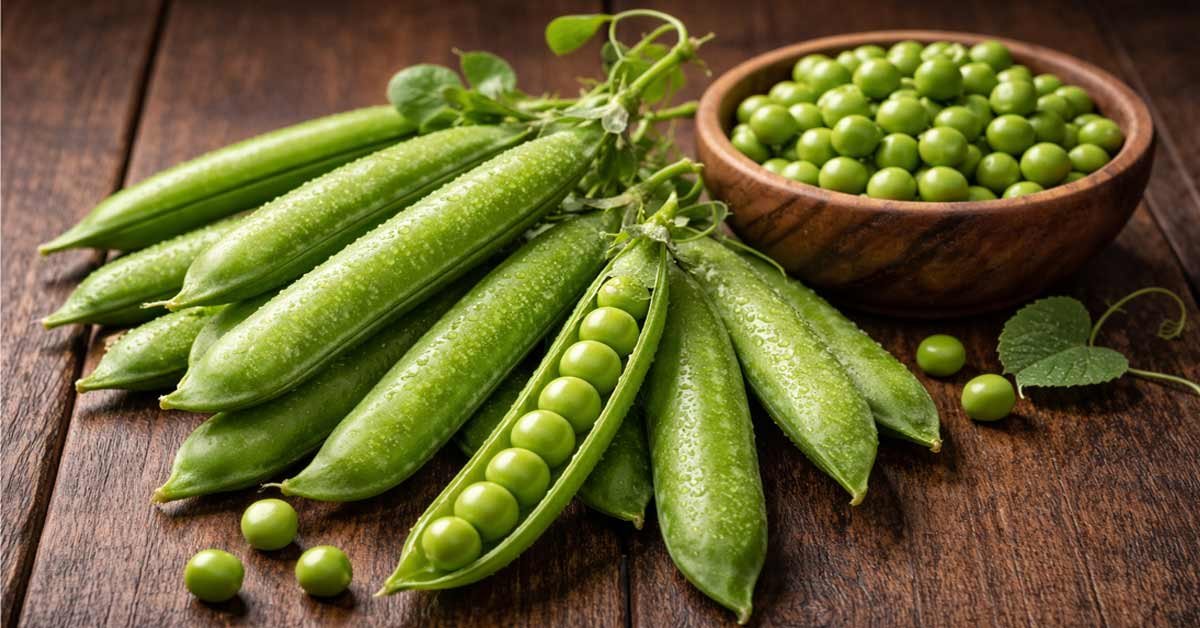
A Tiny Green Powerhouse: Why Peas Deserve a Spot on Your Plate
Peas are one of those foods that quietly slip into your meals without much fanfare, yet they carry a surprising nutritional punch. Think about it: these tiny green spheres have been a staple in human diets for thousands of years, from ancient civilizations in the Mediterranean to modern kitchens around the world. They are versatile, easy to cook, and can appear in everything from soups and stews to salads and even snacks. But their value goes far beyond convenience or color—they are a plant-based protein source that can genuinely support your daily nutritional needs while contributing to overall wellness.
At first glance, peas may seem humble compared to flashy “superfoods” like blueberries or kale. Yet, they pack a combination of protein, fiber, vitamins, minerals, and phytonutrients that work together in subtle but meaningful ways. A cup of cooked green peas contains roughly 8 grams of protein, which is significant for a vegetable, and it provides about 7 grams of dietary fiber. That combination of protein and fiber makes them satisfying, keeping hunger at bay and supporting stable energy throughout the day. It’s not just about filling your plate—it’s about filling it with nutrients that play a role in your body’s everyday functions.
Table of Contents

Peas also offer a unique blend of vitamins and minerals that are often overlooked. Vitamin C, vitamin K, B vitamins like folate, and minerals such as iron, magnesium, and potassium all make an appearance. These nutrients support basic cellular processes, energy production, and electrolyte balance. And while we’re not making medical claims, including such nutrient-dense foods in your diet has long been associated with maintaining a balanced, nutrient-rich eating pattern.

What makes peas especially interesting is their combination of protein quality and fiber content. Most vegetables are low in protein, but peas provide a solid plant-based alternative to meat or dairy, especially for those looking to diversify protein sources. Unlike some legumes, peas tend to cook quickly and blend easily into dishes without overpowering flavors. This makes them practical for daily meals, whether you’re tossing them into a stir-fry, blending them into a creamy soup, or simply steaming them as a side dish. Their versatility is matched by their accessibility—frozen peas retain most of their nutrients and are often more affordable than fresh produce, making it easier to keep this green powerhouse on hand year-round.
Another point worth noting is the environmental aspect. Plant-based proteins like peas generally have a smaller ecological footprint compared to animal-based proteins. While this may not be the first consideration when deciding what to eat for heart health or protein intake, it’s an additional layer of value that makes peas appealing in a modern diet. By choosing plant protein sources, you’re not just feeding your body—you’re participating in a dietary pattern that can be more sustainable.
Beyond nutrition, there’s a sensory aspect that draws people to peas. Their sweet, slightly earthy flavor can balance richer, heavier ingredients, and their bright green color adds visual appeal to meals. That little pop of green can make a plate more inviting and even elevate the experience of eating. Sometimes, it’s not just about what peas do for your body, but how they make your meals feel more complete and satisfying.
Peas have also been part of cultural cuisines worldwide, from classic British mushy peas to Indian matar dishes, Italian minestrone, and even French potage. These dishes highlight how peas can adapt to different flavors, textures, and culinary traditions, demonstrating their culinary flexibility. Integrating peas into your diet doesn’t have to feel like a chore or a strict health ritual—it can be enjoyable, flavorful, and surprisingly creative.
In short, peas are small but mighty. They bring protein to the table in a way that’s accessible, satisfying, and versatile. They contribute essential vitamins and minerals without adding excessive calories or fat. They offer fiber that supports digestive comfort and energy balance. And they carry a subtle sophistication in taste, color, and texture that can enrich meals. For anyone looking to combine practicality with nutrition, peas are an easy and effective choice—a green powerhouse you might overlook until you realize just how much they quietly contribute to everyday health and dietary satisfaction.
Peas are not just a side note—they are a central player when you think about plant-based protein, nutrient density, and building meals that support overall wellness. With each handful, you’re getting more than just a vegetable; you’re getting a versatile, nutrient-packed ally that can fit seamlessly into almost any eating pattern. Once you start treating peas as a staple rather than a garnish, it’s hard to imagine meals without them.
Protein in Peas: Plant-Based Muscle and Metabolic Support
When most people think of protein, they picture meat, eggs, or dairy. Yet peas quietly challenge that assumption, offering a surprisingly robust plant-based protein source. A single cup of cooked green peas provides about 8 grams of protein, which is comparable to some servings of yogurt or a slice of cheese. What’s more, this protein is not just a filler—it contains essential amino acids that your body uses to build and repair tissues. For anyone looking to diversify protein intake, whether for energy, satiety, or overall wellness, peas are a simple, versatile, and surprisingly effective option.
The Protein Profile of Peas
Pea protein is unique among plant proteins for several reasons. First, it contains a well-balanced mix of essential amino acids, including lysine, which is often limited in grains and cereals. This makes peas particularly valuable in vegetarian or plant-forward diets, as they complement other plant foods to ensure a complete amino acid profile. Second, the protein in peas is highly digestible. Studies have shown that pea protein isolates have digestibility scores that rival many traditional animal proteins, making it an efficient source of nourishment.
Beyond amino acids, peas provide a moderate amount of protein per calorie, which is important for those watching energy intake while aiming to maintain muscle mass or metabolic efficiency. Unlike protein powders or supplements, whole peas deliver this protein along with fiber, micronutrients, and phytonutrients. This combination slows digestion slightly, helping with sustained energy release and satiety—a benefit often overlooked when discussing plant proteins.
How Pea Protein Supports Everyday Function
Protein isn’t just about building muscle—it’s about supporting countless processes in your body. From maintaining healthy tissues to producing enzymes and hormones, protein plays an integral role in daily function. Including peas in meals can contribute to these functions by providing a steady, plant-based source of protein without excessive saturated fat or cholesterol.
One practical effect is satiety. Eating protein-rich foods like peas helps regulate appetite, reducing the likelihood of overeating later in the day. Additionally, protein influences metabolic processes. By stimulating thermogenesis—the energy your body uses to digest, absorb, and process nutrients—protein can subtly support energy expenditure and overall metabolic efficiency. Again, while we are not making medical claims, integrating high-quality plant protein sources like peas into your routine can align with these physiological benefits.
For active individuals, pea protein can help support recovery and tissue maintenance. Even casual activity creates a small but continual need for protein to repair microdamage in muscles and maintain structural integrity throughout the body. Including peas as part of meals or snacks contributes to meeting these everyday protein requirements without relying solely on animal-based foods.
Using Peas to Boost Daily Protein Intake
Incorporating peas into your diet doesn’t require elaborate planning. Here are practical ways to boost daily protein with peas:
- Add them to soups and stews: Toss a cup of peas into vegetable soups, chicken soups, or lentil stews during the last 5–10 minutes of cooking. They retain protein and flavor.
- Blend into sauces or dips: Puree cooked peas with olive oil, garlic, and herbs to make a creamy, protein-rich dip. Spread on toast or use as a pasta sauce base.
- Mix into salads and grain bowls: Add fresh, frozen, or lightly steamed peas to salads, quinoa bowls, or couscous for a protein boost and textural variety.
- Snack smart: Roasted peas or lightly seasoned pea crisps can be a crunchy, protein-rich snack alternative to chips.
- Use pea protein powders: For those interested in concentrated protein sources, pea protein isolates can be added to smoothies, baked goods, or shakes without significantly altering taste.
Consistency is key. A handful of peas with lunch, a cup in a soup, or a few spoonfuls in a grain bowl can cumulatively make a significant contribution to daily protein intake. They are not a replacement for all protein sources, but they serve as a reliable, plant-based option that blends seamlessly into most meals.
In essence, peas offer more than fiber and vitamins—they are a credible plant protein source that supports everyday physiological functions, contributes to satiety, and can be incorporated into a wide variety of dishes. By consciously adding peas to meals, you are not just including a green vegetable—you are giving your body a consistent, accessible protein boost that complements your overall diet.
Peas and Heart Health: The Subtle Benefits of a Green Ally
Peas aren’t just about protein—they quietly carry a suite of nutrients and compounds that align with heart-friendly eating. Their role in supporting cardiovascular well-being is subtle, woven into everyday meals rather than flashy supplements or superfood fads. Including peas in your diet can introduce fiber, phytonutrients, and a range of micronutrients that, together, create a nourishing environment for your heart.
Fiber and Cardiovascular Support
One of the most notable contributions peas make to heart-friendly diets is their fiber content. A single cup of cooked peas provides about 7 grams of fiber, with a mix of soluble and insoluble types. Soluble fiber interacts with digestive processes in ways that help manage blood lipid levels and support steady glucose absorption. Insoluble fiber promotes digestive regularity, which indirectly supports overall metabolic balance.
Fiber’s benefits extend beyond digestion. Eating fiber-rich vegetables like peas helps increase satiety and can prevent overeating of less nutrient-dense foods. Over time, consistently including fiber-rich plant foods supports a diet pattern associated with balanced cholesterol levels and general cardiovascular resilience. Beyond sheer numbers, the texture of peas—their slight chewiness and pop—makes it easy to integrate meaningful fiber into meals without thinking too hard about it.
Phytonutrients That Work Behind the Scenes
Peas are also packed with phytonutrients—plant compounds that contribute to overall wellness. Polyphenols, flavonoids, and carotenoids present in peas provide subtle antioxidant support. These compounds help protect cells from oxidative stress, which is a factor in cardiovascular strain. Vitamins and minerals like potassium, magnesium, and folate work alongside these phytonutrients. Potassium, for example, helps balance electrolytes and supports healthy blood pressure regulation, while magnesium plays a role in muscle and nerve function, indirectly influencing cardiovascular rhythm.
It’s important to note that these compounds don’t act in isolation. The combination of protein, fiber, and phytonutrients in peas creates a nutrient synergy, meaning the overall effect on diet quality can be greater than the sum of its parts. Even small amounts of peas integrated into meals can deliver this blend, providing consistent, low-effort nutritional support that aligns with heart-conscious eating patterns.
Practical Ways to Include Peas for Heart-Friendly Eating
Adding peas to your meals is straightforward, versatile, and even enjoyable:
- Soups and stews: Stir in a cup of fresh or frozen peas in the last few minutes of cooking. They blend easily without overpowering flavors.
- Salads and grain bowls: Toss lightly steamed peas into a quinoa, barley, or mixed-grain salad for added fiber, texture, and color.
- Stir-fries and vegetable sautés: Peas pair well with other vegetables and proteins, offering both a nutrient boost and a sweet, earthy flavor.
- Purees and dips: Blend peas with olive oil, herbs, or spices to make a creamy, fiber- and protein-rich dip for vegetables or whole-grain crackers.
- Snacks: Lightly roasted peas with seasoning offer a crunchy, satisfying snack that delivers fiber and protein in one bite.
The beauty of peas is that they can be integrated in ways that complement your existing meals rather than requiring major dietary overhauls. Even simple strategies—like adding a cup to lunch or dinner—contribute meaningful nutrients that align with heart-friendly eating patterns. The consistency of intake, rather than occasional indulgence, is what allows these subtle benefits to accumulate over time.
Peas combine fiber, phytonutrients, and minerals in a way that quietly supports cardiovascular well-being. Their versatility, taste, and nutrient density make them an easy ally in daily meals. You’re not just adding a vegetable—you’re incorporating a multi-dimensional green ingredient that works in harmony with other nutrient-rich foods to support a heart-conscious lifestyle.
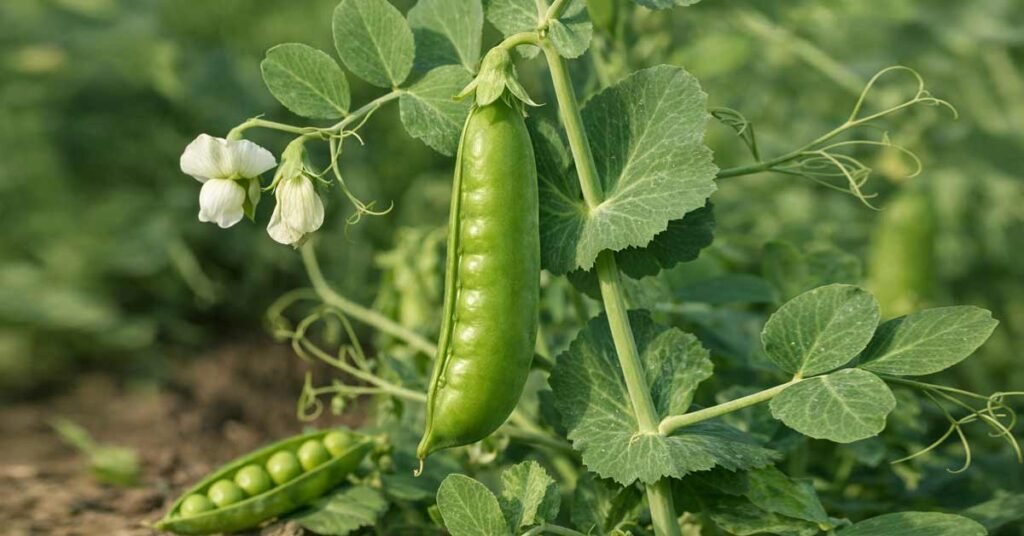
Beyond Protein and Heart Health: Peas in Everyday Wellness
Peas are often celebrated for their protein content and their subtle support for heart health, but their contributions don’t stop there. These little green spheres also provide a spectrum of vitamins, minerals, and antioxidants that support overall wellness. They are versatile in the kitchen, allowing you to enjoy both nutritional benefits and culinary creativity, making it easier to maintain a nutrient-rich, balanced diet without feeling restricted or repetitive.
Vitamins, Minerals, and Micronutrients
A cup of cooked peas delivers more than just protein and fiber—it’s a concentrated source of several essential micronutrients. Vitamin C, for example, is present in meaningful amounts, supporting immune function and collagen production. Folate, another standout, plays a critical role in cell division and overall energy metabolism, and contributes to maintaining adequate levels of homocysteine, a compound linked to cardiovascular risk when elevated.
Peas also provide a range of B vitamins, including B1 (thiamine) and B6 (pyridoxine), which are crucial for energy production and neurological health. On the mineral side, magnesium, potassium, and iron stand out. Magnesium supports muscle and nerve function, potassium helps regulate fluid balance and contributes to healthy blood pressure, and iron is essential for oxygen transport. Although the amounts per cup are modest compared to supplements or fortified foods, the fact that peas deliver these nutrients alongside protein, fiber, and antioxidants makes them a particularly well-rounded choice.
By integrating peas into your meals consistently, you’re adding a source of micronutrients that might otherwise be underrepresented in your diet. They complement other vegetables, grains, and protein sources, helping to maintain a diverse nutrient intake in a practical and enjoyable way.
Antioxidant Power and Cellular Support
Peas contain a variety of phytonutrients that act as antioxidants, helping to counteract oxidative stress at the cellular level. Polyphenols and carotenoids, including lutein and zeaxanthin, provide subtle but meaningful protection for cells and tissues, supporting overall wellness. These compounds interact with the body’s natural antioxidant systems, contributing to a balanced oxidative environment without relying on synthetic supplements.
Vitamin C in peas also doubles as an antioxidant, working in tandem with other nutrients to neutralize free radicals and protect biomolecules. While we are not making medical claims, including antioxidant-rich foods like peas can enhance dietary quality and support long-term nutritional balance. This combination of protein, fiber, vitamins, minerals, and antioxidants makes peas a multi-dimensional food that addresses several nutritional needs in one simple serving.
Creative Culinary Approaches
One of the most enjoyable aspects of peas is how easily they can be incorporated into meals without sacrificing taste or texture. Fresh, frozen, or lightly cooked peas retain most of their nutrients, making them adaptable for everyday use.
- Soups and stews: Pureed or left whole, peas add color, texture, and sweetness to broths and hearty dishes.
- Salads and grain bowls: Tossing peas into a salad with quinoa, farro, or bulgur elevates both the flavor and nutrient density.
- Stir-fries and sautés: Quick-cooked peas pair beautifully with other vegetables, tofu, or lean proteins, absorbing flavors while maintaining their slight crunch.
- Spreads and dips: Blending peas with olive oil, herbs, or spices creates a creamy, protein- and nutrient-rich dip for snacks or appetizers.
- Snacks and side dishes: Roasted peas with minimal seasoning can be a crunchy, satisfying alternative to chips, offering both fiber and protein in one bite.
The beauty of peas lies in their adaptability. You can experiment with flavors, textures, and cooking techniques, making them suitable for both everyday meals and more elaborate dishes. Incorporating peas doesn’t feel like a chore; it becomes a natural part of cooking rhythm, adding nutritional value while keeping meals interesting.
Peas are not just a protein-rich and heart-conscious vegetable—they are a full-spectrum contributor to everyday wellness. Vitamins, minerals, antioxidants, and phytonutrients come together in one versatile food, allowing you to subtly and sustainably improve dietary quality. By embracing their culinary flexibility, you can make peas a recurring, enjoyable component of meals that support long-term wellness and nutrient balance.
Best Selling Peas Related Products




A Green Habit That Pays Off: Making Peas Part of Life
It’s easy to overlook peas as just another vegetable, but once you start incorporating them regularly, they quietly become a staple that supports both taste and nutrition. Small, consistent habits often have the biggest impact, and adding peas to your meals is one of those effortless changes that pays off over time. You don’t need to overhaul your diet or spend hours in the kitchen—just a few practical adjustments can ensure you’re getting their benefits on a daily basis.
Start with simplicity. Keep frozen peas in your freezer; they are just as nutritious as fresh peas and ready to toss into soups, stews, or stir-fries at a moment’s notice. A quick handful can elevate a lunch salad, bulk up a grain bowl, or complement a pasta dish. Fresh peas can be added to side dishes or lightly steamed to maintain texture and flavor. By making peas a regular presence in your meals, you’re gradually boosting your protein, fiber, and micronutrient intake without feeling like you’re forcing a change.
Variety helps maintain interest. Peas pair well with a wide range of flavors, from garlic and onion to herbs like mint or parsley. They blend into both warm and cold dishes, and their naturally sweet flavor can balance richer, heavier ingredients. Experimenting with different cooking methods—steaming, roasting, pureeing—keeps meals interesting and ensures you don’t get stuck in a routine. Even simple additions, like sprinkling peas over a bowl of rice or mixing them into scrambled eggs, add color, texture, and nutrition in seconds.
Consistency matters more than quantity. You don’t need to consume massive amounts to see benefits in terms of diet quality. Including peas once or twice a day, even in small portions, compounds over time. Their fiber and protein support satiety, their micronutrients contribute to daily nutritional balance, and their phytonutrients subtly support overall wellness. It’s the steady accumulation of these benefits that turns a simple vegetable into a long-term dietary ally.
Another key aspect is making them a social and enjoyable part of meals. Incorporate peas into family dinners, batch-cooked meals, or meal-prepped bowls. Their bright green color and slightly sweet flavor make dishes visually appealing and palatable for a wide range of tastes. They’re not just a healthy add-on—they can become a component that enhances the pleasure of eating, which is crucial for long-term habit adherence.
Finally, think of peas as a foundation for broader healthy eating patterns. They complement other vegetables, grains, and proteins, helping you build balanced, satisfying meals. By treating them as a regular ingredient rather than an occasional garnish, you establish a simple, repeatable habit that supports nutrient variety, convenience, and taste.
In the end, integrating peas into daily life doesn’t have to be complicated. A few cups a week, spread across lunches, dinners, and even snacks, gradually create a habit that reinforces dietary quality. It’s not about perfection or rigid rules—it’s about making a small, enjoyable adjustment that consistently adds value. Over time, these green spheres transform from an overlooked vegetable into a trusted ally for supporting your overall wellness, providing protein, fiber, micronutrients, and subtle nutritional benefits every day.
Article Sources
At AncientHerbsWisdom, our content relies on reputable sources, including peer-reviewed studies, to substantiate the information presented in our articles. Our primary objective is to ensure our content is thoroughly fact-checked, maintaining a commitment to accuracy, reliability, and trustworthiness.
- McCrory, M. A., Hamaker, B. R., Lovejoy, J. C., & Eichelsdoerfer, P. E. (2010). Pulse consumption, satiety, and weight management. Advances in Nutrition, 1(1), 17–30. https://doi.org/10.3945/an.110.1002
- Mudryj, A. N., Yu, N., & Aukema, H. M. (2014). Nutritional and health benefits of pulses. Applied Physiology, Nutrition, and Metabolism, 39(11), 1197–1204. https://doi.org/10.1139/apnm-2013-0557
- Bazzano, L. A., Thompson, A. M., Tees, M. T., Nguyen, C. H., & Winham, D. M. (2011). Non-soy legume consumption lowers cholesterol levels: A meta-analysis of randomized controlled trials. Nutrition, Metabolism and Cardiovascular Diseases, 21(2), 94–103. https://doi.org/10.1016/j.numecd.2009.10.016
- World Health Organization. (2020). Healthy diet. WHO. https://www.who.int/news-room/fact-sheets/detail/healthy-diet
- U.S. Department of Agriculture. (2023). FoodData Central. https://fdc.nal.usda.gov/
- Fairweather-Tait, S. J., & Hurrell, R. F. (1996). Bioavailability of minerals and trace elements. Nutrition Research Reviews, 9(1), 295–324. https://doi.org/10.1079/NRR19960018
- Rizzoli, R., Reginster, J. Y., Arnal, J. F., Bautmans, I., Beaudart, C., Bischoff-Ferrari, H., … & Kanis, J. A. (2014). Quality of life in sarcopenia and frailty. Calcified Tissue International, 93(2), 101–120. https://doi.org/10.1007/s00223-013-9758-y
- Liu, R. H. (2013). Health-promoting components of fruits and vegetables in the diet. Advances in Nutrition, 4(3), 384S–392S. https://doi.org/10.3945/an.112.003517

- Phosphatidic Acid: Supporting Muscle Growth and Strength - July 31, 2026
- Ceramides: Supporting Healthy Skin From Within - July 31, 2026
- Synbiotics: Combining Prebiotics and Probiotics Together - July 31, 2026