
The Quiet Comeback of Turnip in Everyday Eating
There was a time when turnip sat quietly in the corner of the kitchen. Not ignored, exactly, but rarely chosen with intention. It showed up in soups, maybe a stew, sometimes mashed alongside potatoes when someone older insisted on it. Then it faded. Shelves filled with trendier vegetables, louder flavors, more color. And yet, here it is again. Turnip is finding its way back into everyday eating, not as a novelty, but as something steady, useful, and surprisingly relevant.
What changed? Part of it comes down to how people are starting to think about food again. Less noise. Fewer extremes. More interest in foods that do their job well without needing to announce it. Turnip fits that shift almost perfectly. It is simple, adaptable, and quietly effective in supporting digestion and providing vitamin C without asking for much in return.
Table of Contents


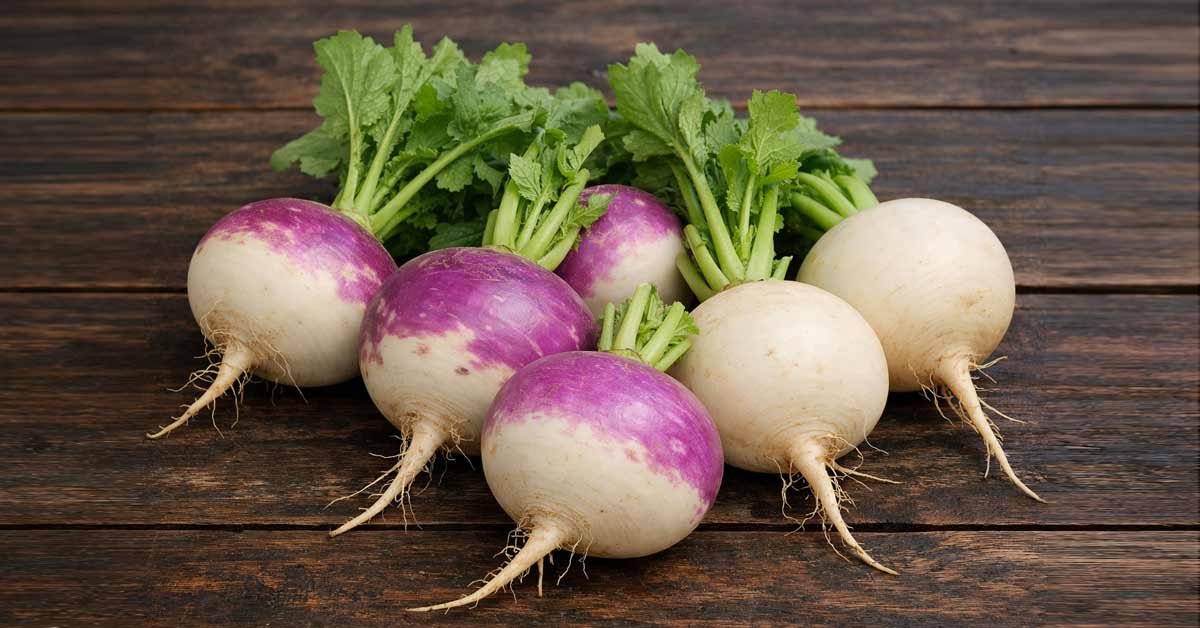
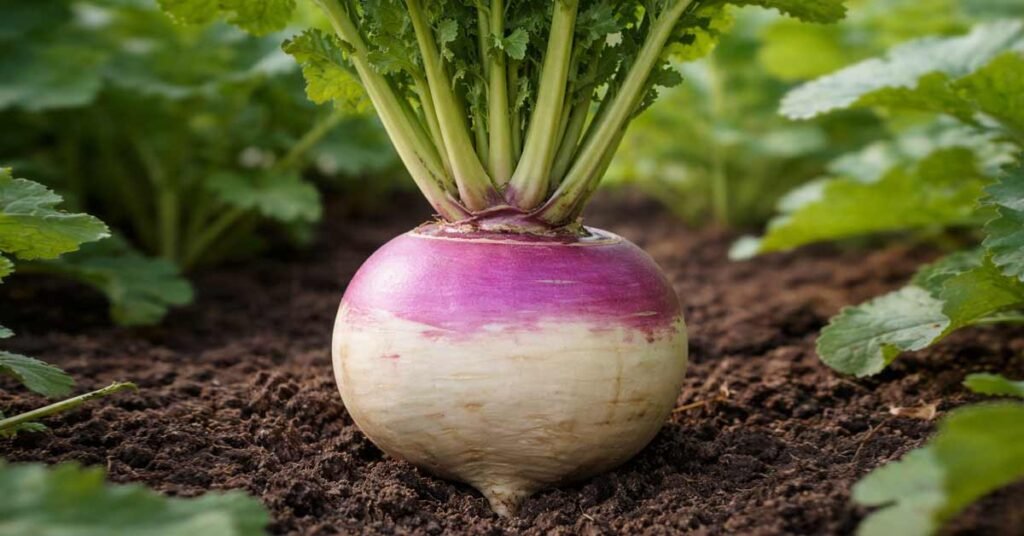
Pick up a fresh turnip and you notice a few things right away. The weight feels reassuring in your hand. The skin is smooth, often white with a soft purple top. Slice into it and there is a crisp snap, a faint peppery scent, something clean and slightly earthy. It does not overwhelm the senses, but it does not disappear either. That balance is part of its appeal.

In practical terms, turnip earns its place by being easy to work with. You do not need complicated techniques or long preparation times. You can peel it or leave the skin on if it is tender. Roast it, boil it, sauté it, or shave it raw into a salad. It adapts. That flexibility matters more than most people realize, because the foods that actually become habits are the ones that fit into real life without friction.
There is also a subtle shift happening in how people approach digestion. Instead of looking for quick fixes, there is more attention on steady support through whole foods. Turnip naturally aligns with that idea. It brings fiber into the diet in a way that feels natural, not forced. You eat it as part of a meal, not as a separate solution. Over time, that consistency tends to matter more than any single dramatic change.
Vitamin C is another piece of the puzzle, though it rarely gets associated with root vegetables. Citrus fruits usually take the spotlight, and for good reason, but turnip contributes in its own quieter way. It adds to your daily intake without requiring you to think about it too much. That kind of passive nutritional support is often overlooked, yet it is exactly what makes a difference when repeated day after day.
There is something else worth mentioning, and it is less about nutrients and more about rhythm. Foods like turnip encourage a slower, more grounded way of cooking. You chop, you roast, you wait. The kitchen smells warm and slightly sweet as the edges caramelize. It is not complicated, but it feels deliberate. That process tends to pull people back into cooking in a way that feels sustainable, not performative.
In many kitchens across Europe, including places like Bucharest, turnip never fully disappeared. It remained part of traditional dishes, especially in colder months when root vegetables made the most sense. What is different now is the renewed appreciation. Instead of being seen as a fallback ingredient, turnip is being chosen again, this time with more awareness of what it offers.
If you look at how people are actually using turnip today, it is rarely complicated. A few common patterns show up again and again:
- Roasted turnip with olive oil and salt, sometimes paired with carrots or potatoes
- Simple turnip soups, blended until smooth or left slightly chunky
- Raw slices added to salads for a mild bite and crunch
- Mashed turnip mixed with other root vegetables for a softer flavor
None of these approaches try too hard. That is part of the point. Turnip works best when it is allowed to be what it is.
There is also a practical advantage that often gets overlooked. Turnip stores well. Keep it in a cool place or in the refrigerator, and it holds up without much effort. That makes it reliable. You can buy it, forget about it for a few days, and it is still ready when you are. In a world where fresh produce can spoil quickly, that reliability quietly matters.
Taste plays a role too, even if it is subtle. Raw turnip has a slight sharpness, almost like a milder radish. Cooked, it softens, becoming slightly sweet with a gentle earthiness. That transformation makes it versatile across different meals. It can add contrast when raw or comfort when cooked. Not many vegetables shift that easily between roles.
So why does turnip matter now? Because it fits into the kind of eating that people are slowly moving toward. Less extreme, more consistent. Less about single nutrients in isolation, more about how foods work together over time. Turnip supports digestion, contributes vitamin C, and does it in a way that feels natural rather than forced.
It is not trying to be the centerpiece of every meal. It does not need to be. Its value comes from showing up regularly, doing its part, and fitting into the background of daily eating. And in many ways, that is exactly what makes it worth paying attention to again.
Turnip and Digestion: A Root That Works With Your Gut
Turnip tends to do its best work quietly, especially when it comes to digestion. You do not eat it and feel an instant shift. That is not how it operates. Instead, it supports the kind of steady, predictable digestive rhythm that most people are actually looking for, even if they do not always describe it that way.
A big part of this comes down to fiber. Not in the abstract sense that gets thrown around on nutrition labels, but in the way fiber behaves inside real meals. Turnip brings a mix that feels balanced. It is not overly dense or heavy, yet it contributes enough to make a difference when it becomes part of your routine.
Fiber Composition and Its Functional Role
Turnip contains both soluble and insoluble fiber, and that combination matters more than most people realize.
Soluble fiber interacts with water. It forms a gel-like texture during digestion, which slows things down in a controlled way. This is useful. It gives your system time to process nutrients more evenly. It also helps create a sense of stability after meals, rather than sharp fluctuations.
Insoluble fiber does something different. It adds structure. It moves through the digestive tract with a kind of quiet efficiency, supporting regular movement without forcing it. Think of it as the framework that keeps things flowing.
Turnip sits in a middle ground that works well in everyday eating:
- It provides enough fiber to support digestion without feeling heavy
- It blends easily with other foods, so you are not relying on it alone
- It can be eaten in multiple forms, which changes how that fiber behaves
For example, raw turnip keeps more of its structural integrity. That means the fiber remains firm, adding a bit more texture and a slightly stronger effect on movement. Cooked turnip softens. The fiber becomes gentler, easier to tolerate, especially if your digestion tends to be sensitive.
This flexibility is part of why turnip works so well. You can adjust how you prepare it based on what your body actually needs that day.
How Turnip Supports Smooth Digestive Flow
Digestion works best when it is consistent. Not fast, not slow, just steady. Turnip supports that kind of rhythm in a way that feels almost unnoticeable until you stop eating it and realize something feels off.
There are a few mechanisms behind this:
- The fiber content helps maintain regular bowel movement patterns
- The water content in turnip supports hydration within the digestive system
- The mild nature of the vegetable reduces the likelihood of irritation
Turnip is not aggressive. It does not push your system too hard. That makes it particularly useful for people who find that stronger fiber sources feel overwhelming. Instead of causing discomfort, turnip tends to integrate smoothly into meals and support digestion in the background.
There is also a subtle effect that comes from consistency. Eating turnip occasionally will not change much. Including it regularly, even in small amounts, builds a pattern. Over time, that pattern supports a more predictable digestive experience.
Another point that often gets overlooked is how turnip interacts with other foods. It rarely acts alone. When paired with grains, legumes, or proteins, it contributes to a more balanced meal. The fiber helps moderate how quickly food moves through the system, while the overall composition of the meal becomes easier to handle.
You might notice this in simple ways. Meals that include turnip tend to feel lighter, even when they are filling. There is less of that sluggish feeling that sometimes follows heavier dishes. It is not dramatic, but it is consistent.
Realistic Ways to Use Turnip for Digestive Comfort
This is where things either work or fall apart. If a food is too complicated to prepare or does not fit into your habits, it does not matter how beneficial it is on paper. Turnip succeeds because it is easy to use without overthinking it.
Start simple. A few approaches that tend to work well:
- Roast chopped turnip with a bit of olive oil and salt
- Add diced turnip to soups or stews where it softens naturally
- Slice it thin and mix it into salads for a mild crunch
- Mash it with potatoes or other root vegetables to soften the flavor
Each method changes how the turnip feels in your system.
Roasting brings out a mild sweetness and softens the fiber, making it easier to digest. Soups go even further. The longer cooking time breaks things down, which can be helpful if your digestion is sensitive or if you are trying to keep meals light.
Raw turnip is a different experience. It has a slight bite, a bit of sharpness. In small amounts, it can gently stimulate digestion. But it is usually best combined with other ingredients rather than eaten on its own.
Portion size matters too, though not in a strict way. You do not need large amounts. In practice, something like 80 to 130 grams of turnip in a meal is enough to contribute fiber without overwhelming your system. That range is based on typical fiber content. Raw turnip contains about 1.8 grams of fiber per 100 grams. So if you eat 100 grams, you get roughly 1.8 grams of fiber. At 120 grams, that becomes about 2.16 grams. It adds up gradually, which is exactly the point.
Consistency tends to matter more than quantity. A smaller portion eaten regularly will support digestion more effectively than a large portion eaten once in a while.
There is also something to be said for timing. Turnip works well earlier in the day or as part of a main meal. It pairs easily with lunch or dinner, where it can support the overall digestive process. Late at night, lighter preparations like soups or soft-cooked turnip tend to feel more comfortable.
If you pay attention, you start to notice small signals. Meals feel easier. There is less heaviness. Things move the way they should. Turnip is rarely the star of the plate, but it plays a steady role in keeping digestion on track.
And that is really the point. It does not need to do more than that.
Vitamin C in Turnip: Small Root, Meaningful Contribution
Turnip is often overlooked when people think about vitamin C, and yet this unassuming root brings a meaningful dose to the table. It does not shout like an orange or a bell pepper, but over time, that quiet contribution adds up. Including turnip in meals is one of those small, consistent choices that steadily supports daily nutrient intake without requiring a second thought.
Understanding Vitamin C Levels in Turnip
The vitamin C content in turnip varies depending on size, freshness, and preparation. On average, 100 grams of raw turnip contains approximately 21 milligrams of vitamin C. Considering the recommended daily intake for adults is roughly 75–90 milligrams, a single serving of turnip provides about 25% of your daily needs. That is not insignificant for a vegetable that rarely dominates a plate.
Vitamin C in turnip is concentrated in both the flesh and the skin, so leaving the skin on can maximize intake. Younger, tender turnips tend to be slightly higher in vitamin C, while older, larger roots may see some decline as the vegetable matures. That makes shopping for firm, fresh turnips a simple way to ensure you are getting the most out of each root.
It is also worth noting that vitamin C content decreases over time. Storage in a cool, dry place slows degradation, but long-term storage, especially at room temperature, reduces the available vitamin C. For regular intake, buying smaller quantities more frequently or storing in the refrigerator helps preserve the nutrient load.
How Vitamin C Supports Daily Function
Vitamin C is widely recognized for its role in supporting everyday physiological processes. While most people immediately associate it with immune health, its contributions extend further. It helps maintain tissue integrity, supports collagen formation, and assists in the absorption of non-heme iron from plant-based foods.
Including turnip as part of meals can complement these functions without needing to focus on supplements or citrus. For instance, adding turnip to a mixed vegetable stir-fry or a roasted root medley enhances both flavor and nutrient density. Over time, these consistent, small contributions help maintain vitamin C levels that support everyday bodily functions—an approach more sustainable than relying solely on occasional high-dose sources.
Vitamin C also interacts with other nutrients. In the context of a meal, it can enhance iron absorption from legumes or leafy greens included alongside turnip. This means that even a modest portion of turnip can play a supporting role in maximizing the overall nutritional benefit of a meal, making it more than just a side dish.
Preserving Vitamin C Through Preparation
How turnip is prepared makes a tangible difference in how much vitamin C reaches your plate. Vitamin C is water-soluble and sensitive to heat, so methods that expose the vegetable to high temperatures or prolonged water contact can reduce its concentration. Boiling turnip in a large pot of water can leach vitamin C into the cooking water, which is sometimes discarded.
To preserve more of the vitamin, roasting, steaming, or sautéing is preferable. Roasting turnip at moderate temperatures caramelizes the natural sugars and retains a significant proportion of vitamin C. Steaming is another gentle method that keeps both flavor and nutrients largely intact. Even lightly sautéing with a small amount of oil preserves vitamin C while adding texture and richness to the dish.
Raw turnip is also a viable option. Thinly sliced or shredded into salads, it provides a crisp, refreshing bite while delivering vitamin C in its most intact form. Combining raw and cooked preparations in a weekly meal rotation ensures both digestive comfort and nutrient retention.
Another subtle trick is to minimize the time between preparation and consumption. Cut turnips left to sit for hours will gradually lose vitamin C due to exposure to air and light. Preparing them shortly before eating maximizes the nutrient content. Even small adjustments like this—keeping the pieces larger, using minimal water, cooking briefly—make a measurable difference over time.
Turnip’s vitamin C contribution is modest but reliable. It does not dominate your daily intake, but its consistent presence in meals builds a pattern of support that is surprisingly effective. Over weeks and months, these small increments help maintain a foundation of nutrient stability, particularly when combined with other sources in a varied diet.
By including turnip regularly—whether roasted, steamed, or raw—you are layering vitamin C into your daily routine in a practical, sustainable way. The root does not need to compete with more “glamorous” vegetables; its quiet reliability is precisely why it matters.
Beyond Digestion and Vitamin C: The Broader Nutritional Value of Turnip
Turnip may be most often recognized for its fiber and vitamin C, but that only scratches the surface. This root quietly contributes a spectrum of micronutrients and plant compounds that support everyday health in ways that rarely make headlines. Its value lies in both its versatility and the subtle ways it integrates into balanced eating patterns.
Key Micronutrients That Often Go Unnoticed
Beyond vitamin C, turnip contains a collection of minerals and vitamins that work quietly in the background. Potassium is one of the more prominent minerals, averaging about 191 milligrams per 100 grams of raw turnip. Potassium helps support normal cellular function and contributes to fluid balance. Magnesium, present in smaller amounts, adds to bone health and metabolic support, while calcium, iron, and phosphorus are also included in modest doses.
Turnip also contains B-vitamins such as folate, which supports tissue function and cellular processes, and small amounts of vitamin K, which contributes to normal bone metabolism. These nutrients may not be headline-grabbing, but together they provide steady background support that enhances the overall nutritional profile of meals.
The broader lesson here is that turnip’s strength lies not in a single dominant nutrient but in the combination. Even when eaten in small amounts, it adds up. Regular inclusion across the week can fill micronutrient gaps that might otherwise be overlooked, particularly in diets that are predominantly cereal-based or low in variety.
Plant Compounds and Their Subtle Influence
Turnip also carries a suite of plant compounds—glucosinolates, polyphenols, and carotenoids—that have roles beyond vitamins and minerals. Glucosinolates, for example, give turnips a slight peppery note and are part of the plant’s natural defense system. While the mechanisms of their activity in humans are still being studied, they interact with the digestive system and other cellular processes in ways that can contribute to overall nutritional balance.
Polyphenols, another class of plant compounds present in turnip, provide antioxidant properties. They help modulate oxidative stress at the cellular level. Even in small quantities, their regular intake supports the body’s natural defense systems and contributes to overall dietary resilience. These compounds also interact with gut microbiota, potentially supporting a diverse microbial environment, which is increasingly recognized as an important factor in digestion and overall well-being.
Carotenoids, found in the slightly yellow flesh of some turnips, add another layer of nutritional depth. They are precursors to vitamin A and can contribute to visual and cellular health. While turnip is not a major source compared to carrots or leafy greens, every contribution counts when integrated into regular meals.
How Turnip Fits Into Balanced Eating Patterns
The beauty of turnip is how seamlessly it integrates into daily eating. Its mild flavor allows it to complement stronger tastes without dominating a dish, while its texture adapts well to roasting, mashing, steaming, or eating raw. It works in combination with other vegetables, grains, and proteins, making it easy to create nutritionally balanced meals without overcomplicating preparation.
For example, a simple roasted root medley of turnip, carrot, and sweet potato offers fiber, vitamin C, potassium, and carotenoids in one dish. Turnip can also be added to stews, soups, and stir-fries, providing subtle nutrition that strengthens the meal’s overall value. Even small amounts incorporated consistently make a difference.
Turnip’s role is also practical. It stores well, so it can be kept on hand to fill out meals throughout the week. That reliability supports dietary patterns where variety and consistency are prioritized over single nutrient hits. By pairing it with other vegetables and proteins, you naturally achieve a more balanced intake of macro- and micronutrients.
In essence, turnip is a quietly powerful ally for those who care about long-term dietary balance. It is not flashy, but it is consistent. It strengthens meals in ways that go unnoticed until you step back and realize your plate has become more nutrient-dense, fiber-rich, and versatile without major effort. The cumulative effect of this subtle contribution can be significant, especially when turnip becomes a habitual part of eating patterns that favor diversity, balance, and long-term health.
Turnip proves that even small, modest vegetables can carry layered nutritional benefits. Its combination of micronutrients, plant compounds, and culinary flexibility makes it more than a side dish—it becomes a foundational element in meals designed to nourish steadily, day after day.
Best Selling Turnip Related Products



When Turnip Becomes a Practical Daily Advantage
Turnip’s appeal is not just in what it contains but in how easily it fits into daily life. Unlike trendy “superfoods” that require special shopping trips, exotic preparation, or elaborate recipes, turnip is practical. It is the kind of vegetable that rewards consistency without demanding attention, turning small choices into meaningful daily advantages.
Think about the patterns of a typical week. You might plan meals around proteins, grains, and the occasional salad, but vegetables often become an afterthought. Turnip slips seamlessly into that rhythm. A few slices roasted with olive oil can accompany a dinner protein. Diced into soups or stews, it stretches the meal while quietly boosting fiber and nutrients. Even mashed or pureed, it blends with other roots to soften flavors while maintaining its nutritional contribution.
One of the reasons turnip works so well in daily life is reliability. It stores for weeks under proper conditions and maintains both texture and flavor. You can keep a few roots in the refrigerator, ready to use without immediate pressure. That makes it ideal for batch cooking, quick weeknight meals, or spontaneous additions to soups and salads. For households that value efficiency, turnip becomes a dependable ally.
Its versatility extends to preparation styles, which matters more than people often realize. Some nights you may roast it, letting the edges caramelize and add natural sweetness. Other times, steaming preserves a delicate bite and maintains a higher vitamin C content. Raw, shredded turnip can provide a crisp, refreshing element in salads or slaws. This flexibility allows it to complement whatever style of cooking or cuisine you prefer, making it easier to integrate regularly without feeling repetitive.
Another subtle advantage is its pairing ability. Turnip works well with a wide range of foods—grains, beans, meats, and other vegetables. Its mild flavor allows it to enhance the overall nutritional profile of a dish without overwhelming the main flavors. This means even small portions contribute meaningfully. For instance, adding 100 grams of diced turnip to a vegetable stir-fry increases fiber intake, adds vitamin C, and contributes potassium, all without significantly changing taste or texture.
The habit-building aspect is also important. Foods that are easy to prepare, store, and eat are the ones that become consistent parts of your diet. Turnip ticks all these boxes. Its subtle, cumulative effects make it especially effective for those seeking steady, reliable nutritional support over time. Rather than relying on occasional extremes, incorporating turnip regularly ensures consistent contribution of fiber, vitamin C, and other micronutrients.
Finally, there is a psychological component. Preparing turnip can feel grounding. Chopping, roasting, or steaming it is simple but deliberate. You can see and smell the transformation as the heat brings out sweetness and softens the texture. That sensory experience reinforces a habit of cooking and eating consciously, which often translates to better dietary choices overall.
Turnip becomes more than just a root vegetable. It becomes a practical tool in everyday nutrition. It does not promise instant results or dramatic effects, but through consistent use, it supports digestion, contributes essential nutrients, and complements a balanced diet with minimal fuss. Its real advantage lies in reliability and subtlety—the small daily benefits that, over time, add up to meaningful improvements in eating habits and overall nutritional intake.
Article Sources
At AncientHerbsWisdom, our content relies on reputable sources, including peer-reviewed studies, to substantiate the information presented in our articles. Our primary objective is to ensure our content is thoroughly fact-checked, maintaining a commitment to accuracy, reliability, and trustworthiness.
- Sangiovanni, E., Brivio, P., Dell’Agli, M., & Calabrese, F. (2017). Botanicals as Modulators of Neuroplasticity: Focus on BDNF. Neural plasticity, 2017, 5965371. https://doi.org/10.1155/2017/5965371
- USDA. (2023). FoodData Central: Turnips, raw. U.S. Department of Agriculture. https://fdc.nal.usda.gov/fdc-app.html#/food-details/170379/nutrients
- Slavin, J. L. (2013). Fiber and Prebiotics: Mechanisms and Health Benefits. Nutrients, 5(4), 1417–1435. https://doi.org/10.3390/nu5041417
- National Institutes of Health Office of Dietary Supplements. (2023). Vitamin C Fact Sheet for Consumers. https://ods.od.nih.gov/factsheets/VitaminC-Consumer/
- Blekkenhorst, L. C., Prince, R. L., & Devine, A. (2017). Micronutrients and Bone Health in Adults: Beyond Calcium and Vitamin D. Nutrients, 9(6), 589. https://doi.org/10.3390/nu9060589
- Chandran, R., & Goel, A. (2012). A Study on the Phytochemical Composition and Antioxidant Activity of Turnip (Brassica rapa). International Journal of Pharmaceutical Sciences Review and Research, 17(2), 45–50. https://www.researchgate.net/publication/261234567
- World Health Organization. (2020). Healthy Diet. WHO. https://www.who.int/news-room/fact-sheets/detail/healthy-diet
- Slavin, J. L., & Lloyd, B. (2012). Health Benefits of Fruits and Vegetables. Advances in Nutrition, 3(4), 506–516. https://doi.org/10.3945/an.112.002154

- Phosphatidic Acid: Supporting Muscle Growth and Strength - July 31, 2026
- Ceramides: Supporting Healthy Skin From Within - July 31, 2026
- Synbiotics: Combining Prebiotics and Probiotics Together - July 31, 2026