
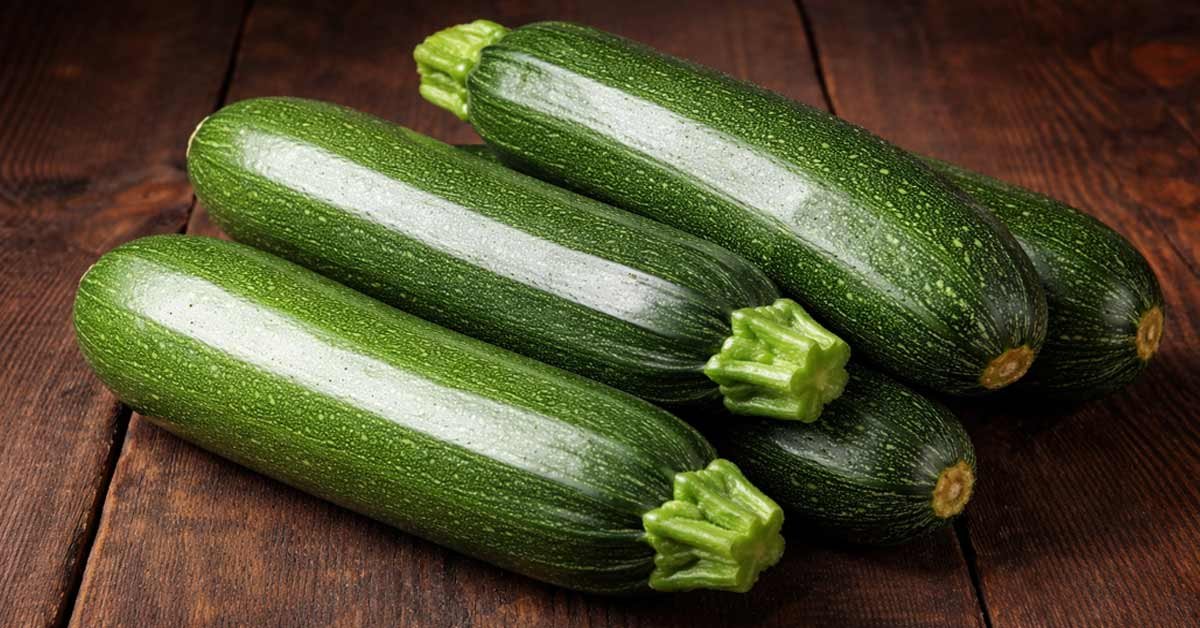
Zucchini, the Quiet Staple That Does More Than You Think
You don’t usually hear people rave about zucchini. It’s not dramatic. It doesn’t come with bold claims or a reputation that walks into the room before it does. And yet, zucchini keeps showing up. In kitchens, in simple meals, in those moments when you want something light but still satisfying. Over time, you start to notice something: zucchini earns its place not by being impressive once, but by being reliable every day.
Pick up a fresh zucchini and you’ll notice it right away. It feels dense with water, almost cool to the touch, like it’s holding onto freshness in a way other vegetables don’t quite manage. Slice it open and there’s no resistance, no heaviness. It cooks fast. It blends into dishes without overpowering them. And that’s exactly where its strength lies. Zucchini doesn’t demand attention, but it quietly changes the way a meal feels and how your body responds to it.
Table of Contents

From a nutritional standpoint, zucchini sits in an interesting position. It’s made up of about 94 to 95 percent water by weight. That alone already shapes how it behaves in the body. Foods with high water content tend to support digestion simply by making things move more easily through the digestive system. You don’t feel weighed down after eating zucchini. There’s no sluggishness. Instead, meals that include zucchini often feel lighter, cleaner, almost like your body doesn’t have to work as hard to process them.
But zucchini isn’t just water. There’s structure behind that softness. It contains small but meaningful amounts of fiber, enough to contribute to digestive balance without causing irritation. That matters more than most people realize. Not every high fiber food is easy on the gut. Some can be rough, especially if your digestion is sensitive or inconsistent. Zucchini tends to land in that sweet spot where it supports without pushing too hard.
Then there’s the mineral content. Zucchini provides potassium, a nutrient that plays a role in fluid balance and normal cardiovascular function. It’s not the most concentrated source, but that’s not really the point. When you eat zucchini regularly, those smaller contributions start to add up. The same goes for vitamin C and vitamin A in the form of carotenoids. These are not headline grabbing amounts, but they are consistent, and consistency tends to matter more than intensity when it comes to everyday nutrition.
There’s also something to be said about how zucchini fits into real life eating patterns. It adapts. You can grill it, sauté it, bake it, spiralize it into noodles, or just toss it into a pan with olive oil and salt. It absorbs flavor without losing its identity completely. That flexibility makes it easier to keep coming back to it, and that’s where the real benefit starts to build. A food doesn’t need to be perfect. It needs to be repeatable.
Think about a simple dinner. Maybe some grilled chicken, a handful of herbs, and a pan of zucchini cooked just until soft with a bit of garlic. Nothing complicated. But that plate feels balanced. The zucchini adds volume without heaviness. It brings moisture to the meal, which changes how everything else is experienced. You eat slower. You feel satisfied without feeling full in that uncomfortable way.
That’s often where digestion and heart health start to intersect in practical terms. Not through extreme changes, but through small adjustments that influence how you eat day after day. Zucchini tends to encourage that kind of pattern. It nudges meals toward being lighter, more hydrated, and easier to process, without forcing you to think too much about it.
There’s a tendency to overlook foods like zucchini because they don’t create immediate, noticeable effects. You don’t eat it once and feel transformed. But that’s not how most meaningful nutritional changes work. They build quietly, through repetition. Through habits that feel almost too simple to matter, until you realize they’ve been shaping your baseline all along.
Zucchini fits into that category. It’s not trying to be the center of attention. It’s the kind of ingredient that supports everything around it. And in doing so, it supports you in a way that feels sustainable. Not forced, not complicated, just consistent.
And if you’ve ever found yourself wondering why some meals leave you feeling better than others, even when they seem similar on paper, there’s a good chance something like zucchini was part of the difference.
Why Zucchini Works So Well for Digestion
There’s a reason zucchini keeps showing up in meals that feel easy to digest. It’s not accidental. The structure of zucchini, from its high water content to its modest but effective fiber profile, lines up well with how your digestive system actually works. It supports movement, reduces friction, and does it without overwhelming the gut.
A lot of foods claim to support digestion. Some do, but they come with trade-offs. Too much fiber too quickly, and you get bloating. Too dense, and things slow down. Zucchini sits in a middle ground that tends to work for most people, especially when digestion feels inconsistent or sensitive.
Water Content and Its Role in Digestive Ease
Zucchini is about 94 to 95 percent water. That number matters because digestion is not just about breaking food down. It’s also about moving it through the system efficiently.
Water plays a direct role in:
- Softening stool
- Supporting intestinal movement
- Reducing strain during digestion
When meals are low in water, your body has to compensate. It pulls fluid into the digestive tract, which can slow things down or make digestion feel heavier. Zucchini changes that dynamic. It brings hydration into the meal itself.
Think about the difference between eating something dry and dense versus something with moisture. A plate that includes zucchini tends to feel lighter, even if the calorie content is similar. That’s not just perception. The added water content reduces the overall digestive load.
There’s also a pacing effect. Foods with higher water content tend to slow down how quickly you eat. You chew more. You notice texture. That alone can improve digestion because the process starts in the mouth, not the stomach.
Fiber Composition and Gut Function
Zucchini contains both soluble and insoluble fiber, though in relatively modest amounts compared to heavier plant foods like legumes or whole grains. That balance is part of what makes it effective.
Here’s how that plays out:
- Soluble fiber helps form a gel-like substance in the gut, which can support smoother digestion
- Insoluble fiber adds bulk, helping food move through the digestive tract
The key point is proportion. Zucchini does not overload the system with fiber. Instead, it contributes just enough to support regularity without causing stress.
This is especially useful if your digestion is sensitive or if you’re trying to rebuild consistency. Jumping straight into very high fiber foods can backfire. Zucchini acts more like a stabilizer. It supports what’s already happening rather than forcing a change.
Over time, small contributions like this matter. If you include zucchini regularly, you’re consistently adding gentle support to gut function without needing to think about it too much.
Gentle on the Stomach but Not Nutritionally Light
Some foods are easy to digest because they don’t offer much nutritionally. Zucchini is not one of those. It’s light, but it’s not empty.
It provides:
- Potassium, which supports fluid balance
- Vitamin C, which contributes to normal cellular function
- Carotenoids, which play a role in protecting cells
What stands out is how these nutrients come packaged. Zucchini does not require heavy digestion to access them. There’s no dense matrix to break down, no excess fat or protein slowing things down. The body can process it efficiently.
This is why zucchini often works well in situations where digestion feels off. After a heavy meal day. During periods of stress. When appetite is low but you still want something nourishing. It gives you something to work with without asking too much in return.
There’s also a physical softness to cooked zucchini that makes a difference. When lightly cooked, it becomes tender without losing structure completely. That texture is easier on the digestive system compared to foods that are either too raw and fibrous or too processed and lacking structure.
Practical Ways to Use Zucchini for Digestive Support
Knowing that zucchini supports digestion is one thing. Using it consistently is where it becomes useful.
The goal is not to overcomplicate it. Zucchini works best when it becomes part of your regular meals without requiring extra effort.
Some practical approaches:
- Light sauté
Slice zucchini and cook it briefly in olive oil with a pinch of salt. Keep it slightly firm. Overcooking can make it watery and less appealing. - Add to heavier meals
Pair zucchini with foods that tend to feel dense, like meat or grains. It balances the meal by adding moisture and volume. - Soups and broths
Zucchini blends easily into soups, adding texture without heaviness. It works well in simple vegetable broths or blended soups. - Raw preparations
Thin slices or ribbons can be added to salads. When fresh, zucchini has a mild crunch that doesn’t overwhelm digestion. - Zucchini noodles
Replacing part of a pasta dish with zucchini noodles reduces overall density while keeping the meal satisfying. - Grilled or baked
Cooking zucchini with dry heat concentrates its flavor while still keeping it easy to digest.
A small but useful detail: portion size matters. Even with a gentle food like zucchini, balance is key. Including it as part of a meal, rather than building the entire meal around it, tends to work better for most people.
There’s also the consistency factor. Using zucchini once in a while will not change much. Including it a few times a week can start to influence how your digestion feels overall. Not in a dramatic way, but in a steady, noticeable shift toward ease.
Zucchini does not fix digestion on its own. But it supports the conditions that allow digestion to work better. And in practice, that kind of support tends to be more reliable than any quick fix.
Zucchini and Heart Health: Subtle but Consistent Support
Zucchini is not flashy when it comes to heart health. It doesn’t claim to lower cholesterol overnight or pump up cardiovascular performance with a single serving. Instead, its influence is quiet, cumulative, and surprisingly effective when incorporated into daily eating patterns. The nutrients it carries, the way it interacts with meals, and even the sheer volume it adds without extra calories all play a role in supporting a balanced cardiovascular system over time.
Potassium and Fluid Balance
One of zucchini’s most relevant contributions to heart health is its potassium content. While it’s not the highest potassium source out there, it provides enough to make a meaningful difference when consumed regularly. Potassium helps maintain normal fluid balance and supports the function of muscles, including the heart. When paired with sodium intake management, this mineral subtly encourages healthy blood pressure regulation.
It’s worth noting that potassium doesn’t work in isolation. Its effectiveness depends on consistent intake and balance with other nutrients. Regularly including zucchini in meals adds small, reliable increments of potassium, which contributes to the cumulative support of cardiovascular function. Unlike supplements, zucchini delivers this nutrient alongside fiber, water, and other vitamins, which together create a more holistic effect.
Even the hydration factor plays a role. Zucchini’s high water content helps maintain fluid balance, which indirectly reduces strain on the heart. Meals that are well-hydrated tend to be processed more smoothly by the body, supporting systemic balance and helping the cardiovascular system operate efficiently without unnecessary stress.
Antioxidants and Their Role in Cardiovascular Function
Zucchini contains antioxidants, particularly carotenoids such as lutein and zeaxanthin, as well as vitamin C. These compounds act as scavengers for free radicals, reducing oxidative stress—a factor linked to heart function. While a single zucchini won’t radically change cardiovascular outcomes, repeated consumption helps maintain a level of antioxidant support that complements other heart-healthy choices.
Research indicates that antioxidants contribute to endothelial health, the function of blood vessels, and overall vascular resilience. Zucchini provides these nutrients in their natural, bioavailable forms, meaning your body can use them efficiently. Unlike processed supplements, the antioxidants in zucchini come with the additional benefits of hydration and fiber, which together create conditions conducive to cardiovascular well-being.
Low-Calorie Density and Weight Management
One of the understated ways zucchini supports heart health is by helping manage energy intake without sacrificing satiety. It’s extremely low in calories but high in volume due to its water content. That means meals feel substantial without loading the system with extra calories. Weight management is strongly linked to cardiovascular health. Maintaining a healthy body weight reduces the burden on the heart, supports blood pressure regulation, and contributes to better lipid profiles.
In practical terms, including zucchini in meals can replace higher-calorie ingredients without making meals feel sparse. For example, incorporating zucchini ribbons into pasta dishes or using it as a base for stir-fries increases meal volume, adds nutrients, and keeps calorie intake in check. Over time, this small adjustment can support weight control, which in turn benefits the cardiovascular system.
Everyday Eating Patterns That Support Heart Health
Zucchini’s real strength lies in its adaptability. Its mild flavor allows it to pair with a variety of foods, increasing the likelihood that it will become a regular part of meals. Daily or near-daily inclusion can slowly enhance cardiovascular support through consistent nutrient intake, hydration, and calorie moderation.
Simple patterns that reinforce heart health include:
- Replacing part of starchy sides with zucchini in meals
- Adding zucchini to soups and stews for additional fiber and water
- Using zucchini as a base for vegetable-focused dishes, reducing reliance on heavy sauces or high-fat additions
- Rotating raw and cooked zucchini to vary nutrient availability and maintain interest
The consistency is key. Cardiovascular support doesn’t come from occasional indulgence—it comes from repeated, moderate contributions of nutrients and supportive food choices. Zucchini works precisely because it fits naturally into these patterns. You don’t have to plan around it obsessively. You just use it regularly, and over time, it quietly reinforces heart-friendly habits.
By combining hydration, fiber, potassium, antioxidants, and low-calorie density, zucchini contributes to a supportive environment for cardiovascular function. It doesn’t promise immediate results, but the subtle, steady support it provides can be an effective component of long-term heart health strategies. Its versatility, gentle nature, and reliable nutrient profile make it a practical choice for anyone looking to sustain healthy patterns without dramatic dietary overhauls.
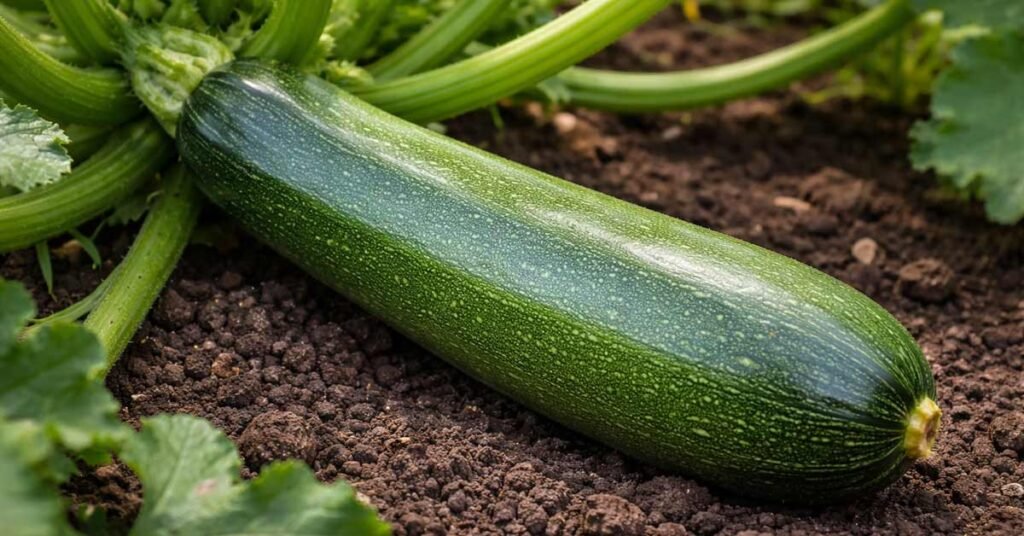
The Overlooked Nutritional Depth of Zucchini
Zucchini often gets written off as just a filler vegetable—something to add bulk or texture without much nutritional punch. That’s a misconception. While it’s mild in flavor and low in calories, zucchini carries a variety of nutrients and plant compounds that accumulate meaningfully when eaten regularly. Its contribution is not about a single dramatic effect; it’s about how small, consistent inputs create lasting impact over time.
Vitamins and Minerals That Add Up Over Time
Zucchini provides a modest but reliable supply of essential vitamins and minerals. Vitamin C, for example, supports overall cellular function and contributes to antioxidant defenses. Even small amounts matter when they become part of habitual eating patterns. Vitamin A, present in the form of carotenoids, helps maintain eye health and supports cellular maintenance. Potassium, as discussed in relation to heart health, also adds incremental value for fluid balance and muscle function.
These nutrients are often overshadowed by more concentrated sources, but zucchini’s appeal lies in the fact that it can be eaten frequently without overwhelming calorie intake. Eating a few servings per week allows these micronutrients to accumulate in the body. Over time, that adds up in ways that can support general wellness, particularly when combined with other nutrient-rich foods.
Zucchini also contains small amounts of magnesium, manganese, and folate. Magnesium contributes to muscle and nerve function, manganese plays a role in enzymatic reactions, and folate is essential for normal cellular processes. While none of these are in extreme concentrations, the cumulative effect of regular consumption shouldn’t be underestimated.
Plant Compounds and Their Quiet Influence
Beyond vitamins and minerals, zucchini carries plant compounds such as carotenoids, phenolic acids, and flavonoids. These compounds act subtly within the body. For instance, carotenoids like lutein and zeaxanthin support oxidative balance, while phenolic acids contribute to general cellular resilience. Flavonoids have been associated with vascular function and anti-inflammatory support.
These compounds do not create immediate, noticeable effects, but they interact with your system continuously. Over time, they help maintain balance, supporting both digestion and heart health indirectly. Their impact is cumulative, building quietly as part of an overall dietary pattern rather than through single, high-dose interventions.
Raw vs Cooked: What Changes Nutritionally
How you prepare zucchini can influence which nutrients are most available. Raw zucchini preserves vitamin C and water-soluble compounds, making it ideal for salads or cold dishes. Cooking—especially light sautéing or steaming—can increase the bioavailability of carotenoids like beta-carotene, enhancing antioxidant potential. Overcooking, however, can lead to nutrient loss and a mushy texture that some find less appealing.
This dynamic offers flexibility. You can rotate between raw and cooked forms to maximize nutritional variety. For example, a fresh zucchini salad at lunch preserves vitamin C, while lightly sautéed zucchini at dinner increases carotenoid absorption. This way, you cover a broader spectrum of nutrient availability without complicated meal planning.
Making Zucchini a Consistent Part of Meals
One of zucchini’s strongest advantages is its adaptability. Its mild flavor allows it to integrate seamlessly into diverse culinary contexts. Including zucchini consistently doesn’t require drastic changes to your meals—small shifts make a meaningful difference.
Some practical strategies:
- Incorporate zucchini into breakfast scrambles or omelets for an added nutrient boost.
- Use zucchini ribbons or slices in pasta or grain dishes to increase volume and fiber.
- Blend zucchini into soups and stews to subtly enrich texture and micronutrient content.
- Grill or roast zucchini as a side dish, enhancing flavor without heavy sauces or oils.
- Spiralize zucchini to replace part of noodles, providing hydration, fiber, and volume.
The key is repetition. Eating zucchini once in a while won’t provide the full benefits of its nutritional depth. Making it a regular habit allows its vitamins, minerals, and plant compounds to accumulate and support your body in practical, sustainable ways. Over time, zucchini can become a quietly essential component of a balanced, nutrient-rich diet.
Best Selling Zucchini Related Products


When Zucchini Starts Pulling Its Weight in Daily Life
Zucchini isn’t the kind of vegetable that grabs headlines, but that’s exactly why it shines in everyday routines. It’s unassuming, versatile, and persistent—the kind of ingredient that quietly nudges your meals and your body toward balance without demanding attention. When incorporated consistently, zucchini starts to make a noticeable difference, not through dramatic effects, but through cumulative, practical benefits.
One of the first ways zucchini asserts itself is in digestion. Meals that include zucchini tend to feel lighter and more manageable. That’s not just perception; its high water content and gentle fiber composition help food move more efficiently through your digestive tract. Over weeks and months, you may notice fewer moments of sluggishness after meals and a steadier rhythm in digestion. It’s the kind of improvement that doesn’t make headlines but quietly shapes your day-to-day well-being.
Heart health is another area where zucchini quietly contributes. Regular inclusion provides incremental amounts of potassium and antioxidants, along with hydration and low-calorie density. These factors work together to support fluid balance, vascular function, and overall dietary moderation. You don’t need to overhaul your diet or track every nutrient meticulously. Simply incorporating zucchini into meals—whether sautéed, roasted, raw, or spiralized—builds small, reliable foundations that reinforce heart-friendly patterns.
Zucchini also enhances meal flexibility. Because it’s neutral in flavor and texture, it pairs seamlessly with a wide range of foods. That versatility means it’s easier to eat consistently. You can replace part of a heavier side with zucchini, blend it into sauces or soups, or add it raw to salads. Each method delivers slightly different nutrient benefits, from preserving vitamin C in raw form to boosting carotenoid bioavailability when cooked lightly. This variety keeps meals interesting while ensuring you gain the full spectrum of zucchini’s nutritional value over time.
Another subtle advantage is portion management. The volume zucchini adds to meals creates a sense of fullness without overloading on calories. That can influence overall eating patterns in meaningful ways, helping maintain weight and moderating intake of richer or denser foods. Over time, these small shifts accumulate into a more balanced diet, supporting both digestive comfort and cardiovascular health.
Finally, there’s the psychological effect. Incorporating zucchini regularly is simple and practical, which reduces decision fatigue around meals. Having a go-to vegetable that fits into breakfast, lunch, and dinner without fuss encourages consistency. That reliability is underrated in nutrition. Small, consistent habits often outperform sporadic attempts at more dramatic dietary changes. Zucchini proves that a simple, humble vegetable can carry significant weight—not in drama or flair, but in real, tangible contributions to daily health.
By consistently including zucchini, you leverage hydration, fiber, micronutrients, and gentle satiety to improve daily dietary patterns. Its influence is cumulative: over time, you notice better digestion, smoother meals, more balanced nutrient intake, and subtle support for heart health. In short, zucchini pulls its weight quietly but effectively, turning everyday meals into opportunities for small, meaningful improvements in well-being.
Article Sources
At AncientHerbsWisdom, our content relies on reputable sources, including peer-reviewed studies, to substantiate the information presented in our articles. Our primary objective is to ensure our content is thoroughly fact-checked, maintaining a commitment to accuracy, reliability, and trustworthiness.
- Sangiovanni, E., Brivio, P., Dell’Agli, M., & Calabrese, F. (2017). Botanicals as Modulators of Neuroplasticity: Focus on BDNF. Neural Plasticity, 2017, 5965371. https://doi.org/10.1155/2017/5965371
- Slavin, J. L., & Lloyd, B. (2012). Health benefits of fruits and vegetables. Advances in Nutrition, 3(4), 506–516. https://doi.org/10.3945/an.112.002154
- Boeing, H., Bechthold, A., Bub, A., Ellinger, S., Haller, D., Kroke, A., Leschik-Bonnet, E., Müller, M. J., Oberritter, H., Schulze, M., Stehle, P., & Watzl, B. (2012). Critical review: vegetables and fruit in the prevention of chronic diseases. European Journal of Nutrition, 51(6), 637–663. https://doi.org/10.1007/s00394-012-0380-y
- United States Department of Agriculture (USDA). (2023). FoodData Central: Zucchini, raw. https://fdc.nal.usda.gov/fdc-app.html#/food-details/169911/nutrients
- World Health Organization (WHO). (2020). Healthy diet. https://www.who.int/news-room/fact-sheets/detail/healthy-diet
- Slavin, J. L. (2013). Fiber and prebiotics: mechanisms and health benefits. Nutrients, 5(4), 1417–1435. https://doi.org/10.3390/nu5041417
- McDonald, S., Prenzler, P. D., Autolovich, M., & Robards, K. (2001). Phenolic content and antioxidant activity of olive extracts. Food Chemistry, 73(1), 73–84. https://doi.org/10.1016/S0308-8146(00)00261-5
- Blekkenhorst, L. C., Prince, R. L., Hodgson, J. M., Lewis, J. R., & Devine, A. (2017). Effects of fruit and vegetable intake on markers of inflammation and oxidative stress in healthy older adults: a randomized controlled trial. Nutrients, 9(11), 1173. https://doi.org/10.3390/nu9111173
- Marx, W., Kelly, J. T., Roberts, M., Crichton, M., McCarthy, A. L., & Bauer, J. D. (2021). Plant-based dietary patterns and cardiovascular health: a review. Nutrients, 13(6), 1896. https://doi.org/10.3390/nu13061896
- Reyes-Caudillo, E., Tecante, A., & Valdivia-López, M. Á. (2008). Dietary fiber content and antioxidant activity of commonly consumed vegetables. Plant Foods for Human Nutrition, 63(3), 121–126. https://doi.org/10.1007/s11130-008-0093-8

- Phosphatidic Acid: Supporting Muscle Growth and Strength - July 31, 2026
- Ceramides: Supporting Healthy Skin From Within - July 31, 2026
- Synbiotics: Combining Prebiotics and Probiotics Together - July 31, 2026