
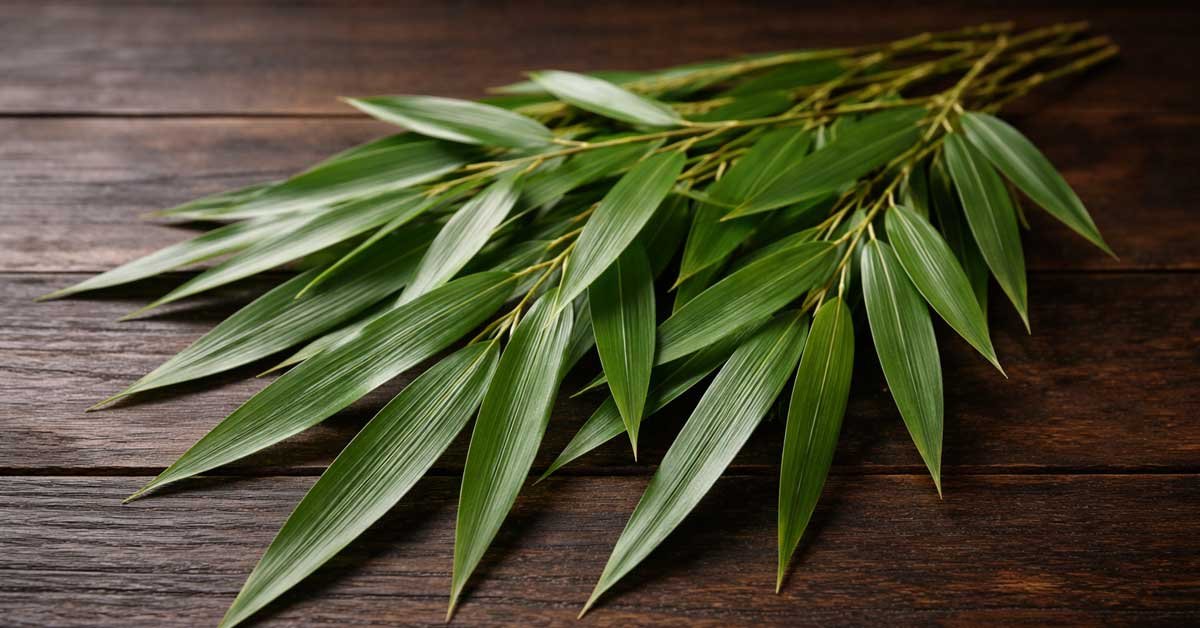
Why Bamboo Is Getting Attention Beyond the Garden
For most people, bamboo brings to mind towering green stalks swaying in the wind, pandas munching away in distant forests, or perhaps the decorative plants sitting quietly in office corners. It is one of those plants that seems familiar until you start digging deeper. Then you discover that bamboo has been quietly earning respect in traditional wellness systems for centuries, while modern researchers have become increasingly interested in some of its unique nutritional compounds.
What fascinates me most about bamboo is how often it gets overlooked. Walk through a health store and you’ll find shelves packed with products made from berries, roots, mushrooms, and exotic herbs. Yet bamboo, despite being one of the fastest growing plants on Earth and a remarkably rich source of certain beneficial compounds, often sits in the background. That is beginning to change.
Table of Contents

The renewed interest in bamboo has little to do with its ability to grow quickly or provide sustainable building materials. Instead, attention is turning toward bamboo leaf and the compounds naturally present within it. Researchers have been exploring its antioxidant content, while nutrition experts continue examining the role of plant derived silica in supporting various aspects of human health.

One reason bamboo has captured attention is that it occupies an unusual position between traditional knowledge and modern scientific investigation. Traditional practices have valued different parts of the plant for generations, while current studies are attempting to understand exactly what makes bamboo so biologically interesting.
When discussing bamboo from a wellness perspective, it helps to understand that not all parts of the plant are used in the same way.
The young shoots are commonly consumed as food in many Asian countries. Bamboo stems have applications in construction and manufacturing. Bamboo leaf, however, has attracted particular interest because it contains a variety of naturally occurring compounds that researchers continue to study.
Among the components found in bamboo leaf are:
- Silica
- Flavonoids
- Phenolic compounds
- Polysaccharides
- Various antioxidant substances
These compounds are responsible for much of the growing curiosity surrounding bamboo based products.
A common misconception is that bamboo and bamboo leaf are interchangeable terms. They are related, of course, but they are not exactly the same thing.
When people talk about bamboo supplements, they are often referring to extracts derived from specific parts of the plant, particularly bamboo leaf or bamboo stem extract standardized for silica content. The nutritional profile can vary significantly depending on the species of bamboo, the part harvested, and the extraction process used.
That distinction matters because many of the benefits associated with bamboo are actually linked to concentrated compounds rather than simply consuming any bamboo product.
Traditional use provides an interesting starting point. Across several regions of Asia, bamboo leaf has been incorporated into teas, herbal preparations, and wellness practices for generations. Historical records from traditional Chinese medicine describe bamboo leaves as ingredients used in various formulations. While traditional use does not automatically confirm effectiveness, it often points researchers toward plants worthy of closer investigation.
In recent years, laboratory and nutritional research have helped explain why bamboo leaf attracted attention in the first place.
One compound appears repeatedly in discussions about bamboo: silica.
Silica is a naturally occurring trace mineral found in soil, water, plants, and the human body. It is especially interesting because it plays a structural role in nature. Bamboo itself is a perfect example. The plant’s impressive strength and flexibility are partly attributed to its silica content.
When people first hear about silica, they often think of rocks or sand. In reality, dietary silica exists in many plant foods, although the concentration varies considerably. Bamboo is frequently cited as one of the richest natural botanical sources available.
This connection between bamboo and silica has generated substantial interest in areas such as bone health, skin health, and hair health. Scientists continue to investigate how dietary silica interacts with connective tissues and structural proteins throughout the body.
At the same time, silica is only part of the story.
Bamboo leaf also contains flavonoids and other antioxidant compounds. These naturally occurring substances help plants defend themselves against environmental stress. Researchers have become increasingly interested in dietary antioxidants because oxidative stress is considered one of the factors involved in normal aging processes.
The antioxidant profile of bamboo leaf has therefore become another major area of investigation.
What makes bamboo particularly interesting is that it brings together several characteristics rarely found in a single plant source. It contains a notable concentration of silica, offers antioxidant compounds, and has a long history of traditional use. That combination tends to attract both consumers and researchers.
Today, bamboo products appear in several forms.
Some people prefer bamboo leaf tea, which offers a traditional approach to consumption. Others choose powdered products that can be mixed into beverages or smoothies. Concentrated extracts and capsules have become increasingly common, especially among individuals seeking a more standardized intake of bamboo derived compounds.
You can now find bamboo ingredients incorporated into:
- Dietary supplements
- Herbal teas
- Functional beverages
- Beauty focused wellness products
- Nutritional blends
This growing market reflects a broader shift in consumer behavior. People are becoming more interested in plant based ingredients that offer nutritional value beyond basic vitamins and minerals.
Of course, enthusiasm should always be balanced with realism.
One mistake I often see is the tendency to treat every emerging botanical ingredient as a miracle solution. Bamboo deserves attention, but it also deserves an evidence based discussion. While research on silica, antioxidants, and bamboo extracts is promising in several areas, scientists continue to investigate the extent of these effects and how they translate into everyday health outcomes.
That balanced perspective is important because bamboo is best viewed as part of a broader nutritional picture rather than a standalone answer. Healthy bones, healthy skin, and healthy hair depend on numerous factors, including overall diet, physical activity, genetics, sleep quality, and lifestyle habits.
Still, there is a reason bamboo keeps appearing in scientific literature, wellness conversations, and supplement formulations. Few plants combine such a rich traditional history with a nutrient profile that continues to generate modern interest. As researchers learn more about bamboo leaf and its unique collection of compounds, it becomes increasingly clear that this remarkable plant offers far more than ornamental beauty.
For a plant that many people know only as a garden feature, bamboo has quietly built a reputation that extends well beyond landscaping. Its growing presence in health discussions is no accident. It reflects a genuine curiosity about what this resilient plant may contribute to bone health, skin health, hair health, and overall wellness when incorporated into a balanced lifestyle.
Bamboo Leaf and the Foundation of Strong Bones
When most people think about bone health, the conversation usually begins and ends with calcium. Ask someone what nutrient is important for strong bones, and calcium will almost certainly be the first answer. Vitamin D might get an honorable mention. Yet the human skeleton is far more complex than a collection of calcium deposits, and researchers have spent decades exploring the lesser known nutrients that contribute to healthy bone structure.
This is where bamboo leaf enters the discussion.
The growing interest in bamboo has largely been driven by its naturally high silica content. While silica receives only a fraction of the attention given to calcium, it has become an increasingly important topic in nutritional science. Researchers studying skeletal structure have discovered that bone is not simply a mineralized framework. It is a living tissue that constantly remodels itself, responds to physical demands, and relies on a variety of nutrients working together.
Understanding that broader picture helps explain why bamboo leaf has attracted attention among people looking to support bone health through nutrition and lifestyle choices.
Understanding Silica and Skeletal Structure
Silica, also known as silicon dioxide in its natural form, is one of the most abundant compounds found on Earth. It exists in rocks, soil, water, and many plant foods. Yet despite its abundance in nature, dietary silica is not something most people actively think about.
Interestingly, the human body contains small amounts of silicon, primarily concentrated in connective tissues, bones, skin, and other structural components. Researchers first became interested in silicon decades ago when studies suggested it might play a role in normal bone development and connective tissue formation.
The relationship between silica and bone structure is fascinating because bone itself is more dynamic than it appears.
A healthy skeleton contains two primary components:
- A mineral component that provides hardness and strength
- An organic matrix that provides flexibility and resilience
The mineral portion is largely composed of calcium and phosphorus. The organic matrix consists primarily of collagen and other proteins that create the scaffolding upon which minerals are deposited.
Think of constructing a building. The mineral content acts like concrete, while collagen functions more like the steel framework hidden beneath the surface. Both are necessary. Without the framework, the structure loses integrity. Without the mineralization, it lacks strength.
Researchers have observed that silicon appears to be involved in the early stages of bone formation and may influence the production of connective tissue components. This observation has led to considerable scientific interest in dietary silica sources.
Among plant based sources, bamboo is frequently highlighted because of its exceptionally high silica concentration. Depending on the species and processing method, bamboo extracts can contain significantly higher levels of silica than many other botanical ingredients commonly used in supplements.
That fact alone has helped elevate bamboo leaf from a relatively obscure traditional ingredient to a plant receiving growing attention within nutritional circles.
One reason bamboo has become so popular is simple practicality. While silica is naturally present in foods such as whole grains, green beans, and certain vegetables, concentrated bamboo extracts offer a convenient way to obtain higher amounts of plant derived silica.
Of course, nutrients rarely operate in isolation. Silica works within a larger nutritional environment, interacting with proteins, minerals, and various biological processes that contribute to skeletal maintenance over time.
How Bamboo Supports Bone Health
The connection between bamboo leaf and bone health largely centers on silica’s relationship with connective tissues and bone mineralization.
Scientists continue to investigate exactly how silicon functions within the body, but several observations have emerged consistently throughout the research literature.
For example, silicon tends to be concentrated in areas of active bone growth and development. Some researchers have suggested that silicon may participate in processes related to collagen synthesis, which is particularly important because collagen forms a major component of bone’s structural matrix.
Without adequate collagen, bones would lose much of their flexibility and resilience.
This does not mean bamboo directly builds bone. The evidence does not support simplistic claims like that. What it does suggest is that dietary silica may contribute to biological processes involved in maintaining healthy connective tissues and skeletal structures.
One aspect that often gets overlooked is that bone health is not solely about preserving density. Quality matters too.
Imagine two houses built with the same amount of concrete. One has a strong internal framework, while the other has weaknesses hidden beneath the surface. On paper they may appear similar, but their long term durability can differ dramatically.
Researchers increasingly recognize that skeletal strength depends on both mineral content and structural organization. This broader understanding has encouraged scientists to look beyond calcium alone when studying nutritional influences on bone health.
Several studies have explored associations between dietary silicon intake and markers related to bone health. Some findings suggest that individuals consuming higher levels of dietary silicon may demonstrate differences in bone related measurements compared to those with lower intake. While these observations do not prove cause and effect, they have contributed to ongoing interest in silica rich foods and supplements.
Bamboo leaf has therefore become part of a larger conversation about nutritional diversity.
Rather than focusing exclusively on a single nutrient, many experts now emphasize the importance of obtaining a wide range of supportive compounds, including:
The growing popularity of bamboo reflects this shift toward a more comprehensive view of skeletal wellness.
There is another reason bamboo resonates with many consumers.
Healthy bones become increasingly important with age. Most people spend very little time thinking about their skeleton until later in life, when maintaining mobility, strength, and independence becomes a more visible priority. As awareness grows, so does interest in nutritional strategies that support long term structural health.
Bamboo leaf fits naturally into that conversation because it offers a concentrated source of a nutrient that many people had never considered before encountering it.
Bamboo in a Bone Supporting Lifestyle
One mistake people often make is looking for a single food, herb, or supplement that will solve a complex problem.
The reality is that bone health reflects years and often decades of daily habits.
You cannot compensate for poor nutrition, inactivity, or inadequate sleep by simply adding bamboo to your routine. However, bamboo can potentially serve as one component within a broader lifestyle strategy focused on supporting skeletal wellness.
The most effective approach usually combines several foundational practices.
First, adequate protein intake remains essential. Protein provides the amino acids needed to build and maintain connective tissues throughout the body, including the collagen framework found in bones.
Second, calcium rich foods continue to play a central role. Dairy products, leafy greens, fortified foods, and certain fish contribute important minerals necessary for bone maintenance.
Third, vitamin D deserves special attention because it helps regulate calcium absorption and utilization. Even a nutrient rich diet becomes less effective when vitamin D levels are inadequate.
Physical activity may be equally important.
Weight bearing exercises create mechanical stress that encourages bones to adapt and remain strong. Walking, resistance training, hiking, and similar activities provide signals that help maintain skeletal integrity throughout life.
Within this larger framework, bamboo leaf products may offer an additional source of dietary silica.
Many people choose bamboo supplements because they are easy to incorporate into existing wellness routines. Others prefer bamboo leaf tea as a more traditional option. Some add bamboo powders to smoothies or nutritional beverages.
Regardless of the format, the key is consistency rather than intensity.
I have seen countless examples of individuals chasing extreme solutions while neglecting the fundamentals. They search for the perfect supplement yet skip exercise, consume highly processed diets, and sleep five hours per night. Bone health simply does not work that way.
The strongest nutritional strategies tend to be surprisingly simple:
- Eat a nutrient dense diet
- Prioritize adequate protein
- Stay physically active
- Maintain healthy vitamin D status
- Include a variety of supportive minerals
- Consider complementary sources of dietary silica such as bamboo
That approach may not sound exciting, but it aligns far more closely with what research continues to show.
Bamboo leaf stands out because it introduces an often overlooked nutrient into the conversation. Its silica content has helped transform it from a traditional botanical ingredient into a modern wellness supplement with growing scientific interest. While bamboo is not a substitute for the core pillars of skeletal health, it represents an intriguing example of how nature can provide compounds that support the body’s complex structural systems.
For those interested in supporting bone health through nutrition, bamboo offers a reminder that strong bones depend on far more than calcium alone. The skeleton is a living, adaptive structure, and maintaining it requires a broad spectrum of nutrients working together over time.
The Connection Between Bamboo and Skin Health
Skin has a funny way of revealing what is happening beneath the surface. A few nights of poor sleep, a stressful month at work, a diet packed with processed foods, or simply the passing of time can show up faster on the skin than almost anywhere else. Most people eventually notice it. The complexion loses some of its brightness, elasticity seems less obvious, and the effortless glow of younger years becomes harder to maintain.
That reality explains why skin health has become one of the most discussed topics in wellness. It is also one reason bamboo has gained attention outside traditional herbal circles. While bamboo is often associated with bone health because of its silica content, researchers and consumers alike have become increasingly interested in its potential relationship with healthy skin.
The connection is not based on magic or miracle claims. Instead, it revolves around two key areas: structural support and antioxidant activity. Both happen to be subjects where bamboo leaf contains compounds that continue to attract scientific interest.
Why Healthy Skin Depends on Structural Proteins
When people think about healthy skin, they often focus on what they can see. Smooth texture. Even tone. Hydration. Firmness. Yet these visible characteristics depend heavily on structures hidden beneath the surface.
At the center of this system are structural proteins, particularly collagen and elastin.
Collagen serves as the primary support framework within the skin. It helps maintain strength and structure, creating the underlying network that gives skin much of its firmness. Elastin performs a different but equally important function. It allows skin to stretch and return to its original shape.
A simple example makes this easier to visualize.
Imagine a brand new mattress. The internal springs provide support while the outer materials create comfort. Over time, if those springs weaken, the mattress begins to sag regardless of how attractive the exterior appears.
Skin functions in a similar way.
The visible surface reflects the condition of deeper structural components. As collagen and elastin naturally change with age, the skin’s appearance often changes as well.
This is one reason nutritional support has become such an important part of conversations surrounding skin health. The body continuously produces and repairs structural proteins, but these processes depend on adequate access to nutrients and supportive compounds.
Protein intake matters. Vitamin C matters. Various minerals contribute to normal connective tissue functions. Researchers have also explored the role of dietary silicon, particularly because silicon appears to be present within connective tissues throughout the body.
This is where bamboo enters the discussion.
Because bamboo leaf is naturally rich in silica, it has become a popular ingredient in supplements marketed toward beauty and wellness. The reasoning is straightforward. Since silica is associated with connective tissues and structural integrity, some researchers have explored whether dietary silicon may play a supportive role in maintaining normal skin structure.
It is important to keep expectations realistic. Bamboo is not a shortcut to youthful skin, nor can it override the effects of aging, sun exposure, or poor lifestyle habits. However, its silica content has made it one of the more interesting botanical ingredients in the growing field of nutritional beauty support.
What I find particularly interesting is that the conversation around skin health is gradually shifting away from purely cosmetic solutions. More people are beginning to appreciate that healthy skin starts internally. Expensive creams can certainly have their place, but nutrition remains one of the foundational factors influencing how skin functions over time.
That broader perspective has helped drive interest in bamboo and other plant based sources of supportive nutrients.
Antioxidants Found in Bamboo Leaf
Silica may be the star of the bamboo story, but it is not the only reason researchers have become interested in bamboo leaf.
Another important area involves antioxidants.
Every day, the body encounters environmental stressors. Sunlight, pollution, physical exertion, and normal metabolic activity all contribute to the production of unstable molecules commonly known as free radicals. In controlled amounts, these molecules are a natural part of biological processes. Problems arise when their production exceeds the body’s ability to manage them effectively.
This imbalance is often referred to as oxidative stress.
Oxidative stress has become a major topic in aging research because it may influence various biological systems, including those related to skin health. As a result, scientists have spent years investigating plant compounds that possess antioxidant properties.
Bamboo leaf contains several compounds that fall into this category.
These include:
- Flavonoids
- Phenolic compounds
- Polyphenols
- Various naturally occurring antioxidant substances
These compounds help protect the plant itself from environmental challenges. Researchers have therefore examined whether bamboo leaf extracts exhibit antioxidant activity under laboratory conditions.
The findings have been intriguing.
Studies have identified measurable antioxidant properties within bamboo leaf extracts, helping explain why bamboo has attracted attention in both nutritional and cosmetic applications. Although laboratory results do not automatically translate into specific outcomes in humans, they provide a foundation for continued investigation.
One reason antioxidants generate so much interest is that skin is constantly exposed to environmental pressures.
Think about everything skin encounters during a typical day:
- Ultraviolet radiation
- Air pollution
- Temperature fluctuations
- Dry indoor environments
- Physical friction
- Lifestyle related stress
The skin’s ability to cope with these challenges depends on numerous internal defense mechanisms. Nutritional compounds with antioxidant properties are often discussed as one piece of that larger protective system.
This does not mean more antioxidants automatically equal better skin. Biology rarely works in such a simple way. However, consuming a diet rich in antioxidant containing foods and botanicals remains a common recommendation for overall wellness.
Bamboo leaf has earned a place in that conversation because its antioxidant profile complements its reputation as a silica rich botanical ingredient.
Bamboo as Part of a Skin Focused Wellness Routine
One of the biggest misconceptions in the beauty industry is the idea that a single ingredient can transform skin health.
Walk through any supplement store or browse online wellness communities and you’ll encounter endless promises. One product claims to erase years from your appearance. Another supposedly delivers flawless skin within weeks. Most of these claims fall apart under scrutiny.
Healthy skin is usually the result of consistent habits rather than dramatic interventions.
When viewed through that lens, bamboo makes much more sense.
Rather than treating bamboo as a miracle ingredient, it is more useful to consider how it fits within a broader skin focused wellness strategy. Its silica content and antioxidant compounds may complement other practices that support normal skin function.
Those practices include:
- Eating a nutrient dense diet
- Consuming adequate protein
- Staying properly hydrated
- Prioritizing sleep
- Managing stress
- Limiting excessive sun exposure
- Engaging in regular physical activity
People often underestimate how powerful these fundamentals can be.
I once spoke with a nutrition professional who joked that many individuals spend hundreds of dollars chasing exotic beauty supplements while routinely sleeping five hours per night and drinking barely enough water to stay hydrated. There was truth in the observation. The basics frequently produce greater benefits than the latest wellness trend.
Within a balanced routine, bamboo products can serve as an additional source of silica and plant compounds. Some people enjoy bamboo leaf tea as part of their daily wellness ritual. Others prefer standardized bamboo supplements because they provide a more concentrated source of silica.
The format matters less than consistency and context.
What makes bamboo particularly appealing is that it supports a growing philosophy within wellness circles: beauty from within. This concept recognizes that skin health reflects countless internal processes rather than merely surface appearance.
Good nutrition supports those processes. Adequate sleep supports them. Physical activity supports them. Stress management supports them.
Bamboo may contribute to that larger picture through its unique combination of silica and antioxidant compounds.
The growing popularity of bamboo is therefore easy to understand. It bridges traditional herbal use and modern nutritional science while offering compounds that align naturally with current conversations about skin health. Although bamboo is not a substitute for healthy lifestyle habits, it represents one of the more intriguing botanical ingredients available to individuals seeking comprehensive support for their skin from the inside out.
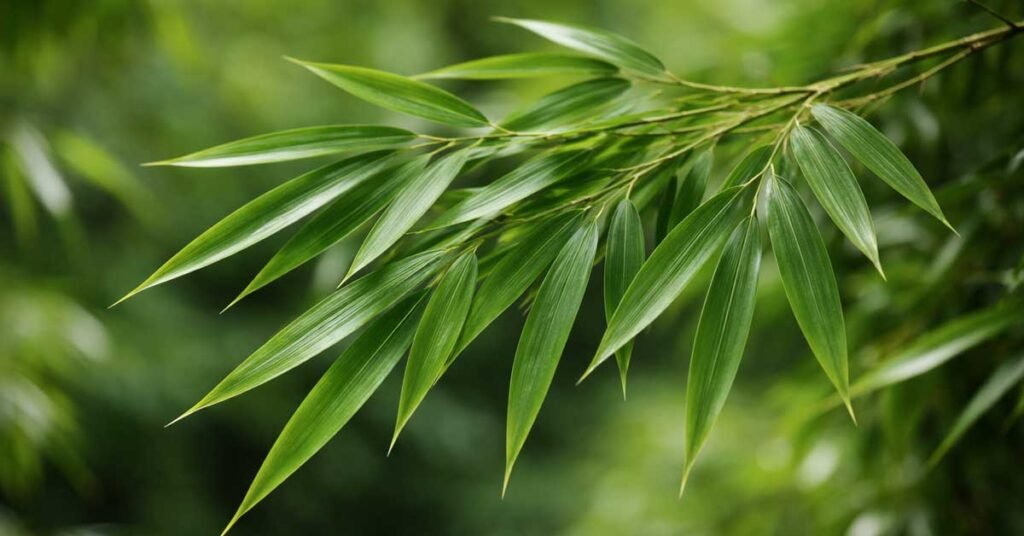
Can Bamboo Help Promote Healthier Hair?
Hair has always occupied a unique place in human culture. Throughout history, thick, healthy looking hair has been associated with vitality, youth, and overall wellness. It is no surprise that people spend enormous amounts of time and money searching for products that promise stronger, shinier, and fuller hair.
Yet hair is often misunderstood.
Many people focus almost entirely on shampoos, conditioners, oils, and styling products while paying far less attention to the internal factors that influence hair quality. The truth is that hair reflects much more than what happens in the bathroom mirror. Nutrition, stress levels, sleep patterns, genetics, and overall health can all influence how hair looks and feels.
This is one reason bamboo has become increasingly popular in beauty and wellness products. While bamboo is frequently discussed for bone health and skin health, its naturally high silica content has also generated interest in conversations about hair health.
The relationship is not fully understood, and researchers continue to investigate the role of silica in connective tissues and structural integrity throughout the body. Still, the connection is compelling enough that bamboo now appears in countless hair focused supplements and wellness formulas.
To understand why, it helps to start with the basic biology of hair itself.
The Building Blocks of Strong Hair
Hair may appear simple, but it is remarkably complex.
Each strand consists primarily of a structural protein called keratin. Keratin provides strength, durability, and resilience. In many ways, hair functions like a specialized fiber produced by the body.
Because hair is composed largely of protein, nutritional status plays a significant role in its condition. When the body lacks key nutrients, it often prioritizes essential functions over hair production. As a result, hair quality can sometimes reflect broader nutritional patterns.
Several nutrients are commonly associated with healthy hair maintenance, including:
This is one reason restrictive diets sometimes affect hair quality. When nutrient intake becomes inadequate, the body may have fewer resources available to support normal hair growth cycles.
What many people do not realize is that hair health also depends on the condition of the surrounding structures.
Hair follicles are embedded within the skin and supported by connective tissues. These tissues help create the environment in which hair develops. As researchers have explored the biology of connective tissues, they have become increasingly interested in compounds such as silicon that appear throughout various structural systems within the body.
This brings bamboo back into the conversation.
Because bamboo leaf is among the richest natural sources of silica, it has become a popular ingredient among individuals seeking nutritional support for hair health. The logic is straightforward. If silica contributes to structural tissues, perhaps dietary sources of silica may also play a role in maintaining healthy hair characteristics.
Scientists are still working to clarify exactly how these relationships function. However, the growing popularity of bamboo suggests that consumers have become increasingly interested in supporting hair health from the inside rather than relying exclusively on external treatments.
There is another factor worth considering.
Hair grows slowly.
Unlike skin, which can sometimes show visible changes relatively quickly, hair often requires months to reflect nutritional or lifestyle changes. This delayed response can make it difficult to determine which habits are helping and which are not.
That reality highlights the importance of consistency when discussing nutrition and hair wellness.
Bamboo Leaf, Silica, and Hair Strength
Few nutrients are discussed more frequently in bamboo related products than silica.
Silica has attracted attention because it appears naturally within various connective tissues and structural components of the body. Researchers have spent years examining its potential biological functions, particularly in relation to collagen production and tissue organization.
Although most discussions focus on bone health and skin health, hair health has increasingly become part of the conversation.
Many beauty supplements now combine bamboo extract with ingredients such as biotin, collagen peptides, zinc, and vitamins. The inclusion of bamboo is typically intended to provide a concentrated source of silica.
Why does this matter?
One reason is that hair strength depends heavily on structural integrity. Hair strands encounter considerable physical stress throughout daily life.
Consider what a typical strand experiences:
- Washing
- Brushing
- Heat styling
- Sun exposure
- Environmental pollutants
- Mechanical friction from clothing and bedding
Over time, these factors can affect the appearance and durability of hair fibers. As a result, many consumers seek nutritional approaches that may support the body’s natural structural systems.
Researchers have explored associations between silica intake and various indicators related to hair characteristics. While some studies suggest potential relationships worth further investigation, the evidence remains an evolving area of research.
That distinction is important.
The current scientific literature does not support dramatic claims that bamboo directly causes rapid hair growth or guarantees thicker hair. Hair biology is influenced by genetics, hormones, age, nutrition, and numerous lifestyle variables. No single ingredient can override all of those factors.
Still, bamboo remains interesting because it provides a naturally concentrated source of a nutrient that many people consume only in modest amounts through their regular diets.
From a practical perspective, this is one reason bamboo supplements continue gaining popularity. They allow individuals to incorporate silica into their wellness routines without needing to dramatically change their eating habits.
I find it fascinating that bamboo’s reputation has expanded so quickly. A decade ago, most people associated bamboo with flooring materials, furniture, or ornamental gardens. Today, it frequently appears in beauty supplements marketed toward skin health, hair health, and structural wellness.
That shift reflects a broader trend toward nutrition based approaches to personal care.
More consumers are recognizing that healthy hair begins long before a product reaches the scalp.
Creating a Hair Friendly Nutrition Strategy
One of the most common mistakes people make when trying to improve hair health is focusing on a single ingredient.
Hair is far too complex for that approach.
A person can take bamboo supplements every day, but if their overall diet lacks protein, if they are chronically sleep deprived, or if they are dealing with significant nutritional deficiencies, the benefits may be limited.
Healthy hair is usually the result of multiple factors working together.
A strong hair focused nutrition strategy often includes:
- Adequate daily protein intake
- A variety of fruits and vegetables
- Healthy dietary fats
- Mineral rich foods
- Sufficient hydration
- Consistent sleep habits
Protein deserves special attention because hair itself is largely composed of protein. Without enough dietary protein, the body may struggle to maintain normal hair production processes.
Minerals matter as well.
Iron, zinc, selenium, and other trace nutrients contribute to numerous biological functions related to tissue maintenance. While bamboo provides silica, it should ideally complement a broader nutrient rich eating pattern rather than replace it.
Hydration is another overlooked factor.
People often spend large sums on expensive hair products while barely drinking enough water throughout the day. Hydration influences many aspects of overall wellness, including the condition of the skin and scalp that support healthy hair.
Stress management also deserves mention.
Anyone who has experienced a particularly stressful period knows how quickly the body can respond. Changes in sleep quality, appetite, energy levels, and even hair condition may occur during prolonged periods of stress. While nutrition plays an important role, it cannot completely compensate for chronic lifestyle pressures.
Within this larger framework, bamboo can serve as a useful supporting ingredient.
Some individuals prefer bamboo leaf tea as part of a daily wellness routine. Others choose standardized bamboo extract supplements designed to provide concentrated silica. Either approach can fit comfortably into a balanced lifestyle focused on long term wellness.
What I appreciate most about bamboo is that it encourages a more holistic view of hair health.
Instead of chasing quick fixes, bamboo directs attention toward structural support, nutrition, and consistency. Its popularity reflects a growing recognition that healthy hair is often built gradually through everyday habits rather than dramatic interventions.
Bamboo leaf may not be a miracle solution, but its unique silica content has earned it a place in modern conversations about hair health. Combined with sound nutrition, healthy lifestyle practices, and realistic expectations, bamboo represents an intriguing botanical option for those looking to support stronger, healthier looking hair from within.
Best Selling Bamboo Related Products
![EidolonGreen [China Medicinal Herb] Bamboo Leaf Tea,100% Pure Nat...](https://m.media-amazon.com/images/I/41t7pkTUdFL.jpg)
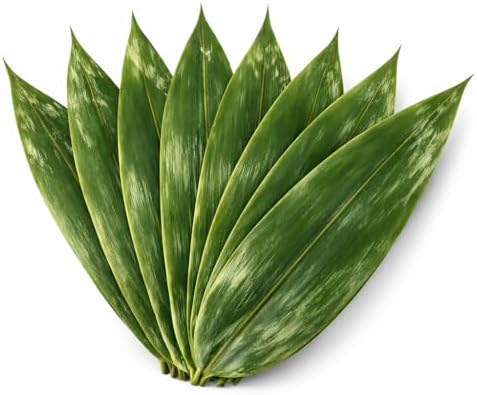
A Remarkable Plant With More to Offer Than Most People Realize
Bamboo tends to sit in an odd space in modern wellness conversations. On one side, it is familiar, almost ordinary. People see it in gardens, furniture, flooring, and landscaping without giving it much thought. On the other side, once you start looking at bamboo through a nutritional lens, it becomes surprisingly complex. The interest around bamboo is not coming from hype alone. It is coming from a combination of traditional use, natural composition, and a growing body of research that keeps circling back to the same theme: bamboo contains compounds that are structurally relevant to the human body.
Across the previous sections, three themes kept appearing again and again: bone structure, skin quality, and hair condition. These are not random associations. They are all tied to connective tissue, and connective tissue is where a lot of the interest around bamboo leaf becomes easier to understand.
At the center of that discussion is silica. Bamboo is often highlighted as a plant source of silica, and that single point has driven much of the modern attention around bamboo leaf. But reducing bamboo to one nutrient misses the broader picture. Plants rarely matter because of one isolated compound. They matter because of how multiple compounds interact within a nutritional context.
Bamboo contains silica, yes, but it also contains flavonoids and other naturally occurring plant compounds that have been studied for their antioxidant activity. That combination is part of what makes bamboo feel different compared to many other plant ingredients used in supplements. It is not just one angle of interest. It is several overlapping ones.
Still, it is important to keep expectations grounded. Bamboo is not a shortcut to structural changes in the body. It is not a replacement for foundational health habits. And it does not operate independently from everything else a person does daily. Nutrition works as a system, not a single ingredient story.
When you zoom out, bamboo fits into a much larger framework of how the body maintains itself over time.
Bone tissue, for example, is constantly being remodeled. It responds to mechanical stress, nutrient availability, and hormonal signals. Skin continuously renews itself through layers of cellular turnover. Hair grows in cycles influenced by internal and external factors. None of these systems operate in isolation, and none of them respond to just one dietary component.
That is why bamboo is best understood as a supporting element rather than a defining one.
One of the more interesting aspects of bamboo is how it sits at the intersection of tradition and modern nutrition science. Traditional systems of herbal use in parts of Asia have long incorporated bamboo leaf into teas and preparations. These practices were not built on laboratory data, but on long term observation and cultural knowledge passed through generations. Modern research, on the other hand, approaches bamboo through chemical analysis, extraction methods, and controlled studies looking at specific compounds.
These two perspectives do not always align perfectly, but they often point toward similar areas of interest. That overlap is part of why bamboo continues to attract attention. It is not a newly invented ingredient. It is an old plant being reexamined with new tools.
There is also a practical reason bamboo keeps showing up in wellness products. It is widely available, relatively sustainable compared to many other botanical sources, and adaptable to different formats. Bamboo leaf can be used in teas, extracts, powders, and standardized supplements. That flexibility makes it easy to integrate into existing product categories, especially in the nutrition and beauty space.
But convenience alone does not explain its popularity. If that were the case, countless other plants would receive the same attention. What makes bamboo different is that it consistently appears in discussions related to structural nutrition. Even when research is cautious and limited, bamboo repeatedly shows up in studies exploring silica intake and connective tissue related outcomes. That pattern is what keeps it relevant.
At the same time, there is a growing awareness among consumers that no single botanical ingredient should be treated as a complete solution. This is a shift worth paying attention to. People are becoming more skeptical of exaggerated wellness claims, especially in the supplement and beauty industries. Instead of asking what one ingredient can do alone, there is more interest in how it fits into a broader lifestyle pattern.
Bamboo fits naturally into that mindset.
It does not demand drastic changes. It does not require replacing core habits. It functions more like an addition than a foundation. That may sound modest, but in practice it is often the most realistic way nutrients and plant compounds are actually used.
When people incorporate bamboo leaf into their routine, they are usually not doing it in isolation. It tends to appear alongside other habits: improved diet, increased hydration, more attention to sleep, or general interest in plant based nutrition. In that sense, bamboo becomes part of a wider behavioral shift rather than a standalone intervention.
That broader context matters more than most people realize.
A supplement is rarely effective in isolation if the surrounding lifestyle is not supportive. The human body does not respond to nutrients in a vacuum. It responds to patterns over time. That includes consistency, balance, and overall nutritional diversity.
Bamboo, especially in the form of bamboo leaf, fits into that philosophy because it is not positioned as a replacement for anything essential. It is positioned as a complementary source of plant derived compounds that may contribute to normal physiological processes related to structure and maintenance.
Another interesting point is how bamboo reflects a larger trend in nutrition science. There is increasing interest in trace elements and plant derived compounds that were previously overlooked. For a long time, nutritional science focused heavily on major nutrients like protein, fats, carbohydrates, vitamins, and a few key minerals. Now there is more attention on the smaller components that may still play supportive roles in the body’s systems.
Silica falls into that category. It is not discussed as widely as calcium or vitamin D, but it has maintained a steady presence in research exploring connective tissue. Bamboo, as a natural source of silica, has therefore become part of that expanded conversation.
Still, it is important not to overstate what that means. Research in this area is ongoing, and many of the proposed relationships between silica intake and structural health are still being explored. Science is incremental. It builds slowly, and conclusions evolve over time as new evidence emerges.
What can be said with more confidence is simpler. Bamboo contains compounds of nutritional interest. It has a long history of traditional use. It has been studied for antioxidant activity and silica content. And it is increasingly incorporated into modern wellness products that focus on structural support from a dietary perspective.
That alone is enough to explain its rising visibility.
In the end, bamboo is not remarkable because it solves a specific problem. It is remarkable because it keeps appearing in different contexts that all point toward the same general idea: plants can contribute more to human nutrition than we often assume at first glance.
Whether someone is interested in bone health, skin health, or hair health, bamboo tends to enter the conversation in a supporting role. Not as a headline solution, but as part of a broader nutritional picture that includes many moving parts.
That is probably the most realistic way to understand it.
Bamboo is a reminder that nutrition is rarely about single answers. It is about patterns, consistency, and the quiet accumulation of small influences over time.
Article Sources
At AncientHerbsWisdom, our content relies on reputable sources, including peer-reviewed studies, to substantiate the information presented in our articles. Our primary objective is to ensure our content is thoroughly fact-checked, maintaining a commitment to accuracy, reliability, and trustworthiness.
- Jugdaohsingh, R. (2007). Silicon and bone health. The Journal of Nutrition, Health and Aging, 11(2), 99–110. https://pubmed.ncbi.nlm.nih.gov/17435951/
- Jugdaohsingh, R. (2013). Silicon and bone health. Journal of Trace Elements in Medicine and Biology, 27(4), 273–277. https://doi.org/10.1016/j.jtemb.2013.03.002
- EFSA Panel on Dietetic Products, Nutrition and Allergies. (2009). Scientific opinion on the substantiation of health claims related to silicon. EFSA Journal, 7(9), 1229. https://doi.org/10.2903/j.efsa.2009.1229
- Spector, T. D., Calomme, M. R., Anderson, S. H., Clement, G., Bevan, L., Demeester, N., Swaminathan, R., Jugdaohsingh, R., & Powell, J. J. (2008). Choline-stabilized orthosilicic acid supplementation as an adjunct to calcium/vitamin D3 stimulates markers of bone formation in osteopenic females. BMC Musculoskeletal Disorders, 9, 85. https://doi.org/10.1186/1471-2474-9-85
- Kim, D. S., Jeon, B. K., Mun, Y. J., Kim, Y. M., Lee, Y. E., Woo, W. H., & Kim, J. H. (2012). Effect of bamboo extract on physiological activity and wrinkle improvement of skin. Toxicological Research, 28(3), 181–187. https://doi.org/10.5487/TR.2012.28.3.181
- Park, E. J., Jhon, D. Y., & Kim, Y. J. (2007). Antioxidant and phenolic compounds of bamboo extracts. LWT – Food Science and Technology, 40(7), 1205–1210. https://doi.org/10.1016/j.lwt.2006.08.012
- Lu, B., Wu, X., Tie, X., Zhang, Y., & Zhang, Y. (2005). Toxicology and safety of antioxidant of bamboo leaves. Food and Chemical Toxicology, 43(5), 783–792. https://doi.org/10.1016/j.fct.2004.12.008
- Pane, C., Scalzo, R. L., Lombardi, N., Piccolo, A., Spaccini, R., Celano, G., Zaccardelli, M., & Bonanomi, G. (2016). Bioactive compounds in bamboo and antioxidant capacity. Journal of Agricultural and Food Chemistry, 64(47), 8822–8830. https://doi.org/10.1021/acs.jafc.6b04146
- National Institutes of Health, Office of Dietary Supplements. (2025). Dietary supplements and health. https://ods.od.nih.gov/
- World Health Organization. (2023). Traditional, complementary and integrative medicine. https://www.who.int/health-topics/traditional-complementary-and-integrative-medicine

- Phosphatidic Acid: Supporting Muscle Growth and Strength - July 31, 2026
- Ceramides: Supporting Healthy Skin From Within - July 31, 2026
- Synbiotics: Combining Prebiotics and Probiotics Together - July 31, 2026