
The Small Fruit With a Surprisingly Big Nutritional Story
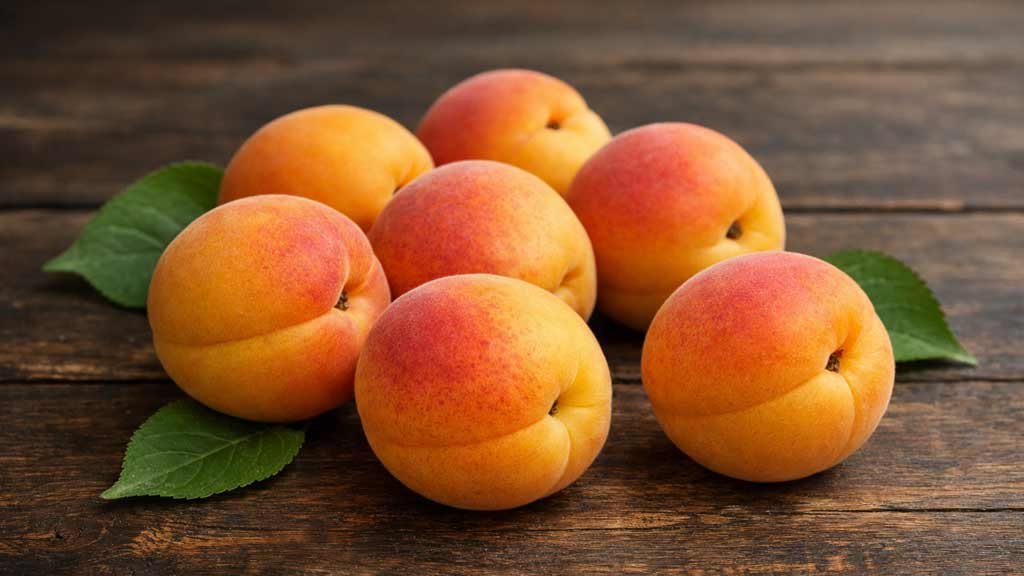
Apricots often sit quietly in the produce aisle. Small, soft, golden orange. Easy to overlook. Yet this fruit carries an unusually dense nutritional profile for its size. Apricots supply carotenoids, vitamin A precursors, fiber, and a wide mix of plant compounds that support everyday physiological functions. When people talk about foods that contribute to eye health and digestion, apricots deserve a seat at the table.
The story of apricots stretches back thousands of years. Historical records trace cultivation to Central Asia and China more than 4,000 years ago. From there, the fruit spread through trade routes across Persia, the Mediterranean region, and eventually Europe. The Romans valued apricots for their sweetness and early ripening season. Even then, people recognized that apricots felt nourishing and easy on the stomach. Today, modern nutritional analysis explains why.
Table of Contents

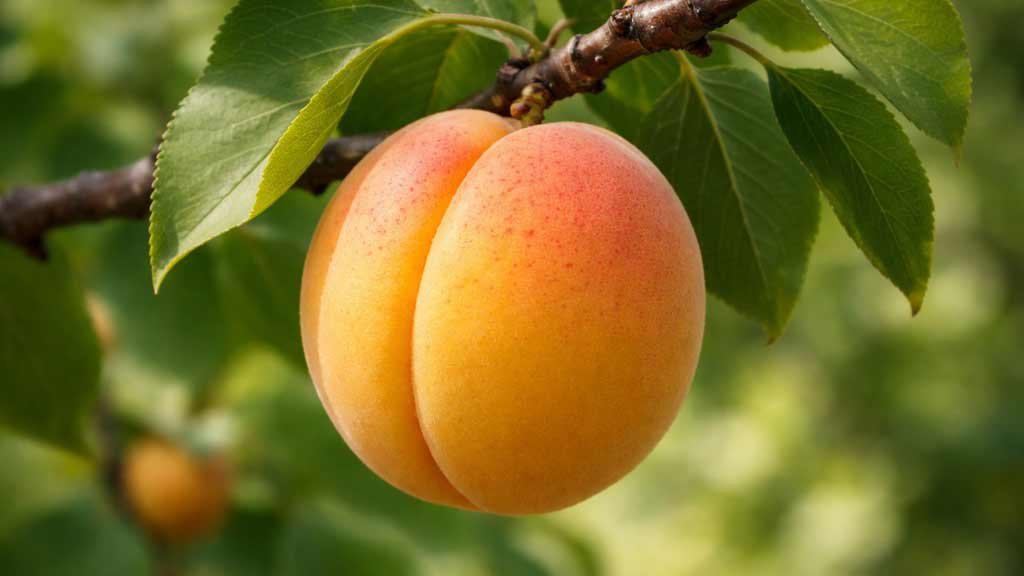
Apricots are botanically classified as Prunus armeniaca, a stone fruit related to peaches, plums, and cherries. Despite their delicate texture, the nutritional concentration inside the flesh is significant. A fresh apricot weighs around 35 grams. That seems tiny. Yet two or three apricots provide a meaningful amount of vitamin A activity through beta carotene and other carotenoids.
According to the United States Department of Agriculture nutrient database, 100 grams of raw apricots provide about 96 micrograms of vitamin A expressed as retinol activity equivalents. That equals roughly 11 percent of the recommended daily intake for adults. Most of this comes from beta carotene, a compound the body converts to vitamin A when needed.
Vitamin A plays an essential role in the retina. Specifically, it contributes to the formation of rhodopsin, a protein required for vision in low light conditions. Without sufficient vitamin A intake, visual adaptation to darkness can decline. This connection explains why foods rich in carotenoids, including apricots, have long been associated with eye health in nutritional research.
The orange color of apricots signals the presence of carotenoids. These plant pigments act as antioxidants. They interact with unstable molecules called reactive oxygen species that form during normal metabolism. When these reactive molecules accumulate, they can contribute to cellular stress in tissues including the eye. Carotenoids in apricots help neutralize some of that oxidative activity.
But apricots are not just about carotenoids. They also contain vitamin C, potassium, polyphenols, and dietary fiber. Each of these components contributes to the fruit’s broader nutritional value. Vitamin C supports collagen formation and antioxidant protection. Potassium helps maintain normal fluid balance and nerve signaling. Fiber supports digestion and contributes to the structure of a healthy diet.
Digestive health is one area where apricots quietly stand out. Many people struggle to meet daily fiber recommendations. Health authorities such as the World Health Organization and the Institute of Medicine suggest around 25 grams per day for adult women and about 38 grams for adult men. In practice, average intake in many countries falls well below these levels.
Apricots help close that gap. One hundred grams of fresh apricots provide about two grams of dietary fiber. That number increases significantly in dried apricots because water is removed while fiber remains concentrated. Fiber adds bulk to stool, supports regular bowel movements, and serves as a substrate for beneficial gut bacteria.
The digestive benefits of apricots were noticed long before modern nutrition science measured fiber. Traditional dietary practices in parts of the Middle East and Central Asia often included dried apricots as a gentle digestive aid after large meals. The fruit’s mild sweetness and fiber content likely contributed to that reputation.
Another interesting aspect of apricots is their polyphenol content. Polyphenols are a broad group of plant compounds studied for their antioxidant and anti inflammatory properties. In apricots, compounds such as chlorogenic acid, catechins, and flavonoids contribute to the fruit’s protective profile.
Research published in food science journals shows that these polyphenols may help reduce oxidative stress markers in laboratory models. While such studies do not translate directly into clinical outcomes, they provide a biochemical explanation for why diets rich in fruits like apricots are often associated with positive health indicators.
There is also a sensory aspect that matters. These fruits are pleasant to eat. Slightly tart. Slightly sweet. The flesh feels soft but structured. That balance makes apricots versatile in everyday meals. They appear in salads, yogurt bowls, grain dishes, and baked recipes across many cultures. When a food tastes good, people are more likely to eat it regularly. Consistency matters far more than occasional bursts of “perfect” nutrition.
Fresh apricots usually appear in markets during late spring and early summer depending on the growing region. Countries such as Turkey, Uzbekistan, Italy, and Iran remain among the world’s largest producers. Turkey alone accounts for a large share of global dried apricot production. The climate in the Malatya region in particular is well suited for growing high quality apricots.
Seasonality plays a role in the fruit’s nutritional story. Fresh apricots contain more water and vitamin C but less concentrated fiber compared with dried forms. Dried apricots, meanwhile, provide a denser source of energy and fiber because the water content drops dramatically during drying. Both forms have their place in a balanced diet.
Apricots also fit comfortably into dietary patterns that emphasize plant foods. Mediterranean style diets, for example, often include a wide range of fruits rich in carotenoids and polyphenols. Epidemiological studies repeatedly associate these dietary patterns with favorable markers related to cardiovascular and metabolic health. Fruits such as apricots contribute to that overall pattern rather than acting as isolated “superfoods.”
Portion size remains simple. Two or three fresh apricots as a snack. A handful of chopped dried apricots in oatmeal. A few slices in a salad with greens and nuts. Small additions accumulate over time.
What makes apricots interesting is the quiet efficiency of the fruit. No dramatic marketing claims. No exotic preparation required. Just a compact fruit carrying nutrients that support everyday functions including eye health and digestion.
People sometimes chase complex nutritional solutions. Yet simple foods often deliver the most consistent benefits. Apricots fall squarely into that category. A small fruit. Bright color. Soft texture. Underneath that simplicity sits a dense combination of vitamin A precursors, fiber, antioxidants, and plant compounds that have supported human diets for centuries.
Spend time around traditional food cultures and you notice something. Fruits like apricots show up again and again. Fresh when the season allows. Dried when winter arrives. The pattern repeats across regions and generations. That continuity usually signals a food that nourishes well and fits naturally into everyday life.
Apricots do exactly that.
Apricots and Their Role in Supporting Eye Health
When people think about foods that support eye health, carrots usually steal the spotlight. Apricots deserve equal attention. The bright orange flesh of apricots signals a dense supply of carotenoids, compounds that the human body uses to produce vitamin A. That connection between apricots and vitamin A explains why apricots often appear in nutrition discussions around vision.
Eye tissue is metabolically active. The retina processes light constantly. Photoreceptor cells convert light signals into electrical impulses that travel through the optic nerve to the brain. This process requires nutrients that maintain the structure and function of retinal cells. Diet does not replace medical care or correct vision problems on its own, but certain nutrients help maintain normal visual function.
Apricots provide several of these nutrients in a compact serving. Carotenoids, polyphenols, vitamin C, and other plant compounds work together in a way that supports cellular resilience in the eye. Regular consumption of fruits rich in these compounds is consistently associated with dietary patterns linked to better visual health markers.
Vitamin A and Carotenoids in Apricots
Apricots contain beta carotene, one of the most important carotenoids in the human diet. Beta carotene belongs to a group called provitamin A carotenoids. This means the body can convert the compound into retinol, the biologically active form of vitamin A.
Vitamin A supports several structures within the visual system. The most widely studied role involves rhodopsin, a light-sensitive pigment found in rod cells in the retina. Rod cells are responsible for vision in low light conditions. Rhodopsin allows the eye to detect light signals in dim environments. Without sufficient vitamin A intake, the production of rhodopsin can decline.
They provide beta carotene in amounts that contribute meaningfully to daily intake. According to the USDA FoodData Central database, 100 grams of fresh apricots contain approximately 1094 micrograms of beta carotene. The body converts beta carotene to vitamin A according to metabolic needs. This conversion acts as a natural regulatory mechanism, preventing excessive accumulation of vitamin A from plant foods.
The color of apricots reflects this carotenoid concentration. The deeper the orange tone, the higher the likelihood that carotenoids are present in meaningful quantities. Along with beta carotene, apricots contain smaller amounts of other carotenoids such as lutein and zeaxanthin.
Lutein and zeaxanthin receive attention in ophthalmology research because they accumulate in the macula, the central region of the retina responsible for detailed vision. These pigments contribute to what researchers call macular pigment density. The pigments absorb specific wavelengths of light and may help filter high energy blue light before it reaches sensitive photoreceptor cells.
Apricots are not the highest dietary source of lutein and zeaxanthin. Leafy greens typically provide higher concentrations. However, apricots contribute to total carotenoid intake within a diverse diet. Nutritional epidemiology consistently shows that diets rich in a wide range of fruits and vegetables tend to deliver beneficial combinations of these compounds.
Another detail matters here. Carotenoids are fat soluble. When apricots are eaten with a small amount of dietary fat, absorption improves. For example, apricots combined with yogurt, nuts, or olive oil in a salad may increase carotenoid uptake compared with eating the fruit alone.
Antioxidants That Protect Vision
Vision depends on delicate tissues that operate in an environment exposed to light and oxygen. Both factors can generate reactive oxygen species during normal metabolism. These molecules can interact with cellular components such as lipids and proteins. The body uses antioxidant systems to keep this activity balanced.
Apricots contribute to these systems through several antioxidant compounds. Vitamin C appears in moderate amounts. Polyphenols such as chlorogenic acid, catechins, and quercetin derivatives also occur in measurable concentrations.
These compounds participate in antioxidant reactions by donating electrons to reactive molecules. This process helps stabilize the molecules before they interact with cellular structures. In the retina, where photoreceptor membranes contain high concentrations of polyunsaturated fatty acids, antioxidant support becomes particularly relevant.
Laboratory studies analyzing apricot extracts show measurable antioxidant capacity using assays that evaluate free radical neutralization. While laboratory models differ from human physiology, these results support the idea that apricots contribute antioxidant compounds within the diet.
The eye contains its own antioxidant defense systems. Enzymes such as superoxide dismutase and catalase manage oxidative stress internally. Dietary antioxidants complement these internal mechanisms. They supply raw materials that support the balance between oxidative reactions and cellular repair processes.
Population studies offer additional perspective. Dietary patterns rich in fruits, vegetables, and carotenoid containing foods correlate with improved markers related to eye health across aging populations. Researchers often point to the combined effects of multiple nutrients rather than one compound acting alone.
Apricots fit comfortably into that broader dietary pattern. They add carotenoids, vitamin C, polyphenols, and fiber. Each plays a small role individually. Together they support a nutritional environment that favors long term tissue resilience.
Practical Ways to Add Apricots to a Vision Friendly Diet
The easiest way to benefit from apricots is also the simplest. Eat them regularly during the growing season. Fresh apricots usually appear in markets between late spring and early summer depending on climate. Their flavor peaks when the fruit softens slightly and develops a deeper orange color.
A common serving involves two or three fresh apricots as a snack. This amount delivers carotenoids, fiber, and vitamin C without adding excessive calories. The fruit pairs well with foods that contain healthy fats, which improve carotenoid absorption.
One example is a breakfast bowl with plain yogurt, chopped apricots, and a small handful of almonds or walnuts. The fat in the nuts assists carotenoid uptake. The yogurt contributes protein and calcium. The result feels balanced and satisfying.
Salads offer another opportunity. Apricots sliced into leafy greens with olive oil dressing create a combination that supports carotenoid absorption. Spinach, arugula, or kale provide additional lutein and zeaxanthin. The mix of plant compounds becomes nutritionally dense while still light.
Dried apricots work well when fresh fruit is unavailable. Drying removes water while concentrating fiber, minerals, and carotenoids. A small portion of dried apricots added to oatmeal or whole grain dishes can increase the overall nutrient density of the meal.
Cooking also works. Apricots appear in traditional Mediterranean and Middle Eastern dishes alongside grains, poultry, and legumes. Gentle cooking preserves many carotenoids while softening the fruit’s texture and intensifying flavor.
Portion awareness matters with dried fruit because the sugar content becomes concentrated during drying. A modest portion usually ranges between 30 and 40 grams, roughly three to five dried apricot halves.
The goal is consistency rather than intensity. Eating apricots occasionally will not transform eye health. Incorporating apricots regularly as part of a varied diet rich in fruits and vegetables supports a steady supply of carotenoids and antioxidants.
When you look closely at how traditional diets work, variety appears everywhere. Apricots enter the picture naturally. Fresh fruit in summer. Dried fruit through colder months. Small amounts repeated often.
That quiet repetition delivers nutrients that support everyday biological functions, including the systems involved in vision. Over time, these small dietary choices accumulate into patterns that matter. Apricots simply make that pattern easier and more enjoyable to maintain.
How Apricots Contribute to Healthy Digestion
Digestive health often begins with very ordinary foods. Fruits, vegetables, grains. Foods that provide fiber, water, and plant compounds that support the normal rhythm of the gastrointestinal tract. Apricots fall neatly into this category. They are simple to eat, easy to digest for most people, and quietly supportive of digestion through several nutritional mechanisms.
Apricots contain dietary fiber, water, and a range of plant compounds that interact with the digestive system in subtle but meaningful ways. These components influence stool formation, intestinal transit time, microbial activity in the gut, and the overall balance of digestion. None of this happens instantly. Digestive health tends to reflect long term patterns of eating rather than isolated foods. Yet apricots can contribute to those patterns in a practical way.
The fruit also has a long history in traditional diets where digestive comfort was valued. Many cultures used apricots, especially dried apricots, as a gentle way to support regular bowel function. Today, nutritional science helps explain why this fruit earned that reputation.
Fiber Content and Gut Function
Fiber is one of the most important components of apricots when discussing digestion. Dietary fiber refers to plant carbohydrates that resist digestion in the small intestine. Instead of being broken down and absorbed like sugars or starches, fiber passes into the large intestine where it interacts with water and gut bacteria.
Fresh apricots contain both soluble and insoluble fiber. Each type behaves slightly differently in the digestive system. Insoluble fiber adds physical bulk to stool. It absorbs water and increases stool volume, which can help stimulate the natural movement of the intestines. This process supports regular bowel movements.
Soluble fiber forms a gel like structure when mixed with water. In the gut, this type of fiber slows the movement of food slightly and can help regulate digestive processes. Soluble fiber also becomes a substrate for beneficial bacteria in the colon.
According to the USDA FoodData Central database, 100 grams of fresh apricots provide roughly two grams of dietary fiber. At first glance that may seem modest. But apricots are rarely eaten alone in a diet. When combined with other fruits, vegetables, whole grains, and legumes, the fiber contribution becomes part of a larger daily intake.
Dried apricots provide even more fiber per serving. Removing water concentrates the nutrients. One hundred grams of dried apricots contain around seven grams of dietary fiber. Because dried fruit is dense, typical portions are smaller. Even so, a modest serving of dried apricots can significantly increase daily fiber intake.
Fiber supports several mechanical aspects of digestion. It helps regulate stool consistency by balancing water content. Too little fiber often leads to harder stools that move slowly through the colon. Adequate fiber tends to produce softer, bulkier stools that move more easily through the digestive tract.
Fiber also influences intestinal transit time. Transit time refers to how long it takes food to travel from ingestion to elimination. Diets low in fiber often lead to longer transit times. Diets with adequate fiber support a more balanced rhythm of digestion.
The water content of fresh apricots also plays a role here. Fresh apricots consist of roughly eighty six percent water. This hydration helps fiber perform its bulking function effectively. Fiber works best when water intake is sufficient. Fruits like apricots provide both simultaneously.
Natural Compounds That Support Digestive Balance
Beyond fiber, apricots contain several plant compounds that interact with digestive physiology. These include polyphenols, organic acids, and small amounts of natural sugars that contribute to the fruit’s taste and metabolic profile.
Polyphenols receive particular attention in research on gut microbiota. The human digestive tract hosts trillions of microorganisms collectively known as the gut microbiome. These microorganisms participate in fermentation processes that break down dietary fiber and polyphenols that the body cannot digest on its own.
During fermentation, beneficial bacteria convert fiber into short chain fatty acids such as acetate, propionate, and butyrate. These compounds serve as energy sources for colon cells and contribute to the normal functioning of the intestinal lining.
Apricots contain polyphenols including chlorogenic acid and catechin derivatives. These compounds interact with gut bacteria during digestion. Research examining fruit polyphenols suggests that these molecules can influence microbial activity by serving as substrates for fermentation or by modulating microbial growth patterns.
This interaction between plant compounds and gut microbes represents one of the most interesting areas of modern nutrition science. The foods people eat do not only feed the body directly. They also feed the microbial community living in the digestive tract.
When fruits like apricots appear regularly in the diet, they provide fibers and polyphenols that encourage microbial diversity. Microbial diversity is often considered a marker associated with stable digestive ecosystems. A diverse microbiome tends to perform metabolic tasks more efficiently than a limited one.
Apricots also contain sorbitol in small quantities. Sorbitol is a naturally occurring sugar alcohol found in several fruits including apples, pears, and apricots. In moderate amounts, sorbitol can attract water into the large intestine, which may contribute to softer stool consistency.
This effect explains why dried apricots sometimes appear in dietary advice aimed at supporting bowel regularity. Sorbitol, fiber, and water collectively influence stool formation and movement through the colon.
It is worth noting that sensitivity varies between individuals. Some people tolerate sorbitol easily, while others may experience digestive discomfort if large quantities are consumed. Moderation usually prevents these effects.
Traditional Uses of Apricots for Digestive Comfort
Long before nutrition laboratories measured fiber and polyphenols, traditional food cultures noticed how certain fruits influenced digestion. Apricots developed a reputation as a gentle digestive food in several regions where the fruit was widely grown.
In Central Asia and parts of the Middle East, dried apricots often appeared as a common household food during colder months. Fresh fruit was available during summer harvest, then dried for preservation through winter. This drying process allowed families to maintain access to fruit nutrients throughout the year.
Dried apricots were frequently eaten after meals or soaked in water overnight and consumed in the morning. People described the fruit as helping the stomach feel lighter and the body feel more regular. While historical accounts rarely use modern scientific language, these practices likely reflected the combined effects of fiber and sorbitol.
Mediterranean cuisines also incorporated apricots into grain dishes and stews. Pairing fruit with grains and legumes increases the fiber content of the meal while contributing natural sweetness and acidity. The combination often produces meals that feel satisfying without being heavy.
In traditional Persian cooking, apricots appear in rice dishes alongside nuts and spices. Turkish cuisine uses dried apricots in both savory and sweet preparations. These culinary traditions demonstrate how fruit can support digestion simply by being integrated into everyday meals.
Modern dietary advice often echoes these older practices. Nutrition guidelines from organizations such as the World Health Organization emphasize the importance of fruits and vegetables in maintaining digestive health. Apricots fit easily into these recommendations because they supply fiber, water, and plant compounds without requiring complex preparation.
Consistency remains the key factor. Eating apricots occasionally will not dramatically influence digestion. Regular consumption as part of a fiber rich diet supports the normal functions of the gastrointestinal tract.
For many people, digestion improves when meals contain a balance of fiber rich plant foods. Apricots offer a convenient way to add that balance. Fresh fruit during the harvest season. Dried fruit when fresh options disappear from markets.
Simple habits often produce the most reliable outcomes. A few apricots with breakfast. A handful of dried apricots added to grains. Fruit included in salads or light desserts. Over time, these small choices support digestive patterns that feel steady and comfortable.
Apricots accomplish this quietly. No complicated preparation. No dramatic claims. Just a fruit that naturally supports digestion through fiber, water, and plant compounds that the digestive system recognizes and uses well.
Nutritional Profile of Apricots and Their Broader Health Value
Apricots may look delicate, but nutritionally they are surprisingly concentrated. The fruit carries a mix of vitamins, minerals, fiber, and plant compounds that contribute to everyday dietary balance. Many foods deliver one standout nutrient. Apricots offer a broader package. Vitamin A precursors, potassium, vitamin C, polyphenols, and dietary fiber all appear in meaningful amounts.
That combination helps explain why apricots show up repeatedly in dietary patterns associated with long term health. Fruits with diverse nutrient profiles tend to support multiple biological systems at once. Apricots contribute to eye health through carotenoids, digestion through fiber, and overall nutritional balance through vitamins and minerals that the body uses daily.
Understanding what apricots actually contain helps clarify their value. Numbers matter here. Nutrient databases maintained by research institutions and government agencies allow anyone to verify the composition of foods like apricots. These data provide a clearer picture of why the fruit deserves a regular place in the diet.
Key Vitamins and Minerals Found in Apricots
Fresh apricots are mostly water, yet the remaining portion contains a dense mix of micronutrients. According to the United States Department of Agriculture FoodData Central database, 100 grams of raw apricots provide approximately 48 calories. That small energy contribution makes apricots a nutrient dense food rather than a calorie dense one.
One of the most notable nutrients in apricots is beta carotene. As discussed earlier, beta carotene functions as a precursor to vitamin A. The body converts beta carotene into retinol when required. This conversion supports processes related to vision, immune function, and cellular growth.
A 100 gram serving of apricots contains roughly 1090 micrograms of beta carotene. The body converts beta carotene to vitamin A according to a ratio commonly estimated around 12 micrograms of beta carotene to produce 1 microgram of retinol activity equivalent. Using this relationship, the beta carotene in apricots contributes meaningfully toward daily vitamin A requirements.
Apricots also contain vitamin C, although not in extremely high concentrations compared with citrus fruits. A 100 gram portion provides around 10 milligrams of vitamin C. This amount represents about 11 percent of the daily value for adults. Vitamin C functions as an antioxidant and supports collagen synthesis, which contributes to skin structure and connective tissue integrity.
Potassium represents another important component of apricots. The same 100 gram serving provides about 259 milligrams of potassium. Potassium participates in nerve signaling, muscle contraction, and regulation of fluid balance within the body. Adequate potassium intake is often linked with dietary patterns rich in fruits and vegetables.
Apricots also contribute small amounts of magnesium, phosphorus, and calcium. These minerals support bone structure, enzyme activity, and metabolic reactions. While apricots alone will not supply the full daily requirement for these nutrients, their presence adds to the cumulative intake provided by a balanced diet.
Polyphenols appear in apricots as well. These plant compounds include chlorogenic acid, catechins, and other flavonoids. Polyphenols contribute antioxidant activity and interact with metabolic pathways that researchers continue to study. Fruits that contain diverse polyphenols often appear in dietary patterns associated with favorable health markers in population studies.
Fiber deserves another mention here. Fresh apricots provide about two grams of dietary fiber per 100 grams. Fiber supports digestion, contributes to satiety, and interacts with the gut microbiome. Even modest amounts matter when fruits like apricots appear consistently in the diet.
Fresh vs Dried Apricots: Nutritional Differences
Apricots exist in two main dietary forms. Fresh apricots appear during harvest season. Dried apricots provide a preserved version that lasts for months. Both offer nutritional value, but the composition changes significantly during the drying process.
Drying removes most of the water from the fruit. Fresh apricots contain about eighty six percent water. When the fruit dries, the water content drops dramatically while the remaining nutrients become concentrated.
Consider fiber as an example. Fresh apricots provide roughly two grams of fiber per 100 grams. Dried apricots provide about seven grams of fiber per 100 grams. The increase does not come from new fiber appearing. Instead, the water disappears while the fiber remains.
The same principle applies to minerals and carbohydrates. Potassium, iron, and natural sugars become more concentrated in dried apricots because the weight of the fruit decreases when water evaporates.
Calories also increase in density. Fresh apricots provide about 48 calories per 100 grams. Dried apricots provide around 240 calories per 100 grams. This difference explains why dried fruit portions tend to be smaller. A typical serving of dried apricots might be 30 to 40 grams, which equals roughly three to five pieces.
Carotenoids such as beta carotene remain relatively stable during the drying process. Studies analyzing dried apricots show that significant amounts of carotenoids persist after dehydration. This stability allows dried apricots to continue contributing vitamin A precursors even months after harvest.
One difference sometimes discussed involves sulfur dioxide used during commercial drying. Many dried apricots are treated with sulfur dioxide to preserve their bright orange color and prevent oxidation. Unsulfured dried apricots appear darker brown but contain similar nutritional value. Individuals sensitive to sulfites may prefer unsulfured varieties.
Sugar concentration also changes in dried fruit. Apricots naturally contain sugars such as glucose, fructose, and sucrose. When water is removed, these sugars become more concentrated per gram. This does not make dried apricots unhealthy, but it does reinforce the importance of reasonable portion sizes.
Both fresh and dried apricots contribute to nutrition in different contexts. Fresh fruit offers hydration, lighter energy density, and vitamin C. Dried fruit provides concentrated fiber, minerals, and convenience for storage and travel.
Incorporating Apricots Into Everyday Eating
Apricots are remarkably versatile in the kitchen. Their mild sweetness and slight acidity allow them to pair with a wide range of foods. This versatility makes it easier to include apricots regularly without feeling repetitive.
Fresh apricots often work best when eaten simply. Two or three ripe apricots make a quick snack between meals. The fruit requires no preparation beyond washing and removing the pit. This simplicity is one reason apricots have remained popular for centuries.
Breakfast offers many opportunities to use apricots. Sliced apricots can be added to yogurt, oatmeal, or whole grain cereal. Combining the fruit with nuts or seeds introduces healthy fats that improve carotenoid absorption. A bowl of yogurt with apricots and almonds delivers protein, fiber, and vitamin A precursors in a single meal.
Salads benefit from the fruit as well. Apricots bring color and sweetness to leafy greens such as spinach, arugula, or romaine lettuce. Adding olive oil, nuts, and cheese creates a balanced dish that includes fat, protein, and plant compounds from multiple ingredients.
Dried apricots appear frequently in grain based dishes. They pair naturally with rice, quinoa, bulgur, and couscous. In many Mediterranean and Middle Eastern recipes, dried apricots are cooked alongside grains and spices to create dishes that combine savory and sweet flavors.
Cooking softens the fruit and releases its natural sugars. Apricots can be simmered into sauces, baked into whole grain desserts, or added to slow cooked stews with vegetables and legumes. The fruit’s acidity helps balance richer ingredients.
Portion awareness helps maintain balance when using dried apricots. A typical serving ranges from 30 to 40 grams. This amount provides fiber, potassium, and carotenoids without excessive sugar intake. Fresh apricots can be eaten in slightly larger portions due to their high water content.
Seasonality adds another dimension. Fresh apricots appear for only a short period each year in many regions. Enjoying them during peak season connects eating habits to natural agricultural cycles. When the season ends, dried apricots provide continuity.
The most effective nutrition strategies rarely involve complicated rules. Instead, they rely on simple foods repeated regularly. Apricots fit easily into this approach. They bring flavor, color, and nutrients to meals without requiring elaborate preparation.
A few apricots in the morning. A handful of dried apricots with grains or salads. These small additions accumulate into dietary patterns that support eye health, digestion, and overall nutritional balance. Over time, habits like these shape the quality of the diet more than any single food choice.
Best Selling Apricots Products


Why Apricots Deserve a Place in Your Daily Routine
Some foods quietly earn their place in everyday eating. Apricots fall into that category. They are simple, widely available, easy to prepare, and nutritionally balanced in a way that supports several basic functions of the body. When people ask what a practical healthy diet looks like, the answer usually involves ordinary foods eaten consistently. Apricots fit naturally into that picture.
The fruit delivers a combination that nutrition science values: vitamins, fiber, plant compounds, and hydration with relatively low calorie density. This balance makes apricots easy to include regularly without disrupting the overall structure of a diet. They add nutrients rather than forcing trade offs.
Eye health is one of the areas where apricots stand out. The fruit contains beta carotene and other carotenoids that contribute to vitamin A intake. Vitamin A plays a role in maintaining the normal function of the retina and supporting visual processes that depend on light detection. Including apricots in the diet adds another natural source of these compounds alongside other fruits and vegetables.
Color often signals nutritional value in fruits. The deep orange tone of apricots reflects their carotenoid content. Carotenoids such as beta carotene, lutein, and related pigments participate in antioxidant activity and contribute to the pool of nutrients associated with eye health in dietary research. Apricots are not the only source of these compounds, but they are one of the most approachable.
Digestive support offers another reason apricots deserve regular attention. Many people struggle to consume adequate dietary fiber. Fruits, vegetables, whole grains, and legumes provide most of the fiber in balanced diets. Apricots contribute to that intake in a gentle and practical way.
Fresh apricots supply fiber along with water, which supports stool consistency and digestive movement. Dried apricots concentrate that fiber further. Small portions can increase total daily fiber intake without requiring dramatic changes in eating habits. The fruit also contains sorbitol and plant compounds that interact with digestive processes in subtle ways.
Regular consumption of fiber rich foods often leads to better digestive comfort over time. The effect comes from consistency. Fiber needs to appear in the diet daily to support intestinal function and microbial fermentation in the colon. Apricots make that routine easier because they are pleasant to eat and require almost no preparation.
Another practical advantage of apricots is flexibility. Fresh apricots work well in simple snacks, breakfast bowls, salads, or light desserts. Dried apricots can travel easily, store for months, and appear in both sweet and savory dishes. This flexibility means apricots can adapt to different eating styles rather than forcing people to change their habits.
Consider a typical day. Breakfast might include yogurt, oats, nuts, and sliced apricots. Lunch might involve a salad with leafy greens, olive oil, and a few pieces of fresh or dried apricot for contrast. Dinner could include grains or legumes paired with vegetables and herbs, perhaps with chopped dried apricots for balance. None of these meals require complicated recipes, yet each benefits from the nutrients apricots provide.
Another factor often overlooked in nutrition discussions is enjoyment. Foods that taste good are more likely to appear repeatedly in the diet. Apricots deliver a combination of sweetness and mild acidity that works in many dishes. The flavor feels light and refreshing rather than heavy.
The texture contributes as well. Fresh apricots are soft yet structured. Dried apricots offer a chewy consistency that pairs well with grains and nuts. These sensory details matter because they influence how often people choose certain foods.
Apricots also align well with dietary diversity. Nutrition research repeatedly shows that eating a variety of fruits and vegetables provides a wider spectrum of micronutrients and plant compounds. Apricots add carotenoids, polyphenols, and fiber to that variety. When combined with other colorful produce, the overall nutrient profile of the diet becomes more balanced.
Seasonality adds another layer of value. Fresh apricots typically appear in markets during late spring and early summer depending on the region. Their short season encourages people to enjoy them at peak ripeness. When the season ends, dried apricots extend the availability of the fruit throughout the year.
This seasonal rhythm mirrors how traditional diets evolved. Fresh fruit during harvest periods. Preserved fruit during colder months. Apricots transition easily between these two forms. The nutritional characteristics remain useful in both.
Portion control also remains straightforward. Two or three fresh apricots provide a modest snack that contributes vitamins and fiber without excessive calories. For dried apricots, three to five pieces usually represent a balanced portion because the nutrients and sugars become concentrated after drying.
The simplicity of apricots may be their greatest advantage. No specialized preparation. No complicated cooking techniques. Just a fruit that can be eaten fresh, sliced, dried, cooked, or mixed into everyday meals.
Nutrition often becomes confusing when discussions focus on isolated nutrients or dramatic dietary changes. Real dietary improvement usually comes from small adjustments repeated daily. Adding apricots to the routine represents one of those adjustments.
Over time, these small decisions accumulate. A fruit added to breakfast. Another included in a snack. Fiber intake rises gradually. Carotenoids appear regularly in the diet. Antioxidant compounds from plant foods become part of the body’s daily nutritional environment.
Apricots support that process quietly. They contribute to eye health through vitamin A precursors. They support digestion through fiber and plant compounds. They add flavor and variety without complicating meals.
When a food manages to combine nutritional value, convenience, and enjoyment, it tends to remain part of the diet for generations. Apricots have done exactly that across many cultures.
Keeping apricots nearby during the season, or storing dried apricots in the pantry, makes it easier to reach for a fruit that contributes something meaningful each time it appears on the plate. Over weeks and months, that habit becomes part of a dietary pattern that supports steady, balanced nutrition.
Article Sources
At AncientHerbsWisdom, our content relies on reputable sources, including peer-reviewed studies, to substantiate the information presented in our articles. Our primary objective is to ensure our content is thoroughly fact-checked, maintaining a commitment to accuracy, reliability, and trustworthiness.
- Boeing, H., Bechthold, A., Bub, A., Ellinger, S., Haller, D., Kroke, A., Leschik Bonnet, E., Müller, M. J., Oberritter, H., Schulze, M., Stehle, P., & Watzl, B. (2012). Critical review: Vegetables and fruit in the prevention of chronic diseases. European Journal of Nutrition, 51(6), 637–663. https://doi.org/10.1007/s00394-012-0380-y
- Food and Agriculture Organization of the United Nations. (2013). Food based dietary guidelines. FAO. https://www.fao.org/nutrition/education/food-based-dietary-guidelines
- United States Department of Agriculture. (2023). FoodData Central: Apricots, raw. U.S. Department of Agriculture, Agricultural Research Service. https://fdc.nal.usda.gov/food-details/171688/nutrients
- United States Department of Agriculture. (2023). FoodData Central: Apricots, dried. U.S. Department of Agriculture, Agricultural Research Service. https://fdc.nal.usda.gov/food-details/169910/nutrients
- Wallace, T. C., Bailey, R. L., Blumberg, J. B., Burton-Freeman, B., Chen, C. Y. O., Crowe-White, K. M., Drewnowski, A., Hooshmand, S., Johnson, E., Lewis, R., Murray, R., Shapses, S. A., Wang, D. D., & Weaver, C. M. (2020). Fruits, vegetables, and health: A comprehensive narrative, umbrella review of the science and recommendations for enhanced public policy to improve intake. Critical Reviews in Food Science and Nutrition, 60(13), 2174–2211. https://doi.org/10.1080/10408398.2019.1632258
- World Health Organization. (2020). Healthy diet. World Health Organization. https://www.who.int/news-room/fact-sheets/detail/healthy-diet
- Slavin, J. L. (2013). Fiber and prebiotics: Mechanisms and health benefits. Nutrients, 5(4), 1417–1435. https://doi.org/10.3390/nu5041417
- Johnson, E. J. (2014). Role of lutein and zeaxanthin in visual and cognitive function throughout the lifespan. Nutrition Reviews, 72(9), 605–612. https://doi.org/10.1111/nure.12133
- Rodriguez-Amaya, D. B. (2016). Food carotenoids: Analysis, composition and alterations during storage and processing of foods. Forum of Nutrition, 56, 35–37. https://doi.org/10.1159/000439141
- Ignat, I., Volf, I., & Popa, V. I. (2011). A critical review of methods for characterisation of polyphenolic compounds in fruits and vegetables. Food Chemistry, 126(4), 1821–1835.https://doi.org/10.1016/j.foodchem.2010.12.026

- Apricots: Vitamin A Fruit for Eye Health and Digestion - March 6, 2026
- Children and Plant-Based Herbal Use Safety: Tradition and Common Sense - January 25, 2026
- Sustainability in Vegan Herbal Sourcing: Why Popular Plants Are at Risk - January 25, 2026
