
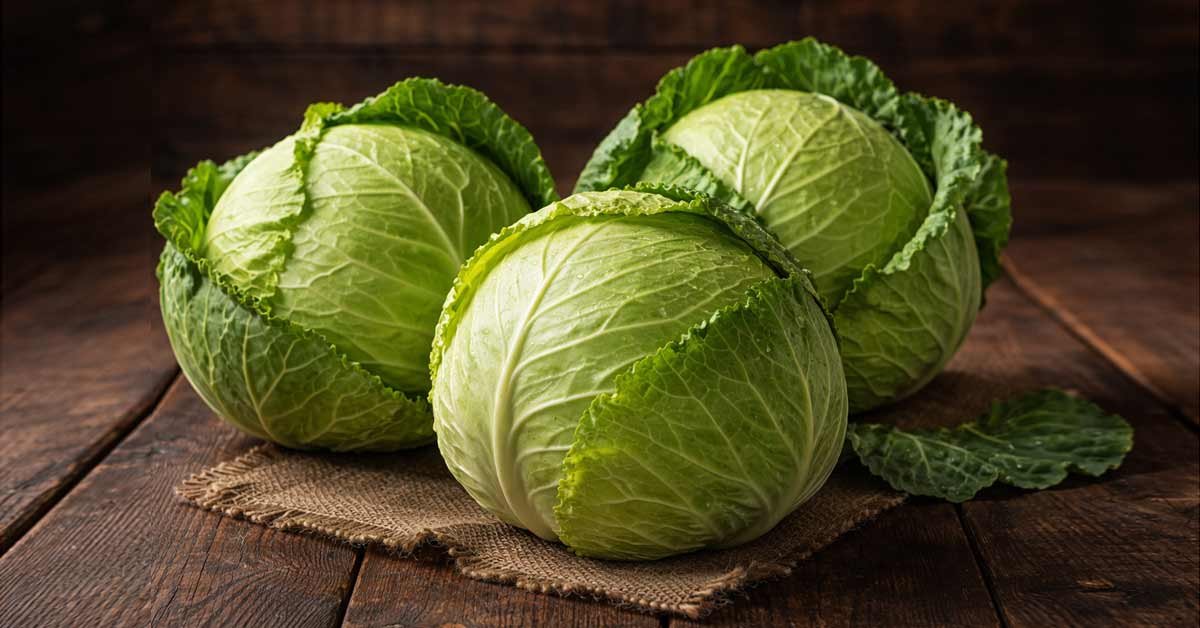
Why Cabbage Deserves a Spot on Your Plate
Cabbage often gets overlooked. It doesn’t have the trendy appeal of kale, the exotic flair of bok choy, or the flash of colorful bell peppers. But here’s the thing: it quietly carries a host of benefits that make it one of the most underrated vegetables on the market. When you slice into a fresh head, there’s that crisp, slightly sweet crunch. When it’s cooked, it releases a gentle, earthy aroma that can transform a simple soup or stir-fry. There’s something almost comforting about its texture—dense enough to fill you up, but versatile enough to take on a variety of flavors.
Beyond taste and texture, cabbage brings a unique combination of nutrients that support both digestion and overall wellness. It’s rich in fiber, which promotes healthy gut motility, and contains compounds that interact with gut bacteria in ways that may support a balanced microbiome. Raw or lightly cooked, it offers enzymes that gently aid digestion. Fermented forms like sauerkraut and kimchi introduce probiotics, which can influence your gut environment over time, creating a foundation for more efficient digestion. These effects aren’t flashy—they don’t show up overnight—but with regular inclusion, cabbage quietly supports your digestive system day after day.
Table of Contents
Cabbage is also surprisingly versatile. You can eat it raw, thinly sliced into salads or slaws, or fold it into wraps as a crunchy alternative to bread. Light steaming softens it for soups, stir-fries, and side dishes while preserving much of its nutrient profile. Fermentation adds tang and complexity, making it a flavorful addition to meals. Its ability to absorb and complement other flavors means it can pair seamlessly with virtually any cuisine—from the simplicity of a Mediterranean salad to the bold spices of Asian stir-fries.
Another point often missed is the subtle long-term support cabbage can provide. While it doesn’t act as a miracle cure or a dramatic performance booster, it contributes to small, cumulative benefits. Regular intake can help regulate digestion, support nutrient absorption, and provide antioxidant compounds that contribute to overall cellular health. In a world of quick fixes and supplement fads, incorporating cabbage into meals is a practical, low-effort way to enhance daily nutrition.
Cabbage also has a surprisingly rich history. Cultivated for thousands of years, it has been used in traditional diets across Europe, Asia, and the Americas. Historically, it was valued not just as a food staple, but also for its perceived role in maintaining health. This long-standing inclusion in diets worldwide is a testament to its enduring value—not a marketing gimmick, but a vegetable that has earned its place at the table.
What makes cabbage truly compelling is its combination of accessibility, affordability, and versatility. You can find it year-round in most grocery stores, and it tends to last longer than many other leafy greens when stored properly. Even if your schedule is hectic, cabbage can be quickly chopped for a salad, tossed into a soup, or fermented ahead of time for convenient meals later. It’s a vegetable that fits into real life without requiring elaborate preparation or expensive ingredients.
In terms of taste, cabbage has a mild, approachable flavor that adapts well to both subtle and bold seasonings. Its natural sweetness comes through when lightly cooked, and fermentation adds a sour tang that pairs well with meats, grains, and other vegetables. This makes it a versatile ingredient for anyone who wants to enjoy nutritious meals without sacrificing flavor. You can experiment with roasting, sautéing, or braising, and each method brings out a different character in the vegetable. That variety keeps meals interesting and prevents the monotony often associated with repetitive vegetable intake.
Even for those new to cooking, cabbage is forgiving. It holds up under heat without disintegrating, making it suitable for soups and stews. It can be eaten raw, shredded, or chopped, giving cooks a flexible canvas to build flavors and textures. Its adaptability encourages experimentation, which is often key to building lasting healthy eating habits.
Cabbage’s subtle health benefits, combined with its practicality, explain why it deserves more attention than it gets. It supports digestion through fiber and enzyme content, promotes gut health via probiotics when fermented, and offers nutrients that gently bolster overall well-being. Its culinary flexibility, mild flavor, and long shelf life make it a vegetable that can seamlessly integrate into everyday meals. By giving cabbage a regular spot on your plate, you’re not just eating a vegetable—you’re investing in a quietly effective, low-maintenance ally for your health.
Cabbage and Digestion: Gentle Support That Adds Up
Cabbage is not just a crunchy, versatile vegetable—it quietly supports your digestive system in ways that add up over time. Unlike supplements that promise immediate results, the benefits of cabbage are subtle, cumulative, and most noticeable when it becomes a regular part of your meals. Its combination of fiber, natural enzymes, and prebiotic potential makes it a gentle ally for digestion, helping the gut operate more efficiently without forcing drastic dietary changes.
Fiber Diversity for Gut Motility
One of cabbage’s standout features is its fiber content. It contains both soluble and insoluble fibers, each with distinct roles in digestive health. Soluble fiber absorbs water, forming a gel-like substance that slows digestion and helps regulate nutrient absorption. This can prevent sudden spikes in blood sugar and gives the gut a chance to efficiently process the food you eat. Insoluble fiber, on the other hand, adds bulk to stool, which encourages regular bowel movements and can help reduce occasional constipation.
A diet with fiber diversity—both soluble and insoluble—is linked to improved gut motility, which is essentially the smooth, coordinated movement of food through your digestive tract. By including cabbage regularly, you’re introducing a fiber source that supports this balance. Over weeks and months, this can result in a gut that feels lighter, more comfortable, and less prone to bloating or irregularity.
Prebiotic Effects and Microbiome Health
Cabbage shines in its prebiotic potential, particularly when fermented. Fermented cabbage products like sauerkraut or kimchi are rich in probiotics—beneficial bacteria that colonize the gut. These bacteria feed on the fibers in cabbage, producing short-chain fatty acids that nourish intestinal cells and maintain a healthy gut lining.
Even raw cabbage has prebiotic qualities, as the fibers serve as fuel for the gut microbiome. A diverse microbiome is increasingly recognized as a foundation for digestive efficiency and resilience. Over time, consistently eating cabbage helps create an environment where beneficial bacteria can thrive, which indirectly contributes to smoother digestion, better nutrient absorption, and potentially reduced bloating or discomfort.
Enzymes and Gentle Stimulation
Raw cabbage contains naturally occurring digestive enzymes that help break down complex carbohydrates and proteins. These enzymes act subtly, assisting the stomach and intestines without overwhelming them. Unlike harsh supplements or stimulants, cabbage’s enzymes provide gentle support, promoting the gradual processing of food and easing digestive strain.
Cooking cabbage lightly preserves some of these enzymes while softening the fibrous leaves. This balance allows you to choose between raw, fermented, or lightly cooked forms depending on your digestive needs and flavor preferences. Even a small serving of raw shredded cabbage added to a salad or slaw can contribute meaningful enzyme support.
Practical Ways to Use Cabbage for Digestion
Incorporating cabbage into your diet doesn’t have to be complicated. Here are practical approaches that work in real life:
- Raw salads and slaws: Thinly slice cabbage and combine with lemon juice or apple cider vinegar. This preserves enzymes and encourages chewing, which itself aids digestion.
- Light steaming or sautéing: Softens the leaves without breaking down fiber, making it easier to digest while retaining nutrients.
- Fermented cabbage: Sauerkraut or kimchi provides probiotics that enhance gut microbial diversity. Start with small amounts to allow your digestive system to adjust.
- Combine with other fibrous vegetables: Mixing cabbage with carrots, zucchini, or leafy greens increases fiber variety, which benefits gut motility and microbiome richness.
- Simple snacks: Use cabbage leaves as wraps for lean protein or hummus, offering both fiber and flavor in one easy bite.
By making cabbage a consistent part of your meals—whether raw, cooked, or fermented—you’re supporting digestion in multiple ways. Fiber diversity encourages regular bowel movements, prebiotics nourish beneficial bacteria, and natural enzymes help your gut process food more efficiently. The result is a subtle but noticeable improvement in how your digestive system feels and functions, without needing drastic dietary interventions.
Cabbage is one of those vegetables that quietly makes life easier for your gut. It’s affordable, versatile, and easy to prepare in ways that fit real-life routines. Over time, those small, daily servings add up, creating digestive resilience that you may only notice when you skip it—at which point you realize just how much it was contributing to your everyday comfort.
Cabbage and Immunity: Subtle but Significant Effects
Cabbage doesn’t shout its benefits, but it quietly contributes to immune support over time. While it’s not a magic bullet, its nutrient profile provides gentle, cumulative effects that help your body respond better to everyday challenges. From antioxidant compounds to key vitamins and minerals, cabbage works behind the scenes to create a supportive environment for immune function.
Antioxidant-Rich Compounds
One of cabbage’s most notable contributions to immunity comes from its antioxidants. Vitamins C and K are prominent, along with polyphenols and glucosinolates, all of which help neutralize free radicals that can damage cells. By countering oxidative stress, these compounds create conditions that allow immune cells to operate more efficiently.
For example, vitamin C supports the structural integrity of cells and tissues, which is essential for the first line of defense against pathogens. Polyphenols in cabbage have been associated with reduced cellular stress and improved signaling pathways that keep immune responses balanced. Including cabbage regularly ensures a steady intake of these antioxidants, supporting immune resilience over time without needing large or complicated doses.
Anti-Inflammatory Components
Chronic, low-grade inflammation can subtly compromise immune efficiency. Cabbage contains bioactive compounds, like sulforaphane and indole-3-carbinol, that may help modulate inflammatory pathways. These effects aren’t dramatic or immediate, but when cabbage is eaten consistently, it can help maintain balanced inflammatory signaling. This balance allows immune cells to respond appropriately without overreacting or underperforming.
Red and purple cabbage varieties are especially rich in anthocyanins, plant pigments with additional anti-inflammatory properties. Adding a mix of green and colored cabbage to meals can diversify the phytonutrients you consume, creating a broader spectrum of subtle immune support.
Supporting Immune Cells with Micronutrients
Beyond antioxidants, cabbage provides micronutrients that directly support immune cell function. Vitamin C aids white blood cell activity, while folate and trace minerals like manganese and potassium contribute to cell proliferation and repair. These nutrients may help maintain the daily function of the immune system, ensuring that your body can respond efficiently to minor stressors and maintain overall homeostasis.
Cabbage’s fiber content also indirectly supports immunity. A healthy gut microbiome produces short-chain fatty acids that interact with immune cells, influencing inflammation and pathogen defense. By providing both nutrients and prebiotic fibers, cabbage creates a synergistic effect that quietly benefits the immune system from multiple angles.
Everyday Tips for Immune Support
Incorporating cabbage into meals for immune support doesn’t have to be complicated:
- Soups and stews: Simmering cabbage preserves water-soluble vitamins while adding fiber and texture.
- Stir-fries and sautés: Quick cooking retains color and some antioxidant compounds, while blending flavors naturally.
- Fermented options: Small servings of sauerkraut or kimchi introduce probiotics, supporting gut-immune communication.
- Pair with healthy fats: Adding olive oil or avocado can improve absorption of fat-soluble nutrients and phytonutrients.
- Mix with other nutrient-dense foods: Combine cabbage with onions, garlic, and bell peppers for a spectrum of vitamins, minerals, and antioxidants in one meal.
Even a simple cabbage salad or lightly sautéed side dish a few times per week provides steady, cumulative support. The key is consistency rather than large single doses. Over time, these small, practical habits contribute to an immune system that functions more smoothly, supporting overall health in subtle but meaningful ways.
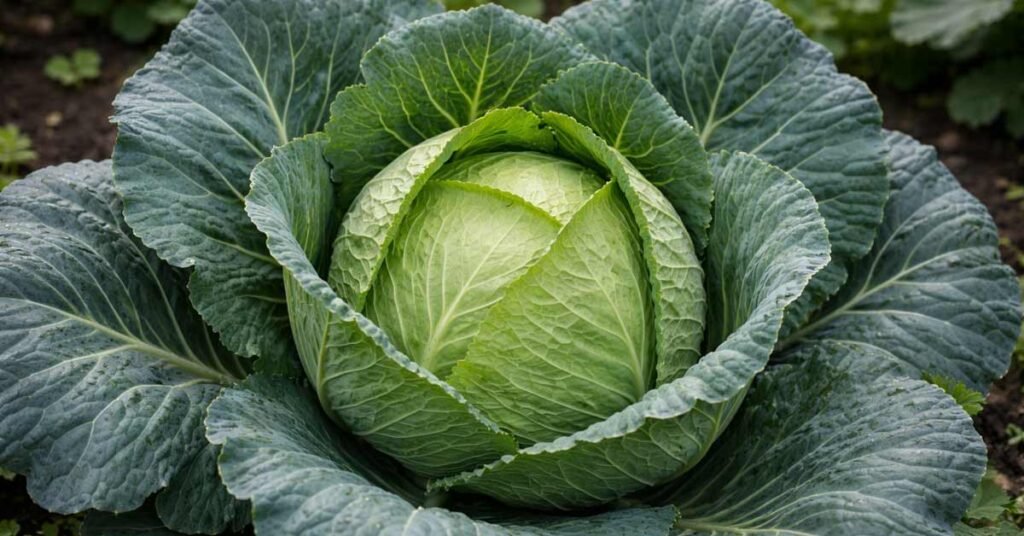
Making Cabbage Work in Daily Life Without Overthinking It
Cabbage is one of those vegetables that can feel complicated only if you overthink it. In reality, it’s simple, versatile, and forgiving, making it easy to integrate into daily meals without stress. The key is understanding how to select, store, cook, and pair it so that its digestive and immune benefits are preserved while keeping meals enjoyable.
Buying and Storing Cabbage
When choosing cabbage, look for heads that feel firm and heavy for their size. The leaves should be tight, crisp, and free from browning or wilting. Avoid heads with soft spots or discoloration, which can indicate age or poor storage.
Once home, cabbage stores best in a cool, moist environment. The refrigerator crisper drawer is ideal, and a perforated plastic bag can help maintain the right humidity. Whole heads can last up to two weeks when stored properly, while cut or shredded cabbage should be wrapped tightly and used within a few days to prevent nutrient loss and wilting. Rotating between green, red, and savoy varieties not only adds color to meals but also broadens the range of nutrients you consume.
Simple Cooking Methods That Retain Benefits
Cabbage can be enjoyed raw, lightly cooked, or fermented, and each method offers distinct advantages:
- Raw: Shredded for salads or slaws, raw cabbage retains maximum vitamin C and enzymes that gently aid digestion.
- Steamed or sautéed: Quick steaming softens the leaves without compromising fiber, while sautéing with a small amount of oil preserves both flavor and nutrients.
- Fermented: Sauerkraut or kimchi introduces beneficial probiotics that support gut microbiome health. Fermentation also enhances flavor, adding a tangy, umami-rich element to meals.
The goal is simple: choose methods that fit your taste and lifestyle. Even minimal preparation can deliver meaningful health benefits without complicated recipes.
Pairing Cabbage for Better Nutrient Absorption
Cabbage’s nutrients are better utilized when paired with complementary foods:
- Healthy fats: Olive oil, avocado, or nuts enhance absorption of fat-soluble phytonutrients and antioxidants.
- Protein: Chicken, fish, tofu, or legumes create balanced meals that support steady digestion and sustained energy.
- Spices and herbs: Turmeric, ginger, garlic, and pepper not only add flavor but can provide mild anti-inflammatory and digestive support.
Mixing cabbage with other vegetables increases fiber variety, which promotes gut motility and supports a diverse microbiome. Combining textures and flavors makes meals more satisfying and encourages consistent intake without feeling forced.
Portion Size and Frequency That Work
A practical serving of cabbage is roughly 1–1.5 cups cooked or 2 cups raw. You don’t need to eat it every day to gain benefits; incorporating it a few times per week is enough to support digestion and immunity gradually. The focus is consistency rather than intensity—small, regular servings integrate naturally into everyday life.
For example, a lunch salad with shredded cabbage, carrots, and a light vinaigrette, paired with a lean protein, covers both fiber and micronutrient needs. Dinner could include lightly sautéed cabbage as a side to roasted vegetables or grains. Even a few tablespoons of fermented cabbage alongside meals can provide probiotic support without overwhelming the palate.
By keeping buying, storing, cooking, and portioning simple, cabbage becomes a low-effort, high-value vegetable in your daily routine. Over time, these small, consistent habits add up, helping your digestion run more smoothly and subtly supporting immune function—all without turning meals into a chore.
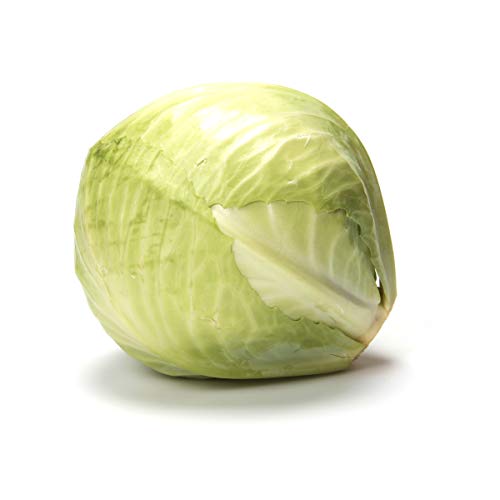
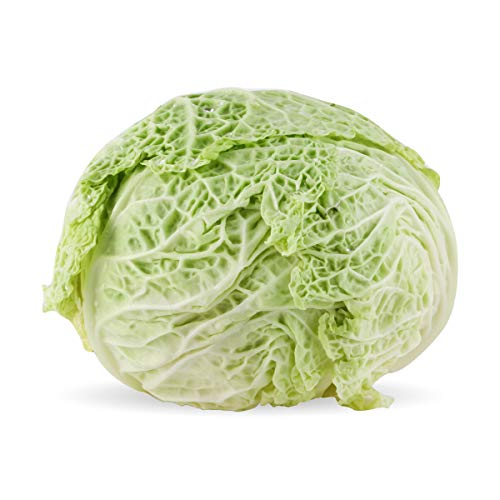
Best Selling Cabbage Related Products




When a Simple Habit Starts to Make a Difference
There’s something quietly satisfying about watching small, consistent habits accumulate into noticeable changes. Eating cabbage might seem minor at first—a few leaves in a salad, a spoonful of sauerkraut here and there—but over weeks and months, those simple actions start to influence how your body feels and functions.
Digestive comfort is often the first subtle improvement. You may notice your stomach feels lighter after meals, bloating becomes less frequent, and your bowel movements settle into a more predictable rhythm. These changes aren’t dramatic overnight, but they reflect the cumulative effect of fiber diversity, natural enzymes, and prebiotic support from cabbage feeding beneficial gut bacteria. Over time, this can make your digestive system more resilient, responding efficiently to the foods you eat without creating discomfort or irregularity.
The impact on immunity tends to be quieter but equally meaningful. Regular consumption of cabbage supplies antioxidants, vitamins, and phytonutrients that support cellular defense mechanisms. Over time, your body may respond more effectively to everyday stressors—minor infections, environmental toxins, and inflammatory challenges—simply because the internal environment is better supported. You might not “feel” the difference immediately, but when you skip cabbage for a week, the subtle benefits of regular intake become more apparent.
The beauty of this habit is that it doesn’t require dramatic changes or complicated routines. You’re not trying to overhaul your diet overnight. Instead, integrating cabbage into your meals—even in small amounts—creates a foundation for long-term health. It’s a low-effort strategy with high cumulative returns: small, consistent servings contribute to a smoother digestive process, balanced microbiome, and supportive nutrient intake that subtly reinforces immune function.
Beyond physiology, these habits can also influence your relationship with food. Including cabbage regularly encourages variety, mindfulness, and a willingness to experiment with flavors and textures. It builds confidence in preparing simple, nourishing meals and reinforces the idea that small, practical choices can have meaningful effects over time.
The key takeaway is this: you don’t need to chase extremes or rare superfoods to make a difference. Consistent, achievable habits—like incorporating cabbage into lunches, dinners, and snacks—can quietly shift your health in positive ways. Over weeks and months, what began as a simple addition to your plate transforms into a foundational part of your routine, offering digestive ease, subtle immune support, and a practical path toward better overall well-being.
Article Sources
At AncientHerbsWisdom, our content relies on reputable sources, including peer-reviewed studies, to substantiate the information presented in our articles. Our primary objective is to ensure our content is thoroughly fact-checked, maintaining a commitment to accuracy, reliability, and trustworthiness.
- Slavin, J. L., & Lloyd, B. (2012). Health benefits of fruits and vegetables. Advances in Nutrition, 3(4), 506–516. https://doi.org/10.3945/an.112.002154
- Verkerk, R., Schreiner, M., Krumbein, A., Ciska, E., Holst, B., Rowland, I., … & Dekker, M. (2009). Glucosinolates in Brassica vegetables: The influence of the food supply chain on intake, bioavailability and human health. Molecular Nutrition & Food Research, 53(S2), S219–S265. https://doi.org/10.1002/mnfr.200900064
- World Health Organization. (2020). Healthy diet. WHO. https://www.who.int/news-room/fact-sheets/detail/healthy-diet
- Latté, K. P., & Latté, J. E. (2016). Nutritional and bioactive properties of cabbage: Implications for health. Food & Function, 7(4), 1889–1900. https://doi.org/10.1039/C5FO01001H
- Sangiovanni, E., Brivio, P., Dell’Agli, M., & Calabrese, F. (2017). Botanicals as Modulators of Neuroplasticity: Focus on BDNF. Neural plasticity, 2017, 5965371. https://doi.org/10.1155/2017/5965371

- Cabbage: Vegetable for Digestion and Immunity - April 3, 2026
- Brussels Sprouts: Vegetable for Detox and Heart Health - April 3, 2026
- Bok Choy: Cruciferous Vegetable for Bone Health - April 3, 2026