
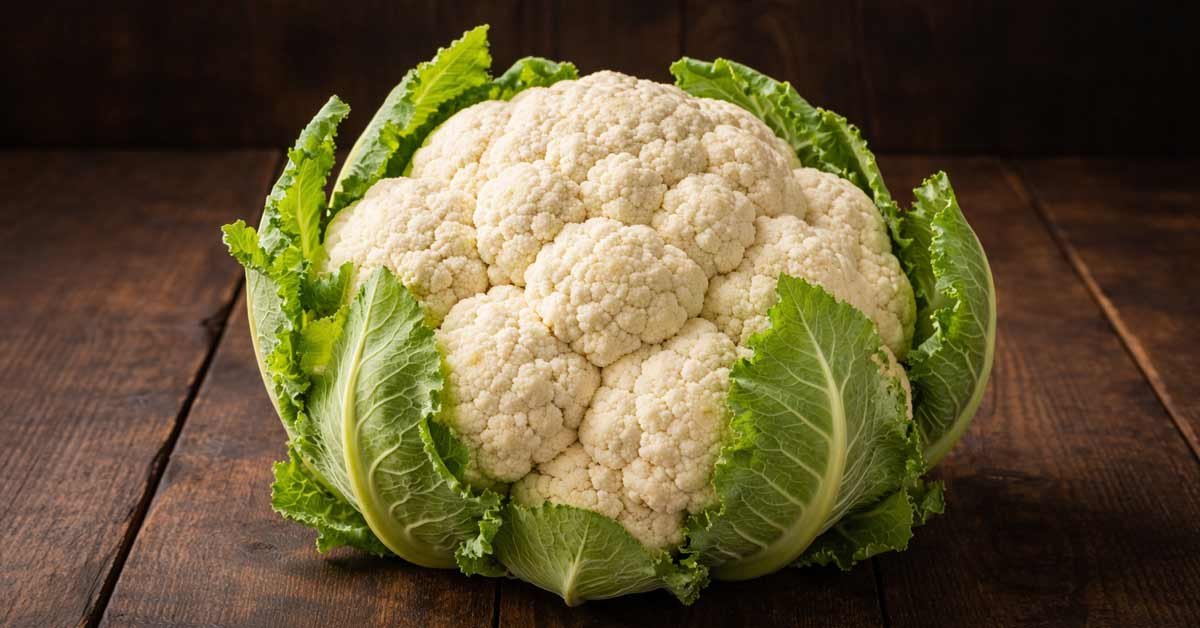
Why Cauliflower Deserves a Place on Your Plate
Cauliflower is often underestimated. It sits quietly in the grocery aisle, white and unassuming, nestled next to the more colorful veggies. Yet beneath that pale exterior lies a vegetable brimming with versatility and subtle power. If you’ve only ever steamed it or used it as a low-carb substitute for rice, you’re missing out on its broader potential. There’s a reason nutritionists, chefs, and wellness enthusiasts keep returning to cauliflower: it delivers fiber, micronutrients, and culinary adaptability in a package that’s approachable for everyday meals.
The history of cauliflower is as interesting as its nutrients. Originating in the Mediterranean around 600 BC, it was a prized crop for its mild taste and ability to be stored through cooler months. Over centuries, it has traveled across continents, becoming a staple in diverse cuisines from Italian gratins to Indian curries. Unlike its cruciferous relatives like broccoli or Brussels sprouts, cauliflower’s subtle flavor allows it to blend seamlessly into dishes without overpowering other ingredients, which makes it perfect for both novice cooks and seasoned chefs alike.
Table of Contents

One of the most compelling reasons to embrace cauliflower is its fiber content. Fiber is a cornerstone of digestive wellness, and cauliflower provides both soluble and insoluble forms. Soluble fiber draws water into the gut, creating a gentle bulking effect that promotes regularity. Insoluble fiber acts like a broom, sweeping through the digestive tract and keeping things moving smoothly. Many people struggle to get enough fiber in their diet, relying on grains or processed foods, but cauliflower offers an easy, natural boost without feeling heavy or complex. Just a cup of chopped cauliflower delivers roughly 2 grams of fiber, which adds up quickly when incorporated into multiple meals throughout the week.
Beyond fiber, cauliflower offers a surprisingly rich nutritional profile. It’s a source of vitamin C, folate, and vitamin K, all of which support general wellness. The antioxidants it carries help combat oxidative stress at a cellular level, while its subtle phytochemicals—like glucosinolates—contribute to overall metabolic balance. Even if these benefits sound abstract, they manifest in small but noticeable ways over time: smoother digestion, a sense of satiety after meals, and the quiet confidence of knowing your diet includes something wholesome and nourishing.
Culinary versatility also sets cauliflower apart. You can roast it with a touch of olive oil and spices, steam it for a soft, mild side, or mash it as a low-carb alternative to potatoes. Cauliflower rice, cauliflower pizza crusts, and blended soups make it easy to integrate into daily meals without overthinking. It has the rare quality of being adaptable enough to fit into almost any dietary pattern—vegetarian, low-carb, Mediterranean, or simply whole-food focused—without needing elaborate preparation or exotic ingredients.
There’s also something quietly satisfying about cooking cauliflower. Its texture transforms in ways that feel rewarding: the crisp bite of lightly roasted florets, the creamy softness of a puréed soup, the gentle snap when eaten raw in a salad. It’s a vegetable that encourages experimentation and mindfulness, inviting you to notice flavors, textures, and aromas in a way that pre-packaged foods rarely do.
If you consider fiber, micronutrients, culinary adaptability, and subtle health benefits together, cauliflower emerges as a quietly powerful addition to any kitchen. It doesn’t demand attention, but it rewards those who include it regularly. A simple habit of incorporating cauliflower into meals can gradually enhance digestion, diversify nutrient intake, and expand your culinary repertoire—all without ever feeling like a chore. It’s a vegetable that works behind the scenes, quietly contributing to wellness while giving you flexibility in the kitchen.
By recognizing cauliflower not just as a filler or low-carb substitute but as a nutrient-dense, fiber-rich, and versatile vegetable, you start to appreciate it in a new light. It’s not flashy, it doesn’t scream for attention, but for anyone serious about gradual, sustainable improvements in diet and digestion, cauliflower deserves a regular place on the plate.
Cauliflower and Fiber: A Digestive Ally
Cauliflower may look simple, but it packs a surprising punch when it comes to fiber. Fiber isn’t just a buzzword in nutrition—it’s a key player in digestion, satiety, and even subtle metabolic balance. Yet, most people underestimate how easy it is to meet daily fiber needs when including vegetables like cauliflower. Unlike processed fiber supplements or fortified foods, cauliflower delivers it naturally, gently, and in a way that integrates seamlessly into meals.
How Fiber Works in Your Body
Fiber comes in two main types: soluble and insoluble, and cauliflower offers a mix of both. Soluble fiber absorbs water in the digestive tract, forming a gel-like substance. This slows digestion slightly, which can help maintain steady energy levels and support a feeling of fullness after meals. Insoluble fiber, on the other hand, adds bulk to stool and helps food move through the digestive system efficiently. Together, these fibers keep your gut regular without harsh effects, supporting natural digestive rhythms.
For example, a cup of chopped cauliflower contains roughly 2 grams of fiber. While that may not sound like much, incorporating it consistently across meals—like in salads, soups, or roasted side dishes—adds up. Over time, this small but steady intake encourages more predictable digestion, less bloating, and a sense of digestive comfort that’s hard to achieve from processed foods alone. Many people notice subtle changes first: meals feel lighter, bathroom routines normalize, and cravings may even diminish as the gut receives regular fiber stimulation.
Fiber’s benefits extend beyond digestion. It supports healthy microbiota, feeding the beneficial bacteria in your gut. A thriving gut microbiome plays a role in nutrient absorption, immune function, and even mood regulation. Including fiber-rich vegetables like cauliflower is a low-effort way to support this ecosystem daily.
Comparing Cauliflower to Other Fiber Sources
When thinking about fiber, grains, legumes, and other vegetables often come to mind first. However, cauliflower has unique advantages. Unlike beans or lentils, which can cause bloating in some people, cauliflower’s fiber is generally gentle on the digestive system. Compared to whole grains, it provides fiber without excess starch, making it appealing for anyone monitoring carbohydrate intake.
Broccoli, kale, and Brussels sprouts also offer fiber, but cauliflower’s mild flavor gives it flexibility in cooking that the more bitter crucifers lack. You can blend it, roast it, or mash it without it overwhelming other flavors. In terms of fiber density, cauliflower may not lead the charts gram-for-gram, but its versatility allows consistent daily intake, which is more important than a single high-fiber serving once in a while.
Incorporating Fiber Without Overthinking It
Adding cauliflower to your diet doesn’t require complicated recipes or hours in the kitchen. Small, practical steps can make a noticeable difference over time:
- Roast a head with olive oil, garlic, and a sprinkle of herbs for a side dish that feels indulgent but adds fiber.
- Blend cauliflower into soups or sauces to subtly increase fiber content while keeping textures smooth.
- Use raw florets in salads, crudité platters, or with dips for a crunchy, fiber-rich snack.
- Swap cauliflower rice for regular rice a few times a week to reduce starch intake and boost fiber.
Portion sizes don’t need to be precise. Even a half-cup added to lunch or dinner contributes meaningful fiber. Consistency matters more than perfection. Making cauliflower a small, regular part of meals allows fiber to work steadily, supporting digestion naturally without stress or strict meal planning.
Over time, these small additions become effortless. You don’t have to obsess over fiber grams or calculate intake at every meal. The goal is steady, incremental support for your digestive system—something cauliflower excels at because it’s versatile, approachable, and naturally fiber-rich.
This approach frames cauliflower as a digestive ally: unassuming, gentle, and quietly effective. By understanding how its fiber works, how it compares to other sources, and how to incorporate it practically, you can start experiencing benefits without feeling restricted or overwhelmed.
Nutrients Beyond Fiber That Support Wellness
While cauliflower’s fiber is a star player, it doesn’t work alone. This humble vegetable carries a suite of micronutrients and phytochemicals that complement its digestive benefits and subtly enhance overall wellness. Many of these compounds are easy to overlook because cauliflower doesn’t shout its health credentials like some superfoods do. Yet, by incorporating it regularly, you’re layering additional nutrition into meals without extra effort.
Micronutrients That Complement Fiber
Cauliflower is rich in vitamins and minerals that support daily bodily functions. Vitamin C, for instance, is abundant in a single cup of raw cauliflower, providing roughly 46 mg—about half the recommended daily intake for adults. Beyond immune support, vitamin C contributes to collagen production, iron absorption, and antioxidant activity, which can work in concert with fiber to promote digestive and overall health.
Vitamin K, found in moderate amounts, is another overlooked asset. It’s involved in calcium regulation and bone metabolism, subtly reinforcing the nutritional balance in meals that include fiber. Folate, also present in cauliflower, supports DNA synthesis and cellular repair. These micronutrients, though not flashy, create a foundation for steady wellness. They enhance the value of cauliflower beyond fiber alone, making each meal more nutritionally dense without requiring complex preparation.
Phytochemicals and Subtle Benefits
Cauliflower contains bioactive compounds like glucosinolates, sulforaphane precursors, and polyphenols. These phytochemicals act as antioxidants, protecting cells from oxidative stress and contributing to metabolic balance. Sulforaphane, for example, is associated with gentle detoxification support in the liver and may help maintain normal cellular function.
Polyphenols in cauliflower provide additional antioxidant capacity and may work synergistically with fiber to support the gut microbiome. Feeding beneficial bacteria with fiber and antioxidant compounds creates an environment that promotes digestive resilience. While these effects are subtle, they accumulate over time, meaning regular consumption of cauliflower can quietly enhance overall wellness without requiring dramatic dietary changes.
Pairing Cauliflower with Other Foods
Pairing cauliflower with other foods can amplify its benefits. Cooking it lightly with healthy fats like olive oil or avocado helps your body absorb fat-soluble vitamins such as vitamin K. Adding protein sources like beans, lentils, or lean meats balances meals and supports sustained energy levels while maintaining digestive comfort.
Cauliflower also complements other vegetables naturally. Mixing it with carrots, peppers, or leafy greens creates nutrient-dense dishes where fiber, vitamins, and antioxidants work in harmony. Even small adjustments—like tossing roasted cauliflower into a quinoa salad or blending it into a vegetable soup—enhance nutrient intake and make fiber easier to digest in combination with other foods.
Cauliflower acts as a nutritional multitasker. Its fiber supports digestion, micronutrients provide essential daily building blocks, and phytochemicals offer subtle protective effects. Paired thoughtfully with fats, proteins, and other vegetables, it becomes more than a filler—it’s a vegetable that contributes to both immediate satiety and long-term wellness in a natural, approachable way.
Making Cauliflower a Daily Habit Without Stress
Incorporating cauliflower into your routine doesn’t need to feel like a chore. Its mild flavor and adaptability make it easy to add in small, manageable ways. The key is to focus on habits that are sustainable, effortless, and enjoyable. By understanding how to buy, store, and prepare cauliflower, and pairing that with practical cooking techniques and sensible portions, you can make this fiber-rich vegetable a consistent part of your diet without overthinking it.
Buying, Storing, and Prepping
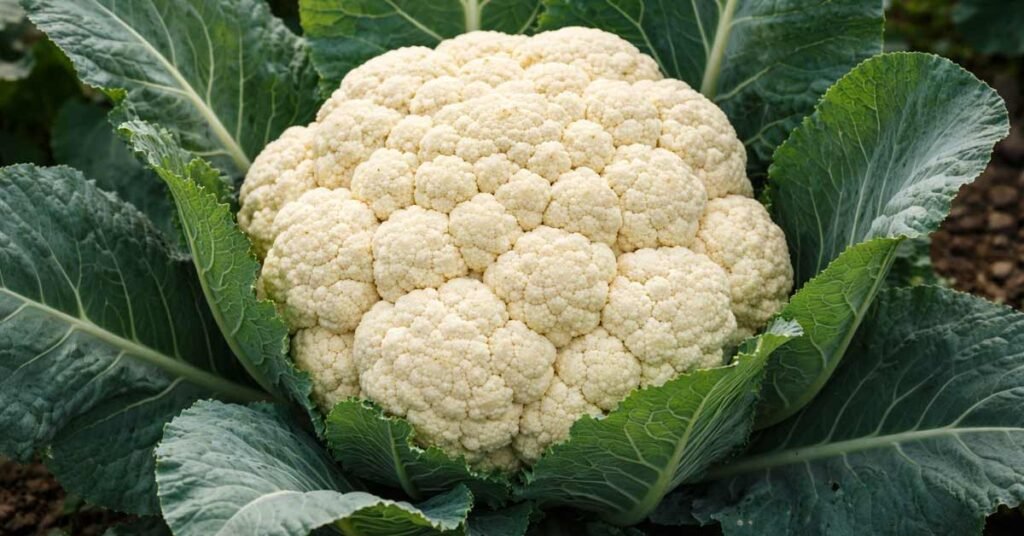
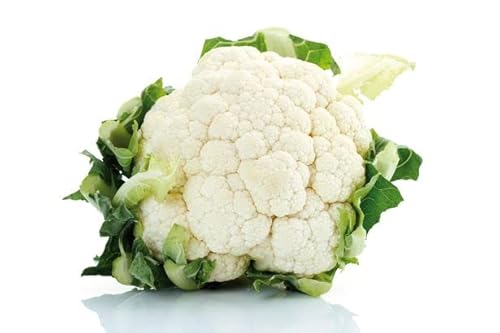
Selecting cauliflower starts with visual inspection. Look for heads that are firm, compact, and creamy white, with tight florets. Avoid any with brown spots or soft areas, which indicate age or beginning spoilage. Fresh leaves are a bonus—they protect the florets and can also be cooked or added to salads.
Storing cauliflower properly extends its shelf life and keeps it fresh for up to a week. Keep it unwashed in a perforated plastic bag in the crisper drawer of your refrigerator. Avoid sealing it completely, as trapped moisture can accelerate decay. If you buy in bulk or want longer storage, you can blanch and freeze florets. This preserves both texture and nutrient content, making it easy to grab for future meals.
Prepping cauliflower is straightforward. Remove the outer leaves, cut the head into florets, and trim the core. Smaller florets cook more evenly, while larger pieces are ideal for roasting or steaming. For a quick snack, raw florets can be rinsed and stored in an airtight container for convenient access. Minimal prep can make it easy to include cauliflower without letting it feel like an extra task in your day.
Cooking Methods That Retain Benefits
Cauliflower can be cooked in multiple ways while preserving its fiber and nutrients. Steaming is one of the gentlest methods. It softens the florets without excessive nutrient loss, allowing fiber to remain intact and vitamins to stay more stable than in boiling water.
Roasting adds flavor and texture, bringing out natural sweetness while keeping fiber content high. Lightly toss florets with olive oil and seasonings, spread them evenly on a tray, and roast at moderate heat. Avoid overcooking, which can make cauliflower mushy and less appealing.
Sautéing or stir-frying is another versatile option. Quick, high-heat cooking with a small amount of healthy fat maintains nutrients and creates a flavorful addition to meals. Blending cauliflower into soups or sauces can also increase fiber intake subtly, making it easy to consume in larger amounts without feeling bulky.
How Much Makes Sense Day to Day
You don’t need to overhaul your meals to benefit from cauliflower. Even modest portions provide meaningful fiber and nutrients. A half to one cup of cooked or raw florets per meal is enough to contribute to daily fiber intake. Incorporating it three to five times per week can be sufficient for noticeable digestive benefits, especially when combined with other fiber-rich foods like leafy greens, beans, or whole grains.
Consistency matters more than quantity. Small, regular servings build a habit and allow your body to adjust gradually. Overloading your plate with cauliflower isn’t necessary to reap benefits; sustainable, manageable portions are more effective for long-term habits.
By keeping preparation simple, using versatile cooking methods, and adopting realistic portion sizes, cauliflower becomes an accessible, stress-free addition to daily meals. It’s a vegetable that rewards consistency with fiber, nutrients, and culinary flexibility, quietly supporting digestion and overall wellness without demanding major lifestyle changes.
Best Selling Cauliflower Related Products



The Quiet Power of a Simple Vegetable
Cauliflower doesn’t make grand promises. It won’t shout from the plate or claim to be a miracle food. Its value lies in quiet, steady contributions that unfold over time. For anyone looking to improve their diet without making dramatic changes, cauliflower offers a practical, approachable way to add fiber, nutrients, and subtle wellness benefits into everyday life.
The beauty of cauliflower is in its consistency. Unlike trendier foods that come and go, it’s easy to keep on hand, affordable, and flexible in preparation. You can roast it, steam it, mash it, or eat it raw—the possibilities fit into almost any meal style. This versatility encourages repeated use, which is key when it comes to experiencing the cumulative benefits of fiber and nutrients. It’s not about a single “supercharged” serving, but about creating a rhythm where cauliflower is a natural, recurring part of your meals.
Over time, the effects become noticeable in small, meaningful ways. Regular fiber intake from cauliflower can support more predictable digestion, reduce feelings of heaviness after meals, and promote a sense of satisfaction that discourages snacking on less wholesome options. Its vitamins, minerals, and phytochemicals work alongside fiber to subtly support metabolic balance and provide gentle antioxidant support. These benefits are quiet, gradual, and sustainable, which makes cauliflower a powerful ally for long-term wellness.
Culinary enjoyment also reinforces the habit. A golden, caramelized roast, a creamy purée, or crisp raw florets in a salad create sensory experiences that make meals more satisfying. When food is enjoyable, consistent intake doesn’t feel like a chore—it becomes part of your routine naturally. Even casual cooks can feel a small sense of accomplishment in preparing and enjoying cauliflower in different ways, turning everyday meals into moments of nourishment without stress.
The quiet power of cauliflower lies in its reliability. You don’t need to reinvent your diet or chase fleeting health trends. You simply include this unassuming vegetable regularly, and over weeks and months, its effects accumulate. Meals feel lighter, fiber intake becomes easier, and your body experiences subtle improvements that are often invisible at first but meaningful over time.
In a world where many foods compete for attention with flashy claims, cauliflower stands out by being steady, adaptable, and effective in its simplicity. It demonstrates that nutrition doesn’t always have to be dramatic to matter. By embracing a simple vegetable like cauliflower as a daily habit, you set up a foundation of fiber, nutrients, and practical wellness that quietly supports your body and your lifestyle.
Article Sources
At AncientHerbsWisdom, our content relies on reputable sources, including peer-reviewed studies, to substantiate the information presented in our articles. Our primary objective is to ensure our content is thoroughly fact-checked, maintaining a commitment to accuracy, reliability, and trustworthiness.
- Slavin, J. L. (2013). Fiber and Prebiotics: Mechanisms and Health Benefits. Nutrients, 5(4), 1417–1435. https://doi.org/10.3390/nu5041417
- U.S. Department of Agriculture. (2019). FoodData Central: Cauliflower, raw. https://fdc.nal.usda.gov/fdc-app.html#/food-details/1102642/nutrients
- Kim, M., & Park, Y. (2020). Cruciferous Vegetables and Their Bioactive Compounds. Journal of Medicinal Food, 23(12), 1245–1255. https://doi.org/10.1089/jmf.2019.0191
- Bjørklund, G., & Dadar, M. (2021). Dietary Fiber: Definition, Types, and Health Effects. International Journal of Molecular Sciences, 22(15), 8123. https://doi.org/10.3390/ijms22158123
- Baenas, N., García-Viguera, C., Moreno, D. A., & Villegas, S. (2016). Bioactive Compounds in Cruciferous Vegetables: Glucosinolates and Beyond. International Journal of Molecular Sciences, 17(12), 2066. https://doi.org/10.3390/ijms17122066
- U.S. National Institutes of Health. (2022). Vitamin C Fact Sheet for Consumers. https://ods.od.nih.gov/factsheets/VitaminC-Consumer/
- U.S. National Institutes of Health. (2022). Folate Fact Sheet for Consumers. https://ods.od.nih.gov/factsheets/Folate-Consumer/

- Cauliflower: Cruciferous Vegetable for Fiber - April 3, 2026
- Cabbage: Vegetable for Digestion and Immunity - April 3, 2026
- Brussels Sprouts: Vegetable for Detox and Heart Health - April 3, 2026