
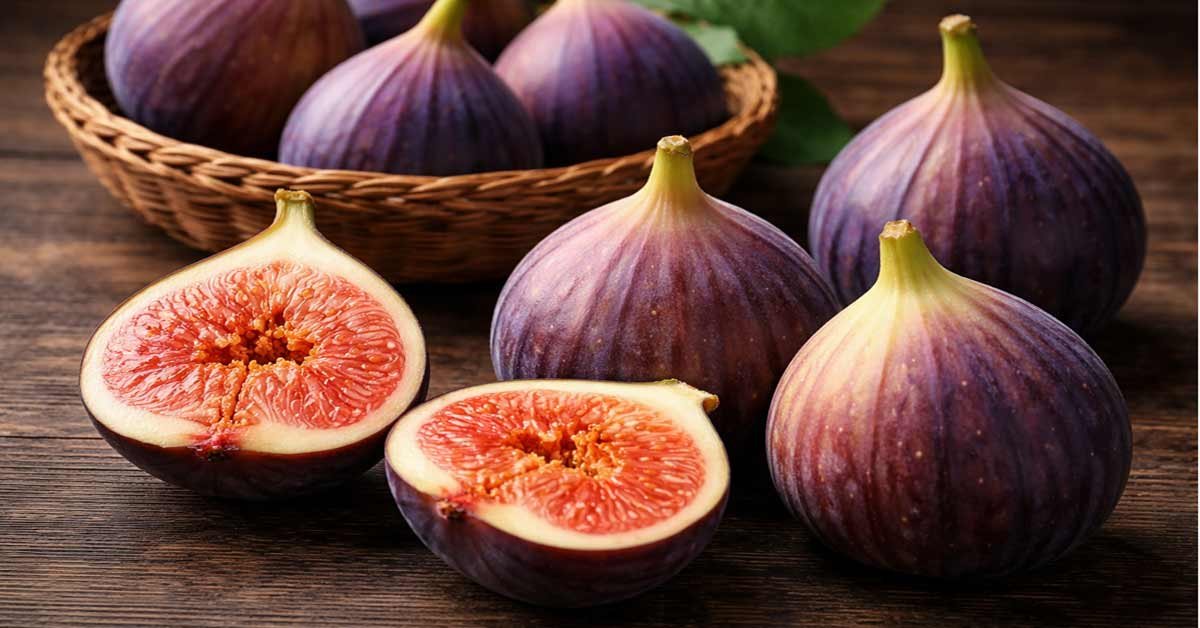
A Fruit That Has Been Doing the Job Quietly for Centuries
You don’t really notice a fig at first. It’s not flashy. It doesn’t dominate the fruit aisle. But it has been around longer than most of what you eat today, and it has quietly earned its place. The fig shows up in some of the oldest agricultural records we have. People didn’t keep growing it for thousands of years by accident.
There’s something about a fig that feels… complete. Soft skin, dense interior, tiny seeds that give just enough texture. It’s not just sweetness. There’s depth to it. And that matters more than most people think.
Table of Contents


The interesting part is this: figs were never treated as a luxury. They were a staple. Easy to grow in warm climates, easy to dry, easy to store. That last point matters. Before refrigeration, people relied on foods that could last. A fig could be eaten fresh, or it could be dried and carried for weeks. Same fruit, different role.
And somehow, through all that history, the fig kept the same reputation. Reliable. Gentle. Useful.
You start to see why once you look at how figs behave in the body.
A fig doesn’t hit you like a spike. It doesn’t overwhelm. It works in the background. You eat it, and things move a little smoother. Energy feels a bit more stable. Not dramatic. Just… better. That’s the kind of effect people tend to trust over time.
Part of this comes down to composition. A fig is not just sugar. It brings fiber, small amounts of minerals like potassium and magnesium, and a mix of plant compounds that don’t get much attention but clearly do something. You don’t need a lab report to notice it. Eat figs regularly, and the pattern shows up on its own.
There’s also a practical side that often gets overlooked.
Figs don’t demand much from you. No complicated prep. No strict timing. You can eat one on its own, slice it into something, or pair it with foods that need a little balance. Sweet with a slight earthy edge. That combination works in more situations than you’d expect.
A lot of people think of figs as occasional. Something you have once in a while, maybe dried, maybe as part of a dessert. That’s where they miss the point. The value of a fig shows up when it becomes part of your routine.
Not in large amounts. Not in a forced way. Just consistently.
A couple of figs in the morning. Or later in the day when you would usually reach for something processed. That’s where things start to shift. Digestion becomes more predictable. Energy stops swinging as much. Small changes, but they add up fast when repeated daily.
There’s also a sensory side to this that people underestimate.
The texture of a fig slows you down. You don’t rush through it. The seeds, the softness, the slight chew. It forces a different pace compared to most snack foods. That alone changes how you eat, even if you don’t realize it.
And then there’s the dried version.
Dried figs are more concentrated. Smaller, denser, sweeter. Easier to store, easier to carry. Historically, this is where figs really became valuable. A dried fig could deliver energy quickly, but it still carried fiber and structure. That balance matters. It’s the difference between something that fuels you and something that just spikes you.
If you think about modern eating habits, this becomes even more relevant.
Most people don’t have a digestion problem because their body is broken. It’s because their inputs are inconsistent. Too refined. Too fast. Too disconnected from how the body actually processes food. The fig sits on the opposite end of that spectrum.
Simple food. Minimal processing. Predictable effect.
That’s probably why it has survived every shift in diet trends. It doesn’t need to be reinvented. It already works.
And yet, it still feels underused.
Walk into any store and you’ll see dozens of options marketed for digestion or energy. Bars, powders, drinks. Most of them try to replicate something that a fig already does in a simpler way. Not perfectly, not magically, but reliably.
That word matters here. Reliable.
Because when you’re building habits around food, reliability beats intensity every time.
You don’t need something that works once. You need something you can repeat without thinking too much about it. The fig fits that role better than most foods people chase for the same purpose.
There’s also a cultural layer worth paying attention to.
In Mediterranean regions, the fig was never separated from daily eating. It was part of meals, not an addition. Fresh figs in season. Dried figs when they weren’t. No complicated logic behind it. Just availability and habit.
That kind of integration is what gives a food staying power.
You don’t have to force it into your routine. It slides in naturally.
And that’s where things start to click. Not because the fig is some kind of superfood, but because it fits into real life without friction.
You eat figs, and over time, you notice small shifts. Digestion feels less unpredictable. Energy doesn’t dip as hard. You don’t think about it much. That’s the point.
The fig doesn’t try to stand out. It just keeps doing the job.
Quietly. Consistently. Over centuries, that’s been enough.
Why Fig Works So Well for Digestion
You can talk about digestion in abstract terms all day, but at some point it comes down to something simple. Does your body move food through the system in a steady, predictable way or not?
That’s where fig starts to stand out.
It doesn’t force anything. It doesn’t act like a quick fix. It works with how digestion is already supposed to function. And the more consistent you are with figs, the more obvious that becomes.
Fiber That Actually Changes Things
Most people hear “fiber” and think of it as a checkbox. Something you’re supposed to get more of. But not all fiber behaves the same way, and the type you get from a fig is where things get interesting.
A fig contains both soluble and insoluble fiber. That combination matters.
- Insoluble fiber adds bulk. It gives structure to what moves through your digestive tract.
- Soluble fiber interacts with water and forms a softer, gel-like consistency.
When you eat figs, you’re not just adding volume. You’re changing the texture and movement of digestion itself.
Here’s a simple way to think about it. Without enough fiber, digestion can feel slow, inconsistent, sometimes even uncomfortable. With the right kind of fiber, things become more predictable. Not faster in a forced way, just smoother.
A single fresh fig contains around 1.5 grams of fiber. Dried figs concentrate that even more, with about 3 to 4 grams per serving depending on portion size. If you eat two or three figs, you’re already making a noticeable contribution without needing to overhaul your diet.
And because figs come with natural sugars and water content, especially in the fresh form, they don’t feel heavy. That balance is what makes them easy to repeat daily.
You’re not forcing fiber into your routine. You’re just eating something that happens to bring it along.
Natural Compounds That Support Gut Function
There’s more going on in a fig than fiber.
Figs contain small amounts of compounds like polyphenols and organic acids. You won’t feel these directly, but they influence how your digestive system behaves over time.
Polyphenols are known to interact with gut bacteria. Not in a dramatic way, but in a steady, supportive way. They act as a kind of fuel for certain beneficial bacteria, which in turn play a role in how efficiently your gut processes food.
Then there’s the enzyme factor.
Fresh figs contain an enzyme called ficin. It’s not something you need to track or measure, but it contributes to how figs interact with proteins during digestion. Think of it as a subtle assist rather than a major driver.
Minerals play a role too.
Figs provide potassium and magnesium in modest amounts. These are involved in muscle function, including the smooth muscles that line your digestive tract. Again, not a dramatic effect on their own, but part of a larger pattern when your diet consistently includes foods like this.
Put all of that together and you get a food that doesn’t just pass through the system. It interacts with it.
Quietly, but consistently.
What Happens When You Eat Figs Consistently
This is where the real value shows up.
Eating a fig once won’t change much. Eating figs regularly starts to shift patterns.
You might notice:
- More regular bowel movements
- Less variation from day to day
- A reduced feeling of heaviness after meals
- A general sense that digestion is “working” without needing attention
These are not dramatic changes, and that’s exactly why they matter. They’re sustainable.
Consistency is what makes figs effective for digestion. Not quantity. Not intensity.
A practical example.
Say you replace a low-fiber snack with two dried figs in the afternoon. That small change adds a few grams of fiber, a bit of natural sugar, and some micronutrients. Do that daily, and within a couple of weeks, digestion often becomes more predictable.
No extremes. No complicated timing.
Another detail that often gets ignored is how figs slow you down.
Because of their texture and density, you don’t rush through them. That affects how you eat overall. Slower eating supports better digestion. It gives your body time to signal fullness and process food properly.
It’s a small behavioral shift, but it compounds over time.
There’s also a tolerance aspect.
Unlike some high-fiber foods that can feel harsh when introduced quickly, figs tend to be easier to integrate. You can start with one or two and build from there without discomfort in most cases. That makes consistency realistic, which is where most people struggle.
And then there’s the bigger picture.
Digestion is not just about one meal. It’s about patterns. Repeated inputs. What you eat every day matters more than what you eat occasionally.
The fig fits into that idea almost perfectly.
It’s simple. It’s repeatable. It doesn’t require planning your day around it. You can add figs to breakfast, use them as a snack, or combine them with other foods without thinking too much about it.
Over time, those small, repeatable actions shape how your digestive system behaves.
That’s why fig works so well for digestion. Not because it does something extreme, but because it supports what your body is already trying to do and does it in a way you can actually stick with.
Fig as a Source of Steady, Usable Energy
Energy is one of those things people overcomplicate. You feel good, or you don’t. You stay steady, or you crash. Most of the time, it comes down to what you’re feeding your body and how often you’re doing it.
That’s where fig earns its place again.
It doesn’t try to push your energy up aggressively. It doesn’t rely on stimulation. It works by giving your body something it can actually use, at a pace that makes sense. And when you eat figs consistently, you start to notice the difference between quick energy and usable energy.
They’re not the same thing.
Natural Sugars Without the Crash
A fig contains natural sugars, mainly glucose and fructose. That’s not unique. What matters is how those sugars are packaged.
In a fig, sugar comes with fiber. That changes everything.
Fiber slows down how quickly sugar is absorbed. Instead of a sharp spike followed by a drop, you get a more gradual release. It’s not flat, but it’s controlled. That’s what keeps your energy from swinging.
Fresh figs are lighter in sugar because of their water content. Dried figs are more concentrated. For example:
- One fresh fig contains roughly 8 grams of carbohydrates
- A dried fig can contain around 5 to 6 grams of carbohydrates in a much smaller volume
That density is why dried figs feel more “energizing” right away. But even then, the fiber is still there, helping moderate the effect.
Compare that to something like a refined snack. You get sugar without structure. It hits fast, then fades just as fast. You feel it. That dip in energy, the urge to reach for something else, it’s a cycle.
Figs don’t eliminate that completely, but they reduce the intensity.
Another detail that often gets overlooked is satiety.
Because figs are dense and slightly chewy, they don’t disappear instantly. You actually register that you’ve eaten something. That affects how your body responds afterward. Less grazing, fewer random spikes.
It’s a small shift, but it adds up over the course of a day.
Mineral Support for Daily Energy Levels
Energy is not just about calories. It’s about how your body uses them.
This is where the mineral content of fig starts to matter.
Figs provide potassium, magnesium, and small amounts of calcium. None of these are present in extreme amounts, but together they support basic physiological functions tied to energy.
Potassium plays a role in muscle contraction and nerve signaling. When levels are stable, your body moves more efficiently. When they’re not, you feel it. Fatigue, sluggishness, that vague sense of low energy.
Magnesium is involved in hundreds of enzymatic processes, including those related to energy production at the cellular level. Again, figs won’t cover your entire requirement, but they contribute in a consistent way.
Here’s what makes this relevant.
Most energy-focused foods ignore this side completely. They focus on sugar or stimulation. Figs bring a broader profile. Not just fuel, but some of the supporting elements your body uses to process that fuel.
It’s not dramatic. You won’t feel a surge from minerals alone. But over time, this kind of nutritional background support becomes noticeable.
Especially when combined with regular eating habits.
Figs in Real Life: Timing, Portions, and Context
This is where things either work or fall apart.
You can have the right food, but if it doesn’t fit into your routine, it won’t matter. The advantage of fig is that it’s flexible enough to fit almost anywhere.
Morning is one of the easiest entry points.
A couple of figs alongside a simple breakfast can take the edge off early hunger and give you a more stable start. You’re not relying entirely on fast-digesting carbs or caffeine to get going.
Midday is another good window.
This is where energy tends to dip for a lot of people. Instead of reaching for something highly processed, adding figs can help stabilize that drop without pushing you into another spike.
A practical approach looks like this:
- 2 to 3 dried figs as a standalone snack
- Fresh figs added to yogurt or a simple meal
- Figs paired with nuts for a mix of carbohydrates and fats
That last combination works well because it slows things down even further. The fats from nuts extend the release of energy, making the effect more sustained.
Portion matters, but not in a strict way.
You don’t need large amounts. In fact, too many dried figs at once can feel heavy. The goal is not to load up. It’s to create a steady input your body can rely on.
Consistency beats quantity.
Context matters too.
If you eat figs on top of an already heavy, unbalanced diet, the effect will be limited. But when they replace something less structured, that’s when they start to make a difference.
Another angle people often miss is activity.
Figs work well around physical movement. Before a walk, a workout, or even a long stretch of focused work, they provide a small, usable energy source without weighing you down. Not enough to feel sluggish, but enough to keep you going.
And then there’s the mental side of energy.
Stable blood sugar supports stable focus. When your energy doesn’t swing as much, your attention doesn’t either. You don’t get that sharp drop where everything feels harder than it should.
It’s subtle, but if you pay attention, it’s there.
The key point is this.
Fig doesn’t try to replace meals. It supports them. It fills the gaps where energy usually drops. And it does it in a way that doesn’t create new problems later.
That’s why it works.
Not because it’s powerful in a single moment, but because it holds things steady across the day.
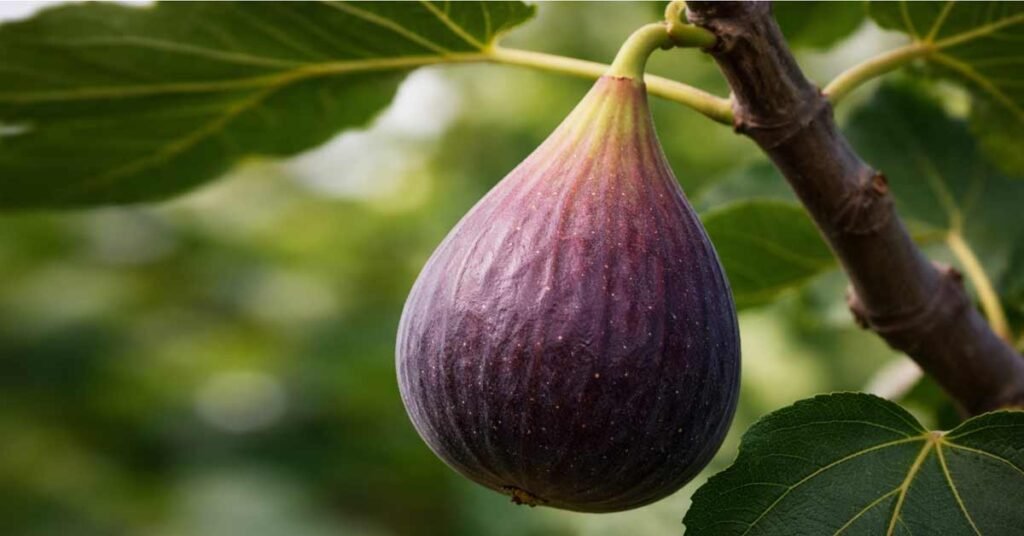
Using Fig Without Turning It Into a Project
This is usually where people get stuck.
They find something that works, like fig, and then overthink it. They start looking for the perfect way to use it, the perfect timing, the perfect combination. That’s how simple habits turn into short lived experiments.
Fig doesn’t need that.
If anything, the strength of figs is how little effort they require. You don’t need a plan. You just need a few reliable ways to use them so they become part of your day without friction.
Fresh vs Dried Figs: What Really Changes
Both versions work. The difference is not about one being better. It’s about context.
Fresh figs are lighter. Higher water content, softer texture, less concentrated sugar. They feel closer to a typical fruit. Easy to eat, easy to pair with meals.
Dried figs are more compact. Water is removed, so everything else becomes more concentrated. More sugar per bite, more fiber per bite, more calories in a smaller volume.
Here’s what that means in practice:
- Fresh figs feel refreshing and less dense
- Dried figs feel more substantial and filling
- Fresh figs are harder to store long term
- Dried figs are stable and portable
If you’re thinking in terms of digestion, both can work well. Fresh figs bring hydration and softness. Dried figs bring density and convenience. The fiber is present in both, just in different proportions per gram.
If you’re thinking in terms of energy, dried figs tend to have a stronger immediate effect because of that concentration. Fresh figs feel milder, more gradual.
There’s also a seasonal reality.
Fresh figs are not always available, and when they are, they don’t last long. A ripe fig can go from perfect to overripe quickly. That makes dried figs the more practical choice for daily use.
So instead of choosing one, it usually makes more sense to use both when available. Fresh when you can get them. Dried when you need consistency.
Simple Ways to Add Figs to Your Day
This is where things should stay simple.
You don’t need recipes. You need repeatable patterns.
Start with the easiest option. Eat figs on their own.
Two or three dried figs as a snack. That alone can replace something more processed and give you a more stable input for digestion and energy. No preparation, no thinking.
If you want a bit more structure, combine figs with other basic foods:
- Figs with a handful of nuts
- Figs alongside yogurt
- Fresh figs sliced into a simple breakfast
- Figs added to a basic salad for contrast
The goal here is not variety for the sake of it. It’s to find one or two combinations that you actually enjoy and can repeat without effort.
There’s also a timing aspect, but it doesn’t need to be rigid.
Figs tend to work well:
- In the morning, when you need a gentle start
- Midday, when energy starts to dip
- Before light activity, when you want something easy to digest
You don’t need to hit all of these. One consistent slot is enough.
Another detail that often gets ignored is substitution.
Instead of adding figs on top of everything else, use them to replace something. That’s where the real benefit shows up.
Swap out a processed snack. Replace something overly refined. That small shift improves the overall quality of your intake without increasing complexity.
And then there’s preference.
Some people like the texture of dried figs. Others don’t. Some prefer the softness of fresh figs. This matters more than people admit. If you don’t enjoy it, you won’t stick with it.
So adjust. Find the version that fits your taste, not what looks ideal on paper.
Storage, Portions, and Consistency That Sticks
This is the part that determines whether fig becomes a habit or just another idea you tried once.
Start with storage.
Fresh figs should be kept in the refrigerator and eaten within a few days. They are delicate. If you leave them out too long, they spoil quickly.
Dried figs are much easier. Store them in a sealed container, in a cool, dry place. They can last for weeks without any issue. That reliability is a big reason they work so well in daily routines.
Portions are straightforward.
You don’t need exact numbers, but you do need awareness.
A practical range looks like this:
- 2 to 3 dried figs per serving
- 1 to 2 fresh figs, depending on size
That’s enough to have an effect without overdoing it. Eating large amounts of dried figs at once can feel heavy, mostly because of the fiber and sugar concentration. Smaller, consistent portions work better.
Consistency is where everything comes together.
You don’t need to eat figs every hour. You don’t need to build meals around them. You just need a regular point in your day where they fit naturally.
Think in terms of patterns, not plans.
Keep figs visible. Easy to reach. If they’re hidden away, you won’t use them. If they’re part of your usual food space, they become an automatic choice.
And give it time.
The benefits tied to digestion and energy don’t show up from a single serving. They come from repetition. Day after day, small inputs that your body starts to recognize and respond to.
That’s what makes fig different from more complicated approaches.
It doesn’t demand attention. It rewards consistency.
And once it becomes part of your routine, you stop thinking about it altogether. It’s just something you do, and the results follow quietly in the background.
Best Selling Fig Related Products





A Small Habit That Pays Off More Than You Expect
Most changes in nutrition fail for one simple reason. They ask too much, too soon. Too many rules, too many moving parts, too much attention required every day.
Fig doesn’t work like that.
It fits into the kind of habit that doesn’t feel like a habit at all. And that’s exactly why it sticks.
You’re not building a system around figs. You’re just giving your body something consistent to work with. A small input, repeated often enough to matter.
That’s where the payoff comes from.
Not in a single moment. In accumulation.
Think about what usually disrupts digestion and energy. It’s not one bad meal. It’s patterns. Skipped meals, processed snacks, long gaps followed by heavy intake. The body adapts to whatever you repeat most often.
When you introduce fig into that pattern, even in a small way, you start to shift the baseline.
A couple of figs a day doesn’t sound like much. But over a week, that’s 14 to 20 consistent inputs of fiber, natural sugars, and micronutrients. Over a month, it becomes part of how your system expects to function.
You don’t feel a sudden change. You notice fewer disruptions.
That’s the difference.
Digestion becomes less unpredictable. Not perfect, just more stable. You stop thinking about it as much because it stops demanding attention.
Energy follows a similar pattern.
Instead of relying on large, inconsistent boosts, you create smaller, more reliable ones. A fig in the morning. Another later in the day. Enough to support your rhythm without pushing it off balance.
It’s subtle, but if you’ve ever had days where your energy stays steady from morning to evening, you know how much that matters.
There’s also a behavioral side to this that often gets ignored.
When you have a simple, repeatable option like fig, you reduce decision fatigue. You don’t have to think about what to eat every time you feel a dip. You already have an answer.
That alone improves consistency.
And consistency is what most people are missing.
You don’t need perfect meals. You need patterns you can repeat when you’re busy, distracted, or just not in the mood to think about food.
Fig fits into those moments.
It’s quick. It’s accessible. It doesn’t require preparation. That makes it reliable when everything else becomes inconsistent.
Another angle that becomes clear over time is substitution.
When figs become part of your routine, they naturally replace something else. Usually something less structured. A snack that spikes and drops your energy. Something that leaves you feeling off an hour later.
You don’t need to force that replacement. It happens on its own once figs are within reach.
That’s where the real impact builds.
Not from adding more, but from improving what’s already there.
There’s also a pacing effect that’s easy to overlook.
Eating figs slows you down just enough to change how you interact with food. You chew more. You notice texture. You don’t rush through it the same way you would with something processed.
That shift carries over.
It affects how you approach other meals, even if you’re not thinking about it directly.
And over time, those small adjustments compound.
A slightly better snack choice. A slightly more stable energy level. A slightly more predictable digestive pattern.
On their own, they don’t seem significant.
Together, they change how your day feels.
That’s why this works.
It’s not about doing something extreme. It’s about doing something simple, often enough that your body starts to rely on it.
You don’t need to track it. You don’t need to optimize it.
You just need to keep it going.
A couple of figs a day. That’s it.
If you stick with that, the benefits don’t show up all at once. They build quietly, in the background, until one day you realize things feel easier.
Digestion doesn’t get in your way as much. Energy doesn’t drop as hard. You’re not constantly adjusting.
And that’s the payoff most people are actually looking for.
Something that works without demanding your attention.
Something you can keep doing without effort.
Fig has been filling that role for a long time. It still does, as long as you give it the chance to become part of your routine.
Article Sources
At AncientHerbsWisdom, our content relies on reputable sources, including peer-reviewed studies, to substantiate the information presented in our articles. Our primary objective is to ensure our content is thoroughly fact-checked, maintaining a commitment to accuracy, reliability, and trustworthiness.
- U.S. Department of Agriculture. (2019). FoodData Central: Figs, raw and dried. https://fdc.nal.usda.gov/
- Slavin, J. L. (2013). Fiber and prebiotics: Mechanisms and health benefits. Nutrients, 5(4), 1417–1435. https://doi.org/10.3390/nu5041417
- Makni, M., Fetoui, H., Gargouri, N. K., Garoui, E. M., Jaber, H., Makni, J., Boudawara, T., & Zeghal, N. (2011). Hypolipidemic and hepatoprotective effects of Ficus carica leaf extract in diabetic rats. Journal of Ethnopharmacology, 137(2), 1150–1156. https://doi.org/10.1016/j.jep.2011.07.019
- Solomon, A., Golubowicz, S., Yablowicz, Z., Grossman, S., Bergman, M., Gottlieb, H. E., Altman, A., Kerem, Z., & Flaishman, M. A. (2006). Antioxidant activities and anthocyanin content of fresh fruits of common fig (Ficus carica L.). Journal of Agricultural and Food Chemistry, 54(20), 7717–7723. https://doi.org/10.1021/jf060497h
- Vinson, J. A. (1999). The functional food properties of figs. Cereal Foods World, 44(2), 82–87. https://www.cerealsgrains.org/publications/cfw/Pages/default.aspx
- National Institutes of Health, Office of Dietary Supplements. (2022). Magnesium fact sheet for health professionals. https://ods.od.nih.gov/factsheets/Magnesium-HealthProfessional/
- National Institutes of Health, Office of Dietary Supplements. (2022). Potassium fact sheet for health professionals. https://ods.od.nih.gov/factsheets/Potassium-HealthProfessional/
- World Health Organization. (2003). Diet, nutrition and the prevention of chronic diseases. https://www.who.int/publications/i/item/924120916X

- Pomegranate: Fruit for Heart Health and Antioxidants - March 25, 2026
- Persimmon: Sweet Fruit for Fiber and Heart Health - March 25, 2026
- Fig: Ancient Fruit for Digestion and Natural Energy - March 24, 2026