
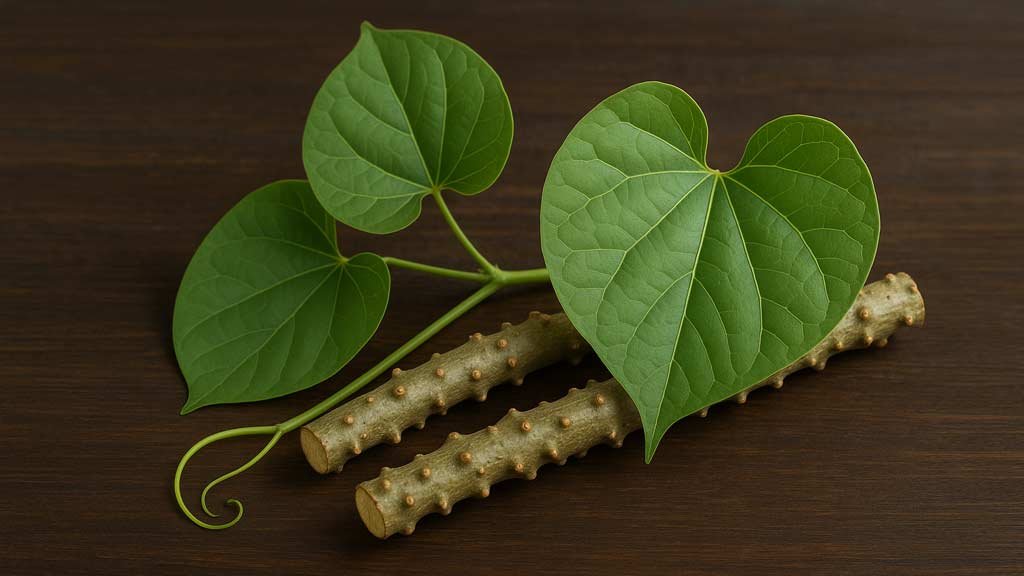
A Plant with a Reputation Older Than Memory
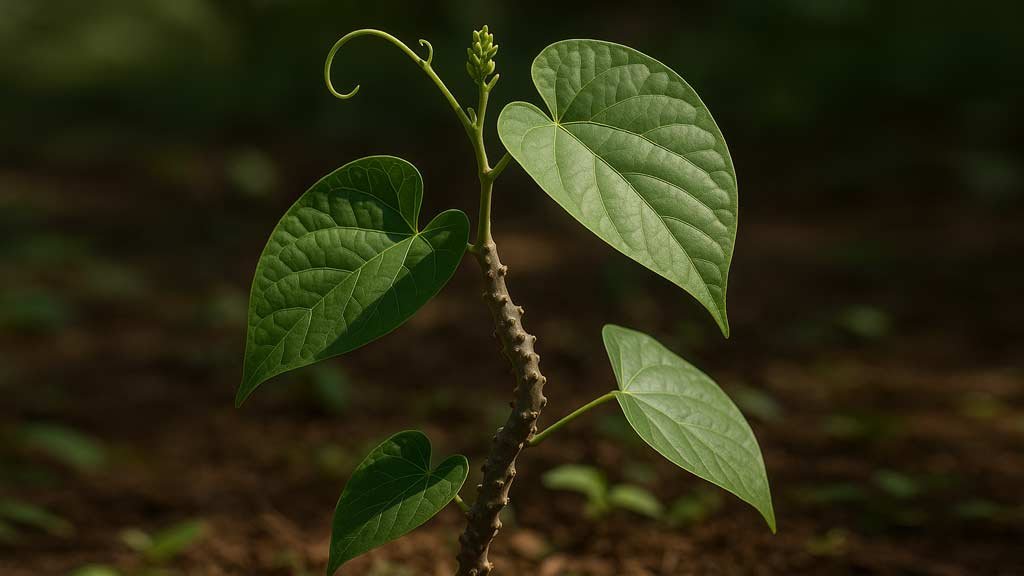
When you walk through an Indian garden after the rains, you might notice a climbing vine with heart-shaped leaves clinging to trees or walls. That’s Giloy—also called Guduchi or by its Sanskrit name, Amrita, meaning “nectar of immortality.” It’s a plant that’s been celebrated for centuries in Ayurveda. And not just as some folk remedy. Giloy has been described in texts like the Charaka Samhita as a rasayana—something that strengthens the body, boosts immunity, and restores balance.
Now, immunity has become a buzzword, hasn’t it? Everyone’s chasing turmeric lattes, echinacea teas, or a shelf full of supplements. But Giloy isn’t a fad. This herb has been in continuous use for millennia, woven into both household traditions and serious Ayurvedic practice. It’s like a quiet, steadfast friend you didn’t realize you needed until the tough times arrive.
Table of Contents

What Exactly Is Giloy?
Scientifically, Giloy is known as Tinospora cordifolia. It’s a climbing shrub, native to India but also found in tropical parts of Asia. Its stems are usually harvested, although the roots and leaves have their uses too. You’ll often see it winding around neem or mango trees, which Ayurveda considers especially potent combinations.
The plant is bitter—no two ways about it. That bitterness is part of what gives it strength. In Ayurveda, the taste (rasa) of a plant is considered an indicator of its properties, and bitter-tasting herbs often detoxify, cool the system, and clear excess heat.
Giloy’s Role in Ayurveda
Ayurveda isn’t just about treating symptoms—it’s about restoring harmony. Giloy has always been classified as:
- Rasayana (rejuvenator): It builds resilience, both physical and mental.
- Tridoshic balancer: It pacifies all three doshas—Vata, Pitta, and Kapha—which is pretty rare.
- Agnideepana (digestive fire stimulant): It stokes the digestive flame without aggravating acidity.
There’s a reason the ancients nicknamed it Amrita. For them, it wasn’t just a medicinal herb. It was a bridge between survival and vitality, between illness and the possibility of thriving.
Modern Science Takes a Closer Look
We’re not just relying on tradition here. Researchers have been digging into Giloy for decades, and the findings are intriguing.
Studies suggest that Giloy contains alkaloids, glycosides, steroids, and polysaccharides with immune-modulating effects. Translation: it nudges your immune system into sharper balance. Not too sluggish, not too overactive. Just right.
Giloy has also been studied for:
- Antioxidant effects: Protecting cells from oxidative stress.
- Anti-inflammatory actions: Useful in conditions tied to chronic inflammation.
- Blood sugar regulation: Some research points to hypoglycemic properties, supporting balanced glucose levels.
- Hepatoprotective activity: Helping the liver cope with toxins and stress.
Of course, not all the claims are backed equally. Some studies are animal-based, others are small-scale human trials. But the direction of evidence is promising, and it echoes what Ayurveda’s been saying for centuries.
Giloy for Immunity
So, why the reputation as an immunity herb? Think about how immunity really works. It’s not just about fighting off colds. It’s about resilience. The ability to bounce back, to adapt, to recover. Giloy supports that adaptability.
Traditional uses include fevers that keep coming back (known as jwara in Ayurveda), skin conditions tied to impurities in the blood, and recovery from long illnesses. It doesn’t act like a hammer to a nail. It’s more like fine-tuning the system.
And yes, people still brew the stems into decoctions for immune health, often mixing them with other herbs like neem, tulsi, or ginger. If you’ve ever had a sip, you won’t forget it—the bitterness hits first, then a clean aftertaste that feels oddly clarifying.
Giloy and Digestion
Beyond immunity, Giloy has a reputation for aiding digestion. That might sound secondary, but Ayurveda places digestion at the very center of health. If your gut is weak, everything else falters.
Giloy’s bitterness stimulates appetite in those who’ve lost it. It also helps process ama—undigested food residue or toxins that accumulate when digestion is sluggish. Think of it like clearing the ash out of a firepit so the flame can burn bright again.
People traditionally used Giloy for conditions like hyperacidity, indigestion, and constipation. It’s not a laxative in the harsh sense, but more of a gentle regulator.
Giloy for Respiratory and Skin Health
Respiratory complaints—chronic cough, asthma, allergic rhinitis—are also on Giloy’s list of uses. Its anti-inflammatory and expectorant properties make it soothing for irritated airways.
On the skin front, it’s applied both internally and externally. In Ayurveda, skin problems are often traced back to “impure blood” or pitta imbalance. Giloy is cooling, cleansing, and said to purify the blood. Some traditional healers use pastes of Giloy for eczema or chronic rashes.
How Giloy Is Used
Traditionally, people consume Giloy as:
- Decoction (Kadha): Boiling cut pieces of the stem in water.
- Powder (Churna): Dried stem ground fine, taken with warm water.
- Juice (Swaras): Fresh stem juice, bitter and strong.
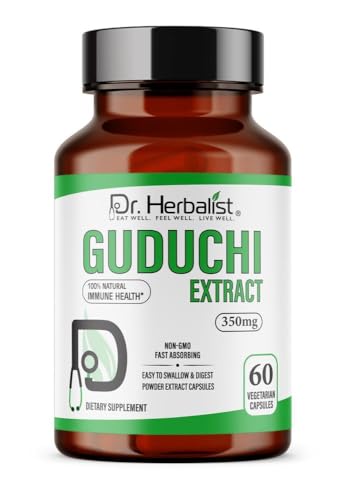
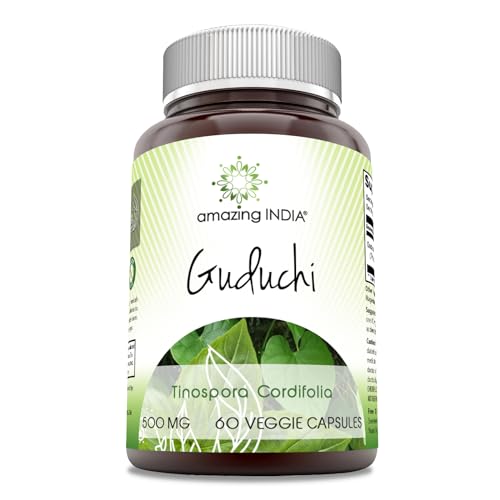
- Extract or capsule: Modern supplement forms for convenience.
Dosage depends on form, constitution, and purpose. Ayurvedic practitioners adjust it person by person.
Precautions and Considerations
Now, here’s the thing—just because it’s natural doesn’t mean unlimited use is wise.
- People with autoimmune conditions should be cautious, since Giloy can stimulate the immune system.
- Those with low blood sugar may need to monitor levels carefully.
- Pregnant or breastfeeding women should avoid it unless guided by a professional.
The FDA hasn’t approved Giloy as a drug. It remains in the category of herbal supplements, which means standards vary by brand and region.
A Personal Note on Bitterness
I’ll be honest: the first time I drank fresh Giloy juice, I nearly spat it out. The bitterness was sharp, almost metallic. But then something interesting happened. Within minutes, I felt this subtle clearing sensation—like fog lifting off a valley at sunrise. It might’ve been placebo, sure. But it stuck with me, and I found myself coming back to it during flu season.
Sometimes medicine isn’t about sweetness or instant gratification. Sometimes it’s about leaning into the bitter, the uncomfortable, because that’s where resilience grows.
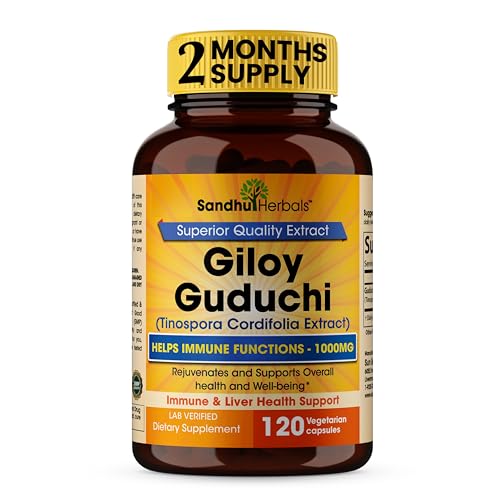
Best Selling Guduchi Supplements





Why Giloy Endures
Giloy isn’t trendy. It’s not the next superfood destined for a marketing campaign. It’s more like an anchor. A plant that’s stood by generation after generation, promising strength, clarity, and balance.
In a world full of quick fixes, Giloy asks for patience. It teaches us to trust the slow burn, the deep roots of tradition, and the ongoing conversation between ancient knowledge and modern science.
Article Sources
At AncientHerbsWisdom, our content relies on reputable sources, including peer-reviewed studies, to substantiate the information presented in our articles. Our primary objective is to ensure our content is thoroughly fact-checked, maintaining a commitment to accuracy, reliability, and trustworthiness.
- Bishayi, B., Roychowdhury, S., Ghosh, S., & Sengupta, M. (2002). Hepatoprotective and immunomodulatory properties of Tinospora cordifolia in CCl4 intoxicated mature albino rats. Journal of Toxicology: Clinical Toxicology, 40(6), 931–932. https://pubmed.ncbi.nlm.nih.gov/12507062/
- Jagetia, G. C., & Rao, S. K. (2006). Evaluation of the antineoplastic activity of guduchi (Tinospora cordifolia) in Ehrlich ascites carcinoma bearing mice. Biological & Pharmaceutical Bulletin, 29(3), 460–466. https://pubmed.ncbi.nlm.nih.gov/16508144/
- Patel, S., & Mishra, G. (2011). Immunomodulatory effects of Tinospora cordifolia (Willd.) Miers ex Hook. f. & Thoms. (Guduchi)—A review. Journal of Ayurveda and Integrative Medicine, 2(4), 195–202. https://pubmed.ncbi.nlm.nih.gov/22253510/
- Singh, S. S., Pandey, S. C., Srivastava, S., Gupta, V. S., Patro, B., & Ghosh, A. C. (2003). Chemistry and medicinal properties of Tinospora cordifolia (Guduchi). Indian Journal of Pharmacology, 35, 83–91. https://www.ijp-online.com/text.asp?2003/35/2/83/6449
- World Health Organization (WHO). (2004). Guidelines on safety monitoring of herbal medicines in pharmacovigilance systems. WHO Press. https://apps.who.int/iris/handle/10665/43034

- Nectarine: Stone Fruit for Heart Health and Antioxidants - March 8, 2026
- Peach: Hydrating Fruit for Skin Health and Digestion - March 8, 2026
- Plum: Fiber-Rich Fruit for Digestion and Heart Health - March 8, 2026
