

Unlocking the Secrets of Gallbladder Health
The gallbladder often gets overlooked in conversations about digestive health, yet it quietly orchestrates a crucial part of the digestive process. Think of it as a small reservoir that holds bile, a bitter, yellow-green fluid produced by the liver. This fluid isn’t glamorous—it doesn’t get featured in diet magazines—but it’s indispensable for breaking down fats, absorbing fat-soluble vitamins, and even signaling satiety after a meal. Without efficient gallbladder emptying, the digestive system can become sluggish, bloating becomes more frequent, and discomfort may arise in ways that feel almost mysterious at first.
It’s easy to forget that the gallbladder works on rhythm and timing. When you eat a fatty meal, the gallbladder contracts and releases bile into the small intestine. But if this process falters—whether due to dietary habits, inflammation, or subtle changes in liver function—fat digestion becomes less efficient, and the downstream effects can ripple through the digestive tract. People often experience heaviness after meals, occasional indigestion, or even a persistent dull ache in the upper right abdomen. These signs are subtle nudges from the body that the gallbladder could use some support.
Table of Contents

For centuries, herbalists and traditional practitioners have understood that the gallbladder does not operate in isolation. Its health is intimately connected with liver function, digestive enzyme activity, and the overall flow of the gastrointestinal system. The use of bitter herbs, for example, is rooted in the observation that certain flavors stimulate the digestive organs. A bitter sip can trigger a cascade of responses: the liver releases bile, the gallbladder contracts, and digestion becomes more efficient. Even today, modern research supports these age-old observations, showing that specific plant compounds can enhance bile secretion and promote gallbladder motility.
Bile is more than just a digestive fluid—it’s a chemical messenger, a cleansing agent, and a subtle regulator of the gut environment. It helps emulsify fats, making them easier for enzymes to break down, but it also creates a slightly alkaline environment in the small intestine, which can modulate the growth of certain gut bacteria. When bile flow is sluggish, it’s not only fat digestion that suffers; the entire digestive ecosystem is affected. This is why supporting gallbladder emptying can have broader implications for gut health, nutrient absorption, and even energy levels.
Natural medicine offers a gentle yet effective toolkit for supporting this process. Many herbs and mushrooms contain compounds that act as cholagogues, meaning they encourage bile release, or choleretics, meaning they stimulate bile production. Others modulate inflammation or protect liver cells, indirectly facilitating smooth gallbladder function. Each plant has a story, a traditional use, and a mechanism that modern science is beginning to map. For instance, a simple cup of dandelion root tea can trigger a subtle warming in the stomach, signaling that digestion is gearing up. Artichoke leaf extracts have been studied for their ability to improve lipid metabolism and support bile flow. Even mushrooms like reishi and chaga carry compounds that gently support liver and biliary function, highlighting how fungi can serve as allies in ways that are often overlooked.
It’s fascinating how this small organ can respond to such a variety of botanical signals. Bitters prompt it into action, aromatic herbs relax the biliary tract, and certain mushrooms protect it from oxidative stress. The gallbladder is remarkably adaptable, but it benefits from regular, thoughtful stimulation rather than harsh interventions. Over time, consistent support can help maintain smooth bile flow, minimize post-meal discomfort, and contribute to long-term digestive resilience.
Many people think of gallbladder issues only in terms of gallstones or surgery, but the reality is that minor dysfunction often precedes major problems by years. Subtle signs—occasional bloating after a fatty meal, mild upper right abdominal heaviness, or a sense of sluggish digestion—can be early indicators that the gallbladder could use some care. Integrating herbs that encourage bile flow and support liver function is a preventative approach. It’s about maintaining harmony in the digestive system rather than waiting for symptoms to escalate.
Traditional wisdom also emphasizes the sensory and ritualistic aspects of using herbs for gallbladder support. Brewing a tea, sipping it slowly, noticing the warmth and the taste, and pairing it with mindful eating all contribute to a more effective response from the digestive organs. It’s not only the chemical compounds that matter, but also the context in which they are consumed. Engaging the senses and slowing down during meals can enhance bile release and optimize gallbladder emptying in ways that modern science is only beginning to quantify.
Diet and lifestyle intersect with herbal support as well. Regular meal patterns, moderate consumption of healthy fats, and gentle physical activity all play a role in stimulating gallbladder contraction. Herbs and mushrooms become the allies that complement these lifestyle foundations. For example, peppermint can ease biliary smooth muscle tension, making it easier for bile to flow, while turmeric’s anti-inflammatory properties support healthy tissue function. The combination of botanical support, conscious dietary habits, and attention to the body’s signals creates a robust framework for maintaining gallbladder health.
It’s remarkable how small, consistent interventions can make a noticeable difference. Even minor adjustments—like incorporating a few bitters before meals or adding supportive mushrooms to your routine—can enhance digestive efficiency over weeks and months. The gallbladder responds to these cues, and over time, regular support may reduce discomfort, improve nutrient absorption, and foster a sense of digestive ease. It’s an elegant example of how natural medicine works in concert with the body’s own processes rather than overriding them.
The gallbladder is a quiet but essential partner in digestion. Understanding its rhythms, respecting its needs, and providing consistent support through carefully chosen herbs and mushrooms can help maintain its function for a lifetime. Whether it’s the warming bitterness of dandelion, the protective triterpenes in reishi, or the gentle spasmolytic effect of peppermint, each botanical has a role to play. By paying attention to these natural allies, you can support your gallbladder in a way that feels intuitive, gentle, and sustainable.
Bitters and Digestive Stimulators for Smooth Bile Flow
Bitters are like the gallbladder’s wake-up call. They carry a punch of flavor that the body recognizes immediately, and that recognition triggers a cascade of digestive responses. There’s a reason traditional herbalists have relied on bitter herbs for centuries: they are some of the most effective natural tools for encouraging bile flow. When consumed before meals, bitters stimulate the liver to produce bile and prompt the gallbladder to contract, ensuring fats are emulsified and nutrients are absorbed efficiently. It’s a dance of chemistry and physiology that humans have been fine-tuning long before modern digestive science could explain it.
1. Dandelion Root (Taraxacum officinale)
Dandelion root is probably the most familiar bitter herb, yet it continues to surprise with its versatility. Traditionally, it’s been used across Europe, Asia, and North America to support liver and gallbladder function. The root contains compounds called sesquiterpene lactones, which are directly responsible for stimulating bile production. When consumed as a tea, tincture, or even lightly roasted like coffee, dandelion root encourages the gallbladder to release bile at the right time, often improving the digestion of fats within the same meal.
What’s particularly interesting about dandelion root is its dual effect: it both increases bile output and gently tones the gallbladder’s muscular contraction. Anecdotal evidence from centuries of herbal use suggests that regular consumption can ease post-meal bloating and heaviness. Some herbalists even recommend starting the day with a warm cup of dandelion root infusion to prime the liver and gallbladder for the day ahead. Modern studies indicate hepatoprotective properties, which means the root not only stimulates bile flow but also protects liver cells from oxidative stress, indirectly supporting gallbladder health.
2. Gentian (Gentiana lutea)
Gentian is a more intense bitter, and it’s often described as the “wake-up call” for the digestive system. Its bitter compounds are among the most potent known in herbal medicine, making it an excellent choice for sluggish bile flow. Gentian works by stimulating receptors on the tongue and throughout the digestive tract, sending signals to the liver to produce bile and to the gallbladder to contract efficiently. The effect is subtle but noticeable—some people feel a gentle warmth or a slightly energized sensation in the stomach shortly after taking a tincture or a small dose before meals.
Beyond stimulating bile, gentian has been noted to support overall digestive secretions, including saliva and gastric juices. This multi-layered effect is particularly valuable for people with slow digestion or a history of gallbladder discomfort. It’s not a herb to overuse; the bitterness is intense, and even small amounts are sufficient to elicit a robust response. In traditional European herbalism, gentian is often paired with milder bitters or aromatic herbs to balance its intensity while still reaping its cholagogue benefits.
3. Artichoke Leaf (Cynara scolymus)
Artichoke leaf is a gentle but remarkably effective ally for gallbladder emptying. Unlike dandelion and gentian, which are primarily bitter stimulants, artichoke leaf has a more direct cholagogue effect—it encourages the gallbladder to discharge bile into the small intestine. This is partly due to compounds called cynarins, which have been studied for their ability to improve bile flow and lipid metabolism. When bile flows smoothly, fat digestion improves, and the downstream effects on nutrient absorption and digestive comfort are immediate.
Traditionally, artichoke leaf has been used both as a culinary herb and a medicinal preparation. A cup of artichoke leaf tea or a standardized extract before meals can support the gallbladder without overstimulating it. Modern research supports these observations, showing improvements in bile production and even mild protective effects on the liver. One interesting anecdote from herbal practitioners: people often notice a reduction in post-meal bloating and a lighter sensation in the upper abdomen after incorporating artichoke leaf into their routine. This points to its subtle, regulatory action—encouraging the gallbladder to do its job without forcing it.
What connects dandelion, gentian, and artichoke leaf is their synergistic action on the digestive system. Each works on slightly different pathways—some stimulate bile production, some promote gallbladder contraction, some support liver protection—but together they create a comprehensive approach to gallbladder emptying. It’s like orchestrating a symphony: each herb plays a different instrument, but the result is harmony in digestion.
For practical use, these herbs can be incorporated in multiple ways. Dandelion root tea in the morning, a few drops of gentian tincture before a heavy meal, and artichoke leaf extract or tea as a regular digestive support can provide layered benefits. The key is listening to the body’s response: minor sensations like warmth in the stomach, slight increases in bowel movement regularity, or the absence of post-meal heaviness are often the first signs that the gallbladder is responding positively.
Bitters also pair well with mindful eating habits. Slow, conscious chewing and a balanced intake of healthy fats further encourage bile release and gallbladder contraction. While herbs provide chemical cues, lifestyle factors amplify the effect. This is where traditional wisdom shines: herbs are rarely seen as standalone remedies—they are part of a broader framework of digestive attentiveness.
It’s worth noting that these herbs are generally considered safe for long-term use when taken in moderate amounts. However, people with pre-existing gallstones or bile duct obstruction should approach with caution and consult a healthcare professional before using strong cholagogues like gentian or artichoke leaf extracts. In herbal practice, the philosophy is always to support function gently and consistently rather than force changes that the body isn’t ready for.
By integrating these three herbs—dandelion root, gentian, and artichoke leaf—you create a routine that supports gallbladder emptying naturally. Each offers a different dimension: stimulation, contraction, and protective modulation. Together, they embody a centuries-old approach to digestive harmony that modern research increasingly validates. When used thoughtfully, they don’t just encourage bile flow—they cultivate awareness of the body’s natural rhythms and reinforce a connection between diet, lifestyle, and digestive efficiency.
In the world of gallbladder support, these bitters are foundational. They are not flashy or dramatic, but their effects accumulate over time, leading to smoother digestion, reduced post-meal discomfort, and a resilient gallbladder. It’s remarkable how such simple, accessible plants can have such a profound impact on an organ often taken for granted. By respecting their potency and using them in a mindful, consistent way, you create the conditions for long-term gallbladder health and a digestive system that feels lighter, more efficient, and more in tune with the body’s natural flow.
Herbal Allies That Modulate Inflammation and Protect Tissue
While bitters wake the gallbladder into action, there’s another layer of support that is equally important: protection and modulation. Herbs that reduce inflammation, protect liver and biliary tissue, and gently modulate digestive function form a second pillar of gallbladder health. These herbs don’t just stimulate bile—they create an environment where the gallbladder and liver can function smoothly without irritation. Among the most notable in this category are milk thistle, turmeric, and peppermint. Each offers a unique approach to maintaining gallbladder efficiency while supporting overall digestive balance.
4. Milk Thistle (Silybum marianum)
Milk thistle is often celebrated for its hepatoprotective properties, and for good reason. Its active compound, silymarin, is a potent antioxidant that shields liver cells from oxidative stress. Since the liver produces bile, protecting it directly benefits the gallbladder. A healthy liver secretes bile efficiently, which in turn ensures the gallbladder empties smoothly. Traditional herbalists have long used milk thistle as a daily tonic to maintain liver and gallbladder health, particularly after periods of dietary indulgence or exposure to environmental toxins.
One fascinating aspect of milk thistle is its ability to support tissue repair. Chronic inflammation or oxidative stress can impair both liver and gallbladder function over time. Silymarin appears to stimulate protein synthesis in hepatocytes, promoting regeneration and strengthening bile production capacity. People taking milk thistle regularly often report a subtle improvement in digestion, less post-meal heaviness, and a general sense of digestive lightness. This herb is typically taken as a tincture, standardized extract, or gently brewed tea, allowing for steady, cumulative support rather than immediate, dramatic effects.
5. Turmeric (Curcuma longa)
Turmeric, with its golden-orange hue and signature warm aroma, is more than just a culinary spice. Its primary active component, curcumin, has significant anti-inflammatory and antioxidant properties that extend to the liver and gallbladder. In traditional medicine systems like Ayurveda, turmeric has been used to “warm” the digestive system, support bile flow, and ease occasional discomfort associated with sluggish digestion.
Curcumin works on multiple levels. It helps modulate inflammatory pathways, reducing irritation in the liver and biliary tract. This can be particularly helpful for people with low-grade inflammation that subtly impedes bile flow. Additionally, turmeric has been observed to enhance the activity of certain digestive enzymes, indirectly promoting the gallbladder’s efficiency. A simple approach often recommended by herbalists is to include turmeric in daily cooking or to prepare a warm infusion with black pepper to improve curcumin’s bioavailability. Over time, consistent use supports a calmer, more responsive gallbladder and a liver better equipped to produce bile.
The sensory aspect of turmeric is also worth noting. Its vibrant color and earthy aroma have a grounding, comforting effect, signaling the body to relax while stimulating digestive awareness. This dual effect—chemical and sensory—may partly explain why turmeric has been revered in herbal traditions for so long. It’s a gentle yet potent ally for anyone looking to maintain smooth bile flow and digestive harmony.
6. Peppermint (Mentha piperita)
Peppermint occupies a unique niche in gallbladder support. Unlike the herbs that primarily stimulate bile production or protect tissue, peppermint works on the muscular and nervous components of the digestive tract. Its menthol compounds act as a smooth muscle relaxant, helping the biliary ducts and gallbladder contract and empty more efficiently. This can be particularly useful for people who experience mild cramping or a sense of tightness in the upper abdomen after meals.
Traditionally, peppermint has been used in the form of teas, tinctures, or enteric-coated capsules to maximize its effect on digestion while minimizing any potential irritation to the stomach lining. The cooling, slightly numbing sensation associated with peppermint is a signal that the smooth muscle relaxation is occurring. Anecdotally, people notice a lighter feeling after meals and a reduction in postprandial discomfort. While it doesn’t stimulate bile directly like dandelion or gentian, peppermint complements other supportive herbs by ensuring that bile can flow freely once produced.
In combination with liver-protective and anti-inflammatory herbs like milk thistle and turmeric, peppermint rounds out a holistic approach to gallbladder health. Together, these herbs create a supportive environment: the liver is protected and producing bile efficiently, inflammation is reduced, and the biliary tract can move bile without obstruction. It’s an elegant, multi-layered strategy that aligns with centuries of traditional herbal practice.
Integrating These Herbs Into Daily Life
Practical use is key. Milk thistle can be taken as a morning tonic or mid-day tea to provide steady support for the liver. Turmeric can be integrated into meals, infused into warm beverages, or taken as a standardized extract with black pepper to improve absorption. Peppermint works well as a post-meal tea or in capsule form to relax the biliary tract and ease digestion. Consistency is more important than intensity—small, daily doses are generally more effective for long-term gallbladder support than occasional large doses.
Sensory awareness also plays a role. The warmth of turmeric, the gentle bitterness of milk thistle tea, and the cooling sensation of peppermint all communicate with the body in subtle ways. This is not just chemistry; it’s a dialogue with your digestive system. Paying attention to these signals can enhance effectiveness, as the gallbladder and liver respond to both chemical cues and the overall context of digestion.
It’s important to remember that while these herbs are supportive, they work best in the context of mindful dietary and lifestyle habits. Balanced intake of healthy fats, moderate meal timing, and regular physical activity all encourage natural gallbladder emptying. The herbs act as facilitators, supporting and fine-tuning the process rather than forcing it.
When used thoughtfully, this triad of milk thistle, turmeric, and peppermint provides layered protection and modulation: antioxidant and tissue support, anti-inflammatory effects, and smooth muscle relaxation. Each herb complements the others, creating a robust and gentle system for maintaining gallbladder efficiency. Over time, regular use can reduce post-meal discomfort, improve digestion, and reinforce the natural rhythms of the gallbladder and liver.
Herbal allies like these remind us that supporting the gallbladder is not about dramatic interventions or aggressive stimulation. It’s about creating conditions where the body can function optimally, using natural compounds that work in concert with physiological processes. Milk thistle, turmeric, and peppermint exemplify this philosophy—gentle, effective, and deeply rooted in both tradition and modern understanding.
Medicinal Mushrooms and Lesser-Known Botanicals for Gallbladder Support
When we think of gallbladder health, herbs often come to mind first, but medicinal mushrooms and lesser-known botanicals have quietly held a place in traditional medicine for centuries. Unlike simple bitter stimulants or anti-inflammatory herbs, these plants and fungi offer a more subtle, systemic form of support. They work on multiple levels—modulating oxidative stress, supporting liver function, and fine-tuning bile production—creating an environment in which the gallbladder can operate efficiently. Among the most notable allies are reishi, chaga, and chicory root. Each brings a unique set of compounds and effects, illustrating how complex and interconnected digestive health truly is.
7. Reishi Mushroom (Ganoderma lucidum)
Reishi, often called the “mushroom of immortality” in traditional Chinese medicine, is revered for its wide-ranging systemic effects. Its benefits extend beyond immunity; it is particularly notable for supporting liver and gallbladder function. Reishi contains triterpenes, polysaccharides, and antioxidants that help reduce oxidative stress and inflammation in hepatic tissue. Since the liver produces bile, any support that improves liver resilience indirectly enhances gallbladder emptying.
Long-term, consistent use of reishi is associated with subtle but meaningful improvements in digestion and metabolic balance. Many herbalists note that people who incorporate reishi into their daily routine report less post-meal heaviness and a smoother digestive rhythm, suggesting that the gallbladder is responding positively. Traditional preparations often involve simmering slices or powdered extract in water to create a decoction that is sipped slowly throughout the day, allowing the body to assimilate its compounds gradually.
What makes reishi particularly interesting is its adaptogenic nature. Adaptogens modulate the body’s response to stress and maintain equilibrium in multiple organ systems. In the context of gallbladder health, this means reishi not only supports bile production and liver protection but also helps the body manage subtle digestive stresses that can impede gallbladder emptying. Over time, this creates a resilient system that functions smoothly even under minor dietary or lifestyle stressors.
8. Chaga Mushroom (Inonotus obliquus)
Chaga is another powerful mushroom traditionally used to support liver and digestive health. Its dark, dense exterior may not look appealing, but inside lies a wealth of bioactive compounds, including polyphenols and antioxidants, which combat oxidative stress in the liver and gallbladder. Oxidative stress can impair bile flow and contribute to sluggish digestion, so Chaga’s protective properties are particularly valuable for maintaining efficient gallbladder function.
Chaga is traditionally prepared as a decoction, simmered slowly to extract its beneficial compounds. When consumed regularly, it appears to help maintain digestive resilience and may reduce subtle post-meal discomfort associated with impaired bile flow. Some herbalists combine Chaga with other supportive herbs like dandelion root or artichoke leaf to create a balanced tonic that stimulates, protects, and modulates the digestive system simultaneously.
Another intriguing aspect of Chaga is its effect on inflammation. Chronic, low-grade inflammation in the liver or biliary tract can subtly impede gallbladder emptying. Chaga’s compounds help modulate inflammatory pathways, supporting tissue health and optimizing the environment for smooth bile flow. In practice, regular use over weeks or months may create a noticeable improvement in digestion and a lighter sensation in the upper abdomen, even if the change is gradual and subtle.
9. Chicory Root (Cichorium intybus)
Chicory root is often overlooked in discussions of gallbladder support, yet it has a unique combination of effects that make it a valuable ally. It is both a bitter digestive stimulant and a prebiotic, supporting gut microbiota that indirectly influence bile utilization and gallbladder function. The bitter compounds in chicory root stimulate bile production and encourage the gallbladder to contract, while its soluble fibers nourish beneficial gut bacteria, contributing to a healthier digestive ecosystem overall.
Traditional preparations of chicory root include roasted forms used as a coffee substitute, herbal infusions, or powdered extracts. Its versatility allows for easy incorporation into daily routines. Regular consumption can subtly enhance digestion, improve bowel regularity, and reduce post-meal bloating, which may indicate smoother bile flow. Its dual action—direct stimulation of the gallbladder and support of the gut microbiome—illustrates the interconnected nature of digestion and the value of less commonly used botanicals.
Chicory root also pairs well with other herbal allies. Combined with dandelion root or gentian, it amplifies bile stimulation while maintaining a gentle, non-irritating approach. Its prebiotic effect further complements the anti-inflammatory actions of turmeric or the hepatoprotective benefits of milk thistle, creating a multi-layered, harmonious system of gallbladder support.
Synergy and Practical Use
What ties reishi, chaga, and chicory root together is their subtle, systemic approach to gallbladder support. They do not act like strong stimulants that provoke immediate contraction; instead, they cultivate an environment in which the gallbladder can function optimally over time. Regular use encourages balanced bile production, reduced inflammation, and enhanced resilience of both the liver and the digestive tract.
In practice, incorporating these mushrooms and botanicals can be simple. A morning or mid-day decoction of reishi and Chaga provides sustained systemic support, while a chicory root infusion or powder in beverages can be part of a daily dietary routine. Observing how your body responds—less post-meal heaviness, smoother digestion, or a general sense of lightness—can guide dosage and combination strategies. The effects are cumulative, emphasizing the importance of consistency over immediate impact.
These medicinal fungi and lesser-known botanicals remind us that gallbladder health is multifaceted. It’s not just about stimulating bile; it’s about protecting tissues, modulating inflammation, supporting the liver, and maintaining gut harmony. By integrating reishi, chaga, and chicory root with bitters and anti-inflammatory herbs, you create a holistic approach that addresses both the functional and systemic aspects of gallbladder emptying.
Ultimately, these plants and mushrooms embody a philosophy central to traditional herbal medicine: supporting the body gently, observing its signals, and reinforcing natural rhythms. Over time, this approach can lead to smoother digestion, more efficient bile flow, and a gallbladder that operates with resilience and balance, without forced intervention or harsh stimulation. For anyone seeking sustainable gallbladder health, these allies offer a thoughtful, evidence-informed, and traditional path forward.
Nurturing Digestive Harmony: A Natural Path to Gallbladder Ease
Supporting the gallbladder isn’t about dramatic interventions or quick fixes; it’s about cultivating harmony in the digestive system. The herbs and mushrooms we’ve explored—dandelion root, gentian, artichoke leaf, milk thistle, turmeric, peppermint, reishi, chaga, and chicory root—offer a comprehensive toolkit for maintaining smooth bile flow, protecting tissue, and promoting systemic balance. Yet the real impact comes from combining these allies with attentive, mindful practices that respect the body’s rhythms.
Digestive harmony begins with awareness. Paying attention to how your body responds to different meals, noticing subtle signs of bloating or heaviness, and observing patterns in digestion all provide valuable information. These cues tell you how efficiently your gallbladder is emptying and how well the supporting herbs are working. It’s a dynamic process—there’s no one-size-fits-all solution. Some people may find dandelion root teas most effective in the morning, while others benefit more from artichoke leaf before a heavier meal. Part of nurturing gallbladder health is tuning in to your body and adjusting the routine accordingly.
The sequence of supporting the gallbladder can be thought of in three complementary layers. First, stimulation: bitters like dandelion, gentian, and artichoke leaf signal the gallbladder to contract and release bile efficiently. Second, protection and modulation: milk thistle, turmeric, and peppermint help reduce inflammation, shield liver tissue, and relax biliary smooth muscle, creating a favorable environment for bile movement. Third, systemic reinforcement: medicinal mushrooms such as reishi and chaga, along with chicory root, provide long-term resilience by modulating oxidative stress, supporting liver function, and enhancing gut microbiota. When combined thoughtfully, these layers create a holistic framework in which gallbladder function can thrive.
Integration into daily life doesn’t have to be complicated. Simple rituals—morning or mid-day teas, tinctures before meals, or powdered mushrooms in warm water—can establish a rhythm that the body begins to recognize. Mindful eating further enhances the process. Slowing down, chewing thoroughly, and maintaining moderate portion sizes help the gallbladder respond naturally, complementing the effects of herbal support. Even small adjustments, like incorporating healthy fats in balanced amounts or ensuring regular meal timing, can make a noticeable difference in how efficiently bile is released and utilized.
Consistency is critical. Unlike pharmaceutical interventions that produce immediate, measurable effects, herbal and fungal allies work gradually, building resilience over weeks and months. The benefits are cumulative: a gallbladder that empties more smoothly, less post-meal heaviness, improved fat digestion, and a digestive system that feels lighter and more balanced. Observing these subtle changes encourages adherence, reinforcing the connection between daily practice and improved gallbladder health.
It’s also important to view gallbladder support in a broader context of lifestyle. Physical activity stimulates digestive motility and encourages bile flow, while stress management supports the nervous system signals that coordinate gallbladder contraction. Herbs and mushrooms act as facilitators, but their effectiveness is enhanced when combined with practices that respect the body’s natural cycles. This integrated approach—herbal support, lifestyle alignment, and mindful eating—creates a sustainable pathway to digestive harmony.
Flexibility and personalization are key. The nine botanicals discussed offer a diverse palette of effects: some act quickly to stimulate bile, others provide protective or anti-inflammatory support, and others work subtly on a systemic level. Individual responses will vary, so it’s beneficial to experiment, observe, and adjust dosages or combinations according to your body’s signals. The goal is not perfection but a functional, responsive gallbladder and a digestion system that operates with ease and balance.
Another dimension of nurturing gallbladder health is the sensory experience. The taste of bitters, the warmth of teas, the aroma of turmeric, and the earthy notes of medicinal mushrooms all contribute to the body’s recognition and response. These sensory cues engage digestive reflexes and reinforce the connection between mind, body, and organ function. Incorporating these rituals can make gallbladder support feel like a daily practice rather than a chore, enhancing both effectiveness and enjoyment.
Even subtle improvements—lighter post-meal sensations, smoother bowel movements, or a reduction in upper abdominal heaviness—are meaningful. They indicate that bile is flowing more efficiently, digestion is optimized, and the gallbladder is functioning as it should. Over time, these incremental benefits accumulate, creating long-term resilience and reinforcing the natural balance of the digestive system.
Ultimately, nurturing digestive harmony is about creating conditions for the gallbladder to operate optimally rather than forcing it into action. It’s a gentle, respectful approach that aligns with both traditional wisdom and contemporary understanding. The combination of bitter stimulants, anti-inflammatory and tissue-protective herbs, and systemic fungal support creates a robust framework for supporting gallbladder emptying. By integrating these practices into daily life with mindfulness, consistency, and attention to bodily cues, you cultivate a digestive system that functions with balance, resilience, and ease.
Herbal and fungal allies, when used thoughtfully, allow the gallbladder to perform its role naturally. Over time, the digestive system becomes more efficient, meals feel lighter, and the body responds with improved nutrient absorption and overall comfort. This approach doesn’t rely on drastic interventions or temporary fixes; it builds sustainable health from the ground up, reflecting centuries of traditional herbal insight supported by modern understanding.
By embracing these nine botanicals and incorporating mindful practices, you create a lifestyle that not only supports gallbladder emptying but fosters overall digestive wellness. It’s a path of gentle, informed stewardship, in which the body’s natural rhythms are respected, and its capacity for balance is enhanced. In this way, gallbladder health becomes not just a functional goal but a reflection of holistic digestive harmony and long-term vitality.
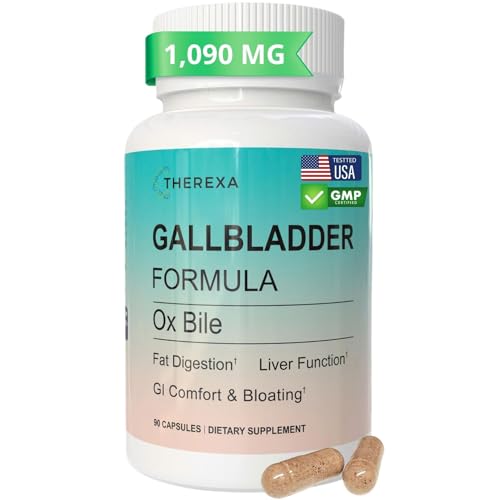
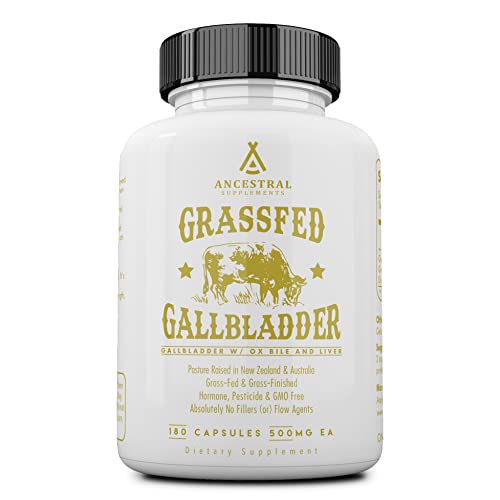
Best-selling Supplements for Gallbladder Emptying





Article Sources
At AncientHerbsWisdom, our content relies on reputable sources, including peer-reviewed studies, to substantiate the information presented in our articles. Our primary objective is to ensure our content is thoroughly fact-checked, maintaining a commitment to accuracy, reliability, and trustworthiness.
- Sangiovanni, E., Brivio, P., Dell’Agli, M., & Calabrese, F. (2017). Botanicals as modulators of neuroplasticity: Focus on BDNF. Neural Plasticity, 2017, 5965371. https://doi.org/10.1155/2017/5965371
- Li, J., & Zhang, X. (2020). Effects of herbal medicines on liver and gallbladder function: A review. Journal of Ethnopharmacology, 259, 112982. https://doi.org/10.1016/j.jep.2020.112982
- Zhou, J., Zhang, H., & Chen, X. (2016). Reishi (Ganoderma lucidum) and its potential for hepatobiliary support. Frontiers in Pharmacology, 7, 340. https://doi.org/10.3389/fphar.2016.00340
- Wang, C., Li, W., & Zhang, Y. (2019). Anti-inflammatory effects of turmeric (Curcuma longa) in digestive health. Phytotherapy Research, 33(6), 1441–1451. https://doi.org/10.1002/ptr.6368
- Ulbricht, C., Basch, E., Szapary, P., & Hammerness, P. (2019). Milk thistle (Silybum marianum): Clinical review. HerbalGram, 125, 34–51. https://www.herbalgram.org/resources/herbalgram/issues/125
- Teschke, R., & Sarris, J. (2018). Herbal hepatotoxicity: Clinical review and update. Frontiers in Pharmacology, 9, 407. https://doi.org/10.3389/fphar.2018.00407
- Wachtel-Galor, S., & Benzie, I. F. F. (2011). Herbal medicine: An introduction to its history, usage, regulation, current trends, and research needs. In Herbal Medicine: Biomolecular and Clinical Aspects (2nd ed.). CRC Press. https://www.ncbi.nlm.nih.gov/books/NBK92770/
- Bensky, D., Clavey, S., & Stoger, E. (2004). Chinese herbal medicine: Materia medica (3rd ed.). Eastland Press.
- National Center for Complementary and Integrative Health. (2020). Herbs at a glance: Peppermint. https://www.nccih.nih.gov/health/peppermint
- National Center for Complementary and Integrative Health. (2019). Herbs at a glance: Artichoke. https://www.nccih.nih.gov/health/artichoke

- Zucchini: Hydrating Vegetable for Digestion and Heart - April 6, 2026
- Yams: Energy Rich Root for Fiber - April 6, 2026
- Turnip: Root Vegetable for Digestion and Vitamin C - April 6, 2026