
The Strange Little Plant with a Big Personality
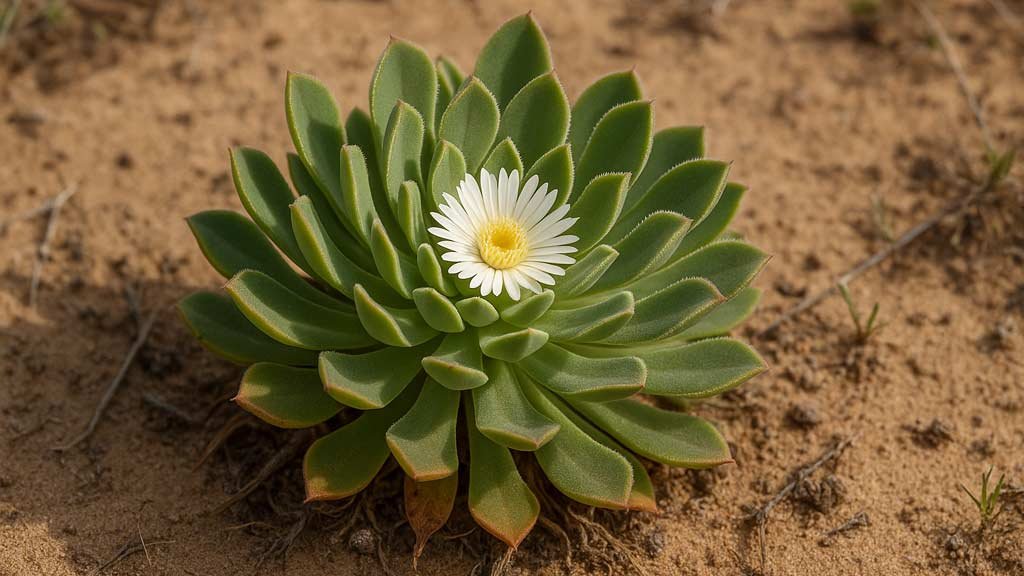
Kanna, also called Sceletium tortuosum, looks like just another hardy succulent growing across the dry landscapes of South Africa. Thick, fleshy leaves. Small, star-like flowers. If you passed it on a rocky hillside, you might never guess the centuries of stories bound up in this plant. But among the Khoisan people—South Africa’s indigenous hunter-gatherers—Kanna has never been just a plant. It’s been a companion, a healer, a kind of emotional anchor.
What’s remarkable is how modern science is finally catching up to what those communities already knew: this succulent can soothe the restless mind, lift a heavy heart, and bring a quiet steadiness when the world feels overwhelming.
Table of Contents

A Glimpse into Kanna’s History
The Khoisan have used Kanna for hundreds, maybe thousands, of years. They’d chew the fermented leaves, or grind the dried plant into powder and snuff it. Sometimes they’d brew it as a tea. It wasn’t about “getting high” the way people sometimes assume. It was about easing social tensions, calming anxiety, and making long days of walking and hunting more bearable.
Travelers in the 17th century wrote of meeting locals who offered them Kanna as a sign of hospitality. Imagine that: instead of pouring you a drink, they handed you a handful of dried succulent leaves. Strange, but also kind of beautiful.
How Kanna Works in the Body
Here’s the interesting bit. Kanna contains alkaloids—mesembrine, mesembrenone, mesembrenol, and tortuosamine—that interact with serotonin in the brain. These compounds appear to act as serotonin reuptake inhibitors, not unlike certain pharmaceutical antidepressants. That means they keep more serotonin available in the brain, and serotonin is deeply tied to mood, resilience, and emotional balance.
But unlike many prescription drugs, Kanna doesn’t usually flatten people’s emotions. It’s not about numbing. Users often describe it as a soft lift, a sense of lightness that makes daily stress less jagged.
Potential Effects of Kanna
- Reduced feelings of anxiety
- Mild mood elevation
- Increased sense of connection with others
- Enhanced focus and presence
- Relief from bodily tension
Some report that music sounds richer on Kanna, or that conversations flow with unusual warmth. It’s subtle but noticeable—more like adjusting the lighting in a room than remodeling the whole house.
Traditional Uses Beyond Mood
The Khoisan didn’t use Kanna just for stress. They saw it as a multi-purpose ally. They chewed it on long journeys to stave off hunger and thirst. They turned to it for physical pain and even toothaches. In gatherings, Kanna helped smooth conflicts and open space for harmony.
That communal aspect fascinates me. Plants are rarely just “medicine” in indigenous traditions—they’re woven into relationships, rituals, and stories. Kanna isn’t an exception.
Kanna in the Modern World
Fast-forward to today, and you’ll find Kanna sold in capsules, teas, tinctures, and even chewing gums. Herbal enthusiasts in the U.S. and Europe are drawn to it as a natural mood enhancer. Wellness companies highlight its potential for easing social anxiety, supporting meditation, and balancing stress without the same risk of dependency that comes with alcohol or heavier substances.
It’s not mainstream—yet—but interest is growing fast. And as with many plants, the way it’s used now doesn’t always mirror tradition. Instead of slow fermentation, some products rely on standardized extracts. Instead of chewing with friends around a fire, someone might swallow a capsule before a stressful workday.
The Experience: What Kanna Feels Like
Describing the Kanna experience isn’t simple. Some say it feels like a warm smile spreading through the body. Others mention sharper clarity, as if distractions fall away. If you’ve ever had a day where the small annoyances didn’t stick to you the way they usually do, that’s pretty close.
It’s worth pointing out that the effects can be dose-dependent:
- Low doses: A gentle lift in mood, mild relaxation.
- Moderate doses: More noticeable calm, sometimes with heightened sensory perception.
- High doses: Too much can make some people nauseous or overly sedated.
The sweet spot varies from person to person.
Comparing Kanna with Other Herbs and Mushrooms
Kanna sits in an interesting category. It’s not exactly a stimulant, not exactly a sedative. It has overlaps with other plants but doesn’t fit neatly into any box.
- Like Rhodiola, it may support resilience to stress.
- Like St. John’s Wort, it touches the serotonin system.
- Unlike kava, it doesn’t sedate or cloud the mind.
- Unlike psilocybin mushrooms, it’s not psychedelic, though some say it similarly softens the heart.
That uniqueness makes Kanna stand out. It’s a bridge between calming herbs and mood-enhancing ones, with its own personality.
Safety and Side Effects
Here’s where the responsible voice has to step in. Kanna is considered safe at moderate doses, but it’s not for everyone. People taking SSRIs or other antidepressants should avoid it, because the interaction could potentially cause serotonin syndrome.
Other possible side effects:
- Drowsiness
- Nausea (especially at high doses)
- Mild headache
- Dry mouth
For most healthy adults, side effects are mild or nonexistent. Still, respect matters. Plants can be gentle allies, but they’re also powerful biochemistry in a green wrapper.
Kanna and the Subtle Art of Mood
Why does Kanna matter in a world full of pharmaceuticals and wellness products? Maybe because it reminds us that mood doesn’t always need a sledgehammer approach. Sometimes the small shifts are what we need. A softening of the edges. A sense of “I can handle this.”
I think of it as the plant equivalent of a deep breath. Not life-changing in a single moment, but powerful when woven into daily rhythms.
Growing and Preparing Kanna
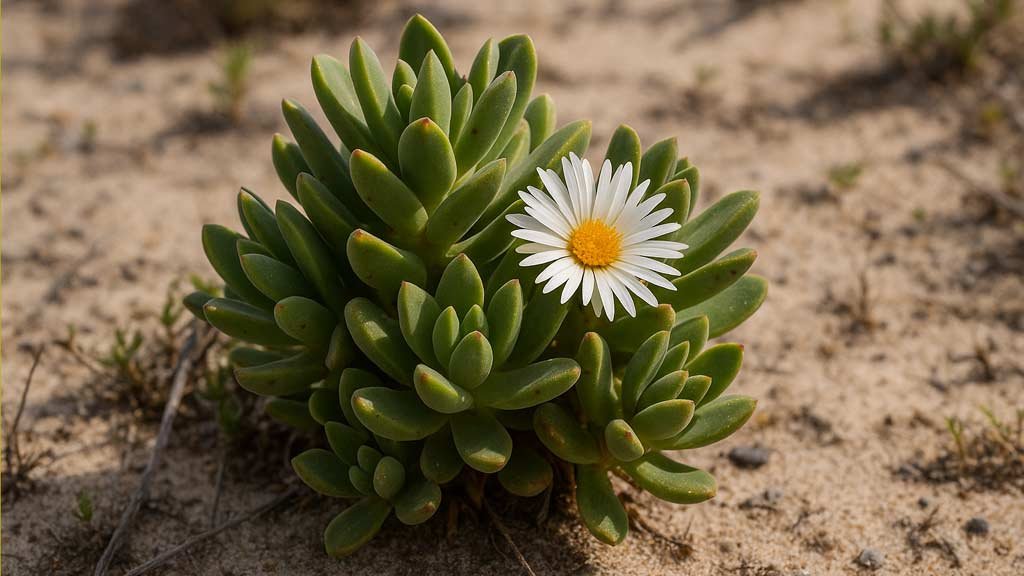
For the plant lovers out there, yes—you can grow Kanna. It thrives in sandy soil, lots of sunlight, and minimal water. In its native habitat, it survives drought and rocky terrain with a kind of stubborn grace.
Traditional preparation involved fermenting the plant. Fresh leaves were crushed, placed in animal hides or bags, and left to ferment for days or weeks. That process reduced bitterness and may have altered the alkaloid profile, making it gentler on the body.
Today, fermentation is less common. Most people buy it already dried or in extract form. But part of me wonders what’s lost when we skip those slow, ancient processes.
The Cultural Respect Factor
One important note: Kanna has roots in indigenous knowledge. The Khoisan people’s relationship with the plant predates modern herbalism by centuries. As interest in Kanna grows, respecting that lineage matters. Too often, plants are pulled into the global marketplace with little acknowledgment of the communities that first knew their gifts.
If you choose to use Kanna, take a moment to remember where it comes from. That awareness doesn’t change the alkaloids, but it does change the way we relate to the plant.
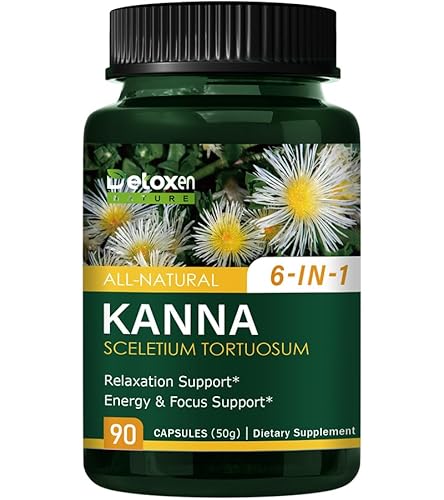
Best Selling Kanna Supplements




Final Thoughts on Kanna
Kanna isn’t a miracle cure, and it’s not a shortcut to endless joy. But it is a fascinating, resilient little succulent that offers something rare: a gentle, grounded way to shift how we experience ourselves and others.
It’s subtle, but don’t underestimate subtlety. Sometimes subtle is exactly what we need.
Article Sources
At AncientHerbsWisdom, our content relies on reputable sources, including peer-reviewed studies, to substantiate the information presented in our articles. Our primary objective is to ensure our content is thoroughly fact-checked, maintaining a commitment to accuracy, reliability, and trustworthiness.
- Brendler, T., van Wyk, B.-E., Mander, M., & Gericke, N. (2021). Sceletium for managing anxiety, depression and cognitive functioning: A review and evaluation of safety and efficacy of the traditional herbal medicine. PMC. https://www.ncbi.nlm.nih.gov/pmc/articles/PMC8762184/
- Terburg, D., Syal, S., & colleagues. (2013). Acute effects of Sceletium tortuosum (Zembrin), a dual 5-HT reuptake inhibitor and PDE4 antagonist, in an fMRI study of anxiety circuitry. PMC. https://www.ncbi.nlm.nih.gov/pmc/articles/PMC3828542/
- Manganyi, M. C., Bezuidenhout, C. C., Regnier, T., & Ateba, C. N. (2021). A chewable cure “Kanna”: Biological and pharmaceutical properties of Sceletium tortuosum. Molecules. https://www.ncbi.nlm.nih.gov/pmc/articles/PMC8124331/
- Gouhie, F. A., Rodrigues, J. P. A., Vieira, L. F., Cunha, C. L. N., & Yuyama, E. K. (2023). Sceletium tortuosum effects on anxiety: A systematic review and meta-analysis. (Note: inconclusive for strong anxiety effect) ScienceDirect.
- WebMD. (n.d.). Sceletium (Kanna): Uses, Side Effects, and More. WebMD. https://www.webmd.com/vitamins/ai/ingredientmono-1259/sceletium
- Drugs.com. (2024, October 22). Sceletium tortuosum (Kanna). Drugs.com. https://www.drugs.com/npp/sceletium-tortuosum.html
- Kaschula, C. H., et al. (2025). Differential impact of extracts from distinct Sceletium chemotypes: Inhibition of SERT and PDE4. ScienceDirect.
- Chiu, S., et al. (2014). Proof-of-concept randomized controlled study of Sceletium tortuosum extract in healthy subjects. Wiley Online Library.

- Nectarine: Stone Fruit for Heart Health and Antioxidants - March 8, 2026
- Peach: Hydrating Fruit for Skin Health and Digestion - March 8, 2026
- Plum: Fiber-Rich Fruit for Digestion and Heart Health - March 8, 2026
