
Rediscovering an Old Friend
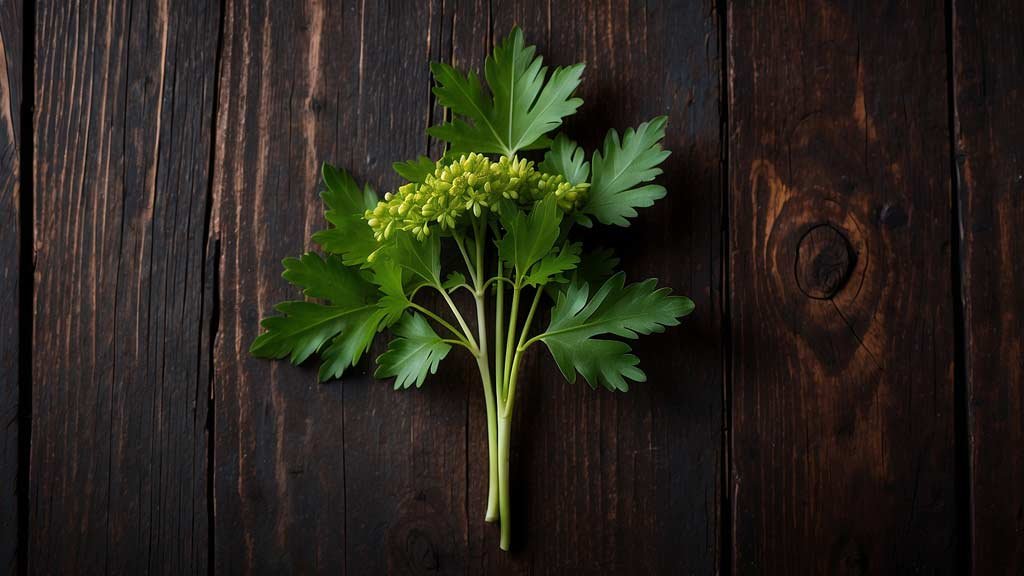
Lovage (Levisticum officinale) is one of those herbs that makes you wonder, “How did we forget about this?” With its celery-like aroma, feathery leaves, and sturdy stems, it quietly grows in gardens, rarely making the headlines, yet historically, it’s been used to aid digestion, support kidney function, and calm discomfort in the urinary tract. There’s a certain charm in a plant that’s both humble and potent, a kind of quiet workhorse among herbs.
Table of Contents

A Glimpse into Lovage’s History
Lovage has a long history in European and Middle Eastern herbal traditions. Ancient herbalists prized it for its ability to relieve bloating, gas, and kidney-related complaints. Its name, “Levisticum,” comes from the Latin “levare,” meaning to raise or lift, which seems fitting given its rejuvenating effects on the digestive system. Imagine herbalists in rustic kitchens brewing lovage leaves into teas, watching steam curl in the air while patients sipped and felt relief trickle through their stomachs.
How It Works in the Body
This herb contains essential oils, flavonoids, and phenolic compounds that together provide digestive and renal benefits. The main players are apiol and ligustilide, which stimulate digestive secretions, aid bile flow, and may act as mild diuretics.
Digestive Benefits
- Reduces bloating and gas: Lovage relaxes the intestinal tract and encourages smoother digestion.
- Stimulates appetite: The aromatic oils can wake up a sluggish digestive system.
- Supports liver function: By promoting bile secretion, lovage helps with fat metabolism and toxin processing.
Kidney and Urinary Support
- Diuretic properties: It gently increases urine output, supporting kidney function and helping flush minor toxins.
- Relieves urinary discomfort: Traditionally used for mild urinary tract discomfort, it may ease the feeling of fullness or irritation.
Traditional Uses
Herbalists historically recommended it for a variety of issues:
- Indigestion and bloating
- Mild urinary discomfort or fluid retention
- Fatigue due to sluggish digestion
- Mild menstrual discomfort
- Supporting overall kidney health
You might brew a few leaves into a warm tea or add fresh stalks to a soup. Either way, its taste carries a subtle bite, reminiscent of celery, yet more complex and herbaceous.
Modern Research and Evidence
Recent studies highlight its antioxidant and anti-inflammatory properties. Phenolic compounds in the leaves may reduce oxidative stress, supporting both digestive and renal health. Some research points to potential antibacterial activity, which could help maintain urinary tract health.
While clinical trials in humans are limited, lab studies show:
- Increased bile flow and improved fat digestion in animal models
- Antioxidant activity that protects kidney tissue from oxidative stress
- Mild antimicrobial effects on urinary pathogens
Forms
You can use lovage in several ways:
- Fresh leaves: Brewed into teas, added to soups, or eaten raw in salads.
- Dried leaves and stems: Useful for teas or powdered preparations.
- Root: Less common, but traditionally used for stronger kidney and digestive support.
- Tinctures: Concentrated liquid extracts for precise dosing.
Practical Tips for Use
- Start with small amounts, especially if you’re new to herbal remedies.
- Brew a teaspoon of dried leaves in hot water for a soothing tea.
- Add fresh lovage stems to soups or stews for subtle flavor and benefits.
- Combine with other gentle digestive herbs like fennel or chamomile for synergistic effects.
Safety and Precautions
Lovage is generally safe, but some considerations are important:
- Avoid excessive consumption, especially during pregnancy, as it may stimulate uterine activity.
- People with kidney disease should consult a healthcare provider before using it as a diuretic.
- Allergies to parsley or celery may indicate sensitivity to lovage.
Why It Deserves a Comeback
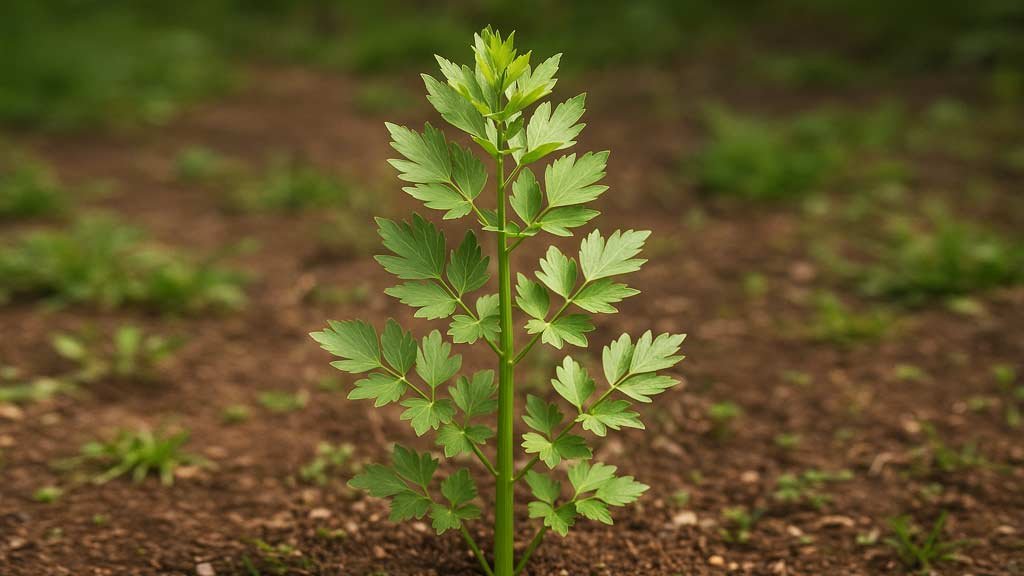
It’s easy to overlook herbs that don’t come in flashy capsules or trending teas. But lovage has stood the test of time for a reason. It’s versatile, aromatic, and supportive of both digestion and kidney health. Unlike herbs that act quickly but harshly, lovage works subtly, nudging your body into balance without drama.
Integrating This Herb into Daily Life
- Keep a small pot of lovage in your kitchen garden. Its leaves can freshen up soups, teas, and salads.
- Use lovage tea as a gentle digestive aid after heavy meals.
- Pair lovage with other kidney-supportive herbs in a mild, warming tea for overall urinary and digestive wellness.
- Enjoy its aroma—it’s a sensory cue that something beneficial is happening for your body.
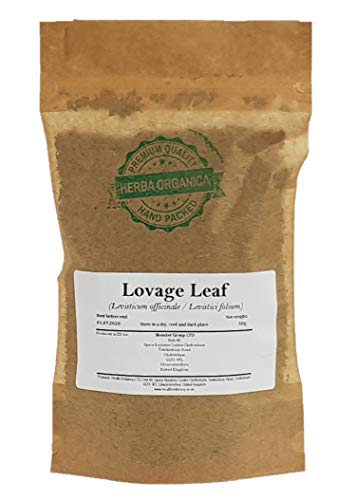
Best Selling Lovage Supplements




Final Thoughts
This plant is one of those forgotten treasures of herbal medicine. Its gentle support for digestion and kidneys makes it a reliable ally for those seeking natural wellness. Sometimes the simplest, humblest herbs—those we overlook in gardens or local markets—hold the most consistent and understated benefits. Lovage reminds us that nature has long offered remedies for everyday discomfort, waiting quietly to be rediscovered.
Article Sources
At AncientHerbsWisdom, our content relies on reputable sources, including peer-reviewed studies, to substantiate the information presented in our articles. Our primary objective is to ensure our content is thoroughly fact-checked, maintaining a commitment to accuracy, reliability, and trustworthiness.
- Verywell Health. (2019). What Is Lovage? Benefits, Side Effects, Dosage, and Interactions. https://www.verywellhealth.com/lovage-benefits-side-effects-dosage-and-interactions-4686373
- Gardening Know How. (2021). Benefits Of Lovage Herb: What To Do With Lovage Plants. https://www.gardeningknowhow.com/edible/herbs/lovage/what-to-do-with-lovage-plants.htm
- Herbal Reality. (2025). Levisticum officinale Koch: Benefits, Safety and Dosage. https://www.herbalreality.com/herb/lovage/
- Sanatio. (2025). The most important health benefits of the plant Lovage (Levisticum officinale). https://www.sanat.io/eng/p/the_most_important_health_benefits_of_the_plant_devesil_levisticum_officinale_1
- WebMD. (2021). Lovage – Uses, Side Effects, and More. https://www.webmd.com/vitamins/ai/ingredientmono-725/lovage
- RXList. (2021). Lovage: Health Benefits, Side Effects, Uses, Dose & Safety. https://www.rxlist.com/supplements/lovage.htm
- D’Axe, J. (2018). Lovage Helps Treat UTIs, Stomach & Period Pain. https://draxe.com/nutrition/lovage/
- ScienceDirect Topics. (2021). Lovage – an overview. https://www.sciencedirect.com/topics/agricultural-and-biological-sciences/lovage
- Wikipedia contributors. (2025). Lovage. Wikipedia. https://en.wikipedia.org/wiki/Lovage
- Złotek, U. (2019). Antioxidative and Potentially Anti-inflammatory Activity of Phenolics from Lovage Leaves (Levisticum officinale Koch) Elicited with Jasmonic Acid. Antioxidants, 8(12), 1–15. https://doi.org/10.3390/antiox8120603

- Nectarine: Stone Fruit for Heart Health and Antioxidants - March 8, 2026
- Peach: Hydrating Fruit for Skin Health and Digestion - March 8, 2026
- Plum: Fiber-Rich Fruit for Digestion and Heart Health - March 8, 2026
