
The Quiet Power of Mangosteen in a Modern Diet
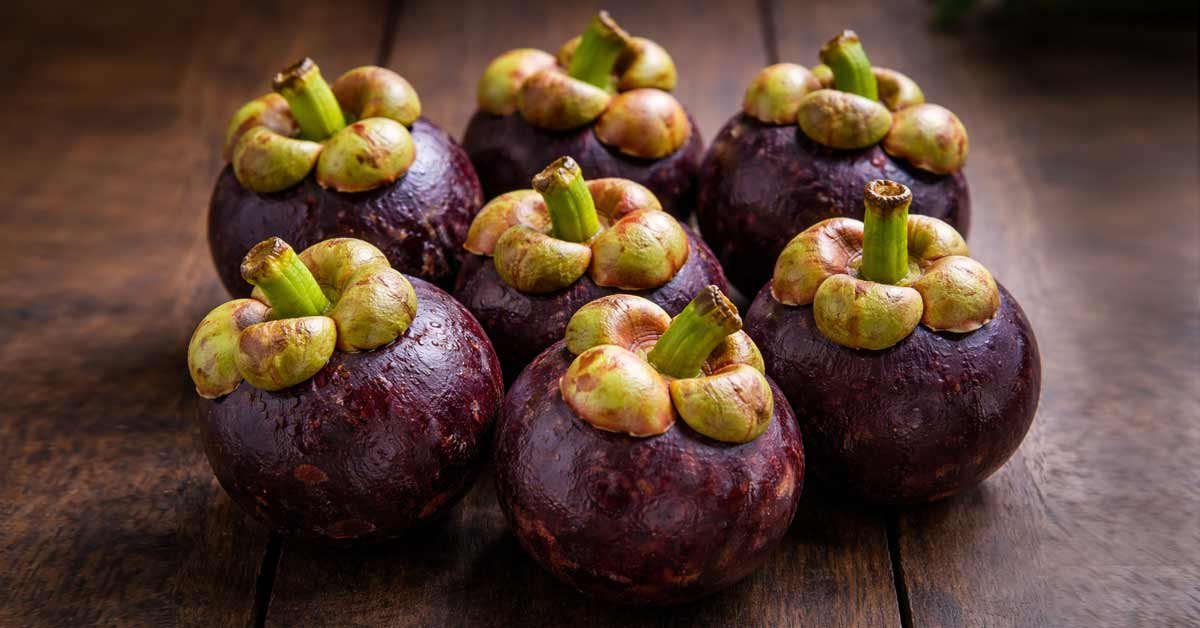
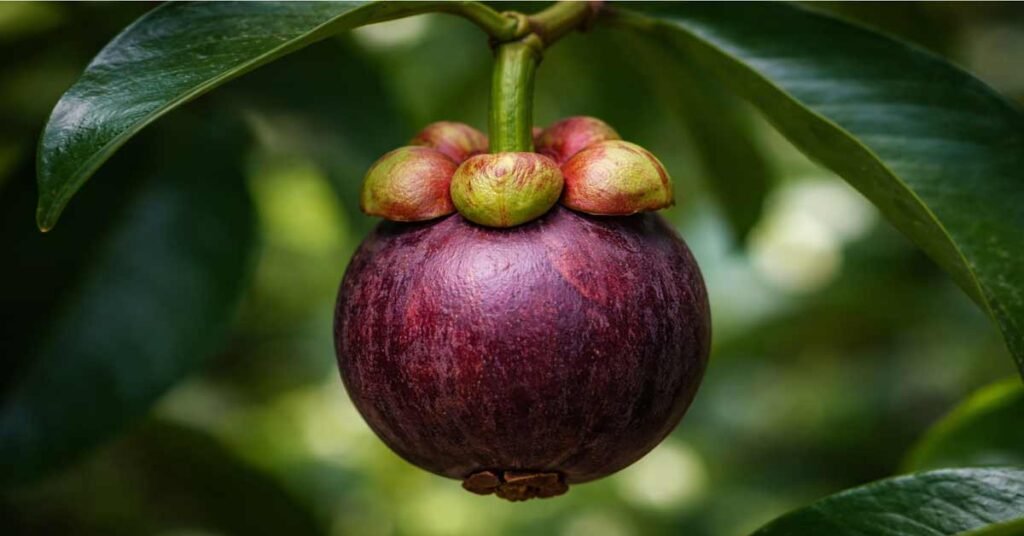
There is something almost disarming about mangosteen. It does not shout for attention the way brightly marketed “superfoods” often do. You are more likely to notice its deep purple rind first, thick and slightly rough, before you get to what matters. Break it open and the inside feels unexpectedly delicate. Soft white segments, slightly glossy, with a mild sweetness that leans more toward balance than intensity. No sharp acidity. No overwhelming sugar hit. Just a quiet, steady presence.
Mangosteen has been part of traditional diets across Southeast Asia for generations. In places like Thailand, Indonesia, and Malaysia, it is not framed as a miracle food. It is simply food. Something eaten in season, often fresh, sometimes alongside other fruits, sometimes on its own. That context matters. It keeps expectations realistic. It also provides clues on how mangosteen fits into a modern diet without being overly complicated.
Table of Contents


The growing attention around mangosteen tends to focus on one idea: antioxidants. That word gets used a lot, often without much explanation. Strip it down, and the concept is simple. Your body constantly deals with normal metabolic processes that generate unstable molecules. These molecules can interact with cells in ways that, over time, may contribute to wear and tear. Antioxidants are compounds found in foods that can interact with those molecules and help maintain balance.
Mangosteen contains several of these compounds, particularly a group called xanthones. You will see that name often in research discussions. It sounds technical, but in practical terms, it just means that mangosteen has a distinct profile compared to more familiar fruits like apples or bananas. It is not necessarily better. It is simply different.
That difference is where things get interesting, but also where people tend to go too far. There is a pattern you start to notice after working with nutrition for a long time. A food gains attention, a few promising studies are published, and suddenly the conversation shifts from “this is useful” to “this changes everything.” Mangosteen has gone through that phase. Juice products, extracts, supplements, all built around the idea that more is better.
It rarely works that way in real life.
Whole mangosteen, eaten as part of a varied diet, fits into a much simpler framework. You are not trying to isolate compounds or chase high doses. You are adding a food that brings a combination of:
- Naturally occurring antioxidants
- Small amounts of vitamins and minerals
- A modest amount of fiber
- A flavor profile that makes it easy to eat without effort
That combination matters more than any single nutrient. It is also what tends to get lost when people focus too narrowly on “active compounds.”
Think about how people actually eat. Most meals are not built around one ingredient. They are built around patterns. Breakfast repeats. Lunch is often predictable. Snacks fill in gaps. If mangosteen is going to play a role, it has to fit into those patterns without friction.
Fresh mangosteen does that well when it is available. You can eat it on its own, similar to how you might eat a handful of grapes. It works as a light dessert. It pairs easily with other fruits without dominating the mix. There is no learning curve. That matters more than it sounds. The easier a food is to include, the more likely it becomes part of a routine rather than a one time experiment.
Availability is the one practical limitation. Outside tropical regions, mangosteen is not always easy to find fresh. When it does appear, it is often seasonal and sometimes expensive. That changes how people interact with it. Instead of being a daily staple, it becomes occasional. That is fine. Nutritional value does not depend on frequency alone. It depends on overall dietary patterns.
Processed forms exist, especially juices and concentrates. They are convenient, but they shift the balance. When you remove the structure of the whole fruit, you also change how it behaves in the body. Fiber drops. Sugar becomes easier to consume in larger amounts. Portions become less obvious. It is not that these forms are useless. They just require more awareness.
There is also a subtle point that tends to get overlooked. Foods like mangosteen are often discussed in isolation, but their effects are not isolated. The body does not process nutrients one at a time. It processes meals, combinations, patterns over days and weeks. Antioxidants from mangosteen interact with those from other fruits, vegetables, and even grains and legumes. The benefit comes from that network, not from a single standout source.
This is where experience changes how you look at things. Early on, it is easy to focus on individual foods. Later, you start paying more attention to how those foods fit together. Mangosteen works best when it is part of a broader mix that includes:
- A variety of fruits with different colors
- Vegetables that bring their own set of plant compounds
- Whole foods that contribute fiber and structure
- Meals that are consistent enough to become habits
Within that context, mangosteen does not need to carry any special label. It does its job quietly.
There is also the sensory side, which people tend to underestimate. Taste influences behavior more than most nutrition guidelines ever will. Mangosteen has a way of feeling light without being empty. Sweet without being heavy. That makes it easier to choose in moments when you want something satisfying but not overwhelming. Those small decisions, repeated often, shape dietary patterns more than any single “perfect” food.
If you step back, the appeal of mangosteen becomes clearer. It is not about chasing extremes. It is about adding variety in a way that feels natural. The antioxidants are part of the story, but they are not the whole story. Texture, taste, ease of use, and how well it fits into everyday eating all matter just as much.
That is the quiet power of mangosteen. It does not demand attention. It earns its place through consistency, subtlety, and how easily it integrates into the way people already eat.
Breadfruit as a Reliable Source of Everyday Energy
Breadfruit rarely gets framed as an “energy food,” which is strange when you look at how it has been used for generations. In many tropical regions, it sits in the same category as rice, cassava, or potatoes. Not exciting. Not trendy. Just dependable. And when you strip away the noise around nutrition trends, that kind of reliability is exactly what most people are missing.
If you have ever eaten a well-cooked piece of breadfruit, you know the texture tells you everything. Soft, slightly dense, almost like fresh bread or a firm potato depending on how it is prepared. It is satisfying in a way that feels steady, not sharp or short-lived. That is not accidental. It comes down to how breadfruit delivers energy and how your body processes it.
What “Energy” Means in Real Nutrition
The word “energy” gets thrown around constantly, usually in ways that do not reflect how the body actually works. People often associate energy with stimulation. Quick boosts. Something that makes you feel alert right away. That is not what food energy is.
In nutritional terms, energy refers to the calories your body can use to support basic functions and physical activity. Most of that energy comes from carbohydrates and fats, with carbohydrates being the body’s preferred and most immediate source, especially for the brain and muscles.
The key distinction is not just how much energy a food provides, but how it is released.
You can get a large amount of energy from a sugary snack. You feel it quickly. Blood glucose rises fast, insulin responds, and then the drop follows. That cycle is familiar. It is also the reason people feel tired not long after eating certain foods.
Breadfruit behaves differently.
It provides energy in a slower, more controlled way. That changes the experience entirely. Instead of a spike and drop, you get a gradual release that supports:
- More stable blood glucose levels
- Fewer sudden hunger signals
- More consistent physical and mental performance
This is what people often mean when they talk about “sustained energy,” even if they do not use precise terms.
The Role of Complex Carbohydrates in Breadfruit
Breadfruit is rich in complex carbohydrates, primarily in the form of starch. Chemically, starch is made of long chains of glucose molecules. Your body has to break these chains down before the glucose becomes available in the bloodstream.
That process takes time.
The structure of the food matters here. Whole breadfruit, especially when boiled, baked, or roasted, retains a matrix that slows digestion. Enzymes cannot access everything at once. Instead, glucose is released gradually.
This is very different from refined carbohydrates, where processing has already broken down much of that structure. In those cases, the body does less work, and glucose enters the bloodstream more quickly.
Breadfruit sits closer to foods like:
- Potatoes
- Sweet potatoes
- Whole grains
But it has its own profile. Depending on ripeness and preparation, some of its starch can behave like resistant starch. This type of starch is not fully digested in the small intestine. Instead, it passes to the large intestine, where it interacts with gut bacteria.
From an energy perspective, this does two things:
- It slows the overall release of glucose
- It contributes indirectly to metabolic balance through gut interactions
This is not about making exaggerated claims. It is about recognizing that the form of carbohydrates matters just as much as the amount.
How Breadfruit Supports Steady Energy Levels
When you eat breadfruit as part of a meal, the effect is noticeable, especially if you are used to more processed carbohydrate sources. You do not get that immediate surge. Instead, there is a sense of staying level.
This comes from a few overlapping factors:
- The digestion rate of its complex carbohydrates
- The presence of fiber, which adds another layer of slowdown
- The absence of large amounts of simple sugars
Put together, these create a more controlled energy curve.
In practical terms, this can look like:
- Feeling full for longer after a meal
- Less need for snacks between meals
- More consistent focus during work or daily tasks
It is not dramatic. It is subtle. But subtle changes, repeated daily, are what shape long-term patterns.
There is also a behavioral aspect. Foods that provide steady energy tend to support more predictable eating habits. You are less likely to chase quick fixes when your baseline is stable. Over time, that reduces reliance on highly processed snacks that disrupt that balance.
It is worth noting that preparation plays a role. Fried breadfruit, for example, changes the equation. Adding large amounts of fat increases calorie density and can slow digestion further, but it also shifts the overall nutritional profile. That is not inherently negative, but it moves away from the simple, steady model.
Boiled, baked, or roasted breadfruit tends to preserve the qualities that make it a reliable energy source without adding unnecessary complexity.
When and How to Eat Breadfruit for Sustained Fuel
Timing matters less than context, but there are patterns where breadfruit fits particularly well.
Meals that require lasting energy are the obvious starting point. This includes:
- Breakfasts that need to carry you through several hours
- Lunches during long workdays
- Meals before physically demanding activities
In these situations, breadfruit can act as a base. It pairs well with foods that add balance, such as:
- Protein sources like eggs, fish, or legumes
- Fats like avocado, nuts, or olive oil
- Vegetables that add fiber and micronutrients
A simple example might look like roasted breadfruit with a portion of grilled fish and a side of vegetables. Nothing complicated. But the combination covers multiple nutritional angles and supports a more stable energy release.
Portion size depends on overall needs, but the logic is straightforward. Breadfruit is energy-dense compared to many fruits, so it behaves more like a staple than a snack. Treating it that way helps avoid overconsumption while still benefiting from its properties.
There is also room for flexibility. Breadfruit can be mashed, sliced, or incorporated into mixed dishes. In some cultures, it is even used in ways similar to bread or dough. That versatility makes it easier to integrate into different dietary patterns without forcing major changes.
One thing that often gets overlooked is consistency. Eating breadfruit once will not transform energy levels. Including it regularly as part of balanced meals can shift how steady those levels feel over time.
That is where its value becomes clear.
It is not about replacing every carbohydrate source. It is about having options that support stability instead of constant fluctuation. Breadfruit happens to be one of those options.
Mangosteen and Antioxidants in Daily Eating Habits
Mangosteen tends to enter the conversation through a single door: antioxidants. That is usually where people stop as well. The assumption is simple. More antioxidants equals better outcomes. Add mangosteen, and something meaningful must happen.
It sounds clean. It rarely plays out that neatly.
The role of mangosteen in daily eating habits makes more sense when you zoom out a bit. Not to dismiss its antioxidant content, but to place it where it actually belongs. Inside patterns. Inside meals. Inside repetition. That is where foods start to matter.
You do not feel antioxidants working. There is no immediate feedback loop. No clear signal that tells you “this is doing something.” That is part of why the topic gets distorted. People either expect too much or ignore it completely.
Mangosteen sits somewhere in the middle. Useful, but not dramatic. Subtle, but not irrelevant.
What “Antioxidant Support” Actually Means
Start with the basics. Antioxidants are compounds that interact with reactive molecules produced during normal metabolism. These molecules are not inherently bad. They are part of how the body functions. The issue appears when balance shifts over time.
Food contributes to maintaining that balance. Mangosteen brings a specific set of compounds into that picture, especially xanthones, along with vitamin C and other plant-based molecules.
That sounds abstract, so it helps to translate it into something practical.
Antioxidant support from mangosteen is not about:
- Neutralizing everything harmful in a single step
- Reversing long-term processes overnight
- Acting as a standalone solution
It is about contributing to a larger pool of compounds that your body draws from daily.
Think of it like this. If your diet already includes a range of fruits and vegetables, each one adds a slightly different profile. Berries bring one set of compounds. Citrus fruits bring another. Leafy greens add something else. Mangosteen fits into that rotation.
What makes mangosteen interesting is its composition. The xanthones found in mangosteen are less common in everyday Western diets. That does not make them superior, but it does make them complementary.
The effect builds through consistency. Small inputs, repeated over time, within a diet that already supports balance.
There is also an important limitation to keep in mind. The body regulates antioxidant activity tightly. Flooding it with large amounts from a single source does not necessarily increase benefit. In some cases, it can even disrupt normal signaling processes.
That is why whole foods, including mangosteen, tend to work better than isolated compounds in high doses. They deliver a mix, not an excess.
How Often and How Much Mangosteen Makes Sense
This is where things usually become unclear. There is no standard “dose” for mangosteen in the way people expect. Nutrition does not operate like that outside of specific deficiencies.
What you can rely on are patterns observed in dietary research.
Populations that consume a wide variety of fruits tend to show better long-term health markers. Not because of one fruit, but because of diversity and consistency. Mangosteen can be part of that diversity.
If you have access to fresh mangosteen, a practical approach looks like this:
- A small serving, a few times per week during its season
- Integrated with other fruits rather than replacing them
- Eaten in whole form, not just as juice
A typical portion might be several segments, enough to complement a meal or act as a light snack. There is no need to push beyond that. The goal is inclusion, not maximization.
If mangosteen is less accessible and shows up occasionally, that still works. Nutritional value does not disappear because something is not eaten daily. It just becomes one of many inputs rather than a regular contributor.
Juices and extracts complicate the picture. They are often marketed as concentrated sources of antioxidants, but concentration changes behavior. It becomes easier to consume larger quantities without noticing. Fiber is reduced or removed. Sugar intake can rise quickly.
If you choose these forms, awareness matters:
- Check portion sizes rather than drinking freely
- Treat them as occasional additions, not daily staples
- Avoid relying on them as primary sources of antioxidants
Whole mangosteen keeps things simpler. The structure of the fruit naturally limits intake and supports a more balanced response.
Simple Ways to Add Mangosteen to Meals
Mangosteen does not require elaborate preparation. In fact, the less you do to it, the more it fits into a routine without friction.
The most straightforward approach is to eat it fresh. Open the rind, separate the segments, and eat them as they are. That simplicity is part of why it works. No decisions. No added steps.
From there, you can build small variations depending on preference.
You can combine mangosteen with other fruits to create a more balanced mix. For example:
- Pair it with berries for contrast in texture and flavor
- Add it to citrus segments for a sharper profile
- Mix it into a bowl with banana or apple for more volume
These combinations are not about enhancing antioxidant content in a measurable way. They are about making the habit easier to maintain.
Mangosteen also works well as a light finish to a meal. Instead of reaching for something heavily processed, a few segments provide a natural sweetness that feels complete without being excessive.
Another option is to include it in simple dishes:
- Fold it into yogurt for a balanced snack
- Add it to oatmeal after cooking, so the texture stays intact
- Use it in chilled fruit salads where its mild flavor blends without disappearing
The key is restraint. Mangosteen does not need to dominate a dish. It does its job best when it complements rather than competes.
There is also a seasonal rhythm to consider. When mangosteen is available, it tends to be at its best. Flavor, texture, and overall quality are higher. That naturally encourages more frequent use without forcing it.
Outside of that window, it is fine to rely on other fruits. This rotation keeps diets varied, which matters more than sticking to a single “ideal” choice year-round.
One small but practical detail. Mangosteen is easy to overestimate in terms of impact because it is less familiar. When something feels rare or exotic, it is tempting to assign it more importance than it actually has.
Experience tends to correct that.
Over time, mangosteen becomes just another option. A good option, but still part of a larger system. That shift in perspective is useful. It keeps expectations grounded and decisions simple.
You are not trying to build a diet around mangosteen. You are making space for it where it fits naturally.
Beyond Antioxidants: Other Subtle Benefits of Mangosteen
Mangosteen tends to get boxed into one category. Antioxidants. That label sticks because it is easy to communicate and easy to market. But if you look at how foods actually function in daily nutrition, that kind of narrow framing misses most of the value.
No one eats nutrients in isolation. You eat food. Structure, texture, water content, fiber, micronutrients, all interacting at the same time. Mangosteen is no exception. Its impact comes from that combination, not from a single standout compound.
When you move past the antioxidant conversation, a quieter set of benefits starts to show up. Nothing dramatic. Nothing that demands attention. But the kind of things that, over time, shape how your body responds to food in general.
Fiber Content and Digestive Rhythm
Mangosteen is not a high fiber fruit compared to something like apples or pears, but it still contributes. And contribution matters more than extremes.
A typical serving of mangosteen provides a modest amount of dietary fiber. Not enough to carry your daily intake on its own, but enough to support a broader pattern if your diet includes other fiber sources.
What makes this relevant is not the number itself. It is how fiber behaves in context.
Fiber adds structure to digestion. It slows the movement of food through the digestive tract. It interacts with water. It influences how nutrients are absorbed. Over time, it helps establish a more predictable rhythm.
When people increase fiber intake gradually and consistently, a few things tend to happen:
- Digestion becomes more regular
- Sudden spikes in hunger are less frequent
- Meals feel more satisfying without needing to be larger
Mangosteen fits into that process without standing out. You are not eating it for fiber alone. You are letting it add to the total.
There is also a subtle behavioral effect. Foods that contain fiber usually require a bit more interaction. You chew more. You eat slightly slower. That alone can shift how meals feel, especially compared to highly processed foods that disappear quickly.
Mangosteen, with its soft but structured segments, sits somewhere in between. Easy to eat, but not completely effortless. That balance supports more mindful eating without forcing it.
Vitamin and Mineral Contributions
Mangosteen provides small amounts of several vitamins and minerals. Vitamin C is the most commonly mentioned, and for good reason. It plays a role in normal immune function and contributes to overall metabolic processes.
But the key word here is small.
Mangosteen is not a primary source of vitamin C in the way citrus fruits or certain berries are. You would not rely on it to meet daily requirements. What it does instead is contribute to overall intake.
That distinction matters.
Nutrition rarely works through single dominant sources. It works through accumulation. A bit here, a bit there, across multiple meals and days. Mangosteen adds to that accumulation.
Beyond vitamin C, mangosteen contains trace amounts of other micronutrients, including:
- Potassium
- Magnesium
- Small quantities of B vitamins
Again, not in large amounts. But enough to be part of the background support system that keeps the body functioning normally.
There is also the water content to consider. Like most fruits, mangosteen has a high water percentage. This affects more than hydration. It influences satiety. Foods with higher water content tend to be less energy-dense, which makes them easier to include without pushing overall calorie intake too high.
That combination, water plus fiber plus micronutrients, creates a kind of nutritional density that is easy to overlook because it is not concentrated in a single metric.
Why Whole Fruits Often Work Better Than Isolated Compounds
This is where experience tends to shift perspective the most.
It is tempting to extract what seems valuable from a food and concentrate it. If xanthones are the interesting part of mangosteen, why not isolate them? If antioxidants are beneficial, why not take them in higher doses?
On paper, it sounds efficient.
In practice, the body does not respond to isolated compounds the same way it responds to whole foods.
Whole mangosteen delivers:
- A mix of different plant compounds, not just one
- Fiber that influences how those compounds are absorbed
- Water that affects digestion and satiety
- A natural portion limit built into the structure of the fruit
When you isolate compounds, you remove that context.
Absorption can change. The way compounds interact with each other changes. The signals the body receives can shift in ways that are not always predictable.
There is also the issue of dosage. Whole foods naturally regulate intake. You can only eat so much mangosteen before you feel satisfied. With extracts or juices, that limit becomes less clear. It is easier to consume larger amounts without noticing.
Research on dietary patterns consistently points in one direction. Diets rich in whole fruits and vegetables are associated with better long-term outcomes than those relying heavily on supplements or isolated compounds.
That does not mean isolated compounds have no place. It means they are not a replacement for whole foods.
Mangosteen works best when it stays in its original form. Not because it is perfect, but because it is complete.
There is also a practical side to this. Whole foods integrate into habits more easily. You eat them as part of meals or snacks. They do not require separate routines or decisions. That consistency is what drives results over time.
If you step back and look at how mangosteen fits into a broader diet, the pattern becomes clear. It is not carrying the load on its own. It is contributing, quietly, alongside other foods that do similar things in slightly different ways.
That is where the real value sits.
Not in isolated benefits. Not in exaggerated claims. But in how well it supports the kind of eating that people can maintain without effort.
Best Selling Mangosteen Related Products




When Simple Foods Like Mangosteen Do Enough
There is a point where more information stops helping and starts getting in the way. Nutrition has a way of pulling people into that space. You read about antioxidants, specific compounds, optimal timing, ideal combinations. It builds the impression that getting it right requires constant adjustment.
Then you look at how people actually eat over long periods, and a different pattern shows up.
Consistency beats precision most of the time.
Mangosteen fits into that idea in a very straightforward way. It does not demand special treatment. It does not require a strict plan. It works when it is included regularly enough to matter, and then left alone.
That sounds almost too simple, which is exactly why it is easy to overlook.
A lot of the value in mangosteen comes from what it replaces. Not in a dramatic sense, but in small, repeatable moments. Choosing a few segments of mangosteen instead of something heavily processed. Adding it to a meal instead of skipping fruit entirely. These are not big decisions. They are quiet shifts.
And those shifts add up.
The Difference Between Enough and Excess
There is a tendency to push useful foods too far. If mangosteen contains antioxidants, then more must be better. If it contributes to a balanced diet, then building meals around it should amplify the effect.
That line of thinking usually leads to diminishing returns.
The body does not operate on extremes. It responds to balance. Once basic needs are covered and a steady pattern is in place, adding more of a single food rarely changes outcomes in a meaningful way.
With mangosteen, “enough” looks like:
- Including it when it is available, without forcing it
- Letting it be one fruit among many, not the main focus
- Eating it in portions that feel natural, not calculated
This approach keeps things sustainable. It also avoids the cycle where a food is overused for a short period and then dropped entirely.
You see this pattern often. Someone discovers a new fruit, uses it daily for a few weeks, then loses interest. The benefit never had time to settle into a routine.
Mangosteen works better when it becomes familiar rather than exciting.
Letting Variety Do the Heavy Lifting
One of the more reliable observations in nutrition research is that dietary diversity tends to correlate with better overall outcomes. Not because of any single nutrient, but because different foods bring different profiles.
Mangosteen adds to that diversity.
Its contribution is specific. The plant compounds, the texture, the way it fits into meals. But it is still just one part of a larger system.
If your diet already includes:
- Fruits with different colors and textures
- Vegetables across multiple categories
- Whole foods that provide structure and fiber
Then mangosteen strengthens that system without needing to stand out.
This is where people sometimes get stuck. They look for the best food instead of building a range of good ones. Mangosteen is a good option. It does not need to be the best.
There is also a psychological side to variety. Eating a mix of foods reduces fatigue. It keeps meals interesting enough to maintain without effort. That matters more than strict optimization, which tends to break down over time.
Making It Fit Without Overthinking
The easiest way to use mangosteen well is to stop trying to optimize it.
You do not need to time it precisely. You do not need to combine it with specific foods to “unlock” benefits. You do not need to measure portions beyond basic awareness.
You just need to make it accessible.
That can look like:
- Keeping fresh mangosteen on hand when it is in season
- Adding it to meals where fruit already makes sense
- Using it as a simple alternative to processed snacks
The fewer decisions involved, the more likely it becomes part of a routine.
There is also value in paying attention to how it feels in your own pattern. Not in a technical sense, but in a practical one. Does it fit easily into your meals? Does it replace something less useful? Does it help you maintain consistency?
If the answer is yes, that is enough.
The Long View That Actually Matters
Short-term changes rarely define outcomes. What matters is what happens over months and years. The foods you return to. The habits that stay in place without effort.
Mangosteen can be part of that long view, but only if it is treated realistically.
It is not a solution. It is not a shortcut. It is a food that contributes, quietly, when included as part of a balanced diet.
That contribution shows up through repetition:
- Eating fruit regularly instead of occasionally
- Choosing whole foods more often than processed ones
- Maintaining a pattern that does not require constant correction
These are not dramatic changes. They are stable ones.
And that is where simple foods tend to do their best work.
Mangosteen does not need to prove anything beyond that. It fits, it supports, and then it steps back.
Article Sources
At AncientHerbsWisdom, our content relies on reputable sources, including peer-reviewed studies, to substantiate the information presented in our articles. Our primary objective is to ensure our content is thoroughly fact-checked, maintaining a commitment to accuracy, reliability, and trustworthiness.
- Obolskiy, D., Pischel, I., Siriwatanametanon, N., & Heinrich, M. (2009). Garcinia mangostana L.: A phytochemical and pharmacological review. Phytotherapy Research, 23(8), 1047–1065. https://doi.org/10.1002/ptr.2730
- Jung, H. A., Su, B. N., Keller, W. J., Mehta, R. G., & Kinghorn, A. D. (2006). Antioxidant xanthones from the pericarp of Garcinia mangostana (Mangosteen). Journal of Agricultural and Food Chemistry, 54(6), 2077–2082. https://doi.org/10.1021/jf052649z
- Pedraza-Chaverri, J., Cárdenas-Rodríguez, N., Orozco-Ibarra, M., & Pérez-Rojas, J. M. (2008). Medicinal properties of mangosteen (Garcinia mangostana). Food and Chemical Toxicology, 46(10), 3227–3239. https://doi.org/10.1016/j.fct.2008.07.024
- USDA FoodData Central. (2019). Mangosteen, raw. U.S. Department of Agriculture. https://fdc.nal.usda.gov/fdc-app.html#/food-details/169910/nutrients
- World Health Organization. (2020). Healthy diet. World Health Organization. https://www.who.int/news-room/fact-sheets/detail/healthy-diet
- Slavin, J. L., & Lloyd, B. (2012). Health benefits of fruits and vegetables. Advances in Nutrition, 3(4), 506–516. https://doi.org/10.3945/an.112.002154
- Liu, R. H. (2013). Health-promoting components of fruits and vegetables in the diet. Advances in Nutrition, 4(3), 384S–392S. https://doi.org/10.3945/an.112.003517

- Star Fruit: Hydrating Fruit for Vitamin C - March 30, 2026
- Sapodilla: Sweet Fruit for Digestion and Energy - March 30, 2026
- Pineapple: Enzyme Rich Fruit for Digestion and Immunity - March 29, 2026