Shilajit Resin: Ancient Mineral Pitch for Energy and Vitality
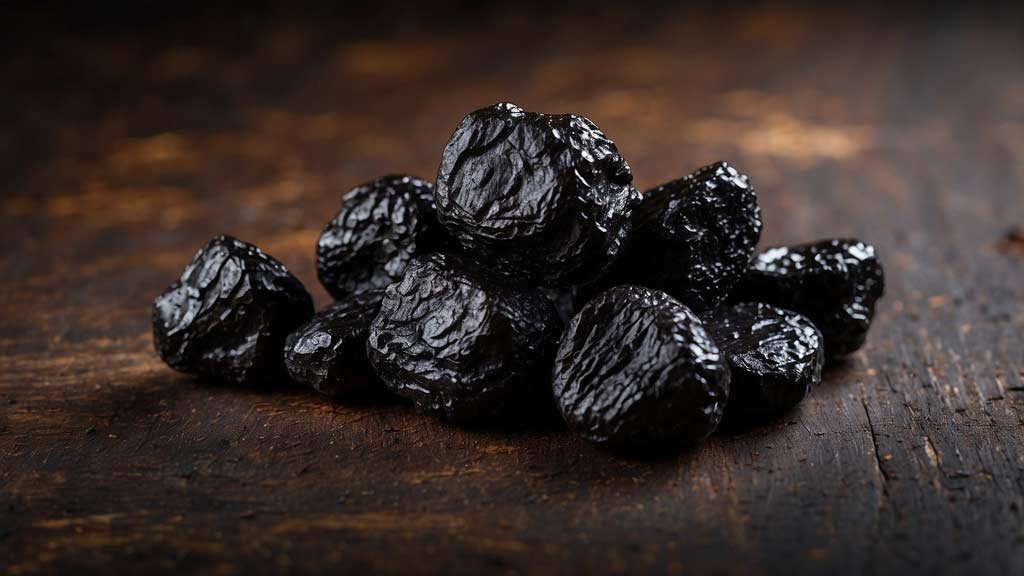
Shilajit Resin

What Exactly Is Shilajit? Shilajit isn’t your typical herb. It’s not a mushroom either, though it often gets lumped into that world of natural medicines. Shilajit resin is sticky, tar-like, and seeps from the cracks of high mountain rocks, especially in the Himalayas, Altai, Caucasus, and Tibetan ranges. When temperatures rise, it oozes from the … Read more
Pau d’Arco Bark: Immune-Supportive Herb from the Rainforest

Pau d’Arco Bark

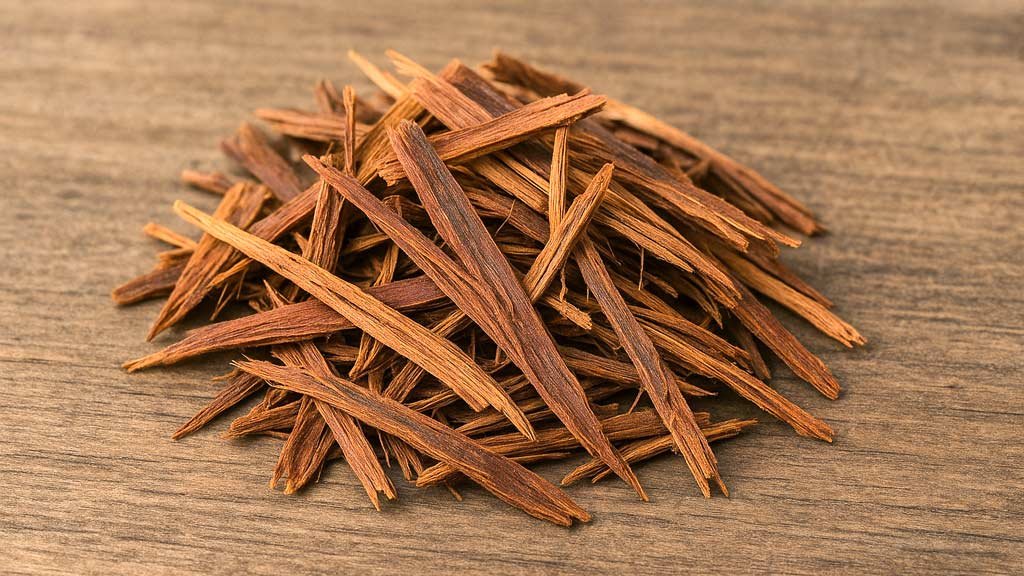
The Roots of Pau d’Arco Pau d’Arco (Tabebuia impetiginosa, sometimes called Handroanthus impetiginosus) is a towering tree native to the Amazon rainforest and other parts of South and Central America. Its bark has been used for centuries in folk medicine, brewed into a dark, earthy tea that smells a little smoky, almost like wet wood … Read more

Goldenrod Benefits: Herbal Support for Kidneys and Allergies

Goldenrod

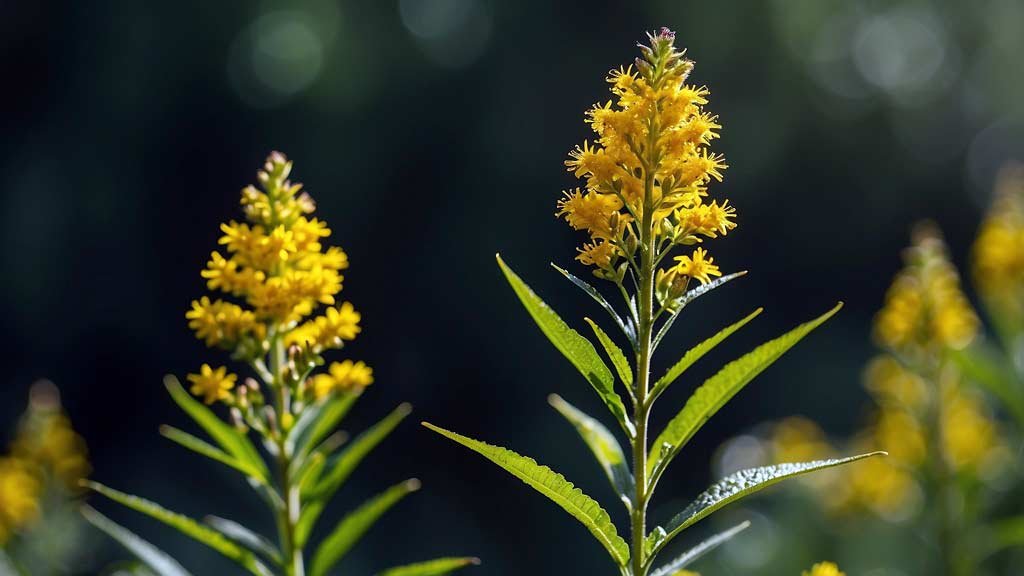
A Bright Yellow Plant With a Quiet Reputation Goldenrod (Solidago spp.) doesn’t get the respect it deserves. Too often, it’s unfairly blamed for seasonal allergies because it blooms at the same time as ragweed, which actually produces the sneaky windborne pollen that makes people sneeze. Goldenrod’s pollen is sticky and insect-pollinated—it rarely makes it into … Read more

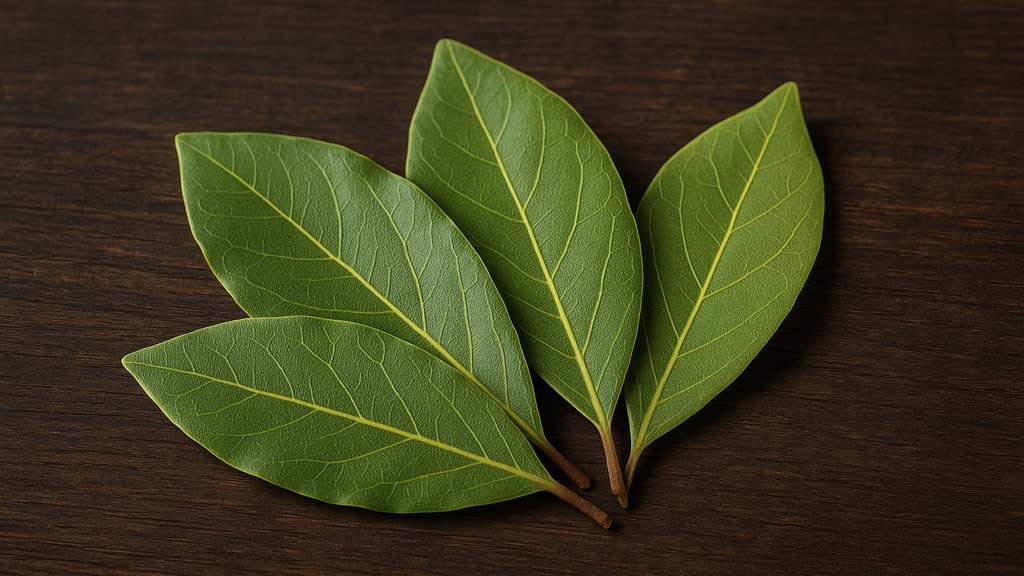
Bay Leaf (Bay Laurel): Culinary Spice with Digestive and Antimicrobial Benefits

Bay Leaf (Bay Laurel)

More Than Just a Soup Leaf Bay leaf. You’ve seen it floating in soups, stews, and slow-simmered sauces. Most people toss it in without thinking, then fish it out before serving. But here’s the thing: this unassuming, leathery green leaf—straight from the bay laurel tree (Laurus nobilis)—has a history that stretches back thousands of years. … Read more

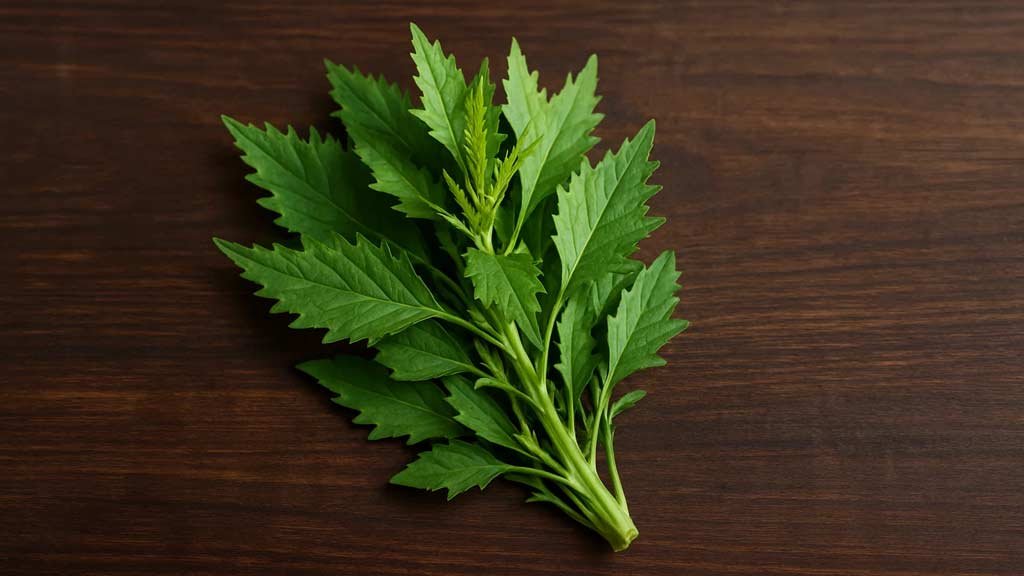
Epazote Herb: Traditional Digestive Aid and Culinary Flavor

Epazote Herb

A Herb with a Strong Personality Walk into a traditional Mexican kitchen and you might smell something pungent, almost sharp, drifting up from the pot. That’s probably epazote herb, an old-world plant with a reputation that’s both medicinal and culinary. For centuries, it’s been used to tame beans—literally—because it helps cut down their infamous side … Read more