
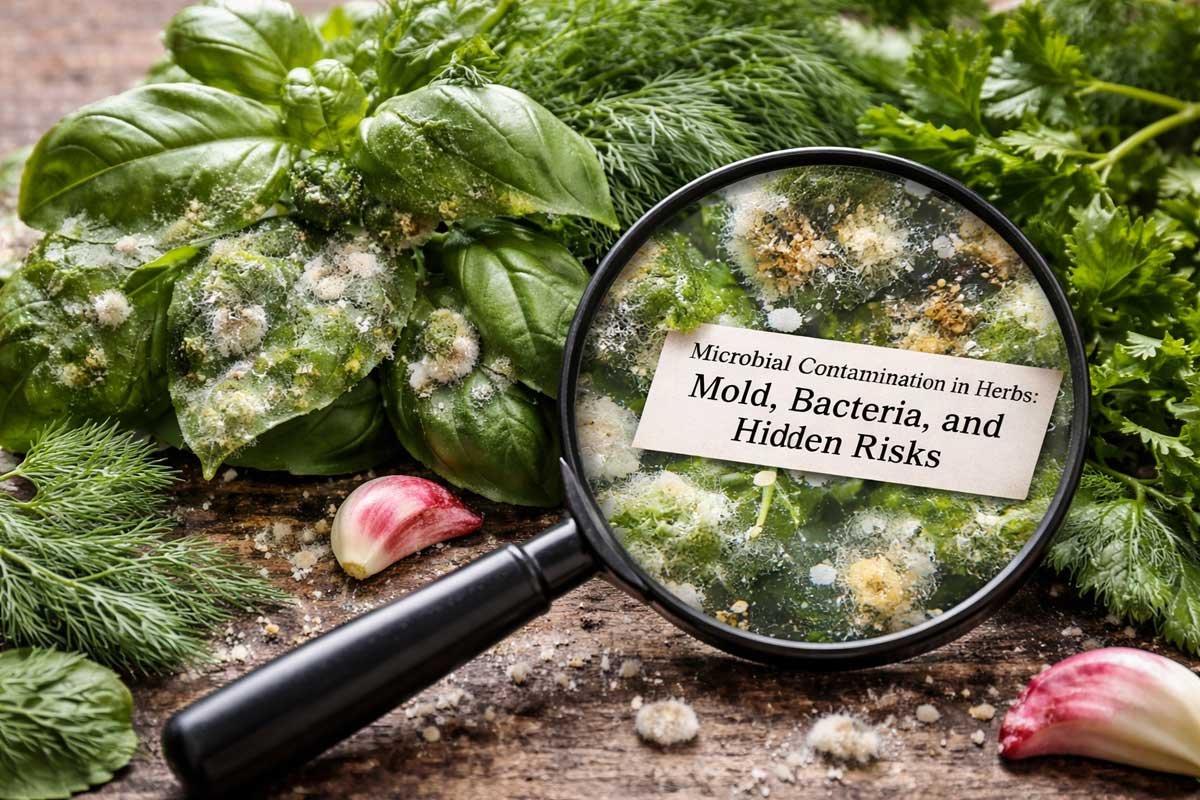
When Nature Turns Unfriendly: Understanding Microbial Contamination
Walking through a lush herb garden, you might imagine leaves and stems bursting with life, vitality, and all the natural goodness that draws people to organic herbs in the first place. But beneath that vibrant green surface, an invisible world is quietly at work—microbes, some harmless, others potentially problematic. Microbial contamination in herbs is a reality that both consumers and producers need to understand. Even the most carefully grown organic herbs are not immune. Mold, bacteria, and other microorganisms can slip into the supply chain at almost any stage, quietly affecting the quality, potency, and safety of the final product.
When we talk about microbial contamination, the term itself might sound intimidating, conjuring images of laboratory cultures or foodborne illness reports. In practice, it encompasses any unwanted microorganisms that colonize herbs—most commonly molds and bacteria. These microbes can arise from the soil where herbs are grown, the water used for irrigation, contact with animals, processing machinery, or even the air and storage environment. Each stage of the journey from field to shelf presents opportunities for contamination, and while organic farming emphasizes natural and chemical-free methods, it does not automatically eliminate microbial risks.
Table of Contents


Consumers often assume that “organic” equals “safe,” but microbial contamination is not about synthetic pesticides or chemical residues—it’s about living organisms that thrive under the right conditions. For instance, humidity and warmth can encourage mold growth even on dried herbs, while bacteria like Salmonella or E. coli may survive in leafy products or ground powders if hygiene is compromised at any point during harvest, drying, or packaging. A pinch of oregano in your kitchen might seem harmless, yet behind the scenes, subtle lapses in handling can allow microbes to multiply quietly over time.
Part of the challenge is that microbial contamination is often invisible and odorless until it reaches a noticeable stage. While some molds produce visible spores or powdery textures, bacterial contamination generally cannot be detected with the naked eye. This invisibility can lull both producers and consumers into a false sense of security. For people who rely on herbs regularly—whether for teas, culinary use, or as part of a broader wellness routine—the cumulative exposure to contaminated products, even at low levels, is a concern.
The herb supply chain is complex. Imagine a single batch of dried chamomile: it may pass through multiple hands, from field workers harvesting with care, to small-scale dryers, to packaging facilities, and finally to distribution centers before reaching a retailer. Each step introduces the potential for microbes to hitch a ride. Even organic certification programs, which enforce strict standards for soil health, pest management, and chemical avoidance, cannot guarantee zero microbial contamination because the organisms we are concerned about are naturally occurring in soil, water, and air.
Environmental conditions are central to understanding microbial growth. Mold, for instance, requires moisture, warmth, and a food source—all conditions that can exist on dried herbs that were not properly cured or stored. Some molds produce mycotoxins, chemical compounds that persist even after the mold itself is gone. Bacteria thrive under different conditions; some may survive in low-moisture environments, waiting for the right opportunity to proliferate when conditions change. Recognizing that microbial contamination is not a matter of negligence, but rather an inherent risk of working with natural products, helps frame the discussion in practical, rather than alarmist, terms.
Another layer to consider is consumer perception. The growing demand for organic products has led many people to purchase herbs in bulk, store them at home for long periods, or source them from markets with varying standards. All of these practices can inadvertently increase exposure to microbial contamination. While organic certification emphasizes the quality and traceability of herbs, it cannot control home storage practices, which is why understanding microbial contamination is a shared responsibility between producers, retailers, and consumers.
Microbial contamination also intersects with the idea of herb quality. Herbs are valued not just for their flavor or aroma, but for the compounds they contain—essential oils, antioxidants, and other phytochemicals. Microbes can degrade these compounds, subtly altering the taste, aroma, and efficacy of the herb over time. A batch of dried basil that looks perfect in color may have already lost some of its chemical integrity due to slow microbial activity.
Ultimately, understanding microbial contamination is about awareness and vigilance rather than fear. Recognizing that mold and bacteria are natural, sometimes invisible companions to organic herbs allows us to approach herb selection, storage, and use more thoughtfully. It also highlights why simple practices, like ensuring proper drying, using airtight containers, rotating stock, and verifying suppliers, can make a meaningful difference. This is not a story of alarm; it is a story of paying attention to the living nature of herbs and the hidden dynamics that affect their quality and safety.
Microbial contamination may be invisible, but it is real. The next time you crush a pinch of oregano into your soup or steep chamomile for tea, there is a complex microbial ecosystem behind that simple act. Understanding it helps you make more informed choices, appreciate the nuances of organic quality, and approach herbs with both respect and practical mindfulness.
Common Microbial Threats in Herbs
Herbs are living products, and wherever life exists, microbes are never far behind. While the thought of mold or bacteria might make you hesitate before sprinkling thyme into a dish, understanding the main microbial threats gives context to why quality and safety matter so much. Not all microbes are harmful—some are harmless or even beneficial—but several common culprits can affect herbs in ways that are invisible, persistent, and sometimes surprising.
Mold: The Invisible Spoiler
Mold is perhaps the most familiar microbial contaminant in herbs, though it is often underestimated. Even dried herbs, which we assume to be shelf-stable, can develop mold under the right conditions. Mold spores are everywhere in the environment; they can land on herbs during cultivation, harvesting, processing, or storage. If moisture is present—whether from inadequate drying, high humidity, or condensation during packaging—spores can germinate, creating fuzzy growths or powdery surfaces that are easy to miss at first glance.
Different herbs show varying susceptibility to mold. For instance, densely packed leafy herbs like basil, parsley, or mint retain more moisture and can develop mold more easily than hardy, low-moisture herbs such as rosemary or thyme. Visible signs like discoloration, powdery coatings, or clumping can indicate mold presence, but in many cases, contamination is microscopic. Even when unseen, mold can subtly degrade the quality of the herb, affecting aroma, flavor, and the chemical compounds that make herbs valuable for culinary or wellness purposes.
Certain molds also produce mycotoxins—chemical compounds that remain even after the mold itself is removed or killed. Mycotoxins can accumulate over time, particularly in herbs stored in humid environments or for extended periods. While mycotoxins vary in toxicity, their presence highlights why mold is not just a cosmetic issue: it’s a matter of overall quality and safety vigilance.
Bacterial Contamination: More Than Just Spoiled Leaves
Bacteria present another layer of microbial risk, and unlike mold, they are invisible to the naked eye. Common bacterial contaminants in herbs include Salmonella, Escherichia coli, and Listeria species. These bacteria do not require visible spoilage to survive, which makes them especially insidious. They can be introduced at multiple points: contaminated soil, irrigation water, improper handling during harvesting, or unhygienic equipment during processing and packaging.
Even dried herbs are not automatically safe from bacterial contamination. Some bacteria are resilient, capable of surviving in low-moisture conditions for extended periods. This resilience underscores why rigorous hygiene and monitoring are critical in herbal production. Bacteria can multiply quickly when herbs are rehydrated, as in teas or culinary preparations, which makes initial quality control and careful storage essential.
The risk of bacterial contamination also depends on the herb’s journey. Fresh herbs, especially leafy types, are particularly vulnerable. Herbs that are ground or powdered present an additional risk: grinding increases surface area and can distribute bacteria throughout a batch. In practice, this means that a single lapse during processing could affect an entire batch, highlighting the importance of comprehensive hygiene practices.
Fungal Toxins and Secondary Risks
While mold is the most visible fungal threat, the hidden danger often lies in the secondary metabolites some fungi produce—mycotoxins. These compounds are chemically stable, meaning they can persist even after the herb is dried, packaged, or lightly processed. Not all molds produce mycotoxins, but certain species, such as Aspergillus and Penicillium, are known producers. Contamination may be more common in herbs sourced from warm, humid climates or regions where drying and storage conditions are inconsistent.
Mycotoxins can degrade the overall chemical profile of herbs. Even without causing immediate spoilage, they can affect flavor, aroma, and the integrity of essential compounds. For example, a batch of dried chamomile stored in a slightly damp environment may look perfectly fine, but microscopic mold growth could already be producing compounds that reduce its potency and shelf life.
Other secondary microbial risks include cross-contamination from other crops or products stored nearby. Herbs may carry residual bacteria or mold spores from grains, nuts, or other dried products handled in the same facility. This underlines the need for strict segregation, cleanliness, and monitoring across production and storage systems, even when herbs themselves are organically grown and free from synthetic chemicals.
Understanding these threats—mold, bacteria, and fungal toxins—frames the importance of vigilance in herb quality. Each microbe behaves differently, thrives under different conditions, and can leave behind residual risks even when the herbs appear visually fine. Recognizing the invisible nature of these threats empowers consumers and producers to adopt practices that minimize contamination, preserve herb quality, and maintain the integrity of organic products.
Sources and Pathways of Contamination
Understanding microbial contamination isn’t just about knowing which microbes exist; it’s about tracing the journey they take to reach the herbs on your shelf. Contamination can begin in the soil and continue through every stage of production, transport, and storage. Even organic herbs, grown without synthetic pesticides or fertilizers, are not immune. The microbes involved are often naturally occurring in the environment, making vigilance and proper handling crucial.
From Field to Storage: The Journey of Microbes
Microbes start their journey in the soil. Soil is a living ecosystem filled with bacteria, fungi, and other microorganisms. While many are beneficial, some can pose risks when they come into contact with edible herbs. Pathogenic bacteria like Salmonella or E. coli can enter soil through contaminated irrigation water, manure applications, or contact with animals. Even careful crop rotation and composting in organic systems cannot completely eliminate these naturally occurring microbes.
During harvesting, herbs are exposed to additional risks. Field workers, tools, and containers can introduce bacteria and mold spores. For example, harvesting during wet conditions increases the likelihood that spores will adhere to leaves or stems, while unwashed hands or contaminated gloves can transfer microbes directly to the plant material. Once harvested, the herbs move to drying or storage areas, which introduce further possibilities for contamination. If drying is uneven, moisture pockets can persist, creating the perfect environment for mold growth.
Storage conditions also play a central role. Microbes are opportunistic; if herbs are stored in damp, warm, or poorly ventilated spaces, even low levels of contamination can escalate. Temperature fluctuations can cause condensation inside packaging, further increasing moisture and microbial activity. Long storage times without rotation increase the chance of visible mold or bacterial colonization. Understanding that contamination begins in the field and continues through storage emphasizes the importance of careful handling at every stage.
Processing Practices That Matter
Processing is another critical stage where contamination can occur. Once herbs are harvested, they often undergo drying, grinding, sieving, and packaging. Each of these steps can introduce or spread microbes if hygiene practices are inadequate. For example, dryers that are not regularly cleaned may harbor mold spores that settle on multiple batches. Grinding machines can distribute bacteria or spores evenly throughout a batch, making contamination widespread rather than isolated.
Packaging is equally important. Herbs must be packed in clean, dry containers that prevent moisture ingress. Exposure to ambient air or unsterilized packaging can introduce microbes even after careful drying. Transport conditions also matter: herbs shipped in humid containers or stored in unventilated trucks may develop mold or bacterial growth before ever reaching retailers. Even organic herbs that meet certification standards can encounter contamination during these stages if handling or environmental conditions are suboptimal.
Monitoring and testing at processing facilities can reduce risk. Some producers implement microbial assays, moisture content checks, and batch tracing to detect potential contamination early. While these measures cannot guarantee zero microbial presence, they help maintain herb quality and reduce the likelihood of large-scale contamination.
Consumer Handling and Home Storage Risks
The journey of microbes doesn’t end when the herbs leave the producer. Consumer handling and home storage introduce additional opportunities for microbial growth. Many people store herbs in bulk, in humid kitchens, or in containers that are not airtight. Even small amounts of moisture, whether from condensation or wet spoons, can trigger mold growth. Herbs stored for extended periods without rotation may experience slow degradation and microbial activity.
Some consumers rinse dried herbs before use, which can temporarily increase moisture and create conditions favorable for bacterial or mold growth if herbs are not thoroughly dried afterward. Crushing or grinding herbs at home can also increase surface area, providing more space for microbes to grow if storage conditions are inadequate. Even seemingly minor practices—like storing herbs near the stove or dishwasher, where heat and humidity fluctuate—can influence microbial activity.
Simple habits make a significant difference. Airtight containers, cool and dry storage, and rotating stock regularly help minimize microbial growth. Awareness of environmental conditions and handling practices empowers consumers to maintain herb quality long after purchase. Recognizing that contamination is not always visible or immediate allows for more thoughtful, preventive practices rather than reactive ones.
By tracing the journey of microbes from field to home, it becomes clear that contamination is rarely a single event. It is cumulative, influenced by environmental conditions, human handling, and storage practices. Each stage is an opportunity to reduce risk, maintain herb quality, and protect the integrity of organic products. Understanding these sources and pathways provides a practical foundation for minimizing microbial contamination in everyday herb use.
Detecting and Mitigating Microbial Contamination
Microbial contamination in herbs is often invisible, but there are practical ways to detect and minimize it. Awareness of visual, sensory, and procedural cues can help both consumers and producers maintain herb quality. While no single method guarantees absolute safety, combining careful observation with informed handling and testing significantly reduces risks.
Visual and Sensory Inspection
The first line of defense against microbial contamination is observation. Herbs are natural products, and careful inspection can reveal subtle signs of mold or spoilage. For instance, a patch of fuzzy white or green growth on dried leaves is a clear indicator of mold. Herbs that appear clumped, damp, or unusually dark may also harbor microbial activity. Powdery residues, sticky textures, or off odors should be treated as warning signs.
While some microbial activity may not be visible, sensory cues often provide hints. A musty smell in dried herbs, for example, can indicate hidden mold growth, while a change in aroma intensity may suggest chemical degradation caused by microbial presence. It’s important to note that not all visible changes are harmful; minor discoloration from natural drying processes can be normal. The key is knowing what deviations signal potential contamination.
Regularly rotating herbs and checking them before use can prevent the unnoticed accumulation of microbes. Small batches are easier to monitor than large containers, and using transparent storage jars helps detect early signs of mold or moisture. Paying attention to these details turns the seemingly invisible microbial world into a manageable factor in herb use.
Quality Assurance and Testing
Beyond sensory evaluation, formal quality assurance plays a vital role in controlling microbial contamination. Producers often rely on third-party testing laboratories to evaluate microbial load, including counts for bacteria such as Salmonella and E. coli, as well as mold species. Certificates of analysis provide a record of testing, helping trace any potential contamination back to specific batches.
Moisture content is another critical measure. Dried herbs should have low water activity, typically below 12%, to prevent mold germination. Testing for residual moisture, alongside microbial assays, ensures that herbs remain stable throughout storage and transport. While consumers rarely have access to laboratory testing, awareness that such measures exist can guide purchasing decisions. Choosing suppliers who regularly perform microbial assays or provide third-party verification reduces the likelihood of receiving contaminated herbs.
Even organic herbs benefit from these controls. Organic certification focuses primarily on cultivation methods and chemical use, but microbial quality depends on post-harvest handling and storage practices. Certificates and batch records are an additional layer of assurance that complements organic standards. Knowledge of these practices allows consumers to differentiate between quality-conscious producers and those with less stringent protocols.
Best Practices for Safe Herb Use
Preventing microbial contamination doesn’t stop at the supplier. Safe herb use begins at home and follows simple, actionable steps. First, proper storage is essential. Herbs should be kept in airtight containers, in cool, dry locations away from heat and humidity. Exposure to steam, sunlight, or fluctuating temperatures increases microbial activity and reduces herb potency over time.
Handling practices matter, too. Avoid introducing moisture during use. For instance, scooping herbs with damp utensils can create microenvironments where mold or bacteria thrive. Small, manageable quantities reduce the risk of contamination spreading through a batch. Crushing or grinding herbs should be done only when needed, minimizing the time increased surface area is exposed to air and moisture.
Regularly inspecting herbs before use reinforces these practices. Even high-quality organic herbs can develop microbial issues over time if storage conditions are poor. Rotating stock so that older herbs are used first, discarding any suspicious material, and keeping storage areas clean are simple yet effective strategies.
Finally, informed sourcing is part of mitigation. Purchasing herbs from reputable suppliers who follow rigorous drying, packaging, and testing protocols lowers the initial microbial load, making it easier to maintain quality at home. Combined with careful observation, proper storage, and hygienic handling, these practices form a comprehensive approach to detecting and mitigating microbial contamination.
By integrating visual checks, quality assurance, and daily habits, microbial contamination becomes a manageable concern rather than an unpredictable threat. Awareness, consistent practices, and informed choices allow herbs to retain their flavor, aroma, and chemical integrity while minimizing the risks posed by invisible microbes.
Protecting Your Herbs: Practical Takeaways
Microbial contamination is an invisible reality for herbs, even the ones labeled as organic. Understanding its nature and pathways allows you to make practical decisions that preserve both quality and enjoyment. Protecting your herbs doesn’t require extreme measures—rather, it’s about awareness, consistent habits, and small adjustments that keep microbes in check.
First, storage is everything. Herbs thrive when they are kept dry, cool, and away from light. Moisture is the primary driver of mold growth, and even small amounts from condensation or humidity can create the perfect environment for microbes. Airtight containers help limit exposure to air and dampness, while opaque jars or dark cabinets reduce the risk of light-related degradation. For larger quantities, consider dividing herbs into smaller portions. This not only simplifies rotation but reduces the risk of contaminating the entire stock if one batch becomes compromised.
Handling practices are equally important. Always use dry utensils when scooping herbs, and avoid touching the contents directly with hands that may carry moisture or bacteria. Crushing, grinding, or rehydrating herbs should be done immediately before use, as increasing surface area or moisture can accelerate microbial activity. Paying attention to these small, everyday actions dramatically reduces the likelihood of contamination and helps maintain flavor and aroma integrity over time.
Selecting herbs thoughtfully from the start also matters. Reputable suppliers who implement proper drying, testing, and packaging protocols will typically provide herbs with lower microbial loads. Third-party testing or certificates of analysis are indicators that the producer is proactive about microbial contamination. While organic certification ensures cultivation methods, it doesn’t guarantee the absence of microbes—choosing suppliers with rigorous quality assurance practices adds an extra layer of protection.
Routine inspection of your herbs before use is a habit that goes a long way. Look for visual cues such as discoloration, clumping, or powdery coatings, and trust your senses if aroma or texture seems off. These checks are simple but effective ways to catch microbial contamination early, before it affects larger portions of your stock. Rotate older herbs to the front so they are used first, and discard anything that shows signs of spoilage.
Finally, adopting a mindset of mindful herb stewardship can transform the way you approach microbial contamination. It’s not about fear; it’s about respect for the living nature of herbs and the conditions that preserve their quality. By combining careful sourcing, proper storage, hygienic handling, and routine inspection, you take control of the factors you can influence, reducing the risks that come from the invisible microbial world.
These practical takeaways turn awareness into action. Herbs remain flavorful, aromatic, and vibrant, while you minimize microbial contamination and maintain confidence in your organic choices. Paying attention to these details doesn’t just protect your herbs—it helps you enjoy them fully, knowing that quality, safety, and mindfulness are working together in every pinch and cup.
Best-selling Organic Products




Article Sources
At AncientHerbsWisdom, our content relies on reputable sources, including peer-reviewed studies, to substantiate the information presented in our articles. Our primary objective is to ensure our content is thoroughly fact-checked, maintaining a commitment to accuracy, reliability, and trustworthiness.
- Sangiovanni, E., Brivio, P., Dell’Agli, M., & Calabrese, F. (2017). Botanicals as modulators of neuroplasticity: Focus on BDNF. Neural Plasticity, 2017, 5965371. https://doi.org/10.1155/2017/5965371
- World Health Organization. (2020). Food safety: Microbial hazards in herbs and spices. https://www.who.int/news-room/fact-sheets/detail/food-safety
- European Food Safety Authority (EFSA) Panel on Biological Hazards. (2021). Scientific opinion on the risks for public health related to the presence of Salmonella and other pathogenic bacteria in herbs and spices. EFSA Journal, 19(3), 6490. https://doi.org/10.2903/j.efsa.2021.6490
- Food and Agriculture Organization of the United Nations. (2019). Guidelines for the safe processing of medicinal herbs. http://www.fao.org/3/ca4881en/CA4881EN.pdf
- Pitt, J. I., & Hocking, A. D. (2009). Fungi and food spoilage. Springer. https://doi.org/10.1007/978-1-4020-6235-7
- Centers for Disease Control and Prevention (CDC). (2022). Salmonella and food: Prevention and control. https://www.cdc.gov/foodsafety/salmonella.html
- Food and Drug Administration (FDA). (2021). Spices and microbial safety. https://www.fda.gov/food/food-safety-modernization-act-fsma/fsma-final-rule-produce-safety
- National Center for Biotechnology Information (NCBI). (2020). Microbial contamination of medicinal herbs: Implications for health. https://www.ncbi.nlm.nih.gov/pmc/articles/PMC7384567/

- Nectarine: Stone Fruit for Heart Health and Antioxidants - March 8, 2026
- Peach: Hydrating Fruit for Skin Health and Digestion - March 8, 2026
- Plum: Fiber-Rich Fruit for Digestion and Heart Health - March 8, 2026
