
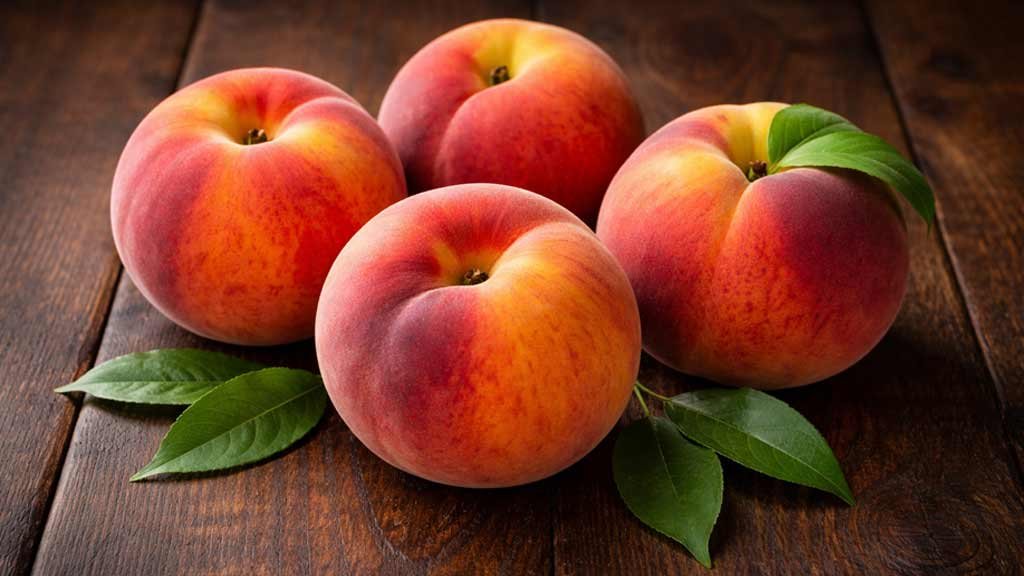
Why Peach Deserves More Attention in Everyday Nutrition
A ripe peach has a way of stopping you for a moment. The soft skin, the fragrance that escapes as soon as you slice it, the juice that runs down your fingers. It feels indulgent, almost dessert-like. Yet nutritionally, peach belongs firmly in the category of foods that quietly support everyday health. It is refreshing, nutrient dense, and surprisingly versatile.
Peach often gets overshadowed by flashier fruits. Berries receive most of the attention in nutrition conversations. Apples dominate everyday snacking. Citrus fruits usually get credit for vitamin C. Meanwhile, peaches sit in the background of the produce aisle, associated mostly with summer desserts or occasional snacks. That perception misses something important.
Table of Contents

A peach offers a combination that nutrition science consistently values. High water content, moderate fiber, essential vitamins, and a range of plant compounds that contribute to overall physiological balance. When people ask what makes a fruit useful for daily health, the answer usually involves exactly these elements.
Fresh peaches are about 85 to 90 percent water by weight. That alone makes them an interesting food from a hydration perspective. Hydration is rarely discussed in the context of solid foods, but it plays a role in skin condition, digestive efficiency, and metabolic function. Foods that deliver both water and nutrients at the same time tend to support the body in subtle ways that accumulate over time.
Another reason peach deserves attention is its nutritional density relative to calories. A medium peach, roughly 150 grams, provides about 60 calories. Within those calories you get vitamin C, vitamin A precursors such as beta carotene, potassium, and several polyphenolic compounds. That balance makes peaches an easy addition to daily eating habits without dramatically increasing caloric intake.
A quick look at what one medium peach typically provides illustrates the point:
- About 2 grams of dietary fiber
- Around 10 milligrams of vitamin C
- Potassium and small amounts of magnesium
- Carotenoids including beta carotene and lutein
- Natural polyphenols such as chlorogenic acid and catechins
None of these numbers are extreme on their own. The value comes from how these nutrients work together inside a whole food. Nutritional research repeatedly shows that whole fruits often deliver more consistent health associations than isolated nutrients. The matrix of fiber, water, and plant compounds matters.
Peaches also carry an interesting set of bioactive compounds. Researchers studying stone fruits, the botanical group that includes peaches, nectarines, apricots, and plums, have identified phenolic compounds that show antioxidant activity in laboratory studies. These compounds include chlorogenic acid, neochlorogenic acid, and several flavonoids.
Why does that matter in practical terms?
Oxidative stress is a natural process in the body. Cells constantly produce reactive molecules during metabolism. Antioxidant compounds from plant foods help maintain balance by neutralizing some of those molecules. Diets rich in fruits and vegetables consistently show associations with better long term health outcomes. Peaches contribute to that pattern.
Another detail worth noticing is how approachable peaches are as a daily food. Some healthy foods require effort. You have to cook them, prepare them carefully, or combine them with several other ingredients. Peach is simple. Wash it, slice it, eat it. That simplicity increases the likelihood that people actually consume it regularly.
Many people underestimate how much these small habits matter. A single peach will not transform skin or digestion overnight. But consistent fruit intake over months and years tends to shape overall dietary patterns. When nutrition researchers analyze long term diet quality, fruits that people eat easily and regularly often make the biggest difference.
Peaches also fit well into different eating styles. They work as:
- A quick breakfast addition
- A refreshing afternoon snack
- A component of smoothies
- A topping for yogurt or oatmeal
- A natural sweet element in salads
That flexibility makes them easy to incorporate into routines without forcing dietary change.
There is also a seasonal element that plays a role in how people experience peach. When peaches are in season, their flavor and texture are noticeably different from off season fruit. The sugars are balanced by acidity. The aroma is stronger. The flesh becomes softer and juicier. These sensory qualities often encourage people to eat fruit more frequently, which indirectly supports healthier eating patterns.
From a nutritional perspective, variety is valuable. Rotating different fruits through the diet exposes the body to a wider range of phytochemicals. Peaches contribute their own set of compounds that differ from those found in berries, citrus fruits, or apples.
Some people also overlook peaches because they assume the sugar content is high. In reality, a medium peach contains roughly 13 grams of natural sugar. That amount is similar to many other fruits and is moderated by fiber and water content. The glycemic impact of whole fruit is typically lower than that of refined sweet foods because digestion occurs more gradually.
That balance is part of what makes peaches appealing in everyday nutrition. They satisfy a desire for sweetness while still delivering hydration, fiber, and micronutrients.
The broader point is simple. Healthy diets are rarely built on a few so called superfoods. They are built on consistent, repeatable habits involving whole foods that people actually enjoy eating. Peach fits naturally into that framework.
Eat one on a warm afternoon, slice it into breakfast, or blend it into a smoothie. Small choices like these may seem ordinary. Over time, they form the foundation of a diet that supports skin vitality, digestive comfort, and overall wellbeing.
And that is exactly why peach deserves more attention than it usually receives.
Peach and Skin Health: Hydration, Antioxidants, and Nutrient Support
Skin responds strongly to daily nutrition. Hydration levels, vitamin intake, and the presence of protective plant compounds all influence how skin maintains its structure and resilience. Among commonly eaten fruits, peach stands out as a food that quietly supports several of these mechanisms at the same time.
People usually associate skin health with topical products. Creams, serums, treatments. Those products certainly play a role, but the skin is also a metabolically active organ. Its cells depend on nutrients delivered through the bloodstream. Diet patterns that include fruits, vegetables, and water rich foods often show consistent associations with healthier skin characteristics.
Peach fits neatly into that pattern. Its composition brings together three elements that matter for skin maintenance. High water content, vitamin C, and a group of antioxidant compounds called polyphenols. Each of these contributes to the biological processes that help skin maintain elasticity, hydration balance, and resistance to environmental stress.
Water Content and Skin Hydration
A fresh peach contains roughly 85 to 90 percent water. This may sound like a simple detail, but hydration plays a measurable role in how skin behaves. The outer layer of the skin, known as the stratum corneum, relies on sufficient moisture to maintain flexibility and barrier function.
When hydration levels drop, the skin barrier becomes less efficient. Water escapes more easily, and the surface may feel rough or tight. Nutrition research often highlights the importance of total fluid intake, but foods rich in water also contribute meaningfully to hydration status.
Peaches provide water together with electrolytes such as potassium. This combination helps support normal fluid balance inside the body. Potassium participates in cellular fluid regulation and works alongside sodium to maintain proper hydration distribution.
The benefit here is subtle but consistent. When people include water rich fruits regularly in their diet, total daily hydration improves without conscious effort. That steady hydration contributes to the conditions the skin needs to maintain its protective barrier.
A practical example helps illustrate this. Consider a typical afternoon snack. Many people reach for processed snacks that provide little water and minimal nutrients. Replacing that with a peach changes the nutritional equation. You get hydration, fiber, and micronutrients while still satisfying the desire for something sweet.
This small shift may not seem dramatic. But repeated daily habits gradually shape nutrient intake patterns that influence skin function over time.
Vitamin C and Collagen Support
Vitamin C is one of the most studied nutrients related to skin physiology. The body uses it as a cofactor in collagen synthesis, a process that helps maintain the structural framework of the skin.
Collagen fibers provide tensile strength to the dermis, the layer beneath the surface of the skin. Without adequate vitamin C, the enzymes responsible for stabilizing collagen molecules cannot function properly. This relationship has been well documented in nutritional science.
Peach contributes modest amounts of vitamin C. A medium fruit provides roughly 10 milligrams, which represents about 10 to 15 percent of the recommended daily intake for adults depending on the guideline used. While that amount alone is not extremely high, it becomes meaningful when combined with other vitamin C rich foods throughout the day.
Diet patterns often matter more than individual food items. Someone who eats peaches alongside vegetables, berries, or citrus fruits builds a nutrient profile that supports collagen related processes more consistently than someone relying on occasional supplementation.
Vitamin C also participates in additional biological activities relevant to skin maintenance. It contributes to antioxidant defense systems and helps regenerate vitamin E, another compound involved in protecting cell membranes from oxidative stress.
Researchers examining diet patterns have observed that higher fruit and vegetable intake correlates with increased skin carotenoid levels. These pigments can influence skin appearance and reflect greater consumption of antioxidant rich foods.
Peaches contribute carotenoids as well. Beta carotene and lutein are present in smaller amounts compared with deeply colored fruits, yet they still form part of the broader antioxidant network supplied by plant foods.
Polyphenols and Protection Against Oxidative Stress
Peach contains a diverse group of plant compounds known as polyphenols. These molecules have attracted attention in nutrition research because of their ability to interact with oxidative processes inside the body.
Among the polyphenols identified in peaches are chlorogenic acid, neochlorogenic acid, catechins, and various flavonoids. These compounds occur naturally in the fruit’s flesh and skin, contributing to both flavor and antioxidant capacity.
Oxidative stress develops when reactive molecules accumulate faster than the body can neutralize them. Environmental factors such as ultraviolet radiation, pollution, and metabolic activity all generate reactive oxygen species. Over time, these molecules can influence cellular structures including lipids, proteins, and DNA.
Plant derived antioxidants help moderate these reactions. Laboratory studies examining peach extracts have demonstrated measurable antioxidant activity, largely attributed to phenolic compounds. While these studies occur in controlled conditions, they help explain why diets rich in fruits and vegetables consistently associate with healthier aging patterns.
Polyphenols may also interact with inflammatory signaling pathways. Some research exploring stone fruits suggests that their phenolic compounds can influence enzymes related to oxidative processes and cellular stress responses.
Again, the key idea is cumulative exposure. Eating a peach occasionally will not dramatically change antioxidant status. Including peaches regularly alongside other plant foods increases the diversity of bioactive compounds entering the diet.
There is also an interesting aspect related to how the fruit is consumed. The skin of a peach contains a higher concentration of certain polyphenols than the inner flesh. Washing the fruit thoroughly and eating it whole allows those compounds to remain part of the nutritional profile.
Some people remove the skin for texture reasons. That choice is understandable, but keeping the skin intact preserves a greater share of the fruit’s phytochemical content.
When people think about skin health, the conversation often becomes complicated. Expensive treatments, complex skincare routines, specialized supplements. Yet nutrition research frequently points to a simpler pattern. Diets rich in fruits and vegetables supply hydration, vitamins, and plant compounds that support the biological systems the skin depends on.
Peach contributes to that pattern in a quiet but meaningful way. Its water content supports hydration. Its vitamin C participates in collagen related processes. Its polyphenols contribute to antioxidant defenses that help cells manage environmental stress.
Sometimes the most useful foods are the ones that blend easily into everyday life. A peach eaten with breakfast, sliced into yogurt, or enjoyed as an afternoon snack may seem ordinary. Nutritionally, it provides a small but steady contribution to the complex network of nutrients that support healthy skin function.
How Peach Supports Healthy Digestion
Digestive health is one of those areas where small daily choices add up quietly over time. The foods you eat influence gut motility, microbial balance, and nutrient absorption. Peaches, though often considered a simple sweet snack, contribute meaningfully to several aspects of digestive function. Their fiber content, bioactive compounds, and high water levels combine to support the gastrointestinal system in ways that are subtle but cumulative.
Fiber Content and Gut Motility
One of the first things nutrition researchers note about peaches is their moderate fiber content. A medium peach provides roughly 2 grams of dietary fiber, including both soluble and insoluble types. While this may not seem like a lot compared with high-fiber vegetables or legumes, it is still meaningful in the context of a varied diet.
Fiber plays several roles in digestive health. Insoluble fiber adds bulk to stool, which helps maintain regular bowel movements and prevent constipation. Soluble fiber, meanwhile, forms a gel-like substance in the gut that slows digestion slightly, aiding in nutrient absorption and supporting a stable gut environment.
Including peaches regularly can help establish consistent digestive rhythms. For example, someone who struggles with occasional sluggishness might notice a difference by adding a fresh peach to breakfast or as an afternoon snack. The combination of bulk and gentle solubility contributes to smoother transit through the intestines without the abrupt effect that some laxatives create.
Fiber also interacts with gut microbiota. Beneficial bacteria ferment soluble fiber, producing short-chain fatty acids that serve as energy for colon cells and contribute to overall gut health. While research on peaches specifically is limited, the fiber they provide participates in this broader pattern of plant-based food supporting microbiome function.
Natural Compounds That Aid Digestive Comfort
Peaches contain more than just fiber. They also include natural compounds that may influence digestive comfort and efficiency. Phenolic compounds, flavonoids, and carotenoids present in the fruit’s flesh and skin interact with the gastrointestinal tract in subtle ways.
Some flavonoids act as mild anti-inflammatory agents, potentially helping the gut lining maintain integrity. Others may interact with enzymes that influence carbohydrate breakdown, slightly modulating digestive processing. Laboratory studies on stone fruits have shown that extracts of peach and related fruits exhibit activities that support smooth digestion, although human studies remain limited.
Moreover, peaches contain sorbitol, a naturally occurring sugar alcohol. Sorbitol has an osmotic effect in the intestine, attracting water and assisting in softer stool formation. For individuals experiencing occasional constipation, the small amounts of sorbitol in peaches can provide a gentle aid without the harsh effects of synthetic laxatives.
A practical tip emerges from this: eating the whole fruit, including the skin, preserves the majority of these bioactive compounds. While peeling a peach reduces certain polyphenols, the fiber and water content remain, so the fruit continues to support digestive health in multiple ways.
Hydration and Its Role in Digestive Efficiency
Hydration is often overlooked in discussions of digestion. Water is critical for dissolving nutrients, moving food along the intestines, and forming stool of appropriate consistency. Peaches, with their 85–90 percent water content, contribute directly to daily fluid intake.
This water content works in concert with fiber. Fiber absorbs water, increasing stool bulk while keeping it soft. A well-hydrated digestive tract facilitates smoother motility and reduces strain. In other words, eating a peach doesn’t just add nutrients—it also assists in the mechanical aspect of digestion.
For people who find themselves relying heavily on dry, processed foods, adding peaches can shift the digestive environment positively. Even one peach per day provides a modest hydration boost while supplying fiber and bioactive compounds, creating a cumulative effect over time.
Some practical strategies include pairing peaches with other fiber-rich foods, such as whole-grain cereals or yogurt, to maximize digestive support. Eating them in the morning can also set the tone for smoother bowel function later in the day.
In combination, the fiber, natural compounds, and hydration provided by peaches make them more than just a sweet, refreshing snack. They offer a subtle but real contribution to digestive comfort, motility, and efficiency. Regularly including peaches in meals or snacks can support gut function in ways that are easy to implement and sustainable over the long term, reinforcing the broader pattern of diet-based digestive health.
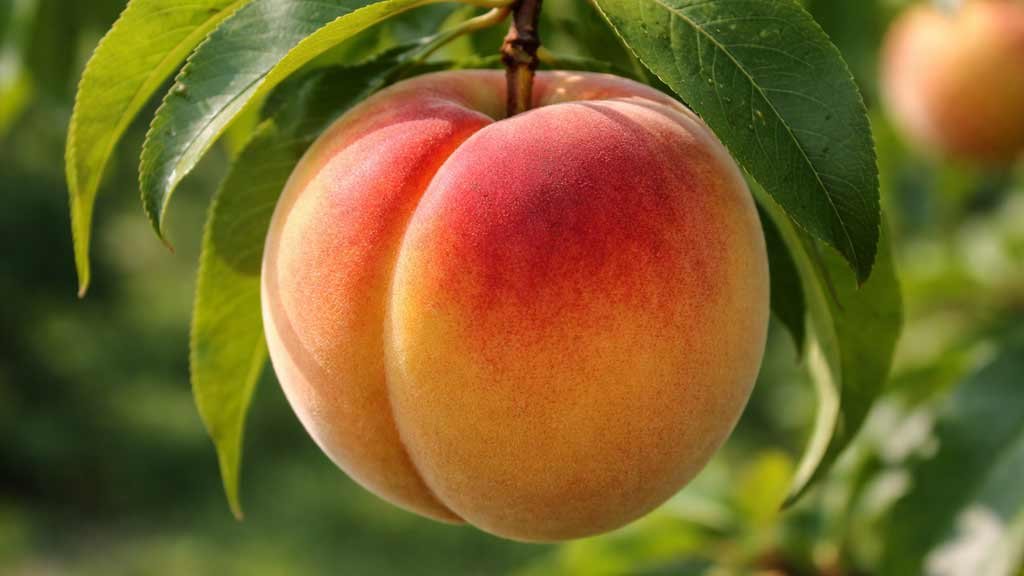
Nutritional Profile of Peaches and Practical Ways to Eat Them
Peaches are deceptively simple. They look like a seasonal treat, but under the skin lies a mix of nutrients that support hydration, metabolism, and overall dietary balance. Understanding the nutritional profile of peaches can help you make smarter, more consistent choices about incorporating them into everyday meals.
Key Vitamins and Minerals Found in Peach
A medium peach, roughly 150 grams, delivers an impressive variety of vitamins and minerals for its size. Among the most notable are:
- Vitamin C: Roughly 10 mg per fruit. Supports collagen synthesis and contributes to antioxidant defenses.
- Vitamin A (as beta carotene): Promotes eye health and contributes to skin maintenance.
- Potassium: Around 285 mg, which supports fluid balance and cellular function.
- Magnesium: Small amounts help with metabolic reactions and muscle function.
- Niacin and Vitamin E: Present in modest levels, supporting energy metabolism and cellular protection.
- Polyphenols and carotenoids: Chlorogenic acid, catechins, and lutein act as antioxidants and may influence oxidative stress management.
These nutrients are balanced within the water-rich matrix of the fruit, which makes peaches particularly accessible to the digestive system and easy to integrate into a daily diet. While no single peach covers your entire nutrient needs, the cumulative effect of consuming peaches alongside other fruits and vegetables contributes meaningfully to overall diet quality.
Fresh Peach vs. Dried Peach: Nutritional Differences
Peaches can be consumed fresh or dried, and each form has unique nutritional characteristics. Fresh peaches are high in water content, which supports hydration and delivers nutrients in a lower-calorie package. They are ideal for snacking, smoothies, and salads.
Dried peaches, often marketed as natural snacks or preserved fruit, are more calorie-dense. The dehydration process concentrates sugars and certain nutrients while removing most of the water. For example:
- Calories: A dried peach contains roughly 60–70 calories per 28-gram serving, compared with about 60 calories for a medium fresh peach.
- Sugar: Natural sugars are more concentrated, which increases sweetness but can affect glycemic load if consumed in large amounts.
- Fiber: Concentrated per weight, making dried peaches a good option for gut support in smaller portions.
- Vitamins: Some water-soluble vitamins, like vitamin C, are reduced during drying. Fat-soluble compounds, carotenoids, and polyphenols are often better preserved.
The choice between fresh and dried depends on your goals. Fresh peaches are hydrating, lower in sugar concentration, and ideal for immediate consumption. Dried peaches are convenient for portable snacks, trail mixes, or baking but should be consumed in moderation due to the higher sugar density.
Easy Ways to Add Peach to Everyday Meals
Integrating peaches into daily eating doesn’t require complex recipes. Their natural sweetness and texture make them highly versatile. Some practical ideas include:
- Breakfast: Slice fresh peaches into oatmeal, yogurt, or whole-grain cereal.
- Smoothies: Blend peaches with leafy greens, banana, and a plant-based milk for a hydrating, nutrient-rich drink.
- Snacks: Eat fresh or lightly dried peaches between meals to satisfy sweet cravings while adding fiber.
- Salads: Dice peaches into mixed greens with nuts and a light vinaigrette for a balance of sweetness and crunch.
- Baking and Cooking: Incorporate peaches into muffins, pancakes, or compotes to add natural sweetness without relying on refined sugar.
- Freezing for Later: Slice and freeze peaches to keep on hand for smoothies or summer-style desserts throughout the year.
Even small additions—half a peach with breakfast or a peach sliced over a salad—can improve overall fruit intake and provide hydration, fiber, and phytonutrients consistently. Over time, these small adjustments build a dietary pattern that supports skin health, digestion, and nutrient balance.
By understanding both the nutritional strengths of peaches and the practical ways to include them in meals, it becomes easier to see why this fruit deserves a regular place in everyday nutrition. Its versatility, hydrating qualities, and nutrient content make it more than just a seasonal indulgence—it’s a functional, enjoyable part of a healthy diet.
Best Selling Peach Products





A Simple Fruit Habit With Long Term Benefits
Sometimes the most powerful changes in diet are the smallest ones. Eating a peach each day may feel like a simple indulgence, but the habit quietly compounds over time. Consistency is where the benefit lies—hydration, nutrient intake, and digestive support all accumulate when small daily practices are repeated.
Building a habit around peaches doesn’t require strict planning. It could be as effortless as adding one to breakfast, tossing slices into a midday snack, or blending it into a smoothie. The key is regularity. Unlike supplements or complicated routines, whole fruits integrate into everyday life without creating friction. Over weeks and months, this habit supports a broader pattern of nutrient-rich eating.
The advantages are multifaceted. Hydration, for example, is enhanced naturally. Peaches are over 85 percent water, contributing to fluid intake while also delivering electrolytes like potassium. That supports skin hydration and digestive efficiency simultaneously. Fiber and polyphenols continue to work behind the scenes, supporting gut motility and protecting cells from oxidative stress.
Psychological benefits also play a subtle role. Having a daily ritual around something enjoyable—like selecting and eating a fresh peach—reinforces mindful eating. People often underestimate how sensory pleasure affects adherence. The color, aroma, and juiciness of a peach make it satisfying in a way that encourages consistency. Enjoying the experience reinforces the habit and makes it easier to sustain.
Another practical advantage is flexibility. Peaches pair well with a variety of foods, both sweet and savory. They can be eaten on their own, added to cereals, incorporated into salads, or even grilled. This versatility makes it less likely for the habit to feel monotonous. Over time, this consistent intake complements other healthy eating behaviors, supporting nutrient diversity without requiring major dietary overhaul.
Long-term, the effects of repeated peach consumption may seem subtle day to day, but they add up. Skin hydration and texture benefit from steady vitamin and water intake. Digestive comfort improves as fiber and hydration support bowel regularity. Antioxidant compounds accumulate gradually, contributing to overall resilience at the cellular level.
Creating a small, achievable routine around peaches also sets the stage for incorporating other fruits and vegetables. Once the habit of daily fruit is established, adding variety becomes easier. The habit forms a foundation for broader dietary patterns that consistently deliver hydration, vitamins, fiber, and protective plant compounds.
It’s worth noting that the benefits are cumulative rather than immediate. A single peach will not transform digestion or skin overnight. The true value emerges through repetition and integration into daily eating. This emphasizes a principle well-supported in nutrition research: the long-term quality of one’s diet matters far more than occasional extremes.
In essence, including a peach each day exemplifies the “small but consistent” approach to nutrition. It’s simple, enjoyable, and sustainable. The routine nurtures hydration, skin health, digestive support, and the intake of important nutrients. Over time, these subtle contributions form a foundation for well-rounded, nutrient-rich eating patterns.
By focusing on easy, repeatable habits rather than dramatic interventions, peaches become more than just a fruit—they become a reliable, enjoyable tool in supporting long-term wellness. The habit doesn’t require perfection or effortful planning; it just requires repetition. And repetition, in nutrition, is where lasting benefit truly resides.
Article Sources
At AncientHerbsWisdom, our content relies on reputable sources, including peer-reviewed studies, to substantiate the information presented in our articles. Our primary objective is to ensure our content is thoroughly fact-checked, maintaining a commitment to accuracy, reliability, and trustworthiness.
- Basu, A., Rhone, M., & Lyons, T. J. (2010). Berries: emerging impact on cardiovascular health. Nutrition Reviews, 68(3), 168–177. https://doi.org/10.1111/j.1753-4887.2010.00287.x
- Benzie, I. F., & Strain, J. J. (1996). The ferric reducing ability of plasma (FRAP) as a measure of “antioxidant power”: the FRAP assay. Analytical Biochemistry, 239(1), 70–76. https://doi.org/10.1006/abio.1996.0292
- Brock, J. W., et al. (2018). Dietary fruit and vegetable intake and skin health: a systematic review. Nutrition Reviews, 76(12), 944–955. https://doi.org/10.1093/nutrit/nuy041
- García-Salas, P., Morales-Soto, A., Segura-Carretero, A., & Fernández-Gutiérrez, A. (2010). Phenolic-compound-extraction systems for fruit and vegetable samples. Molecules, 15(12), 8813–8826. https://doi.org/10.3390/molecules15128813
- Slavin, J. L. (2013). Fiber and prebiotics: mechanisms and health benefits. Nutrients, 5(4), 1417–1435. https://doi.org/10.3390/nu5041417
- USDA FoodData Central. (2023). Peach, raw, yellow and white flesh, average. U.S. Department of Agriculture. https://fdc.nal.usda.gov/fdc-app.html#/food-details/169910/nutrients
- World Health Organization. (2021). Healthy diet. https://www.who.int/news-room/fact-sheets/detail/healthy-diet
- Zhou, W., et al. (2016). Phenolic compounds and antioxidant activity in peach fruit: influence of cultivar and maturity. Food Chemistry, 190, 1103–1112. https://doi.org/10.1016/j.foodchem.2015.06.097

- Peach: Hydrating Fruit for Skin Health and Digestion - March 8, 2026
- Plum: Fiber-Rich Fruit for Digestion and Heart Health - March 8, 2026
- Apricots: Vitamin A Fruit for Eye Health and Digestion - March 6, 2026
