
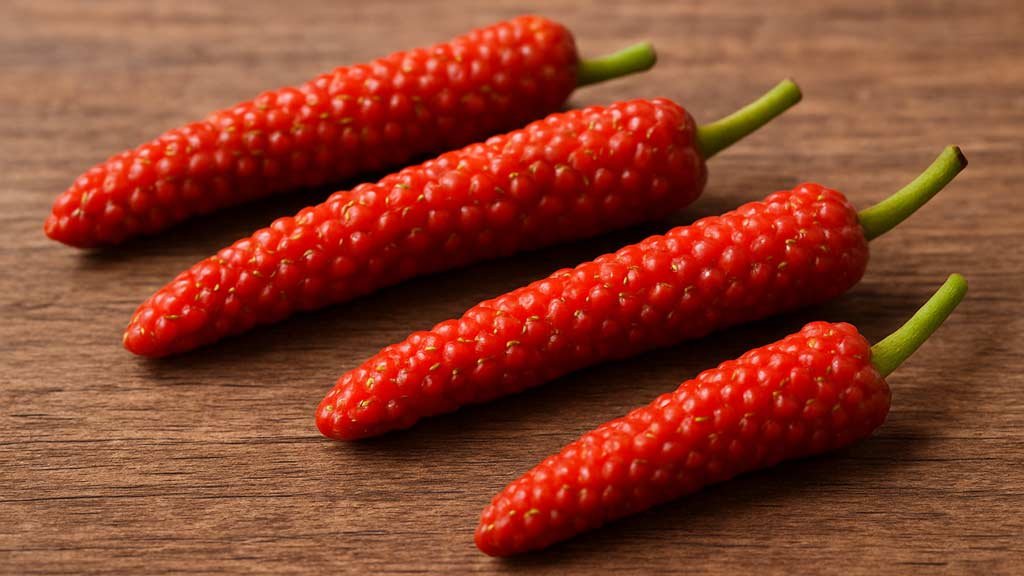
A Tiny Pepper with Mighty Effects
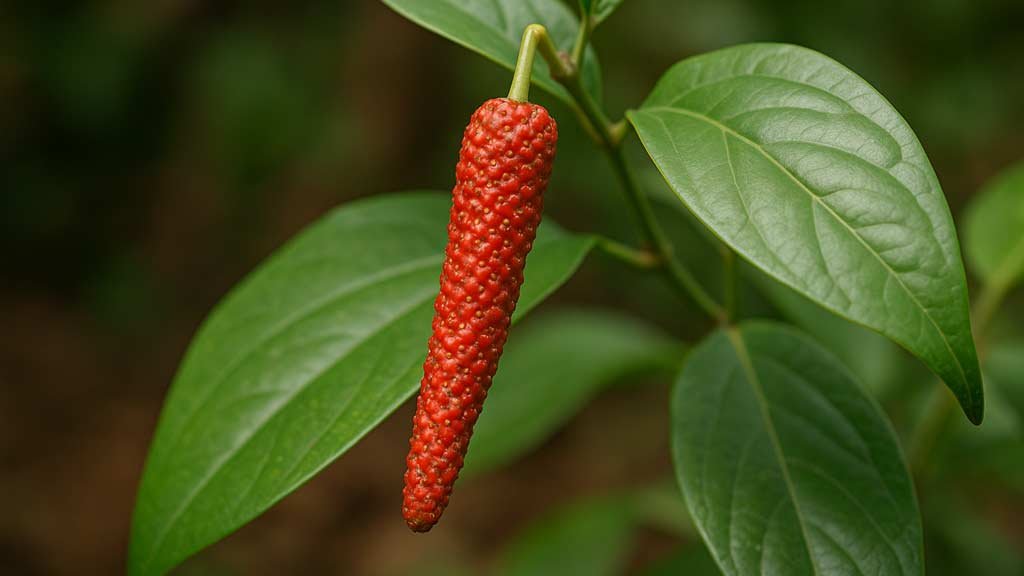
Pippali, or Long Pepper, is a spice that whispers its power rather than shouts it. Its unassuming spikes, slightly wrinkled and dark brown, pack a complex, warming flavor that tingles the tongue and warms the stomach. Unlike black pepper, which is often used as a culinary staple, Pippali has been cherished in Ayurveda for centuries as a therapeutic spice, especially for digestion and respiratory health.
It’s fascinating to think that such a small pepper can influence digestion, metabolism, and even the lungs. Traditional texts call it “Pippali,” a name evoking its sharp, penetrating qualities. In many Ayurvedic formulas, it’s considered a rejuvenator, a spice that not only adds flavor but also balances the doshas—Vata, Pitta, and Kapha—depending on preparation and combination.
Table of Contents

Historical and Traditional Use
Ayurveda treats Pippali as a “Deepana” (digestive stimulant) and “Pachana” (metabolism booster). Its historical uses include:
- Supporting proper digestion and nutrient absorption
- Promoting respiratory health and clearing phlegm
- Enhancing the bioavailability of other herbs when combined in formulations
- Acting as a mild rejuvenator for energy and vitality
Pippali is a core ingredient in many classical Ayurvedic preparations, including Trikatu, a formula combining Pippali with black pepper and dry ginger. These blends are often recommended to aid digestion, boost metabolism, and clear mucus in respiratory conditions.
Chemical Composition and How It Works
Modern research has identified several active compounds in Pippali that explain its broad therapeutic effects:
- Piperine: The alkaloid responsible for its pungency and digestive stimulation
- Volatile oils: Mild anti-inflammatory and antimicrobial effects
- Resins and glycosides: Support lung health and reduce phlegm
- Essential nutrients: Vitamins, minerals, and antioxidants
These compounds work synergistically. Piperine, for instance, not only stimulates digestive enzymes but also enhances absorption of other nutrients and herbal compounds, making Pippali a kind of “bioenhancer.”
Digestive Benefits
If digestion feels sluggish, Pippali can be a gentle yet effective helper. Here’s how it works:
- Stimulates appetite: Activates digestive fire (Agni), helping the stomach process food efficiently
- Reduces bloating and gas: Helps relieve trapped gas and mild indigestion
- Enhances metabolism: Supports the breakdown of fats and proteins for better nutrient utilization
Common uses include:
- Powdered form: Mixed with warm water, ghee, or honey for daily digestive support
- In decoctions: Boiled with other digestive herbs for a warming, calming effect on the gut
- As part of herbal formulations: Combined with ginger, black pepper, or long pepper-based syrups
A personal anecdote: A small teaspoon of Pippali powder with warm water after a heavy meal often brings almost immediate relief from bloating and a sense of digestive balance. The warmth spreads through the stomach, a subtle but noticeable comfort.
Respiratory and Lung Health
Ayurveda connects Pippali to Kapha balance, which governs mucus and fluid accumulation in the lungs. Pippali is often recommended for:
- Clearing phlegm and congestion in chronic bronchitis or mild respiratory infections
- Supporting healthy lung function in conditions like asthma and cough
- Enhancing the effectiveness of other respiratory herbs
Its warming nature helps break down thick mucus, making breathing easier. In classical practice, Pippali is often powdered, combined with honey or ghee, and administered as a tonic for lung strength and vitality.
Synergy with Other Herbs
Pippali rarely works alone in Ayurveda. Its true power often comes when it’s paired with complementary herbs:
- Trikatu blend: Combines Pippali, black pepper, and dry ginger for digestion and respiratory support
- Chyawanprash: A rejuvenating jam containing Pippali to enhance immunity and vitality
- Herbal decoctions: Mixed with turmeric, licorice, or cinnamon to enhance absorption and overall efficacy
This ability to enhance other herbs’ effects—thanks largely to piperine—makes Pippali a valuable component in many traditional and modern herbal formulations.
Safety and Considerations
Pippali is generally safe when used in moderation. Some precautions include:
- Avoid excessive use, as it may irritate the stomach or digestive lining
- Pregnant or breastfeeding women should consult a practitioner before use
- People with heartburn or ulcers should use it cautiously
Respecting dosage and preparation methods ensures that the pepper’s benefits are gentle and effective.
Culinary and Everyday Uses
Interestingly, Pippali isn’t only medicinal. Its unique flavor can enrich everyday dishes while supporting health:
- Add powdered Pippali to soups or stews for a digestive boost
- Use it in spiced teas with ginger and honey for warming effects
- Include it in herbal tonics or infused oils for a daily wellness ritual
It’s a spice that blends nutrition, medicine, and flavor, offering both taste and therapeutic support in one small package.
Observations and Anecdotes
Trying Pippali for the first time, its taste is immediately warming, with a sharp, slightly sweet undertone. It lingers in the throat and spreads a gentle heat through the stomach. Over weeks of consistent use, it feels like a subtle reset for the digestive system, while also keeping the lungs clearer during seasonal changes.
It’s fascinating how such a small spice can have a noticeable effect on digestion, respiration, and overall vitality. It’s gentle, yet persistent, quietly harmonizing bodily systems without demanding attention.
Best Selling Pippali Supplements





Conclusion
Pippali, the long pepper, is more than a culinary curiosity. It’s a potent Ayurvedic ally for digestion, lung health, and overall vitality. Its active compounds stimulate digestive fire, enhance nutrient absorption, and support respiratory function. Whether used as a powder, in decoctions, or as part of classical formulations, Pippali demonstrates Ayurveda’s wisdom: small, natural interventions can create profound balance.
It’s not flashy, and it doesn’t work instantly like some modern remedies. But with consistent use, it subtly transforms digestion, strengthens lungs, and enhances vitality—reminding us that sometimes, the smallest things hold the most power.
Article Sources
At AncientHerbsWisdom, our content relies on reputable sources, including peer-reviewed studies, to substantiate the information presented in our articles. Our primary objective is to ensure our content is thoroughly fact-checked, maintaining a commitment to accuracy, reliability, and trustworthiness.
- Choudhary, N., & Choudhary, S. (2018). A census of Piper longum‘s phytochemicals and their network pharmacology. PLOS ONE, 13(1), e0191006. https://doi.org/10.1371/journal.pone.0191006
- Gupta, S. (2017). Operculina turpethum (Linn.) Silva Manso as a medicinal herb: A review. Pharmacognosy Reviews, 11(21), 1–7. https://www.ncbi.nlm.nih.gov/pmc/articles/PMC5628523/
- Kamala, A. (2018). Plants in traditional medicine with special reference to Ayurveda. Journal of Ayurveda and Integrative Medicine, 9(2), 91–96. https://www.ncbi.nlm.nih.gov/pmc/articles/PMC6037646/
- Kandikattu, H. K. (2021). A review on Cyperus rotundus: Ancient weed to modern medicine. Pharmacognosy Reviews, 15(30), 1–9. https://pbr.mazums.ac.ir/browse.php?a_id=384&sid=1&slc_lang=en
- Peerzada, A. M. (2015). Cyperus rotundus L.: Traditional uses, phytochemistry, and pharmacology. Journal of Ethnopharmacology, 174, 1–10. https://www.sciencedirect.com/science/article/abs/pii/S0378874115300799
- Planet Ayurveda. (2019). Trivrit (Operculina turpethum) – Practical uses, benefits & dosage. https://www.planetayurveda.com/library/trivrit-operculina-turpethum/

- Nectarine: Stone Fruit for Heart Health and Antioxidants - March 8, 2026
- Peach: Hydrating Fruit for Skin Health and Digestion - March 8, 2026
- Plum: Fiber-Rich Fruit for Digestion and Heart Health - March 8, 2026
