
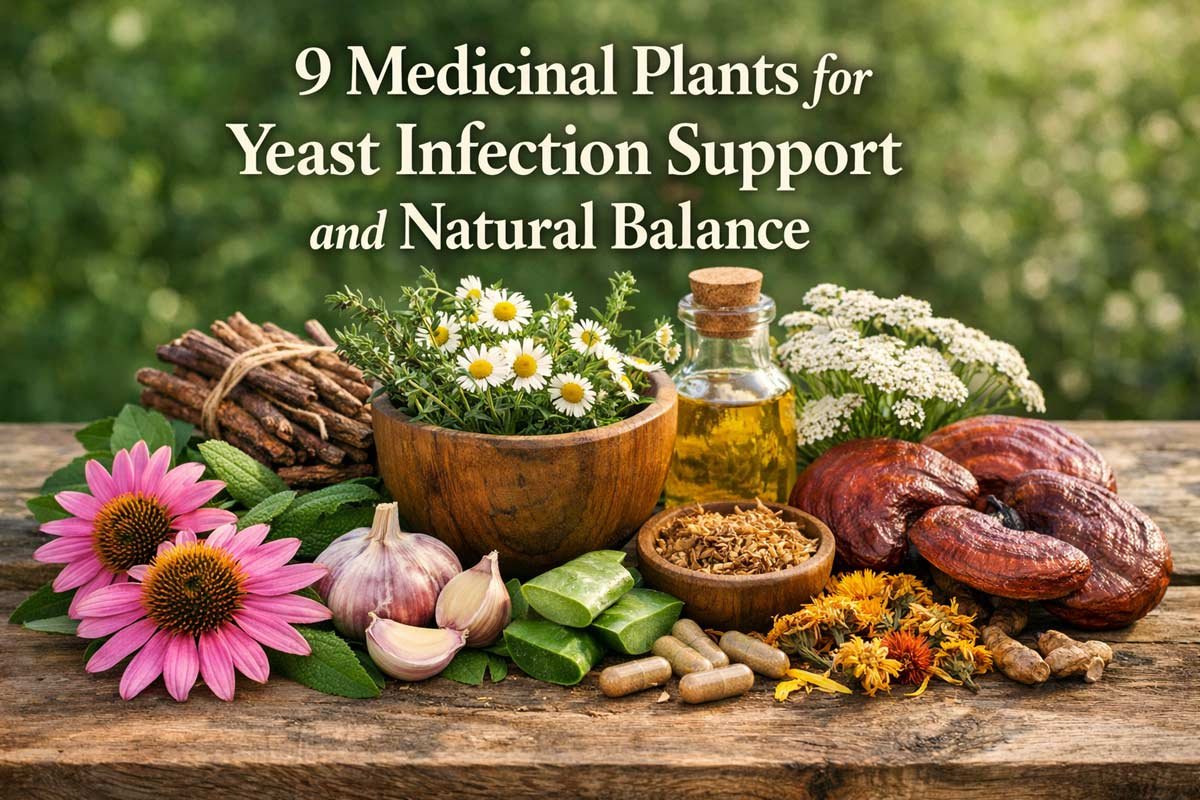
Nature’s Allies Against Yeast Imbalance
Yeast overgrowth is one of those conditions that sneaks up quietly, then suddenly becomes impossible to ignore. Many people think of yeast infections as strictly vaginal, but the truth is that Candida, the most common culprit, can flare up in multiple areas—skin folds, the gut, even the mouth. The tricky part is that yeast isn’t inherently “bad.” It’s a normal resident of your body’s microbiome, and under healthy conditions, it coexists peacefully. Problems arise when balance is disrupted, often by antibiotics, high-sugar diets, stress, or hormonal fluctuations.
When the delicate equilibrium tips, you might notice itching, irritation, unusual discharge, or digestive discomfort. The instinct is often to reach for a pharmaceutical antifungal, which can work, but may also disrupt the beneficial bacteria that keep yeast in check. That’s where medicinal herbs and mushrooms come in. For centuries, cultures around the world have relied on plant- and fungi-based remedies to gently restore balance, regulate microbial populations, and soothe inflammation. Unlike harsh chemical treatments, these allies work with your body’s natural systems, supporting resilience rather than forcing it.
Table of Contents

Take garlic, for instance. It’s more than a kitchen staple—it’s a potent antifungal agent whose compounds can selectively inhibit Candida. Or Reishi mushroom, revered in Traditional Chinese Medicine, which doesn’t attack yeast directly but modulates immune function to prevent recurring overgrowth. These plants and fungi are not just about killing microbes; they restore harmony in the microbiome, calm irritated tissues, and even provide systemic benefits, from improving digestion to supporting liver function.
Understanding how these natural allies work requires looking beyond the superficial symptoms. Yeast infections are often a signal that your internal environment is out of balance. Stress, diet, and lifestyle factors all influence the microbial ecosystem, and herbs can only be fully effective when they’re part of a holistic approach. That said, some botanicals act quickly, while others are long-term tonics that help recalibrate the system over weeks or months. The combination of immediate relief and lasting support is where their true power lies.
Interestingly, some herbs can multitask. Calendula, for example, is antifungal and anti-inflammatory, but it also soothes tissue irritation and supports healing. Pau d’Arco, another powerhouse, combines mild antifungal action with immune-enhancing properties. Even culinary herbs like oregano and thyme carry compounds that regulate microbial balance while gently promoting digestive health. Each plant has its own “personality” in the ecosystem of the body, and using them thoughtfully allows you to address yeast overgrowth without stripping away your natural defenses.
The sensory experience of these herbs is also worth noting. Crushing fresh garlic releases a pungent aroma that immediately signals potency. Brewing chamomile tea envelopes you in a calming warmth while subtly supporting mucosal health. Reishi’s earthy bitterness, often described as grounding, seems to remind the body that a slow, steady approach is sometimes better than a rapid fix. These experiences are not just symbolic—they reflect how these botanicals interact with your physiology.
Ultimately, addressing yeast overgrowth with medicinal plants is about cultivating respect for the body’s internal ecosystem. It’s a conversation between you and the plants, a dialogue that balances immediate action with long-term harmony. Understanding the mechanisms, experiencing the sensory cues, and integrating them into daily routines can make the difference between a temporary reprieve and lasting microbial balance.
Antifungal and Balancing Herbs for Immediate Support
When a yeast flare-up hits, it’s tempting to seek a fast-acting solution. Certain herbs stand out for their ability to exert direct antifungal effects while still being gentle on the body. These botanicals can reduce yeast overgrowth, soothe irritated tissues, and restore microbial equilibrium without harsh chemical intervention. Among the most powerful are Garlic, Oregano, Pau d’Arco, and Calendula—each bringing unique compounds and therapeutic qualities that complement one another.
1. Garlic (Allium sativum)
Garlic has earned its reputation as one of nature’s most potent antifungals, largely due to allicin, the sulfur-containing compound that forms when fresh cloves are crushed or chopped. Allicin disrupts the cell walls of Candida species, making it a powerful tool for combating overgrowth. Unlike broad-spectrum antifungal drugs, garlic has the ability to target pathogenic microbes while leaving beneficial bacteria relatively intact.
Practical use is versatile. Consuming raw garlic or lightly sautéed cloves can provide systemic benefits, but for localized infections, garlic-infused oils or extracts may offer targeted antifungal action. Some people notice a tingling or warming sensation when applied topically, which is normal and signals that the active compounds are engaging with the tissues. For those sensitive to raw garlic, encapsulated extracts or standardized supplements can provide the antifungal effect without digestive discomfort.
Beyond antifungal activity, garlic supports immune function. Studies suggest that it can enhance natural killer cell activity and modulate inflammatory responses, which is crucial when recurrent yeast infections are tied to an underlying imbalance in immune regulation. Its dual action—directly reducing yeast while strengthening immunity—makes it a cornerstone herb for immediate support.
2. Oregano (Origanum vulgare)
Oregano is another culinary herb that doubles as a medicinal powerhouse. Its essential oil contains carvacrol and thymol, compounds with strong antifungal properties that have been shown to inhibit Candida growth in laboratory studies. Oregano works by disrupting microbial membranes and preventing yeast cells from multiplying.
It can be used both internally and externally. Internally, oregano oil capsules or diluted tinctures offer systemic antifungal support. Externally, a diluted essential oil applied to affected areas can help calm irritation while addressing local microbial imbalances. The aroma itself—spicy, sharp, and unmistakable—signals its potency. Many herbalists note that oregano is most effective when combined with other antifungal herbs like garlic or Pau d’Arco, creating a synergistic effect that reduces the likelihood of recurring overgrowth.
Oregano also offers digestive support, which is critical because yeast overgrowth often starts or is aggravated in the gut. By modulating microbial populations and aiding digestion, it helps address one of the root causes rather than just the symptoms.
3. Pau d’Arco (Tabebuia impetiginosa)
Pau d’Arco, sourced from the inner bark of the South American Tabebuia tree, has a long history of use in traditional medicine for infections and systemic balance. Its active constituents, including lapachol and other naphthoquinones, exhibit antifungal, antibacterial, and mild antiviral properties. This makes Pau d’Arco particularly valuable for recurrent yeast infections, where multiple microbial imbalances may be present.
Pau d’Arco can be consumed as a tea, tincture, or standardized extract. While the taste is naturally bitter, its effects are profound. Regular use can support immune function while keeping Candida levels in check. Importantly, Pau d’Arco is often gentle enough for long-term use, making it a bridge between immediate antifungal action and sustained microbial balance.
Additionally, Pau d’Arco provides anti-inflammatory benefits, calming tissues that have been irritated by yeast overgrowth. This dual role—direct antifungal effect plus tissue support—makes it one of the most versatile plants for addressing both the symptoms and the underlying imbalance.
4. Calendula (Calendula officinalis)
Calendula is widely known for its skin-soothing properties, but its antifungal action is equally important for yeast support. The petals contain flavonoids and triterpenoids that inhibit the growth of Candida and other opportunistic fungi while reducing inflammation and promoting tissue repair.
Topical applications of Calendula—creams, ointments, or infused oils—can relieve itching, redness, and discomfort caused by yeast infections. When taken internally as a tea, Calendula also supports mucosal health throughout the digestive and urogenital tracts, reinforcing the natural barriers that prevent microbial overgrowth.
One of the strengths of Calendula is its safety profile. It is gentle enough for sensitive areas, making it ideal for repeated use when yeast infections tend to recur. Combined with more aggressive antifungals like garlic or Pau d’Arco, Calendula acts as a supportive partner, reducing irritation while helping restore balance.
These four herbs—Garlic, Oregano, Pau d’Arco, and Calendula—provide a potent toolkit for immediate intervention. Each brings a unique set of compounds and mechanisms to the table, allowing for a multi-layered approach to yeast support. Together, they address overgrowth directly, modulate inflammation, soothe tissues, and reinforce the body’s natural defenses, making them indispensable allies for anyone struggling with recurrent yeast infections.
Immune-Modulating and Gut-Supportive Plants
Yeast infections rarely exist in isolation. Often, they are a signal that the immune system is struggling to maintain balance or that the gut microbiome has shifted in ways that favor Candida. Addressing the infection isn’t just about stopping yeast—it’s about strengthening the body’s internal defenses and creating an environment where beneficial microbes can thrive. Certain herbs excel at this, supporting immunity, calming inflammation, and nourishing the digestive tract. Among these, Echinacea, Chamomile, and Nettle Leaf stand out as versatile allies for yeast infection support and long-term microbial balance.
5. Echinacea (Echinacea purpurea)
Echinacea is widely celebrated for its immune-enhancing properties, making it a natural go-to for anyone prone to recurrent infections. The plant contains a complex mixture of alkamides, caffeic acid derivatives, and polysaccharides, which work together to modulate immune activity. Research shows that Echinacea can stimulate phagocytosis—the process by which immune cells engulf and neutralize pathogens—and enhance the activity of natural killer cells, both of which are critical in controlling opportunistic yeast overgrowth.
In practice, Echinacea can be taken as a tincture, capsule, or tea. Some herbalists favor fresh-pressed extracts for maximum potency. Regular use may help reduce the frequency of yeast flare-ups by keeping the immune system alert without overstimulating it. Beyond immune modulation, Echinacea exhibits mild anti-inflammatory effects, which can help calm tissue irritation that often accompanies yeast infections. Its role is not to attack Candida directly but to empower the body to restore natural balance, making it a cornerstone in holistic support strategies.
6. Chamomile (Matricaria recutita)
Chamomile is often thought of as a gentle, soothing herb, but its effects go deeper than relaxation alone. The flowers contain flavonoids such as apigenin, which have anti-inflammatory and mild antimicrobial properties. For yeast infections, Chamomile supports mucosal integrity, reducing redness, burning, and discomfort in sensitive areas.
Drinking Chamomile tea regularly provides systemic benefits: it calms the digestive tract, promotes healthy gut motility, and creates a less hospitable environment for Candida overgrowth. Topically, infused Chamomile oils or washes can relieve itching and inflammation, helping tissues heal while maintaining a balanced microbiome. Its calming effects also extend to the nervous system, which is significant because stress can exacerbate yeast overgrowth by disrupting immune regulation and gut health. Chamomile’s dual role in soothing and strengthening makes it a quiet but effective ally for both immediate relief and long-term balance.
7. Nettle Leaf (Urtica dioica)
Nettle Leaf is often overlooked in the context of yeast infections, yet it is a powerful plant for systemic support. Rich in vitamins, minerals, and polyphenols, Nettle nourishes the body while modulating inflammation. This combination is particularly useful when yeast infections are recurring, as chronic inflammation can disrupt microbial balance and hinder healing.
Nettle acts indirectly on Candida by strengthening the body’s internal environment. Regular consumption as a tea, tincture, or culinary addition provides micronutrients that support the liver, kidneys, and gut—organs essential for detoxification and microbial regulation. Its mild diuretic properties can also help flush excess waste and metabolites, further contributing to a balanced internal ecosystem. In herbal practice, Nettle is often paired with Echinacea or Chamomile, creating a comprehensive approach that supports immunity, soothes irritation, and nourishes tissues simultaneously.
Together, Echinacea, Chamomile, and Nettle Leaf form a triad of immune and gut support that goes beyond the immediate antifungal effects of herbs like Garlic or Pau d’Arco. They help the body regain its equilibrium, calm inflammation, and reinforce natural defenses, creating a resilient environment in which Candida is less likely to overgrow. Their subtle, supportive action complements more aggressive antifungals, offering a holistic approach that addresses both symptoms and root causes.
By integrating these herbs into daily routines—whether as teas, tinctures, or culinary additions—you can create a foundation for long-term balance. They remind us that healing yeast infections is not merely about eliminating microbes but about cultivating resilience, nourishing tissues, and restoring harmony within the body’s complex microbial ecosystem.
Medicinal Mushrooms and Tonic Herbs for Long-Term Balance
While many herbs act directly on yeast, some of the most powerful allies work indirectly, supporting the immune system, modulating inflammation, and creating internal conditions that naturally resist overgrowth. Medicinal mushrooms have been used for centuries in traditional medicine for their adaptogenic and tonic properties, helping the body maintain balance under stress and microbial challenges. Among these, Reishi and Cordyceps stand out for their unique ability to provide long-term support against recurrent yeast issues.
8. Reishi Mushroom (Ganoderma lucidum)
Reishi, often called the “mushroom of immortality” in traditional Chinese medicine, is revered for its immune-modulating and anti-inflammatory properties. Unlike direct antifungal herbs, Reishi works subtly, enhancing the body’s natural defenses and promoting microbial balance. Polysaccharides, triterpenoids, and other bioactive compounds in Reishi stimulate immune cells, including macrophages and natural killer cells, which play critical roles in keeping opportunistic yeast like Candida in check.
Reishi’s influence extends beyond the immune system. It supports liver function, which is essential for detoxifying metabolic byproducts that can contribute to microbial imbalance. It also helps regulate inflammatory responses throughout the body, calming tissues irritated by repeated yeast infections. For many, incorporating Reishi into daily routines—whether as a decoction, powder, or extract—creates a steady foundation of resilience, reducing the likelihood of flare-ups over time.
The effects of Reishi are cumulative. Unlike fast-acting antifungals, it strengthens the body’s internal environment, making it less hospitable to Candida. The bitter, earthy taste often associated with Reishi is a reminder that true support is slow and steady. Regular use fosters systemic harmony, not just symptom relief, which is essential for anyone struggling with recurring yeast imbalances.
9. Cordyceps (Cordyceps militaris / sinensis)
Cordyceps is another mushroom with remarkable tonic qualities, valued both for energy support and immune regulation. Its bioactive compounds, including cordycepin and polysaccharides, enhance cellular function and support mitochondrial energy production, which indirectly influences the body’s ability to maintain microbial balance. Healthy energy metabolism ensures that immune cells can function optimally, providing a natural defense against opportunistic yeast overgrowth.
In traditional practices, Cordyceps has been used to strengthen vitality and endurance, but modern research also highlights its role in modulating immune responses and reducing inflammation. By promoting equilibrium rather than aggressively suppressing microbes, Cordyceps helps prevent the cycle of recurrence often seen with yeast infections. It pairs well with Reishi, creating a synergistic effect that combines immune modulation, energy support, and anti-inflammatory action.
Cordyceps can be consumed as a powder, tincture, or in teas. Its slightly sweet, earthy flavor makes it more palatable than some other medicinal mushrooms, and its effects are noticeable over weeks rather than days. Integrating Cordyceps into daily routines supports long-term resilience, helping the body maintain balance even when lifestyle or dietary factors temporarily shift microbial populations.
Together, Reishi and Cordyceps form a foundation for long-term microbial balance. They don’t attack yeast directly, but they create internal conditions in which Candida is less likely to overgrow. Their adaptogenic properties stabilize immune function, reduce chronic inflammation, and support organs involved in detoxification and microbial regulation. For anyone dealing with recurrent yeast infections, these mushrooms are essential allies in cultivating lasting harmony within the body.
By combining the immediate antifungal effects of herbs like Garlic and Pau d’Arco with the long-term tonic support of Reishi and Cordyceps, you address both the acute flare-ups and the underlying imbalances that predispose the body to yeast overgrowth. This dual approach offers a comprehensive, sustainable path toward natural balance, reinforcing the body’s defenses while gently restoring microbial equilibrium.
Cultivating Lasting Harmony: Integrating Plants Into Daily Life
Addressing yeast overgrowth is rarely a one-time fix. The most sustainable results come from combining acute support with long-term strategies that reinforce the body’s natural defenses. Integrating medicinal herbs and mushrooms into daily life allows you to build resilience, soothe irritation, and maintain microbial balance in a way that feels organic rather than forced.
Start by thinking of your routine as a rhythm rather than a regimen. A cup of Chamomile tea in the morning or before bed can calm the digestive tract, ease inflammation, and gently prepare your body for the day or night ahead. Adding Nettle Leaf to soups or as a daily tea provides a steady influx of minerals and micronutrients that support liver and kidney function—organs central to detoxification and microbial regulation. These small, consistent practices create a foundation where Candida is less likely to dominate.
For targeted, acute interventions, herbs like Garlic, Oregano, Pau d’Arco, and Calendula remain essential. Garlic and Oregano can be consumed in meals or supplements when you feel the first signs of imbalance, helping to reduce yeast proliferation quickly. Pau d’Arco tea or tincture can provide broader systemic support while Calendula soothes irritation and promotes tissue repair. Using these herbs as “first responders” allows you to manage flare-ups without relying solely on harsh chemicals, maintaining harmony in the body’s microbial ecosystem.
Incorporating medicinal mushrooms like Reishi and Cordyceps shifts the focus from reactive treatment to proactive maintenance. Daily consumption—whether in teas, powders, or tinctures—supports immune modulation, energy metabolism, and organ function over time. This creates internal conditions in which yeast overgrowth is less likely to occur, even during periods of stress, dietary indulgence, or hormonal fluctuation. Their subtle, cumulative effects complement the more immediate antifungal herbs, providing a layered approach to balance.
Practicality matters as much as potency. Some people prefer teas, others tinctures, powders, or capsules. The key is consistency. For example, brewing a blend of Chamomile, Nettle, and Pau d’Arco a few times a week can create a supportive baseline, while Reishi or Cordyceps powders mixed into smoothies provide daily tonic support. Topical applications of Calendula can be integrated into bath routines or as soothing compresses for areas prone to irritation. Treating these herbs and mushrooms as part of daily self-care rather than medical interventions helps them feel natural and sustainable.
Lifestyle integration amplifies their effects. Maintaining a diet low in refined sugars, managing stress through mindfulness or gentle movement, and staying hydrated all create a more hostile environment for Candida. Herbs and mushrooms act as allies, but they work best when the body is given what it needs to thrive. Think of it as gardening: you’re not just pulling weeds—you’re nourishing the soil, supporting beneficial organisms, and cultivating resilience so problems don’t return.
Sensory experience is also part of the process. Crushing fresh garlic for cooking, inhaling the spicy aroma of Oregano, sipping a warm Chamomile tea, or feeling the earthy taste of Reishi and Cordyceps all engage more than your physiology—they engage your awareness. These experiences reinforce the connection between daily habits and health outcomes, turning routine care into an intuitive, almost meditative practice.
The ultimate goal is harmony. Herbs and mushrooms help you manage acute symptoms, reinforce natural defenses, and create an internal environment in which yeast is naturally kept in check. This layered approach—immediate antifungal support, immune and gut modulation, and long-term tonic care—addresses both symptoms and root causes, giving you sustainable relief and resilience. By consistently integrating these plants into your life, you shift from reacting to flare-ups toward cultivating ongoing balance, making yeast overgrowth less disruptive and your internal ecosystem stronger and more harmonious.
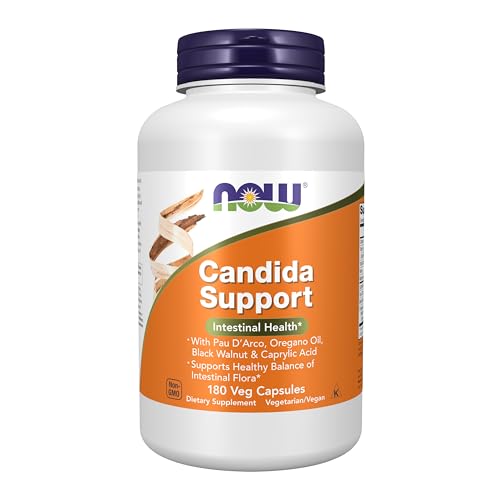
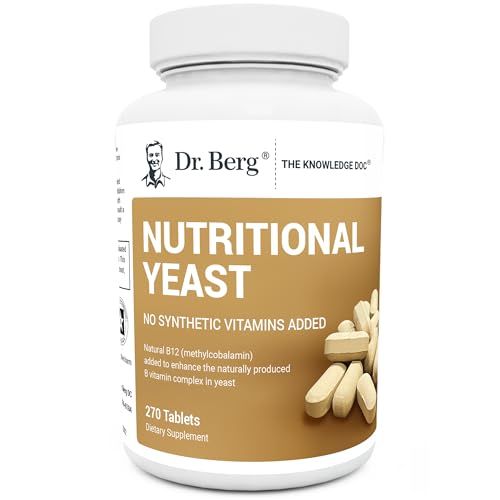
Best-selling Supplements for Yeast Infection




Article Sources
At AncientHerbsWisdom, our content relies on reputable sources, including peer-reviewed studies, to substantiate the information presented in our articles. Our primary objective is to ensure our content is thoroughly fact-checked, maintaining a commitment to accuracy, reliability, and trustworthiness.
- Sangiovanni, E., Brivio, P., Dell’Agli, M., & Calabrese, F. (2017). Botanicals as modulators of neuroplasticity: Focus on BDNF. Neural Plasticity, 2017, 5965371. https://doi.org/10.1155/2017/5965371
- Cowan, M. M. (1999). Plant products as antimicrobial agents. Clinical Microbiology Reviews, 12(4), 564–582. https://doi.org/10.1128/CMR.12.4.564
- Borchers, A. T., Krishnamurthy, A., Keen, C. L., Meyers, F. J., & Gershwin, M. E. (2008). The immunobiology of Echinacea. International Immunopharmacology, 8(11), 1599–1610. https://doi.org/10.1016/j.intimp.2008.04.014
- Wachtel-Galor, S., & Benzie, I. F. F. (2011). Herbal medicine: Biomolecular and clinical aspects. CRC Press.
- Hobbs, C. (2000). Medicinal mushrooms: An exploration of tradition, healing, & culture. Botanica Press.
- Batiha, G. E. S., Beshbishy, A. M., Wasef, L. M., Elewa, Y. H., & Qi, X. (2020). Chemical constituents and pharmacological activities of garlic (Allium sativum L.): A review. Nutrients, 12(3), 872. https://doi.org/10.3390/nu12030872
- Lai, P., & Roy, J. (2004). Antimicrobial and chemopreventive properties of herbs and spices. Current Medicinal Chemistry, 11(11), 1451–1460. https://doi.org/10.2174/0929867043365112
- Singh, S., Kaur, N., & Silakari, O. (2018). Medicinal properties of Calendula officinalis Linn. – A review. Journal of Medicinal Plants Studies, 6(2), 165–170. https://www.plantsjournal.com/archives
- Zhou, X., Gong, Z., Su, Y., Lin, J., & Tang, K. (2009). Cordyceps fungi: Natural products, pharmacological functions and developmental products. Journal of Pharmacy and Pharmacology, 61(3), 279–291. https://doi.org/10.1211/jpp.61.03.0001
- Paterson, R. R. M. (2006). Ganoderma – A therapeutic fungal biofactory. Phytochemistry, 67(18), 1985–2001.https://doi.org/10.1016/j.phytochem.2006.07.007

- Soursop: Tropical Fruit for Antioxidants and Digestion - March 28, 2026
- Sugar Apple: Tropical Fruit for Energy and Vitamin C - March 28, 2026
- Dragon Fruit: Tropical Fruit for Gut Health - March 28, 2026