
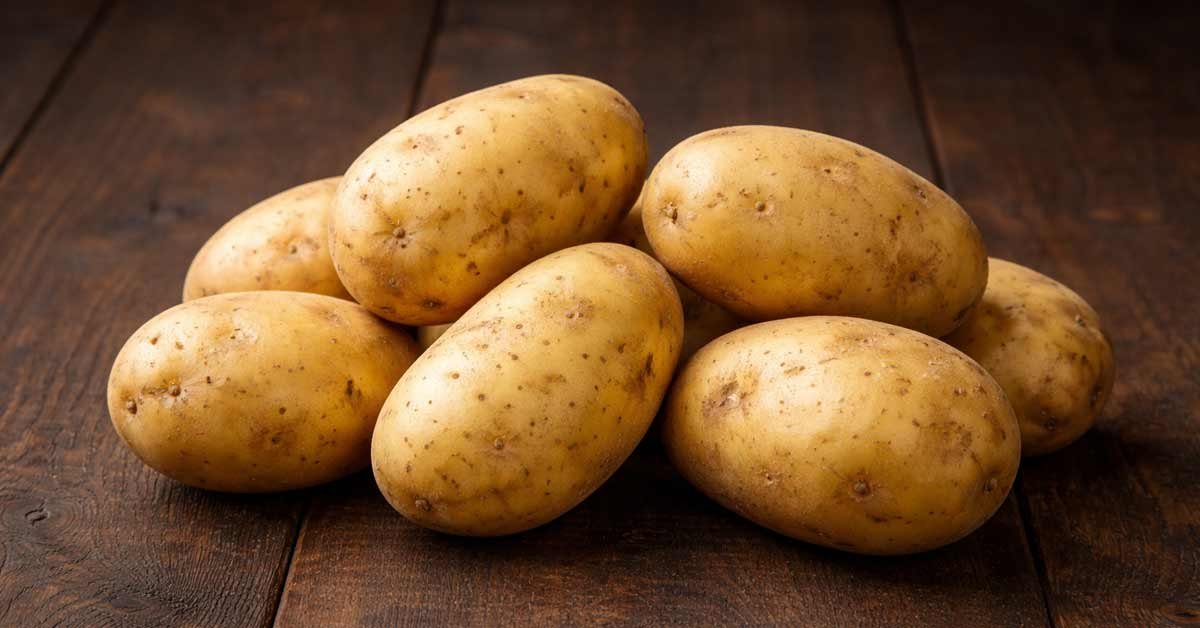
Fueling Life One Potato at a Time
There’s something quietly dependable about a potato. It sits in the background of countless meals, rarely the star, rarely the topic of conversation. Yet when you actually stop and look at what a potato brings to the table, it starts to feel less like a filler and more like a foundation. You don’t build entire food cultures around something unless it delivers, and the potato has been doing exactly that for centuries.
Think about how often you reach for foods that promise quick energy. A snack before heading out. A simple lunch between meetings. Something warm after a long day. In many of those moments, the potato shows up in one form or another. Baked, boiled, roasted, mashed. It adapts without asking for attention. And somehow, it works almost every time.
Table of Contents
At its core, a potato is a starchy vegetable designed to provide energy. That’s not marketing language. It’s biology. The carbohydrates in a potato break down into glucose, which your body uses as fuel. This is the same fundamental process that powers everything from your morning walk to your ability to focus through a long afternoon. What makes the potato interesting is how steady that energy can feel when it’s part of a balanced meal.
You don’t get the same sharp rise and crash that often comes with highly processed foods. Instead, a potato tends to sit in the background, releasing energy at a pace your body can actually use. It’s not dramatic. It’s consistent. And in real life, consistency usually beats intensity.
There’s also a practical side to this that people often overlook. A medium potato provides a meaningful amount of carbohydrates without being complicated to prepare or expensive to buy. That matters. Nutrition advice can get abstract very quickly, but the potato stays grounded. You can wash it, cook it, and eat it without overthinking anything.
Then there’s potassium, which doesn’t get nearly as much attention as it should. Most people associate potassium with bananas, but a potato often contains more of it per serving. That alone tends to surprise people. Potassium plays a key role in fluid balance and muscle function. It helps your body maintain equilibrium in ways that you don’t feel directly, but you would definitely notice if it were missing.
It’s one of those nutrients that works quietly. You’re not going to eat a potato and suddenly feel a surge of something specific. But over time, adequate potassium intake supports how your muscles contract, how your nerves signal, and how your body handles daily physical stress. In other words, it keeps things running smoothly behind the scenes.
When you combine that potassium with the steady energy from carbohydrates, the potato starts to look less like a side dish and more like a tool. Not in a clinical sense, but in a practical, everyday way. It’s food that does its job without needing to be optimized or engineered.
There’s also something worth saying about how the potato fits into real routines. Not ideal routines. Real ones. The kind where you don’t always have time to cook elaborate meals or measure out perfect portions. A potato works in that context because it’s forgiving.
You can:
- Bake it and add whatever you have on hand
- Slice it and roast it with a bit of oil
- Toss it into a soup without changing your entire plan
- Reheat leftovers without losing much of its value
It doesn’t demand precision. It supports consistency.
And maybe that’s part of why the potato has stuck around for so long. It doesn’t rely on trends. It doesn’t need to be rebranded every few years. It simply delivers energy and potassium in a form that people can actually use, day after day.
Of course, not all potatoes are used the same way. Preparation matters. A deep-fried potato behaves very differently in the body compared to a baked or boiled one. That’s not a controversial statement. It’s just a reflection of how added fats and processing change the overall nutritional profile. But when you keep things simple, the potato holds its ground remarkably well.
There’s also a sensory side to it that’s hard to ignore. The warmth of a freshly baked potato. The crisp edges of roasted slices. The softness of a well-made mash. These details might seem secondary, but they influence how often you actually choose to eat something. And if a food is both enjoyable and nutritionally useful, it tends to become part of your routine without much effort.
That’s where the potato really earns its place. It doesn’t force you into a specific eating pattern. It meets you where you are. Whether you’re cooking for one person or a full table, whether you’re planning ahead or improvising, the potato fits in.
Over time, those small, repeated choices start to matter. Choosing a potato instead of something highly processed. Keeping the skin on to retain more nutrients. Pairing it with foods that complement its strengths. None of these decisions are dramatic on their own, but together they shape how you fuel your body.
And that’s really what this comes down to. The potato isn’t trying to be everything. It’s not a miracle food. It doesn’t need to be. What it offers is steady energy, meaningful potassium, and a level of practicality that makes it easy to rely on.
In a world full of complicated nutrition advice, simplicity is worth paying attention to.
Energy Powerhouse: How Potatoes Keep You Going
A potato doesn’t announce itself as an energy food in the way energy bars or sugary snacks do. It doesn’t need to. The way a potato fuels your body is quieter, steadier, and, in many cases, far more useful in real life. If you’ve ever eaten a well-prepared potato and noticed you’re not immediately hungry an hour later, you’ve already felt the difference.
What makes a potato stand out is not just that it provides energy, but how it delivers it. There’s a rhythm to it. Not a spike. Not a crash. Just a gradual release that supports both physical movement and mental focus without demanding constant refueling.
Carbohydrates That Sustain
At the center of the potato’s role in energy is its carbohydrate content. A potato is primarily made up of complex carbohydrates, mostly in the form of starch. When you eat a potato, your body breaks that starch down into glucose, which then enters your bloodstream and becomes available as fuel.
Here’s where things get practical. Your brain relies heavily on glucose. Your muscles use it during movement. Even at rest, your body needs a steady supply to keep everything running. A potato supports that demand in a way that feels stable.
A medium potato contains roughly 30 to 35 grams of carbohydrates. If you break that down:
- 1 gram of carbohydrate provides about 4 kcal of energy
- 35 grams × 4 kcal = 140 kcal from carbohydrates alone
That energy is not delivered all at once. The structure of the starch slows digestion compared to simple sugars. This is why a potato tends to keep you going longer than something like a sugary snack with the same calorie count.
There’s also an important nuance here. The way you prepare a potato changes how quickly those carbohydrates are absorbed. For example:
- A baked potato with skin tends to digest more slowly
- Mashed potatoes, especially when very smooth, can be digested faster
- Pairing a potato with fats or protein slows absorption further
So the potato itself provides the base, but the meal around it shapes the energy curve. That’s useful. It gives you control without needing complicated strategies.
Resistant Starch and Digestive Efficiency
Not all the starch in a potato behaves the same way. Some of it resists digestion in the small intestine and passes into the large intestine. This is called resistant starch, and it changes the conversation around energy in a subtle but meaningful way.
Resistant starch doesn’t turn into glucose immediately. Instead, it becomes a substrate for gut bacteria. These bacteria ferment it and produce short chain fatty acids, which support the health of the gut environment. That might sound like a side benefit, but it ties back into energy more than most people expect.
A well-functioning digestive system improves how efficiently your body extracts and uses nutrients. Over time, that efficiency supports more stable energy levels.
There’s also a practical trick here that often gets overlooked. The amount of resistant starch in a potato increases when it is cooked and then cooled. Think about:
- Boiled potatoes that are chilled and used in a salad
- Roasted potatoes that are stored and eaten later
- Leftover baked potato reheated the next day
The cooling process changes the structure of the starch. Some of it becomes resistant, which slows digestion and moderates how glucose enters the bloodstream.
This doesn’t mean you need to eat cold potatoes all the time. But rotating in cooled and reheated potato dishes can shift how your body experiences that same food. It’s a small adjustment with a noticeable effect over time.
Real Life Energy Examples
All of this sounds good in theory, but it matters more in practice. The potato earns its place because it fits into everyday situations without friction.
Take a simple pre-activity meal. You have a baked potato with a bit of olive oil and salt. Nothing complicated. About an hour later, you go for a long walk or a gym session. You don’t feel heavy, but you also don’t feel like you’re running on empty halfway through. That’s the potato doing its job.
Or think about a workday. You eat a lunch built around roasted potatoes, vegetables, and a source of protein. The afternoon feels manageable. You’re not constantly looking for snacks. Your focus lasts longer than it would after a quick, refined-carbohydrate meal.
Even something as simple as breakfast can shift. A leftover potato, sliced and pan-heated with eggs, creates a meal that carries you through the morning. No urgency to grab something sugary mid-morning. No sudden drop in energy.
There’s also a reason endurance athletes often include potatoes in their routines. It provides accessible carbohydrates without excessive sweetness or processing. During longer efforts, the body benefits from a steady glucose supply. A potato supports that without overwhelming the system.
For everyday life, you don’t need to think like an athlete. But the same principles apply:
- Steady carbohydrate intake supports consistent energy
- Slower digestion reduces sudden hunger
- Combining potato with other whole foods improves balance
Over time, these patterns shape how you feel across the day. Not in dramatic swings, but in subtle stability. Fewer dips. Less urgency. More control.
The potato doesn’t try to outperform every other food. It simply provides reliable energy in a form your body understands. And when you start paying attention to how that feels, it becomes harder to dismiss it as just a side dish.
Potassium in Potatoes: The Unsung Hero
If energy is the obvious strength of a potato, potassium is the quiet one that tends to get ignored. It doesn’t come with strong marketing. It doesn’t show up in bold claims. Yet when you look at what actually supports day-to-day function inside the body, potassium starts to feel less like a detail and more like a foundation.
A potato delivers a meaningful amount of potassium in a form that’s easy to absorb and even easier to include in meals. That matters because potassium intake is often lower than recommended in many diets. And unlike some nutrients that require careful planning, this is one you can improve with very simple choices.
Understanding Potassium’s Role
Potassium is an electrolyte. That word gets thrown around a lot, but the function is straightforward. It helps regulate fluid balance, supports nerve signals, and allows muscles to contract properly. Every time your heart beats, every time a muscle tightens and relaxes, potassium is involved.
A medium potato contains roughly 600 to 900 mg of potassium, depending on size and variety. To put that into context:
- The general recommended intake for adults is around 3500 mg per day
- One potato can provide about 15 to 25 percent of that target
That’s a significant contribution from a single, accessible food.
What makes potassium interesting is that its effects are cumulative and often unnoticed until something is off. Adequate intake supports:
- Normal muscle function
- Balanced fluid levels inside and outside cells
- Proper nerve transmission
- Stable internal conditions during physical effort
You’re not going to feel potassium working in real time. There’s no immediate feedback. But over time, consistent intake supports how smoothly your body handles both rest and activity.
There’s also a balance at play. Potassium works alongside sodium. Modern diets tend to be high in sodium and relatively low in potassium. A potato helps shift that balance in a more favorable direction without requiring drastic changes.
How Cooking Impacts Potassium
The way you prepare a potato has a direct effect on how much potassium you actually get. This is one of those details that’s easy to overlook but makes a measurable difference.
Potassium is water-soluble. That means it can leach out of the potato into cooking water. So when you boil a potato and then discard the water, some of that potassium goes with it.
Here’s how common methods compare:
- Boiling: can lead to noticeable potassium loss, especially if the potato is cut into smaller pieces
- Steaming: retains more potassium because there is less direct contact with water
- Baking: preserves most of the potassium since there is no water loss
- Microwaving: similar to baking in terms of nutrient retention
Keeping the skin on also matters. A portion of the potassium sits close to the skin, and peeling removes some of that before you even start cooking.
This doesn’t mean boiling is a bad method. It just means you should be aware of the tradeoff. If boiling is your preference, using larger pieces or even the whole potato can reduce nutrient loss.
There’s also a practical angle. Many traditional dishes involve boiling potatoes and then combining them with other ingredients. In those cases, the overall meal can still provide solid potassium intake. The key is consistency across your diet rather than perfection in a single dish.
Simple Strategies to Maximize Intake
Getting more potassium from a potato doesn’t require complicated planning. Small adjustments in how you choose, prepare, and combine foods can make a clear difference.
Here are a few approaches that work in real life:
- Choose cooking methods that retain nutrients
Baking or roasting a potato with the skin on keeps most of its potassium intact. It’s simple and reliable. - Use the whole potato when possible
The skin adds both potassium and fiber. Scrub it well and keep it on unless a recipe truly requires peeling. - Combine potato with other potassium rich foods
Pairing potato with foods like spinach, beans, or yogurt increases total intake without extra effort. - Reuse cooking water when appropriate
In soups or stews, the water used to cook a potato becomes part of the dish, so the potassium stays in the meal. - Keep portions realistic but consistent
You don’t need large amounts. A medium potato a few times a week already contributes meaningfully.
There’s also a behavioral side to this. Foods that are easy to prepare and enjoyable to eat are the ones that stick. A roasted potato with olive oil and herbs takes minimal effort. A simple potato salad made from cooled potatoes adds variety. These are habits, not interventions.
Over time, these habits build a steady intake of potassium without requiring tracking or strict rules. That’s where the potato proves its value again. It fits into daily life without friction, while quietly supporting functions that keep everything running as it should.
When you start looking at food this way, the potato shifts from being just a source of energy to something more balanced. It fuels you, yes, but it also supports the internal systems that make that energy usable. And that combination is harder to find than it seems.
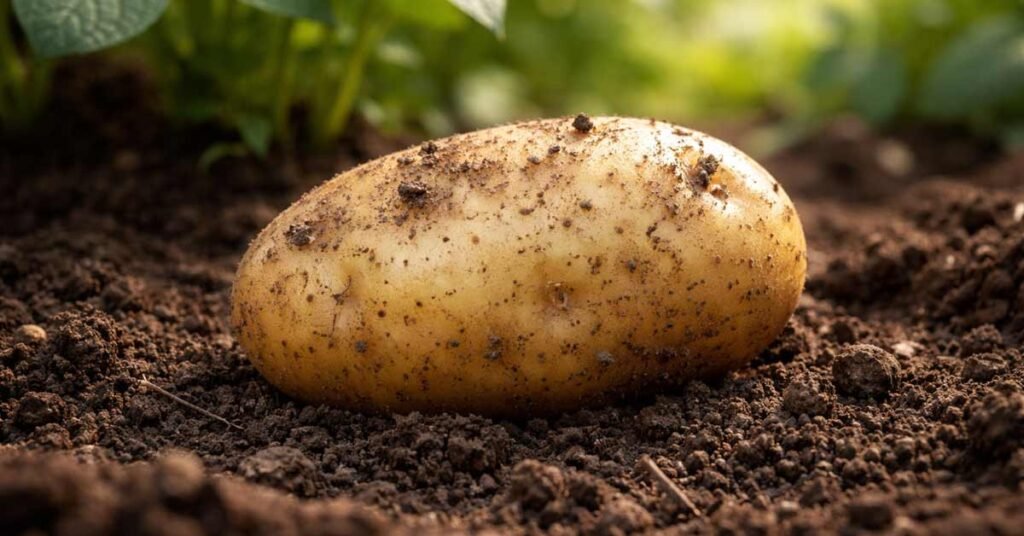
Beyond Energy and Potassium: The Everyday Benefits of Potatoes
It’s easy to reduce a potato to two things: energy and potassium. That’s usually where the conversation stops. But if you spend a little more time looking at what a potato actually brings to your plate, you start to notice a broader picture. It’s not just fuel. It’s a combination of nutrients that quietly support how your body functions day to day, without demanding attention.
What stands out is how integrated those benefits are. You’re not eating a potato for one isolated reason. You’re getting a mix of vitamins, minerals, and compounds that work together in ways that feel subtle but add up over time. And because a potato is so easy to include in meals, those small contributions tend to be consistent.
Vitamins, Minerals, and Phytonutrients
A potato doesn’t always get credit for being nutrient dense, but it holds its own when you look beyond the surface. Alongside potassium, it provides a range of vitamins and minerals that support everyday processes.
Vitamin C is one of the more surprising ones. A medium potato can provide a meaningful portion of daily vitamin C intake. That matters because vitamin C supports tissue maintenance and plays a role in protecting cells from oxidative stress. You don’t need to rely only on fruit to get it. A well prepared potato contributes more than most people expect.
Then there are the B vitamins, particularly vitamin B6. This nutrient is involved in how your body processes amino acids and supports normal nervous system function. Again, nothing dramatic in the moment, but essential over time.
You also get smaller amounts of minerals like magnesium and iron. Not in high concentrations, but enough to contribute when the potato is part of a varied diet.
What often gets overlooked are phytonutrients. These are naturally occurring compounds found in plant foods. In potatoes, especially colored varieties like red or purple, these include polyphenols and carotenoids. They interact with cellular processes in ways that support overall balance in the body.
It’s not about treating a potato like a superfood. It’s about recognizing that it delivers more than just starch. When eaten regularly, these nutrients layer into your diet without requiring extra effort.
Digestive Support Through Fiber
Fiber is one of those things people know they need, but often struggle to include consistently. This is where the potato becomes quietly useful again.
A potato with the skin on provides both soluble and insoluble fiber. The exact amount varies, but a medium potato typically offers around 2 to 4 grams. That may not seem like much, but it contributes meaningfully when combined with other whole foods.
Here’s how that fiber works in practice:
- Insoluble fiber supports movement through the digestive tract
- Soluble fiber interacts with water to form a gel like substance, which can help regulate digestion
- Both types contribute to a more stable gut environment over time
And then there’s the interaction with resistant starch, especially in cooked and cooled potato. Together, fiber and resistant starch support beneficial gut bacteria. This doesn’t produce instant results, but over weeks and months, it helps maintain digestive consistency.
What makes the potato effective here is not that it delivers extreme amounts of fiber. It’s that it’s easy to eat regularly. A bowl of roasted potato, a simple salad, or even leftovers reheated the next day all contribute without feeling like a dietary adjustment.
There’s also a behavioral advantage. Fiber from whole foods tends to be better tolerated than large amounts from supplements. It’s integrated into meals, not added on top of them. That makes it more sustainable.
Culinary Creativity and Practicality
This is where the potato really separates itself from many other nutrient sources. It’s not just what it contains. It’s how easily it fits into daily life.
You don’t need specialized recipes or rare ingredients. A potato adapts to what you already have. That flexibility increases the likelihood that you’ll actually eat it, which is what makes any nutritional benefit meaningful.
A few simple approaches show how practical it is:
- Roast chopped potatoes with olive oil, salt, and whatever herbs are available
- Bake a whole potato and add yogurt, vegetables, or legumes
- Slice leftover potatoes and reheat it in a pan for a quick meal
- Add potato to soups or stews for texture and substance
There’s also room for variety without complexity. Different types of potatoes bring slightly different textures and flavors. Waxy potatoes hold their shape better. Starchy ones become soft and fluffy. You can adjust based on what you want from the meal without changing your overall approach.
From a sensory perspective, the potato helps meals feel complete. The texture, the warmth, the mild flavor that pairs with almost anything. These details matter more than they seem. If a food is satisfying, you’re more likely to return to it.
And that’s the point where practicality meets consistency. You don’t need perfect planning. You need foods that work when you’re busy, when you’re tired, and when you don’t feel like thinking too much about what to cook.
The potato handles those moments well. It supports energy, provides potassium, adds fiber, and provides a range of micronutrients. All without requiring precision or effort that most people can’t sustain.
Over time, that ease becomes a pattern. And patterns are what shape how you eat, far more than isolated choices.
Best Selling Potato Related Products





Potato as a Daily Habit: Small Changes, Lasting Impact
There’s a difference between knowing a food is useful and actually eating it often enough to matter. That gap is where most good intentions fall apart. The potato closes that gap almost effortlessly. It doesn’t ask for precision, strict timing, or a complete overhaul of how you eat. It just needs to show up regularly.
And that’s really the shift. Not thinking of a potato as something you eat occasionally, but something that quietly becomes part of your routine. When that happens, the benefits stop being theoretical. They become part of how you feel day to day.
A potato fits into daily life because it works under real conditions. You’re busy. You don’t always plan meals in advance. Some days you cook, some days you improvise. The potato handles all of that without resistance.
You can keep it simple:
- Bake a potato while you do something else
- Roast a tray and use it across multiple meals
- Boil a few and keep them in the fridge for quick use
- Add a potato to whatever you’re already cooking
No special system. No extra thinking.
What starts to change is consistency. And consistency is where both energy and potassium intake begin to stabilize.
From an energy perspective, including a potato in meals creates a more predictable rhythm. Instead of relying on quick fixes that come and go, you’re giving your body a steady source of carbohydrates it can use over time. That shows up in small ways:
- Fewer sudden dips in energy during the day
- Less need to snack impulsively
- More stable focus during long tasks
It’s not dramatic. It’s reliable. And reliability tends to win over time.
Then there’s potassium. A potato contributes a meaningful amount without requiring effort. If you include a potato a few times per week, the numbers start to add up.
Let’s keep it grounded with simple math:
- One medium potato: about 700 mg potassium on average
- Three potatoes per week: 700 mg × 3 = 2100 mg
- Daily average from that habit: 2100 mg ÷ 7 ≈ 300 mg per day
That’s a steady contribution toward a daily target of around 3500 mg. And it happens without tracking, measuring, or planning your entire diet around it.
This is where small habits start to matter. You’re not trying to solve everything with one food. You’re building a baseline.
There’s also a practical advantage in how a potato supports meal structure. It gives you something solid to build around. When you include a potato, the rest of the meal tends to organize itself more easily. You add vegetables, maybe a protein source, a bit of fat. Without overthinking it, you end up with something balanced.
It also helps with satiety. Meals that include a potato often feel complete. That reduces the tendency to keep searching for something else right after eating. Over time, that alone can reshape how you approach food.
And then there’s the flexibility, which is probably the most underrated part. A potato doesn’t lock you into a specific way of eating.
You can:
- Keep it minimal with just salt and olive oil
- Turn it into a full meal with toppings
- Use leftovers without losing value
- Adjust portions based on your needs
That flexibility makes it easier to stick with. Foods that require strict rules tend to fade out. Foods that adapt tend to stay.
There’s also a psychological layer to this. When something is easy and familiar, you don’t resist it. You don’t negotiate with yourself about whether to include it. It becomes automatic. And once a potato becomes automatic, everything it provides, energy, potassium, fiber, micronutrients, becomes automatic too.
It’s worth saying that preparation still matters. A potato that’s heavily processed or deep fried behaves differently than one that’s baked or roasted. That’s not a moral judgment. It’s just a practical distinction. If the goal is to build a steady habit that supports your body, simpler methods tend to work better.
But even here, the potato doesn’t demand perfection. It allows for variation. Some meals will be cleaner, others less so. What matters is the overall pattern.
Over weeks and months, these small choices start to accumulate. You don’t notice it in a single day. But you might notice:
- You feel more stable between meals
- Your routine feels easier to maintain
- You rely less on highly processed options
That’s the effect of a habit that fits your life instead of fighting it.
The potato earns its place not by being exceptional in one category, but by being dependable across several. It provides energy you can use, potassium that supports internal balance, and enough versatility to keep it in rotation without effort.
When something checks all those boxes, it doesn’t need to be forced. It becomes part of how you eat. And once that happens, the benefits take care of themselves.
Article Sources
At AncientHerbsWisdom, our content relies on reputable sources, including peer-reviewed studies, to substantiate the information presented in our articles. Our primary objective is to ensure our content is thoroughly fact-checked, maintaining a commitment to accuracy, reliability, and trustworthiness.
- Burlingame, B., Mouillé, B., & Charrondière, R. (2009). Nutrients, bioactive non-nutrients and anti-nutrients in potatoes. Journal of Food Composition and Analysis, 22(6), 494–502. https://doi.org/10.1016/j.jfca.2009.09.001
- Camire, M. E., Kubow, S., & Donnelly, D. J. (2009). Potatoes and human health. Critical Reviews in Food Science and Nutrition, 49(10), 823–840. https://doi.org/10.1080/10408390903041996
- Drewnowski, A., & Rehm, C. D. (2013). Vegetable cost metrics show that potatoes and beans provide most nutrients per penny. PLoS ONE, 8(5), e63277. https://doi.org/10.1371/journal.pone.0063277
- Gibson, S., Kurilich, A. C., & Olson, J. A. (2013). The nutritional value of potatoes and potato products in the UK diet. Nutrition Bulletin, 38(4), 389–399. https://doi.org/10.1111/nbu.12056
- King, J. C., & Slavin, J. L. (2013). White potatoes, human health, and dietary guidance. Advances in Nutrition, 4(3), 393S–401S. https://doi.org/10.3945/an.112.003525
- Slavin, J. L. (2013). Carbohydrates, dietary fiber, and resistant starch in white vegetables: Links to health outcomes. Advances in Nutrition, 4(3), 351S–355S. https://doi.org/10.3945/an.112.003491
- United States Department of Agriculture. (2023). Potatoes, raw, flesh and skin. FoodData Central. https://fdc.nal.usda.gov/fdc-app.html#/food-details/170379/nutrients
- World Health Organization. (2012). Guideline: Potassium intake for adults and children. https://www.who.int/publications/i/item/9789241504824
- Beals, K. A. (2019). Potatoes, nutrition and health. American Journal of Potato Research, 96(2), 102–110. https://doi.org/10.1007/s12230-018-09705-4

- Zucchini: Hydrating Vegetable for Digestion and Heart - April 6, 2026
- Yams: Energy Rich Root for Fiber - April 6, 2026
- Turnip: Root Vegetable for Digestion and Vitamin C - April 6, 2026