
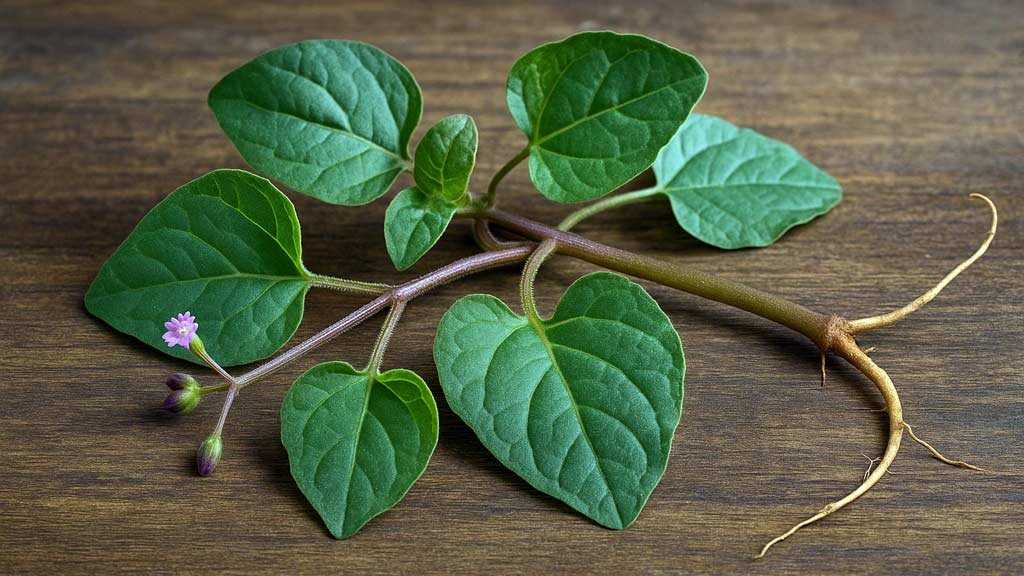
The Unsung Hero of Ayurvedic Medicine
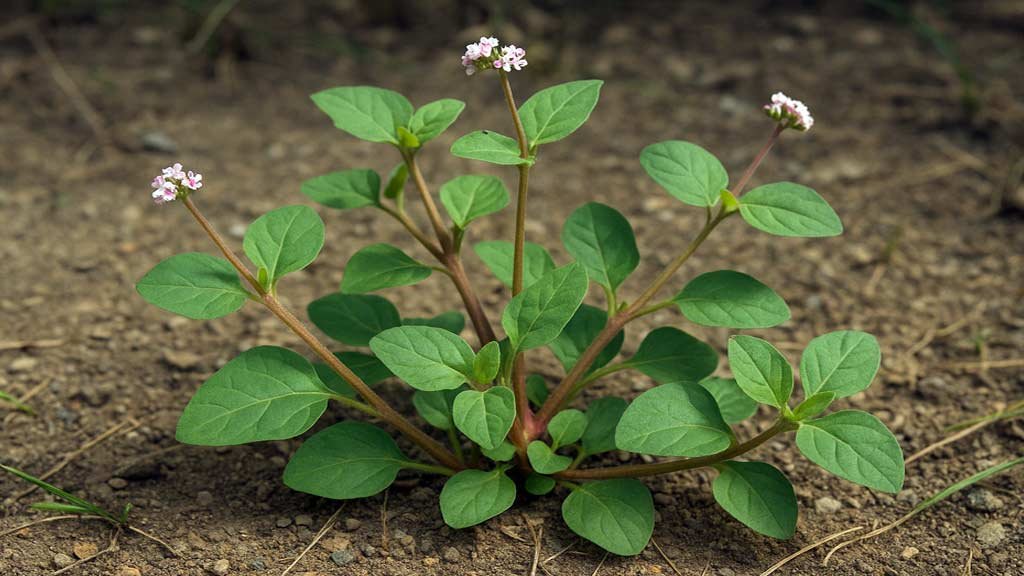
Punarnava, scientifically known as Boerhavia diffusa, doesn’t exactly scream “superstar” when you first see it. Thin stems, small pink flowers, and sprawling leaves—honestly, you could walk past it without a second glance. Yet this modest plant has quietly earned a legendary status in Ayurvedic medicine. Its name, Punarnava, literally means “that which renews the body,” and if you dig into its history and use, you start to see why.
Table of Contents

A Peek into Punarnava’s History
For centuries, Ayurvedic practitioners have praised it for supporting kidney, liver, and heart health. In Sanskrit texts, it’s described as a rejuvenative herb, often paired with other herbs to promote overall vitality. Traditional healers used it for swelling, fluid retention, and digestive complaints. They valued its subtle but pervasive ability to restore balance—a gentle nudge rather than a harsh push.
Imagine ancient herbalists traveling across villages, carrying bundles of Punarnava, knowing its leaves could ease someone’s bloated stomach or support liver function after a feast. That’s the kind of intimate, hands-on knowledge that modern science is finally catching up to.
How Punarnava Works in the Body
This herb contains a rich array of phytochemicals: flavonoids, alkaloids, glycosides, and more. Among these, punarnavine stands out. This alkaloid is believed to contribute to the herb’s diuretic, anti-inflammatory, and hepatoprotective properties. In simple terms, it can help flush excess water from the body, reduce swelling, and protect liver cells from damage.
Mechanisms of Action
- Diuretic effect: Encourages the kidneys to excrete excess fluids, helping with edema and water retention.
- Hepatoprotective activity: Supports liver detoxification and regeneration.
- Anti-inflammatory properties: Reduces cellular inflammation, potentially aiding joint and tissue health.
- Antioxidant effects: Neutralizes harmful free radicals, slowing oxidative stress in organs.
It’s a multitasker, really. Not flashy like a stimulant or sedative, but steady, reliable, and quietly effective.
Traditional Uses
Punarnava has been widely used in Ayurveda for:
- Reducing swelling in the body (edema)
- Supporting kidney function, including mild urinary disorders
- Promoting liver health and aiding detoxification
- Supporting digestive health, including bloating and constipation
- Balancing Vata and Kapha doshas in the body
Ayurvedic texts often describe it as a rejuvenative tonic, not a quick fix. There’s a subtle philosophy here: wellness is about consistent support, about maintaining the body’s harmony over time.
Modern Research and Evidence
Recent studies have begun to validate many traditional claims. Research shows Punarnava exhibits diuretic and anti-inflammatory activity in lab settings, confirming its traditional use for swelling and edema. Some studies also suggest it has hepatoprotective effects, protecting liver tissue from damage caused by toxins or oxidative stress.
For example, animal studies demonstrate:
- Reduced kidney swelling and improved kidney function in models of renal stress
- Protection of liver enzymes, indicating less cellular damage
- Decreased markers of inflammation, suggesting anti-inflammatory potential
While more human clinical trials are needed, the data so far is promising.
How Punarnava Feels and Works in Practice
Unlike stimulating herbs, Punarnava’s effects are gentle. Users often report:
- Mild reduction in bloating and fluid retention
- Feeling lighter after a few weeks of consistent use
- Improved digestion and a subtle sense of rejuvenation
It’s not the kind of herb that delivers an instant “wow” moment. Its power lies in gradual, cumulative benefits. You might think of it as a quiet friend who helps tidy up your body’s internal environment without fanfare.
Forms
You can use Punarnava in multiple ways:
- Fresh leaves: Often made into a decoction or juice.
- Dried powder: Added to teas or mixed with honey.
- Capsules and tablets: Standardized extracts for precise dosing.
- Tinctures: Alcohol or glycerin-based extracts for concentrated use.
Traditional preparation sometimes involved combining it with other herbs, like Guduchi or Amalaki, to enhance its rejuvenating effects.
Safety and Precautions
It is generally considered safe when used appropriately, but a few precautions exist:
- Avoid excessive doses, especially if taking other diuretics.
- Consult a healthcare professional if you have kidney or liver disease.
- Monitor for mild gastrointestinal upset or diarrhea at high doses.
- Pregnant or breastfeeding women should avoid high-dose use unless under professional guidance.
It’s a gentle herb, but like any medicine, respect and mindfulness matter.
Comparisons with Other Ayurvedic Herbs
Punarnava often gets compared with other diuretic and liver-supportive herbs:
- Gokshura (Tribulus terrestris): Primarily for urinary tract support; less hepatoprotective.
- Bhumiamalaki (Phyllanthus niruri): Liver-protective; stronger antioxidant effects.
- Triphala: Digestive and mild diuretic support, often used synergistically with Punarnava.
Unlike some herbs that have a single dominant action, Punarnava multitasks—kidney, liver, and anti-swelling. That makes it versatile and valuable in long-term wellness regimens.
Integrating It into Daily Life
For someone exploring Ayurvedic herbs, Punarnava can become part of a daily routine:
- Start with a small dose of powdered herb in warm water or tea.
- Observe your body’s response over 1–2 weeks.
- Pair it with hydrating fluids and a balanced diet to support kidney and liver function.
- Consider combining it with complementary herbs under guidance for synergistic effects.
Consistency is key. Herbs like Punarnava aren’t “quick fixes”; they’re allies for ongoing support.
Cultural and Ecological Significance
This plant grows widely in India and parts of Southeast Asia. Beyond its medicinal value, it’s part of the local ecosystem, supporting pollinators and thriving in less-than-ideal soils. Culturally, its use embodies Ayurvedic principles: working with nature’s rhythm, supporting the body’s inherent wisdom, and valuing preventive care over reactive measures.
Respecting the plant—its growth cycles, harvest methods, and traditional knowledge—is part of the holistic experience of using Punarnava.
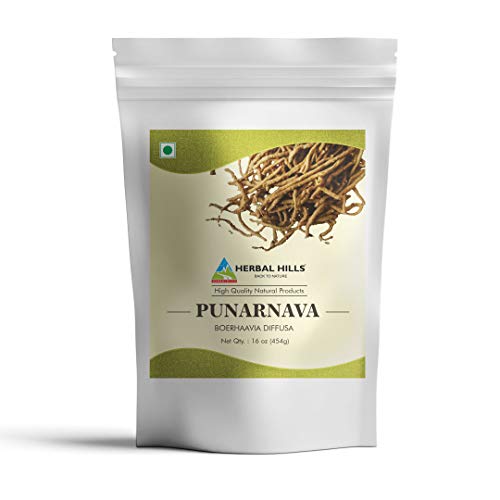
Best Selling Punarnava Supplements



Final Thoughts
Punarnava is a quiet powerhouse. It’s not flashy or intoxicating, but it has a steady, nurturing effect that supports kidney, liver, and fluid balance while offering anti-inflammatory and antioxidant benefits. For those who value subtlety, consistency, and holistic wellness, it’s a herb worth exploring.
It’s a reminder that sometimes the most effective solutions aren’t dramatic—they’re persistent, gentle, and quietly transformative.
Article Sources
At AncientHerbsWisdom, our content relies on reputable sources, including peer-reviewed studies, to substantiate the information presented in our articles. Our primary objective is to ensure our content is thoroughly fact-checked, maintaining a commitment to accuracy, reliability, and trustworthiness.
- Das, S., et al. (2023). Ethnomedicinal values of Boerhavia diffusa L. as a potential kidney, heart, and liver stimulant. Pharmacognosy Reviews, 17(34), 106–115. https://pmc.ncbi.nlm.nih.gov/articles/PMC10682173/
- Patel, N. (2025). A comprehensive review of the phytochemistry and pharmacology of Boerhavia diffusa. ScienceDirect. https://www.sciencedirect.com/science/article/pii/S0367326X25002242
- Agrawal, S., et al. (2011). Medicinal uses of Boerhavia diffusa: A review. Journal of Medicinal Plants Studies, 1(1), 1–6. https://www.researchgate.net/publication/267614290_Medicinal_uses_of_Boerhavia_diffusa_A_review
- Apollo 247. (2025). Punarnava (Boerhavia diffusa) benefits: Kidney, liver, and heart health. https://www.apollo247.com/health-topics/general-medical-consultation//punarnava-boerhavia-diffusa-benefits-how-to-use
- Bajaj Finserv. (2025). Health benefits of Boerhavia diffusa. https://www.bajajfinserv.in/insurance/health-benefits-of-punarnava
- Gaur, P. K., et al. (2022). Correlation between phytocompounds and therapeutic properties of Boerhavia diffusa. ScienceDirect. https://www.sciencedirect.com/science/article/pii/S266703132200046X
- Kumar, R., et al. (2023). Review on Punarnava (Boerhavia diffusa): Pharmacological and therapeutic potentials. International Journal of Pharmaceutical Sciences and Research, 14(1), 1–12. https://ijprajournal.com/issue_dcp/Review%20on%20punarnava%20Boerhaviadiffusa.pdf
- 1mg. (2022). Boerhavia diffusa: Benefits, precautions, and dosage. https://www.1mg.com/ayurveda/punarnava-158
- Easy Ayurveda. (2014). Punarnava (Boerhavia diffusa): Benefits, dose, side effects. https://www.easyayurveda.com/2014/11/17/punarnava-boerhavia-diffusa-benefits-dose-side-effects/
- Zandu Care. (2024). Punarnava herb: Uses, benefits, nutrients & side effects. https://zanducare.com/blogs/exploring-ayurveda/uses-of-punarnava-a-natural-remedy-for-wellness

- Nectarine: Stone Fruit for Heart Health and Antioxidants - March 8, 2026
- Peach: Hydrating Fruit for Skin Health and Digestion - March 8, 2026
- Plum: Fiber-Rich Fruit for Digestion and Heart Health - March 8, 2026
