
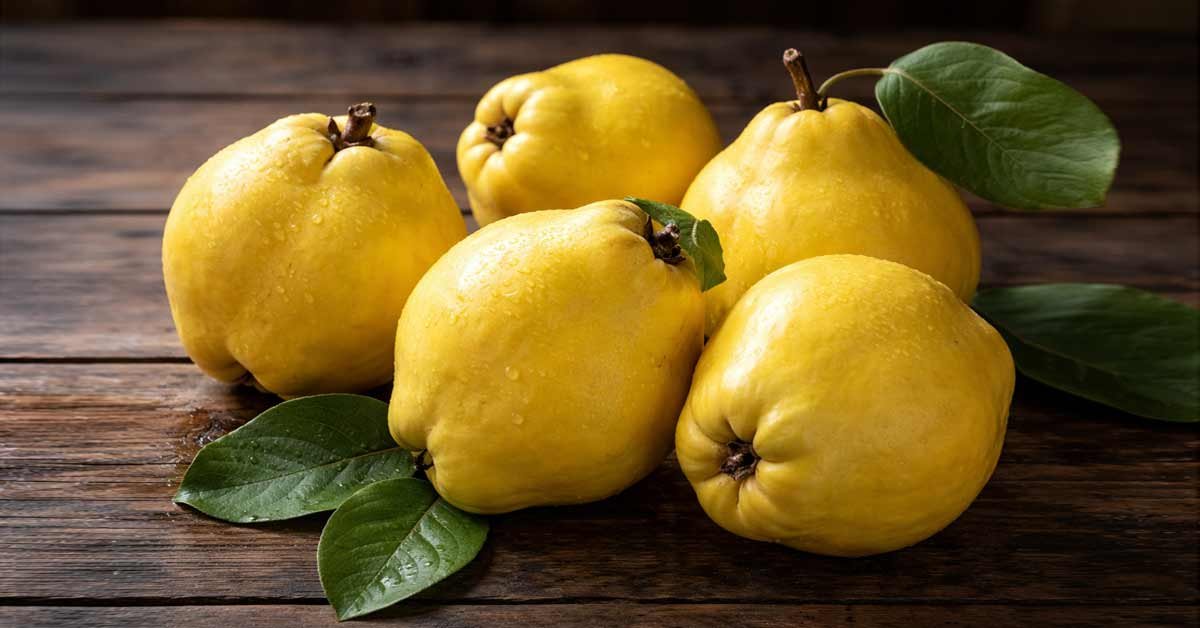
When Aroma Meets Function: Why Quince Still Deserves Attention
Walk past a bowl of ripe quince and you notice it before you even see it. That dense, floral aroma. Somewhere between apple, pear, and something older, almost nostalgic. Quince has always had that effect. It doesn’t try too hard, but it stays with you. And yet, despite that presence, quince sits quietly on the sidelines of modern eating habits.
You rarely see someone grab a quince the way they reach for an apple. It’s not as convenient. It’s firm, sometimes stubborn, and often needs cooking before it reveals its best side. But that small barrier might be exactly why quince deserves a closer look. Foods that ask for a bit of effort tend to give something back in return.
Table of Contents
There’s a long history behind quince. It’s been used across Mediterranean and Middle Eastern cultures for centuries, often tied to digestion and seasonal eating. Not in a dramatic, miracle-food kind of way. More in the background. Something people relied on without needing to explain why. That kind of quiet consistency tends to matter more than trends.
From a nutritional standpoint, quince brings together two things that rarely get equal attention at the same time: digestion support and antioxidants. Most foods lean heavily into one story. Quince sits somewhere in between.
Take digestion. Many people think of fiber in simple terms. Eat more, things move better. That’s part of it, but it’s not the full picture. Quince contains a mix of soluble fiber, including pectin, which behaves differently once it reaches your gut. It forms a gel-like structure that slows things down slightly. That might sound counterintuitive, but slowing digestion in the right way can actually improve how your body handles nutrients.
Then there’s the antioxidant side. The word gets thrown around a lot, usually without context. In reality, antioxidants are less about fighting something dramatic and more about managing the small, constant stress your body deals with every day. Pollution, processed foods, lack of sleep. It all adds up quietly. Quince contains polyphenols that participate in this balancing act. Not aggressively, not instantly, but consistently.
What makes quince interesting is how these two roles overlap. Better digestion can influence how antioxidants are absorbed and used. And antioxidant compounds can support the gut environment itself. It’s not two separate benefits. It’s a system that works together, even if you don’t notice it day to day.
There’s also something practical to consider. Quince isn’t a snack food in the usual sense. You don’t eat it mindlessly. You prepare it. You cook it slowly, often with water and heat transforming its texture and color into something softer, almost amber-like. That process alone changes how you interact with food. It slows you down, even briefly.
And that shift matters more than it seems. Eating habits aren’t just about nutrients. They’re shaped by routines, timing, and attention. A food like quince naturally inserts a pause into that system. You think about it. You prepare it. You eat it with more awareness, even if just slightly.
Some people remember quince from childhood. A jam, a paste, something served occasionally and then forgotten. Others have never really tried it, maybe put off by how hard it feels compared to more familiar fruits. That hesitation is understandable. But it also means there’s untapped value sitting there, mostly ignored.
If you look at how people try to improve digestion or increase antioxidant intake, the approach is often fragmented. A supplement here, a quick fix there. Quince doesn’t fit into that mindset. It’s slower, more integrated. It asks for consistency rather than intensity.
You won’t feel something dramatic after eating quince once. That’s not how it works. But include quince regularly, even in small amounts, and the effects start to make more sense. Subtle shifts. More predictable digestion. A general sense that your body is handling things a bit more smoothly.
There’s also the question of taste. Raw quince can be a bit too sharp, almost astringent. But once cooked, it softens, both in texture and flavor. It becomes something else entirely. Slightly sweet, gently tart, with that same aroma still present but more rounded. It’s the kind of transformation that feels earned.
And maybe that’s part of why quince has lasted this long. It adapts. It changes with preparation, but it keeps its core qualities intact. That balance between structure and flexibility shows up nutritionally as well.
In a food landscape that often prioritizes speed and convenience, quince moves in the opposite direction. It’s slower, quieter, and more deliberate. But those traits might be exactly what make it relevant now.
You don’t need to overhaul your diet to make space for quince. You just need to notice it again.
Quince and Digestion: What Actually Happens Inside
Quince doesn’t approach digestion in an obvious way. It’s not the kind of fruit people associate with immediate relief or quick fixes. Instead, quince works more quietly, shaping how your digestive system behaves over time. And once you understand what’s actually happening inside, it becomes easier to see why this fruit has held its place in traditional diets for so long.
There’s no single mechanism behind it. Digestion is influenced by structure, timing, microbial balance, and how your body responds to different compounds. Quince touches several of these at once, which is where its real value sits.
Fiber Composition and Its Role in Gut Function
The first thing to look at is fiber, but not in the simplified “more is better” sense. Quince contains a meaningful amount of soluble fiber, particularly pectin. That detail matters.
Soluble fiber behaves differently from insoluble fiber. Once it reaches your digestive tract, it absorbs water and forms a gel-like substance. This changes how food moves through your system.
Here’s what that actually means in practice:
- It slows gastric emptying, so food leaves your stomach more gradually
- It creates a more stable environment for nutrient absorption
- It supports smoother, more predictable bowel movements
- It feeds beneficial gut bacteria, acting as a prebiotic
That last point is often overlooked. Your gut microbiota relies on fermentable fibers like pectin. When these fibers are broken down, they produce short-chain fatty acids such as butyrate, acetate, and propionate. These compounds support the cells lining your colon and help maintain gut integrity.
You don’t feel this process directly. There’s no immediate signal. But over time, it can translate into fewer digestive fluctuations. Less of that unpredictable feeling after meals. More consistency.
Quince also contains some insoluble fiber, though in smaller amounts. This adds bulk and helps maintain movement through the intestines. The combination of soluble and insoluble fiber creates a kind of balance. One slows things down where needed, the other keeps things moving.
That balance is where digestion tends to work best.
Natural Compounds That Support Digestive Comfort
Fiber explains part of the story, but quince also contains bioactive compounds that interact with your digestive system in more subtle ways.
Polyphenols, which are responsible for many of quince’s antioxidant properties, also play a role in gut function. Some of these compounds have been studied for their interaction with gut bacteria, showing the ability to influence microbial composition. Not in a drastic way, but enough to support a healthier balance over time.
There are also tannins present in quince, especially when it’s raw. Tannins have an astringent quality. You can feel it immediately if you try raw quince. That dry, tightening sensation in your mouth. Inside the digestive tract, this astringency can have a mild binding effect.
In practical terms, that can mean:
- Reduced irritation in certain digestive contexts
- A stabilizing effect when digestion feels too loose or irregular
- A slight calming influence on the gut lining
This is one of the reasons quince has traditionally been used in cooked forms for digestive comfort. It’s not about stopping digestion or slowing it excessively. It’s about creating a more controlled environment.
Another aspect worth paying attention to is the mucilage content found in quince seeds. When soaked, the seeds release a gel-like substance. While most people don’t consume the seeds directly, this property highlights the fruit’s broader interaction with water and texture. That same tendency shows up, to a lesser extent, in the flesh when cooked.
Texture matters more than people think. Softer, hydrated foods are generally easier to process, especially when digestion is already under some strain.
Cooked vs Raw Quince: Does Preparation Change the Effect?
This is where quince becomes more interesting. Unlike many fruits, quince is rarely eaten raw in large amounts. It’s too firm, too astringent, and not particularly pleasant for most people in that state. Cooking changes that completely.
And it doesn’t just change the taste.
When you cook quince, several things happen at once:
- The cell walls break down, making the fruit easier to digest
- The pectin becomes more available and forms a softer gel
- The tannins decrease, reducing astringency
- The overall texture becomes smoother and less demanding on the digestive system
From a digestion perspective, cooked quince is generally more accessible. Your body doesn’t have to work as hard to break it down. This can be especially useful if your digestion feels sensitive or inconsistent.
There’s also a shift in how quickly the fruit moves through your system. Raw quince, because of its density and structure, can feel heavy. Cooked quince feels lighter, even though the fiber is still there. It’s just been transformed into a form your body can handle more efficiently.
That doesn’t mean raw quince has no value. In small amounts, it provides a more concentrated form of certain compounds, including tannins and some polyphenols. But for most people, and especially for regular use, cooked quince makes more sense.
Think about it this way. If the goal is consistency, then preparation matters. A food that’s theoretically beneficial but difficult to eat regularly won’t have much real impact.
Cooking quince doesn’t reduce its role in digestion. If anything, it refines it. It shifts the fruit from something challenging into something supportive.
And that’s really the pattern you see with quince overall. It’s not extreme. It doesn’t push your system in one direction. It creates conditions where digestion can function more smoothly, with less friction.
You don’t need to analyze every meal to notice that difference. Over time, it becomes obvious on its own.
Antioxidants in Quince: More Than Just a Fragrant Fruit
Quince isn’t just a fragrant curiosity; it quietly delivers compounds that interact with your body’s chemistry in subtle but meaningful ways. People often hear “antioxidants” and imagine an immediate shield against illness, but the reality is less dramatic and more persistent. In quince, antioxidants act like a quiet team supporting balance, protecting cells, and complementing digestion. Understanding how these compounds work can clarify why this fruit deserves a regular spot in your routine.
Key Polyphenols and Their Function in the Body
The star players in quince’s antioxidant profile are polyphenols. These naturally occurring compounds are part of a broader class found in many fruits, vegetables, and plant-based foods, but quince is notable for a few specific types, including flavonoids and phenolic acids.
Flavonoids in quince include quercetin, kaempferol, and catechins, all of which have been studied for their ability to interact with free radicals. Phenolic acids, such as chlorogenic acid, also appear in meaningful amounts. These compounds don’t act in isolation—they influence multiple cellular processes:
- They neutralize reactive oxygen species, reducing oxidative stress at a micro level
- They support the maintenance of cellular integrity, particularly in tissues that are highly metabolic
- They subtly interact with inflammatory pathways, helping the body respond more efficiently to everyday stressors
It’s important to note that the effects are cumulative rather than instantaneous. Eating quince once won’t create an overnight transformation. The polyphenols work best when consumed regularly, forming part of an overall pattern of dietary antioxidant support.
Quince’s polyphenols also interact with the gut microbiota. Some compounds reach the intestines partially intact, where they are metabolized by bacteria. This produces secondary metabolites that can circulate and provide additional antioxidant activity, creating a feedback loop between the fruit, the gut, and systemic processes.
How Antioxidants Interact with Everyday Stressors
Daily life exposes the body to oxidative challenges constantly: environmental pollutants, processed foods, low-quality sleep, psychological stress, and even normal metabolic activity. Antioxidants in foods like quince don’t eliminate these stressors, but they modulate the impact.
Think of them as buffering agents rather than armor. They stabilize reactive molecules and prevent minor cellular damage from compounding over time. This quiet action is what makes antioxidants from whole foods more reliable than supplements in most cases.
Some practical effects you might notice over weeks of regular intake include:
- Reduced occasional digestive discomfort, linked to polyphenol interaction with gut inflammation
- A subtle sense of energy stability, as oxidative stress can impact mitochondrial efficiency
- Less pronounced fatigue from daily environmental stressors
These effects aren’t dramatic day-to-day, but they accumulate. That cumulative benefit is a hallmark of whole-food antioxidants. It’s not about immediate gratification—it’s about supporting your body’s systems consistently.
Why Whole Fruit Matters More Than Extracts
It’s tempting to reach for a quince extract or supplement if the goal is antioxidants. But the evidence consistently shows that whole fruit provides more reliable results. Why? Several factors converge:
- Synergy of compounds: The fiber, polyphenols, vitamins, and minerals in quince interact with each other, improving absorption and effectiveness
- Slower digestion: Fiber slows nutrient release, allowing polyphenols to act along the entire digestive tract rather than rushing through
- Microbial metabolism: Whole fruit provides substrates for gut bacteria, enhancing the production of secondary metabolites with antioxidant properties
Supplements, while convenient, often isolate one or two compounds, missing the broader context that the fruit provides naturally. Polyphenols in isolation may not be absorbed the same way, or their benefits may be weaker without the accompanying fibers and nutrients.
Another practical advantage of whole quince is the sensory and behavioral component. Preparing and eating the fruit slows the meal down, introduces a subtle ritual, and reinforces consistency—something extracts can’t replicate. That consistency is where antioxidants start to show tangible effects over time.
Quince delivers antioxidants as part of a system. It’s not about a single compound or immediate results. It’s the combination of polyphenols, fiber, and preparation method that creates meaningful support for everyday stressors. Consistently including the fruit, even in small amounts, gives your body a gentle, cumulative benefit that supplements struggle to match.
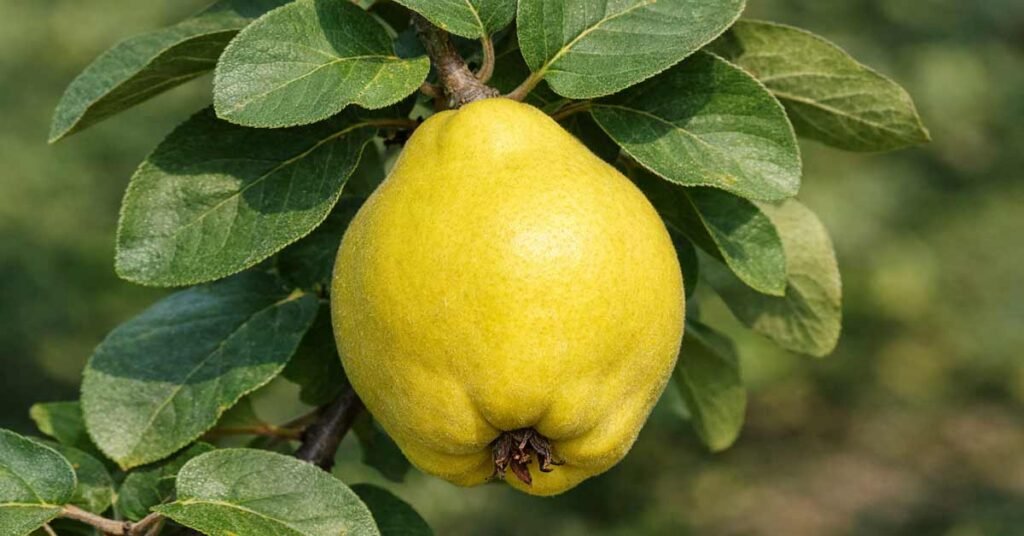
Making Quince Part of Your Routine Without Overthinking It
Quince has a reputation for being fussy, but it doesn’t need to be complicated. Integrating it into your daily habits is less about precision and more about small, manageable choices that you can sustain. Once you understand the ways it naturally complements other foods and how much is reasonable, it becomes surprisingly easy to make it part of your routine.
Simple Ways to Prepare Quince That Actually Work
Raw quince is tough and astringent, but a little preparation transforms it into something approachable. Cooking is the key. Steaming, poaching, or baking softens the flesh, reduces bitterness, and enhances the natural aroma. Even a brief simmer in water or a light poaching with minimal sweetener can bring out its fragrant, slightly tart flavor.
Some practical methods people adopt include:
- Poached slices: Cut quince into wedges, simmer gently with a bit of water and optional spices like cinnamon or star anise, then eat as a side or dessert
- Baked halves: Slice in half, remove the core, bake until tender, and top with nuts or yogurt for texture and flavor
- Quince compote or jam: Cooking quince down with a little water concentrates flavor while preserving fiber and antioxidants, which can be spooned over oatmeal or mixed into yogurt
The key is consistency rather than perfection. Even small servings prepared in these ways are sufficient to contribute fiber and polyphenols. You don’t need to consume a whole quince at once—regular inclusion matters more than large portions.
Pairing Quince for Better Nutritional Balance
Quince works best when it’s part of a combination of foods that enhance its effects. Pairing strategies can improve digestion and nutrient absorption:
- With protein: Serving quince alongside yogurt, cheese, or nuts balances carbohydrates and slows sugar absorption, which can support digestive comfort
- With other fruits: Combining quince with softer fruits like pears or apples creates a smoother texture and a broader range of antioxidants
- With whole grains: Mixing cooked quince into oatmeal, quinoa, or whole-grain porridge adds fiber and helps regulate digestive timing
These pairings are not rigid rules—they are practical approaches that allow the fruit to integrate naturally into meals without requiring specialized recipes or strict measurements. Over time, these small combinations help establish a rhythm where quince becomes a natural, unnoticed part of your eating pattern.
How Much Quince Makes Sense Day to Day
You don’t need to consume large amounts to experience the subtle digestive and antioxidant benefits. For most adults, a small portion of cooked quince—roughly half to a whole medium fruit per day—is sufficient to support daily fiber and polyphenol intake. Even three to four small servings spread across the week can maintain a consistent presence of its beneficial compounds in your system.
The goal is sustainable inclusion rather than forced consumption. Too much at once may be heavy on the stomach or overwhelming in flavor. Starting with small, manageable amounts ensures your routine remains comfortable and enjoyable, which is the most important factor in long-term adherence.
Additionally, rotating quince with other fiber- and antioxidant-rich foods prevents monotony while still supporting digestion and cellular protection. Think of quince as a reliable background player: it doesn’t dominate your diet, but it quietly contributes to balance and consistency.
By preparing it simply, pairing it thoughtfully, and keeping portions reasonable, quince can become a low-effort addition that gradually supports digestive function and antioxidant intake. The impact is cumulative. It’s not flashy, but it works quietly and effectively when included as part of everyday eating.
Best Selling Quince Related Products


When Small Changes with Quince Start to Add Up
Adding quince to your routine isn’t about instant transformation. You won’t feel dramatically different after a single serving. Its effects are subtle, the kind you notice over weeks or months as small habits accumulate. That’s the beauty of foods like quince: they work quietly, consistently, and in ways that reinforce overall digestive comfort and antioxidant support.
One of the first changes people often notice is in digestion. Even modest, regular portions of cooked quince can help regulate bowel movements, reduce bloating, and provide a sense of predictability after meals. It’s not about forcing anything—just a gentle smoothing of the digestive rhythm. That gradual improvement is often more impactful than dramatic, short-term interventions because it becomes part of your normal, sustainable pattern.
Beyond digestion, polyphenols and other antioxidants contribute over time. They interact with daily stressors, helping the body manage oxidative challenges quietly. You might not notice a sudden energy boost or instant immune protection, but consistent intake supports cellular resilience and complements other healthy habits, from balanced meals to movement and rest.
Small, repeated choices also shape behavior in ways that go unnoticed at first. Preparing quince, cooking it, and integrating it into meals slows you down, adds mindfulness, and encourages thoughtful eating. These subtle behavioral shifts compound the nutritional benefits, creating a feedback loop where both body and habit improve incrementally.
The cumulative effect becomes visible in daily routines: adding quince to breakfast porridge, topping yogurt for a snack, or including it in a side dish for dinner. Each serving reinforces digestive balance and antioxidant intake without requiring drastic changes or extra effort. Over time, these small additions become automatic, almost invisible habits that quietly support health and consistency.
The key takeaway is that the power of quince lies in regularity and integration. A single serving may not do much, but repeated, manageable doses create a system where digestion flows more smoothly, and antioxidant defenses are subtly reinforced. That’s how small changes grow into meaningful impact without disrupting your lifestyle.
Quince doesn’t demand attention. It doesn’t promise immediate results. Its strength is in persistence. Include it regularly, even in modest amounts, and your body benefits from the quiet, cumulative support it provides. That’s the kind of change that lasts.
Article Sources
At AncientHerbsWisdom, our content relies on reputable sources, including peer-reviewed studies, to substantiate the information presented in our articles. Our primary objective is to ensure our content is thoroughly fact-checked, maintaining a commitment to accuracy, reliability, and trustworthiness.
- Sangiovanni, E., Brivio, P., Dell’Agli, M., & Calabrese, F. (2017). Botanicals as Modulators of Neuroplasticity: Focus on BDNF. Neural plasticity, 2017, 5965371. https://doi.org/10.1155/2017/5965371
- Bordoni, A., Danesi, F., Baggio, C., & D’Angelo, S. (2020). Polyphenols and Their Effects on Human Health. Nutrients, 12(8), 2252. https://doi.org/10.3390/nu12082252
- Jiménez-Escrig, A., & Sánchez-Moreno, C. (2005). Characterization of dietary fiber from quince (Cydonia oblonga Miller) fruit and jam. Food Chemistry, 93(3), 455–461. https://doi.org/10.1016/j.foodchem.2004.10.014
- Mahmoudi, M., & Salami, M. (2019). Effects of quince (Cydonia oblonga) on gastrointestinal functions: A review. Journal of Herbal Medicine, 17, 100260. https://doi.org/10.1016/j.hermed.2019.100260
- Sharma, P., & Gujral, H. S. (2018). Influence of processing on bioactive compounds and antioxidant activity of quince (Cydonia oblonga Mill.) fruit. LWT – Food Science and Technology, 96, 1–8. https://doi.org/10.1016/j.lwt.2018.05.046
- World Health Organization. (2021). Healthy diet. World Health Organization. https://www.who.int/news-room/fact-sheets/detail/healthy-diet
- Serra, A., & Simal-Gandara, J. (2016). Phenolic Compounds in Fruits: Composition, Bioavailability, and Health Effects. Journal of Agricultural and Food Chemistry, 64(45), 8589–8605. https://doi.org/10.1021/acs.jafc.6b03220

- Date Fruit: Sweet Fruit for Energy and Digestion - April 2, 2026
- Quince: Aromatic Fruit for Digestion and Antioxidants - April 2, 2026
- Pear: Fiber Rich Fruit for Digestion and Hydration - April 2, 2026