
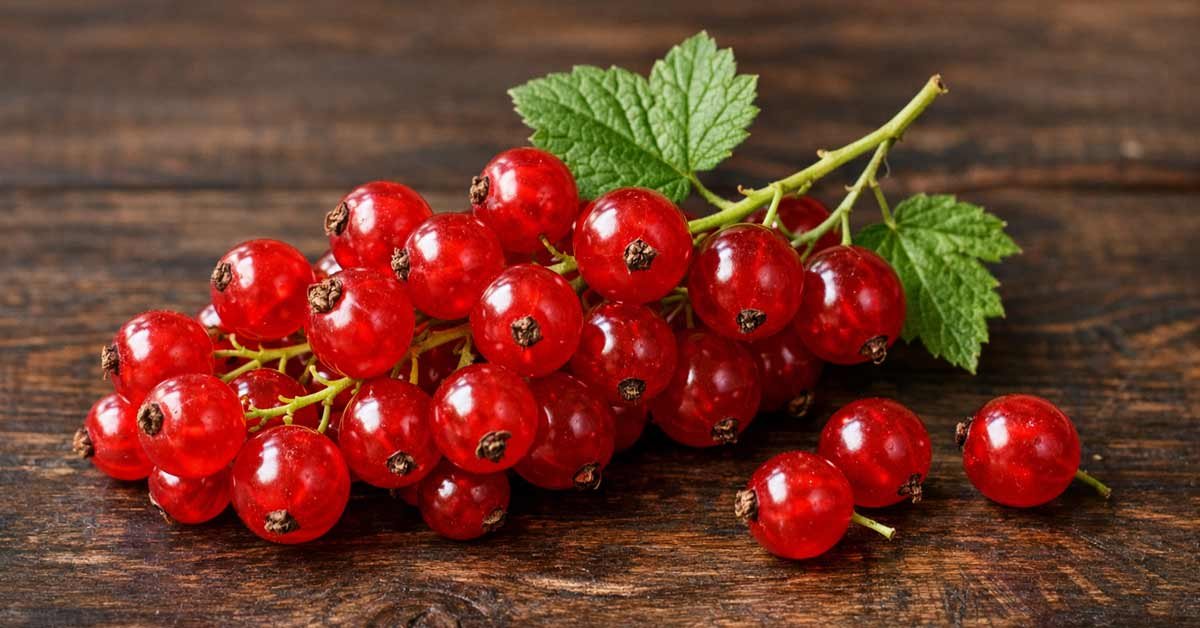
Redcurrant: Small Berry, Big Impact
Redcurrants are those unassuming, ruby-red clusters that hang delicately from their bushes, often overlooked at farmers’ markets or grocery store shelves. Yet, behind their tiny size lies a remarkable nutritional story that has quietly made them a favorite in European kitchens for centuries. Tart, juicy, and visually striking, redcurrants are not just pretty garnish—they pack a potent punch of vitamin C and phytonutrients that make them worthy of more attention than they usually get.
Many people are familiar with common fruits like oranges, strawberries, or kiwi when it comes to vitamin C, but redcurrants often fly under the radar. One reason could be their size and bold tartness, which can be an acquired taste for some. But for those willing to embrace their sharp, tangy flavor, redcurrants offer a concentrated source of essential nutrients in every small handful. Imagine picking a cluster of these tiny berries and popping them into your mouth—each bite bursts with a refreshing, slightly sour flavor that’s instantly invigorating.
Table of Contents


What makes redcurrants particularly interesting is their nutritional density relative to their size. A single cup of redcurrants can deliver roughly 40–50% of your recommended daily intake of vitamin C. That’s significant for a fruit that weighs just a fraction of an orange or a kiwi. But vitamin C is only part of the story. Redcurrants also contain flavonoids, anthocyanins, and a range of other phytonutrients that contribute to antioxidant support. These compounds work in synergy, meaning that consuming the berry in its natural form gives your body a combination of nutrients that are more effective together than separately.
Beyond the chemistry and nutrition, there’s a sensory and practical appeal to redcurrants. Their vivid color adds life to desserts, salads, and breakfast bowls, making meals visually appealing. They also hold up well in sauces, compotes, and jams, allowing people to extend their enjoyment of the berry beyond fresh seasonality. Even when lightly processed, much of the nutritional value is retained, offering a convenient way to incorporate redcurrants into everyday meals.
Redcurrants are also steeped in culinary tradition. In Europe, they have long been used in tarts, jellies, and sauces accompanying meats. This historical presence speaks to their versatility and subtle, tangy flavor that complements both sweet and savory dishes. They have a way of brightening flavors, much like a squeeze of lemon or a hint of vinegar, without overwhelming other ingredients.
From a practical standpoint, including redcurrants in your diet doesn’t require dramatic changes. They can be enjoyed fresh as a snack, blended into smoothies, added to oatmeal, or sprinkled over yogurt. For people seeking small, consistent ways to boost nutrient intake, redcurrants provide an approachable, enjoyable option. Their natural tartness also makes them a refreshing contrast in recipes, which encourages regular consumption without feeling repetitive.
There’s also something to be said about the subtle sense of wellness that comes from integrating a lesser-known berry like redcurrant into your diet. It feels like a small, deliberate choice for health—a reminder that wellness often comes from consistent, simple habits rather than dramatic interventions. By exploring redcurrants, you’re not just eating a fruit; you’re engaging with a nutrient-rich tradition that blends culinary pleasure with practical nutrition.
Even for people who aren’t usually drawn to tart flavors, redcurrants can be surprisingly versatile. Pairing them with sweeter fruits, a drizzle of honey, or creamy textures like yogurt or ricotta balances their sharpness, making them more approachable. They also freeze well, allowing you to enjoy them year-round without significant loss of vitamins or flavor. This convenience makes it easier to keep redcurrants as a regular feature in your diet rather than an occasional novelty.
Ultimately, redcurrants are a testament to how something small can have a significant impact. Their combination of vivid color, bright flavor, and concentrated nutrients makes them a standout in the world of berries. Incorporating them regularly provides a simple, enjoyable way to support daily vitamin C intake and antioxidant consumption. They remind us that nutrition doesn’t always have to be complicated—sometimes, a tiny red berry is all it takes to make a noticeable difference in meals, flavors, and overall dietary quality.
Redcurrants are a small berry with big impact. They offer a concentrated source of vitamin C, valuable phytonutrients, and a versatile, tangy flavor that fits naturally into a wide range of meals. For anyone interested in practical, flavorful ways to enhance diet quality and explore less common but nutrient-rich fruits, redcurrants are a natural choice that deserves more attention.
Vitamin C in Redcurrants: Nature’s Immune Ally
Vitamin C often steals the spotlight when people think about immune support, and for good reason. It’s a water-soluble vitamin, which means your body can’t store it for long, so consistent intake through diet is essential. Redcurrants emerge as a surprisingly potent source. Despite their small size, these berries deliver a concentrated amount of vitamin C, with one cup of fresh redcurrants providing roughly 40–50% of the recommended daily intake for adults. That’s impressive for a fruit that often gets overlooked in favor of oranges or kiwi.
Why Vitamin C Matters
Vitamin C plays multiple roles in the body. It’s a key player in collagen production, which helps maintain skin, blood vessels, and connective tissues. Beyond structural support, it functions as a potent antioxidant, protecting cells from oxidative stress and helping neutralize free radicals generated from daily exposure to environmental factors like pollution and UV light. While it’s tempting to focus on vitamin C purely for its immune role, it’s worth remembering that its benefits extend to overall cellular health, recovery, and tissue repair.
Redcurrants, with their bright red hue, signal more than just appealing color—they indicate the presence of vitamin C and other phytonutrients. Regular consumption contributes to daily nutrient needs without requiring large quantities, which is particularly convenient for people aiming to maintain consistent intake through whole foods rather than supplements.
Bioavailability and Absorption
Not all vitamin C is absorbed in the same way. The form it comes in and the food matrix around it can influence how much your body actually utilizes. In redcurrants, vitamin C is naturally paired with sugars, organic acids, fiber, and flavonoids. This combination can enhance absorption, making the vitamin more effective than isolated forms found in some supplements.
Eating redcurrants raw is the best way to maximize vitamin C intake. Heat can degrade ascorbic acid, so cooking or prolonged storage can reduce the vitamin content. A quick tip: adding fresh redcurrants to smoothies, breakfast bowls, or as a topping for yogurt preserves most of the vitamin while introducing a pleasant tartness to your meals. Even lightly processed forms, like jams or compotes, retain some vitamin C, but fresh consumption remains the optimal strategy.
Antioxidant Synergy
Vitamin C rarely works alone. Redcurrants also contain flavonoids, anthocyanins, and other polyphenols, which act in concert with the vitamin to enhance antioxidant activity. This synergistic effect amplifies the body’s ability to neutralize free radicals, which are unstable molecules that can damage cells and accelerate aging. In practical terms, this means that eating redcurrants provides more than just vitamin C—it gives a spectrum of compounds that contribute to oxidative balance.
Anthocyanins, the pigments responsible for the berry’s red color, complement vitamin C by providing additional antioxidant capacity. Studies suggest that these compounds support vascular function, reduce oxidative stress, and may even have mild anti-inflammatory properties. While research is ongoing, the combination of vitamin C and these naturally occurring phytonutrients in redcurrants makes them a compelling choice for anyone looking to enrich their diet with foods that offer multiple, complementary benefits.
Incorporating redcurrants into meals is straightforward and enjoyable. A handful of fresh berries in the morning can kickstart nutrient intake, while adding them to salads or desserts throughout the day maintains a steady supply of vitamin C. For people exploring practical ways to support immune function through diet, these small berries offer a concentrated, flavorful, and versatile option that goes beyond the usual suspects.
By focusing on both quantity and quality of intake, redcurrants demonstrate that even a tiny fruit can play a meaningful role in maintaining vitamin C levels and contributing to antioxidant defenses. Their bioavailable nutrients, synergistic compounds, and ease of incorporation make them a natural ally in supporting daily wellness.
Incorporating Redcurrants for Practical Immune Support
Redcurrants are one of those rare fruits that combine flavor, nutrition, and versatility, making them easy to work into your daily routine. While their tartness can be a little intimidating at first, learning how to incorporate them effectively allows you to enjoy both their taste and the vitamin C they bring to the table. Small adjustments in how you eat and store them can make a noticeable difference in maintaining consistent nutrient intake.
Fresh vs. Processed Forms
Fresh redcurrants are the gold standard for maximizing vitamin C content and antioxidant benefits. Eating them raw preserves the delicate balance of ascorbic acid, flavonoids, and anthocyanins. A cup of fresh berries can be enjoyed as a snack straight from the bush or added to other dishes for a burst of color and tang.
Processed forms—such as jams, jellies, sauces, or lightly sweetened dried redcurrants—offer convenience and extended shelf life but come with trade-offs. Heat from cooking can reduce vitamin C levels, while added sugars may change the nutritional profile. Despite these limitations, processed redcurrants still provide valuable antioxidants and flavonoids. For people who want the berry’s benefits year-round or in recipes where fresh berries are impractical, a mix of fresh and minimally processed forms works well.
Choosing the right form depends on your goals and lifestyle. Fresh berries are ideal for quick consumption or recipes where the natural tartness can shine. Jams or compotes can complement breakfasts, desserts, or even savory dishes. Dried redcurrants are portable and convenient, making them an easy addition to trail mixes or baked goods. Balancing freshness with practicality ensures you get the nutrients without feeling constrained by seasonality.
Daily Serving Ideas
Incorporating redcurrants into your diet doesn’t require complex recipes. Here are some approachable, practical ways to enjoy them:
- Add fresh redcurrants to oatmeal, granola, or yogurt for a tart, refreshing flavor.
- Blend them into smoothies alongside kiwi, berries, or citrus fruits to boost vitamin C intake naturally.
- Toss them into salads with leafy greens, nuts, or roasted vegetables for color and tang.
- Sprinkle redcurrants over desserts like panna cotta, ricotta, or cheesecake for a visually striking finish.
- Bake them into muffins, scones, or tart crusts, keeping baking times short to retain as much vitamin C as possible.
- Use in sauces or compotes to accompany lean proteins, combining flavor and nutrition in one dish.
Even a handful sprinkled throughout the day can add meaningful vitamin C and antioxidant support without feeling like a dietary chore. The key is to make it a consistent habit rather than a sporadic indulgence.
Seasonal Sourcing and Storage
Redcurrants are typically in season during late spring and summer, which is when they are most flavorful and nutrient-dense. Fresh berries are widely available at farmers’ markets, specialty stores, and sometimes even larger supermarkets. If you’re unable to access fresh redcurrants, frozen options are an excellent alternative. Freezing preserves much of the vitamin C and antioxidant content, allowing you to enjoy the berries year-round without significant nutrient loss.
Proper storage is essential to maintain quality and nutritional value. Fresh redcurrants should be refrigerated, ideally in a breathable container, and consumed within a week. Washing them just before eating helps prevent moisture-induced spoilage. Frozen berries should be stored in airtight containers or resealable freezer bags to prevent freezer burn. Lightly processed forms like jams or compotes can be stored in the refrigerator or freezer, depending on preparation, to extend usability while maintaining flavor and nutrient content.
By understanding the differences between fresh and processed forms, exploring practical serving ideas, and taking advantage of seasonal availability, redcurrants become more than just a treat—they become a reliable, enjoyable source of vitamin C and antioxidants that can be seamlessly integrated into daily life. The versatility and flavor of these small berries make them a practical choice for anyone looking to support immune function and overall wellness through diet.
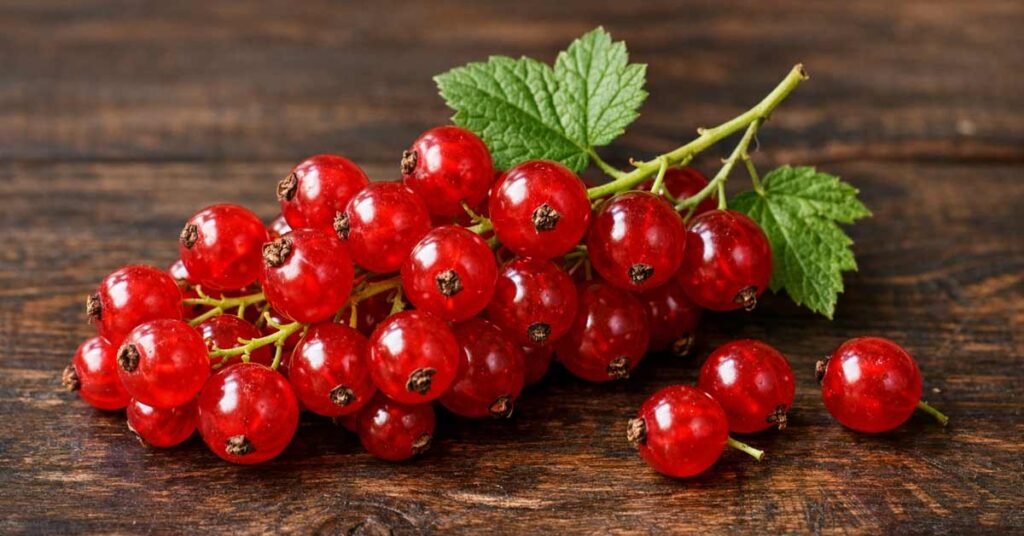
Beyond Vitamin C: Other Nutrients and Health Contributions
Redcurrants are more than just a source of vitamin C. Their small size hides a surprisingly broad nutritional profile that can support digestion, provide essential micronutrients, and offer antioxidant compounds beyond what the vitamin alone delivers. Exploring these additional benefits helps explain why redcurrants have held a place in traditional diets for centuries.
Fiber and Digestive Support
One of the often-overlooked qualities of redcurrants is their fiber content. A cup of raw redcurrants provides around 4 grams of dietary fiber, a combination of soluble and insoluble forms. Soluble fiber can help regulate blood sugar and cholesterol levels, while insoluble fiber promotes digestive regularity. This dual action makes redcurrants a subtle yet effective aid for gut health.
Fiber also contributes to a feeling of fullness, which can help with appetite control and support balanced eating patterns. Including redcurrants in breakfast bowls, smoothies, or even snacks can deliver this fiber conveniently, without needing to plan a separate high-fiber component. Their tartness paired with fiber also slows digestion slightly, helping nutrients like vitamin C and antioxidants remain available longer for absorption.
Micronutrients and Phytonutrients
Beyond vitamin C and fiber, redcurrants contain a range of other vitamins and minerals, albeit in smaller amounts. They provide vitamin A, which supports vision and skin health; vitamin K, important for blood clotting and bone maintenance; and B vitamins, which play a role in energy metabolism. Mineral content includes potassium, supporting vascular and muscular function, and small amounts of iron, contributing to oxygen transport and energy levels.
Redcurrants are also rich in phytonutrients such as flavonoids, phenolic acids, and anthocyanins. These compounds act as antioxidants, helping protect cells from oxidative stress and supporting the body’s natural defense systems. Anthocyanins, in particular, are responsible for the vibrant red color and may contribute to cardiovascular and vascular health. The combination of micronutrients and phytonutrients makes redcurrants a multidimensional food—delivering small but meaningful contributions to overall nutrient intake.
Practical Tips for Integration
Incorporating redcurrants into everyday meals is straightforward. Their natural tartness makes them an excellent pairing with sweeter or creamy foods, balancing flavors while maximizing nutrient intake. Some practical strategies include:
- Mixing fresh redcurrants with yogurt, cottage cheese, or ricotta for a quick snack or breakfast addition.
- Adding them to salads with nuts, seeds, and mild fruits to enhance both flavor and nutrient density.
- Using them in smoothies alongside other berries, citrus fruits, or leafy greens to create a concentrated nutrient boost.
- Lightly folding redcurrants into baked goods like muffins or pancakes, keeping cooking times short to preserve nutrients.
- Preparing small compotes or sauces that can be added to meats, grains, or roasted vegetables, bringing both color and nutritional value to meals.
Even small, consistent servings can make a measurable difference. Redcurrants’ versatility allows them to fit into a variety of diets and culinary styles, from breakfast bowls to elegant desserts to savory pairings. By thinking creatively about preparation and pairing, these tiny berries can become a regular, enjoyable component of a nutrient-rich diet.
Ultimately, redcurrants offer a spectrum of benefits that extend beyond vitamin C. Their fiber content supports digestion, their micronutrients provide essential daily nutrients, and their phytonutrients deliver antioxidant support. With practical serving strategies, they can easily become a consistent and enjoyable part of your routine, contributing to overall wellness in a subtle yet meaningful way.
Best Selling Redcurrant Related Products


Tiny Berries, Noticeable Benefits
Redcurrants may be small, but their impact is anything but. What starts as a handful of bright, tart berries quickly reveals a depth of flavor, color, and nutrition that makes them a surprisingly valuable addition to daily eating. Their concentrated vitamin C content alone makes them worth seeking out, but pairing that with fiber, antioxidants, and a range of micronutrients turns these tiny fruits into a quietly powerful dietary choice.
The beauty of redcurrants lies in their versatility. You can toss them into breakfast bowls, salads, or smoothies, fold them into baked goods, or transform them into sauces that brighten both sweet and savory dishes. They fit seamlessly into meals without requiring major adjustments to your routine. This ease of integration is crucial for maintaining consistent nutrient intake, especially for something like vitamin C that your body can’t store in large quantities.
Redcurrants also bring a sensory dimension to your diet. Their tart flavor wakes up the palate, their bright red color enlivens plates, and their delicate texture offers a satisfying pop when eaten fresh. These simple pleasures make regular consumption feel natural, not like a chore. In a world where many people struggle to eat enough fruits and vegetables, redcurrants provide an accessible, enjoyable option that can help bridge the gap.
Regularly including redcurrants is a subtle yet effective way to support overall wellness. Beyond the immediate boost of vitamin C, their fiber helps digestion, their antioxidants help combat oxidative stress, and their diverse micronutrients contribute to daily nutritional balance. Even small amounts, consistently consumed, can have a meaningful impact on your dietary quality.
There’s also a sense of intentionality in choosing redcurrants. They aren’t as common as other berries, which means selecting them often reflects a conscious decision to add nutrient-dense foods to your diet. This awareness can encourage other healthy habits, creating a ripple effect that goes beyond the berry itself.
Ultimately, redcurrants exemplify how small, natural foods can deliver outsized benefits. They are a reminder that nutrition doesn’t always require large quantities or dramatic changes—sometimes, it’s the tiny, deliberate additions that make the most difference. By embracing redcurrants, you gain more than a berry; you gain a flavorful, practical, and nutrient-rich tool that supports daily wellness in a simple, enjoyable way.
Article Sources
At AncientHerbsWisdom, our content relies on reputable sources, including peer-reviewed studies, to substantiate the information presented in our articles. Our primary objective is to ensure our content is thoroughly fact-checked, maintaining a commitment to accuracy, reliability, and trustworthiness.
- Carr, A. C., & Maggini, S. (2017). Vitamin C and Immune Function. Nutrients, 9(11), 1211. https://doi.org/10.3390/nu9111211
- Nieman, D. C., & Wentz, L. M. (2019). The compelling link between physical activity and the body’s defense system. Journal of Sport and Health Science, 8(3), 201–217. https://doi.org/10.1016/j.jshs.2018.09.009
- Slavin, J. L., & Lloyd, B. (2012). Health benefits of fruits and vegetables. Advances in Nutrition, 3(4), 506–516. https://doi.org/10.3945/an.112.002154
- Sangiovanni, E., Brivio, P., Dell’Agli, M., & Calabrese, F. (2017). Botanicals as Modulators of Neuroplasticity: Focus on BDNF. Neural Plasticity, 2017, 5965371. https://doi.org/10.1155/2017/5965371
- World Health Organization. (2020). Vitamin C. https://www.who.int/news-room/fact-sheets/detail/vitamin-c
- These sources provide evidence-based support for the nutritional benefits of redcurrants, their vitamin C content, and their contribution to overall wellness.

- Redcurrant: Berry for Vitamin C and Immune Support - March 21, 2026
- Yumberry: Asian Fruit for Antioxidants and Circulation - March 21, 2026
- Gooseberry: Tart Berry for Immunity and Digestion - March 20, 2026
