
The Crisp, Juicy Appeal of Star Fruit in Everyday Eating
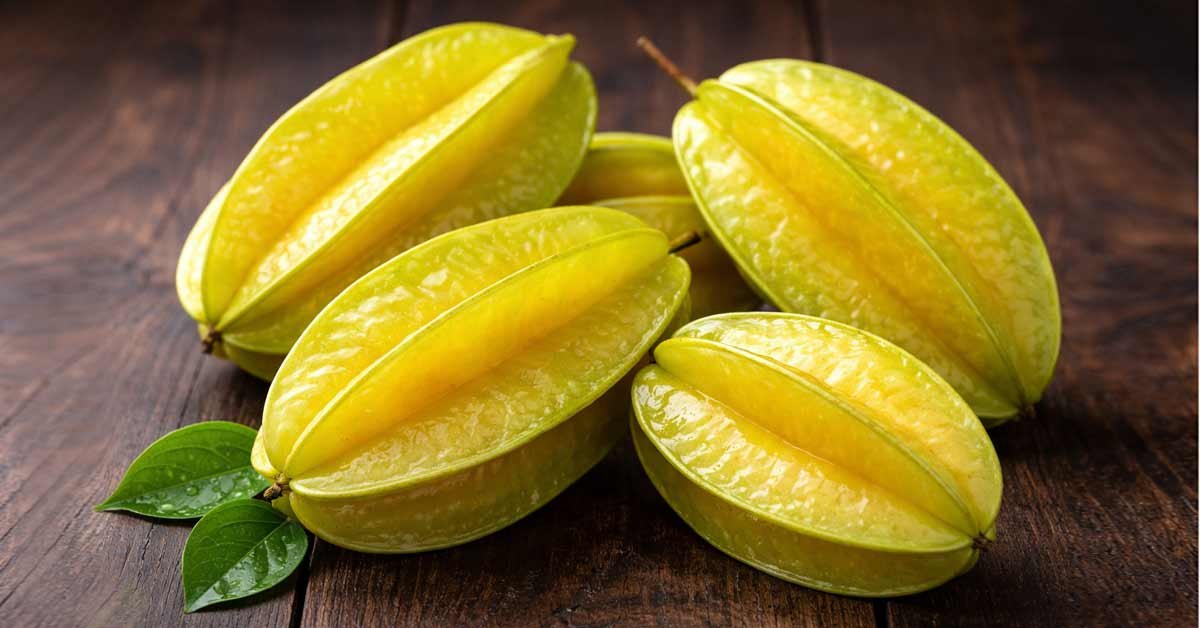
There is something quietly refreshing about star fruit. You slice into it, and those clean, sharp edges form perfect little stars. It looks almost decorative, like something you would expect on a restaurant plate rather than in your own kitchen. But once you take a bite, the appeal shifts from visual to practical. It is crisp. Light. Subtly sweet with a gentle tart edge. And more importantly, it feels hydrating in a way that a lot of fruits do not quite match.
Star fruit, also known as carambola, tends to fly under the radar in everyday diets. People reach for apples, bananas, oranges. Familiar choices. Predictable textures. Star fruit sits somewhere in between. It is not overly sweet. It is not heavy. It does not leave that sticky feeling some tropical fruits do. Instead, it lands in that rare category of foods that feel almost effortless to eat.
That matters more than most people think.
Table of Contents


When you look at eating habits over time, consistency beats intensity. You do not need a fruit that feels like a treat you have once in a while. You need something you can come back to without thinking too much about it. Star fruit fits that pattern. It works in the background of your diet rather than demanding attention.
A Texture and Taste That Encourage Regular Eating
One of the first things you notice with star fruit is its texture. It has a firm bite, similar to a crisp pear, but with more water content. That combination creates a clean, almost cooling sensation when you eat it.
It does not overwhelm your palate. Instead, it resets it.
This becomes useful in real life situations:
- After a heavy meal when you want something light
- In the middle of the day when you are not quite hungry but need something fresh
- On warm days when dense foods feel like too much effort
The flavor profile plays a role here too. Star fruit carries a mild sweetness balanced by a slight acidity. That balance keeps it from becoming tiring. Fruits that lean too far in one direction often lose their appeal after repeated consumption. Star fruit avoids that problem.
From a practical standpoint, this is what keeps it in rotation. You are more likely to eat something regularly if it does not feel like a commitment.
Why Star Fruit Feels More Hydrating Than Expected
A lot of fruits contain water. That is not unique. What sets star fruit apart is how that water is delivered.
It is not just about percentage. It is about structure.
The flesh of star fruit is thin and juicy, with very little density to slow things down. When you eat it, the water releases quickly. That creates an immediate sense of hydration, even if the total water content is comparable to other fruits.
You notice it right away.
This is one of the reasons star fruit often shows up in warmer climates. It fits naturally into environments where people rely on food, not just drinks, to stay refreshed throughout the day.
There is also a behavioral aspect here. Drinking water requires intention. You have to remember to do it. Eating something like star fruit happens more casually. It blends into meals, snacks, even small moments between tasks.
That difference adds up over time.
The Quiet Role of Vitamin C in Daily Choices
Star fruit is often mentioned in the context of vitamin C, and for good reason. It contains a measurable amount, though not as high as some of the more famous sources like citrus fruits.
Still, focusing only on numbers misses the bigger picture.
Vitamin C intake is rarely about a single food. It is about accumulation across the day. Small contributions from multiple sources tend to be more sustainable than relying on one dominant item.
Star fruit fits into that model well.
You might have it sliced alongside breakfast. Add a few pieces to a salad later. Maybe include it in a light snack. Each time, the contribution is modest, but consistent. Over time, that consistency matters more than occasional large intakes.
There is also a practical advantage. Because star fruit is easy to eat and not overly filling, it does not compete with other foods. It complements them. That makes it easier to integrate without disrupting your usual routine.
A Fruit That Adapts to Real Life, Not Ideal Diets
Ideal diets look great on paper. Perfect portions. Carefully balanced meals. Everything measured and intentional.
Real life does not work that way.
You eat when you can. You choose what is available. You adjust based on time, energy, and mood. In that environment, foods need to be flexible.
Star fruit works because it does not demand structure.
You can:
- Slice it and eat it plain
- Add it to yogurt or oatmeal without changing the overall dish
- Pair it with savory foods for contrast
- Eat it on its own without needing preparation beyond a quick rinse and cut
There is no learning curve. No special technique. No need to combine it with something else to make it work.
That simplicity is often overlooked, but it is one of the strongest predictors of whether a food becomes part of your routine.
The Subtle Advantage of Low Intensity Foods
Some foods are intense. Strong flavors. Heavy textures. They make an impression, but they also demand attention.
Star fruit sits at the opposite end of that spectrum.
It is a low intensity food. That is not a drawback. It is a strategic advantage.
Low intensity foods are the ones you return to repeatedly because they do not exhaust your senses. They fit into more situations. They do not clash with other flavors. They allow you to build meals around them rather than adjusting everything else.
In practice, this means star fruit can:
- Balance richer dishes without overpowering them
- Add freshness without changing the core flavor profile of a meal
- Provide variety without requiring effort
Over time, these small roles become significant. They support consistency, and consistency shapes long term eating habits.
Star fruit does not try to be the center of attention. It does something more useful. It makes it easier for you to keep showing up to your own diet, day after day, without friction.
What Makes Star Fruit a Naturally Hydrating Fruit
You can drink water all day and still feel… off. Not exactly dehydrated, but not fully refreshed either. That gap is where foods like star fruit start to matter. Hydration is not just about volume. It is about how water is delivered, absorbed, and retained.
Star fruit earns its place here because it does more than just contain water. It delivers it in a way that fits how your body actually uses fluids throughout the day.
Water Content and Electrolyte Balance
Star fruit is made up of roughly 90 percent water. You can verify this through standard food composition databases such as those maintained by the United States Department of Agriculture. That number alone puts it in the same category as fruits like watermelon or strawberries.
But water content is only part of the equation.
Inside that water, you also get small amounts of electrolytes. Not in extreme concentrations, but enough to matter when you look at how hydration works in real life. Star fruit contains potassium and magnesium in modest amounts. These minerals support fluid balance at the cellular level.
Here is the practical angle.
When you consume plain water, your body absorbs it quickly. If electrolyte levels are low, some of that fluid can pass through without being fully retained. When you eat a food like star fruit, the combination of water, minerals, and natural sugars slows the process slightly. That gives your body more time to absorb and use the fluid.
You are not flooding the system. You are feeding it.
A typical serving of star fruit, around 100 grams, provides:
- About 90 grams of water
- Around 130 milligrams of potassium
- Small amounts of magnesium and other trace minerals
These numbers are not extreme, but they do not need to be. Hydration is cumulative. Small, repeated inputs tend to be more effective than occasional large ones.
How Hydration Through Food Differs From Drinking Water
It is easy to assume that drinking a glass of water and eating a water rich fruit do the same thing. They do not.
The difference comes down to structure and context.
Water in isolation moves fast. You drink it, it enters the bloodstream, and depending on your needs, a portion is quickly excreted. That is efficient, but not always sustained.
Water inside whole foods behaves differently.
With star fruit, the fluid is held within plant cells. When you eat it, digestion breaks those structures down gradually. This slows the release of water into your system. It is a more controlled process.
There is also the presence of fiber.
Star fruit contains a small amount of dietary fiber. Not enough to make it a high fiber food, but enough to influence digestion. Fiber helps regulate the speed at which nutrients and fluids move through your digestive tract. That includes water.
Then there is the role of natural sugars.
The glucose and fructose in star fruit are present in relatively low concentrations, but they still contribute to absorption. In the small intestine, sodium and glucose transport mechanisms help pull water into the body. This is the same principle used in oral rehydration solutions, though in a much more concentrated form.
In simpler terms, when you eat star fruit:
- Water enters your system more gradually
- Electrolytes support retention
- Natural sugars assist absorption
- Fiber slows the overall process
This combination creates a different hydration profile. It is less immediate than drinking water, but often more sustained.
When Hydrating Fruits Make a Noticeable Difference
You are unlikely to notice the impact of star fruit in a single serving. That is not how this works. The difference shows up when it becomes part of a pattern.
Think about typical situations where hydration slips:
- Busy days where you forget to drink enough water
- Warm environments where fluid loss increases
- Meals that are dense, salty, or low in fresh foods
- Long stretches between drinks
This is where star fruit becomes useful.
Instead of relying entirely on drinking, you add hydration through food. A few slices here, a small portion there. It does not feel like a separate task. It integrates into what you are already doing.
There are also specific moments where hydrating fruits tend to stand out more.
After physical activity, for example. You may not feel like drinking large amounts immediately. Eating something light and water rich can be easier. Star fruit fits well here because it is not heavy and does not require preparation.
Another example is during hot weather. Appetite often drops, but fluid needs increase. Dense foods feel unappealing. Star fruit offers a way to maintain intake without forcing it.
You also see the effect in overall eating patterns. Diets that include more whole fruits and vegetables tend to contribute a significant portion of daily water intake. Research published in nutrition journals has shown that food can account for around 20 to 30 percent of total water intake in many diets.
If you increase that share, even slightly, the impact builds over time.
Star fruit does not need to be the main source. It just needs to be consistent.
There is a quiet shift that happens when you rely less on catching up with hydration and more on maintaining it throughout the day. Foods like star fruit support that shift without adding complexity.
It is not dramatic. It is steady. And in the long run, that is what tends to hold.
Star Fruit and Vitamin C: What You Actually Get
There is a tendency to reduce foods to a single number. In this case, vitamin C. You look up the value, compare it to other fruits, and make a quick judgment. High or low. Worth it or not.
That approach misses how people actually eat.
Star fruit does contain vitamin C. Not in extreme amounts, but enough to contribute in a steady, repeatable way. And that is where it becomes useful. Not as a standout source, but as part of a pattern that holds over time.
Vitamin C Content in Star Fruit Compared to Other Fruits
Let’s ground this in numbers you can verify.
According to food composition databases such as those from the United States Department of Agriculture, 100 grams of star fruit provides roughly 30 to 35 milligrams of vitamin C.
Now compare that to common reference points:
- Oranges: about 50 to 60 milligrams per 100 grams
- Strawberries: about 55 to 60 milligrams per 100 grams
- Kiwi: around 90 milligrams per 100 grams
- Apples: about 4 to 5 milligrams per 100 grams
So where does star fruit sit?
Right in the middle.
It clearly contributes more vitamin C than low content fruits like apples, but it does not compete with high density sources like kiwi. That positioning matters. It means you are not relying on star fruit to carry your entire intake. You are using it to support it.
If you eat a typical portion of star fruit, say 150 grams, you are getting roughly:
30 mg × 1.5 = 45 mg of vitamin C
The recommended daily intake for adults is about 75 mg for women and 90 mg for men, based on guidelines from organizations like the National Institutes of Health.
That means one moderate serving of star fruit can cover roughly:
- 60 percent of the daily need for women
- 50 percent of the daily need for men
That is not insignificant. But again, it works best when combined with other foods across the day.
How Vitamin C Functions in the Body
Vitamin C, also known as ascorbic acid, is involved in several processes that run quietly in the background. You do not feel them directly, but they shape how your body maintains itself.
One of its primary roles is in collagen synthesis.
Collagen is a structural protein. It is part of your skin, connective tissue, blood vessels. Vitamin C acts as a cofactor in the enzymatic reactions that stabilize collagen molecules. Without enough of it, that process becomes less efficient.
There is also its role as an antioxidant.
In simple terms, vitamin C can donate electrons. This helps neutralize reactive molecules that are produced during normal metabolism. These reactions happen constantly. You do not need to think about them, but your body manages them all day.
Another function involves nutrient interactions.
Vitamin C enhances the absorption of non heme iron, the type found in plant foods. When you eat foods that contain iron along with a source of vitamin C, absorption tends to increase. This is well documented in clinical nutrition research.
There are also links to immune system function, though it is often overstated. Vitamin C supports normal immune processes, but it is not a switch you flip for immediate effects. It works as part of a larger system that depends on overall nutritional status.
What matters here is consistency.
Vitamin C is water soluble. Your body does not store large amounts of it. Excess intake is excreted. That means regular intake is more relevant than occasional high doses.
This is where star fruit fits naturally. It provides a moderate amount that you can include frequently without effort.
Absorption, Timing, and Realistic Expectations
Absorption of vitamin C is generally efficient at moderate intakes. The small intestine uses active transport mechanisms to take it up. At lower doses, absorption rates are high, often above 80 percent. As intake increases, efficiency decreases.
For example, if you consume around 30 to 50 milligrams of vitamin C from star fruit, most of it is absorbed. If you consume several hundred milligrams at once, the percentage absorbed drops.
This is one reason why spreading intake across the day makes sense.
Instead of relying on a single large source, you include smaller amounts from different foods. Star fruit supports this approach because it is easy to eat in multiple contexts.
Timing is less critical than people assume.
You do not need to eat star fruit at a specific hour to “optimize” vitamin C. What matters more is pairing it in ways that make sense. For instance, combining it with plant based meals that contain iron can support absorption. That is a practical application you can actually use.
There are also some realistic limits to keep in mind.
Star fruit is not a concentrated vitamin C source. If your diet lacks variety, it will not compensate on its own. It works best as part of a broader pattern that includes other fruits and vegetables.
And there is another layer that often gets overlooked.
The way you prepare and store food affects vitamin C content. It is sensitive to heat, light, and air. Fresh, raw star fruit retains more of its vitamin C compared to cooked or heavily processed forms. That is one of the reasons it is typically eaten fresh.
So what does all of this look like in real life?
You are not calculating exact milligrams at every meal. You are building habits that naturally include a range of foods. Star fruit becomes one of those quiet contributors. You slice it, add it, eat it without thinking too much about it.
Over time, those small, consistent inputs do more than occasional attempts to “optimize” intake.
That is the part that holds.
How Star Fruit Fits Into Real Eating Habits
Most people do not struggle with knowing what is healthy. They struggle with doing it consistently. That gap is where foods either earn their place or disappear after a few attempts.
Star fruit has an advantage here. It does not require planning. It does not ask you to change how you eat. It slips into what you are already doing and makes it slightly better.
That is the difference between a food you try and a food you keep.
Simple Ways to Eat Star Fruit Without Overthinking It
You do not need recipes to make star fruit work. In fact, the more you complicate it, the less likely you are to keep using it.
Start with the obvious.
Slice it crosswise and eat it as is. That alone covers most situations. The texture holds up, the flavor is balanced, and there is nothing to prepare beyond a quick rinse.
From there, it becomes about small additions rather than full meals.
A few examples that tend to stick in real life:
- Add slices to a bowl of yogurt
- Drop a handful into oatmeal after it cools slightly
- Mix it into a simple fruit bowl with whatever else you have
- Pair it with a handful of nuts as a quick snack
- Add thin slices to a salad for a fresh contrast
None of these require effort. That is the point.
There is also a visual factor that works in your favor. Star fruit looks good without trying. Those clean star shaped slices tend to make even simple meals feel more put together. That may sound superficial, but it has a real effect. When food looks appealing, you are more likely to eat it again.
Another practical detail.
Star fruit is easy to portion. Each slice is defined. You are not guessing how much you are eating. You cut it, you see it, you stop when it feels right.
That reduces friction in a way that matters over time.
Pairing Star Fruit for Better Nutrient Balance
On its own, star fruit is light. That is part of its appeal, but it also means it works best when paired with other foods that fill in the gaps.
Think in terms of balance rather than perfection.
Star fruit provides water, some vitamin C, and a small amount of fiber. What it lacks is protein and fat. Pairing it with foods that contain those nutrients makes the overall meal more stable.
Here are combinations that make practical sense:
- Star fruit with Greek yogurt
You add protein and some fat, which helps with satiety. The contrast in texture also works well. - Star fruit with nuts or seeds
A handful of almonds or sunflower seeds adds fat and a bit of protein. This turns a light snack into something more sustaining. - Star fruit in a salad with legumes
Adding it to a salad with chickpeas or lentils creates a more complete plate. You get fiber, plant protein, and a mix of textures. - Star fruit alongside whole grains
Pairing it with something like oats or whole grain toast gives you a more balanced energy release.
There is also a specific interaction worth using.
Vitamin C from star fruit can support the absorption of non heme iron from plant foods. So if you are eating meals that include beans, lentils, or leafy greens, adding star fruit on the side is a simple adjustment that aligns with how nutrient absorption works.
You do not need to calculate anything. Just include it.
Portion Size, Frequency, and Practical Use
This is where most people either overdo it or abandon the effort.
Portion size for star fruit does not need to be strict. A typical serving ranges from one medium fruit to about 150 grams. That gives you a noticeable contribution of water and vitamin C without displacing other foods.
If you want a rough structure:
- Light snack: half to one star fruit
- Part of a meal: one star fruit sliced and shared across the plate
- Mixed fruit bowl: one star fruit combined with other fruits
Frequency matters more than size.
Eating star fruit once in a large amount will not change much. Including it several times a week in moderate portions is what creates a pattern. That pattern is where benefits tend to show up.
There are also a few practical considerations that make a difference.
Freshness affects both texture and nutrient content. Star fruit is best when it is firm with slightly golden edges. If it becomes overly soft, the experience changes. Less crisp, less refreshing.
Storage is simple. Keep it in the refrigerator if you are not eating it right away. It holds up reasonably well for several days, which makes it easier to keep on hand.
And then there is timing.
There is no ideal moment to eat star fruit, but there are moments where it fits naturally:
- Mid morning when you want something light
- Afternoon when energy dips but you do not want a heavy snack
- After meals when you are looking for something fresh rather than sweet
These are the moments that repeat. If a food fits into them easily, it tends to stay.
One more point that is often ignored.
Star fruit does not need to replace anything. You do not have to remove other fruits to make space for it. It can rotate in. Some days you eat it, some days you do not. That flexibility is what keeps it sustainable.
Over time, your diet becomes a collection of small, repeatable choices. Star fruit works because it respects that reality. It does not ask for attention. It just fits, quietly, into the rhythm of how you already eat.
Best Selling Star Fruit Related Products




When Simple Fruits Like Star Fruit Do Enough
There is a point where adding more stops helping. More supplements. More rules. More “optimized” meals. It starts to feel like you are managing a system instead of just eating.
That is usually the moment to step back.
Because for most people, the basics already cover a lot. And foods like star fruit sit right in that space. Simple, accessible, easy to repeat. Not extreme, but steady. That steadiness is what tends to hold over time.
Star fruit does not try to solve everything. It contributes where it can, and that is often enough when the rest of your diet is reasonably balanced.
The Power of Small, Consistent Inputs
You do not need perfect meals to support your daily nutrition. You need patterns that repeat without effort.
A single serving of star fruit gives you:
- A meaningful amount of water
- A moderate intake of vitamin C
- A light, easy to digest snack option
On its own, that may not seem like much. But the effect is cumulative.
If you eat star fruit three or four times a week, those small contributions add up. You are not forcing change. You are layering it into what you already do.
This is how most sustainable eating habits work.
Not through intensity, but through repetition.
People often overestimate what one “perfect” meal can do and underestimate what small, repeated choices can build over weeks and months.
Star fruit fits into that second category.
When You Do Not Need to Overcomplicate Nutrition
There is a tendency to chase precision. Exact nutrient targets. Exact timing. Exact combinations.
That level of detail has its place in clinical settings or specific performance goals. But in everyday life, it can become a barrier.
Because the more complex something is, the harder it is to maintain.
Star fruit works because it removes decisions.
You do not need to measure it. You do not need to prepare it in a specific way. You do not need to combine it with five other ingredients to make it effective.
You just eat it.
And that simplicity solves a real problem. It lowers the effort required to make a decent choice. When effort drops, consistency usually increases.
There is also a mental shift that happens here.
Instead of asking, “Is this the best possible option?” you start asking, “Is this good enough to repeat?”
Star fruit clears that bar easily.
Real Life Examples Where Simple Wins
Look at how people actually eat on a busy day.
Breakfast is quick. Lunch is often rushed. Snacks fill the gaps. Dinner depends on time and energy.
In that context, foods that require planning tend to fall away.
Star fruit fits into these moments without friction:
- You slice it while your coffee is still hot and eat it alongside breakfast
- You add it to a quick lunch without changing the rest of the meal
- You reach for it in the afternoon instead of something heavier
- You include it in a simple fruit plate in the evening
None of these require intention beyond having it available.
That is the key.
Availability often matters more than knowledge. If star fruit is within reach, it becomes part of your routine almost by default.
Over time, these small moments create a baseline. You are consistently including fresh, water rich, nutrient containing foods without thinking too much about it.
That baseline does more for long term habits than occasional “perfect” days.
Where Star Fruit Fits in the Bigger Picture
It helps to be clear about what star fruit can and cannot do.
It can:
- Contribute to daily hydration through food
- Provide a steady source of vitamin C
- Add variety and freshness to meals
- Support consistent eating patterns
It cannot:
- Replace a varied diet
- Provide all essential nutrients on its own
- Compensate for consistently poor eating habits
That balance matters. It keeps expectations realistic.
Star fruit is not a solution. It is a tool.
And like most useful tools, it works best when you use it regularly, without overthinking it.
There is also value in variety. Rotating star fruit with other fruits keeps your intake diverse. Different fruits bring different nutrient profiles. That variety supports a more complete approach without requiring strict planning.
Star fruit earns its place by being easy to return to.
The Practical Takeaway
If you strip this down to something you can actually use, it looks like this:
Keep a few simple foods around that you do not need to think about. Star fruit is one of them.
Use it in moments where effort is low and decisions are quick.
Do not expect it to do everything. Let it do its part.
And repeat that often enough that it becomes automatic.
That is where simple foods start to matter. Not because they are impressive, but because they are reliable.
Star fruit does not stand out by doing more. It stands out by making it easier for you to stay consistent.
Article Sources
At AncientHerbsWisdom, our content relies on reputable sources, including peer-reviewed studies, to substantiate the information presented in our articles. Our primary objective is to ensure our content is thoroughly fact-checked, maintaining a commitment to accuracy, reliability, and trustworthiness.
- U.S. Department of Agriculture, Agricultural Research Service. (2019). FoodData Central: Carambola (star fruit), raw. https://fdc.nal.usda.gov/fdc-app.html#/food-details/169910/nutrients
- National Institutes of Health, Office of Dietary Supplements. (2021). Vitamin C fact sheet for health professionals. https://ods.od.nih.gov/factsheets/VitaminC-HealthProfessional/
- World Health Organization. (2004). Vitamin and mineral requirements in human nutrition (2nd ed.). https://www.who.int/publications/i/item/9241546123
- Institute of Medicine. (2000). Dietary reference intakes for vitamin C, vitamin E, selenium, and carotenoids. National Academies Press. https://doi.org/10.17226/9810
- Carr, A. C., & Maggini, S. (2017). Vitamin C and immune function. Nutrients, 9(11), 1211. https://doi.org/10.3390/nu9111211
- EFSA Panel on Dietetic Products, Nutrition and Allergies. (2013). Scientific opinion on dietary reference values for vitamin C. EFSA Journal, 11(11), 3418. https://doi.org/10.2903/j.efsa.2013.3418
- Popkin, B. M., D’Anci, K. E., & Rosenberg, I. H. (2010). Water, hydration, and health. Nutrition Reviews, 68(8), 439–458. https://doi.org/10.1111/j.1753-4887.2010.00304.x
- Jequier, E., & Constant, F. (2010). Water as an essential nutrient: The physiological basis of hydration. European Journal of Clinical Nutrition, 64(2), 115–123. https://doi.org/10.1038/ejcn.2009.111
- Hallberg, L., Brune, M., & Rossander, L. (1989). The role of vitamin C in iron absorption. International Journal for Vitamin and Nutrition Research, 30, 103–108. https://pubmed.ncbi.nlm.nih.gov/2507689/

- Star Fruit: Hydrating Fruit for Vitamin C - March 30, 2026
- Sapodilla: Sweet Fruit for Digestion and Energy - March 30, 2026
- Pineapple: Enzyme Rich Fruit for Digestion and Immunity - March 29, 2026