

Rooted in Nutrition: Why Sweet Potato Deserves Your Plate
Sweet potato has a way of sneaking into meals without ever feeling like just another ingredient. Its vibrant orange flesh—or sometimes deep purple or creamy white—catches the eye first, and then there’s the gentle sweetness that makes it versatile, comforting, and surprisingly satisfying. While it’s often celebrated for its flavor or seasonal appeal, sweet potato quietly packs a nutritional punch that makes it worth considering as more than a side dish.
Historically, sweet potato has traveled across continents and cultures, becoming a staple in regions from the Americas to Asia and Africa. It has been cultivated for thousands of years, with Indigenous peoples in Central and South America valuing it not only for sustenance but for its versatility in storage and cooking. Today, sweet potato has found its way into everything from breakfast hash browns to hearty soups and even desserts, proving that nutrient-rich food doesn’t have to be boring.
Table of Contents
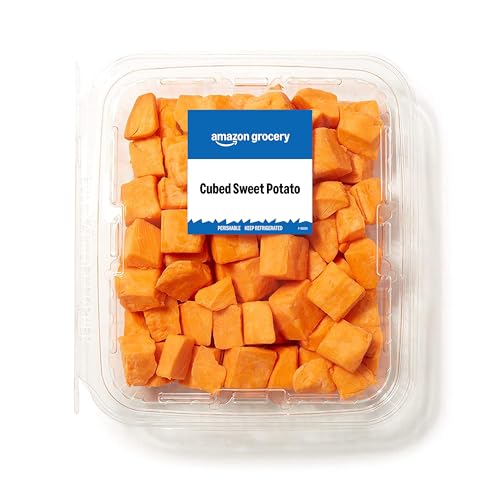
One of the defining features of sweet potato is its richness in carotenoids, particularly beta-carotene, which is responsible for its signature orange hue. Beta-carotene acts as a building block for vitamin A in the body, a nutrient essential for vision and immune support. The deeper the orange, the more beta-carotene the tuber contains, though even paler varieties offer valuable nutrients. Beyond its eye-catching color, sweet potato delivers a modest yet meaningful dose of vitamins like vitamin C and several B vitamins, along with minerals such as potassium and manganese, making it a well-rounded component of a balanced diet.
Texture plays a role in how we perceive the satisfaction of sweet potato. Roast it and you get a caramelized, slightly crisp exterior with a tender interior that melts in the mouth. Steam it, and it remains soft, moist, and subtly sweet, perfect for mashing or adding to soups. Even baked whole, its natural sugars intensify, turning each bite into a satisfying combination of savory and sweet. This adaptability extends to nutrition as well: cooking methods influence nutrient retention, and choosing the right approach can preserve both fiber and vitamins.
Fiber is another reason sweet potato deserves consistent attention in the kitchen. While often overlooked compared to leafy greens or legumes, the fiber in sweet potato supports digestive health and provides a gentle sense of fullness after meals. The tuber offers a balance of soluble and insoluble fiber, which together help maintain smooth digestion while promoting a healthy gut environment. Even small daily servings can make a noticeable difference over time, especially when incorporated into meals thoughtfully.
What makes sweet potato particularly appealing is its everyday practicality. Unlike more delicate vegetables, it stores well for weeks in a cool, dry place. This longevity encourages habitual inclusion in meals without the pressure of immediate consumption. For busy households or anyone looking to sustain healthy eating habits without constant grocery trips, sweet potato offers reliability. Its mild sweetness also allows it to pair seamlessly with proteins, other vegetables, and whole grains, bridging both savory and slightly sweet flavor profiles.
Culinary versatility, historical significance, and nutrient density converge to give sweet potato a quiet authority in the kitchen. It isn’t flashy like exotic superfoods often marketed with lofty claims, but it reliably supports general wellness through its nutrient profile, fiber content, and adaptability. You can roast, mash, steam, or even spiralize it for a creative twist. You can eat it hot, cold, or as part of a salad. You can use it as a side or let it take center stage in a hearty stew. Each approach preserves its natural charm while delivering nourishment.
Even beyond the nutrients and fiber, sweet potato has a psychological appeal. Its natural sweetness satisfies cravings without the need for added sugars, making it an approachable option for anyone mindful of taste and health. There’s a warmth to its flavor that resonates with comfort foods, yet it doesn’t compromise on providing substantive nutrition. Incorporating sweet potato into regular meals is less about strict rules and more about creating a pattern of eating that’s both enjoyable and health-conscious.
Sweet potato is a root that earns its place at the table. Its color, flavor, and texture make meals feel satisfying, while its nutrients—especially beta-carotene and fiber—provide foundational support for daily wellness. It encourages creativity in the kitchen and practicality in planning, making it more than just a seasonal vegetable. For anyone looking to nourish the body and delight the senses, sweet potato offers a balance of both, quietly proving that simple ingredients can have significant, lasting value.
Sweet Potato and Eye Health: Nourishing Your Vision Naturally
When you think about foods that quietly support your vision, sweet potato might not be the first name that comes to mind—but it deserves to be. Its vibrant orange flesh signals the presence of nutrients that have a meaningful role in maintaining eye health, particularly compounds like beta-carotene. Including sweet potato regularly in your meals isn’t just a colorful choice—it’s a way to nourish your eyes in a natural, approachable manner.
The Role of Beta-Carotene
Beta-carotene is the star player when it comes to sweet potato’s impact on vision. This carotenoid acts as a precursor to vitamin A, which plays a central role in maintaining the health of the retina and the surface of the eye. While the body converts beta-carotene into vitamin A as needed, consuming foods rich in this compound ensures a steady supply without the risk of excessive intake, which can sometimes occur with supplements.
Different sweet potato varieties offer varying amounts of beta-carotene, with deep orange-fleshed tubers generally providing the highest concentrations. Cooking methods also influence the availability of this nutrient. Light steaming or roasting can increase beta-carotene bioavailability by breaking down cell walls, making it easier for your body to absorb. Boiling, however, may cause some leaching of nutrients into the water, so methods that retain or enhance the nutrient concentration are often preferable.
Beyond conversion to vitamin A, beta-carotene functions as an antioxidant in the eye, helping to neutralize free radicals that can damage delicate ocular tissues. While research stops short of claiming it prevents specific eye diseases, regular consumption of beta-carotene-rich foods is consistently associated with supporting normal visual function and maintaining the clarity of the lens and retina over time.
Antioxidant Synergy
Sweet potato doesn’t stop at beta-carotene. Depending on the variety, it can also supply anthocyanins, particularly in purple-fleshed types, and other carotenoids that work alongside beta-carotene to create a broad spectrum of antioxidant activity. These compounds help counter oxidative stress, which naturally increases as we age. In the eyes, oxidative stress can contribute to cellular wear, so foods with complementary antioxidants are particularly valuable.
Vitamin C, present in moderate amounts in sweet potato, further adds to this antioxidant network. While often celebrated for immune support, vitamin C also plays a subtle role in eye health by contributing to the maintenance of collagen in ocular tissues and supporting the natural antioxidative environment. Combined, these nutrients create a synergy that makes sweet potato more than just a source of vitamin A—they make it a multi-faceted ally in everyday dietary habits.
Everyday Habits for Vision Support
Incorporating sweet potato into daily meals doesn’t require complex strategies or specialized diets. Simple habits can make a noticeable difference over time:
- Roast sweet potato wedges with a drizzle of olive oil to retain nutrients while adding flavor.
- Mash boiled sweet potatoes with a touch of cinnamon or nutmeg for a satisfying breakfast or side dish.
- Include roasted cubes in grain bowls alongside leafy greens to create a meal rich in antioxidants.
- Try purple sweet potato in salads or baked dishes for variety and an extra boost of anthocyanins.
Even small, consistent portions contribute to nutrient intake. A half-cup serving of cooked sweet potato provides a significant amount of beta-carotene, alongside fiber, potassium, and vitamin C, making it a practical and flavorful addition to lunch or dinner. Pairing sweet potato with healthy fats—like avocado, nuts, or olive oil—can improve the absorption of carotenoids, enhancing their impact on eye health.
Another everyday approach is to use sweet potato as a staple in meals you already enjoy. Instead of thinking of it as an “extra” vegetable, swap it for other starchy sides like white potatoes or rice a few times a week. This simple substitution maintains familiar textures and flavors while introducing valuable nutrients for vision support.
Overall, sweet potato’s combination of beta-carotene, antioxidant synergy, and easy integration into meals makes it a quietly powerful choice for everyday eye nutrition. While it’s not a magic bullet, incorporating this root regularly ensures that your eyes are supported naturally, with foods that are enjoyable, versatile, and reliable. By making sweet potato a consistent presence on your plate, you’re investing in a simple, sustainable way to nourish your vision alongside your overall diet.
Fiber-Powered Digestion: Sweet Potato’s Unsung Strength
Sweet potato is often celebrated for its color and flavor, but its fiber content is what quietly makes it a superstar in everyday nutrition. Fiber is essential for keeping the digestive system moving smoothly, promoting satiety, and supporting overall gut health. Sweet potato provides a balance of both soluble and insoluble fiber, offering benefits that extend well beyond basic digestion. Integrating it into meals is a practical, enjoyable way to naturally support digestive function.
Soluble and Insoluble Fiber Balance
Soluble fiber in sweet potato dissolves in water, forming a gel-like substance in the gut. This type of fiber slows digestion, helping regulate blood sugar levels and keeping you full longer after meals. It also serves as a prebiotic, feeding beneficial gut bacteria and creating a supportive environment for overall digestive health. Insoluble fiber, on the other hand, adds bulk to stool, promoting regular bowel movements and preventing constipation. Sweet potato’s combination of these fiber types means it can support multiple aspects of digestion in one simple food.
Different varieties and preparation methods can influence fiber content. Leaving the skin on maximizes fiber intake, as the skin contains a significant portion of insoluble fiber. Even orange-fleshed sweet potatoes, which are often peeled before cooking, retain meaningful fiber if minimally processed. Cooking doesn’t destroy fiber but can soften it, making it easier to digest while still maintaining its benefits. This makes sweet potato a versatile choice for those seeking fiber without harsh textures or excessive effort in meal prep.
Gut-Friendly Benefits
Regular intake of fiber-rich foods like sweet potato supports the gut microbiome in subtle but important ways. Soluble fiber acts as a fuel source for gut bacteria, promoting the growth of beneficial strains that contribute to digestive comfort and overall wellness. A balanced microbiome supports nutrient absorption, helps regulate inflammation, and may even influence energy levels and mood. While sweet potato alone won’t solve all gut issues, consistent consumption as part of a diverse diet can make a noticeable difference in digestive function and comfort.
The fiber in sweet potato also contributes to satiety, helping control appetite naturally. Many people notice that including a portion of roasted or mashed sweet potato in a meal keeps them satisfied for longer, reducing the tendency to snack unnecessarily between meals. Over time, this can support mindful eating habits without the need for strict calorie counting or complicated diet rules.
Portioning and Preparation for Maximum Fiber
Maximizing fiber intake from sweet potato doesn’t require elaborate recipes. Simple strategies make it easy to include in everyday meals while preserving its nutritional integrity:
- Roast whole or cubed sweet potatoes with skins on to retain insoluble fiber.
- Steam or boil sweet potatoes lightly, then mash them with a little olive oil or yogurt for a smooth, fiber-rich side.
- Slice into fries or wedges and bake, leaving the skin intact for extra texture and fiber content.
- Mix roasted sweet potato into grain bowls, soups, or stews to combine fiber sources for digestive variety.
A typical serving of cooked sweet potato—around half a cup—provides 3 to 4 grams of fiber, a meaningful contribution to daily recommendations, which for adults ranges from 25 to 30 grams per day. Pairing sweet potato with other fiber-rich foods like leafy greens, beans, or whole grains further enhances gut support. Consistent inclusion, rather than occasional large portions, is what makes the most difference over time.
Fiber is often underestimated, but it’s a foundation for digestive comfort, nutrient absorption, and overall wellness. Sweet potato delivers both soluble and insoluble fiber in a form that’s easy to enjoy, flexible in cooking, and naturally satisfying. By incorporating it into daily meals—whether roasted, mashed, or baked—you’re providing gentle, consistent support to your digestive system while also enjoying one of the most versatile roots available.
Sweet potato proves that small, simple choices in food can quietly reinforce digestive health. Its fiber content works behind the scenes, supporting regularity, feeding beneficial gut bacteria, and promoting fullness without fanfare. The tuber’s texture, flavor, and natural sweetness make it a pleasurable way to strengthen one of the most overlooked aspects of nutrition, demonstrating that a little attention to everyday foods can pay off in tangible health benefits.

Beyond Fiber and Vision: Everyday Wellness with Sweet Potato
Sweet potato isn’t just about eye health or fiber—it quietly contributes to overall wellness in ways that often go unnoticed. Beyond beta-carotene and fiber, this root is packed with vitamins, minerals, and phytonutrients that support everyday function. Its versatility in the kitchen makes it easy to integrate into a variety of meals, and its presence can subtly reinforce healthier lifestyle habits over time.
Vitamins, Minerals, and Micronutrients
Sweet potato is a nutritional powerhouse. In addition to beta-carotene, it provides significant amounts of vitamin C, potassium, and manganese. Vitamin C supports collagen production, which plays a role in skin and tissue health, while potassium contributes to fluid balance and normal muscle function. Manganese participates in antioxidant defenses, complementing the other phytonutrients already present in the tuber.
B vitamins, including B6 and folate, are also found in sweet potato. These compounds support energy metabolism and nervous system function, contributing to daily vitality. While individual nutrients alone are not miraculous, the combined profile of vitamins and minerals in sweet potato makes it a convenient way to add a spectrum of essential compounds to your diet.
Sweet potato also contains polyphenols, particularly in purple varieties. These phytonutrients act as antioxidants, supporting cellular function and complementing the fiber and carotenoids already present. While research continues into their broader impact on health, including polyphenol-rich foods like sweet potato can enhance the nutrient diversity of meals in a natural, tasty way.
Flavor and Culinary Flexibility
One of the most appealing aspects of sweet potato is its culinary adaptability. Its natural sweetness pairs well with both savory and sweet dishes. Roasted sweet potato cubes can be tossed into grain bowls, soups, or salads. Mashed sweet potato makes a satisfying side dish or a creamy base for casseroles. Baked whole, it can be a simple yet flavorful component of lunch or dinner, and even spiralized, it serves as a colorful alternative to pasta or noodles.
The flavor is forgiving too. Sweet potato can absorb spices, herbs, and oils without losing its character. Cinnamon, nutmeg, or smoked paprika enhance its natural sweetness, while garlic, rosemary, or cumin bring out its savory qualities. This flexibility encourages experimentation in cooking, allowing people to enjoy consistent nutritional benefits without meal fatigue.
Texture plays a role as well. The contrast between the crisp edges of roasted cubes and the soft, creamy interior engages the senses, making meals feel satisfying and complete. This sensory appeal can make it easier to include sweet potato regularly, ensuring that its nutrients—fiber, beta-carotene, and others—are consumed consistently.
Subtle Lifestyle Synergies
Beyond nutrition and flavor, sweet potato integrates naturally into healthy lifestyle patterns. Its long shelf life reduces food waste and supports meal planning, making it practical for those with busy schedules. Regular inclusion in meals can reinforce consistent, nutrient-dense eating habits without the need for complex routines.
Sweet potato’s versatility also supports portion control. Its fiber content promotes satiety, helping manage hunger cues and supporting balanced eating throughout the day. Pairing it with proteins, healthy fats, and other vegetables creates meals that feel complete, sustaining energy and focus without unnecessary snacking.
Seasonal and variety choices further encourage engagement with food. Rotating between orange, white, and purple varieties introduces subtle changes in flavor, texture, and nutrient profile, keeping meals interesting while boosting overall micronutrient diversity. Even small adjustments—like swapping a starchy side for roasted sweet potato a few times a week—can quietly reinforce healthier dietary patterns.
In essence, sweet potato is a bridge between nutrition and practical lifestyle. It offers a spectrum of vitamins, minerals, and phytonutrients while engaging the senses and supporting habitual, mindful eating. Its flexibility in the kitchen and ease of preparation make it an approachable, everyday food that strengthens overall wellness without the need for elaborate planning. By consistently incorporating sweet potato, you’re layering multiple subtle benefits into daily life—supporting eye health, digestive function, and broader nutritional balance—all in one flavorful, versatile root.
Best Selling Sweet Potato Related Products


Growing Clarity: How Sweet Potato Quietly Elevates Daily Health
It’s easy to underestimate a humble root like sweet potato. Its presence in the kitchen often feels familiar—comforting, even—but behind that unassuming exterior is a subtle powerhouse of nutrition that impacts daily wellness in meaningful ways. Over time, consistently including sweet potato in meals can quietly reinforce habits that support digestion, eye health, and overall nutrient balance.
One of the most immediate benefits of sweet potato is its fiber content. Even a modest portion delivers a mix of soluble and insoluble fiber that encourages regularity and supports a healthy gut microbiome. Unlike more aggressive or highly processed fiber sources, sweet potato is gentle, forgiving, and easy to incorporate into everyday meals. It encourages a rhythm of eating that naturally balances fullness and satiety, which can make maintaining a well-rounded diet feel effortless rather than restrictive.
Its contributions to eye health are equally understated yet impactful. The beta-carotene in orange-fleshed varieties, along with complementary antioxidants like anthocyanins in purple types, helps maintain the eye’s delicate structures and supports overall visual function. Pairing sweet potato with healthy fats, like a drizzle of olive oil or a handful of nuts, can further enhance absorption of these compounds, turning a simple side dish into a functional, nutrient-rich component of a meal. Over weeks and months, these small dietary choices build a consistent pattern of nutrition that benefits the eyes without demanding complicated routines or supplements.
Sweet potato also integrates seamlessly into a broader pattern of everyday wellness. Its long shelf life, ease of cooking, and flavor versatility make it practical for home cooking and meal prep. Roasted cubes, mashed sides, or baked whole, it works with a variety of flavors and ingredients, bridging both savory and sweet meals. This adaptability supports culinary creativity while ensuring that the nutritional benefits are never compromised.
Beyond fiber and nutrients, sweet potato subtly promotes mindful eating. Its natural sweetness can satisfy cravings without added sugar, while its comforting texture and taste make meals feel complete. People often find themselves intuitively pairing it with vegetables, proteins, or whole grains, creating balanced meals without overthinking portion sizes or nutrient targets. These small, repeated actions establish dietary habits that reinforce overall health.
Even lifestyle aspects, like seasonal variety and ease of storage, play a role in its quiet influence. Orange, white, and purple varieties each bring slightly different nutrient profiles, textures, and flavors, allowing for variety without sacrificing convenience. The simple act of keeping sweet potatoes on hand can guide meal planning in ways that naturally enhance nutrient intake and reduce reliance on less nutrient-dense options.
Ultimately, sweet potato is a food that works in harmony with daily life rather than against it. It doesn’t demand strict recipes or complex preparations. Instead, it rewards consistency, adaptability, and creativity in the kitchen. Its fiber supports digestion, its beta-carotene and antioxidants support eye health, and its broader micronutrient profile enhances overall wellness. By choosing sweet potato regularly, you’re making a subtle, sustainable investment in your daily health—one that accumulates over time without fanfare.
The impact of sweet potato isn’t always dramatic or immediate. Its influence is quiet, gradual, and cumulative, reinforcing the principle that consistent, simple choices often yield the most lasting results. The next time you slice, roast, or mash this humble root, you’re doing more than preparing a meal—you’re supporting your body, senses, and long-term health in a way that’s practical, enjoyable, and entirely sustainable. Sweet potato proves that small, thoughtful inclusions on your plate can quietly elevate daily life, turning routine meals into a foundation for ongoing wellness.
Article Sources
At AncientHerbsWisdom, our content relies on reputable sources, including peer-reviewed studies, to substantiate the information presented in our articles. Our primary objective is to ensure our content is thoroughly fact-checked, maintaining a commitment to accuracy, reliability, and trustworthiness.
- Slavin, J. L., & Lloyd, B. (2012). Health benefits of fruits and vegetables. Advances in Nutrition, 3(4), 506–516. https://doi.org/10.3945/an.112.002154
- Rao, A. V., & Rao, L. G. (2007). Carotenoids and human health. Pharmacological Research, 55(3), 207–216. https://doi.org/10.1016/j.phrs.2007.01.012
- World Health Organization. (2020). Vitamin A. https://www.who.int/news-room/fact-sheets/detail/vitamin-a
- Slavin, J. (2013). Fiber and prebiotics: Mechanisms and health benefits. Nutrients, 5(4), 1417–1435. https://doi.org/10.3390/nu5041417
- Basu, A., & Rhone, M. (2010). Berries: Emerging impact on cardiovascular health. Nutrition Reviews, 68(3), 168–177. https://doi.org/10.1111/j.1753-4887.2010.00299.x
- Wu, X., Beecher, G. R., Holden, J. M., Haytowitz, D. B., Gebhardt, S. E., & Prior, R. L. (2004). Lipophilic and hydrophilic antioxidant capacities of common foods in the United States. Journal of Agricultural and Food Chemistry, 52(12), 4026–4037. https://doi.org/10.1021/jf049696w
- Food and Agriculture Organization of the United Nations. (2019). Sweet potato: Post-harvest operations. http://www.fao.org/3/x5496e/x5496e.pdf
- Sangiovanni, E., Brivio, P., Dell’Agli, M., & Calabrese, F. (2017). Botanicals as modulators of neuroplasticity: Focus on BDNF. Neural Plasticity, 2017, 5965371. https://doi.org/10.1155/2017/5965371
- Mosha, T. C. E., Ndemanisho, E. J., & Mbwambo, Z. H. (2014). The role of orange-fleshed sweet potato in vitamin A deficiency alleviation in Tanzania. Food and Nutrition Bulletin, 35(1), 67–74. https://doi.org/10.1177/156482651403500109
- Slavin, J. L., & Lloyd, B. (2012). Role of dietary fiber in chronic disease prevention. Journal of Nutrition, 142(3), 454S–460S. https://doi.org/10.3945/jn.111.155822

- Zucchini: Hydrating Vegetable for Digestion and Heart - April 6, 2026
- Yams: Energy Rich Root for Fiber - April 6, 2026
- Turnip: Root Vegetable for Digestion and Vitamin C - April 6, 2026