
The Quiet Hero of Respiratory Health
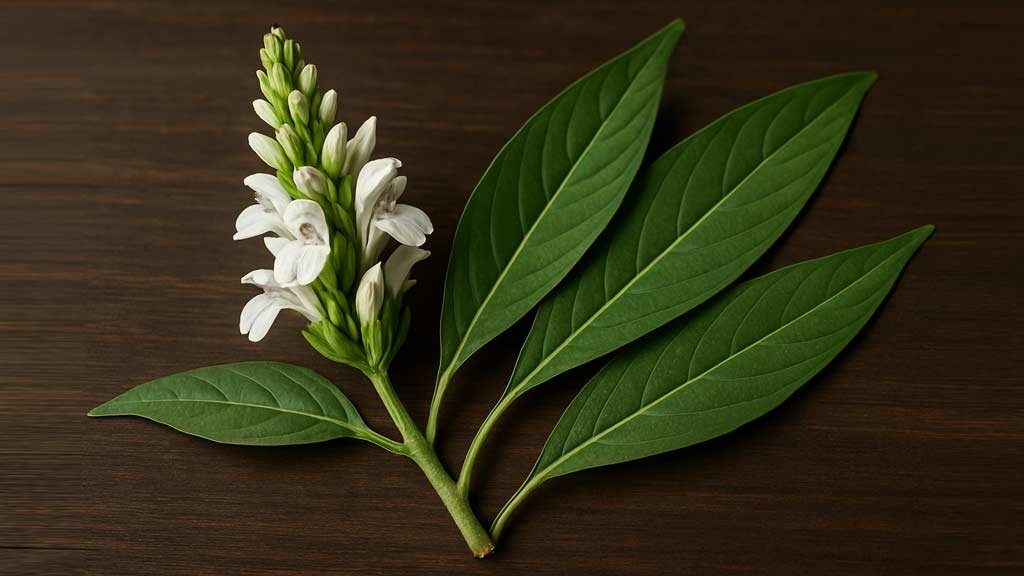
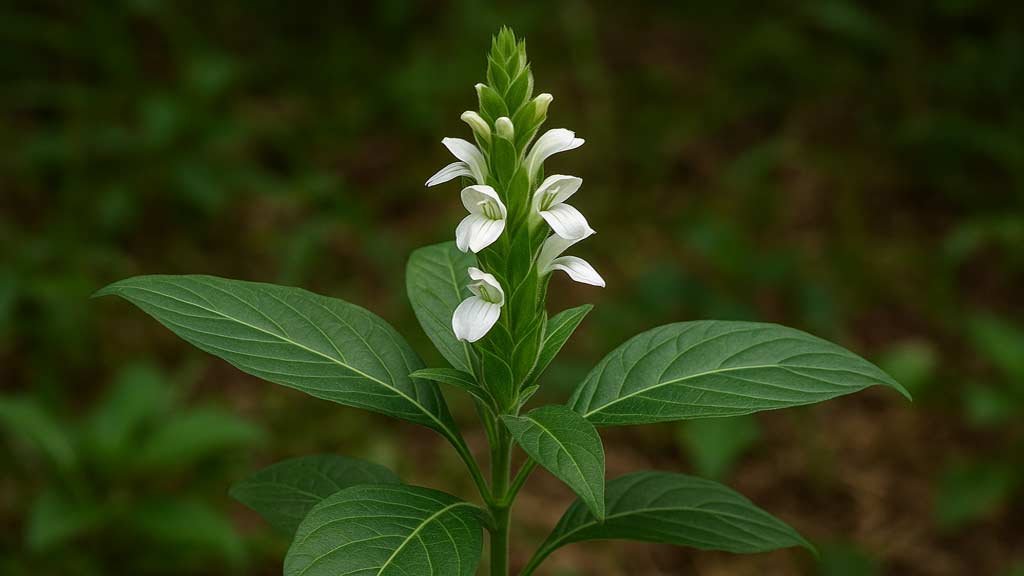
Vasaka, also known as Adhatoda vasica or Malabar nut, is one of those herbs that seems simple at first glance—shiny green leaves, small clusters of flowers—but hides an incredible legacy in respiratory wellness. For centuries, Ayurvedic practitioners have relied on Vasaka to ease coughs, soothe asthma symptoms, and strengthen the lungs. Its subtle power lies in its ability to support the respiratory system gently yet effectively.
Table of Contents

A Peek into Its History
Vasaka has deep roots in Ayurvedic medicine. Ancient texts often refer to it as a “lung tonic,” used to clear phlegm, ease breathing, and restore balance to the respiratory system. Herbalists would harvest the leaves, crush them, and prepare teas or syrups, noting almost immediate relief in patients struggling with persistent coughs or wheezing.
Its use isn’t limited to Ayurveda. Across South and Southeast Asia, traditional healers have recognized its value, often calling it a natural alternative to harsher remedies. Imagine someone sipping a warm Vasaka leaf decoction by a fire, feeling the steam gently open their airways—there’s something very human and intimate about herbal healing in this way.
How Vasaka Works in the Body
Vasaka contains several bioactive alkaloids, with vasicine and vasicinone standing out. These compounds are thought to contribute to its expectorant, bronchodilator, and anti-inflammatory effects.
Respiratory Benefits
- Cough relief: Vasaka loosens mucus in the lungs, making coughs more productive and less irritating.
- Asthma support: Its bronchodilatory properties help open airways, potentially easing asthma symptoms.
- Anti-inflammatory effects: Reduces inflammation in the respiratory tract, calming irritation and swelling.
- Antimicrobial activity: Lab studies suggest Vasaka may inhibit certain bacteria that contribute to respiratory infections.
It’s a gentle but multifaceted herb, acting not just on one symptom but supporting the overall health of the lungs and airways.
Traditional Uses in Ayurveda
Ayurvedic practitioners have long valued Vasaka for its broad respiratory support:
- Chronic cough and cold relief
- Bronchitis and asthma management
- Clearing phlegm and congestion
- Strengthening lung function over time
- Supporting overall immunity in the respiratory system
Vasaka is often prepared as a decoction, juice, or syrup. Sometimes it’s combined with other herbs like Tulsi (Ocimum sanctum) or ginger to enhance its effects and provide a warming, soothing remedy.
Modern Research and Evidence
Recent research confirms many of Vasaka’s traditional uses. Studies have highlighted:
- Expectorant activity: Helps loosen mucus and reduce congestion.
- Bronchodilator effects: Supports easier breathing in asthmatic conditions.
- Antioxidant properties: Protects respiratory tissues from oxidative stress.
- Antimicrobial potential: Inhibits certain pathogens responsible for lung infections.
Although human clinical trials are still limited, the data from laboratory and animal studies is promising and aligns closely with centuries of traditional use.
Forms and Preparations
Vasaka can be used in several ways:
- Fresh leaves: Brewed into teas or crushed to extract juice.
- Dried leaves or powdered herb: Useful for teas or capsules.
- Syrups: Often used to treat persistent cough or bronchial irritation.
- Tinctures: Alcohol-based extracts for concentrated use.
Each form has its own benefits, and the choice often depends on taste preference, convenience, and desired potency.
How to Integrate Vasaka into Daily Life
- Prepare a warm tea with fresh or dried leaves after meals to soothe the lungs.
- Add a teaspoon of powdered Vasaka to honey or warm water for a gentle cough remedy.
- Use Vasaka syrup in small, consistent doses for chronic respiratory support.
- Pair with lifestyle habits like staying hydrated, using a humidifier, and practicing gentle breathing exercises for optimal respiratory health.
Safety and Precautions
Vasaka is generally considered safe for most adults, but there are a few considerations:
- Avoid high doses during pregnancy or lactation.
- People with low blood pressure should consult a healthcare provider before use, as some alkaloids may affect circulation.
- Monitor for mild digestive upset or nausea when starting a new preparation.
- Ensure the herb is sourced from reputable suppliers to avoid contamination.
Why Vasaka Deserves Attention Today
In a world where respiratory issues are increasingly common—from seasonal colds to asthma—Vasaka offers a natural, time-tested option. Its dual action as a cough remedy and bronchodilator makes it uniquely versatile. Unlike synthetic medicines that may treat one symptom aggressively, Vasaka works with the body’s natural systems, gently supporting lung health and overall respiratory balance.
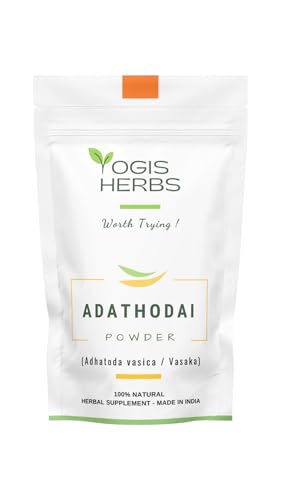
Best Selling Vasaka Supplements


Final Thoughts
Vasaka is a quiet champion in the herbal world. It doesn’t boast dramatic effects immediately, but its consistent, gentle support makes a tangible difference over time. Whether you struggle with chronic coughs, seasonal asthma, or just want to maintain healthy lungs, Vasaka offers a natural, holistic approach that has stood the test of centuries. Sometimes, the herbs that seem unassuming hold the most profound benefits.
Article Sources
At AncientHerbsWisdom, our content relies on reputable sources, including peer-reviewed studies, to substantiate the information presented in our articles. Our primary objective is to ensure our content is thoroughly fact-checked, maintaining a commitment to accuracy, reliability, and trustworthiness.
- Easy Ayurveda. (2014, July 25). Vasaka (Adhatoda vasica): Uses, side effects, and research. Retrieved from https://www.easyayurveda.com/2014/07/25/vasaka-adhatoda-vasica-uses-side-effects-research/
- Longdom. (n.d.). Vasaka (Adhatoda vasica Nees): Traditional uses and medicinal applications in Ayurveda. Retrieved from https://www.longdom.org/open-access/vasaka-adhatoda-vasica-nees-traditional-uses-and-medicinal-applications-in-ayurveda-104993.html
- Kerala Ayurveda. (2025, April 16). Vasaka plant: Medicinal uses, health benefits & side effects. Retrieved from https://keralaayurveda.biz/blogs/news/vasaka-plant-medicinal-uses-health-benefits
- Planet Ayurveda. (n.d.). Vasaka (Adhatoda vasica): Uses, benefits, and dosage. Retrieved from https://www.planetayurveda.com/vasa-adhatoda-vasica/
- House of Health. (2025, May 19). Top 10 health benefits of Vasaka or Vasa for lungs & respiratory health. Retrieved from https://houseofhealth.co.in/health-benefits-of-vasaka/
- WebMD. (n.d.). Malabar nut – Uses, side effects, and more. Retrieved from https://www.webmd.com/vitamins/ai/ingredientmono-1/malabar-nut
- PMC. (2023). Valorization of Adhatoda vasica leaves: Extraction, in vitro antioxidant, antimicrobial, and anti-inflammatory activities. Retrieved from https://pmc.ncbi.nlm.nih.gov/articles/PMC10099809/
- ScienceDirect. (2000). Adhatoda vasica: A critical review of ethnopharmacological and pharmacological aspects. Journal of Ethnopharmacology, 71(1-2), 1-10. https://doi.org/10.1016/S0378-8741(00)00225-7
- Wikipedia contributors. (2025, September 24). Justicia adhatoda. Wikipedia. Retrieved from https://en.wikipedia.org/wiki/Justicia_adhatoda
- Academia. (2021). Antibacterial and antibiofilm activities of a traditional herbal formula against respiratory infection-causing bacteria. ArXiv. Retrieved from https://arxiv.org/abs/2102.04301

- Nectarine: Stone Fruit for Heart Health and Antioxidants - March 8, 2026
- Peach: Hydrating Fruit for Skin Health and Digestion - March 8, 2026
- Plum: Fiber-Rich Fruit for Digestion and Heart Health - March 8, 2026
