
A Tree Rooted in Healing
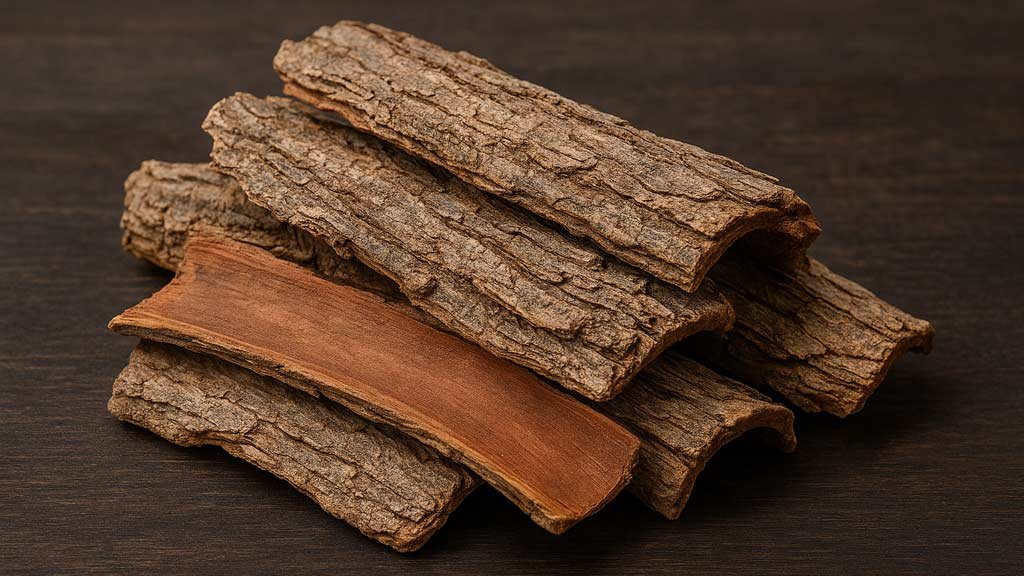
Arjuna bark, or Terminalia arjuna, is one of those herbs that people whisper about in Ayurvedic circles with a kind of reverence. Not flashy like turmeric or trendy like ashwagandha, but steady, ancient, and remarkably consistent in its reputation. When healers talk about the heart, both physically and metaphorically, Arjuna’s name always comes up. The bark of this tall, sturdy tree has been used for centuries in India, praised in texts going back over 1,000 years.
It’s the kind of herb you can imagine elders recommending quietly, almost with a wink, as if they know you’ll eventually see what the fuss is about.
Table of Contents

Where Arjuna Comes From
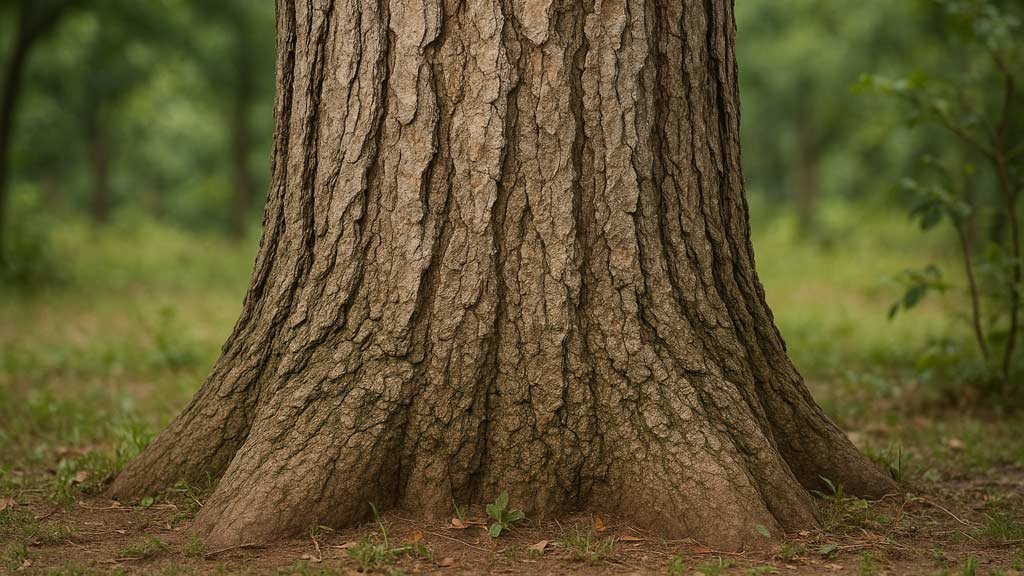
Arjuna grows along riverbanks and wetlands across India and parts of Southeast Asia. The tree itself is impressive—strong, tall, with smooth bark that peels in thick sheets. Locals sometimes describe it as a “guardian of the waters.” There’s symbolism in that: a protector standing by the river, its bark protecting the heart.

Traditionally, people harvest the bark carefully to avoid harming the tree. It’s dried, powdered, or boiled into decoctions. In Ayurveda, balance matters—how you harvest, how you prepare, how you take it. Arjuna reflects that philosophy perfectly.
Arjuna in Ayurveda
In Ayurvedic practice, Arjuna is classified as:
- Kashaya (astringent) in taste
- Sheeta (cooling) in potency
- Kapha-pitta balancing
It’s primarily considered a hridya—a heart tonic. Ancient physicians recommended it for conditions like chest pain, palpitations, and general weakness of the heart. But it wasn’t limited to just cardiovascular use. Arjuna was also applied to wounds, ulcers, and even bone fractures.
You can find its praises in texts like the Charaka Samhita and Sushruta Samhita. These are not casual mentions—they’re detailed references, woven into formulas that have been passed down for centuries.
The Science Behind Arjuna
Modern research has started to validate what traditional healers already knew. Arjuna bark contains a wealth of bioactive compounds:
- Triterpenoids like arjunolic acid and arjunic acid, linked to cardioprotective effects
- Flavonoids with antioxidant properties
- Glycosides that may support heart muscle strength
- Tannins contributing to astringency and wound healing
Together, these compounds explain why Arjuna can protect cardiac tissue, improve circulation, and reduce oxidative stress. Clinical trials in India and elsewhere have explored Arjuna for angina, hypertension, and even heart failure, with promising results.
Heart Health Benefits
When it comes to the heart, Arjuna shines. It doesn’t just work on one mechanism—it acts broadly, strengthening, protecting, balancing.
Key Actions
- Cardioprotective: Protects the heart muscle against oxidative damage
- Hypotensive: Helps lower blood pressure gently over time
- Anti-anginal: Reduces chest pain and improves exercise tolerance in angina patients
- Lipid-lowering: Can help balance cholesterol and triglycerides
Some herbalists say Arjuna gives the heart “resilience.” Not in the poetic sense alone, but in the very real ability of the cardiac muscle to withstand stress.
Beyond the Heart
Although famous for its cardiovascular support, Arjuna has broader benefits too.
- Wound Healing: Its astringency helps stop bleeding and promotes tissue repair. Traditional healers applied bark pastes to ulcers and cuts.
- Respiratory Support: Decoctions have been used for asthma and chronic cough.
- Bone Health: Folk medicine sometimes used it for fractures, perhaps due to its mineral content.
- Liver Protection: Early studies suggest it may guard against liver damage from toxins.
It’s always fascinating when a plant renowned for one thing turns out to have layers of utility.
Ways to Take Arjuna
Different traditions prepare Arjuna in different ways, and modern herbalism has adapted those.
Common Forms
- Powder (Churna): Taken with warm water, milk, or honey
- Decoction (Kashayam): Bark boiled in water, reduced, and consumed
- Capsules or tablets: Modern, convenient forms
- Arjuna tea blends: Often combined with other heart-friendly herbs like hawthorn or tulsi
The taste is bitter, slightly harsh—definitely not a cozy, comfort herb. But sometimes the best medicine isn’t sweet.
Personal Impressions and Anecdotes
I once met a man in India who swore by Arjuna tea. He’d had episodes of angina, and while he still followed his doctor’s regimen, he credited Arjuna with helping him regain his stamina. He described the decoction as “wood water,” grimacing as he remembered the flavor. But then he smiled and said, “It keeps me walking.”
That’s the thing—many herbs work subtly, quietly, without fireworks. Arjuna feels like that. It’s not a quick fix, but it’s steady and trustworthy.
Safety and Precautions
Arjuna is generally considered safe when used in traditional doses. But, as with any herb, a few notes of caution:
- Medication interactions: May interact with blood pressure and heart medications.
- Pregnancy and lactation: Not well studied, so best avoided unless supervised.
- Dosage: Stick to recommended amounts—more isn’t always better.
It’s the kind of herb you respect. You don’t just throw it into a smoothie because it sounds exotic.
Arjuna in Modern Herbalism
Today, Arjuna is gaining recognition beyond India. Herbalists worldwide are beginning to explore its potential, often comparing it to hawthorn in Western traditions. Both herbs support the heart, though with slightly different profiles.
What’s remarkable is how Arjuna bridges the ancient and the modern. You can still find it being boiled in village kitchens, and yet it’s also studied in clinical labs with ECG machines and biomarkers.
Emotional and Symbolic Resonance
Arjuna isn’t just about the physical heart. In Ayurvedic thought, the heart is also the seat of consciousness, emotion, and spirit. Taking Arjuna can be seen as nurturing the emotional core, not just the pump in your chest.
There’s even a mythological connection. Arjuna is also the name of a hero in the Mahabharata, known for courage and devotion. Naming the tree after him feels intentional, symbolic—strength and protection embodied in bark.
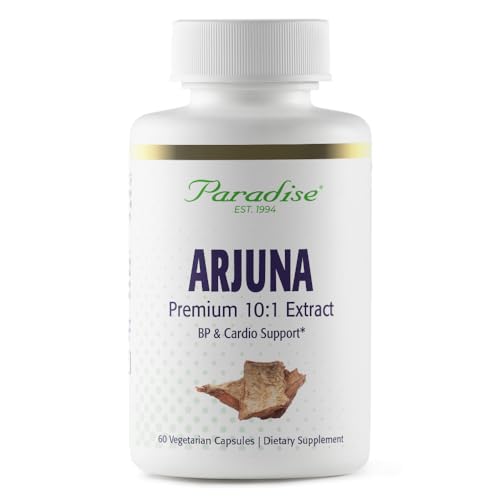
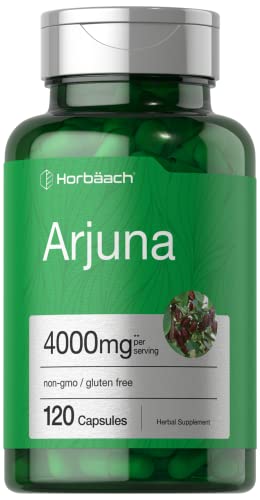
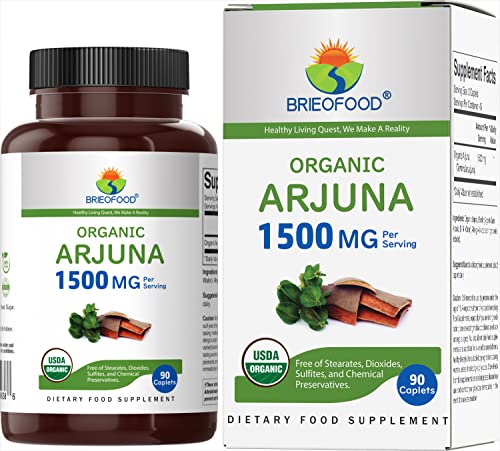
Best Selling Arjuna Supplements






Closing Reflections
Arjuna is not the herb you reach for when you want something trendy or instantly gratifying. It’s the herb you turn to when you’re serious about supporting your heart, both body and spirit. Its story spans millennia, and the science continues to unfold.
If you let it, Arjuna teaches patience. It works slowly, builds resilience, and offers a kind of quiet guardianship. Not unlike the tall trees along the riverbanks, standing watch, year after year.
Article Sources
At AncientHerbsWisdom, our content relies on reputable sources, including peer-reviewed studies, to substantiate the information presented in our articles. Our primary objective is to ensure our content is thoroughly fact-checked, maintaining a commitment to accuracy, reliability, and trustworthiness.
- Dwivedi, S., & Chopra, D. (2014). Revisiting Terminalia arjuna—An ancient cardiovascular drug. Journal of Traditional and Complementary Medicine, 4(4), 224–231. https://doi.org/10.4103/2225-4110.139104
- Gupta, R., Singhal, S., Goyal, P., & Maithani, M. (2019). Cardioprotective potential of Terminalia arjuna bark extract against isoproterenol-induced cardiotoxicity in rats. Journal of Ayurveda and Integrative Medicine, 10(1), 15–20. https://doi.org/10.1016/j.jaim.2017.09.003
- Kumar, S., Pandey, A. K., & Dwivedi, S. (2021). Terminalia arjuna: A sacred medicinal plant of India with diverse pharmacological potential. Phytomedicine Plus, 1(3), 100051. https://doi.org/10.1016/j.phyplu.2021.100051
- Miller, A. L. (1998). Botanical influences on cardiovascular disease. Alternative Medicine Review, 3(6), 422–431. https://pubmed.ncbi.nlm.nih.gov/9855563
- Sharma, M., Kishore, K., Gupta, S. K., & Arya, D. S. (2011). Cardioprotective potential of Terminalia arjuna bark extract in ischemic-reperfusion injury in rats. Pharmacognosy Research, 3(2), 104–111. https://doi.org/10.4103/0974-8490.81953

- Phosphatidic Acid: Supporting Muscle Growth and Strength - July 31, 2026
- Ceramides: Supporting Healthy Skin From Within - July 31, 2026
- Synbiotics: Combining Prebiotics and Probiotics Together - July 31, 2026