

Nourishing Your Joints from the Inside Out
We rarely stop to think about what keeps our joints moving smoothly. You twist, bend, and stretch countless times every day without even noticing the tiny miracles inside your body. The secret? Joint lubrication. That slick, almost invisible synovial fluid cushions cartilage, nourishes connective tissue, and keeps bones gliding without friction. Over time, age, wear, inflammation, and lifestyle habits can reduce this natural “oil,” leaving joints stiff, sore, or creaky.
Maintaining healthy joint lubrication isn’t about a single herb, supplement, or miracle powder. It’s a conversation between the body, what you put in it, and how you move. Herbs and medicinal mushrooms can play a surprisingly powerful role here. They act on multiple levels: some reduce subtle inflammation that dries out joints, others support collagen production, which is crucial for cartilage resilience, while a few enhance circulation so nutrients reach the joint capsule efficiently.
Table of Contents

Take turmeric, for instance. People have been cooking with it in India for centuries, but it’s far more than a flavoring. Its active compound, curcumin, modulates inflammatory pathways that, if left unchecked, can gradually stiffen joints and dry out synovial fluid. A daily dose in a warm tea or a golden latte isn’t just comforting; it’s an active way to protect lubrication from the inside out.

Then there’s Devil’s Claw, a plant native to southern Africa. It quietly reduces inflammation and improves microcirculation around joints, allowing the synovial fluid to nourish cartilage more effectively. It doesn’t scream for attention, but over time, you notice the difference in mobility, the subtle ease of bending, reaching, or walking.
Medicinal mushrooms like Reishi and Cordyceps bring another layer of support. Reishi’s immune-modulating compounds help control chronic low-grade inflammation, the kind you might not feel until movement becomes stiff. Cordyceps improves oxygen delivery to tissues and microcirculation, ensuring joints get the nutrients and hydration they need to stay supple. Regular use of these mushrooms isn’t a quick fix—it’s an investment in long-term resilience.
Healthy joint lubrication also responds to lifestyle cues. Hydration, gentle mobility exercises, and mindful nutrition create an environment where these herbs and mushrooms can do their work. Imagine your joint as a small pond: the water needs to flow, the banks need support, and the ecosystem needs balance. Herbs and mushrooms act like careful gardeners, encouraging that flow, repairing the banks, and sustaining the ecosystem over time.
It’s tempting to think that discomfort is inevitable as we age, that creaks and stiffness are a natural law. But the human body is remarkably responsive to care and attention. Supporting joint lubrication from the inside out—through carefully chosen botanicals, mushrooms, and daily habits—can make movement smoother, more comfortable, and more enjoyable. Over time, these small, consistent steps compound into a noticeable difference in mobility, flexibility, and overall joint health.
Healthy lubrication isn’t just about preventing pain; it’s about preserving freedom—the freedom to squat, bend, stretch, and move without thinking about every click or pop. By nourishing your joints from the inside out, you’re giving them what they need to glide, cushion, and sustain themselves for the long haul. It’s a quiet, ongoing process, but one that pays dividends in comfort, resilience, and the simple joy of moving your body.
This is the first step in thinking of joint health holistically, blending traditional herbal wisdom with modern understanding of inflammation, circulation, and connective tissue resilience. The herbs and mushrooms we’ll explore have their own roles, working together to keep joints lubricated, cartilage nourished, and movement effortless.
Anti-Inflammatory Herbs That Protect Joint Fluid
Inflammation is a double-edged sword when it comes to joint health. In small doses, it’s a necessary part of healing. But when it lingers quietly over time, it can dry out synovial fluid, erode cartilage, and make even simple movements uncomfortable. This is where anti-inflammatory herbs step in. Unlike over-the-counter painkillers that temporarily mask discomfort, herbs work subtly to support the joint environment itself, protecting the lubrication that keeps cartilage gliding smoothly.
1. Turmeric (Curcuma longa)
Turmeric has been celebrated in Ayurvedic and traditional Chinese medicine for centuries, but modern science confirms its potency. The star compound, curcumin, targets multiple inflammatory pathways simultaneously. It inhibits molecules that promote cartilage breakdown while reducing cytokines that contribute to joint stiffness.
For joint lubrication, turmeric’s value lies in its ability to reduce friction-causing inflammation. By calming the tissues around the joint capsule, synovial fluid can maintain its natural viscosity. Daily use doesn’t need to be complicated. A teaspoon in warm milk or a gentle infusion with black pepper—which enhances absorption—can make a subtle but noticeable difference over time. People often report morning stiffness easing after weeks of consistent use, even without other interventions.
What makes turmeric especially interesting is its synergistic potential. Pairing it with other herbs or integrating it into meals enhances its anti-inflammatory effect. It doesn’t act as a standalone fix but as part of a broader strategy to keep joint lubrication balanced and cartilage supported.
2. Boswellia Serrata (Indian Frankincense)
Boswellia, also called Indian Frankincense, is a resin extracted from the Boswellia serrata tree. Its effectiveness comes from boswellic acids, which inhibit specific enzymes—like 5-lipoxygenase—that are implicated in cartilage degradation. By slowing this enzymatic activity, Boswellia helps protect the cartilage matrix, which is critical for maintaining healthy synovial fluid.
Unlike fast-acting painkillers, Boswellia works more gradually, offering subtle improvements in flexibility and mobility. Over time, joints feel less “tight” and creaks or stiffness during movement diminish. Traditional usage often combines it with turmeric for a more comprehensive anti-inflammatory effect. It’s common to find formulations in teas, tinctures, or capsules, each delivering consistent boswellic acids for long-term joint support.
One notable aspect of Boswellia is its circulation-friendly properties. Improved microcirculation around joints helps nutrients reach the synovial fluid more efficiently. Think of it as enhancing the delivery system so your joint’s natural lubrication can stay replenished and active.
3. Ginger (Zingiber officinale)
Ginger is another powerhouse in anti-inflammatory support, often overlooked in discussions of joint lubrication. Its active compounds, gingerols and shogaols, inhibit inflammatory signaling molecules while boosting antioxidant defenses in joint tissues. This dual action helps maintain the health of synovial fluid and the cartilage it nourishes.
Beyond biochemical effects, ginger also stimulates local circulation. Increased blood flow ensures that synovial fluid is rich in nutrients and that cartilage receives the building blocks it needs to stay resilient. A warm ginger tea before physical activity can provide a gentle warming sensation, which often translates into easier movement and reduced stiffness.
Ginger is versatile. Fresh, powdered, or in concentrated tincture form, it can be integrated into daily life with minimal effort. The effects accumulate over weeks, subtly reducing micro-inflammation that might otherwise dry out joint lubrication. Its benefit is particularly noticeable for those with morning stiffness or joints that feel tight after periods of inactivity.
Putting It All Together
These three herbs—turmeric, Boswellia, and ginger—create a layered approach to joint protection. Turmeric modulates broad inflammatory pathways, Boswellia protects cartilage from enzymatic breakdown, and ginger supports both inflammation control and microcirculation. Individually, each provides value; together, they form a synergistic combination that targets the underlying causes of lubrication loss rather than just masking discomfort.
Consistency is key. Anti-inflammatory herbs work over time, creating a joint environment where synovial fluid maintains its viscosity, cartilage remains nourished, and movement becomes effortless. Integrated into daily routines—whether as teas, tinctures, or culinary additions—they help keep joints flexible, resilient, and quietly well-lubricated.
Even small daily habits, like adding a pinch of turmeric to meals or a slice of fresh ginger to morning tea, can accumulate into meaningful improvements. The joints, after all, thrive on care and consistency, not sudden fixes. These herbs act like subtle mechanics behind the scenes, maintaining smooth operation and reducing friction that could otherwise wear down cartilage over the years.
By focusing on inflammation at the source and supporting the natural lubrication of joints, turmeric, Boswellia, and ginger provide a practical, evidence-backed toolkit for preserving movement, flexibility, and comfort across decades of life.
Herbs That Support Cartilage and Connective Tissue
Healthy joint lubrication relies not only on fluid but also on the structures it cushions. Cartilage, ligaments, and connective tissue form the framework that allows smooth, pain-free motion. Over time, micro-tears, nutrient deficiencies, and subtle inflammation can weaken these tissues, leaving joints less resilient. Certain herbs offer targeted support, supplying minerals, bioactive compounds, and anti-inflammatory agents that reinforce connective tissue and indirectly preserve synovial fluid.
4. Nettle Leaf (Urtica dioica)
Nettle leaf is a quiet powerhouse for joint support. Rich in minerals like silica, calcium, magnesium, and iron, it nourishes cartilage and connective tissue from within. Unlike flashy remedies, nettle works gradually, providing the building blocks necessary for collagen synthesis—the protein that gives cartilage and ligaments their strength and elasticity.
But minerals aren’t the whole story. Nettle also has anti-inflammatory properties, reducing local irritation that can accelerate fluid loss from joints. A daily infusion or tincture provides a steady supply of nutrients that integrate into connective tissues over time. Many people notice subtle improvements in flexibility and a reduction in the stiffness that makes movement feel laborious.
Beyond its nutritional benefits, nettle is versatile in application. Fresh or dried leaves can be steeped into teas, added to soups, or concentrated into extracts. Each preparation provides a gentle, sustained support system for joints, nourishing both the cartilage and the synovial fluid it relies on.
5. Horsetail (Equisetum arvense)
Horsetail is another herb renowned for its connective tissue benefits. Its exceptionally high silica content makes it particularly valuable for collagen formation, the cornerstone of cartilage integrity. Collagen maintains the structural framework that holds joints together and ensures that synovial fluid cushions bones effectively. Without adequate collagen, cartilage becomes brittle, and lubrication is compromised.
In addition to silica, horsetail contains flavonoids and minerals that further enhance tissue resilience. Regular use supports ligament strength, tendon flexibility, and overall joint stability. People who incorporate horsetail into teas, tinctures, or powdered extracts often report a noticeable improvement in the “spring” or resilience of their movements, a subtle but important indicator of healthy connective tissue.
Horsetail also acts synergistically with other herbs. For instance, combining horsetail with anti-inflammatory botanicals like turmeric or Boswellia ensures that cartilage not only receives structural support but also remains protected from chronic inflammation that can degrade synovial fluid.
6. Devil’s Claw (Harpagophytum procumbens)
Devil’s Claw, native to southern Africa, has a long history in traditional medicine for joint discomfort. Its harpagosides provide potent anti-inflammatory effects, reducing localized irritation in joints that can compromise both connective tissue and synovial fluid. Unlike herbs that work solely on cartilage nutrition, Devil’s Claw improves microcirculation around joints, enhancing nutrient delivery and waste removal.
Better circulation ensures that cartilage remains hydrated and nourished, supporting lubrication and preventing stiffness. Users often report improved ease of movement, particularly in the mornings or after periods of inactivity. Devil’s Claw can be consumed as a tincture, capsule, or tea, making it a flexible addition to a joint-support regimen.
Its dual role—anti-inflammatory and circulation-enhancing—makes Devil’s Claw a practical complement to structural herbs like horsetail and nettle. Together, these botanicals create a network of support that strengthens cartilage, maintains connective tissue integrity, and helps synovial fluid function at its best.
Integrating Structural Herbs for Joint Health
When you combine nettle leaf, horsetail, and Devil’s Claw, you’re addressing multiple aspects of joint resilience. Nettle provides essential minerals and reduces subtle inflammation, horsetail strengthens the structural framework through collagen support, and Devil’s Claw ensures proper circulation and tissue nourishment.
The beauty of these herbs lies in their subtle, cumulative effect. Unlike quick fixes, they quietly reinforce the joints over time, supporting cartilage and connective tissue while indirectly maintaining synovial fluid. Imagine walking on a well-oiled hinge: the framework is strong, the lubrication is sufficient, and movement is effortless. That’s the long-term outcome of consistent use of these structural herbs.
Incorporating them into daily life can be simple: a cup of nettle tea with a dash of horsetail powder in the morning, or a Devil’s Claw tincture before activity. Over weeks and months, this routine helps preserve flexibility, reduce stiffness, and support the natural lubrication that allows joints to glide smoothly. It’s not flashy, but it works—and that slow, steady support is what keeps joints resilient for decades.
Medicinal Mushrooms for Joint Resilience and Lubrication
When most people think of joint support, mushrooms rarely come to mind. Yet, medicinal fungi like Reishi and Cordyceps offer unique benefits that complement herbs, working at the cellular and systemic level to preserve joint health. They modulate inflammation, improve circulation, and support tissue resilience, all of which are essential for maintaining healthy synovial fluid and smooth movement.
7. Reishi Mushroom (Ganoderma lucidum)
Reishi is often called the “mushroom of immortality” for a reason. Beyond its legendary status, it contains triterpenes and polysaccharides that exert potent anti-inflammatory and immune-modulating effects. Chronic, low-grade inflammation around joints can gradually reduce lubrication and damage cartilage. By balancing immune responses, Reishi helps control this subtle inflammation without suppressing the body’s natural defenses.
Beyond inflammation, Reishi also supports tissue resilience. Its compounds enhance microcirculation, ensuring that cartilage and synovial fluid receive oxygen and nutrients necessary for long-term function. People who incorporate Reishi into their daily routine—often as a tea, powder, or tincture—report less morning stiffness and a smoother, more comfortable range of motion over time.
Reishi’s approach to joint health is holistic. It doesn’t just target pain or inflammation; it creates an internal environment where synovial fluid remains viscous, cartilage maintains its integrity, and connective tissues are better nourished. Think of it as reinforcing the entire joint ecosystem rather than patching a single weak spot.
8. Cordyceps (Cordyceps sinensis, Cordyceps militaris)
Cordyceps brings a different set of tools to joint care. Known primarily for enhancing energy and endurance, it also improves microcirculation and oxygen delivery throughout the body. Better circulation means that joints are supplied with the nutrients and hydration needed to maintain lubrication and cartilage health.
Cordyceps also modulates inflammation, particularly in tissues prone to oxidative stress and repetitive use. Its bioactive compounds enhance cellular energy production in cartilage and synovial tissue, supporting tissue repair and resilience. For active individuals or those experiencing stiffness from sedentary routines, this can translate into smoother, less painful movement.
A practical approach is daily supplementation via powder, capsules, or infusion. Over time, Cordyceps complements herbs like turmeric and Boswellia by supporting circulation and tissue metabolism. Together, they create a system where joints are both protected from damage and nourished for optimal lubrication.
How Mushrooms Complement Herbal Support
Reishi and Cordyceps operate at a systemic level, whereas herbs like nettle or horsetail often act more locally on cartilage and connective tissue. This combination—mushrooms for immune modulation and circulation, herbs for structural support and anti-inflammation—creates a comprehensive framework for joint health.
In practice, this might look like a morning tea containing Reishi, a tincture of Cordyceps before activity, and daily intake of anti-inflammatory herbs. The mushrooms reduce low-grade inflammation and enhance tissue resilience, allowing the synovial fluid to retain its natural viscosity. The herbs strengthen cartilage, nourish connective tissues, and improve microcirculation. Together, they maintain the smooth gliding action of joints and protect against long-term wear and tear.
Medicinal mushrooms are subtle yet powerful allies. Their effects accumulate over weeks and months, quietly enhancing joint resilience and lubrication. They remind us that joint health isn’t only about immediate comfort—it’s about creating an internal environment where tissues can thrive, fluid can flow, and movement remains effortless throughout life.
Keeping Your Joints Fluid and Flexible
Healthy joint lubrication isn’t just a matter of comfort; it’s the foundation of movement itself. Every step, bend, or stretch relies on synovial fluid cushioning cartilage, ligaments providing structural support, and tissues resilient enough to handle daily stress. Maintaining this system requires more than occasional supplements—it’s a lifestyle woven with nourishment, circulation, and consistent care.
Integrating anti-inflammatory herbs like turmeric, Boswellia, and ginger helps manage subtle inflammation that can stiffen joints and degrade lubrication over time. Their effects are gentle but cumulative, reducing friction at the cellular level and creating an environment where synovial fluid can remain viscous and effective. Nettle leaf and horsetail provide structural support, supplying minerals and promoting collagen synthesis, which strengthens cartilage and connective tissues. Devil’s Claw enhances circulation and tissue nourishment, further supporting the fluid that cushions movement.
Medicinal mushrooms like Reishi and Cordyceps add another layer of protection. By modulating immune responses and improving microcirculation, they help joints stay nourished, resilient, and flexible. Regular use of these mushrooms complements herbal support, creating a joint ecosystem that functions smoothly from multiple angles—structural, biochemical, and circulatory.
Consistency is key. Small daily rituals—like a morning cup of nettle tea, a dash of turmeric in meals, or a Reishi infusion—accumulate into noticeable improvements in mobility. Movement itself also matters: gentle stretching, low-impact exercise, and activities that promote circulation ensure that synovial fluid is actively distributed, nourishing cartilage and connective tissue. Hydration plays a subtle but essential role too, as fluid levels affect both lubrication and nutrient transport.
The goal isn’t to chase perfection or eliminate every ache, but to maintain joints that are responsive, resilient, and comfortable. Over time, combining herbs, mushrooms, movement, and mindful habits creates a system where lubrication is preserved naturally. Bends, twists, and stretches become effortless again, and joints are supported not by temporary fixes, but by consistent care that reinforces their structure and function.
By treating joints as living systems rather than mechanical hinges, you can maintain flexibility, reduce stiffness, and protect cartilage for the long haul. The blend of anti-inflammatory herbs, connective tissue support, and medicinal mushrooms is not a quick remedy—it’s a thoughtful, holistic approach that allows joints to glide, adapt, and sustain movement for years to come.
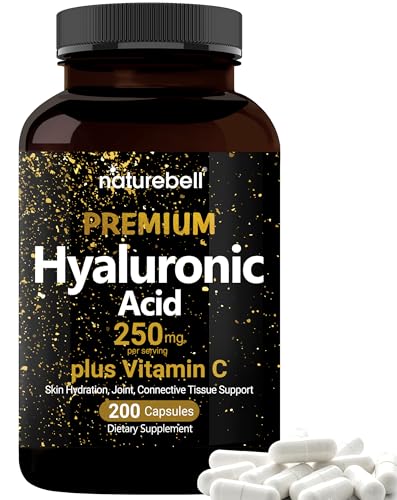
Best-selling Supplements for Joint Lubrication



Article Sources
At AncientHerbsWisdom, our content relies on reputable sources, including peer-reviewed studies, to substantiate the information presented in our articles. Our primary objective is to ensure our content is thoroughly fact-checked, maintaining a commitment to accuracy, reliability, and trustworthiness.
- Chandran, B., & Goel, A. (2012). A randomized, pilot study to assess the efficacy and safety of curcumin in patients with active rheumatoid arthritis. Phytotherapy Research, 26(11), 1719–1725. https://doi.org/10.1002/ptr.4639
- Sangiovanni, E., Brivio, P., Dell’Agli, M., & Calabrese, F. (2017). Botanicals as modulators of neuroplasticity: Focus on BDNF. Neural Plasticity, 2017, 5965371. https://doi.org/10.1155/2017/5965371
- Sharma, S., & Srivastava, R. (2018). Anti-inflammatory and chondroprotective effects of Boswellia serrata: A review. International Journal of Rheumatic Diseases, 21(2), 357–365. https://doi.org/10.1111/1756-185X.13216
- Chrubasik, S., Roufogalis, B. D., & Wagner, H. (2005). Treatment of osteoarthritis with Devil’s claw: A review of clinical studies. Phytomedicine, 12(8), 573–580. https://doi.org/10.1016/j.phymed.2004.11.004
- Wachtel-Galor, S., & Benzie, I. F. F. (2011). Herbal medicine: Biomolecular and clinical aspects. 2nd edition. CRC Press.
- Gao, Y., Zhou, S., Jiang, W., Huang, M., & Dai, X. (2003). Effects of Ganoderma lucidum polysaccharides on the immune system of mice. International Immunopharmacology, 3(5), 557–564. https://doi.org/10.1016/S1567-5769(03)00020-5
- Zhu, J. S., Halpern, G. M., & Jones, K. (1998). The scientific rediscovery of an ancient Chinese herbal medicine: Cordyceps sinensis. Journal of Alternative and Complementary Medicine, 4(3), 289–303. https://doi.org/10.1089/acm.1998.4.289
- Frei, H., & Wälchli, M. (2003). Effects of Zingiber officinale on the human inflammatory response. Phytotherapy Research, 17(6), 667–671.https://doi.org/10.1002/ptr.1236

- Phosphatidic Acid: Supporting Muscle Growth and Strength - July 31, 2026
- Ceramides: Supporting Healthy Skin From Within - July 31, 2026
- Synbiotics: Combining Prebiotics and Probiotics Together - July 31, 2026