
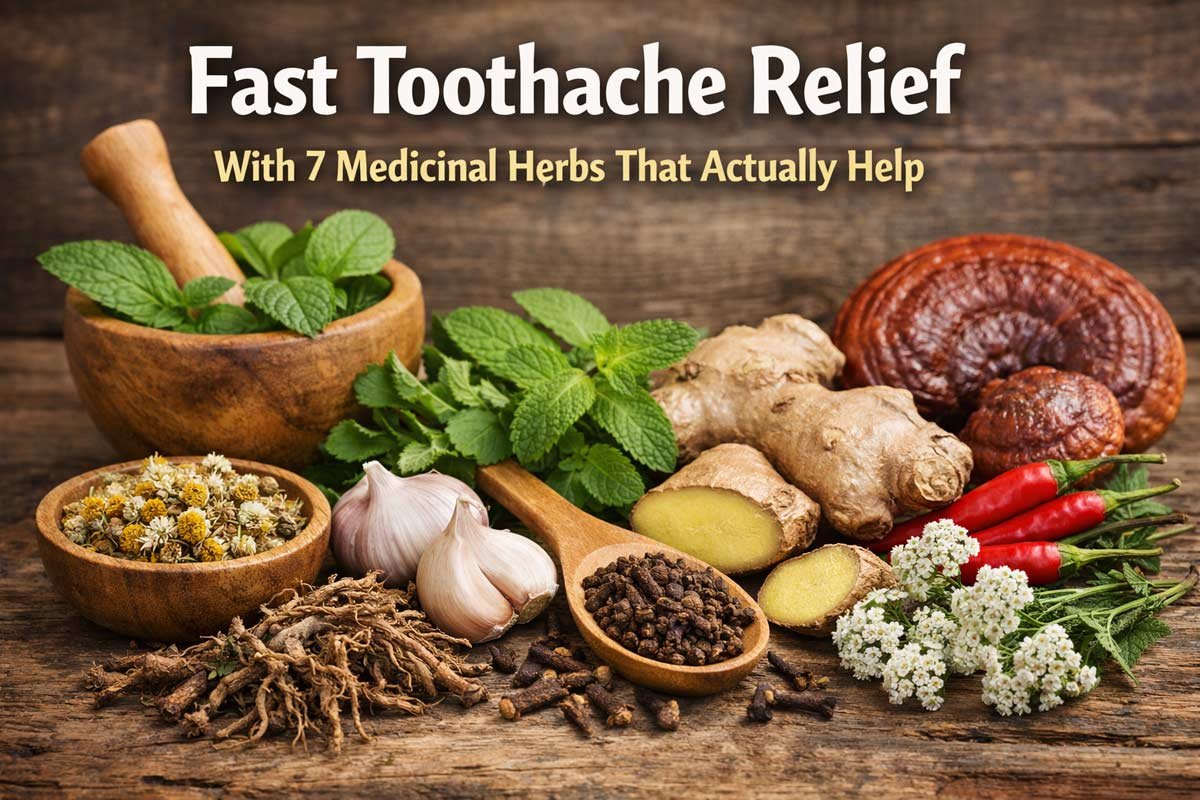
When a Toothache Demands Immediate Natural Relief
A toothache has a way of shrinking your world fast. One minute you are fine, the next you are pacing the kitchen at midnight, one hand on your jaw, wondering how something so small can hijack your entire nervous system. Anyone who has dealt with it knows this pain is not polite. It throbs. It pulses. It radiates into the ear, the temple, sometimes even down the neck. And it never waits for a convenient moment.
From a herbal perspective, tooth pain is rarely just one thing. It is inflammation trapped in a tight space. It is bacterial activity feeding on damaged tissue. It is irritated nerves firing over and over because swelling has nowhere to go. This is why Toothache relief herbs have always been valued. Not because they numb pain blindly, but because they work on several layers at once.
Table of Contents

Modern dentistry tends to isolate the problem. Infection gets antibiotics. Pain gets analgesics. Swelling gets anti inflammatory drugs. Traditional herbal practice looks at the mouth as a living ecosystem. Saliva, gums, teeth, bone, microbes, and nerves all interact. When balance slips, pain shows up fast. Toothache relief herbs step in by calming inflammation, reducing microbial load, and easing nerve irritation without shutting down awareness completely.

There is also timing to consider. Tooth pain often escalates at night. Blood pressure shifts when you lie down. Circulation increases in the head. Inflammation feels louder. This is when people start searching for fast solutions. Cold compresses help briefly. Clove oil gets passed around as folklore. Saltwater rinses become a ritual. What matters is choosing toothache relief herbs that actually make physiological sense, not just those that sound comforting.
One thing I have seen again and again is that people underestimate how quickly oral tissue responds to plant medicine. The mouth is highly vascular. Mucous membranes absorb compounds efficiently. When a properly chosen herb is applied directly, the response can be noticeable within minutes. This is why toothache relief herbs are traditionally used as rinses, poultices, chewed plant material, or infused oils rather than swallowed capsules.
Pain also carries information. A sharp, stabbing sensation often points toward nerve involvement or exposed dentin. A dull, heavy ache usually signals inflammation and pressure. A foul taste or swelling hints at bacterial activity. Effective toothache relief herbs match these patterns. They are not random. They are chosen based on how the pain behaves.
Another overlooked factor is dryness. A dry mouth creates a perfect environment for microbial imbalance. Stress, dehydration, caffeine, and certain medications all reduce saliva flow. Saliva is not just moisture. It buffers acids, controls bacteria, and delivers minerals. Many toothache relief herbs gently stimulate salivation or protect oral tissues, helping restore that first line of defense.
There is also the emotional layer. Dental pain triggers anxiety fast. The proximity to the brain does that. The body goes into alert mode. Muscles tighten. Breathing becomes shallow. Pain feels sharper. Some toothache relief herbs work subtly on the nervous system, taking the edge off without sedation. This matters more than people realize.
Natural relief does not mean ignoring professional care. It means buying yourself time. It means reducing suffering while the underlying issue is addressed. Herbs have always played this role. They were never meant to replace skilled hands or proper diagnosis. They were meant to support the body through acute discomfort and prevent minor issues from becoming major ones.
One mistake I see often is people jumping straight to essential oils without understanding potency. Concentrated oils can irritate already inflamed tissue if used improperly. Whole herbs, resins, teas, and diluted preparations are often gentler and more effective in the early stages. Toothache relief herbs shine when they respect tissue sensitivity instead of overwhelming it.
Another common misunderstanding is thinking pain relief must equal numbness. Total numbness disconnects feedback. You may chew on the painful side without realizing it, worsening inflammation. Many toothache relief herbs soothe pain by reducing its cause rather than silencing the signal. The ache softens. The pressure eases. The area feels calmer, not dead.
It is also worth mentioning that recurring tooth pain often reflects deeper patterns. Blood sugar imbalance feeds oral bacteria. Chronic inflammation slows healing. Mineral deficiencies weaken enamel and bone. While toothache relief herbs can help immediately, they also hint at longer term support the body may be asking for. The mouth rarely acts alone.
Over the years, I have noticed that people who respond best to toothache relief herbs are those who stay present with the process. They rinse slowly. They apply warmth or cool intentionally. They pay attention to changes. Pain shifts when you listen to it instead of fighting it. Herbs seem to work better when used with patience rather than panic.
The beauty of herbal toothache support lies in its simplicity. You do not need elaborate formulas. You need plants that have stood the test of time for oral pain. Plants that reduce inflammation without damaging tissue. Plants that keep bacteria in check without burning the mouth. Plants that support healing rather than just masking discomfort. This is where toothache relief herbs earn their reputation.
If you have ever felt relief spread slowly across your jaw after a well chosen rinse, you know what I mean. The pain does not vanish instantly. It loosens its grip. The pulse slows. You can breathe again. That moment matters. It reminds you that the body responds when given the right tools.
Tooth pain forces honesty. It asks you to slow down, even when you do not want to. It demands attention. Toothache relief herbs meet that demand with quiet efficiency. No drama. No false promises. Just practical, plant based support that works with the body instead of against it.
When pain hits hard and fast, reaching for toothache relief herbs is not about nostalgia or trends. It is about understanding biology through the lens of nature. It is about choosing remedies that respect the complexity of the mouth. And it is about remembering that relief does not always come from force. Sometimes it comes from the right leaf, resin, or root, applied with intention and trust.
Antimicrobial Herbs That Target the Root of Tooth Pain
When tooth pain has a sharp edge to it, there is usually microbial activity involved. Bacteria thrive in tiny pockets where food debris, plaque, and damaged enamel give them shelter. Once they settle in, they form biofilms that are stubborn and hard to dislodge. This is where toothache relief herbs earn their keep. They are not vague comfort measures. They directly interfere with bacterial growth while respecting delicate oral tissue.
The mouth is one of the few places where you can apply plant medicine right where it is needed. No waiting for digestion. No dilution through the bloodstream. Direct contact changes everything. Rinses, compresses, chewing fresh plant material, or holding an infused oil against the tooth all create immediate interaction between herb and problem. That is why traditional systems leaned so heavily on topical use for dental pain.
Another important detail is that oral bacteria behave differently than gut or skin microbes. They live in communities. They communicate. They hide under plaque and within gum margins. Toothache-relieving herbs that work here tend to disrupt communication, break down biofilms, or alter the environment so that bacteria cannot dominate. This is not about sterilizing the mouth. A healthy mouth needs microbes. It is about restoring balance quickly enough that pain settles.
There is also an energetic quality to antimicrobial herbs that gets overlooked. Many are warming. Some are pungent. Others are aromatic. These traits stimulate circulation and saliva flow, which further discourages bacterial stagnation. Saliva itself is antimicrobial. Toothache relief herbs often work as much by encouraging the body’s defenses as by acting directly on microbes.
1. Clove Bud (Syzygium aromaticum)
Clove bud has earned its reputation honestly. It has been used for dental pain across cultures for centuries, and for good reason. The compound eugenol gives clove its distinctive aroma and much of its antimicrobial and analgesic action. When applied correctly, clove does not just dull pain. It reduces bacterial load and calms inflamed tissue at the same time.
What makes clove especially valuable among toothache relief herbs is how quickly it acts. A small amount goes a long way. When clove bud powder or a diluted clove infusion is placed directly against a painful tooth, the effect can be felt within minutes. The sharp edge of pain softens. The area feels warmer, less hostile.
There is a common mistake people make with clove oil. Undiluted essential oil is too aggressive for already irritated gums. It can burn tissue and worsen inflammation. Traditional use relied on whole buds, powdered clove, or oil diluted in a carrier. A clove infused oil, not an essential oil, is far gentler and still effective.
Chewing a whole clove bud slowly releases its compounds while stimulating saliva. This simple method has survived because it works. You tuck it near the painful tooth and let it soften. The flavor is intense, but that intensity signals activity. As toothache relief herbs go, clove is decisive and unapologetic.
Clove also has a drying quality. This matters when excess moisture and bacterial activity feed each other. Used short term, it helps shift the environment back toward balance. Used excessively, it can feel too harsh. Moderation matters even with the best toothache relief herbs.
2. Garlic (Allium sativum)
Garlic is not subtle. It announces itself. The moment it is crushed, enzymatic reactions produce allicin, a compound with broad antimicrobial activity. In traditional medicine, garlic was applied directly to infected areas long before laboratory studies existed. Tooth pain caused by infection often responds quickly to garlic when used properly.
Freshness matters here. Pre chopped garlic loses potency fast. For toothache use, a fresh clove is crushed or finely minced to activate its compounds. The paste can be wrapped in gauze or mixed with a little salt before being placed near the affected tooth. Direct contact is key. This is how toothache relief herbs do their best work.
Garlic does more than kill bacteria. It improves local circulation. You may feel warmth or tingling. That sensation tells you blood flow is increasing, which supports immune response and waste removal. Pain often eases not because nerves are numbed, but because pressure and inflammation begin to resolve.
Some people worry about garlic irritating gums. That can happen if it is left in place too long or used repeatedly in one spot. Short applications followed by rinsing are safer. Garlic is powerful. Toothache relief herbs do not need to be gentle to be effective, but they do need to be respected.
Another advantage of garlic is its reach. It affects a broad spectrum of oral microbes, including those involved in abscess formation. When there is swelling, heat, or a bad taste in the mouth, garlic often brings noticeable relief. It does not replace dental care, but it can calm a situation enough to make pain manageable.
The smell lingers. That is the price of effectiveness. Most people dealing with tooth pain are willing to accept that trade. Among toothache herbs, garlic is one of the most direct tools available.
3. Thyme (Thymus vulgaris)
Thyme works differently than clove or garlic. It is aromatic rather than pungent. Its antimicrobial action comes from compounds like thymol and carvacrol, which are especially effective against oral bacteria. Thyme shines in liquid preparations. Rinses and compresses are where it excels.
A strong thyme tea used as a warm mouth rinse reaches places solid material cannot. It flows along the gumline, between teeth, and into small pockets. Used several times a day, it reduces bacterial load without irritating tissue. This makes thyme one of the more balanced toothache relief herbs.
Thyme also helps break down biofilms. These sticky bacterial communities resist simple rinsing with water or salt alone. Thyme’s aromatic compounds penetrate that structure, making bacteria more vulnerable and easier to flush away. Over time, pain often becomes less frequent and less intense.
Another benefit of thyme is its compatibility with sensitive mouths. It is less likely to cause burning or discomfort, even when used repeatedly. For people who react strongly to clove or garlic, thyme offers antimicrobial support without aggression. That versatility is valuable when choosing toothache relief herbs.
Thyme pairs well with other plants. It can be combined with sage, chamomile, or myrrh in rinses for broader support. Even on its own, it brings a sense of cleanliness and calm to the mouth. The flavor is familiar, grounding, and reassuring.
What I appreciate most about thyme is its consistency. It may not deliver dramatic instant relief like clove, but its steady action reduces the conditions that cause pain to return. Toothache relief herbs are not always about speed. Sometimes they are about preventing the next flare.
Antimicrobial support is often the turning point in dental pain. Once bacterial pressure eases, inflammation follows. Nerves settle. Sleep becomes possible again. Using toothache relief herbs directly and thoughtfully gives the body a chance to regain control in a place where problems escalate fast.
The key is choosing the right tool for the moment. Sharp pain with obvious infection may call for garlic or clove. Ongoing sensitivity and gum irritation may respond better to thyme. No single plant does everything. But used wisely, toothache relief herbs target the root of tooth pain instead of just distracting from it.
When people say herbs feel slower, I usually smile. In the mouth, when used correctly, they act quickly and decisively. You can feel the shift. The pain loses its dominance. That is not placebo. That is biology responding to plants that know exactly what they are doing.
Anti Inflammatory and Analgesic Herbs for Nerve Soothing
Not every toothache comes with obvious signs of infection. Sometimes there is no swelling you can see, no bad taste, no redness that screams bacteria. Yet the pain is real. Deep. Throbbing. Persistent. This kind of discomfort often comes from inflammation trapped around sensitive nerves or from tissues that are irritated rather than infected. This is where a different class of toothache relief herbs comes into play.
Nerve driven tooth pain has a distinct personality. It pulses with your heartbeat. It flares with temperature changes. Cold air sends a jolt. Hot drinks linger too long. At night it becomes louder. These are classic signs of inflammation pressing on nerve endings in a confined space. Killing bacteria alone does not always resolve this. You have to calm the tissue itself.
Inflammation is not the enemy. It is a response. But when it gets stuck, pain follows. Anti inflammatory toothache relief herbs work by easing that response gently instead of suppressing it aggressively. They reduce excess swelling, support circulation, and allow nerves to stop firing alarm signals constantly. The relief feels different. Softer. More settling than numbing.
Another important aspect is emotional tone. Nerve pain has a way of fraying patience fast. It creates irritability and restlessness. Some toothache relief herbs act on the nervous system as well as the tissue. They help the body stand down from constant alert. That alone can change how pain is experienced.
These herbs shine when used as warm rinses, compresses, or slow infusions held in the mouth. Warmth opens circulation. It encourages movement of fluids. When paired with the right plant, it can bring remarkable comfort even when nothing obvious looks wrong.
4. Chamomile Flower (Matricaria chamomilla)
Chamomile is often underestimated. Because it is gentle, people assume it is weak. In reality, chamomile is one of the most reliable anti inflammatory and nerve calming toothache relief herbs available. It works quietly, but it works deeply.
Chamomile’s strength lies in its ability to calm irritated tissue while simultaneously easing nervous tension. This dual action makes it especially useful when tooth pain feels diffuse or emotionally overwhelming. The ache softens not because sensation is blocked, but because the tissue relaxes and circulation improves.
A strong chamomile infusion used as a warm rinse is one of the simplest remedies for throbbing tooth pain. You take a mouthful, hold it near the affected area, and breathe slowly. The warmth penetrates. The plant compounds interact with mucous membranes. Within minutes, many people feel the pressure ease.
Chamomile also reduces muscle tension in the jaw. Clenching often accompanies dental pain, especially during sleep. That tension feeds the cycle of discomfort. Chamomile interrupts it gently. This is one reason it shows up again and again among toothache relief herbs used before bed.
Another advantage is its safety profile. Chamomile can be used repeatedly without irritating tissue, making it ideal for lingering pain that lasts days rather than hours. When infection is not the main issue, consistency matters more than intensity.
Chamomile also supports healing. It encourages epithelial repair and reduces redness. For people with sensitive gums or exposed roots, this matters. Toothache herbs that calm without drying are rare. Chamomile does that well.
There is also something to be said for familiarity. The aroma of chamomile signals calm to the nervous system. That response is not imaginary. Sensory input shapes pain perception. When the body recognizes safety, pain loses some of its grip. Chamomile brings that message clearly.
Used alone or combined with herbs like sage or thyme, chamomile creates a foundation of comfort. It may not silence sharp pain instantly, but it changes the terrain so pain has less to work with. That is the quiet power of well chosen toothache relief herbs.
5. Sage Leaf (Salvia officinalis)
Sage sits at an interesting intersection. It is anti inflammatory, mildly analgesic, and antimicrobial all at once. But its real strength for tooth pain lies in its ability to tone tissue and reduce excessive swelling. Sage feels firm where chamomile feels soft. Both are needed.
When gums are inflamed, spongy, or tender to the touch, sage often brings fast improvement. Its astringent quality tightens tissue gently, reducing the pressure that irritates nerves. This makes sage one of the most effective toothache relief herbs for throbbing pain that worsens with chewing or touch.
A warm sage infusion used as a mouth rinse reaches deep into gum pockets. It does not burn. It feels grounding. The tissue responds by firming up, circulation becomes more efficient, and nerve irritation decreases. Many people notice that pain becomes more localized instead of spreading, which is a good sign.
Sage also reduces excess moisture in the mouth. While saliva is protective, overly inflamed tissue can trap fluids in a way that increases pressure. Sage helps restore balance. This is why it has been used traditionally for bleeding gums and oral ulcers alongside tooth pain.
Unlike stronger antimicrobial toothache relief herbs, sage does not overwhelm sensitive mouths. It is especially useful when clove or garlic feel too intense. Its action is steady and reliable rather than dramatic.
Sage also has a subtle effect on nerve signaling. It does not numb completely, but it dampens excessive firing. The result is pain that feels manageable rather than dominating. This quality makes sage useful during the day when you still need to function.
Another often overlooked aspect is taste. Sage has a clean, slightly bitter flavor that stimulates digestive reflexes and saliva production without irritation. This supports oral health indirectly. Toothache herbs that improve overall mouth ecology tend to offer longer lasting benefits.
Used regularly, sage can prevent minor inflammation from escalating. It is the kind of plant you reach for when pain is warning you, not screaming yet. That preventative role is just as important as acute relief.
When chamomile and sage are combined, the effect is layered. Chamomile relaxes and soothes. Sage firms and clarifies. Together they create an environment where nerves can settle and tissue can recover. This pairing is common in traditional oral care for good reason.
Anti inflammatory toothache relief herbs remind us that pain is not always about attack and defense. Sometimes it is about pressure, congestion, and overstimulation. Addressing those factors directly changes the experience of pain in a meaningful way.
Tooth pain that lacks obvious infection can be confusing and frustrating. It makes people doubt what they are feeling. Herbs like chamomile and sage validate that experience. They respond to what is actually happening beneath the surface.
When swelling eases, nerves calm. When nerves calm, pain softens. That sequence matters. Toothache relief herbs that understand it offer relief that feels natural, grounded, and sustainable rather than forced.
This is the kind of relief that lets you unclench your jaw without thinking about it. The kind that allows sleep to come more easily. The kind that reminds you the body wants to heal when given the right conditions.
Tissue Healing Herbs and Medicinal Mushrooms for Gum Recovery
There is a point where tooth pain stops being dramatic and becomes familiar. It flares, settles, then returns again weeks later. Gums bleed when brushing. Tissue looks thinner than it used to. Sensitivity lingers long after the original issue should have resolved. This is not acute infection anymore. This is tissue that has lost resilience. At this stage, toothache relief herbs need to do more than calm pain. They need to rebuild.
Oral tissue is constantly exposed to stress. Chewing creates micro trauma. Temperature shifts challenge circulation. Bacteria test the immune response daily. When healing is slow, discomfort becomes cyclical. Pain shows up not because something new is happening, but because something old never fully resolved. This is where tissue healing herbs and medicinal mushrooms change the trajectory.
Bleeding gums are a sign of fragile capillaries and inflamed connective tissue. Receding gums often reflect chronic inflammation paired with inadequate repair. Recurring tooth discomfort suggests nerves remain exposed or irritated due to insufficient tissue support. Toothache relief herbs that strengthen structure rather than just addressing symptoms are essential here.
This kind of support is not flashy. It builds quietly. Over time, gums become firmer. Sensitivity decreases. Pain episodes become less frequent and less intense. These changes are easy to miss if you are only looking for immediate relief, but they matter more in the long run.
Two allies stand out in this category. One is a resin that has been used for oral health since antiquity. The other is a medicinal mushroom known for immune modulation and tissue resilience. Together, they represent an older understanding of healing. Not force. Not suppression. Support.
6. Myrrh Resin (Commiphora myrrha)
Myrrh has a presence. Sticky, aromatic, slightly bitter, it feels serious the moment you work with it. This is not a casual herb. It has been used traditionally for wounds, infections, and oral inflammation for thousands of years. When it comes to toothache relief herbs that rebuild gum tissue, myrrh is foundational.
What makes myrrh unique is its affinity for damaged tissue. It tones, tightens, and protects without cutting off circulation. This matters for gums that bleed easily or feel spongy. Myrrh helps restore firmness while still allowing nutrients and immune cells to reach the area.
Used as a diluted tincture rinse or resin infusion, myrrh coats the gums and creates a protective layer. This barrier reduces irritation from food, bacteria, and mechanical stress. Over time, this allows tissue to repair itself instead of constantly reacting.
Myrrh is also mildly antimicrobial, but that is not its main role here. Its true value lies in tissue integrity. It reduces excessive discharge and supports collagen structure. This is why it has been used historically for mouth sores, gingivitis, and slow healing wounds.
Pain relief from myrrh feels different than clove or chamomile. It does not rush in. It settles gradually. As tissue tightens and inflammation decreases, nerves become less exposed. Sensitivity drops. Pain loses its persistence. This is how toothache relief herbs work when they address the root pattern instead of the surface symptom.
Another overlooked aspect of myrrh is its effect on the immune response. Chronic gum inflammation often reflects an immune system stuck in low grade overreaction. Myrrh helps normalize that response. It discourages excessive inflammation without shutting it down entirely.
The taste of myrrh is strong and earthy. Some people find it challenging at first. That bitterness is part of its action. Bitter compounds stimulate circulation and healing responses locally. Over time, many people grow to appreciate it, especially when they notice real changes in gum health.
Consistency matters with myrrh. It is not a one time fix. Used daily over weeks, it helps reverse patterns of fragility. Among toothache relief herbs, it belongs in any long term oral care strategy where tissue weakness is part of the picture.
7. Reishi Mushroom (Ganoderma lucidum)
Reishi works from a different angle entirely. It does not act directly on the tooth or gum like a rinse or compress. Instead, it strengthens the system that governs healing. That distinction is important. Recurring dental discomfort often reflects immune imbalance rather than local failure alone.
Reishi is known for modulating immune response rather than stimulating it indiscriminately. In oral health, this matters because gums sit at the boundary between internal and external environments. They are constantly negotiating with microbes. When immune signaling is off, inflammation lingers and healing slows.
Taken internally as a decoction or extract, reishi supports tissue repair by improving immune coordination. It helps the body respond appropriately to oral bacteria instead of overreacting or under responding. Over time, this translates into calmer gums and fewer pain flare ups.
Reishi also supports microcirculation. Healthy blood flow is essential for gum repair. Nutrients, oxygen, and immune cells all rely on it. Poor circulation leaves tissue undernourished and vulnerable. Reishi improves that flow subtly but consistently.
Another benefit of reishi is its effect on stress physiology. Chronic stress impacts oral health more than people realize. Jaw clenching, dry mouth, and immune suppression all increase under stress. Reishi helps regulate stress response, indirectly supporting oral healing. This is a quieter form of toothache relief herbs support, but it is powerful.
Pain reduction from reishi is not immediate. It shows up as fewer bad days. Less bleeding. Less sensitivity over time. This makes it easy to underestimate. But when people stop taking it, they often notice the difference within weeks. That is how you know it was doing something important.
Reishi also pairs well with topical herbs like myrrh. One works locally. The other works systemically. Together, they address both the environment of the mouth and the internal terrain that supports healing. Toothache relief herbs work best when these layers are aligned.
It is worth noting that reishi does not numb pain. It changes the conditions that create pain. This distinction matters for long term outcomes. Numbing can hide problems. Healing resolves them.
When gums begin to recover, pain patterns change. Throbbing becomes occasional. Sensitivity becomes situational instead of constant. Bleeding reduces. These shifts are subtle but meaningful. They signal that tissue is regaining strength.
Tissue healing herbs and medicinal mushrooms remind us that oral health is not isolated. It reflects immune balance, circulation, stress load, and tissue integrity. Addressing these factors reduces the need for constant intervention.
Toothache relief herbs in this category ask for patience. They reward consistency. They are not emergency tools. They are rebuilding tools. And without rebuilding, relief never lasts.
If pain keeps returning to the same spot, something there is not healing properly. Masking discomfort will not change that. Supporting tissue regeneration will. Myrrh and reishi excel here because they work with the body’s repair mechanisms rather than trying to override them.
Over time, people often report that their mouth feels more stable. Less reactive. Less fragile. That sense of stability matters. It changes how pain is experienced even when it appears.
True relief is not just the absence of pain in the moment. It is confidence that pain will not return tomorrow. Toothache relief herbs that strengthen tissue and immune response move you closer to that place.
When gums are strong and nerves are protected, pain loses its foothold. That is not magic. It is biology supported by plants and mushrooms that understand how healing actually works.
When the Pain Finally Softens and What to Do Next
There is a moment that arrives quietly. You notice you are not clenching your jaw anymore. The pulse has slowed. You can sip water without bracing yourself. The pain has not vanished, but it has loosened its grip. That moment matters. It tells you the body is responding. It tells you the approach is working. Toothache relief herbs tend to announce success this way, not with fireworks, but with relief that feels earned.
When pain softens, the instinct is often to stop everything. Stop rinsing. Stop applying. Stop paying attention. That is understandable. Pain demands focus, and when it eases, attention wanders. But this transition period is actually the most important phase. This is where temporary relief either becomes lasting improvement or slides back into another flare.
Tooth pain rarely appears out of nowhere. Even when it feels sudden, something has been building. Inflammation. Tissue weakness. Microbial imbalance. Stress. Dryness. Mineral depletion. Toothache relief herbs calm the storm, but they also reveal the landscape underneath. When pain decreases, patterns become easier to see.
One of the first things to pay attention to is how the mouth feels overall. Not just the tooth that hurt. Are the gums tender elsewhere? Does brushing cause bleeding? Is there dryness or excessive sensitivity? Toothache relief herbs often improve the worst area first, then expose smaller imbalances that were previously overshadowed by pain. That information is useful, not inconvenient.
Another signal is how quickly discomfort returns when you eat or drink. If cold sensitivity lingers, nerves may still be exposed. If pressure triggers discomfort, tissue may still be inflamed. If sweetness causes a dull ache, microbial activity may still be present. Toothache relief herbs guide you here. Their effects show you what remains unresolved.
This is also the time to slow down oral habits. Chewing on the other side. Choosing softer foods for a few days. Avoiding extreme temperatures. These adjustments are not signs of weakness. They give healing tissue room to stabilize. Even the best herbs work better when mechanical stress is reduced.
Consistency matters more than intensity now. Strong remedies used constantly can irritate healing tissue. Gentler support used daily encourages repair. Warm rinses. Mild compresses. Internal support when appropriate. This steady rhythm helps the mouth return to equilibrium.
There is also the question of timing. Many people notice that pain relief holds during the day but slips at night. That pattern often reflects circulation shifts and nervous system tone. Evening routines matter. Toothache relief herbs used before bed can prevent nighttime flares by calming inflammation and relaxing the jaw. Sleep itself is a major healing factor.
Hydration plays a quiet but critical role. Saliva protects teeth and gums. Even mild dehydration thickens saliva and reduces its protective function. When pain eases, increasing water intake supports the work toothache relief herbs have already started. This is not glamorous advice, but it is effective.
Mineral support deserves attention too. Teeth and bone rely on calcium, magnesium, phosphorus, and trace minerals. Gums rely on vitamin C and bioflavonoids. If pain keeps returning, the issue may not be what is attacking the tooth, but what the tooth is lacking. Toothache relief herbs can calm symptoms while deeper nutritional gaps are addressed.
Stress cannot be ignored. Jaw tension. Teeth grinding. Shallow breathing. These habits amplify dental pain and slow healing. Many people are surprised to realize how much stress they hold in their mouth. When herbs reduce pain, tension often becomes more noticeable. That awareness is an invitation to change patterns that feed discomfort.
It is also important to be honest about limits. Herbal support does not replace structural repair when it is needed. Cracks, advanced decay, abscesses, and failing dental work require skilled intervention. Toothache herbs buy time and reduce suffering. They do not rebuild enamel or seal cavities on their own. Knowing when to seek further care is part of using herbs wisely.
That said, many dental issues escalate precisely because early discomfort was ignored. When pain softens quickly with toothache relief herbs, it becomes easier to address the underlying problem calmly rather than reactively. Appointments feel less urgent. Decisions feel clearer. Fear loses its edge.
Another often overlooked step is reassessing oral hygiene products. Strong commercial mouthwashes can disrupt healing tissue. Abrasive toothpastes can worsen sensitivity. This is a good time to choose gentler options that support rather than challenge recovery. Toothache relief herbs often work best when the rest of the routine stops fighting them.
Pay attention to recurrence patterns. Does discomfort return after certain foods? Does it flare during stress? Does it track with hormonal changes or immune dips? Toothache relief herbs provide relief, but patterns explain why relief was needed in the first place. Those insights are valuable long after pain is gone.
There is also an emotional shift that happens when dental pain eases. Relief brings gratitude, but it can also bring vulnerability. Pain has a way of narrowing focus. When it lifts, space opens. That space can feel strange. Take a moment to notice it. Healing is not just physical.
One of the strengths of toothache relief herbs is that they encourage relationship with the body. You are not just taking something and forgetting about it. You are rinsing. Holding. Tasting. Observing. This engagement changes how people relate to pain over time. It becomes less of an enemy and more of a signal.
Over the long term, the goal is resilience. Strong gums. Calm nerves. Balanced oral microbes. Pain free chewing. Toothache relief herbs support that goal when they are used as part of an ongoing relationship rather than a last minute rescue.
If pain does return, it usually does so with less intensity. That matters. Each flare becomes easier to manage. Recovery becomes faster. This is how chronic patterns unwind. Slowly. Gradually. With attention.
True relief is not dramatic. It is waking up without thinking about your teeth. It is eating without caution. It is brushing without flinching. Toothache relief herbs aim for that kind of normal. The kind that feels so ordinary you forget how bad it was before.
When the pain finally softens, do not rush past that moment. Let it teach you something. About your mouth. About your habits. About what support actually works for you. Toothache relief herbs are not just tools for pain. They are teachers if you let them be.
What comes next is not complicated. It is listening. Adjusting. Continuing what helps. Letting go of what does not. And trusting that the body, when supported correctly, knows how to restore balance.
Pain is persuasive. Relief is quieter. But relief is where healing lives. And with the right Toothache relief herbs, that relief can last longer than you expect.
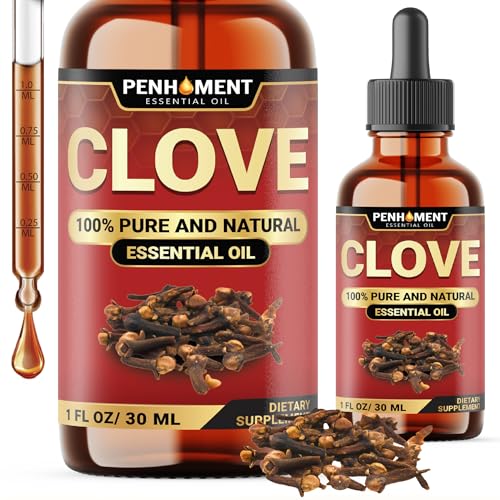
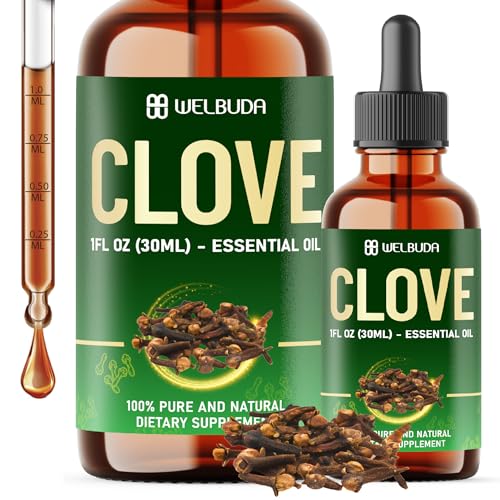
Best-selling Supplements for Toothache Relief






Article Sources
At AncientHerbsWisdom, our content relies on reputable sources, including peer-reviewed studies, to substantiate the information presented in our articles. Our primary objective is to ensure our content is thoroughly fact-checked, maintaining a commitment to accuracy, reliability, and trustworthiness.
- Cortés Rojas, D. F., de Souza, C. R. F., & Oliveira, W. P. (2014). Clove (Syzygium aromaticum): A precious spice. Asian Pacific Journal of Tropical Biomedicine, 4(2), 90–96. https://www.sciencedirect.com/science/article/pii/S222116911400052X
- Ankri, S., & Mirelman, D. (1999). Antimicrobial properties of allicin from garlic. Microbes and Infection, 1(2), 125–129. https://pubmed.ncbi.nlm.nih.gov/10602601/
- Marchese, A., Orhan, I. E., Daglia, M., Barbieri, R., Di Lorenzo, A., Nabavi, S. F., Gortzi, O., Izadi, M., & Nabavi, S. M. (2016). Antibacterial and antifungal activities of thymol: A brief review of the literature. Food Chemistry, 210, 402–414. https://www.sciencedirect.com/science/article/pii/S0308814616304164
- McKay, D. L., & Blumberg, J. B. (2006). A review of the bioactivity and potential health benefits of chamomile tea (Matricaria recutita L.). Phytotherapy Research, 20(7), 519–530. https://pubmed.ncbi.nlm.nih.gov/16628544/
- Ismail, S. (2009). Sage Salvia officinalis L.: A review of phytochemistry and pharmacology. Journal of Medicinal Plants Research, 3(11), 981–986. https://academicjournals.org/article/article1380725412_Ismail.pdf
- Al Mekhlafi, N. A., Al Wadaan, M. A., & Al Ghamdi, A. A. (2014). Evaluation of the antimicrobial activity of Commiphora myrrha extracts. Journal of Chemical and Pharmaceutical Research, 6(7), 151–155. https://www.jocpr.com/articles/evaluation-of-the-antimicrobial-activity-of-commiphora-myrrha-extracts.pdf
- Shen, J., Chen, L., Wang, Y., Wu, X., & Guo, S. (2017). Anti-inflammatory and immunomodulatory effects of Ganoderma lucidum polysaccharides. Journal of Ethnopharmacology, 199, 1–9.https://www.sciencedirect.com/science/article/pii/S0378874116311198

- Phosphatidic Acid: Supporting Muscle Growth and Strength - July 31, 2026
- Ceramides: Supporting Healthy Skin From Within - July 31, 2026
- Synbiotics: Combining Prebiotics and Probiotics Together - July 31, 2026