
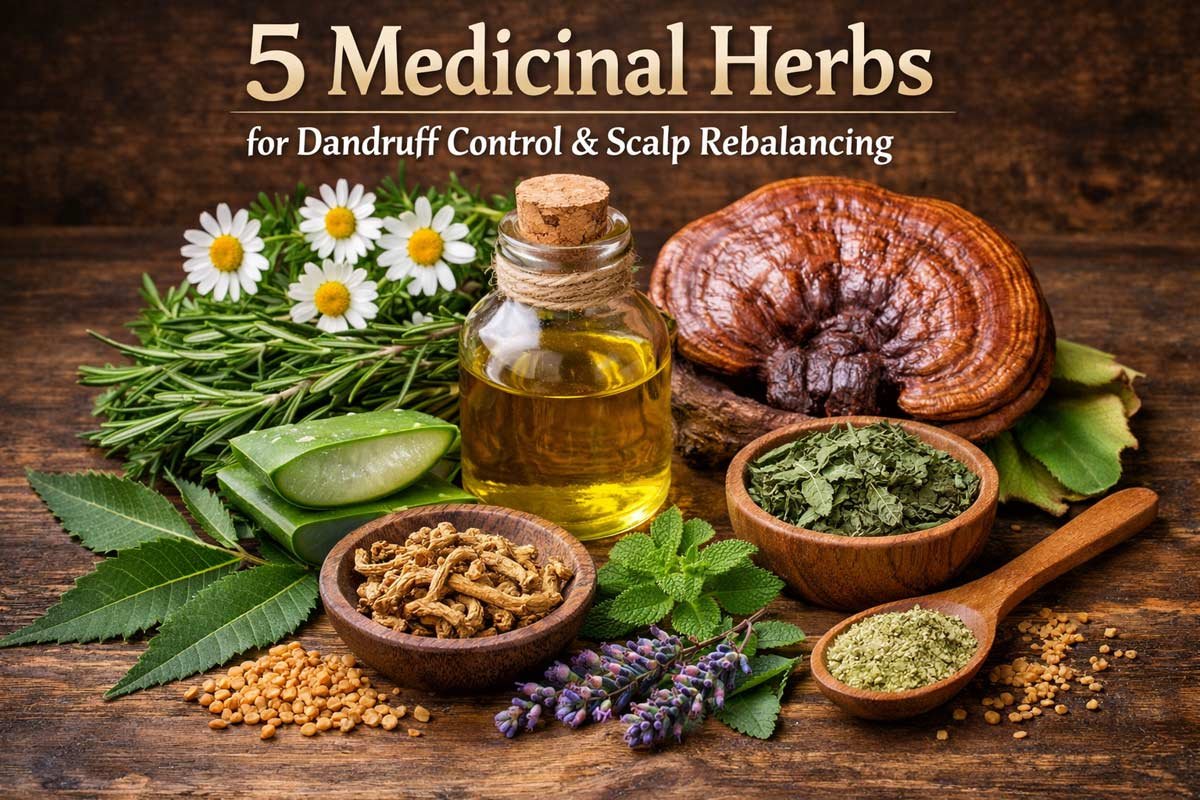
Nurturing Your Scalp: Why Herbal Care Matters
When was the last time you really looked at your scalp? Most of us give it little thought beyond the occasional shampoo. Yet the scalp is a living ecosystem, a complex network of hair follicles, sebaceous glands, and delicate skin that responds to everything from diet and stress to climate and product use. Dandruff—those annoying flakes—aren’t just a cosmetic nuisance. They are a signal that something in this ecosystem has gone out of balance.
Flakes usually appear when the scalp’s natural oil production, microbial balance, or cell turnover gets disrupted. The most common culprit is an overgrowth of Malassezia, a yeast-like fungus that thrives in oily environments. But irritation, dryness, and inflammation often play a role too. Conventional shampoos may give quick relief, but they often strip the scalp of natural oils, leaving it vulnerable to rebound dryness or persistent flaking. This is where herbs for dandruff step in—they offer a gentler, more holistic approach that addresses underlying causes rather than just covering symptoms.
Table of Contents

Herbs have been used for centuries in various cultures to support scalp and hair health. Neem in India, tea tree in Australia, rosemary in the Mediterranean—these botanicals were prized not just for their fragrance, but for their potent antifungal, antimicrobial, and anti-inflammatory properties. Modern phytochemistry has confirmed many of these traditional uses. Neem contains azadirachtin and nimbidin, compounds that inhibit fungal growth. Tea tree oil’s terpinen-4-ol actively combats yeast and bacteria. Rosemary contains rosmarinic acid and cineole, which help regulate oil production and improve circulation. Even herbs that are not direct antifungals, like aloe vera and licorice root, support the scalp by soothing irritation and maintaining hydration.

Scalp care isn’t just about fighting microbes; it’s about nurturing an environment where hair can thrive. Think of it as gardening: the scalp is soil, hair follicles are plants, and herbs are natural fertilizers and pest control rolled into one. A healthy scalp promotes stronger, shinier hair and reduces the frequency of flaking. When you incorporate herbal solutions consistently, you’re supporting not just the surface but the deeper layers of the skin, encouraging natural healing processes and microbial balance.
Using herbs for dandruff also allows for personalization. Everyone’s scalp is unique. Some people have oily scalps prone to fungal overgrowth; others are dry and sensitive. By selecting the right combination of herbs, you can tailor a routine that addresses your specific issues. Neem or tea tree might be emphasized for microbial control, while aloe vera or licorice root can calm inflammation and provide hydration. Combining these herbs in oils, infusions, or shampoos allows you to treat multiple aspects of scalp health simultaneously.
One of the most fascinating aspects of herbal scalp care is how it integrates sensory experiences with therapeutic benefits. The cool, slightly astringent smell of rosemary, the soothing gel-like texture of aloe vera, the earthy richness of neem—all of these contribute to a calming ritual. Scalp massage with herbal oils not only delivers compounds directly to the skin but also increases blood flow, enhancing nutrient delivery to hair follicles. This creates a feedback loop: a healthier scalp leads to healthier hair, and the act of caring for it reinforces consistency and mindfulness.
Modern research increasingly supports what herbalists have known for centuries: plants can modulate inflammation, support microbial balance, and promote skin regeneration. A well-formulated herbal regimen does more than reduce flakes—it helps restore resilience. Over time, the scalp becomes less reactive, less prone to irritation, and more balanced in oil production. This is why herbs for dandruff are not just a treatment but a strategy for long-term scalp health.
It’s worth noting that consistency matters. A single application of a neem rinse or tea tree oil treatment may offer temporary relief, but the true benefits emerge with regular, mindful use. Observing your scalp, noting how it responds to different herbs, and adjusting your routine accordingly can make a tangible difference. You start to notice subtle changes: less itching, fewer flakes, and an overall sense of scalp comfort. Eventually, the scalp finds its natural rhythm again, and hair appears healthier, shinier, and more resilient.
Herbal scalp care is also a gentle reminder that hair health reflects overall wellness. Stress, diet, sleep, and hydration influence scalp condition. Herbs do their work most effectively when integrated into a lifestyle that supports the skin’s natural resilience. In that sense, they are partners rather than quick fixes. Each application is a small act of maintenance, promoting balance both on the scalp and, in a broader sense, in the body.
Ultimately, herbs for dandruff offer a path that combines science, tradition, and sensory experience. They provide antifungal and antimicrobial benefits while supporting hydration, circulation, and tissue health. By treating the scalp as an ecosystem rather than a problem to eradicate, these botanicals help restore equilibrium naturally. The journey toward a healthy, flake-free scalp is gradual, but it is sustainable and deeply satisfying, blending ritual, care, and effective herbal medicine.
Antifungal and Antiseptic Herbs for Flake Reduction
When dandruff starts to appear, one of the first priorities is controlling the microbial imbalances that fuel flaking. The scalp can host a variety of fungi and bacteria, but Malassezia species are the most notorious offenders. They thrive in oil-rich environments, breaking down sebum into irritating compounds that trigger inflammation and accelerated cell turnover. That’s why herbs with antifungal and antiseptic properties are particularly valuable—they attack the root causes rather than just masking symptoms. Among these, neem, tea tree, and rosemary stand out as potent, time-tested allies.
1. Neem (Azadirachta indica)
Neem has a reputation that stretches back thousands of years in Ayurvedic medicine. Often called “the village pharmacy” in India, it has been used to treat skin disorders, infections, and even minor wounds. Its antifungal properties are primarily due to compounds like azadirachtin, nimbidin, and nimbin, which inhibit the growth of yeast and other microorganisms. When applied to the scalp as an oil, paste, or rinse, neem not only suppresses fungal overgrowth but also reduces inflammation and soothes itching.
People who regularly use neem on their scalp often notice a reduction in redness and flaking within a few weeks. A simple preparation involves steeping dried neem leaves in warm water and using the infusion as a rinse, or gently massaging neem oil into the scalp before washing it off after 30–60 minutes. Beyond its antifungal effects, neem supports overall scalp health by balancing oil production, making it beneficial for both oily and combination scalp types. Its bitter, earthy aroma might take some getting used to, but the results are worth the sensory adjustment.
2. Tea Tree (Melaleuca alternifolia)
Tea tree oil is a powerhouse in modern herbal dermatology. Its active component, terpinen-4-ol, exhibits broad-spectrum antimicrobial activity, targeting both bacteria and fungi. This makes it particularly effective against Malassezia, the yeast often responsible for dandruff. Tea tree oil also has anti-inflammatory effects, reducing redness, irritation, and itching associated with flaking.
To use tea tree for dandruff, dilution is essential, as the pure essential oil can be irritating. A few drops in a carrier oil like coconut or jojoba, applied to the scalp for 15–30 minutes, can work wonders. Alternatively, adding tea tree oil to a gentle shampoo allows for regular application without overloading the scalp. Many users report that consistent use leads to a noticeable reduction in flakes and an overall calmer scalp. Beyond its clinical efficacy, tea tree oil adds a fresh, herbal aroma to your hair care routine, creating a subtle sensory reinforcement of wellness.
3. Rosemary (Rosmarinus officinalis)
Rosemary might not be as aggressively antifungal as neem or tea tree, but it plays a crucial role in scalp rebalancing. Its essential oils contain cineole, camphor, and rosmarinic acid, which improve circulation, regulate oil production, and reduce inflammation. By supporting scalp blood flow, rosemary enhances nutrient delivery to hair follicles, indirectly strengthening hair while calming irritation.
Rosemary can be used as an infused oil or rinse. Steeping fresh or dried rosemary leaves in hot water and letting the mixture cool before applying to the scalp is a simple method. This encourages a balanced scalp environment, discouraging fungal overgrowth while maintaining hydration. Rosemary’s invigorating scent also adds an energizing component to scalp care, turning a practical treatment into a sensory ritual. Regular use can help maintain equilibrium, making the scalp less prone to recurring flakes.
Together, neem, tea tree, and rosemary form a complementary triad for antifungal and antiseptic scalp care. Neem attacks fungal overgrowth, tea tree eliminates microbial irritants and soothes inflammation, and rosemary supports circulation and oil balance. Applied thoughtfully, these herbs offer a multi-dimensional approach: antimicrobial defense, anti-inflammatory support, and a nurturing effect on scalp physiology.
By focusing on these botanicals, you’re not simply treating symptoms—you’re actively promoting a healthy environment where the scalp can self-regulate. Over time, flaking decreases, irritation diminishes, and the scalp feels resilient rather than reactive. For anyone seeking a natural, sustainable solution to dandruff, these herbs provide a foundation that is both time-tested and scientifically supported, creating the basis for long-term scalp health.
Nutrient-Rich Botanicals for Scalp Restoration
Once the microbial causes of dandruff are addressed, the next step is restoring balance and resilience to the scalp. Flaking often accompanies dryness, irritation, and a weakened barrier, and this is where nutrient-rich botanicals shine. Herbs like aloe vera and licorice root not only soothe and hydrate the scalp but also provide anti-inflammatory and regenerative benefits. These plants work quietly, supporting the scalp’s own repair mechanisms while maintaining a balanced environment that discourages recurrent flaking.
4. Aloe Vera (Aloe barbadensis)
Aloe vera is a botanical powerhouse for skin and scalp health. Its gel is a complex mixture of polysaccharides, enzymes, amino acids, and vitamins, all of which contribute to its soothing, hydrating, and regenerative effects. On the scalp, aloe vera can calm inflammation, reduce itching, and gently exfoliate dead skin cells without stripping natural oils.
Using aloe vera is remarkably simple. Fresh gel applied directly to the scalp can be left for 20–30 minutes before rinsing, or blended into hair masks with oils or other herbal extracts. For those with sensitive scalps, aloe vera is particularly beneficial because it provides hydration and relief without introducing harsh chemicals. Its cooling effect immediately reduces irritation, while repeated use supports long-term barrier function.
Scientific studies reinforce what herbalists have observed for centuries: aloe vera can promote wound healing, reduce inflammation, and maintain moisture levels. When the scalp’s moisture balance is restored, it becomes less hospitable to fungal overgrowth, making aloe vera a subtle but crucial component in dandruff control. Over time, the scalp feels nourished and resilient, and hair emerges stronger and more supple.
5. Licorice Root (Glycyrrhiza glabra)
Licorice root has a long history in traditional medicine, prized for its anti-inflammatory, antimicrobial, and soothing properties. Its key compound, glycyrrhizin, helps modulate immune responses in the skin, reducing redness, itching, and irritation associated with dandruff. Licorice root also acts as a mild demulcent, forming a protective layer that helps retain moisture and support epidermal regeneration.
Topical licorice preparations can be applied as infusions, extracts, or incorporated into shampoos. Regular use helps calm a reactive scalp, especially when inflammation and sensitivity are contributing factors in flaking. Unlike aggressive chemical treatments that may strip oils and disrupt the microbiome, licorice root works gently, fostering long-term scalp resilience. Users often notice not just reduced flakes, but also improved scalp comfort and elasticity.
Combining aloe vera and licorice root in a hair care regimen creates a nurturing environment for the scalp. Aloe provides deep hydration and soothing relief, while licorice mitigates inflammation and protects the skin barrier. Together, they address the often-overlooked aspect of scalp health: recovery and maintenance.
These nutrient-rich botanicals are particularly valuable because they complement antifungal herbs. While neem, tea tree, and rosemary target microbial imbalances, aloe vera and licorice root restore the scalp’s structure and resilience. This dual approach—eliminating triggers and rebuilding the environment—supports a more stable, long-term solution for dandruff control.
Integrating these herbs into your routine is simple. Aloe vera gel can be used in masks or as a pre-wash treatment, while licorice root extracts or infusions can be applied directly or added to herbal shampoos. The key is consistency: regular, mindful application helps the scalp maintain balance, reducing flaking over time. Beyond their therapeutic effects, both herbs enhance the sensory experience of scalp care—the cool, soothing gel of aloe and the subtle sweetness of licorice create a ritual that reinforces consistency and attention to self-care.
Aloe vera and licorice root act as caretakers for the scalp. They restore moisture, calm irritation, and fortify the skin barrier, creating conditions where hair follicles can thrive. By integrating these botanicals into your hair care regimen, you’re not just treating dandruff—you’re supporting the overall health and resilience of your scalp, setting the stage for stronger, healthier hair and a more balanced, flake-free environment.
Creating a Routine That Works for You
Addressing dandruff and restoring scalp health isn’t just about picking the right herbs—it’s about creating a routine that respects the scalp’s natural rhythm and delivers consistent care. A well-designed herbal regimen considers scalp type, frequency, application methods, and even lifestyle factors like diet, stress, and sleep. When herbs are integrated thoughtfully, they do more than reduce flakes—they nurture resilience, balance oil production, and encourage healthy hair growth.
A good starting point is to combine antifungal herbs with nutrient-rich botanicals. Neem, tea tree, and rosemary target microbial imbalances and inflammation, while aloe vera and licorice root soothe, hydrate, and repair. For instance, you might start the week with a neem or tea tree oil massage, followed by a gentle rinse. On alternate days, applying an aloe vera or licorice root infusion keeps the scalp hydrated and supports recovery. Over time, the scalp adapts, becoming less reactive and more balanced.
Consistency is key. Unlike commercial shampoos that rely on harsh detergents or quick fixes, herbal treatments work gradually. Scalp cells need time to respond, and the microbial environment requires repeated interventions to shift from overgrowth to equilibrium. Observing how your scalp reacts to each herb is essential—some may be more effective for itching, others for flaking or dryness. Adjusting frequency and combinations based on observation allows you to fine-tune the routine.
Application methods also matter. Oils can be massaged into the scalp to improve circulation and deliver active compounds directly to hair follicles. Rinses, made by steeping herbs like rosemary or licorice root, provide hydration and gentle exfoliation. Hair masks blending multiple botanicals can offer deeper conditioning, particularly for dry or sensitive scalps. Even the act of massaging the scalp itself is therapeutic, stimulating blood flow, encouraging sebum distribution, and creating a calming ritual that reinforces the benefits of the herbs.
Lifestyle integration enhances results. Hydration, a nutrient-rich diet, stress management, and adequate sleep all influence scalp health. Herbs work best when the scalp is not constantly exposed to triggers like over-washing, harsh styling products, or environmental stressors. Incorporating herbal routines into a broader self-care practice amplifies their effectiveness, creating a synergy between external treatment and internal wellness.
Monitoring progress is important. Keep an eye on flaking, itching, oiliness, and scalp sensitivity. Some improvements, like reduced irritation or a softer scalp, may appear within days, while noticeable reduction in flakes may take several weeks. Patience and attentiveness are crucial; over-application or abrupt changes can disrupt the scalp’s ecosystem and diminish the herbs’ benefits.
Seasonal adjustments can also optimize results. In colder months, when dryness and irritation tend to increase, hydrating botanicals like aloe vera and licorice root may need more emphasis. During warmer, oilier months, antifungal herbs like neem and tea tree can help prevent flare-ups. By observing your scalp’s responses and tailoring the routine accordingly, you maintain a dynamic balance rather than applying a one-size-fits-all solution.
Finally, a holistic approach recognizes that scalp health reflects overall wellness. While herbal applications are powerful, they are most effective when combined with supportive habits—balanced nutrition, reduced stress, and mindful hair care. Herbs for dandruff are tools, but the scalp’s recovery is ultimately a collaborative process between natural remedies, observation, and lifestyle choices.
Creating a routine is therefore both art and science. It requires understanding your scalp, choosing herbs that meet its unique needs, applying them consistently, and adjusting based on feedback. Over time, this thoughtful, holistic approach not only reduces flakes but also nurtures a resilient, balanced scalp capable of supporting healthy, vibrant hair naturally.
Scalp Harmony Achieved: Practical Takeaways
After exploring the herbal strategies for dandruff control and scalp rebalancing, the path forward becomes clearer: it’s a combination of targeted interventions, consistency, and attentive care. Herbs for dandruff are more than temporary fixes—they create conditions for long-term scalp health, addressing the underlying causes of flaking while supporting resilience.
Neem, tea tree, and rosemary form the frontline defense. Neem tackles fungal overgrowth and balances oil production. Tea tree provides broad-spectrum antimicrobial activity while soothing irritation. Rosemary supports circulation, improves nutrient delivery, and calms mild inflammation. These herbs collectively reduce microbial triggers and set the stage for a calmer, healthier scalp.
Complementing these antifungal allies are nutrient-rich botanicals like aloe vera and licorice root. Aloe hydrates, gently exfoliates, and provides soothing relief for irritation. Licorice root protects the skin barrier, reduces inflammation, and helps maintain moisture. Together, these botanicals restore the scalp’s structure and resilience, creating an environment where hair follicles can thrive.
Integrating these herbs into a consistent routine is essential. Oils, infusions, rinses, and masks allow you to deliver active compounds directly to the scalp while supporting hydration and recovery. Regular massage stimulates circulation, reinforces the absorption of herbal nutrients, and transforms scalp care into a mindful ritual rather than a chore. Observing how your scalp responds, adjusting frequency, and combining herbs thoughtfully ensures that each application is effective and supportive.
Lifestyle factors further enhance herbal care. A balanced diet, adequate hydration, stress management, and gentle hair care practices reinforce the scalp’s natural defenses. Herbs perform best when the scalp is not constantly stressed or stripped of its oils, allowing the microbiome to recalibrate and maintain equilibrium.
The key takeaway is that scalp health is a dynamic process, not a one-time event. By combining antimicrobial and soothing botanicals, observing your scalp’s responses, and applying treatments consistently, you support natural regulation. Over time, flakes diminish, irritation subsides, and the scalp regains balance, leading to stronger, healthier, and more vibrant hair.
Ultimately, herbs for dandruff empower you to care for your scalp thoughtfully and naturally. They provide scientifically supported benefits while fostering a deeper awareness of your own body’s needs. With patience, attentiveness, and regular herbal care, achieving a flake-free, balanced scalp is not only possible—it becomes a sustainable, rewarding practice that integrates wellness into daily life.
Best-selling Products for Dandruff


Article Sources
At AncientHerbsWisdom, our content relies on reputable sources, including peer-reviewed studies, to substantiate the information presented in our articles. Our primary objective is to ensure our content is thoroughly fact-checked, maintaining a commitment to accuracy, reliability, and trustworthiness.
- Kumar, S., & Sharma, A. (2020). Neem (Azadirachta indica) and Its Potential in Dermatology. Journal of Herbal Medicine, 20, 100315. https://doi.org/10.1016/j.hermed.2020.100315
- Hammer, K. A., Carson, C. F., & Riley, T. V. (2002). Antimicrobial activity of essential oils and other plant extracts. Journal of Applied Microbiology, 86(6), 985–990. https://doi.org/10.1046/j.1365-2672.1999.00780.x
- Singh, R., & Chandra, S. (2019). Therapeutic Benefits of Aloe vera in Dermatology. Indian Journal of Dermatology, 64(3), 194–203. https://doi.org/10.4103/ijd.IJD_340_18
- Wang, X., & Li, Y. (2018). Licorice root: Pharmacological and clinical applications. Phytotherapy Research, 32(12), 2285–2296. https://doi.org/10.1002/ptr.6184
- Sangiovanni, E., Brivio, P., Dell’Agli, M., & Calabrese, F. (2017). Botanicals as Modulators of Neuroplasticity: Focus on BDNF. Neural Plasticity, 2017, 5965371. https://doi.org/10.1155/2017/5965371
- Carson, C. F., Hammer, K. A., & Riley, T. V. (2006). Melaleuca alternifolia (Tea Tree) Oil: a Review of Antimicrobial and Other Medicinal Properties. Clinical Microbiology Reviews, 19(1), 50–62. https://doi.org/10.1128/CMR.19.1.50-62.2006
- Buchbauer, G., Jirovetz, L., Jäger, W., Plank, C., & Dietrich, H. (1993). Fragrance compounds and essential oils with sedative effects upon inhalation. Journal of Pharmaceutical Sciences, 82(6), 660–664. https://doi.org/10.1002/jps.2600820617

- Phosphatidic Acid: Supporting Muscle Growth and Strength - July 31, 2026
- Ceramides: Supporting Healthy Skin From Within - July 31, 2026
- Synbiotics: Combining Prebiotics and Probiotics Together - July 31, 2026