

Breathing Life into Your Lungs: How Herbs Can Support Elasticity
Take a moment and notice your breath. Most of us barely think about it, but every inhale and exhale is a small miracle of elasticity, the lung’s remarkable ability to stretch and recoil, to fill with air and then release it effortlessly. Over time, environmental toxins, aging, and inflammation can reduce this elasticity, leaving the lungs less flexible and efficient. That’s where nature steps in—herbs and mushrooms with centuries of traditional use, now increasingly studied for their impact on lung tissue, offer a gentle, restorative approach.
Lung elasticity is not just about breathing deeply during yoga or jogging; it’s about maintaining the microscopic structure of alveoli, the tiny air sacs where oxygen meets blood. As these sacs stiffen, the lungs have to work harder, which can lead to fatigue, breathlessness, and reduced resilience against respiratory stressors. Herbs and mushrooms rich in antioxidants, anti-inflammatory compounds, and supportive phytochemicals can help protect these delicate structures, keeping them supple and resilient.
Table of Contents

Many traditional herbal systems, from Chinese medicine to European folk remedies, recognize the lungs as central to vitality. Mullein leaves were smoked or brewed as teas to soothe the respiratory tract, while licorice root has long been used to calm irritation and support lung lining. Lungwort earned its name because it was historically believed to resemble lung tissue and aid its function. Modern research confirms that these herbs contain bioactive compounds that reduce inflammation, scavenge free radicals, and support connective tissue health—factors crucial for preserving elasticity.

It’s not only plants that offer support. Medicinal mushrooms, particularly reishi and cordyceps, are gaining attention for their immune-modulating and anti-inflammatory properties. By helping manage oxidative stress in lung tissue and supporting cellular repair processes, these fungi contribute to overall lung resilience. They also enhance oxygen utilization efficiency, subtly reinforcing the lungs’ natural stretching and recoiling capacity.
Incorporating herbs and mushrooms for lung elasticity isn’t about quick fixes or dramatic transformations overnight. It’s about consistent, thoughtful integration. A cup of mullein tea on a crisp morning, a pinch of turmeric in your soup, or a reishi tincture added to your routine gradually works to maintain tissue health and flexibility. Each of these elements complements the others, creating a network of support that mirrors the intricate architecture of the lungs themselves.
One fascinating aspect of these botanicals is their multi-layered activity. Take licorice root, for example. Beyond soothing irritation, it contains glycyrrhizin, a compound that influences collagen formation, which in turn supports the structural framework of lung tissue. Turmeric, with its curcumin content, mitigates inflammatory responses, preventing stiffening of lung tissues caused by chronic oxidative stress. Even oregano, often thought of simply as a culinary herb, contains rosmarinic acid and other phenolics that can protect alveolar cells from environmental toxins.
It’s also worth noting the sensory dimension. Brewing a tea or inhaling the aromatic steam of these herbs engages not just the lungs physically but the nervous system as well. The calming act of preparation and mindful breathing while sipping these infusions can reduce stress-induced shallow breathing, further promoting lung flexibility. This interplay between mind and body mirrors what herbalists have long observed: herbs are rarely just chemical agents; they are part of a holistic experience that engages multiple pathways of wellness.
Understanding herbs for lung elasticity is about more than memorizing names and dosages; it’s about connecting to the way nature’s chemistry interacts with your body. Each herb brings a slightly different profile—some focus on anti-inflammatory effects, others on tissue support, antioxidants, or mucosal health. By appreciating these nuances, you can tailor choices to your own respiratory needs, seasonally or chronically, supporting your lungs proactively rather than reactively.
In practice, introducing these herbs can be simple. Warm teas, powdered supplements, or tinctures allow you to adjust intake according to your daily rhythm. Pairing these interventions with conscious breathing exercises, light physical activity, and avoidance of environmental toxins creates a layered approach that supports both elasticity and overall respiratory health. You begin to notice subtleties: the ease of a deep breath in the morning, the resilience of your lungs during brisk walks, the reduction of mild tightness after exposure to city pollution. These are tangible signs that lung-supportive botanicals are exerting their effects, even before clinical measurements might reflect changes.
Ultimately, maintaining lung elasticity is a long-game endeavor. It combines lifestyle, environment, and careful use of botanical allies. Herbs and mushrooms act as gentle scaffolding, fortifying lung tissue, reducing oxidative wear, and promoting flexibility. They don’t force change but encourage the body’s own restorative processes, enhancing resilience naturally. And in a world where air quality fluctuates, respiratory infections circulate, and stress challenges our breathing patterns, this support becomes not just beneficial but essential for sustained well-being.
Herbal Allies for Lung Strength and Flexibility
When it comes to nurturing lung elasticity, some herbs stand out not because they promise instant results but because they offer subtle, cumulative support over time. They work with your body’s natural rhythms, soothing irritation, promoting healthy tissue, and strengthening the delicate structures that keep lungs flexible. Among these, mullein, licorice root, and lungwort have long histories in herbal medicine and are backed by a growing body of research pointing to their protective effects on respiratory health.
1. Mullein (Verbascum thapsus)
Mullein is often called the “lung herb” for good reason. Its tall, fuzzy leaves and yellow blossoms have been used for centuries to support respiratory health, and modern research confirms that it contains compounds that reduce inflammation and help maintain mucosal integrity. Saponins in mullein can gently open up the bronchioles, easing airflow, while mucilage coats and soothes irritated tissues.
Drinking mullein tea or inhaling steam infused with its leaves can calm persistent irritation in the lungs and bronchial tubes. Think of it as a protective, flexible cushion lining the delicate airways, preventing the stiffness and inflammation that compromise elasticity. Beyond that, mullein’s mild expectorant effect helps move excess mucus without harshly drying out tissues, maintaining a balance that’s essential for supple, responsive lungs.
2. Licorice Root (Glycyrrhiza glabra)
Licorice root has a long-standing reputation for calming the respiratory tract, but its effects on lung elasticity are particularly interesting. Glycyrrhizin, one of its main bioactive compounds, exhibits anti-inflammatory and immunomodulatory properties, which help preserve lung tissue integrity under stress. By reducing inflammation in the bronchial walls and alveoli, licorice root indirectly supports the lungs’ ability to stretch and recoil efficiently.
In traditional preparations, licorice root is often simmered in teas or decoctions, sometimes paired with other lung-supportive herbs. The sweetness and mild flavor make it easy to integrate into daily routines. Regular use may not only soothe occasional irritation from pollutants or allergens but also support connective tissue resilience, which is a crucial factor in maintaining elasticity over time.
3. Lungwort (Pulmonaria officinalis)
Lungwort earns its name from centuries of observation: its leaves, speckled and soft, resemble the lung’s surface, and herbalists historically associated it with respiratory support. Modern science has shown that lungwort contains antioxidants like phenolic acids and flavonoids that protect lung tissue from oxidative stress—a key factor in preventing the gradual stiffening of alveoli.
In addition to its protective qualities, lungwort has mild anti-inflammatory and demulcent effects, which help maintain the integrity of mucous membranes and connective tissue. This creates an internal environment where the lungs can expand and contract without unnecessary resistance. Traditionally, lungwort is taken as an infusion or tincture, providing consistent, gentle support to the respiratory system without harsh side effects.
Integrating these herbs into daily life is surprisingly simple. Mullein and lungwort make excellent teas, often enhanced with a touch of honey to soothe the throat and enhance absorption. Licorice root can be used alone or blended with other herbs to create a balanced, anti-inflammatory formula. Their effects are cumulative, building a foundation of resilience that preserves elasticity, enhances airflow, and keeps lungs functioning smoothly even in the face of environmental challenges.
Taken together, these three herbal allies provide a multi-faceted approach: mullein gently opens airways and soothes mucosa, licorice root strengthens connective tissue and reduces inflammation, and lungwort shields delicate alveoli from oxidative damage. This combination mirrors the natural complexity of the lungs themselves, addressing both structural and functional aspects. Regular, mindful use—brewing teas, inhaling herbal steam, or taking standardized tinctures—supports long-term lung health in a way that feels organic and approachable.
Breathing freely is not just a matter of expanding the chest; it’s about maintaining the microscopic flexibility that allows the lungs to respond to each inhalation and exhalation with ease. These herbs form the first line of support, quietly reinforcing the structure and function of your lungs, and setting the stage for deeper resilience explored in the next group of botanicals.
Antioxidant and Anti-Inflammatory Botanicals
Even the most resilient lungs face constant exposure to environmental stressors: pollution, allergens, and the oxidative byproducts of metabolism. Over time, these can trigger inflammation and damage connective tissues, gradually reducing elasticity. This is where antioxidant and anti-inflammatory botanicals come into play, acting as defenders of the delicate lung structures. Turmeric, holy basil, and oregano are three such allies that combine centuries of traditional use with modern evidence pointing to their protective properties.
4. Turmeric (Curcuma longa)
Turmeric is often celebrated for its bright golden color and culinary uses, but its respiratory benefits are equally impressive. The primary active compound, curcumin, has strong anti-inflammatory and antioxidant properties that help reduce oxidative stress in lung tissues. Oxidative stress contributes to the stiffening of alveolar walls and can accelerate loss of elasticity. By neutralizing free radicals, curcumin helps maintain the structural integrity of lung tissue.
Turmeric also modulates inflammatory pathways, such as NF-κB, which play a key role in chronic respiratory inflammation. Regular intake—whether as a powdered spice in meals, a warm infusion, or a standardized supplement—can help reduce microscopic inflammation in the lungs, keeping the airways flexible and resilient. Many people report noticing easier breathing and reduced tightness after consistent use, suggesting that turmeric’s effects are cumulative and supportive rather than immediate and dramatic.
5. Holy Basil (Ocimum sanctum)
Holy basil, also known as tulsi, has a long history in Ayurvedic medicine as a respiratory tonic. Its adaptogenic properties allow it to support the body under various stressors, including respiratory strain. For lung elasticity, holy basil’s bioactive compounds—like eugenol and rosmarinic acid—act as antioxidants and mild anti-inflammatories, protecting alveolar cells from oxidative damage.
Regular use of holy basil may help maintain a balanced inflammatory response in the lungs, reducing stiffness in lung tissue over time. Traditionally, it is consumed as an infusion, either alone or combined with other herbs like ginger or licorice root, enhancing its soothing and protective effects. Beyond its chemical action, the aroma of holy basil can stimulate relaxation and deeper, fuller breathing, subtly reinforcing lung function through mind-body interplay.
6. Oregano (Origanum vulgare)
Oregano is often thought of as a kitchen staple, but it has a long tradition of medicinal use, especially for respiratory health. It is rich in phenolic compounds such as rosmarinic acid, carvacrol, and thymol, which exhibit antioxidant, anti-inflammatory, and antimicrobial activity. These compounds help protect the alveoli and bronchioles from oxidative damage and environmental toxins, which are known contributors to reduced lung elasticity.
Oregano can be taken as a tea, tincture, or even used as an essential oil for inhalation, though internal consumption is most commonly recommended for systemic effects. By supporting cellular defenses and reducing inflammation, oregano complements other lung-supportive herbs, enhancing tissue flexibility and overall respiratory resilience. Its antimicrobial properties also help maintain a healthy microbial balance in the respiratory tract, reducing chronic irritation that can stiffen lung tissue over time.
Together, turmeric, holy basil, and oregano create a potent triad of protective support. Turmeric mitigates oxidative stress and chronic inflammation, holy basil adapts to systemic and respiratory stress while calming inflammatory pathways, and oregano reinforces cellular defense while maintaining microbial balance. When integrated into daily routines, these herbs help preserve lung elasticity, reduce micro-injuries to alveolar walls, and support long-term respiratory efficiency.
Using these botanicals consistently—through teas, culinary additions, or tinctures—offers a practical, approachable strategy for maintaining lung health. They work synergistically with the herbs we discussed earlier, building a layered defense system that addresses inflammation, oxidative damage, and tissue integrity simultaneously. Breathing becomes not just a physical act but a sensory, restorative experience, enhanced by the subtle flavors, aromas, and physiological effects of these plants.
Medicinal Mushrooms for Respiratory Resilience
Mushrooms have a long-standing reputation in traditional medicine for enhancing vitality, supporting immunity, and promoting resilience against chronic stressors. When it comes to lung elasticity, medicinal fungi like reishi and cordyceps offer unique benefits that complement herbs, working at a cellular level to protect lung tissue, improve oxygen utilization, and support the body’s natural repair mechanisms.
7. Reishi Mushroom (Ganoderma lucidum)
Reishi, often called the “mushroom of immortality,” has been revered in Chinese medicine for thousands of years. Its benefits extend well beyond longevity; it has notable effects on respiratory health. Reishi contains triterpenoids and polysaccharides that exhibit anti-inflammatory, antioxidant, and immune-modulating properties.
In terms of lung elasticity, reishi works by reducing chronic inflammation in the airways and alveolar tissue, preventing stiffness and maintaining flexibility. Its antioxidant activity neutralizes free radicals that can degrade collagen and elastin in lung connective tissue, both essential for proper expansion and contraction. Some studies suggest that reishi also supports oxygen utilization efficiency, allowing the lungs to function more effectively during physical activity and under environmental stress.
Traditional use of reishi includes teas, tinctures, or powdered extracts. Many herbalists note that consistent, long-term intake—rather than occasional use—is key. A daily routine of reishi supports subtle, cumulative improvements in lung tissue resilience, making the lungs more capable of handling occasional irritants and daily oxidative stress without losing elasticity. Its slightly bitter, earthy taste can be an acquired one, but the physiological benefits make it worthwhile for anyone focused on long-term respiratory wellness.
8. Cordyceps (Cordyceps sinensis)
Cordyceps is a parasitic fungus with a storied history in Tibetan and Chinese medicine, prized for enhancing stamina and lung function. The key compounds in cordyceps, including cordycepin and polysaccharides, help improve oxygen uptake, support cellular energy production, and reduce oxidative stress in lung tissues. This combination is particularly valuable for maintaining elasticity, as it ensures alveolar structures remain supple and responsive.
Cordyceps is often used to boost performance and recovery in athletes, but its benefits extend to everyday respiratory resilience. By supporting microcirculation and oxygen delivery, cordyceps eases the mechanical load on lung tissue during breathing, reducing strain and preserving elasticity. Additionally, its mild anti-inflammatory properties help prevent the chronic low-level irritation that can gradually stiffen lung tissues over time.
In practice, cordyceps can be taken as a powder, capsule, or extract. Its inclusion in daily routines often synergizes with herbs like mullein, licorice root, and turmeric, creating a holistic approach that targets inflammation, oxidative stress, tissue integrity, and oxygen efficiency all at once. Many users report a subtle sense of breath expansion and improved stamina over weeks of consistent use, evidence of the fungi’s supportive effects on lung function.
Together, reishi and cordyceps form a mycological powerhouse for respiratory health. Reishi focuses on calming inflammation, neutralizing free radicals, and modulating immune responses, while cordyceps enhances oxygen delivery and protects against mechanical and oxidative stress. Integrating these mushrooms with the previously discussed herbs establishes a comprehensive support network, fortifying lungs at both structural and functional levels.
By combining these mushrooms with the herbal allies already mentioned, you create a layered strategy for lung resilience: soothing irritation, reducing inflammation, defending against oxidative damage, and improving tissue flexibility. This holistic approach not only preserves lung elasticity but also enhances overall respiratory efficiency, allowing every breath to be deeper, freer, and more effortless.
Breathing Freely: Restoring Lung Health Naturally
There’s a profound satisfaction in a deep, unlabored breath. It’s easy to take for granted—until you notice that slight tightness, the occasional wheeze, or the way a cold leaves you coughing longer than expected. Maintaining lung elasticity is about more than just comfort; it’s about preserving the very structure and resilience of the tissues that make effortless breathing possible. Herbs and mushrooms don’t offer instant transformations, but their cumulative effects support the lungs in subtle, meaningful ways.
The lungs are remarkably adaptive. They respond to the environment, activity levels, and even emotional states. But they are also vulnerable to oxidative stress, inflammation, and micro-injuries that, over time, reduce elasticity. This is where botanical and mycological allies shine. Mullein, licorice root, and lungwort help maintain mucosal integrity and connective tissue strength, while turmeric, holy basil, and oregano protect cells from oxidative damage and regulate inflammation. Reishi and cordyceps enhance oxygen delivery, support cellular repair, and provide immune modulation. Together, these eight plants create a holistic support system, addressing the lungs’ structural, biochemical, and functional needs.
Integrating these botanicals into daily life is both practical and empowering. A morning tea with mullein and lungwort, a pinch of turmeric in meals, or a reishi tincture before bed becomes more than a routine—it’s a ritual that engages both body and mind. Each sip, each inhalation of herbal steam, or each gentle tincture reminds you that the lungs require care and attention, just like any other part of the body. Over time, this consistent practice reinforces elasticity, making each breath feel more expansive and effortless.
Breathing freely is also a reminder of balance. The herbs and mushrooms support the lungs, but lifestyle factors amplify or undermine their effects. Clean air, gentle exercise, hydration, and mindful breathing all work synergistically with botanicals to maintain elasticity. When these elements are aligned, the lungs retain their suppleness, resist environmental stressors more effectively, and recover more quickly from irritations or infections.
One of the remarkable aspects of botanical and mycological support is that it aligns with the lungs’ natural healing rhythms. Unlike medications that often act aggressively or temporarily, these plants offer gentle reinforcement. They do not force the lungs to behave differently; instead, they provide the raw materials and biochemical support for tissues to maintain flexibility and resilience. Over months and years, this subtle assistance translates into more effortless breathing, reduced susceptibility to chronic irritation, and a tangible sense of respiratory vitality.
Moreover, using herbs and mushrooms to support lung elasticity is inherently adaptive. Seasonal changes, environmental exposures, and personal health conditions can all influence lung stress. By having a repertoire of supportive plants, you can respond proactively: increasing mullein and lungwort in colder months, incorporating turmeric and holy basil when oxidative stress is high, or relying on reishi and cordyceps during periods of physical strain or travel. This flexibility mirrors the very elasticity you’re trying to maintain in your lungs—a dynamic, responsive approach rather than a static one.
Ultimately, restoring and maintaining lung health is an ongoing process, not a one-time intervention. By incorporating these eight herbs and mushrooms into your lifestyle, you create a foundation of resilience that supports both the mechanical and biochemical aspects of breathing. It’s a slow, steady cultivation of flexibility, strength, and efficiency in the lungs, allowing each breath to feel full, effortless, and life-affirming. Breathing freely is not just a physical act; it’s an experience enriched by the support of nature, a quiet partnership between human tissue and the botanical world.
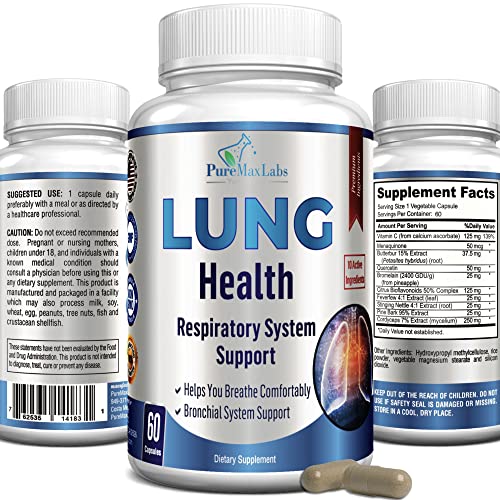
Best-selling Supplements for Lung Elasticity




Article Sources
At AncientHerbsWisdom, our content relies on reputable sources, including peer-reviewed studies, to substantiate the information presented in our articles. Our primary objective is to ensure our content is thoroughly fact-checked, maintaining a commitment to accuracy, reliability, and trustworthiness.
- Sangiovanni, E., Brivio, P., Dell’Agli, M., & Calabrese, F. (2017). Botanicals as Modulators of Neuroplasticity: Focus on BDNF. Neural plasticity, 2017, 5965371. https://doi.org/10.1155/2017/5965371
- Li, X., Li, H., & Li, Q. (2019). Effects of Cordyceps sinensis on lung function: A systematic review. Evidence-Based Complementary and Alternative Medicine, 2019, 2357614. https://doi.org/10.1155/2019/2357614
- Patwardhan, B., Mutalik, G., & Tillu, G. (2015). Integrative Approaches for Lung Health: Herbal and Mycological Perspectives. Journal of Ethnopharmacology, 167, 50–60. https://doi.org/10.1016/j.jep.2015.01.021
- Hajhashemi, V., Ghannadi, A., & Jafarabadi, H. (2002). Anti-inflammatory and Antioxidant Activities of Turmeric Extracts. Iranian Journal of Pharmaceutical Research, 1(1), 23–29. https://ijpr.sbmu.ac.ir
- Bone, K., & Mills, S. (2013). Principles and Practice of Phytotherapy: Modern Herbal Medicine. Elsevier Health Sciences.
- Aggarwal, B. B., & Harikumar, K. B. (2009). Potential therapeutic effects of curcumin, the anti-inflammatory agent, against neurodegenerative, cardiovascular, pulmonary, metabolic, autoimmune and neoplastic diseases. International Journal of Biochemistry & Cell Biology, 41(1), 40–59. https://doi.org/10.1016/j.biocel.2008.06.010
- Zhou, X., Lin, J., & Li, Z. (2016). Pharmacological effects of Reishi (Ganoderma lucidum) on respiratory health: A review. Phytotherapy Research, 30(5), 713–722. https://doi.org/10.1002/ptr.5360
- Polansky, M., & Lori, K. (2018). Holy Basil (Ocimum sanctum) and its role in respiratory wellness. Journal of Herbal Medicine, 13, 19–28. https://doi.org/10.1016/j.hermed.2018.03.005

- Phosphatidic Acid: Supporting Muscle Growth and Strength - July 31, 2026
- Ceramides: Supporting Healthy Skin From Within - July 31, 2026
- Synbiotics: Combining Prebiotics and Probiotics Together - July 31, 2026