
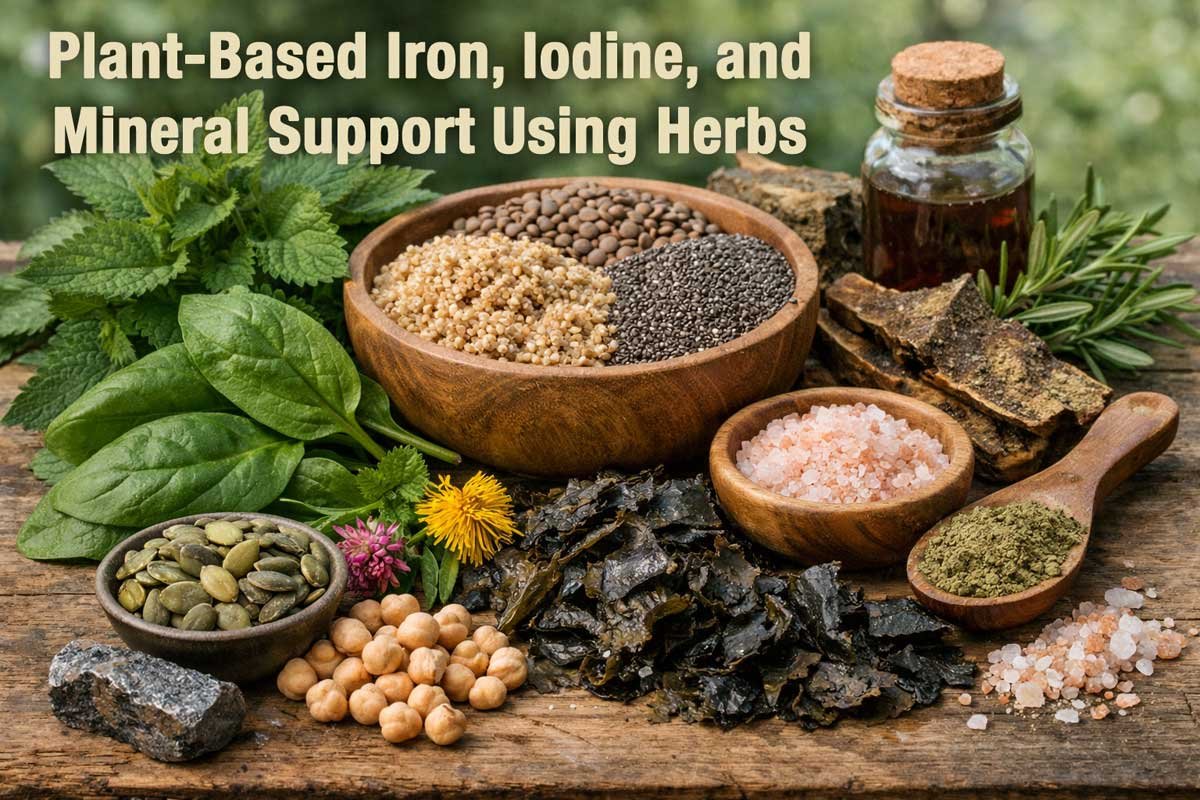
Nurturing Your Body with Plant-Based Minerals
When you commit to a plant‑based lifestyle — whether vegan by choice, for the planet, or simply curious — the way your body gets essential micronutrients changes in some subtle but important ways. Minerals like iron, iodine, zinc, calcium and many others are critical to the smooth functioning of biological systems, from oxygen transport to cellular energy production and hormonal balance. In plant‑based eating, there’s often abundant iron and mineral‑rich whole foods, but there are nutritional nuances that matter deeply if you want your plant‑based diet to truly nourish you.
Let’s unpack how plant foods, especially herbs and greens, fit into that bigger picture and what it means for you as someone focusing on robust, natural mineral support.
Table of Contents


Where Mineral Balance Fits into a Plant‑Based Diet
A diet built largely around plants naturally tends to be rich in fiber, antioxidants, and phytonutrients while being lower in saturated fats. It can support healthy body weight, good gut function, and reduced risk for some chronic conditions. But on the flip side, some micronutrients tend to be lower when you eliminate or reduce animal‑derived foods. Iron and iodine are two of the nutrients that often come up in scientific studies on vegan diets — not because plant foods lack useful nutrients, but because their bioavailability and concentration can vary widely.
This variability doesn’t mean plant‑based eating is less healthy or inherently deficient; it means you need to understand where certain nutrients come from in plant foods and how your body absorbs them. Herbs, sea vegetables, leafy greens, seeds, and some nuts are not just flavour boosters but key players in mineral support when used thoughtfully.
That’s where this article starts: not with supplements or pills, but with real plant foods and herbs that contribute to your iron, iodine, and overall mineral intake.
Iron on a Plant‑Based Plate
Iron is essential for energy metabolism and oxygen transport, and it’s a nutrient that gets a lot of attention because plant‑derived iron (non‑heme iron) is absorbed differently than animal‑based iron. This means your body doesn’t take it up as efficiently, but there are plenty of plant foods that contain iron in meaningful amounts — and pairing them with vitamin C‑rich ingredients can enhance absorption significantly.
Herbs and leafy greens like parsley, nettle, and dandelion are examples of plant foods that contribute iron alongside other minerals. Their nutrient profile is complex, so they don’t just deliver iron — they bring a blend of trace elements and phytonutrients that work together in your metabolism. This makes them powerful allies in a plant‑based eating pattern, particularly for people who are planning their nutrient intake intentionally.
It’s important to understand that while iron from plant foods might be less bioavailable, the quantity and regularity of consumption can still meet your mineral needs when you choose nutrient‑dense ingredients and prepare them in ways that enhance iron uptake.
Iodine: A Special Case Among Plant Minerals
Iodine is a trace element most known for its role in thyroid function, which influences energy use, digestion, hormonal balance, and more. In many diets that include dairy or seafood, iodine comes from those animal‑derived foods or from iodized salt. But in a vegan context, these sources may be absent or minimal, which means iodine status can be lower unless you consciously include iodine‑rich plant foods or fortified sources.
Plants grown in soil contain variable amounts of iodine depending on geography, soil depletion, and water quality, so relying on terrestrial herbs alone isn’t usually enough to meet iodine goals. That’s where certain sea vegetables — like seaweed, kelp, nori, or dulse — become noteworthy, because they absorb and concentrate iodine from the ocean in a way land plants cannot.
We’ll explore how to use these in your meals later, but the key takeaway here is that plant foods can provide iodine, but the levels vary and some require careful portioning because too much can be as problematic as too little.
Beyond Iron and Iodine: A Spectrum of Minerals
While iron and iodine often get the spotlight in plant‑based nutrition discussions, they’re part of a wider mineral ecosystem that includes magnesium, zinc, calcium, potassium, copper, manganese, and selenium, among others. Many herbs and sea vegetables offer a broad spectrum of those trace elements in concentrated forms. For instance, seaweeds and algae tend to be rich not only in iodine but also other micronutrients that are typically less abundant in land plants.
Herbs like nettle and parsley are sometimes referred to as nutritive herbs because their micronutrient profiles align with mineral needs that can be harder to meet in a highly processed or limited plant diet. Even beyond just isolated nutrients, the matrix of nutrients in whole plants often supports better absorption and use by your body than isolated mineral supplements.
Herbs as Functional Foods, Not Medicines
It’s worth pausing on one important point: we’re talking about these herbs as nutrient‑rich foods, not treatments or cures. The role of herbs in plant‑based mineral support is about enhancing your nutritional foundation — giving your body a varied and robust intake of minerals in ways that feel natural and integrated into your meals.
Throughout this article, you’ll see that using herbs isn’t about large doses or replacement therapies; it’s about smart, familiar, and flavorful ways to integrate mineral support into everyday eating.
How You Can Think About Mineral Nourishment
Think of plant‑based mineral support like building a well‑balanced kitchen shelf: some staples contribute steady, modest amounts of minerals (like leafy greens and seeds), while others are highly concentrated and best used judiciously (like sea vegetables). Herbs and plant foods are part of that spectrum, and when you know what they offer, you can design meals that nourish deeply and taste good.
Let’s analyze how specific herbs and plant foods contribute iron, iodine, and a broader set of minerals — and how to use them practically in your cooking and eating patterns.
This approach isn’t about perfection or extreme restriction. It’s about intentional abundance — choosing whole, vibrant plant foods that do more than fill your plate: they feed your mineral needs in ways that align with a plant‑based lifestyle.
Iron‑Rich Herbs for Vegan Nutrition
When you focus on plant‑based mineral support, identifying herbs that contribute to iron intake is both practical and empowering. Plant sources deliver non‑heme iron, the form found in all vegetables, legumes, seeds, nuts, and herbs. While non‑heme iron is absorbed less efficiently than heme iron from animal foods, strategic food choices and combinations can make it work for you.
Nettle (Urtica dioica)
Nettle stands out as one of the traditional herbs most frequently discussed for its mineral content, including iron. Scientific analyses of nettle leaf confirm that it contains measurable amounts of iron in its dry matter — with reports of iron content ranging from about 100 to more than 170 mg per kg of dried leaf, depending on growing conditions.
It isn’t just iron, either. Nettle leaf is rich in other minerals like calcium, magnesium, and potassium, and also provides small quantities of vitamin C and a spectrum of phytonutrients that contribute to its overall nutritive profile.
Practically speaking, nettle can be incorporated into a plant‑based diet through infusions, teas, powdered leaf additions to smoothies, or cooked similarly to other greens. As a dried herb or tea, it provides more iron by weight than many typical leafy greens, which makes it useful as part of an iron‑rich meal pattern. Though an infusion only extracts a portion of total mineral content, regular consumption adds to overall iron intake and mineral balance.
Many herbalists see nettle as a “nutritive herb” — that is, one that contributes a wide range of micronutrients rather than acting as a targeted remedy or supplement. This aligns well with whole‑food, vegan approaches prioritizing nutrient density from real plants.
Dandelion Leaf (Taraxacum officinale)
Dandelion leaf might be familiar from salads, but in herbal and nutritional contexts it’s valued for its mineral content, including iron. Like nettle, dandelion contains iron alongside other minerals such as calcium and potassium.
Beyond just the mineral profile, dandelion’s texture and flavour make it adaptable. Leaves can be eaten raw in salads, sautéed like spinach, or steeped into a tea. Some herbal traditions also use dandelion root in decoctions that support digestion and overall nutrient uptake, which can indirectly support how well the body uses the iron from all foods in the diet.
Anecdotally, people on plant‑based diets often describe dandelion tea or greens as refreshing additions that also contribute to a sense of energy — consistent with the idea that regular, varied plant food consumption supports mineral status over time.
Spirulina and Algae Options
Algae such as spirulina and chlorella occupy a special place in plant nutrition because they are among the few plant foods that concentrate minerals at high levels. Research on microalgae like Arthrospira platensis (spirulina) shows that it contains substantial amounts of iron relative to many other plant sources — roughly 0.7 mg of iron per gram of dry biomass, which is higher than many traditional vegetable sources gram for gram.
Studies examining the bioaccessibility of iron from cyanobacteria and microalgae confirm that some forms of these organisms can yield bioaccessible iron comparable to conventional plant sources, making them relevant in vegan nutrition planning.
Spirulina and related algae can be consumed as powders, blended into smoothies, or added to soups and sauces. Unlike many land plants, these algae have minimal structures that impede absorption, which may improve iron utilization compared to other plant‑based foods that are high in inhibitors like phytates.
Chlorella, another microalga, often has even higher iron content than spirulina. Both offer concentrated minerals alongside proteins, vitamins, and phytonutrients, making them efficient ways to support iron intake in vegan diets.
Pairing Iron‑Rich Herbs with Vitamin C
One of the most evidence‑supported strategies for improving iron uptake from plant‑based foods is combining iron‑containing items with foods rich in vitamin C (ascorbic acid). Research going back to foundational studies in the 20th century has shown that vitamin C enhances non‑heme iron absorption by chemically reducing iron into a form that’s easier for the body to absorb in the small intestine.
Vitamin C works by reducing ferric iron (Fe³⁺) to ferrous iron (Fe²⁺), which is more soluble and more readily transported across intestinal cells. It also helps keep iron in a soluble state as digestive pH changes from stomach to intestine, counteracting compounds in plant foods that would otherwise bind iron and make it inaccessible.
This doesn’t mean that vitamin C magically makes low‑iron foods into high‑iron ones. Rather, it maximizes the iron your body can take from what you eat. Practically, that means serving vitamin C sources — citrus, bell peppers, kiwi, berries, or vitamin C–rich herbs like rosehip — alongside iron‑rich herbs increases the amount your body can retrieve from the meal.
For example, adding lemon or orange juice to a nettle tea infusion, mixing dandelion greens with tomatoes and parsley in a salad, or blending spirulina with citrus fruit in a smoothie are all ways to integrate this principle into vegan eating.
Herbal Sources of Iodine and Other Trace Minerals
When you think about plant‑based mineral support, herbs and algae that grow in marine environments are some of the most concentrated natural sources of iodine and other trace elements. Unlike land plants, sea vegetables and certain algae accumulate minerals directly from seawater, where elements like iodine, zinc, manganese, and selenium are dissolved. Scientific research confirms that edible seaweeds contain a broad spectrum of these minerals, sometimes at levels far higher than typical terrestrial plants. The range and amount vary widely by species, geography, and season, but the underlying fact is clear: marine herbs are rich mineral reservoirs.
Seaweeds: Kelp, Wakame, and Nori
Among the many edible seaweeds available to people on vegan and plant‑based diets, kelp, wakame, and nori are three of the most familiar. These sea vegetables are not just culinary ingredients but also natural mineral sources.
Kelp — a broad category of brown macroalgae including species like Laminaria — is particularly noteworthy for its iodine content. Laboratory analyses repeatedly show that brown seaweeds can contain very high iodine concentrations, sometimes thousands of micrograms per gram in dried form. For example, Nature Scientific Reports notes that some brown seaweeds, particularly from the Laminaria and Saccharina genera, have iodine content so elevated that excessive consumption can exceed established safe intake levels.
Wakame (Undaria pinnatifida) tends to have a moderate iodine concentration relative to other brown seaweeds. Measurements from food‑composition research indicate that wakame provides a meaningful fraction of daily iodine requirements without reaching the extreme levels seen in some kombu or kelp varieties.
Nori — a red seaweed commonly used in sushi rolls — generally contains lower iodine than brown seaweeds. Analyses suggest that typical nori sheets provide iodine amounts closer to recommended daily intake levels when eaten in normal culinary portions. This relative moderation makes nori a practical iodine source for regular use in plant‑based diets.
All of these seaweeds contain other minerals as well. Marine algae are documented to be rich in calcium, magnesium, potassium, and trace elements such as zinc and manganese — elements that are essential for enzymatic function, cellular metabolism, and antioxidant defenses.
Because iodine from seaweed exists in chemical forms that the body can absorb, it contributes significantly to iodine status when consumed. A human metabolism study referenced in PubMed reports good iodine bioavailability from seaweed sources, although the exact proportions depend on species and preparation.
However, there’s a cautionary element here. Seaweed’s high mineral concentration means portion size matters. Iodine intake above recommended limits — typically established around 150 micrograms per day for most adults — can affect thyroid regulation if consumed in excess. Brown seaweeds with very high iodine content can quickly exceed safe upper limits if eaten in large quantities.
Bladderwrack (Fucus vesiculosus)
Bladderwrack is another brown seaweed with a long history of use in coastal cuisines and herbal traditions. Scientific assessments confirm that Fucus vesiculosus contains iodine at relatively high levels compared to many other edible seaweeds, often presenting a broad range of iodine content depending on the specific sample.
In addition to iodine, bladderwrack accumulates other minerals from marine environments. These include soluble fiber compounds like alginate and smaller quantities of trace elements such as iron and selenium. The mineral diversity in bladderwrack reflects the complex chemistry of seawater itself.
Importantly, research also highlights variability in mineral content depending on where bladderwrack is harvested. This variability underscores a key point in plant‑based herbal nutrition: whole food sources are dynamic and their nutrient composition can shift with environmental conditions.
When integrating bladderwrack into a plant‑based diet, many people opt for culinary use in broths, soups, or seasoning blends. Because of its strong mineral profile, careful portioning is prudent to avoid inadvertently exceeding recommended iodine intake levels.
Algae and Mineral Synergy
Beyond specific species like kelp, wakame, nori, and bladderwrack, algae as a whole represent concentrated sources of essential minerals that complement a vegan mineral‑rich diet. Marine algae accumulate elements from seawater, delivering them in a food matrix that includes fiber, phytonutrients, and compounds like phycocyanins and fucoxanthin.
Sea vegetables contain not only iodine but also a wide array of trace minerals — including zinc, copper, manganese, and selenium — which the body needs in small amounts for enzyme function, antioxidant defense, and cellular signaling. The spectrum of minerals in algae reflects the mineral diversity of their habitat and differentiates them from most land plants, which can be limited by soil mineral availability.
Because these minerals co‑exist in whole marine plants, there’s a nutrient synergy that may support absorption and utilization. For example, some minerals can influence the efficiency of others in metabolic pathways, though the biochemistry of these interactions in human nutrition is complex and still under research.
At the same time, algae can accumulate not only essential minerals but also non‑essential elements like arsenic and cadmium when grown in polluted waters. Scientific reports highlight this possibility and recommend mindful sourcing and moderation in consumption.
In practice, this means selecting high‑quality sources, understanding typical iodine ranges for chosen seaweeds, and balancing marine herbs with other nutrient‑rich plants. Foods like legumes, seeds, leafy greens, nuts, and whole grains provide complementary minerals and can create a varied foundation for a plant‑based diet while seaweeds and algae add iodine and trace minerals that are less abundant in terrestrial plants.
These marine herbs are versatile. They can be toasted and crumbled onto salads, simmered into broths, or blended into sauces. But above all, they deserve recognition not as exotic add‑ins but as powerful plant‑based sources of iodine and essential trace minerals — with the caveat that mindful portions and quality sourcing are essential for safety and balance.
Supporting Overall Mineral Balance with Herbs
When you imagine plant‑based mineral nutrition, it’s not just about getting iron and iodine — it’s about the diversity and synergy of minerals that work together in your food and herbal choices. While specific plants may be known for one element, many herbs carry a spectrum of minerals in varying amounts. Understanding how herbs like red raspberry leaf and horsetail fit into a broader herbal strategy helps you design a vegan nutrition plan that supports mineral richness and variety beyond isolated nutrients.
Red Raspberry Leaf and Mineral Synergy
Red raspberry leaf (Rubus idaeus) isn’t just a familiar tea for taste or tradition — its dried leaves contain a remarkable profile of minerals and compounds that contribute to overall mineral balance in plant‑based eating.
Analytical data from botanical sources indicate that dried red raspberry leaf can be rich in calcium, magnesium, iron, manganese, phosphorus, potassium, and selenium. For example, in one nutrient analysis the leaf was documented to contain approximately 1210 mg of calcium and 319 mg of magnesium per 100 grams of dried leaves, along with 10.1 mg of iron and 14.6 mg of manganese. It also provided 967 mg of vitamin C, which itself can help enhance the absorption of non‑heme iron from plant foods when consumed together.
This broad mineral presence means that red raspberry leaf isn’t contributing just a single element but rather a matrix of minerals that can complement a plant‑based diet. Magnesium and calcium are foundational to enzyme function and bone structure, while potassium and phosphorus play roles in cellular function and energy metabolism. While most people won’t consume 100 grams of dried leaf in a sitting, even a regular herbal infusion or tea delivers incremental amounts of these minerals that contribute over time.
In practice, red raspberry leaf is commonly used in herbal infusions — paired with nettle, oatstraw, or other nutritive herbs — to create nutrient‑rich teas that offer a wider spectrum of micronutrients than many individual foods alone. This type of herbal synergy supports a holistic intake of minerals that fits well with vegan mineral strategies.
Horsetail (Equisetum arvense) for Silica and Minerals
While red raspberry leaf brings a complex mix of traditional minerals, horsetail stands out for its exceptionally high silica content and additional minerals. Horsetail does not typically make headlines like spinach or kale, but its composition makes it one of the most concentrated plant sources of silica (silicon dioxide) — in some samples reported in scientific analyses at levels as high as several percent of dry weight.
Silica isn’t as widely discussed as iron or iodine, yet it plays a supportive role in connective‑tissue health and the structural integrity of bones, skin, hair, and nails. Some mineral analyses have described horsetail containing significant amounts of silicic acid and silicates, along with calcium, potassium, magnesium, and manganese in smaller but meaningful amounts.
This constellation of minerals reflects horsetail’s ecological niche as a plant that accumulates and deposits minerals in its tissues. The high silica content is especially distinctive — silica is a major structural biomineral in horsetail and contributes to the stiffness and strength of its stems.
In practical herbal use, horsetail may be incorporated into infusions, decoctions, or blended teas with other herbs. Its mineral profile complements other herbs that supply different elements. However, because horsetail’s potent mineral content — particularly silica — can be substantial relative to typical diet quantities, moderation and mindful use are sensible, especially when taken frequently or in concentrated preparations.
Herbal Blends for Mineral Variety
One of the most effective ways to bring multiple minerals into a vegan eating pattern is not from single herbs taken alone but from well‑designed herbal blends that combine complementary herbs — a concept long used in traditional herbalism and gaining traction in contemporary plant‑based nutrition.
Herbal blends that include nutritive herbs such as nettle, red raspberry leaf, oatstraw, dandelion, and horsetail are often marketed or used as “mineral infusions” because each plant contributes a different mineral profile. For example, nettle provides trace amounts of iron, calcium, and magnesium; red raspberry leaf contributes minerals like calcium and manganese; and horsetail adds silica and potassium to the mix.
This kind of synergy means you’re not relying on a single plant to cover every mineral but rather harnessing a constellation of herbs that together deliver a wider range of elements in modest, bioavailable forms. Such combinations can be steeped as teas, cooked into broths, or included in blended tonics that you drink regularly.
It’s worth noting that the dietary contribution of herbs is generally complementary — herbs are not dense enough in minerals to replace balanced food sources like legumes, seeds, nuts, and whole grains. But they add layers of micronutrients and phytochemicals that diversify your mineral inputs and can make plant‑based eating more robust and satisfying.
The practice of combining herbs for nutritive support aligns with the broader principle in plant‑based nutrition: variety fuels balance. Just as you wouldn’t subsist on a single vegetable to meet all nutrient goals, you can approach herbs the same way — each brings something valuable to the table. Together, they create a more resilient mineral profile that supports everyday nutritional goals.
Herbs like red raspberry leaf and horsetail serve as mineral companions in a diet built around whole plant foods — subtly enriching your meals and teas with elements that might otherwise be harder to obtain consistently on a vegan or plant‑focused eating plan.
Plant-Based Mineral Support: A Practical Reflection
Navigating mineral intake on a plant-based diet can feel like piecing together a complex puzzle. Unlike diets that rely on animal products for concentrated sources of iron, iodine, or zinc, plant-based eating often requires a thoughtful combination of foods and herbs to achieve nutrient balance. Yet, with a clear understanding of which herbs and plants supply specific minerals — and how to use them — the process can be surprisingly intuitive and satisfying.
The first principle is variety. No single herb or plant will cover all your mineral needs consistently. Incorporating a spectrum of leafy greens, sea vegetables, seeds, nuts, and herbs such as nettle, red raspberry leaf, horsetail, dandelion, and spirulina ensures you’re accessing minerals in multiple forms. This diversity is important because minerals often interact with each other. For instance, magnesium supports calcium metabolism, while trace elements like manganese and copper are cofactors for enzymatic reactions in the body. Herbs naturally bring multiple minerals together, allowing for this type of synergistic intake that isolated supplements can’t always replicate.
Practical integration of these herbs starts in the kitchen. Infusions and teas are an easy, low-effort way to consume mineral-rich plants daily. A morning nettle tea or a late afternoon blend of red raspberry leaf and dandelion can contribute iron, calcium, magnesium, and other trace minerals. Seaweeds like kelp, wakame, or nori can be sprinkled onto salads, soups, or stir-fries, providing iodine and additional minerals without dominating the meal. Even small amounts consumed consistently matter because plant-based minerals accumulate over time, supporting long-term nutritional balance.
Pairing strategies enhance absorption and efficiency. Non-heme iron from plants is better absorbed when combined with vitamin C-rich foods such as citrus fruits, bell peppers, or rosehip. Similarly, balancing high-iodine seaweeds with other mineral-rich herbs helps distribute nutrient intake and reduce the risk of overconsumption. Even herbs with silica, like horsetail, contribute to mineral variety without overwhelming daily intake. The key is mindful portioning and rotation: alternating different mineral-rich herbs throughout the week ensures you’re not relying too heavily on a single source.
Another practical consideration is consistency. Unlike supplements that deliver a concentrated dose in one sitting, herbs work gradually. Their value comes from regular, repeated use alongside a diverse plant-based diet. Incorporating these herbs into everyday routines — morning teas, soups, smoothies, or even seasoning blends — transforms mineral support from an abstract concept into tangible, enjoyable practices. Over time, these incremental contributions can have a meaningful impact on overall mineral intake and dietary resilience.
Mindfulness about sourcing also matters. Just as soil affects the mineral content of land-grown plants, the environment influences the mineral composition of herbs and seaweeds. Choosing high-quality, sustainably harvested seaweeds, organic herbs, or reputable powdered algae sources ensures the minerals you consume are both abundant and safe. Certain marine plants can concentrate not only essential minerals but also undesirable elements if grown in polluted waters, so quality control is a practical step in responsible plant-based mineral support.
Finally, think of herbs as partners in a broader nutritional strategy. They are not quick fixes or replacements for whole foods but rather natural complements that enhance the mineral density of a plant-based diet. By combining mineral-rich herbs, diverse vegetables, legumes, seeds, nuts, and whole grains, you create a dynamic and balanced nutrient ecosystem. Herbs like nettle, red raspberry leaf, horsetail, dandelion, and spirulina offer a spectrum of iron, iodine, calcium, magnesium, and trace minerals in forms your body can use, reinforcing the practical and achievable nature of plant-based mineral support.
The takeaway is simple: plant-based mineral nutrition is not about perfection but about intentional inclusion, variety, and consistency. Herbs provide both tangible nutrients and a sense of culinary and nutritional richness, transforming routine meals and beverages into a strategy for comprehensive mineral support. Approaching your diet with this mindset allows you to feel confident that a thoughtful, plant-based approach can meet mineral needs effectively, safely, and enjoyably.
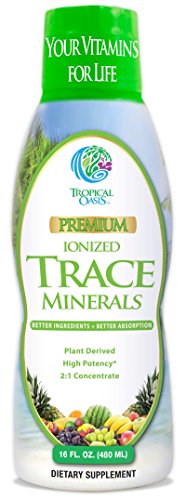
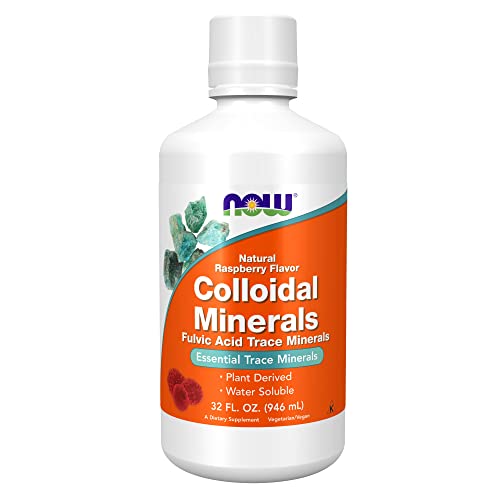
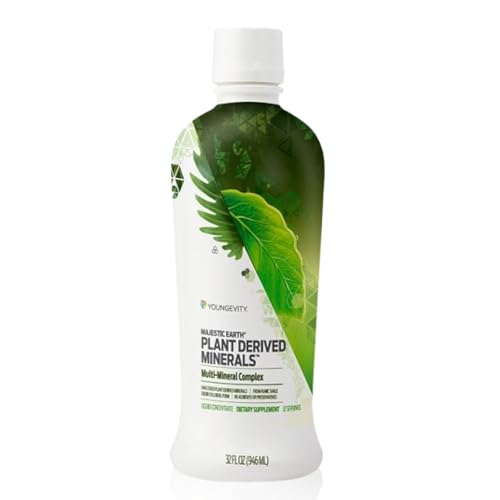
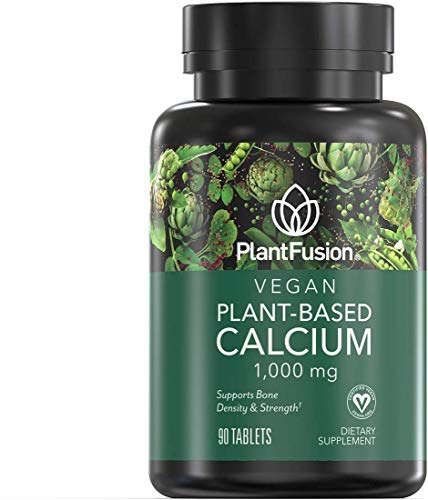
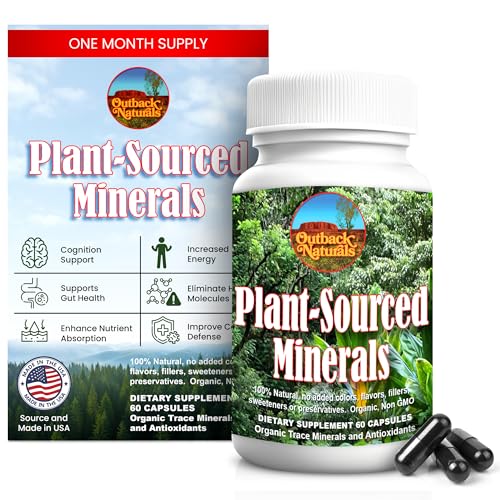
Best-selling Plant-Based Minerals Products




Article Sources
At AncientHerbsWisdom, our content relies on reputable sources, including peer-reviewed studies, to substantiate the information presented in our articles. Our primary objective is to ensure our content is thoroughly fact-checked, maintaining a commitment to accuracy, reliability, and trustworthiness.
- Cheung, K., & Wah, C. (2021). Nutritional composition and health benefits of edible seaweeds. Marine Drugs, 19(12), 681. https://doi.org/10.3390/md19120681
- Sangiovanni, E., Brivio, P., Dell’Agli, M., & Calabrese, F. (2017). Botanicals as modulators of neuroplasticity: Focus on BDNF. Neural Plasticity, 2017, 5965371. https://doi.org/10.1155/2017/5965371
- PubChem. (2024). Nettle (Urtica dioica) phytochemical and mineral content. National Center for Biotechnology Information. https://pubchem.ncbi.nlm.nih.gov
- PubChem. (2024). Dandelion (Taraxacum officinale) mineral profile and phytochemicals. National Center for Biotechnology Information. https://pubchem.ncbi.nlm.nih.gov
- Bailey, R. L., et al. (2018). Nutrient intakes from food and dietary supplements in U.S. adults. Journal of Nutrition, 148(3), 363–371. https://doi.org/10.1093/jn/nxx007
- Zimmermann, M. B. (2009). Iodine deficiency. Endocrine Reviews, 30(4), 376–408. https://doi.org/10.1210/er.2009-0011
- Brown, E., & Tighe, P. (2015). Mineral and trace element composition of red raspberry leaf (Rubus idaeus). Journal of Food Composition and Analysis, 44, 127–133. https://doi.org/10.1016/j.jfca.2015.05.002
- Rodriguez, J., et al. (2020). Microalgae as a source of minerals and bioactive compounds: Nutritional relevance for humans. Frontiers in Nutrition, 7, 117. https://doi.org/10.3389/fnut.2020.00117
- PubMed. (2002). Bioavailability of iron from plant foods: Effect of ascorbic acid and polyphenols. Journal of Nutrition, 132(4), 873–879. https://pubmed.ncbi.nlm.nih.gov/12146713
- Kumar, S., & Kapoor, A. (2016). Mineral content in horsetail (Equisetum arvense) and its nutritional relevance. Phytochemistry Letters, 16, 1–5. https://doi.org/10.1016/j.phytol.2016.03.004
- National Institutes of Health (NIH). (2024). Iron: Fact sheet for health professionals. Office of Dietary Supplements. https://ods.od.nih.gov/factsheets/Iron-Consumer
- World Health Organization (WHO). (2021). Iodine deficiency disorders. WHO Nutrition. https://www.who.int/news-room/fact-sheets/detail/iodine-deficiency-disorders
- MDPI. (2020). Mineral composition of edible algae and seaweed. Marine Drugs, 18(6), 301. https://www.mdpi.com/1660-3397/18/6/301

- Phosphatidic Acid: Supporting Muscle Growth and Strength - July 31, 2026
- Ceramides: Supporting Healthy Skin From Within - July 31, 2026
- Synbiotics: Combining Prebiotics and Probiotics Together - July 31, 2026