
A Quietly Powerful Fruit That Deserves More Attention
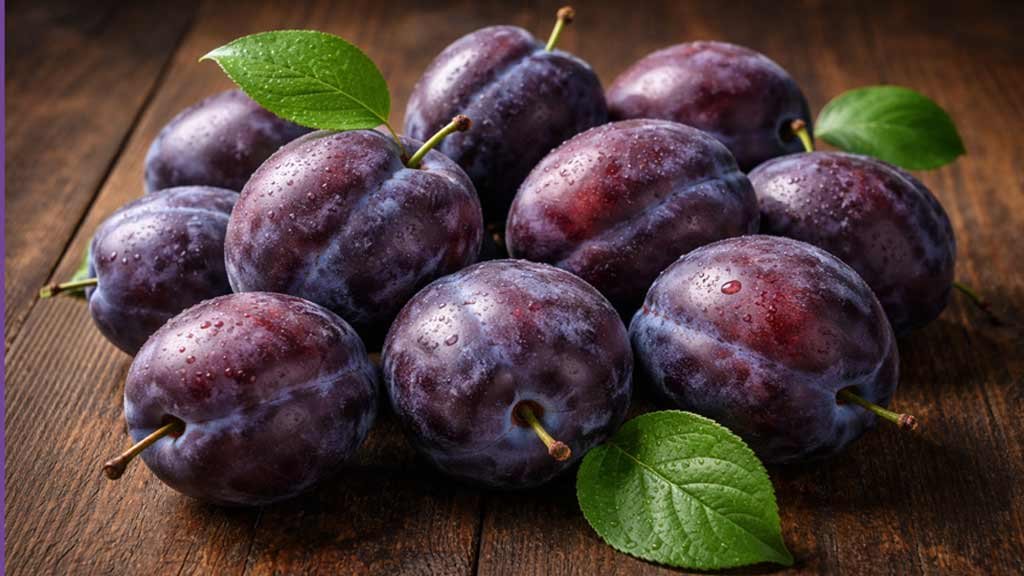
Walk through a summer market and you will likely see piles of plums sitting quietly beside peaches, cherries, and nectarines. Deep purple skins, sometimes red or golden, a light dusty bloom on the surface. They look appealing, yet plum rarely gets the attention given to trendier foods. That is a strange oversight. When you look closely at what this fruit offers, the plum stands out as one of the simplest foods that supports both digestion and heart health in a practical, everyday way.
The first thing most people notice when they eat a ripe plum is the balance. Sweet, slightly tart, juicy without being overwhelming. The flesh gives easily under the teeth, releasing a bright flavor that feels refreshing rather than heavy. That sensory experience matters more than people realize. Foods that are pleasant to eat are foods people return to, and consistency is what turns a healthy ingredient into a real habit.
Table of Contents
But the real story of plum sits below the surface. This fruit carries a combination of dietary fiber, polyphenols, vitamins, and minerals that interact with two systems many people struggle to maintain. The digestive system and the cardiovascular system. When those two areas function well, energy levels stabilize, inflammation tends to stay lower, and metabolic processes operate more smoothly.

Plum has been part of the human diet for a very long time. Archaeological evidence suggests that species of Prunus domestica were cultivated thousands of years ago across parts of Europe and Asia. Ancient communities did not run clinical trials, but they did observe patterns. Fruits that stored well, tasted good, and helped maintain regular digestion tended to stay in the diet. Plum earned its place that way.
One reason plum stands out nutritionally is its fiber profile. Many people hear the word fiber and immediately think of whole grains or vegetables. Fruit sometimes gets ignored in that conversation. Yet plum provides both soluble and insoluble fiber. Each type interacts differently with the body. Soluble fiber forms a gel-like substance during digestion. This slows the movement of food through the stomach and supports stable absorption of nutrients. Insoluble fiber adds bulk to stool and supports intestinal movement.
The result is a fruit that contributes to steady digestion without feeling heavy. Eat a plum and the effect is subtle. Eat plums regularly and you begin to notice the pattern. Meals digest more comfortably. Bloating becomes less common. Bowel movements tend to stay more regular. These are small improvements individually, but together they shape how the digestive system functions day after day.
Another interesting feature of plum is its natural content of sorbitol. Sorbitol is a sugar alcohol that occurs naturally in several fruits, including apples, pears, and plums. In moderate amounts, sorbitol can attract water into the digestive tract. That hydration effect supports stool softness and movement through the intestines. This is one reason dried plum, often called prunes, became a traditional remedy for occasional constipation long before modern digestive products appeared.
Fiber and sorbitol work together in plum. Fiber provides structure while sorbitol supports moisture. The combination produces a gentle effect that many people find easier on the digestive system than harsh laxatives or heavily processed fiber supplements.
Digestion, however, is only one part of the picture. Plum also contains compounds that matter for heart health. Among them are polyphenols, a diverse group of plant molecules studied for their antioxidant activity. These compounds help protect cells from oxidative stress, a process linked with inflammation and damage to tissues, including blood vessels.
Oxidative stress is not something people feel directly. It builds gradually through lifestyle factors such as diet, stress, smoking, and environmental exposure. Over time, it can affect the flexibility and function of blood vessels. Fruits rich in polyphenols help counterbalance this process by neutralizing reactive molecules before they cause damage.
Plum also provides potassium, a mineral that plays a direct role in cardiovascular regulation. Potassium helps maintain fluid balance and supports normal nerve and muscle function. The heart, being a muscle that contracts continuously, depends on that balance. Diets rich in potassium-containing foods are consistently associated with healthier blood pressure patterns in population studies.
What makes plum particularly appealing is how easily it fits into daily eating. Some foods require complicated preparation. Others demand a complete shift in cooking habits. Plum asks very little. Wash it, bite into it, and you are done. No peeling, no slicing required.
That simplicity has practical value. Many people intend to improve their diet but struggle to sustain complicated routines. Small foods that integrate naturally into daily life tend to last longer. A bowl of plums on the kitchen counter often disappears quickly because it invites spontaneous snacking.
Seasonality also adds to the experience. Fresh plums usually appear from late spring through early autumn, depending on the region and variety. During that window, the fruit reaches peak flavor and juiciness. Outside the fresh season, dried plum continues to provide many of the same nutrients in a more concentrated form.
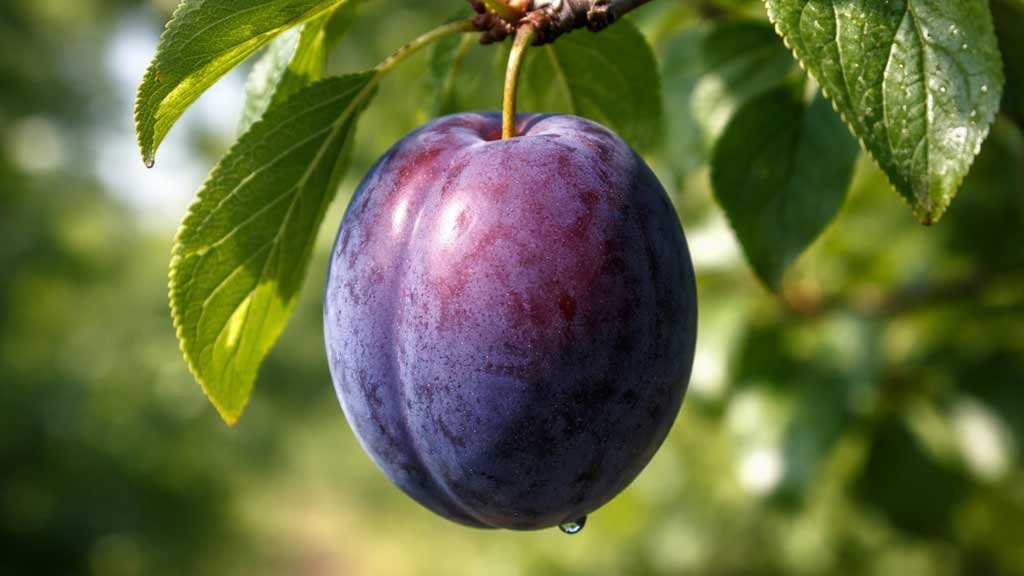
Different varieties offer slightly different flavors and colors. Some plums are deep purple with amber flesh. Others show bright red skins or even golden yellow tones. The pigments in those skins often reflect the presence of plant compounds like anthocyanins and other polyphenols. These compounds contribute both to color and antioxidant capacity.
Nutrition researchers often emphasize variety in plant foods because different colors signal different phytonutrients. Eating plums alongside berries, apples, leafy greens, and other fruits expands that spectrum naturally.
There is also something satisfying about the physical structure ofa plum. The firm skin gives way to tender flesh surrounding a single pit. That simple anatomy encourages mindful eating. You slow down slightly as you eat around the stone. In a world of highly processed snacks designed for rapid consumption, that pause can be refreshing.
From a broader perspective, plum represents a pattern that shows up again and again in nutrition science. Whole foods with modest calorie content and a mix of fiber, micronutrients, and plant compounds tend to support long-term health when eaten regularly. They do not promise a dramatic overnight change. Instead, they shape daily physiology in quiet ways.
A piece of plum after lunch. A sliced plum over yogurt. A handful of dried plums in the afternoon when energy dips. These moments seem small, almost trivial. Yet repeated daily habits influence digestion, nutrient intake, and metabolic balance far more than occasional extreme diets.
Perhaps that is why plum has persisted in traditional cuisines across continents. From European orchards to Asian markets, the fruit has maintained its place for centuries. People return to it because it works within ordinary life.
So while plum rarely receives the marketing spotlight given to exotic superfoods, its value becomes clear once you pay attention. Fiber that supports digestion. Plant compounds that interact with cardiovascular function. A flavor that makes healthy eating feel natural rather than forced.
Sometimes the most useful foods are the ones that quietly wait in the background until someone takes a second look. Plum is exactly that kind of fruit.
Why Plum Supports Healthy Digestion
Spend enough time paying attention to digestion and a pattern becomes obvious. The foods that support digestive comfort tend to share a few traits. They provide fiber that moves food through the intestines. They contain compounds that support fluid balance in the gut. And increasingly, they include plant molecules that interact with the trillions of microbes living in the digestive tract.
Plum fits into this pattern almost perfectly. It is not a harsh digestive stimulant. It does not overwhelm the system. Instead, plum works through a combination of fiber, naturally occurring sorbitol, and plant polyphenols that influence the gut environment in subtle but meaningful ways.
Many people begin to notice digestive improvements when they start eating plums regularly. Bowel movements become more predictable. The feeling of heaviness after meals tends to ease. For a fruit that is easy to eat and widely available, that impact deserves closer attention.
Natural Fiber and Intestinal Function
Dietary fiber remains one of the most studied components of digestive health. Fiber is the part of plant foods that resists digestion in the small intestine. Instead of being absorbed as calories, it travels into the large intestine where it interacts with water, intestinal movement, and the gut microbiota.
A medium fresh plum contains roughly 1 to 1.5 grams of fiber, depending on variety and size. At first glance, that number does not look dramatic. Yet fiber intake works cumulatively across the day. Add a plum to breakfast or eat one as a snack and the contribution begins to add up.
Plum contains both soluble fiber and insoluble fiber, and each type performs a different job inside the digestive system.
Soluble fiber dissolves in water and forms a gel-like substance during digestion. This slows the emptying of the stomach and helps regulate the speed at which nutrients move through the intestines. The effect often feels subtle but useful. Meals digest more steadily rather than rushing through the system.
Insoluble fiber behaves differently. It does not dissolve in water. Instead, it adds structure and bulk to stool. This bulk stimulates the intestinal walls, encouraging normal peristalsis. Peristalsis is the coordinated contraction that moves food and waste through the digestive tract.
Without enough insoluble fiber, stool can become small and slow-moving. Over time this may contribute to irregular bowel patterns. Foods like plums help counter that by providing plant structure that the digestive system can use.
When people increase fiber intake gradually with foods such as plums, the digestive tract often becomes more efficient. Stool volume increases slightly, water retention improves, and intestinal transit time becomes more balanced.
Research on dried plum provides a good illustration of this effect. Clinical trials comparing dried plum to fiber supplements such as psyllium have found that dried plum can improve stool frequency and consistency in adults experiencing mild constipation. Researchers often attribute these effects to the combined action of fiber and sorbitol found in plums.
The interesting part is that plum accomplishes this while remaining a whole food. No powders, capsules, or processed additives. Just fruit.
Sorbitol and Gentle Digestive Support
Sorbitol is a naturally occurring sugar alcohol present in several fruits, including apple, pear, and plum. In the digestive system, sorbitol behaves differently from regular sugars like glucose or fructose.
Only part of the sorbitol consumed from the plum is absorbed in the small intestine. The remainder travels to the large intestine where it draws water into the digestive tract through osmotic action. This added moisture softens stool and supports easier movement through the colon.
That mechanism explains why plum and dried plum have long been associated with digestive comfort. Traditional diets recognized this effect long before the chemistry was understood.
The amount of sorbitol in fresh plum is moderate, while dried plum contains a higher concentration because the water has been removed during drying. For many people, this creates a practical option. A small portion of dried plum can deliver noticeable digestive support without needing large quantities of food.
The key point is moderation. Sorbitol can support normal digestion in reasonable amounts, but very large intakes may produce gas or loose stools in sensitive individuals. That response occurs because intestinal bacteria ferment the portion of sorbitol that reaches the colon.
With typical servings of plum, however, most people experience a balanced effect. The fruit contributes moisture to the digestive contents while fiber provides the structural bulk needed for movement.
This pairing is important. Fiber alone without sufficient fluid sometimes leads to firm stools. Sorbitol alone without fiber can lead to excessive fermentation. Plum provides both components in a proportion that tends to work well for the human digestive system.
Polyphenols and the Gut Microbiome
The digestive benefits of plum extend beyond fiber and sorbitol. Over the past decade, research has increasingly focused on the role of plant polyphenols in shaping the gut microbiome.
Polyphenols are naturally occurring compounds found in many fruits, vegetables, tea, and cocoa. Plum contains several polyphenols, including chlorogenic acids and anthocyanins, particularly in darker-skinned varieties.
These compounds are only partially absorbed in the upper digestive tract. A portion travels into the colon, where it interacts with intestinal bacteria. There, polyphenols can influence which microbial species thrive and which decline.
Studies suggest that polyphenol-rich foods may support the growth of beneficial bacteria such as Bifidobacterium and Lactobacillus species. These microbes play roles in fermentation, nutrient metabolism, and the production of short-chain fatty acids.
Short chain fatty acids are small molecules produced when gut bacteria ferment fiber and certain plant compounds. One example is butyrate, which serves as a primary fuel source for cells lining the colon. When the colon receives adequate butyrate, the intestinal barrier tends to function more effectively.
Polyphenols from plum appear to participate in this process indirectly. They interact with microbes, and microbes transform them into metabolites that the body can absorb and use. In this sense, plum acts as both nourishment for the human body and a substrate for the microbial ecosystem living in the gut.
Another interesting observation from research on dried plum involves its potential influence on intestinal microbial balance. Some animal and human studies have suggested that dried plum consumption may alter microbial populations in ways associated with improved digestive markers and metabolic function. While research continues, these findings highlight how plant foods influence digestion beyond basic nutrients.
The gut microbiome has become one of the most active areas of nutrition research. Scientists now recognize that digestion does not depend solely on the human digestive organs. It also depends on the vast community of microbes that live alongside them.
Foods that feed both systems tend to produce the most stable digestive outcomes. Plum falls into that category.
A person who eats plum regularly supplies the digestive tract with fiber for movement, sorbitol for moisture balance, and polyphenols that interact with microbial metabolism. The effect is not dramatic in a single meal. It builds gradually through repeated exposure.
Over weeks and months, that pattern may support a digestive environment that feels calmer and more predictable. Meals move through the system comfortably. The gut microbiota receives a steady supply of plant compounds. Intestinal cells gain the short chain fatty acids they rely on.
When people talk about digestive health, they often look for complicated solutions. Yet in many cases, the answer begins with foods that have quietly supported digestion for generations.
Plum is one of those foods. A simple fruit that works with the digestive system rather than forcing it.
Plum and Heart Health: Nutrients That Matter
When people think about heart health, the conversation often jumps straight to big lifestyle shifts. Exercise programs. Strict dietary rules. Complex supplement stacks. Those strategies can matter, but they sometimes overlook a simpler truth. Cardiovascular health is shaped by the daily pattern of small nutritional choices repeated for years.
Fruit plays a central role in that pattern. Large population studies consistently show that diets rich in fruits and vegetables are associated with lower rates of cardiovascular disease. Researchers rarely attribute this effect to one single compound. Instead, the benefit appears to come from the combined influence of fiber, minerals, antioxidants, and plant phytochemicals working together.
Plum fits comfortably into this framework. It is modest in calories, naturally rich in potassium, and contains polyphenols and dietary fiber that interact with metabolic and vascular processes connected to heart health. None of these elements work in isolation. They support systems that regulate blood pressure, oxidative balance, cholesterol metabolism, and inflammation.
That is where plum earns its quiet reputation as a supportive fruit for cardiovascular wellbeing.
Potassium and Blood Pressure Regulation
Potassium is one of the most important minerals involved in cardiovascular function. It participates in nerve signaling, muscle contraction, and fluid balance throughout the body. Because the heart is a muscle that contracts continuously, maintaining stable potassium levels is essential.
A single fresh plum provides a modest amount of potassium, typically around 100 to 110 milligrams depending on the size of the fruit. That number might appear small compared with high potassium foods like bananas or potatoes. Yet the role of fruit is cumulative. Multiple servings of potassium containing foods across the day contribute to total intake.
The relationship between potassium intake and blood pressure has been studied extensively. Diets rich in potassium are consistently associated with healthier blood pressure levels in both observational studies and controlled dietary trials. One explanation involves sodium balance.
Sodium and potassium act in opposition within many physiological systems. High sodium intake tends to increase fluid retention and can raise blood pressure in susceptible individuals. Potassium helps counterbalance this effect by supporting sodium excretion through the kidneys and relaxing blood vessel walls.
The Dietary Approaches to Stop Hypertension eating pattern, often called the DASH diet, places strong emphasis on fruits and vegetables largely because they provide potassium alongside fiber and antioxidants. Plum fits well within this type of dietary pattern.
Beyond electrolyte balance, potassium contributes to vascular tone. Blood vessels expand and contract in response to signals from smooth muscle cells lining their walls. Adequate potassium intake helps maintain the electrical gradients required for those cells to function normally. When the system works smoothly, vessels can relax when necessary, which supports stable blood pressure.
Including plums regularly alongside other potassium-rich plant foods helps reinforce this physiological balance. It is not about one fruit delivering a dramatic dose. It is about building a daily environment where potassium intake supports cardiovascular regulation.
Antioxidants That Protect the Cardiovascular System
Cardiovascular tissues are particularly vulnerable to oxidative stress. Blood vessels constantly transport oxygen and nutrients throughout the body, and this high metabolic activity generates reactive oxygen species. In small amounts, these molecules serve normal signaling roles. In excess they can damage lipids, proteins, and cellular membranes.
Oxidative stress has been linked with processes involved in atherosclerosis, the gradual buildup of plaque within arterial walls. This is where antioxidant compounds found in plant foods become relevant.
Plum contains several classes of polyphenols that act as antioxidants. Among the most studied are chlorogenic acids and anthocyanins. Chlorogenic acids are widely distributed plant compounds also found in foods such as coffee and apples. Anthocyanins are pigments responsible for the deep purple and red colors seen in many fruits.
The darker the skin of the plum, the higher the likelihood that anthocyanins are present in meaningful amounts. These pigments do more than provide color. Laboratory and human studies suggest they help neutralize reactive oxygen molecules and support cellular defense systems.
Polyphenols from plum may also influence endothelial function. The endothelium is the thin layer of cells lining blood vessels. These cells regulate blood flow, vascular relaxation, and inflammatory signaling. When endothelial cells function well, blood vessels maintain flexibility and respond efficiently to changes in blood pressure.
Research examining diets rich in polyphenol containing fruits often finds associations with improved markers of endothelial function and reduced oxidative stress. While it is difficult to isolate the exact contribution of one fruit, the plum provides a meaningful supply of these compounds within a whole food context.
Another interesting aspect of plum polyphenols is their interaction with gut microbes. When polyphenols reach the colon, intestinal bacteria metabolize them into smaller compounds that the body can absorb. Some of these metabolites appear to influence inflammatory signaling pathways connected with cardiovascular health.
The emerging picture is complex but consistent. Plant polyphenols from fruits like plum interact with multiple systems that influence vascular integrity.
Fiber, Cholesterol Balance, and Metabolic Health
Fiber is often discussed in relation to digestion, but its role in cardiovascular health is equally important. Soluble fiber in particular has been studied for its effects on cholesterol metabolism and metabolic balance.
When soluble fiber reaches the digestive tract, it forms a viscous gel that interacts with bile acids. Bile acids are produced from cholesterol in the liver and released into the intestine to help digest fats. Normally, a portion of these bile acids is reabsorbed and recycled.
Soluble fiber can bind to bile acids and increase their excretion. When this occurs, the liver must use additional cholesterol to produce new bile acids. Over time this process may contribute to lower circulating LDL cholesterol levels.
Plum contributes a combination of soluble and insoluble fiber that participates in this mechanism. While the amount in a single fruit is moderate, regular consumption adds to the daily fiber intake required to support this metabolic pathway.
Dried plum has attracted particular attention in nutritional research because the drying process concentrates both fiber and polyphenols. Some human studies examining dried plum intake have observed improvements in markers associated with lipid metabolism and antioxidant status.
Fiber also influences glucose metabolism and insulin sensitivity. When meals contain adequate fiber, carbohydrate digestion tends to slow. This produces a steadier release of glucose into the bloodstream rather than a rapid spike followed by a sharp decline.
Stable blood sugar patterns support metabolic health, which is closely connected to cardiovascular risk. Conditions such as insulin resistance and metabolic syndrome are recognized contributors to long-term heart disease risk.
By contributing fiber, plum participates in the broader dietary pattern that supports metabolic balance. It is a small component, but one that integrates easily with other fiber-rich foods like oats, legumes, vegetables, and whole grains.
Another often overlooked benefit is satiety. Fiber-rich foods increase fullness after eating, which may help regulate total energy intake. Over time, maintaining a stable body weight supports cardiovascular health through multiple mechanisms, including improved blood pressure and lipid balance.
Taken together, the nutrients in plums illustrate how whole foods influence heart health through interconnected pathways. Potassium supports vascular regulation. Polyphenols help protect cells from oxidative stress. Fiber participates in cholesterol metabolism and metabolic stability.
None of these processes relies on dramatic doses. They operate through consistent exposure to supportive nutrients over long periods. That is where plum proves useful. It is a fruit people enjoy eating, which makes regular intake far more likely.
Heart health rarely hinges on a single ingredient. It grows from patterns that persist over decades. Adding plum to those patterns is a simple step that quietly reinforces the nutritional foundation the cardiovascular system depends on.
Nutritional Value of Plum and Ways to Eat It Daily
Understanding the value of plum becomes easier when you step back and look at the whole nutritional picture. This fruit does not rely on a single nutrient to justify its place in the diet. Instead, plum offers a combination of vitamins, minerals, fiber, and plant compounds that work together inside the body.
That combination matters. Nutritional science continues to show that whole foods tend to influence health through interacting components rather than isolated nutrients. Plum is a good example of this principle. It provides hydration, fiber that supports digestion, minerals involved in cardiovascular function, and plant compounds that participate in antioxidant defense.
Because plum is naturally sweet and easy to eat, it also fits well into daily meals without requiring elaborate preparation. A food that is both nutritious and convenient tends to stay in the routine, and consistency is where long-term benefits appear.
Vitamins, Minerals, and Plant Compounds
A fresh plum contains relatively few calories while providing a meaningful range of micronutrients. According to data from the United States Department of Agriculture nutrient database, a typical medium plum weighing around 65 grams provides about 30 calories. The fruit is composed largely of water, which contributes to hydration and helps create the refreshing texture people associate with ripe plum.
Despite the modest calorie content, plum delivers several vitamins and minerals that support normal physiological functions.
Vitamin C is one of the most notable nutrients present in plums. This vitamin participates in collagen synthesis, immune function, and antioxidant defense. While plum does not provide the same amount as citrus fruits, regular consumption contributes to overall daily intake.
Plum also supplies vitamin K in smaller amounts. Vitamin K plays a role in normal blood clotting processes and is involved in bone metabolism. Maintaining adequate intake of vitamin K through foods supports these physiological systems.
Potassium is another mineral present in plums. As discussed earlier, potassium helps regulate fluid balance, nerve transmission, and muscle contraction. Adequate potassium intake is widely recognized as a factor in maintaining normal blood pressure levels.
Plum contains smaller contributions of additional nutrients such as copper, manganese, and several B vitamins. Each plays a role in metabolic pathways that help convert food into usable energy.
What makes plum especially interesting, however, is its collection of plant compounds known as polyphenols. These include chlorogenic acids and anthocyanins, particularly in darker varieties of plum. These compounds contribute to the fruit’s color and participate in antioxidant activity.
Polyphenols interact with biological systems in complex ways. They can neutralize reactive molecules generated during metabolism and may influence signaling pathways involved in inflammation and cellular stress responses. Some polyphenols also reach the colon where gut microbes transform them into smaller molecules that can be absorbed into the bloodstream.
Another subtle benefit comes from the water content of the plum. Fresh plum is composed of roughly 85 to 90 percent water. That hydration helps the fruit feel satisfying while keeping calorie intake relatively low. For people looking to increase fruit intake without dramatically increasing energy consumption, plum fits naturally into the diet.
Fresh Plum vs. Dried Plum (Prunes)
Both fresh plum and dried plum have nutritional value, but they differ in concentration and practical use. Understanding the distinction helps people decide how to incorporate plum throughout the year.
Fresh plum is mostly water, which means its nutrients are more diluted but the fruit is refreshing and easy to eat in larger portions. A medium plum contains around 30 calories and roughly 1 gram of fiber. The flavor tends to be bright and slightly tart depending on the variety.
Fresh plums also provide vitamin C, which is sensitive to heat and drying processes. Because of this, fresh fruit often contains higher vitamin C levels than dried versions.
Dried plum, commonly called prunes, is produced by removing much of the water from the fruit. This drying process concentrates the remaining nutrients. A small portion of dried plum contains significantly more fiber and natural sugars than the same weight of fresh plum.
For example, about 100 grams of dried plum provides roughly 7 grams of fiber compared with about 1 to 2 grams in the same weight of fresh plum. Sorbitol, the natural sugar alcohol associated with digestive support, also becomes more concentrated during drying.
The higher fiber and sorbitol content is one reason dried plum has been studied for its effects on bowel function. Several clinical studies have observed improvements in stool frequency and consistency in adults consuming dried plum regularly.
However, because water is removed during drying, the calorie density of dried plum increases as well. A small serving delivers more energy than fresh fruit. This does not make dried plum unhealthy, but it does mean portions are typically smaller.
Flavor differences are also noticeable. Fresh plum offers crisp juiciness and mild tartness, while dried plum develops a deeper sweetness with caramel-like notes. Some people prefer one form over the other depending on the situation.
Both forms contain polyphenols, though the exact composition changes slightly during the drying process. Research suggests dried plum retains significant antioxidant capacity even after dehydration.
The most practical approach is to treat fresh plum and dried plum as complementary foods. Fresh plum works well during its natural growing season, while dried plum extends availability throughout the year.
Simple Ways to Add Plum to Everyday Meals
One of the advantages of plum is how easily it fits into daily eating patterns. Many nutritious foods require planning or cooking. Plum often needs nothing more than a quick rinse.
Eating a plum as a standalone snack is the most straightforward approach. Keep a bowl of ripe plums on the kitchen counter or in the refrigerator. The fruit is ready whenever hunger appears between meals.
Breakfast offers another natural opportunity. Sliced plum pairs well with yogurt, oatmeal, or whole-grain cereal. The fruit adds sweetness and moisture without requiring additional sugar. The fiber in plum also complements the fiber already present in foods such as oats.
Some people enjoy adding plum to smoothies. Blending fresh plum with yogurt, milk, or plant-based alternatives creates a drink with natural sweetness and extra nutrients. The skin can remain intact during blending since it contains valuable polyphenols.
Salads are another easy place for plum. Thin slices of plum add contrast to leafy greens, nuts, and mild cheeses. The fruit’s slight acidity balances richer ingredients and brings a fresh flavor to the dish.
Dried plum offers its own set of possibilities. Because it is compact and shelf-stable, it works well as a portable snack. A few dried plums can easily fit into a lunch container or travel bag.
In cooking, dried plums can be chopped and added to grain dishes such as quinoa or brown rice. The sweetness pairs well with savory ingredients like roasted vegetables or herbs. Some traditional cuisines use dried plum in stews to create depth of flavor.
Another simple option is pairing dried plum with nuts. This combination provides fiber from the fruit and healthy fats from the nuts, creating a snack that tends to feel satisfying.
For people who enjoy baking, plums can be incorporated into muffins, cakes, or fruit crisps. Using plum in these recipes adds moisture and natural sweetness, which can reduce the need for additional sugar.
Freezing is another practical method for extending the life of fresh plums. Sliced plums can be frozen and later used in smoothies or cooked dishes. While the texture changes slightly after freezing, the nutritional content remains largely intact.
Ultimately, the goal is not to search for complicated recipes. The value of plum appears when it becomes a routine part of everyday eating. A fruit eaten regularly contributes nutrients consistently, and that steady intake supports the physiological systems involved in digestion and heart health.
When people keep plums within reach, they tend to eat it. That simple habit often matters more than any elaborate nutritional strategy.
Best Selling Plums Products


A Simple Habit With Long-Term Benefits
Nutrition often becomes unnecessarily complicated. New superfoods appear every year. Diet trends promise dramatic results. Yet when researchers step back and examine long-term health patterns, a simpler message tends to emerge. Consistent intake of whole plant foods, especially fruits and vegetables, supports the systems that keep the body functioning well over time.
Plum fits naturally into that pattern. It is not a miracle ingredient. It does not need to be. Instead, plum works through steady exposure to fiber, minerals, and plant compounds that interact with digestion and cardiovascular physiology in small but meaningful ways.
That is how most beneficial foods operate. The effect is gradual. A person does not eat a plum and suddenly feel a transformation. What happens instead is subtle. Digestion feels more regular. Meals seem to move through the body comfortably. Over months and years, the nutrients provided by foods like plums contribute to the environment in which the heart and digestive system function.
The digestive system is one of the clearest places where consistent habits make a difference. Fiber intake remains lower than recommended in many modern diets. Health authorities such as the National Academies of Sciences suggest daily fiber intakes of roughly 25 grams for adult women and 38 grams for adult men, depending on age and energy needs. Many people consume far less.
Adding foods like plums helps close that gap gradually. Each fruit contributes a modest amount of fiber, but these contributions accumulate across meals and snacks. When fiber intake increases through whole foods rather than isolated supplements, it arrives with water, vitamins, and plant compounds that support overall digestive balance.
Regular consumption of plums also introduces sorbitol and polyphenols that interact with gut function. The digestive tract responds well to consistency. When fiber and plant compounds appear regularly, the intestinal environment tends to stabilize. Bowel movements often become more predictable, and the gut microbiota receives a steady supply of compounds it can metabolize.
Heart health follows a similar principle. Thousands of daily biochemical interactions influence the cardiovascular system. Blood pressure regulation, cholesterol metabolism, inflammatory signaling, and oxidative balance all respond to the foods a person eats repeatedly over time.
Plum contributes to this process in several ways. Potassium supports normal vascular function and fluid balance. Fiber participates in mechanisms linked with cholesterol metabolism and metabolic stability. Polyphenols provide antioxidant compounds that interact with cellular defense systems.
None of these effects occurs in isolation. They operate alongside other aspects of diet and lifestyle. Physical activity, sleep quality, stress management, and overall dietary patterns all shape cardiovascular health. But foods like plum quietly reinforce the nutritional foundation these systems depend on.
There is also an important behavioral factor. A healthy food must be easy to keep in the routine. Plum has several qualities that make this possible.
First, the fruit is convenient. A fresh plum can be eaten almost anywhere. No preparation is required beyond washing it. That simplicity removes one of the common barriers to healthier eating.
Second, plum offers natural sweetness without the intensity found in many processed snacks. When someone reaches for a plum instead of a highly refined dessert, the nutritional profile of the snack changes dramatically. The fruit delivers fiber, water, and micronutrients while still satisfying the desire for something sweet.
Third, plum is widely available. Different varieties grow across Europe, Asia, and North America. Fresh plum appears seasonally in markets, while dried plum extends availability throughout the year. This flexibility makes it easier to maintain the habit regardless of the season.
Another benefit of plum is its versatility in the kitchen. Some people prefer eating the fruit fresh and whole. Others slice plum over yogurt, mix it into breakfast bowls, or combine it with salads and grains. Dried plum works well in snacks, baking, and savory dishes.
These small culinary choices matter more than people often realize. When a food fits comfortably into multiple meals, it appears in the diet more frequently. That repetition increases exposure to the nutrients and plant compounds it provides.
There is also a psychological dimension to habits built around whole foods. Eating fruit regularly encourages a shift toward a more balanced dietary pattern. Someone who keeps plum, apples, berries, and other fruits nearby tends to reach for them naturally when hunger appears.
Over time, that pattern replaces some of the highly processed foods that often dominate modern snack habits. The shift may seem minor in the moment, but repeated daily choices accumulate into meaningful dietary change.
Traditional dietary cultures often illustrate this principle clearly. In many regions where fruit consumption remains high, fruits like plums are eaten as part of ordinary life. They appear after meals, in small snacks, or within simple home cooking. No one labels them as a special intervention. They are simply food.
Modern nutrition research increasingly supports this traditional approach. Dietary patterns rich in fruits and vegetables are associated with a lower risk of several chronic conditions, including cardiovascular disease. Researchers rarely attribute this effect to a single nutrient. Instead, they observe the combined impact of fiber, micronutrients, and phytochemicals present in plant foods.
Plum contributes to that broader pattern in a quiet but reliable way. The fruit provides digestive support through fiber and sorbitol, while offering polyphenols and potassium that participate in cardiovascular physiology.
For many people, the most practical takeaway is straightforward. Keep plums available and eat it regularly. A piece of fruit with breakfast. Another in the afternoon when energy dips. A few slices added to a meal.
These choices do not demand dramatic changes. They simply reinforce a habit that supports the body’s natural systems.
Health rarely depends on a single decision. It grows from repeated behaviors that shape the body’s internal environment day after day. Including plum in the daily routine is one of those behaviors. Over time, the effect of that simple habit becomes surprisingly meaningful.
Article Sources
At AncientHerbsWisdom, our content relies on reputable sources, including peer-reviewed studies, to substantiate the information presented in our articles. Our primary objective is to ensure our content is thoroughly fact-checked, maintaining a commitment to accuracy, reliability, and trustworthiness.
- Stacewicz Sapuntzakis, M., & Bowen, P. E. (2013). Role of dried plums in improving bone health. Critical Reviews in Food Science and Nutrition, 53(12), 1277–1285. https://doi.org/10.1080/10408398.2011.588585
- Lever, E., & Mullan, B. (2019). The effect of dried plums on gastrointestinal function: A systematic review. Journal of Nutrition and Metabolism, 2019, 1–8. https://doi.org/10.1155/2019/6501712
- Bolling, B. W., Dolnikowski, G., Blumberg, J. B., & Chen, C. Y. (2010). Quantification of polyphenols and antioxidant capacity in dried plums. Journal of Agricultural and Food Chemistry, 58(12), 7499–7505. https://doi.org/10.1021/jf100566p
- U.S. Department of Agriculture, Agricultural Research Service. (2019). FoodData Central: Plums, raw. https://fdc.nal.usda.gov/fdc-app.html#/food-details/1102652/nutrients
- U.S. Department of Agriculture, Agricultural Research Service. (2019). FoodData Central: Plums, dried (prunes). https://fdc.nal.usda.gov/fdc-app.html#/food-details/1102647/nutrients
- Wallace, T. C., Murray, R., & Zelman, K. M. (2016). The nutritional value and health benefits of prunes. Journal of the American College of Nutrition, 35(1), 44–51. https://doi.org/10.1080/07315724.2014.995197
- He, F. J., & MacGregor, G. A. (2008). Beneficial effects of potassium on human health. Physiologia Plantarum, 133(4), 725–735. https://doi.org/10.1111/j.1399-3054.2007.01033.x
- Williamson, G., & Clifford, M. N. (2017). Colonic metabolites of berry polyphenols: The missing link to biological activity? British Journal of Nutrition, 104(S3), S48–S66. https://doi.org/10.1017/S0007114510003946
- Slavin, J. L. (2013). Dietary fiber and body weight. Nutrition, 21(3), 411–418. https://doi.org/10.1016/j.nut.2004.08.018
- U.S. National Academies of Sciences, Engineering, and Medicine. (2005). Dietary reference intakes for energy, carbohydrate, fiber, fat, fatty acids, cholesterol, protein, and amino acids. National Academies Press. https://nap.nationalacademies.org/catalog/10490/dietary-reference-intakes-for-energy-carbohydrate-fiber-fat-fatty-acids
- Basu, A., & Lyons, T. J. (2012). Strawberries, blueberries, and cranberries in the metabolic syndrome: Clinical perspectives. Journal of Agricultural and Food Chemistry, 60(23), 5687–5692. https://doi.org/10.1021/jf203320y

- Phosphatidic Acid: Supporting Muscle Growth and Strength - July 31, 2026
- Ceramides: Supporting Healthy Skin From Within - July 31, 2026
- Synbiotics: Combining Prebiotics and Probiotics Together - July 31, 2026