
The Quiet Power of a Simple Summer Fruit
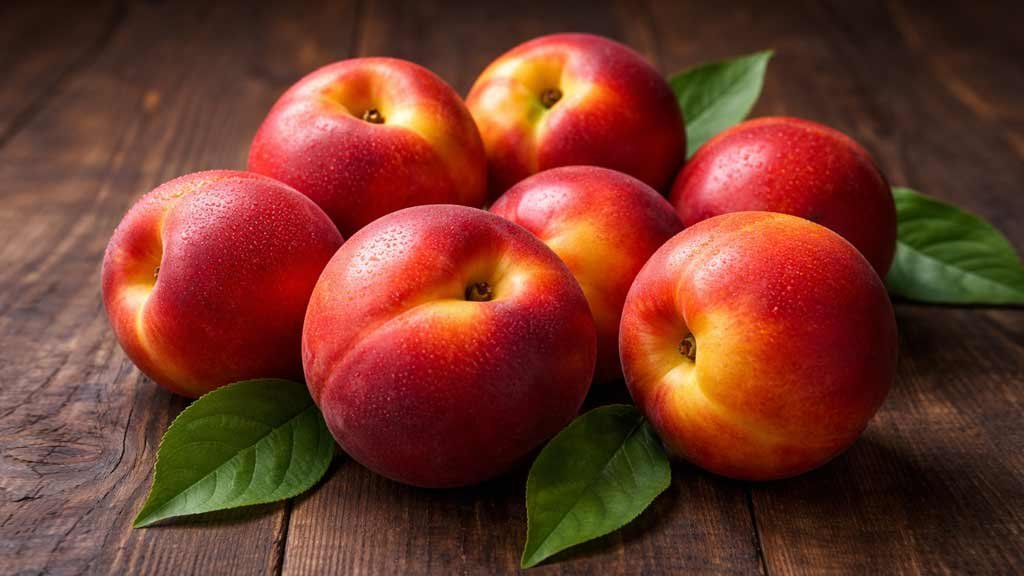
Walk through a summer market, and you will see baskets of fruit that almost glow in the sunlight. Among them, the nectarine tends to catch the eye quietly. Smooth skin, deep orange flesh, sometimes streaked with red. No fuzz, no rough edges. Just a clean, juicy stone fruit that people often pick up without thinking much about what it offers beyond taste.
That simplicity hides something interesting.
The nectarine belongs to the same species as the peach, Prunus persica, but it developed a natural genetic variation that removes the fuzzy skin. Nutritionally, however, nectarines bring their own mix of vitamins, minerals, and plant compounds. Researchers studying stone fruits have consistently found that fruits in this group contain a variety of polyphenols and carotenoids, compounds associated with antioxidant activity in the human body.

For something that tastes like dessert, the nectarine quietly delivers a surprising amount of nutritional value.
Table of Contents
Why the Nectarine Stands Out Among Stone Fruits
Stone fruits include peaches, plums, cherries, and apricots. They share a similar structure: soft flesh surrounding a hard pit. Yet nectarines occupy a slightly different place in that family.
Their smooth skin is not just a cosmetic detail. Many people who avoid peaches because of the fuzzy texture will happily eat nectarines. That simple difference means nectarines often become an easy gateway fruit for people trying to increase fruit intake.
And increasing fruit intake matters. The World Health Organization and multiple nutritional studies consistently link higher fruit consumption with improved cardiovascular markers and better long-term metabolic health. While no single fruit drives these outcomes alone, fruits rich in fiber, potassium, vitamin C, and polyphenols contribute to a dietary pattern that supports overall health.
Nectarines check many of those boxes.
A medium nectarine typically provides:
- Vitamin C, important for antioxidant defense
- Potassium, involved in blood pressure regulation
- Dietary fiber that supports digestion and metabolic balance
- Carotenoids such as beta carotene and lutein
- Polyphenols that contribute to antioxidant capacity
Individually, none of these nutrients are extraordinary in quantity. Together, they create a balanced nutritional profile that fits naturally into daily eating patterns.
A Fruit That Encourages Consistency
One reason nectarines deserve attention is not just their nutrient content but their practicality.
Health research often focuses on specific compounds. Flavonoids. Carotenoids. Fiber fractions. Yet in real life, people benefit most from foods they actually eat consistently.
Nectarines have a few qualities that support that consistency.
First, they require almost no preparation. Wash them and eat them whole. That convenience matters more than most people realize. Foods that require minimal effort are far more likely to become daily habits.
Second, they combine sweetness with acidity in a way that feels refreshing rather than heavy. A ripe nectarine delivers a clean burst of juice, which makes it satisfying during warm weather when heavy foods lose their appeal.
Third, they travel well. A nectarine can sit in a bag or on a desk for hours without turning into a sticky mess. That makes it an easy snack during long workdays.
These small practical advantages often determine whether a nutritious food becomes part of someone’s routine.
Antioxidants in Everyday Foods
The word antioxidants appears everywhere in nutrition discussions, sometimes so often that it loses meaning. At its core, the concept is simple.
During normal metabolism, the body produces reactive oxygen species. These molecules can interact with cellular structures such as lipids, proteins, and DNA. Diets rich in antioxidant containing foods help maintain the balance between these reactive compounds and the body’s natural defense systems.
Nectarines contribute to this balance through several groups of plant compounds.
Stone fruits contain polyphenols such as chlorogenic acid and catechins. These molecules have been studied for their ability to neutralize reactive molecules in laboratory settings. Carotenoids found in orange and yellow fruit flesh also participate in antioxidant activity and are associated with eye and cardiovascular health in population studies.
It is important to view these compounds in context. Eating a nectarine does not act like a pharmaceutical intervention. Instead, nectarines contribute small amounts of protective nutrients that accumulate over time when part of a varied diet rich in fruits and vegetables.
Think of it as a nutritional background system rather than a quick fix.
The Experience of Eating a Nectarine
Nutrition discussions often become overly technical, but food is still a sensory experience.
Bite into a ripe nectarine and a few things happen at once. The thin skin breaks easily. Juice runs across the tongue. The flavor shifts from floral sweetness to a mild tart finish.
These sensory qualities matter. They influence how often people reach for a food.
Many healthy foods struggle because they feel like a chore. Nectarines rarely fall into that category. Their flavor profile sits somewhere between peaches and plums, but with a slightly brighter acidity. That balance tends to make people want another bite rather than stopping after a few.
It also makes nectarines versatile.
They work as:
- A quick afternoon snack
- A sliced addition to breakfast bowls
- A fresh topping for yogurt or oatmeal
- A sweet contrast in summer salads
- A light dessert when grilled or baked
This flexibility helps nectarines appear in different meals throughout the week without feeling repetitive.
Seasonal Foods and Nutritional Rhythm
Another interesting aspect of nectarines is their seasonality.
In most temperate climates, nectarines reach peak harvest between late spring and early autumn. During this time, their nutrient content and flavor are at their highest. Fruits picked at peak ripeness generally contain higher concentrations of certain vitamins and plant compounds compared to fruit harvested early for long storage.
Seasonal eating naturally introduces variety into the diet. As nectarines appear in markets, they replace heavier winter desserts and snacks. Their high water content and refreshing taste align with warmer temperatures and increased hydration needs.
This seasonal rhythm has subtle benefits.
Instead of relying on the same fruits year round, rotating produce according to harvest cycles exposes the body to a broader spectrum of nutrients and phytochemicals.
Nectarines become one piece of that rotating puzzle.
Small Habits That Add Up
Health outcomes rarely depend on a single food choice. Instead, they reflect thousands of small decisions repeated over years.
Choosing a piece of fruit instead of a processed snack. Adding fresh produce to breakfast. Eating a simple dessert based on whole ingredients rather than refined sugar.
Nectarines fit easily into those small decisions.
They offer sweetness without added sugar, fiber without effort, and antioxidants in a form that feels natural rather than medicinal. Over time, these qualities help people maintain eating habits that support heart health and overall nutritional balance.
It may look like just another summer fruit. Yet behind that smooth skin and bright color sits a combination of nutrients and plant compounds that quietly contribute to a healthier diet.
And sometimes, the quiet foods are the ones that matter most.
Nectarine Nutrition and the Compounds Behind Its Benefits
The nectarine often gets described as a simple fruit. Sweet. Juicy. Easy to eat. But once you look past the surface, the nutritional structure of the nectarine becomes more interesting. Like many stone fruits, it contains a combination of vitamins, minerals, fiber, and plant compounds that work together inside the body.
Nutrition research rarely focuses on single nutrients anymore. Scientists increasingly study food matrices, the way multiple compounds in whole foods interact and influence biological systems together. A nectarine is a good example of this idea. Its benefits come from a cluster of nutrients rather than one standout ingredient.
Understanding what sits inside a nectarine helps explain why it fits so naturally into diets associated with better cardiovascular markers and strong antioxidant defenses.
Core Vitamins and Minerals Found in Nectarine
A medium nectarine weighing about 140 grams contains a modest but useful mix of micronutrients. According to the United States Department of Agriculture nutrient database, one nectarine provides roughly:
- About 62 calories
- Around 15 grams of carbohydrates
- Approximately 2 grams of dietary fiber
- Close to 10 milligrams of vitamin C
- Roughly 285 milligrams of potassium
- Small amounts of vitamin A, vitamin E, and several B vitamins
These values can vary slightly depending on variety and ripeness, but the general pattern stays consistent.
Vitamin C plays a central role in antioxidant protection and immune support. It acts as a water soluble antioxidant and participates in collagen synthesis. Collagen is essential for connective tissue integrity, including blood vessel structure.
Potassium deserves attention as well. This mineral helps regulate fluid balance and nerve signaling. More importantly for cardiovascular discussions, potassium intake correlates with blood pressure regulation in many population studies. Diets rich in potassium often show associations with improved vascular function and reduced hypertension risk.
The nectarine also contributes dietary fiber. Fiber supports digestive health and influences cholesterol metabolism. Soluble fiber binds certain bile acids in the digestive tract, which can encourage the body to use circulating cholesterol for bile production. Over time, this mechanism contributes to improved lipid balance.
Then there are carotenoids.
The orange and golden tones in nectarine flesh come partly from carotenoids such as beta carotene and lutein. Beta carotene acts as a precursor to vitamin A, while lutein participates in antioxidant defense and visual health.
These nutrients appear in moderate concentrations, yet their cumulative effect becomes meaningful when nectarines appear regularly in the diet.
Polyphenols and Other Antioxidants in Nectarines
Beyond traditional vitamins and minerals, nectarines contain a range of plant compounds known as polyphenols. These molecules are produced by plants as part of their defense system against environmental stressors such as sunlight, pests, and pathogens.
When humans eat these compounds, they often exhibit antioxidant and anti inflammatory activity in laboratory and population studies.
Stone fruits including nectarines have been shown to contain several important polyphenols, including:
- Chlorogenic acid
- Catechins
- Quercetin derivatives
- Anthocyanins in red skinned varieties
Chlorogenic acid appears frequently in research related to fruit antioxidants. It has demonstrated the ability to neutralize reactive oxygen species in experimental models. Studies also suggest that chlorogenic acid may influence glucose metabolism and lipid oxidation pathways.
Catechins are another well studied group of polyphenols. They appear in foods like tea, cocoa, apples, and stone fruits. Catechins contribute to antioxidant activity and may influence endothelial function, which refers to the health of the inner lining of blood vessels.
Red pigmented nectarines also contain anthocyanins. These compounds are responsible for red and purple colors in many fruits. Anthocyanins have attracted attention for their relationship with cardiovascular health markers in observational studies.
While the concentrations in nectarines are lower than in deeply colored berries, their presence still contributes to the fruit’s overall antioxidant profile.
Researchers studying stone fruits have found that the antioxidant capacity of nectarines results from the combination of these polyphenols with vitamin C and carotenoids. No single compound explains the effect. The mixture matters.
How Nectarine Nutrients Interact in the Body
One of the most overlooked aspects of nutrition is synergy. Nutrients often behave differently when consumed together within whole foods compared to isolated supplements.
The nectarine offers a small but useful example of this principle.
Start with vitamin C and polyphenols. Vitamin C can regenerate certain oxidized antioxidants, helping them continue neutralizing reactive molecules. Polyphenols may also influence cellular antioxidant pathways by interacting with signaling mechanisms inside cells.
Then there is fiber.
Fiber slows digestion and moderates the absorption of natural fruit sugars. This effect helps stabilize blood glucose responses after meals. Slower digestion also allows greater interaction between gut microbiota and plant compounds present in the fruit.
The gut microbiome plays a significant role here. Many polyphenols are not fully absorbed in the upper digestive tract. Instead, they reach the colon where gut bacteria transform them into smaller metabolites. Some of these metabolites appear to influence inflammation pathways and metabolic processes.
In other words, the digestive system becomes part of the antioxidant story.
Carotenoids add another layer. These fat soluble compounds require dietary fat for optimal absorption. Eating nectarines alongside foods that contain healthy fats, such as yogurt, nuts, or seeds, may improve carotenoid bioavailability.
This interaction explains why traditional meals often combine fruits with other whole foods rather than eating them in isolation.
Even hydration plays a role.
Nectarines contain a high water content, typically close to 85 percent. That water content contributes to satiety and supports normal cellular function. Proper hydration allows nutrients to circulate efficiently through blood plasma and reach tissues where they are needed.
Taken together, the nutrient system inside a nectarine works like a small network.
- Vitamins support antioxidant and metabolic functions
- Minerals regulate cellular balance and cardiovascular processes
- Fiber influences digestion and metabolic responses
- Polyphenols contribute antioxidant activity and interact with gut microbiota
- Carotenoids provide additional protective compounds
None of these elements dominate the fruit’s profile. Instead, the value of the nectarine comes from the balance among them.
This balance reflects a pattern seen across many plant foods. Whole fruits rarely rely on a single nutrient. They deliver clusters of compounds that operate together, each contributing small but meaningful effects.
A nectarine may feel like a light snack. Yet inside that smooth skinned fruit sits a carefully layered combination of nutrients and plant molecules shaped by plant biology and environmental adaptation.
When eaten regularly as part of a varied diet, those compounds become part of the body’s ongoing effort to maintain metabolic stability, antioxidant balance, and cardiovascular resilience.
Nectarine and Heart Health: Nutritional Factors That Matter
Cardiovascular health does not depend on a single food. It emerges from patterns repeated over years. Still, certain foods consistently appear in dietary patterns linked with healthier hearts. Fruits sit near the center of those patterns.
The nectarine fits naturally into that category. It combines potassium, fiber, hydration, and antioxidant compounds in a relatively low calorie fruit that people can eat regularly without much planning. None of these components act as a medical treatment. Yet each one influences physiological processes connected to heart health.
When researchers examine diets associated with improved cardiovascular markers, they often see a common structure. Higher intake of fruits, vegetables, whole grains, and plant compounds. Lower reliance on highly processed foods. Nectarines contribute several nutrients that align with these dietary patterns.
Three factors deserve particular attention: potassium, dietary fiber, and antioxidant compounds.
Potassium and Blood Pressure Balance
Potassium is one of the most important minerals involved in cardiovascular regulation. Inside the body, potassium works closely with sodium to maintain fluid balance and electrical signaling in muscles and nerves. The heart, being a muscle that contracts continuously, depends heavily on this balance.
A medium nectarine typically provides around 280 to 300 milligrams of potassium. That amount is not enormous, yet it contributes meaningfully toward daily intake when combined with other fruits and vegetables.
The physiological importance of potassium becomes clearer when looking at how it affects blood pressure.
High sodium intake tends to increase blood pressure in many individuals. Potassium helps counterbalance that effect through several mechanisms:
- It promotes sodium excretion through the kidneys
- It relaxes blood vessel walls
- It supports proper vascular tone and nerve signaling
Population research consistently finds that diets higher in potassium correlate with lower average blood pressure levels. The World Health Organization and multiple cardiovascular research groups encourage increased potassium intake through whole foods such as fruits, vegetables, legumes, and dairy products.
Nectarines contribute to this effort in a subtle way.
Unlike potassium supplements, fruits provide potassium within a complex food matrix that includes fiber, water, and phytochemicals. This combination supports gradual absorption and avoids sudden electrolyte shifts.
Another advantage is palatability. Foods rich in potassium are often vegetables that some people struggle to eat in large quantities. Nectarines offer a sweeter option that makes increasing potassium intake easier, especially for individuals who find it difficult to meet fruit and vegetable recommendations.
During hot months when nectarines are widely available, their water content and mineral profile can also support hydration and electrolyte balance. Proper hydration allows the cardiovascular system to maintain stable blood volume and efficient circulation.
Fiber and Cholesterol Regulation
Dietary fiber plays a major role in metabolic health, and its relationship with cardiovascular markers has been studied for decades. Fruits such as nectarines provide a mix of soluble and insoluble fiber, though the amounts are moderate compared with legumes or whole grains.
A single nectarine typically contains close to two grams of fiber. While that number may appear small, fiber intake accumulates throughout the day. Adding fruit to breakfast, snacks, and meals gradually builds toward recommended intake levels.
The connection between fiber and heart health involves several biological processes.
First, soluble fiber interacts with bile acids in the digestive tract. Bile acids are produced from cholesterol in the liver and released into the intestine to aid fat digestion. Certain fibers bind these bile acids and encourage their elimination.
When bile acids are excreted, the body must produce new ones. To do so, the liver draws cholesterol from the bloodstream. Over time, this process contributes to improved cholesterol balance.
Second, fiber slows digestion. Slower digestion produces more stable blood glucose responses after meals. Stable glucose levels reduce the metabolic stress associated with large spikes in blood sugar and insulin.
Third, fiber feeds beneficial gut bacteria.
The human gut microbiome plays a growing role in cardiovascular research. Certain microbial metabolites derived from dietary fiber appear to influence inflammation, lipid metabolism, and vascular signaling pathways.
Fruit fibers such as those found in nectarines contribute to this microbial ecosystem. Although the fiber content of a nectarine alone is modest, its contribution becomes meaningful when paired with other plant foods throughout the day.
A practical example helps illustrate this. Imagine a breakfast that includes oatmeal, yogurt, berries, and sliced nectarines. The total fiber intake from that meal could easily reach eight to ten grams. Suddenly, the nectarine becomes part of a broader dietary pattern that supports metabolic and cardiovascular balance.
Antioxidants and Vascular Protection
The vascular system operates under constant biochemical pressure. Blood vessels must expand and contract thousands of times each day while circulating oxygen and nutrients throughout the body. During this process, cells encounter reactive oxygen species generated by metabolism.
Antioxidant compounds from food help maintain balance between these reactive molecules and the body’s defense systems.
Nectarines contain several antioxidants that contribute to this process, including:
- Vitamin C
- Carotenoids such as beta carotene
- Polyphenols including chlorogenic acid and catechins
Vitamin C functions as a water soluble antioxidant and plays a role in collagen formation. Collagen provides structural support to blood vessel walls. Adequate vitamin C intake supports normal connective tissue maintenance throughout the cardiovascular system.
Carotenoids add another layer of protection. These pigments help neutralize certain reactive molecules and may contribute to cellular defense systems. Some carotenoids also accumulate in tissues where they participate in protective antioxidant networks.
Polyphenols are particularly interesting in vascular research.
Compounds such as chlorogenic acid have been studied for their potential influence on endothelial function. The endothelium is the thin layer of cells lining blood vessels. Healthy endothelial function allows vessels to dilate properly, regulate blood flow, and maintain balanced interactions between blood cells and vessel walls.
Laboratory and observational studies suggest that diets rich in polyphenol containing foods correlate with improved markers of vascular health. While nectarines contain lower polyphenol levels than certain berries, they still contribute to the overall intake of these compounds.
Another important point is variety.
Different fruits contain different antioxidant profiles. By eating a range of fruits including nectarines, berries, citrus, apples, and grapes, individuals expose the body to a broader spectrum of plant compounds. These compounds may interact with different biochemical pathways involved in oxidative balance.
From a practical perspective, the nectarine works well because it encourages fruit consumption without effort.
People rarely force themselves to eat a ripe nectarine. The fruit’s sweetness, aroma, and juicy texture make it appealing enough that it disappears quickly from the plate. That natural appeal increases the likelihood that antioxidants, fiber, and potassium become part of everyday eating patterns.
Over time, small habits like this matter more than isolated nutritional events.
A nectarine eaten on a summer afternoon will not transform cardiovascular health. But when fruits like nectarines regularly replace processed snacks, sugary desserts, or refined carbohydrates, the overall dietary pattern shifts.
And it is that pattern, repeated day after day, that shapes long-term heart health.
Everyday Ways to Eat Nectarines and Maximize Their Nutritional Value
Nutritional discussions often stop at what a food contains. Vitamins, minerals, antioxidants. Lists of compounds that sound impressive on paper. Yet the real question is simpler. Do people actually eat the food often enough for those nutrients to matter?
The nectarine performs well in this respect. It requires almost no preparation. It travels easily. It works in both sweet and savory meals. Because of that flexibility, nectarines can appear throughout the day without forcing changes to someone’s eating habits.
Small adjustments like these are usually more effective than major diet overhauls. A fruit that naturally slips into daily routines tends to contribute more long-term nutritional value than one that requires complicated recipes.
Fresh Nectarines and Seasonal Eating
A ripe nectarine eaten at the peak of its season is a very different experience from one that traveled thousands of kilometers before reaching the store. The flavor is brighter. The aroma is stronger. The texture becomes softer and juicier.
Seasonal ripeness also influences nutritional quality.
Fruits that remain on the tree longer generally accumulate higher concentrations of certain phytochemicals. Sunlight exposure stimulates the production of carotenoids and polyphenols in many fruits, including nectarines. These plant compounds act as protective molecules for the fruit itself and later contribute antioxidant activity when consumed.
Seasonality therefore affects both taste and nutrient density.
In most temperate regions, nectarine harvest peaks during the warmer months, typically from late spring through early autumn. During this period the fruit reaches its highest natural sugar balance and its richest aroma profile.
Selecting good nectarines is surprisingly simple:
- Choose fruit that feels slightly soft when gently pressed
- Look for a strong sweet aroma near the stem
- Avoid fruit with wrinkled skin or large bruises
- Color alone is not a reliable indicator of ripeness
Once ripe, nectarines can be stored in the refrigerator for several days. Cold storage slows further ripening while helping maintain vitamin C levels, which can gradually decline at room temperature.
Eating nectarines during their natural season often encourages higher fruit intake overall. Markets fill with fresh produce. Meals shift toward lighter foods. People naturally reach for refreshing snacks.
A nectarine on a hot afternoon simply feels right.
Raw vs Cooked Nectarines: Does Nutrition Change?
Cooking fruit changes its structure. Heat softens plant fibers, releases juices, and alters certain nutrients. Nectarines are no exception.
Raw nectarines preserve the highest levels of heat sensitive nutrients such as vitamin C. Since vitamin C is water soluble and sensitive to temperature, prolonged cooking can reduce its concentration.
Polyphenols behave a little differently. Some polyphenols may decrease with heat exposure, while others become more bioavailable because cooking breaks down plant cell walls. The result varies depending on cooking time and temperature.
Carotenoids tend to be more stable. In some cases, gentle cooking actually improves carotenoid absorption because the fruit’s cellular structure becomes easier for digestive enzymes to break down.
In practical terms, both raw and cooked nectarines have value.
Raw nectarines provide:
- Maximum vitamin C content
- Crisp texture and fresh flavor
- Higher water content for hydration
Cooked nectarines offer different advantages:
- Softer texture that blends easily into dishes
- Concentrated sweetness as water evaporates
- Improved carotenoid accessibility in some cases
The key factor is cooking method. Light cooking methods such as grilling or quick baking tend to preserve more nutrients than prolonged boiling or high temperature processing.
For example, slicing nectarines and grilling them for a few minutes caramelizes natural sugars while maintaining much of the fruit’s nutritional value. The flavor becomes deeper and slightly smoky, creating an entirely different eating experience.
Freezing is another useful option. Frozen nectarine slices maintain most of their fiber and mineral content while preserving carotenoids and many polyphenols. Vitamin C levels may decline slightly during long storage, but frozen fruit still provides meaningful nutritional value.
The broader lesson is simple. Nutrient changes occur during cooking, yet whole fruits generally remain beneficial regardless of preparation method.
Practical Ideas for Adding Nectarines to Daily Meals
Nectarines adapt easily to different meals because their flavor balances sweetness with a light acidity. That balance allows them to move between breakfast, snacks, and dinner without feeling out of place.
Many people default to eating nectarines whole, which is perfectly reasonable. Still, a few simple ideas can expand how often the fruit appears in daily meals.
Breakfast is an obvious starting point.
Sliced nectarines pair well with foods that contain protein and healthy fats, which help stabilize blood sugar responses and improve absorption of fat soluble nutrients such as carotenoids.
Some easy combinations include:
- Yogurt topped with nectarine slices and walnuts
- Oatmeal with diced nectarines and cinnamon
- Whole grain toast with ricotta and fresh nectarine slices
- Smoothies made with frozen nectarines, yogurt, and berries
These combinations provide fiber, protein, and micronutrients in balanced proportions.
Lunch offers another opportunity.
Nectarines add a refreshing contrast to savory foods, especially during warmer months when heavier meals feel less appealing. Their slight acidity works well with leafy greens and mild cheeses.
Simple examples include:
- Mixed green salad with sliced nectarine and goat cheese
- Quinoa bowls with grilled chicken and nectarine slices
- Spinach salad with nectarine, almonds, and olive oil
The sweetness of the fruit softens bitter greens and adds natural flavor without relying on sugary dressings.
Dinner might seem less obvious, but nectarines work surprisingly well in cooked dishes. Heat intensifies their sweetness while preserving their aromatic character.
A few ideas that appear often in seasonal cooking:
- Grilled nectarines served alongside fish or poultry
- Nectarine salsa with tomatoes, lime, and herbs
- Roasted vegetables finished with sliced nectarines
- Light fruit compotes spooned over grilled meats
Even dessert can remain relatively simple.
A halved nectarine baked for ten minutes with a small drizzle of honey becomes a soft, fragrant dessert that feels indulgent while still relying on whole ingredients. Add a spoon of yogurt or a few crushed nuts and the dish becomes more balanced nutritionally.
These small adjustments transform the nectarine from a casual snack into a regular ingredient.
And that consistency is where nutritional value accumulates. When a fruit appears across breakfast bowls, salads, snacks, and desserts, the vitamins, fiber, potassium, and antioxidants it carries become part of everyday eating.
The nectarine may look like a simple piece of fruit, yet its versatility allows it to move through the day in quiet ways, adding nutrition wherever it appears.
Best Selling Nectarine Related Products


A Fruit Worth Keeping in Your Routine
The nectarine rarely receives the same attention as berries, citrus fruits, or exotic superfruits. It does not come with a long list of marketing claims or complicated preparation methods. It simply appears each season, sits quietly in produce aisles, and disappears from markets again a few months later.
Yet this simple fruit deserves a steady place in everyday eating.
The nutritional profile of the nectarine reflects what nutrition science consistently values in whole foods. It delivers fiber, potassium, vitamin C, and a spectrum of plant compounds without excess calories or added sugars. The fruit is naturally hydrating, easy to digest for most people, and flexible enough to work in many types of meals.
These characteristics may seem ordinary. In reality, they are exactly what make a food valuable over the long term.
A healthy dietary pattern depends more on consistency than intensity. Dramatic changes often fade after a few weeks. Small habits repeated daily tend to last for years. Eating fruit regularly is one of those habits that quietly shapes long term health outcomes.
The nectarine fits into that pattern almost effortlessly.
It requires no special preparation. There is no complicated recipe involved. Wash it, slice it, or bite directly into it. Within seconds, a serving of fruit becomes part of the day.
Many people underestimate how important this simplicity is. The easier a food is to eat, the more likely it becomes routine.
Consider how easily nectarines fit into ordinary moments:
- A quick snack during the afternoon when energy drops
- A refreshing addition to breakfast alongside yogurt or oatmeal
- A natural dessert after dinner when something sweet sounds appealing
- A light ingredient in salads during warmer months
These moments happen every day. When a nectarine fills them, the body receives fiber, minerals, antioxidants, and hydration in a form that feels natural rather than forced.
Another strength of the nectarine is its balance of flavor. The fruit contains natural sugars, but its mild acidity prevents it from tasting overly sweet. That balance often satisfies cravings that might otherwise lead to highly processed snacks or sugary desserts.
Replacing those options with whole fruit is a subtle but meaningful shift.
Over time, the cumulative effect becomes clear. Whole fruits provide nutrients without the refined sugars, additives, and excess calories that frequently accompany packaged snacks. When people rely more on fruit for sweetness, overall dietary quality tends to improve.
The nectarine also contributes to variety within fruit intake. Nutrition research often emphasizes diversity among plant foods. Different fruits contain different polyphenols, carotenoids, and micronutrients. Eating a range of fruits exposes the body to a broader spectrum of these compounds.
Nectarines add their own combination of chlorogenic acid, carotenoids, vitamin C, and fiber to that mix.
Seasonality strengthens this role. During the months when nectarines reach peak harvest, they naturally replace heavier desserts and processed snacks. Their high water content and bright flavor match the needs of warmer weather, when hydration and lighter meals become more appealing.
This seasonal rhythm encourages dietary variety without requiring strict planning.
Another reason the nectarine deserves attention is its accessibility. Unlike specialty health foods that can be expensive or difficult to find, nectarines are widely available in most grocery stores and local markets during their season. They require no supplements, powders, or specialized products to deliver their nutritional benefits.
This accessibility makes the fruit practical for a wide range of diets and lifestyles.
Even from a sensory perspective, nectarines have advantages. The smooth skin removes the texture barrier that some people experience with peaches. The juicy flesh provides a refreshing quality that makes the fruit satisfying in warm weather. The aroma of a ripe nectarine, slightly floral and sweet, signals freshness in a way that many packaged foods cannot replicate.
Food choices often follow sensory cues. When something tastes good, smells appealing, and feels refreshing, people return to it.
That natural appeal may be the nectarine’s most valuable trait.
Health recommendations frequently encourage higher fruit intake, yet people struggle to follow them when foods feel inconvenient or unexciting. Nectarines rarely face that problem. Their flavor and convenience make them easy to enjoy without thinking about nutrition at all.
And perhaps that is the best approach.
Rather than viewing nectarines as a functional food or a nutritional strategy, it makes more sense to see them as part of everyday life. A piece of fruit in the afternoon. A slice added to breakfast. A simple dessert after dinner.
Each instance may seem small. Still, small choices repeated across months and years shape dietary patterns that influence long term well being.
The nectarine may never dominate headlines in nutrition research. It does not need to. Its strength lies in its quiet reliability.
A fruit that tastes good, fits easily into daily routines, and contributes meaningful nutrients deserves a place on the table whenever the season allows.
Article Sources
At AncientHerbsWisdom, our content relies on reputable sources, including peer-reviewed studies, to substantiate the information presented in our articles. Our primary objective is to ensure our content is thoroughly fact-checked, maintaining a commitment to accuracy, reliability, and trustworthiness.
- Bhuyan, D. J., Alsherbiny, M. A., Perera, S., Low, M., Basu, A., Devi, O. A., Barooah, M. S., Li, C. G., & Papoutsis, K. (2022). The odyssey of bioactive compounds in avocado and their health benefits. Antioxidants, 11(10), 1889. https://doi.org/10.3390/antiox11101889
- Chang, S. K. C., Alasalvar, C., & Shahidi, F. (2016). Review of dried fruits: Phytochemicals, antioxidant efficacies, and health benefits. Journal of Functional Foods, 21, 113–132. https://doi.org/10.1016/j.jff.2015.11.034
- Gil, M. I., Tomás-Barberán, F. A., Hess-Pierce, B., & Kader, A. A. (2002). Antioxidant capacities, phenolic compounds, carotenoids, and vitamin C contents of nectarine, peach, and plum cultivars from California. Journal of Agricultural and Food Chemistry, 50(17), 4976–4982. https://doi.org/10.1021/jf020136b
- Liu, R. H. (2013). Health-promoting components of fruits and vegetables in the diet. Advances in Nutrition, 4(3), 384S–392S. https://doi.org/10.3945/an.112.003517
- Slavin, J. L., & Lloyd, B. (2012). Health benefits of fruits and vegetables. Advances in Nutrition, 3(4), 506–516. https://doi.org/10.3945/an.112.002154
- United States Department of Agriculture, Agricultural Research Service. (2019). FoodData Central: Nectarines, raw. https://fdc.nal.usda.gov/fdc-app.html#/food-details/169910/nutrients
- World Health Organization. (2012). Guideline: Potassium intake for adults and children. World Health Organization. https://www.who.int/publications/i/item/9789241504829
- Zhang, Y., Vareed, S. K., & Nair, M. G. (2005). Human tumor cell growth inhibition by naringenin and other citrus flavonoids and their structure activity relationships. Journal of Agricultural and Food Chemistry, 53(9), 3326–3330. https://doi.org/10.1021/jf048519k

- Phosphatidic Acid: Supporting Muscle Growth and Strength - July 31, 2026
- Ceramides: Supporting Healthy Skin From Within - July 31, 2026
- Synbiotics: Combining Prebiotics and Probiotics Together - July 31, 2026