
The Resilient Gourd That Redefines Mildness
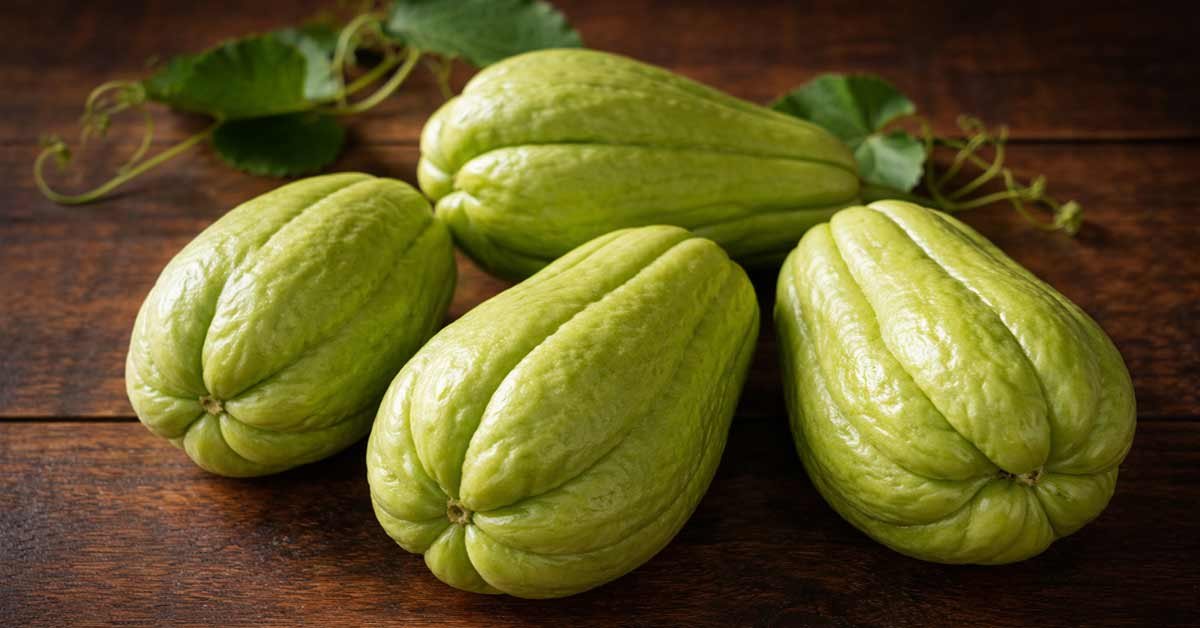
I’ve spent many years wandering through bustling farmer’s markets, and if there is one vegetable that consistently gets the “polite nod” before being passed over for a flashy heirloom tomato or a monstrous head of kale, it is the chayote. It looks like a green, wrinkled pear that lost a fight with a bell pepper, yet it holds a culinary and nutritional power that most people completely overlook. In the world of squash, we often gravitate toward the intense sweetness of butternut or the density of acorn, but there is something remarkably sophisticated about the understated nature of the chayote. It doesn’t demand your attention with bold sugars or an aggressive aroma; instead, it offers a crisp, clean canvas that absorbs the very soul of whatever you happen to be cooking.
When I first encountered these gourds in a small mountain village years ago, the locals didn’t treat them as a mere side dish; they were a fundamental staple for vitality. I remember watching an old woman peel them under cold running water—a necessary step because of the peculiar, sticky sap they exude—and she told me that the heart likes what the vine provides. At the time, I thought it was just charming folk wisdom, the kind of thing passed down to tourists. However, years of looking into the actual plant chemistry of these gourds proved her right. The chayote is a powerhouse of fiber and specific phytonutrients that directly address the modern “clogged” lifestyle many of us lead. It’s the ultimate “quiet achiever” of the produce aisle, working behind the scenes to keep our systems running without making a scene.
Table of Contents

The beauty of this vegetable lies almost entirely in its texture. Raw, it has the distinct, satisfying crunch of a water chestnut or a very firm green apple. When cooked, it softens into a silky consistency that mimics a summer squash but holds its physical shape much better. This structural integrity makes it perfect for long-simmered stews or spicy curries where other vegetables might simply turn to mush and disappear into the broth. But beyond the kitchen utility, it’s the metabolic impact that keeps me coming back to it. In an era where we are constantly told to eat “superfoods” that often taste like dirt or cost a fortune in powdered form, here is something mild, affordable, and profoundly beneficial for your internal plumbing and your cardiovascular system.

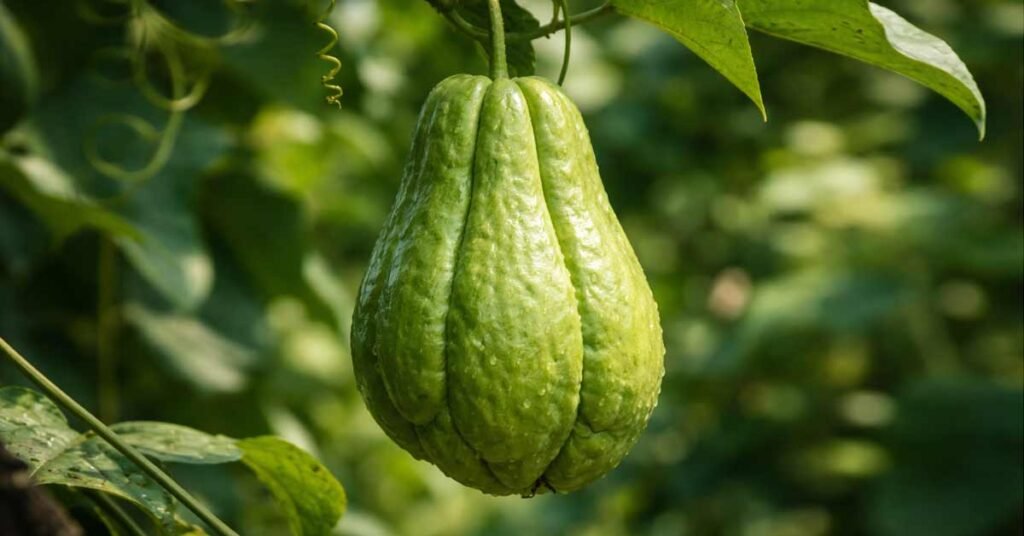
Why do we ignore it? Perhaps because it isn’t “exciting” in the way a dragon fruit or a purple cauliflower is. But in my experience, the most exciting things for our long-term longevity are often the most humble and accessible. We don’t need another exotic berry shipped from across the globe when we have chayotes sitting right there in the bins, waiting to provide us with the roughage and antioxidants our bodies crave. It’s a bridge between the ancient diets of Mesoamerica and the modern need for heart-conscious eating. Have you ever noticed how the most resilient plants often offer the most resilience to those who consume them? The chayote vine is notoriously vigorous, climbing over fences and trees with a tenacity that is mirrored in its nutrient density.
I often find that people are intimidated by the unknown. They see the deep ridges at the base of the fruit and aren’t sure where to start. Do you peel it? Do you eat the seed? The answer is usually “yes” to both, though the seed is a chef’s secret—nutty and tender when roasted. Integrating this squash into your life isn’t just about adding a new recipe; it’s about shifting your perspective on what “healthy” food looks like. It doesn’t have to be a chore to eat. It doesn’t have to have a bitter edge. It can be light, refreshing, and incredibly efficient at doing its job.
The fiber content alone is enough to justify its place on your plate. We live in a world of highly processed, “pre-chewed” foods that give our digestive tracts almost nothing to do. This lack of work leads to a sluggishness that radiates through the rest of the body, affecting our mood, our skin, and our heart. By reintroducing the firm, fibrous bulk of the chayote, we are essentially giving our internal systems a much-needed workout. It’s about restoring a natural rhythm that we’ve largely lost.
I’ve seen plenty of food trends come and go—the kale craze, the cauliflower-everything movement, the obsession with ancient grains. They all have their merits, certainly. But there’s a reason the chayote has remained a constant in traditional diets for centuries. It’s reliable. It’s a vegetable that understands its role: it provides hydration, essential minerals, and the kind of roughage that keeps the pipes clean. When we talk about heart health, we often get bogged down in the minutiae of cholesterol numbers and blood pressure readings, but we forget the foundational role of a clean, efficient digestive process. They are more linked than most people realize.
So, let’s stop walking past the “ugly” green pear in the grocery store. Let’s start understanding why this green gourd deserves a permanent spot in your crisper drawer. It isn’t trying to be the star of the show, but it might just be the most important supporting actor in your quest for better health. It’s time we gave credit where it’s due and embraced the mildness that masks such a powerful nutritional profile.
A Deep Dive into Fiber and Digestive Efficiency
If you’ve ever felt that heavy, stagnant, and generally sluggish sensation after a week of processed meals or heavy restaurant food, you know the body is screaming for one thing: fiber. Most people immediately think of cardboard-flavored cereal or chalky stirred-in powders when they hear that word, but chayote offers a much more elegant and biologically appropriate solution. It is exceptionally high in both soluble and insoluble fractions, which serve two very different but equally vital roles in our gut. I’ve seen countless people try to “supplement” their way out of poor digestion with expensive probiotics, but if you don’t have the structural framework provided by whole-food roughage, those probiotics are essentially just tourists passing through.
The genius of the chayote is how it manages to deliver this density without the heavy caloric load of starchy tubers. When we talk about digestive efficiency, we are really talking about transit time—the speed at which food enters the mouth and waste leaves the body. In our modern sedentary world, transit times have slowed down to a crawl. This leads to the reabsorption of toxins and a general feeling of malaise. Incorporating chayotes into the daily rotation is like hiring a professional cleaning crew for your intestines. It isn’t aggressive like some harsh laxative herbs; it is a gentle, persistent mechanical push that reminds the digestive tract how it was designed to function.
I often tell people that the gut is the “second brain,” and like any brain, it needs the right environment to think clearly. That environment is built on the back of complex plant fibers. When you bite into a chayote, you are consuming a sophisticated matrix of cellulose, hemicellulose, and pectin. These aren’t just “filler” materials; they are the literal scaffolding of health. I’ve noticed that when people shift from a low-fiber diet to one rich in these types of summer gourds, their energy levels don’t just improve—they stabilize. There is a calmness that comes over the body when the digestive system isn’t struggling to move a heavy, gluey mass of refined flour and sugar through thirty feet of tubing.
The Mechanics of Insoluble Bulk
The insoluble fiber found in the skin and the crisp flesh of chayotes acts like a physical broom for the digestive tract. Because this type of fiber does not dissolve in water, it stays largely intact throughout its journey. This is crucial because a stagnant digestive system is a breeding ground for low-grade inflammation. When things move quickly and efficiently, the body has significantly less time to reabsorb waste products and spent hormones that are meant to be exported. If you want to feel “light,” you simply have to eat things that help the body let go of what it no longer needs.
The unique texture of a chayote is a direct indicator of this structural benefit. That specific crunch you feel when biting into a raw slice or a lightly sautéed cube? That is the cellulose doing its job. In my years of experimenting with various therapeutic diets, I’ve found that including these types of “structural” vegetables reduces the chronic bloating often associated with softer, starchier foods like potatoes or overcooked pasta. It’s about creating a transit system that works on a reliable, predictable schedule.
Think of it this way: your intestines use a process called peristalsis—a wave-like muscular contraction—to move food along. This muscle, like any other in your body, needs resistance to stay strong. Insoluble bulk provides that resistance. Without it, the “muscles” of the gut become atrophied and lazy. By eating chayotes, you are effectively giving your bowels a resistance workout. This is why people who eat high-fiber diets often have much more robust digestive health well into their later years. It isn’t just about “going to the bathroom”; it’s about the tone and health of the entire alimentary canal.
- It prevents the “sludge” effect of high-fat, low-fiber meals.
- It physically scrapes the intestinal villi, keeping them clear for nutrient absorption.
- It provides a sense of satiety that stops the “endless snacking” cycle.
Soluble Fiber and Microbiome Support
On the flip side of the mechanical broom, we have the soluble fiber. This is the stuff that turns into a gel-like substance during the digestion process. Why does this matter so much? Because that gel slows down the absorption of sugars and fats, preventing those jagged spikes in blood glucose that leave us feeling exhausted and irritable by mid-afternoon. But more importantly for the long term, this gel serves as a “prebiotic”—which is just a fancy way of saying it’s the absolute favorite food of the beneficial bacteria living in your colon.
A healthy microbiome is the primary gatekeeper of your immune system and your metabolic health. When you feed your gut bacteria the complex carbohydrates found in chayote, they don’t just sit there; they ferment those fibers and produce short-chain fatty acids (SCFAs), specifically butyrate. I’ve read enough clinical journals to know that butyrate is essentially “liquid gold” for the lining of the gut. It helps maintain the integrity of the intestinal barrier, ensuring that only fully digested nutrients get into the bloodstream while keeping pathogens out.
When that barrier is strong, you are far less likely to deal with the systemic “brain fog” and joint aches that stem from a compromised digestive lining. It’s truly amazing how a simple, mild squash can be the catalyst for such a complex internal repair process. Most people think they need expensive fermented elixirs to fix their gut, but the reality is often simpler: give your existing bacteria the high-quality fiber they need to thrive, and they will do the heavy lifting for you.
I’ve often observed that when people start including more chayotes in their soups and salads, their cravings for sugar begin to diminish. This isn’t just willpower; it’s biology. When your beneficial bacteria are well-fed on prebiotic fiber, they send signals to the brain that reduce the urge for quick-fix glucose. You are literally changing the “vote” in your internal ecosystem. You move from a state of emergency—where the body is constantly seeking fuel because it can’t process what it has—to a state of abundance and efficiency. It is the ultimate form of internal housekeeping, and it all starts with a humble, green, vine-grown gourd.
Cardiovascular Resilience and the Chayote Connection
When we talk about heart health, the conversation in modern wellness circles usually pivots immediately to deprivation—what we should stop eating, the salt we should avoid, the fats we need to strike from our records. While cutting out the literal junk is fine, I’ve always believed that true resilience is built by what we proactively add to fortify the system. The chayote is a fascinating specimen in this regard because it contains a specific, sophisticated profile of polyphenolic antioxidants, including myricetin, quercetin, and kaempferol. These aren’t just buzzwords found on the back of a supplement bottle; they are the biological shield that protects your blood vessels from the invisible, daily grind of oxidative stress.
I’ve often noticed that people who prioritize these kinds of plant-based gourds have a certain “elasticity” to their health. It’s not just about a single number on a lab report or a temporary dip in blood pressure; it’s about the structural integrity of the vascular system itself. By reducing the oxidative burden, you’re essentially keeping the “pipes” of the body flexible and clean. It’s much easier to maintain a house if you never let the rust start in the first place, and the same logic applies to your arteries. Most of us are walking around with a significant amount of low-grade systemic inflammation, and the chayote acts as a gentle, cooling intervention that helps the heart perform its Herculean task with a bit less friction.
Managing Oxidative Stress in the Arteries
The endothelium—the incredibly thin, delicate layer of cells lining your blood vessels—is sensitive to a fault. I like to think of it like the silk lining of a high-end vintage jacket; once it gets snagged, frayed, or damaged, the whole garment starts to lose its shape and function. High blood sugar, circulating toxins from processed foods, and chronic stress create “nicks” in this lining. This damage is what eventually leads to the buildup of plaque, as the body tries to “patch” the holes with cholesterol and calcium. The antioxidants in chayotes act like a specialized repair crew for this silk lining.
Myricetin, in particular, has been a subject of deep interest for its ability to support the relaxation of blood vessels, a process known as vasodilation. When your vessels can relax and expand properly, your heart doesn’t have to pump against a wall of resistance. It’s the difference between trying to push water through a stiff, narrow straw versus a wide, flexible hose. I’ve read enough clinical data to see that these flavonoids don’t just “float around”; they actively interact with the signaling molecules that tell your arteries when to open up. It’s a quiet, chemical conversation that happens every time you sit down to a meal featuring this squash.
- It neutralizes free radicals before they can oxidize LDL cholesterol.
- It supports the production of nitric oxide, the body’s natural vasodilator.
- It reduces the “stickiness” of the blood, helping to maintain smooth flow.
Potassium and the Sodium Balance
Another reason the chayote is an absolute darling of the heart health world is its nearly perfect potassium-to-sodium ratio. Our modern diet is obscenely, almost pathologically, high in sodium. This causes the body to hold onto water like a dry sponge, which in turn increases the total volume of blood the heart has to move through the system. Potassium is the natural, biological antagonist to sodium; it’s the mineral that tells the kidneys, “Hey, we have enough—let the excess salt go.” Chayotes are naturally almost devoid of sodium while providing a meaningful, bioavailable dose of potassium.
I remember working with a fellow years ago who struggled with chronic “puffiness” in his hands and ankles and a blood pressure reading that was starting to creep into the red zone. Instead of just telling him to eat bland, salt-free mush—which usually lasts about three days before someone quits—we started integrating two chayotes a day into his main meals. Within a few weeks, the water retention visibly dropped, and his energy levels stabilized because his heart wasn’t straining against that extra fluid volume. It wasn’t a miracle; it was just the body finally getting the mineral balance it required to regulate fluid pressure. It’s a simple, mechanical fix that we often overlook in favor of more complicated, expensive interventions.
Cholesterol Modulation via Plant Sterols
Then, of course, there is the matter of cholesterol. While the body absolutely needs cholesterol to build hormones and keep cell membranes flexible, we don’t want the “bad” LDL variety hanging around in the bloodstream long enough to oxidize and stick to those arterial walls we just talked about. This is where the fiber in chayotes performs its most clever trick. As I mentioned earlier, the soluble fiber turns into a gel, but what I didn’t mention is that this gel binds to bile acids in the digestive tract.
Bile acids are made from—you guessed it—cholesterol. When the fiber traps these acids and carries them out of the body as waste, the liver is forced to pull more cholesterol out of the bloodstream to replenish the supply. It’s an elegant, passive way to manage your lipid profile. You aren’t forcing the body to do anything unnatural or blocking important pathways; you’re just providing it with the raw materials to carry out its own internal housekeeping. I find that when people understand this “binding” mechanism, they stop looking at chayotes as a boring vegetable and start seeing them as a functional tool for cardiovascular longevity. It is the ultimate form of working with your biology rather than against it.
Culinary Versatility and Practical Integration
One of the biggest hurdles to sustainable healthy eating is the crushing weight of boredom. No one, no matter how dedicated to their heart health, wants to eat steamed broccoli or plain boiled greens every night for the rest of their lives. This is where the chayote truly shines as a culinary secret weapon. Because its flavor is so subtle—sitting somewhere in that refreshing middle ground between a cucumber and a firm pear—it can be pivoted into almost any cuisine on the planet. You can treat it like a potato, a squash, or even a fruit depending on how you season it. After a decade of playing with these in the kitchen, I’ve realized that its “blandness” is actually its greatest strength; it’s a high-performance sponge for flavor.
The beauty of the chayote is that it doesn’t fight with other ingredients. If you toss it with ginger and soy, it becomes Asian; if you hit it with lime and cilantro, it’s Mexican; if you roast it with rosemary, it’s Mediterranean. This versatility is what allows you to sneak that vital fiber into your diet without feeling like you’re on a restrictive “health kick.” It’s about taking the mild and making it magnificent through a little bit of culinary intuition. Most people give up on healthy eating because it feels like a chore, but when you have a vegetable that can change its identity to suit your mood, the chore disappears.
The Raw and the Crisp
If you haven’t tried raw chayotes, you are missing out on one of the best salad components in existence. In many parts of Central America, this is the standard way to enjoy the fruit. I like to julienne them into thin matchsticks and toss them with fresh lime juice, a pinch of salt, and perhaps a dash of tajín or chili flakes. The acidity of the lime brings out a hidden, floral sweetness in the gourd that you wouldn’t necessarily notice when it’s cooked. This is an excellent way to get that high-quality fiber without degrading any of the heat-sensitive vitamins like Vitamin C or folate.
In my experience, this raw preparation is the ultimate antidote to the “afternoon slump.” It’s refreshing, incredibly hydrating—since the vegetable is about 90% water—and provides a satisfying “crunch” that satisfies the psychological need for snacks without the calorie load of chips. If you’re trying to manage weight, which we know is a huge factor in overall cardiovascular resilience, replacing processed snacks with seasoned raw chayote is a total game-changer. It fills the stomach because of the water and bulk, but doesn’t weigh the system down with heavy starches.
- Try grating it into a slaw with cabbage and carrots for a texture boost.
- Use thin slices as a “cracker” for hummus or guacamole.
- Toss it into a fruit salad to add a crisp, non-sugary element.
Sautéing, Roasting, and Beyond
When you apply heat, the chayote undergoes a fascinating transformation. Unlike zucchini, which can turn into a watery, mushy mess if you look at it the wrong way for too long, this squash holds its texture with remarkable stubbornness. I love dicing it into uniform cubes and sautéing it with garlic, red onions, and maybe some cumin. It browns beautifully, developing a slightly nutty, caramelized exterior while remaining tender-crisp inside. This makes it a perfect addition to stir-fries where you want a vegetable that can stand up to high heat and bold, savory sauces.
For those who want something heartier, roasting is the way to go. Tossed in high-quality olive oil and sea salt, chayotes become a fantastic low-carb alternative to roasted potatoes. They don’t have the same heavy starchiness, of course, but they satisfy that craving for a warm, savory side dish. I’ve even seen people use them in “mock” apple pies. Because they absorb sugar and cinnamon so well and keep their firm bite even after an hour in the oven, most people can’t even tell the difference once it’s tucked into a flaky crust. It’s a bit of a kitchen trick, but it proves just how adaptable this vegetable really is. It’s the ultimate culinary chameleon.
A Note on Handling and Selection
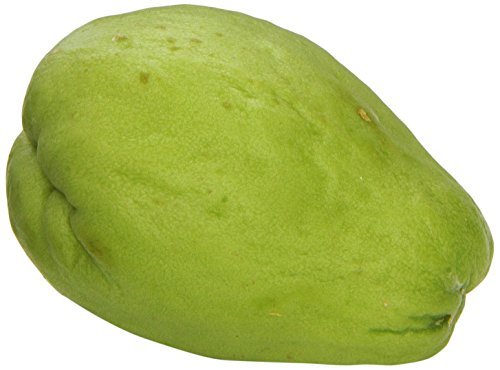
When you’re standing at the store or the market stall, look for chayotes that are firm to the touch—think of the firmness of a very fresh apple—and have a bright, even green color. You want to avoid any that feel soft or have large, weeping brown spots. A few small scratches on the skin are fine; that’s just life on the vine. One little “pro-tip” I always give to newcomers: if you have sensitive skin, you might want to wear gloves or peel them under cool running water. These gourds produce a clear, sticky sap that is completely harmless but can leave a strange, tight, “dry” film on your skin that is surprisingly annoying to wash off.
Once you’ve peeled and seeded it—though the seed is actually edible and quite delicious when roasted—the world is your oyster. You can grate it into a morning omelet, slice it into “steaks” for a quick sear on the grill, or drop it into a boiling pot of chicken soup. It’s a vegetable that invites experimentation. If you can master the simple prep of the chayote, you’ll never have another boring “healthy” meal again. It’s about moving past the unusual appearance and recognizing the potential sitting right there in your hand.
Best Selling Chayote Related Products


Embracing the Understated Superfood
At the end of the day, our health isn’t built on “miracle cures” or the latest expensive supplement trend that dominates your social media feed. It’s built on the consistent, daily choices we make in the quiet aisles of the produce section. The chayote represents exactly what I believe is missing from the modern diet: an unpretentious, nutrient-dense, and highly functional food that supports the body’s most basic, fundamental needs. By focusing on fiber and heart health, we aren’t just chasing a fleeting fitness goal; we are addressing the literal pillars of longevity. We are ensuring that our digestion is efficient and our cardiovascular system is resilient enough to handle the inevitable stresses of life.
I encourage you to look at this wrinkled green gourd with new eyes. It’s not just a “mild squash”; it’s a strategic tool for your long-term well-being. Whether you’re crunching on it raw with a squeeze of lime on a hot afternoon or simmering it in a rich, comforting coconut curry on a cold evening, you’re doing something profound for your internal ecosystem. You’re feeding the “good guys” in your gut and giving your heart the specific antioxidant support it needs to keep beating strong for decades to come. Most people wait for a health crisis to start paying attention to these things, but I’ve always found it’s much more rewarding to build your defenses while the sun is still shining.
Don’t wait for a doctor to tell you to eat more greens or to lower your sodium intake. Go out and find some chayotes. Experiment with them. Let them soak up the flavors of your favorite spices and become a staple in your rotation. Over time, you’ll find that this humble vegetable becomes a mainstay in your kitchen, not because it’s a “health food” you feel obligated to eat, but because it’s genuinely delicious and makes you feel incredible from the inside out. The best kind of medicine is the kind that fits perfectly onto a dinner plate, costs less than a latte, and tastes like a home-cooked meal. That is the true legacy of the chayote, and it’s one well worth embracing.
- Start small by replacing one starchy side dish a week with roasted chayote.
- Keep a julienned chayote in the fridge for a quick, fiber-rich snack.
- Remember that heart health is a marathon, not a sprint—consistency is your best ally.
There is a certain peace that comes with knowing you are taking care of your body with real, whole foods. It removes the anxiety of “dieting” and replaces it with the joy of nourishment. We’ve spent so much time looking for the “next big thing” in wellness that we’ve overlooked the ancient wisdom sitting right in front of us. The vine is hardy, the fruit is resilient, and by making it a part of your life, you might find a bit of that resilience rubbing off on you.
Article Sources
At AncientHerbsWisdom, our content relies on reputable sources, including peer-reviewed studies, to substantiate the information presented in our articles. Our primary objective is to ensure our content is thoroughly fact-checked, maintaining a commitment to accuracy, reliability, and trustworthiness.
- Aparicio-Fernandez, X., Yousef, G. G., Loarca-Piña, G., de Mejia, E., & Lila, M. A. (2008). Characterization of Polyphenolics in the Fruits of Chayote (Sechium edule (Jacq.) Swartz). Journal of Agricultural and Food Chemistry, 56(22), 10443–10449. https://doi.org/10.1021/jf801593p
- Gavia-García, G., Rosado-Pérez, J., Arista-Ugalde, T. L., Aguiñiga-Sánchez, I., Santiago-Osorio, E., & Mendoza-Núñez, V. M. (2023). The consumption of Sechium edule (chayote) has antioxidant effect and prevents telomere attrition in older adults with metabolic syndrome. Antioxidants, 12(4), 843. https://doi.org/10.3390/antiox12040843
- Lombardo-Earl, G., Roman-Ramos, R., Zamilpa, A., Herrera-Arellano, A., Jimenez-Ferrer, J. E., & Tortoriello, J. (2014). Extracts and Fractions from Edible Fruits of Sechium edule (Jacq.) Sw. with Antihypertensive Activity. Evidence-Based Complementary and Alternative Medicine, 2014, 591923. https://doi.org/10.1155/2014/591923
- McRorie, J. W., & McKeown, N. M. (2017). Understanding the Physics of Dietary Fiber in the Gastrointestinal Tract: An Evidence-Based Approach to Resolving Enduring Misconceptions about Insoluble and Soluble Fiber. Journal of the Academy of Nutrition and Dietetics, 117(2), 251–264. https://doi.org/10.1016/j.jand.2016.09.021
- Slavin, J. (2013). Fiber and Prebiotics: Mechanisms and Health Benefits. Nutrients, 5(4), 1417–1435. https://doi.org/10.3390/nu5041417
- Vieira, E. F., Pinho, O., Ferreira, I. M. P. L. V. O., & Delerue-Matos, C. (2019). Chayote (Sechium edule): A Review of Nutritional Composition, Bioactive Compounds and Potential Health Benefits. Food Chemistry, 275, 796–808. https://doi.org/10.1016/j.foodchem.2018.09.146
- World Health Organization. (2023). Increasing Fruit and Vegetable Consumption to Reduce the Risk of Noncommunicable Diseases. https://www.who.int/tools/elena/fruit-vegetables-ncds
- Would you like me to help you format this entire article into a single document or assist with another health-focused topic?

- Phosphatidic Acid: Supporting Muscle Growth and Strength - July 31, 2026
- Ceramides: Supporting Healthy Skin From Within - July 31, 2026
- Synbiotics: Combining Prebiotics and Probiotics Together - July 31, 2026