
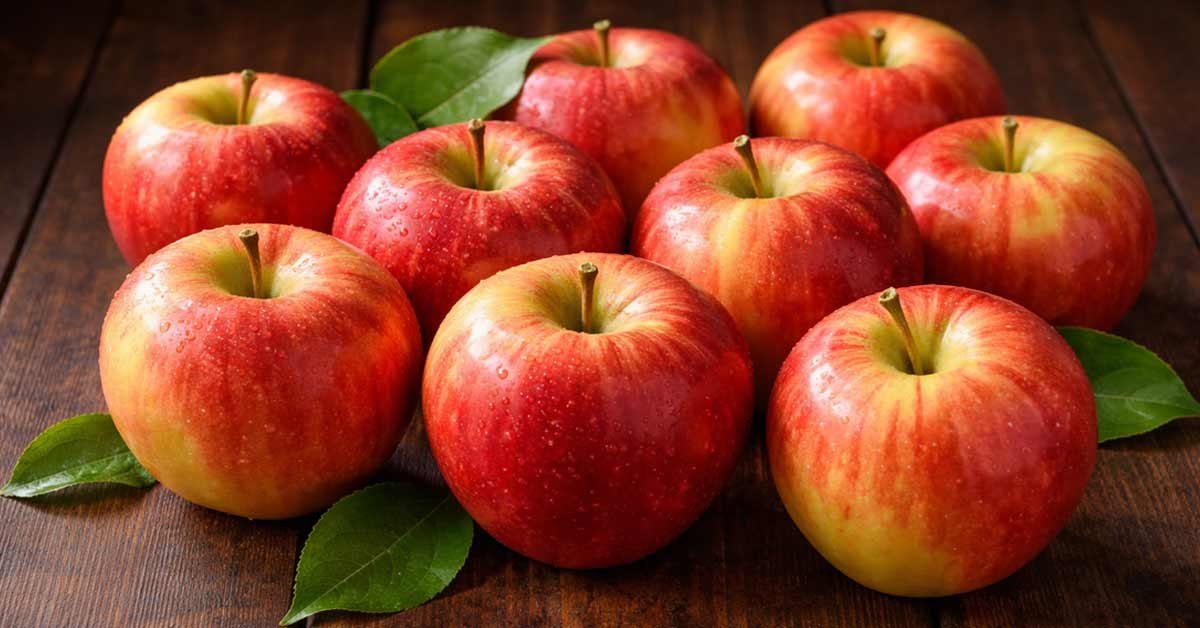
The Everyday Fruit That Quietly Does More Than You Think
There’s something almost too familiar about an apple. You see it everywhere. Grocery stores, kitchen counters, office desks, packed lunches. It’s one of those foods people stop thinking about because it feels ordinary. And yet, when you slow down and look at what an apple actually brings to the table, it stops being just a snack and starts looking more like a quiet, consistent contributor to both heart health and gut health.
That’s the interesting part. The apple doesn’t rely on extremes. It doesn’t promise anything dramatic. It works in small, steady ways that compound over time. And that’s often where real change happens, not in big gestures, but in habits you barely notice repeating.
Table of Contents
Take a typical day. You’re moving between tasks, maybe a bit distracted, maybe a bit hungry. You grab an apple without thinking much about it. It’s crisp, slightly sweet, maybe a little tart depending on the variety. It wakes up your senses just enough. That moment feels simple, but what’s happening underneath is more layered than it seems.

An apple contains a mix of fiber, water, natural sugars, and plant compounds that interact with your body in a gradual, balanced way. Nothing spikes aggressively. Nothing overwhelms. It’s more of a slow conversation than a loud signal. That matters when you think about systems like heart health and gut health, which respond better to consistency than intensity.
One of the first things worth noticing is how filling an apple can be for its size. That’s not accidental. The combination of soluble fiber, especially pectin, and water creates a kind of natural volume. You eat one, and you feel it. Not heavy, just satisfied. It’s the kind of fullness that quietly prevents overeating later, which over time influences broader patterns tied to heart health.
Then there’s the texture. Crunchy, structured, intact. That structure plays a role too. Eating a whole apple takes time. You chew more. You slow down, even if just slightly. Compare that to drinking juice, where everything is already broken down. The experience is different, and so is the effect on your body. With an apple, the delivery system is part of the benefit.
And let’s talk about the skin for a second, because most people either ignore it or peel it off out of habit. The skin of an apple holds a significant portion of its polyphenols, compounds that have been studied for their interaction with oxidative processes in the body. You don’t need to memorize their names to understand the takeaway. Keeping the apple intact keeps more of what makes it useful.
There’s also a subtle rhythm that forms when you include an apple regularly. Not every day has to be perfect. But when an apple shows up often enough, it starts to anchor certain behaviors. Maybe it replaces a more processed snack. Maybe it becomes part of your morning or afternoon routine. Over time, those small substitutions and patterns begin to shape outcomes connected to gut health and heart health without requiring constant effort.
It’s easy to underestimate foods that don’t demand attention. The apple falls into that category. It doesn’t come with bold claims or complicated preparation. You don’t need a recipe. You don’t need a schedule. You just need to reach for it often enough that it becomes familiar in a useful way.
And that’s really the point. The value of an apple isn’t in a single serving. It’s in repetition. It’s in how naturally it fits into real life. You don’t have to force it, and that’s exactly why it works.
If you zoom out and look at dietary patterns that support heart health and gut health, they tend to have one thing in common. They’re built on simple, repeatable choices. An apple fits that model almost perfectly. It’s accessible, consistent, and adaptable to different routines and preferences.
Some people like it sliced with something savory on the side. Others eat it whole while walking or working. Some prefer it slightly chilled, others at room temperature. There’s no single right way, and that flexibility makes it easier to stick with.
You might not notice anything dramatic after eating an apple once. That’s expected. The effects tied to heart health and gut health don’t usually show up in obvious, immediate ways. They build quietly. That’s why the apple works best when it’s part of the background rather than the spotlight.
So the next time you pick up an apple, it’s worth pausing for just a second. Not to overanalyze it, but to recognize what it represents. A small, consistent input. A habit that asks very little but gives something back over time. That kind of exchange is rare, and it’s easy to overlook.
The apple stays simple. That’s its strength.
Apple and Heart Health: Small Inputs, Measurable Effects
An apple rarely feels like a deliberate choice for heart health. It’s too simple for that. No one eats an apple expecting a measurable shift the next day. And yet, when you zoom out and look at patterns over weeks and months, the apple starts to show up in a different light. Not as a quick fix, but as a steady input that nudges things in a better direction.
Heart health tends to respond to that kind of consistency. Blood lipids, vascular function, blood pressure, these are systems that adapt slowly. They reflect what you do often, not what you do once. That’s where the apple fits naturally, without effort or complexity.
Fiber and Cholesterol Balance
One medium apple contains around 4 grams of fiber. To put that in context, general recommendations for adults sit around 25 to 38 grams per day depending on age and sex. So a single apple contributes roughly:
4 ÷ 25 = 0.16 → 16% of the lower daily target
4 ÷ 38 = 0.105 → 10.5% of the higher daily target
That’s not trivial for something you eat in a few minutes.
A large part of that fiber is soluble, mainly pectin. This is where things get interesting for heart health. Soluble fiber interacts with bile acids in the digestive system. Bile acids are made from cholesterol. When fiber binds to them, your body excretes more of them instead of recycling them. To compensate, the liver pulls cholesterol from the bloodstream to produce more bile.
It’s a slow loop, but it matters over time.
Research has consistently linked higher intake of soluble fiber with lower levels of LDL cholesterol. Not a dramatic drop overnight, but a gradual shift. That distinction matters because sustainable changes in heart health rarely come from extremes. They come from repeated small inputs that stack.
There’s also a practical side to this. Fiber from an apple doesn’t come isolated. It arrives with water, structure, and other compounds. That combination influences how your body processes food across the day, including how fats are absorbed and how long you stay full. When you feel satisfied, you’re less likely to reach for something more processed later. That ripple effect is easy to miss but adds up.
Polyphenols and Vascular Function
An apple is more than fiber. It carries a range of polyphenols, including flavonoids like quercetin, catechin, and chlorogenic acid. These compounds have been studied for their interaction with oxidative stress and inflammation, both of which play a role in cardiovascular health.
Oxidative stress sounds abstract, but it comes down to imbalance. Your body constantly produces reactive molecules, and it also has systems to neutralize them. When that balance shifts, it can affect the inner lining of blood vessels, known as the endothelium.
That lining matters more than most people realize. It helps regulate blood flow, vessel dilation, and overall vascular tone.
Polyphenols in apple have been associated with improved endothelial function in several observational and clinical studies. The mechanism is not a single pathway. It involves antioxidant activity, signaling effects, and interactions with nitric oxide production, which helps blood vessels relax.
Again, this is not something you feel after eating one apple. It’s subtle. But diets rich in fruits like apple consistently show associations with better cardiovascular markers over time.
There’s also an important detail here. Many of these polyphenols are concentrated in the skin. Removing it reduces part of what makes the apple useful in this context. It’s a small decision, but one that changes the nutritional profile more than people expect.
Potassium and Blood Pressure Stability
An apple contains roughly 180 to 200 milligrams of potassium, depending on size. Daily recommendations for potassium are around 2,600 to 3,400 milligrams for adults.
If you do the math:
200 ÷ 2,600 = 0.077 → about 7.7%
200 ÷ 3,400 = 0.058 → about 5.8%
So one apple contributes a modest portion. On its own, it won’t shift blood pressure in a noticeable way. But that’s not how potassium works best.
Potassium helps balance sodium in the body. It supports normal muscle function, including the contraction and relaxation of blood vessel walls. Over time, diets higher in potassium and lower in excessive sodium are associated with more stable blood pressure patterns.
The apple fits into that pattern quietly. It’s not a primary source, but it’s a consistent one. And consistency is what shapes outcomes here.
There’s also something practical worth mentioning. Foods that support heart health tend to cluster. When you include an apple regularly, it often comes alongside other whole foods. Maybe you pair it with nuts. Maybe it replaces a refined snack. These small shifts change the overall dietary pattern, which has a larger impact than any single nutrient.
The Bigger Picture of Repetition
If you step back, the role of an apple in heart health becomes clearer. It’s not about a single mechanism. It’s about how multiple small factors interact:
- Soluble fiber influencing cholesterol recycling
- Polyphenols interacting with vascular function
- Potassium contributing to electrolyte balance
- Satiety shaping daily food choices
None of these are extreme on their own. Together, repeated over time, they become meaningful.
That’s why the apple works best when it stays simple. No need to optimize it. No need to overthink timing or combinations. Just include it often enough that it becomes part of your normal rhythm.
It’s easy to chase more complex strategies for heart health. Supplements, strict plans, detailed tracking. Sometimes those have their place. But they only work if they’re sustainable.
An apple doesn’t ask for much. It fits into your day without friction. And that low effort is exactly what allows it to show up consistently, which is what heart health responds to in the long run.
Apple and Gut Health: What Actually Happens Inside
Gut health is one of those topics that’s easy to talk about in abstract terms but surprisingly complex in practice. When we eat an apple, we’re not just swallowing fiber and sugar. We’re sending a mix of compounds into a highly active ecosystem—the gut microbiome. The apple interacts with bacteria, enzymes, and intestinal lining in subtle ways, nudging the system toward balance rather than flipping a switch. That’s why it’s worth looking at the mechanics of what’s actually happening inside.
Pectin as a Prebiotic Fiber
One of the standout components in apple for gut health is pectin, a soluble fiber found largely in the flesh and skin. Unlike insoluble fiber, which mainly adds bulk, pectin is fermentable. That means the bacteria in your colon can break it down and use it as food. This process produces short-chain fatty acids, like butyrate, which play multiple roles: supporting colon cell function, maintaining gut barrier integrity, and creating an environment that discourages harmful bacteria from taking hold.
The prebiotic effect of pectin doesn’t happen overnight. It’s gradual and cumulative. Regular consumption—say one apple a day—feeds beneficial bacteria consistently, shaping microbial communities over time. Studies have shown that diets rich in fruits like apples can increase populations of Bifidobacterium and Lactobacillus species, bacteria associated with gut health and immune modulation. These changes are subtle but meaningful, because a resilient microbiome responds to frequent inputs rather than occasional indulgence.
Pectin also influences stool composition by absorbing water and forming a gel-like consistency. That makes passage smoother and can reduce both constipation and irregularity without harsh interventions. This isn’t a miracle cure, but it is a dependable nudge toward regularity, especially for people whose diets might be low in fiber otherwise.
Digestion, Motility, and Regularity
Beyond the microbiome, an apple contributes to gut motility—the movement of food through the digestive tract. Its combination of soluble and insoluble fiber creates a balance between fermentation and bulk. Insoluble fiber adds volume to stool, stimulating peristalsis, while soluble fiber holds water and slows transit just enough to allow nutrient absorption. Together, this dual action supports a steady, predictable digestive rhythm.
Water content also plays a role. A medium apple is roughly 85% water, which helps soften stool and facilitates movement. Unlike certain processed foods that can be either too binding or too laxative, the apple provides moderate hydration along with structural fiber, contributing to gut comfort over time.
Regular intake reinforces predictable patterns. One apple with breakfast or as a mid-morning snack can anchor daily bowel habits. It’s not about dramatic change but creating consistency, which is the cornerstone of long-term gut health. People who include apples routinely often report smoother digestion, fewer bloating episodes, and a general sense of gastrointestinal balance. That’s not anecdotal; it aligns with research linking fruit fiber intake with lower rates of functional gastrointestinal issues.
Whole Apple vs Juice for Gut Support
A critical distinction lies in the form in which you consume apple. Whole apples deliver intact fiber and polyphenols, while juice—especially commercial juice—often removes or degrades much of this content. Without the fibrous structure, the prebiotic effect is significantly diminished. Juice also introduces concentrated sugars that can spike blood glucose and feed different bacterial populations, which may not have the same gut-balancing effect.
Eating the apple whole preserves its texture, water content, and fiber matrix, all of which slow digestion and enhance satiety. Chewing thoroughly also stimulates saliva and initiates digestive processes, which further supports gut function. Even slicing the apple into chunks retains these benefits; peeling, on the other hand, sacrifices a portion of polyphenols that have minor but relevant roles in microbial balance.
There’s also a psychological component. Eating a whole apple takes a little more time and attention than drinking juice. That small act of slowing down can influence eating patterns, reduce snacking on less nutritious foods, and indirectly contribute to digestive stability.
In practical terms, it’s not about perfection. If you occasionally have apple juice, it won’t undo benefits. But prioritizing the whole fruit ensures maximum interaction with the gut ecosystem. Repeated, consistent exposure matters far more than isolated instances. Over time, that simple habit—one apple a day—can subtly shape a healthier gut, supporting both motility and microbiome diversity in ways that are noticeable when you pay attention but otherwise feel effortless.
In short, an apple isn’t just food. It’s a gentle, consistent influencer of gut dynamics. Pectin feeds beneficial bacteria, fiber regulates motility, and the whole fruit form amplifies these effects while keeping sugar impact moderate. These mechanisms work together quietly, creating the kind of stability that defines real gut health.

Making Apple Part of a Real Routine
Including an apple in your day doesn’t have to feel like a chore or a calculated nutrition experiment. In fact, its simplicity is part of what makes it sustainable. The challenge isn’t finding the right variety or prepping it perfectly—it’s about weaving it into daily life so naturally that it almost becomes invisible, yet its benefits accumulate quietly over time.
Simple Ways to Eat Apple Without Overthinking It
You don’t need elaborate recipes to make apple a part of your routine. Sometimes, the simplest approach is the best. A whole apple, washed and ready to eat, is already a convenient snack that requires zero preparation. Keep a few at your desk, in your bag, or near the kitchen counter. That way, reaching for one is easier than grabbing a less nutritious option when hunger strikes.
Slicing apples into wedges can make them feel more snackable, especially paired with a small container of nut butter. Baking apples with a sprinkle of cinnamon offers a comforting, warm option without adding sugar. Even adding chopped apple to oatmeal, yogurt, or a salad integrates it seamlessly into meals you’re already eating. The goal isn’t creativity for the sake of novelty—it’s consistency. The easier it is to access and eat, the more likely it will become a habit.
Another low-effort approach is keeping apple-based staples on hand. Unsweetened applesauce or dried apple slices can supplement whole fruit intake, especially when travel or schedules interfere. These options won’t fully replace the benefits of a fresh apple, particularly fiber content, but they serve as useful backups that maintain the routine without disrupting it.
Pairing Apple for Better Nutrient Balance
An apple can do a lot on its own, but pairing it strategically can enhance its impact on both heart health and gut health. Combining it with protein or healthy fats helps moderate blood sugar response and prolongs satiety. Think apple slices with almonds, walnuts, or a small piece of cheese. The fiber in the apple slows carbohydrate absorption while the protein or fat adds a steady energy release—reducing mid-morning or mid-afternoon crashes that often lead to snacking on refined foods.
Including apple in meals also allows for nutrient synergies. Adding apple to a leafy green salad introduces natural sweetness and extra fiber, balancing the meal while subtly boosting micronutrient diversity. Similarly, mixing apple with oats or whole grains leverages complementary fibers that support digestive function and microbial diversity. These pairings aren’t complex—they’re practical ways to maximize the apple’s contribution without changing your overall routine.
Portion Size and Frequency That Work
When it comes to how much and how often, moderation and regularity matter more than exact numbers. A medium-sized apple once a day is enough to provide noticeable effects over time. Eating two apples occasionally won’t harm, but consistency is more important than occasional abundance. For most people, one apple per day fits easily into meals or snacks without adding excessive sugar or calories.
Timing is flexible. Some prefer apples with breakfast to kickstart fiber intake, others as a mid-morning or afternoon snack to manage hunger and prevent less nutritious choices. What matters is repetition and integration into your daily rhythm, not adherence to a strict schedule. Over weeks and months, this consistency contributes to the subtle improvements in digestive regularity, satiety, and overall dietary patterns that support heart health.
It’s also worth noting that variety matters for both enjoyment and nutrient diversity. Rotating different apple varieties—Gala, Fuji, Honeycrisp, or Granny Smith—changes flavor, texture, and slightly alters the phytochemical profile, keeping the habit from becoming monotonous while exposing your body to a broader spectrum of beneficial compounds.
By keeping it simple, pairing it thoughtfully, and integrating it consistently, the apple becomes more than a snack. It becomes a steady, manageable habit that nudges your diet in a healthier direction, quietly supporting heart and gut health over time without requiring strict planning or effort. The routine itself becomes sustainable, and that’s exactly where the benefits accumulate.
Best Selling Apple Related Products




When a Simple Habit Starts to Add Up
It’s easy to underestimate the impact of one small, repeated habit. Eating an apple might feel like a tiny choice in a busy day, almost inconsequential. Yet over weeks and months, that modest input begins to compound in ways that are surprisingly meaningful. The effects aren’t dramatic overnight, but they accumulate quietly, shaping patterns that touch both heart health and gut health.
Consider it like laying bricks. One apple doesn’t build a wall. But repeated daily, you start to see structure forming. Cholesterol levels subtly stabilize, digestion becomes more predictable, and you begin noticing small shifts in energy and satiety. It’s not a flashy transformation, but it’s reliable. That consistency is precisely what long-term wellness responds to.
There’s also a behavioral ripple effect. Including a whole fruit in your day encourages more balanced choices elsewhere. Reaching for an apple instead of a processed snack reduces added sugars, refined carbs, and excess calories. Over time, these small swaps shape broader dietary habits, reinforcing a pattern that supports cardiovascular and digestive systems simultaneously.
You may also notice that the habit reinforces mindfulness around eating. Pausing to enjoy the crunch, the natural sweetness, the texture, is a subtle moment of attention. That brief awareness, repeated daily, encourages slower eating, better portion control, and greater appreciation for whole foods. All of these are small contributors to overall metabolic and digestive function.
Importantly, the effects are cumulative rather than dependent on perfection. Missing a day doesn’t negate prior benefits. What matters is that the habit remains frequent and integrated into your life. That’s why an apple is particularly effective—it’s simple, accessible, and flexible, making it easier to sustain over months or years without stress or pressure.
Ultimately, the story of the apple is a story of small inputs adding up. Heart and gut health thrive on consistency, not extremes. The apple doesn’t demand attention, dramatic effort, or specialized knowledge. It works quietly, reliably, and subtly, rewarding those who make it a steady part of their everyday routine. Over time, this modest habit becomes a foundation—a small choice that, repeated, quietly supports lasting well-being.
Article Sources
At AncientHerbsWisdom, our content relies on reputable sources, including peer-reviewed studies, to substantiate the information presented in our articles. Our primary objective is to ensure our content is thoroughly fact-checked, maintaining a commitment to accuracy, reliability, and trustworthiness.
- Koutsos, A., Tuohy, K. M., & Lovegrove, J. A. (2015). Apples and cardiovascular health—Is the gut microbiota a core consideration? Nutrients, 7(6), 3959–3998. https://doi.org/10.3390/nu7063959
- Zhu, X., Xu, G., Jin, W., Gu, Y., Huang, X., & Ge, L. (2021). Apple or apple polyphenol consumption improves cardiovascular disease risk factors: a systematic review and meta‑analysis. Review of Cardiovascular Medicine, 22(3), 835–843. https://doi.org/10.31083/j.rcm2203089
- Bondonno, N. P., Ward, N. C., Hodgson, J. M., & Croft, K. D. (2017). The cardiovascular health benefits of apples: Whole fruit vs. isolated compounds. Trends in Food Science & Technology, 69(Part B), 243–256. https://doi.org/10.1016/j.tifs.2017.04.012
- Calvete‑Torre, I., Sabater, C., Antón, M. J., Moreno, F. J., Riestra, S., & Margolles, A. (2022). Prebiotic potential of apple pomace and pectins from different apple varieties: Modulatory effects on key target commensal microbial populations. Food Hydrocolloids, 136, 107958. https://doi.org/10.1016/j.foodhyd.2022.107958
- Pascale, N., et al. (2022). The potential of pectins to modulate the human gut microbiota: A systematic review. Journal of Pectin and Fiber Science. PMC9460662 https://pubmed.ncbi.nlm.nih.gov/PMC9460662
- Hyson, D. A. (2011). A comprehensive review of apples and health effects: Cardiovascular and gastrointestinal protection. Nutrition Today, 46(6), 469–481. https://doi.org/10.1097/NT.0b013e318237ee15
- Vaz, A. A. (2025). Exploring the prebiotic effects of unpurified apple dietary fiber on gut microbiota. Journal of Dietary Fiber and Microbiome Research. https://repositori.udl.cat/bitstream/10261/303033/1/prebiotpopul.pdf
- Kim, S. J., et al. (2022). Metabolic and cardiovascular benefits of apple and apple‑derived products: A systematic review and meta‑analysis of randomized controlled trials. Frontiers in Nutrition. https://doi.org/10.3389/fnut.2022.766155

- Phosphatidic Acid: Supporting Muscle Growth and Strength - July 31, 2026
- Ceramides: Supporting Healthy Skin From Within - July 31, 2026
- Synbiotics: Combining Prebiotics and Probiotics Together - July 31, 2026