
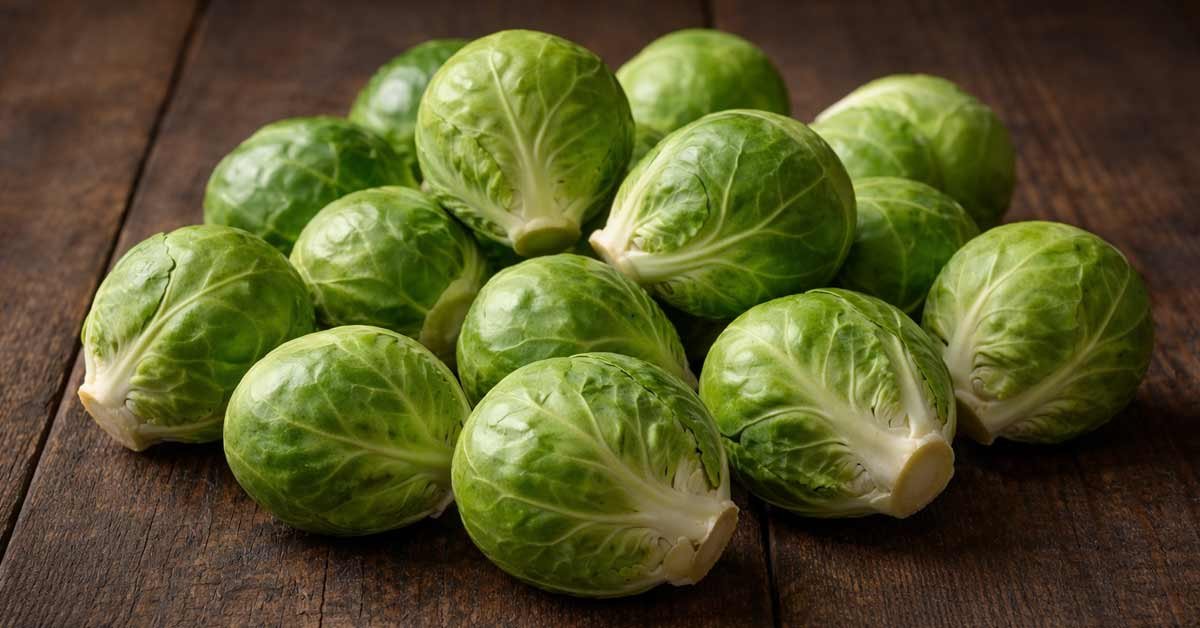
When a Humble Green Starts Pulling More Weight Than Expected
You probably didn’t grow up thinking much about Brussels sprouts. For a lot of people, they sat somewhere between “I’ll tolerate them” and “I’ll avoid them unless necessary.” Overcooked, slightly bitter, often an afterthought on the plate. And yet, something interesting happens when you revisit them with a bit more attention. The same vegetable that once felt forgettable starts to show up differently. Not louder. Just more useful.
Brussels sprouts have this quiet efficiency to them. They don’t try to impress you with sweetness like fruit or richness like heavier foods. They work in the background. And that’s exactly where their value sits, especially when you start thinking about heart health and detox in practical, everyday terms.
Table of Contents

The idea of “detox” gets thrown around a lot. Juice cleanses, restrictive plans, dramatic resets. But if you strip away the noise, your body already runs a built-in detox system every single day. Your liver processes compounds. Your kidneys filter. Your digestive system moves waste out. What matters is whether your daily habits support that system or make its job harder. That’s where brussels sprouts start to earn their place.
They bring together a combination that’s hard to ignore once you notice it:
- Fiber that actually does something, not just on paper
- Compounds that support natural detox pathways
- Nutrients that tie directly into cardiovascular function
- A structure that holds up in real meals, not just theory
You don’t need to turn your diet upside down to make use of that. In fact, brussels sprouts work best when they’re just… there. Roasted on a tray next to whatever else you’re cooking. Tossed into a pan without much planning. Added to a meal in a way that doesn’t feel like a “health decision,” just a normal one.
There’s also something worth saying about how they behave in the body compared to more processed options. Foods that come with fiber, water, and intact structure tend to move differently through digestion. They slow things down in a useful way. Blood sugar rises more gradually. Satiety lasts longer. You don’t get that sharp spike and drop that leaves you reaching for something else an hour later. Over time, that matters more than any single “superfood” claim.
And then there’s consistency. Not intensity. That’s where most people miss the point with heart health and detox. You don’t get meaningful shifts from doing something extreme for a week. You get them from repeating small, supportive habits that your body can rely on. Brussels sprouts fit into that model almost too well. They’re not exciting enough to overdo, but they’re effective enough to matter when they show up regularly.
If you’ve ever noticed how certain foods just seem to leave you feeling a bit more “on track” without being able to explain exactly why, this is usually what’s happening underneath. Better digestion. More stable energy. Less background strain on systems that are constantly working anyway.
There’s also a practical side that doesn’t get enough attention. Brussels sprouts are accessible. They store well. They don’t require complicated prep. And once you figure out how to cook them in a way that actually tastes good, they stop feeling like a compromise. A quick roast with olive oil and a bit of salt changes the entire experience. The bitterness softens. The edges crisp. The flavor deepens into something that feels intentional rather than forced.
That matters more than people think. Because if a food doesn’t fit into your real life, it doesn’t matter how beneficial it looks on paper.
So instead of asking whether brussels sprouts are “good for detox” or “good for heart health” in isolation, it makes more sense to look at how they function as part of a pattern. A pattern where you’re giving your body steady support instead of occasional extremes. Where meals are built from foods that do their job without needing attention.
Brussels sprouts won’t transform anything overnight. That’s not their role. But they do something more reliable. They contribute, quietly and consistently, to systems that depend on repetition more than intensity. And once you see them through that lens, they stop being just another vegetable and start becoming one of those small decisions that actually holds its weight.
Why Brussels Sprouts Quietly Support Heart Health
There’s a tendency to look for dramatic fixes when it comes to heart health. Supplements, strict plans, sudden overhauls. But when you zoom out, the cardiovascular system responds far more predictably to steady input. The kind that shows up day after day without much friction. This is where brussels sprouts start to make sense in a very grounded way.
They don’t act like a quick intervention. They behave more like a stabilizer. Something that nudges multiple small mechanisms in the right direction at once. Fiber, minerals, plant compounds. Nothing flashy on its own. But together, they create conditions that support how your heart and blood vessels function over time.
And that “over time” part is the whole story.
Fiber and Cholesterol Balance
If there’s one component in brussels sprouts that consistently earns its place, it’s fiber. Not just in quantity, but in how it behaves once you eat it.
Brussels sprouts contain a mix of soluble and insoluble fiber. The soluble portion is the one that tends to get attention in discussions around heart health, and for good reason. It interacts with bile acids in the digestive system, which are made from cholesterol. When soluble fiber binds to these acids, your body has to pull more cholesterol from circulation to replace them.
That process is slow. Subtle. But repeat it often enough, and it starts to shift things in a meaningful direction.
Here’s how it plays out in real life:
- You eat brussels sprouts as part of a meal
- Soluble fiber forms a gel-like structure during digestion
- This binds to bile acids and carries them out through waste
- Your liver uses circulating cholesterol to produce more bile
No single serving changes your numbers overnight. But consistent intake builds pressure in the right direction.
There’s also the mechanical side of fiber that often gets overlooked. Meals that include high-fiber vegetables like brussels sprouts tend to slow digestion. That leads to a more gradual release of glucose into the bloodstream. Less volatility in blood sugar means less downstream stress on blood vessels. Over time, that stability matters.
And then there’s satiety. When meals are more filling, you’re less likely to default to ultra-processed options that tend to work against heart health. It’s not just what brussels sprouts add. It’s what they quietly displace.
Potassium, Blood Pressure, and Vascular Tone
Blood pressure is one of those metrics that responds to small inputs more than people expect. Sodium often takes the blame, but potassium plays an equally important role on the other side of that balance.
Brussels sprouts provide a meaningful amount of potassium, and that shifts how your body handles fluid and vascular tension.
Potassium helps regulate:
- Fluid balance inside and outside cells
- The contraction and relaxation of blood vessel walls
- The way your body offsets sodium intake
When potassium intake is adequate, blood vessels tend to relax more easily. That reduces resistance within the system. Lower resistance means the heart doesn’t have to work as hard to move blood through the body.
Think of it less like lowering pressure directly and more like reducing friction within the system.
There’s also a cumulative effect here. Meals that include potassium-rich vegetables create a different baseline compared to meals built around processed foods. Over days and weeks, that baseline starts to matter more than any single reading.
It’s not unusual to see people focus on cutting things out for blood pressure. Less salt, fewer processed foods. That has its place. But adding foods that actively support vascular tone tends to be a more sustainable approach. Brussels sprouts fall into that category without demanding much attention.
Antioxidants and Long-Term Cardiovascular Protection
This is the part that tends to sound abstract until you connect it to something tangible. Oxidative stress isn’t something you feel in the moment. But it plays a role in how blood vessels age and how plaque forms over time.
Brussels sprouts contain a range of antioxidants, including vitamin C and various polyphenols. More importantly, as part of the cruciferous vegetable family, they provide glucosinolates. These compounds break down into biologically active forms that interact with the body’s internal defense systems.
What does that actually mean in practice?
It means helping your body manage the constant, low-level stress that comes from normal metabolism, environmental exposure, and diet. When that stress isn’t balanced, it can contribute to:
- Damage to the lining of blood vessels
- Increased inflammation
- Greater likelihood of plaque development over time
Antioxidants don’t “cancel out” damage in a dramatic way. They support regulation. They help maintain a healthier internal environment where damage is less likely to accumulate.
There’s also an indirect effect worth noting. Diets that include vegetables like brussels sprouts tend to correlate with better overall dietary patterns. More whole foods. Fewer processed inputs. Better nutrient density across the board. It’s hard to isolate one compound and give it all the credit when the real benefit comes from the pattern itself.
Still, brussels sprouts carry a specific advantage here because of their density. You’re getting a concentrated mix of compounds in a relatively small serving. That makes them efficient. You don’t need large portions or complicated preparation to make them count.
When you step back, the role of brussels sprouts in heart health isn’t about a single mechanism. It’s about stacking small advantages:
- Supporting cholesterol balance through fiber
- Helping regulate blood pressure through potassium
- Contributing to vascular protection through antioxidants
None of these act in isolation. They overlap. Reinforce each other. And most importantly, they work quietly in the background, which is exactly how long-term cardiovascular support tends to happen.
The Detox Side of Brussels Sprouts That Often Gets Overlooked
When people hear “detox,” visions of green juices, fancy cleanses, and extreme regimens often come to mind. But detoxification is really just your body doing its normal, everyday work—processing compounds, neutralizing potentially harmful substances, and eliminating waste. Brussels sprouts play a subtle, supportive role in this system, the kind that doesn’t make headlines but quietly improves how your body handles daily exposures.
Sulfur Compounds and Natural Detox Pathways
One of the most notable aspects of brussels sprouts is their sulfur content. Specifically, they contain glucosinolates, sulfur-containing compounds that break down during digestion into biologically active molecules such as indoles and isothiocyanates. These molecules interact with pathways in the liver and other tissues that are central to detoxification.
Here’s how it works in practical terms:
- Glucosinolates in brussels sprouts break down when you chew or cook them
- Active compounds signal enzymes in the liver to modulate phase I and phase II detox pathways
- These enzymes help convert compounds from the foods we eat, medications, or environmental exposures into forms the body can eliminate
You won’t notice a feeling of “detox” after a single serving, but repeated intake reinforces these systems. Think of it as helping your body maintain its machinery efficiently rather than flipping a switch for a dramatic overnight reset.
Beyond liver support, some of these compounds can influence antioxidant defenses at the cellular level. That means they help manage reactive compounds that arise naturally during metabolism, keeping tissues from accumulating minor oxidative damage that could otherwise interfere with long-term cellular function.
Liver Enzyme Support and Daily Exposure to Toxins
Your liver is constantly exposed to substances that need processing—anything from air pollutants to chemical residues in food, to metabolic byproducts. It’s always working, and subtle dietary influences can make its job easier.
Brussels sprouts encourage the production of specific liver enzymes that help neutralize potentially reactive molecules. This is not a cure or a replacement for medical interventions. It’s a gentle support system that primes your liver to handle its daily workload more efficiently. Over time, this can translate into smoother overall metabolism and less strain from routine exposures.
It’s important to remember that “detox” is a continuous process. You’re not eliminating a huge load at once; you’re supporting ongoing maintenance. That’s where dietary patterns matter more than any single food. Including brussels sprouts alongside other cruciferous vegetables—broccoli, cabbage, kale—offers a broader range of glucosinolates and related compounds, increasing the subtle, cumulative benefits.
Fiber, Elimination, and What “Detox” Actually Means
Another often-overlooked aspect of detox is the mechanical side: elimination. Brussels sprouts provide both soluble and insoluble fiber. Soluble fiber slows digestion slightly and helps bind some compounds during transit. Insoluble fiber adds bulk, promoting regular bowel movements.
Regular elimination is not glamorous, but it’s critical. Waste removal reduces the duration certain compounds remain in the body, limiting unnecessary stress on the liver and kidneys. The combination of fiber and sulfur compounds in brussels sprouts means you’re addressing detox on multiple levels: biochemical support from the liver, plus practical elimination through the gut.
It’s easy to misinterpret the term “detox” as needing dramatic interventions. In reality, it’s about consistent, small supports:
- Feeding liver enzymes the substrates they need
- Providing compounds that reduce oxidative strain
- Maintaining efficient elimination through fiber
Brussels sprouts do all of this without requiring a complex routine. A modest portion roasted with olive oil or added to a stir-fry contributes meaningfully over weeks and months. You’re not performing a reset. You’re supporting steady, ongoing maintenance. That’s what sustainable detox looks like—incremental, subtle, and reliable. Over time, these small contributions accumulate, creating an environment where the body can handle exposures with less strain and more balance.
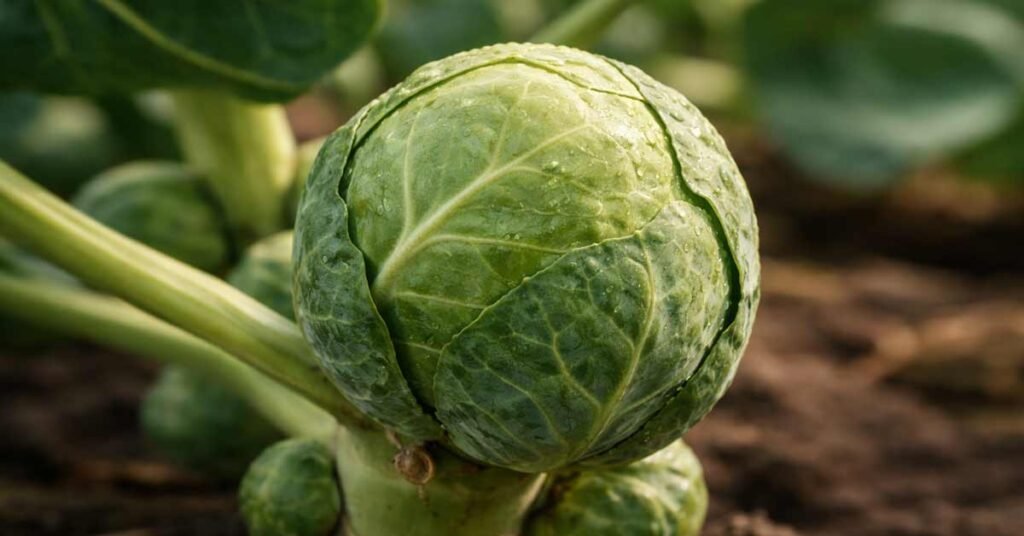
Making Brussels Sprouts Work in Real Life Without Overthinking It
Adding brussels sprouts to your life doesn’t have to feel like a chore. They aren’t intimidating once you know a few practical tricks, and the payoff is real: improved fiber intake, steady support for cardiovascular function, and subtle detox benefits. The key is making them convenient, flavorful, and consistent without forcing yourself into complicated routines.
Buying, Storing, and Preparing Brussels Sprouts
Start with the basics: choosing the right brussels sprouts. Look for tight, firm heads with vibrant green color. Avoid yellowing leaves or any signs of soft spots—they lose nutrients quickly. Smaller sprouts tend to have a sweeter flavor and cook more evenly than oversized ones.
Storage is straightforward. Keep them in a perforated plastic bag in the crisper drawer of your fridge. They can last about a week to ten days when stored properly. Freezing is also an option. Blanch them first, then store in an airtight container. This preserves texture and nutrients for several months, making it easy to have them on hand for spontaneous meals.
Preparation doesn’t need to be fancy. Trim the stems and remove loose outer leaves. You can halve them or leave them whole depending on cooking method. Simple prep ensures that you don’t add mental overhead while still getting the nutritional benefits.
Simple Cooking Methods That Actually Taste Good
A common complaint is that brussels sprouts taste bitter or soggy. The trick is controlling moisture and heat to enhance natural flavors. Roasting is a favorite: toss halved sprouts in olive oil, sprinkle with salt, and roast at 400°F (200°C) for 20–25 minutes. High heat caramelizes edges, softens the center, and brings out subtle sweetness.
Sautéing works well too. Use a skillet over medium-high heat, a splash of oil, and toss often. Adding garlic or a squeeze of lemon brightens flavor without overwhelming the sprouts. Steaming is gentle and preserves nutrients but can be bland—pair it with a drizzle of olive oil or a dusting of spices to make it enjoyable.
The overarching principle: cook them in a way that makes you want to eat them. You won’t stick with brussels sprouts if they feel like punishment. Taste and convenience matter as much as nutrients.
Pairing Brussels Sprouts for Better Nutrient Absorption
Brussels sprouts bring fiber, vitamins, and antioxidants, but pairing them thoughtfully can improve how your body uses those nutrients. For example:
- Fat-soluble vitamins like vitamin K absorb better with healthy fats. Tossing sprouts with olive oil, avocado, or a sprinkle of nuts helps.
- Combining them with vitamin C-rich foods—citrus, bell peppers, or tomatoes—can enhance the absorption of plant-based iron.
- Spices like turmeric or black pepper may increase the bioavailability of certain antioxidants, adding a subtle benefit.
These aren’t rigid rules. They’re small nudges that make your everyday meal more nutrient-efficient without requiring strict planning.
How Much Makes Sense Without Forcing It
You don’t need a mountain of brussels sprouts to make a difference. Consistency matters more than volume. A modest portion, say ½ to 1 cup cooked a few times per week, is enough to support fiber intake and deliver bioactive compounds for heart health and detox pathways.
Overdoing it can backfire—too much cruciferous fiber at once can cause bloating or digestive discomfort. Spread servings across meals or mix with other vegetables to balance intake. The goal isn’t perfection. It’s integration.
Think of brussels sprouts as a supporting cast rather than the star. When they show up regularly in a variety of meals, they quietly contribute to nutrient density, fiber intake, and overall dietary quality. That’s when they start pulling weight without ever feeling like a forced obligation. Over time, you’ll notice subtle shifts: more stable energy, improved digestion, and the satisfaction of adding a small habit that genuinely fits into your routine.
Best Selling Brussels Sprout Related Products




When Small Habits with Brussels Sprouts Start to Add Up
It’s easy to underestimate the power of a simple habit. A little sprinkle of consistency, day after day, often beats dramatic, short-lived efforts. Brussels sprouts are the perfect example. They’re not flashy. They won’t produce instant results. But when you make them a steady presence in your meals, subtle shifts start to show up, quietly reinforcing heart health, digestive balance, and the body’s natural detox pathways.
One of the most noticeable changes is in digestion. Regular servings of brussels sprouts increase fiber intake in a way that’s gentle but persistent. You might notice that digestion feels smoother, bloating less frequent, and meals leave you feeling satisfied longer. That fiber, combined with water and the structure of the vegetable itself, supports elimination patterns that matter more than any quick “detox fix” ever could.
Heart health also benefits over time. The soluble fiber, potassium, and antioxidants don’t act like a medicine—they act like a partner in everyday metabolism. A few servings per week slowly reinforce healthy vascular tone, support cholesterol balance, and encourage steady nutrient absorption. It’s not dramatic, but it’s cumulative. That consistency builds a foundation that pays off when it counts: months and years down the line, not just hours or days.
You’ll also notice a subtle improvement in meal quality. Including brussels sprouts encourages a shift toward whole foods. They pair well with other vegetables, proteins, and healthy fats, nudging your meals toward a nutrient-dense pattern without forcing it. The more often you integrate them, the easier it becomes to naturally balance plates without counting or measuring obsessively.
It’s worth mentioning that the psychological side matters too. Once you realize that a small, manageable habit—like tossing brussels sprouts into a weekly rotation—can produce real benefits, it often inspires other positive changes. You start to think more about vegetable variety, cooking methods, and how to get nutrients in without stress. That snowball effect is one of the underappreciated ways small habits accumulate.
Finally, these subtle shifts also reinforce the principle of moderation. You don’t need to eat huge portions or make brussels sprouts the centerpiece of every meal. Even half a cup a few times a week is enough to support key functions, and it integrates without friction. The result is that over time, the body is consistently exposed to beneficial compounds, digestion is more regular, and the cardiovascular system receives gentle, steady support.
Brussels sprouts exemplify how small, reliable habits can quietly pull weight. They aren’t a quick fix or a miracle food—they’re a consistent, manageable addition that, when repeated, produces real, tangible improvements in health patterns. That’s the kind of habit that lasts because it works with your lifestyle, not against it.
Article Sources
At AncientHerbsWisdom, our content relies on reputable sources, including peer-reviewed studies, to substantiate the information presented in our articles. Our primary objective is to ensure our content is thoroughly fact-checked, maintaining a commitment to accuracy, reliability, and trustworthiness.
- Sangiovanni, E., Brivio, P., Dell’Agli, M., & Calabrese, F. (2017). Botanicals as Modulators of Neuroplasticity: Focus on BDNF. Neural Plasticity, 2017, 5965371. https://doi.org/10.1155/2017/5965371
- Chun, O. K., Kim, D. O., & Lee, C. Y. (2006). Superoxide radical scavenging activity of selected vegetables. Journal of Agricultural and Food Chemistry, 54(1), 1–8. https://doi.org/10.1021/jf0517545
- Jeffery, E. H., & Araya, M. (2009). Physiological effects of cruciferous vegetable phytochemicals. Phytochemistry Reviews, 8(1), 243–266. https://doi.org/10.1007/s11101-008-9091-8
- Traka, M., & Mithen, R. (2009). Glucosinolates, isothiocyanates and human health. Phytochemistry Reviews, 8(1), 269–282. https://doi.org/10.1007/s11101-008-9101-9
- World Health Organization. (2020). Healthy diet. WHO. https://www.who.int/news-room/fact-sheets/detail/healthy-diet
- USDA FoodData Central. (2023). Brussels sprouts, raw. https://fdc.nal.usda.gov/fdc-app.html#/food-details/11090/nutrients
- Higdon, J. V., Delage, B., Williams, D. E., & Dashwood, R. H. (2007). Cruciferous vegetables and human cancer risk: Epidemiologic evidence and mechanistic basis. Pharmacological Research, 55(3), 224–236. https://doi.org/10.1016/j.phrs.2007.01.009
- Clifford, T., Howatson, G., West, D. J., & Stevenson, E. J. (2015). The potential benefits of green vegetable intake on cardiovascular health: A review. Nutrition Research Reviews, 28(2), 250–267. https://doi.org/10.1017/S095442241500016X
- Blekkenhorst, L. C., Prince, R. L., Devine, A., et al. (2017). Effects of vegetables on markers of cardiovascular disease: A systematic review. Advances in Nutrition, 8(5), 711–725. https://doi.org/10.3945/an.117.016075
- Kalantar-Zadeh, K., Fouque, D. (2017). Nutritional management of chronic kidney disease. New England Journal of Medicine, 377, 1765–1776. https://doi.org/10.1056/NEJMra1700312

- Phosphatidic Acid: Supporting Muscle Growth and Strength - July 31, 2026
- Ceramides: Supporting Healthy Skin From Within - July 31, 2026
- Synbiotics: Combining Prebiotics and Probiotics Together - July 31, 2026